





Detroit sits at the intersection of severe Great Lakes weather patterns and aging infrastructure that creates constant water damage threats. The city experiences dramatic freeze-thaw cycles throughout winter, causing pipes to burst in homes built before modern insulation standards. Spring snowmelt and heavy rainfall overwhelm older combined sewer systems in neighborhoods like Corktown and Eastern Market, sending basement flooding throughout historic districts. Many Detroit properties contain cast iron drain pipes installed in the 1920s and 1940s that corrode from the inside, failing without warning and flooding finished basements.
The clay-heavy soil common throughout Wayne County expands when saturated and contracts during dry periods, creating foundation cracks that channel groundwater into basements during storms. Properties near the Detroit River in areas like Rivertown and Jefferson-Chalmers face additional flooding risk during spring high water events. Detroit's humid summer climate accelerates mold growth when water damage goes untreated for more than 48 hours. These combined factors mean Detroit property owners need water damage specialists who understand regional construction methods, soil conditions, and weather patterns that cause flooding.
Detroit property owners choose Ironwood Water Damage Restoration Detroit because we dispatch crews immediately, not in four to six hours when other companies get around to it. We maintain trucks stationed throughout Wayne County so response times average under 60 minutes for emergency water extraction. Our technicians train specifically on Detroit's older housing stock, understanding how water travels through balloon-frame construction common in pre-1950 homes and knowing where hidden water pockets form in plaster wall systems.
We invested in thermal imaging technology that reveals water saturation invisible to the naked eye, finding moisture trapped in wall cavities before it causes structural rot or mold colonies. While other restoration companies contract out their reconstruction work, we employ licensed builders who handle repairs from drywall replacement to complete kitchen rebuilds under one roof. This eliminates coordination delays and gets you back in your space faster.
Our estimators work directly with every major insurance carrier operating in Michigan, speaking their language and documenting losses according to their specific requirements. We know which carriers demand moisture readings at specific intervals and which require detailed photo documentation of affected materials before removal. This expertise speeds claim approval and maximizes your settlement. We serve Detroit property owners through catastrophic floods and minor supply line failures with the same commitment to thorough water removal and complete structural drying that prevents future problems.

We dispatch water extraction crews within 60 minutes across Detroit and Wayne County. Our trucks carry industrial pumps and thermal imaging equipment to stop water spread immediately. Fast response limits damage severity and reduces restoration costs by preventing water migration into unaffected areas of your property.

Ironwood handles every phase from emergency water extraction through final reconstruction with our own licensed crews. You work with one company instead of coordinating multiple contractors. We restore flooring, drywall, cabinetry, and structural components to pre-loss condition without delays between trades or finger-pointing about responsibility.
Our estimators document water damage according to insurance carrier requirements, providing detailed loss reports with moisture readings, photo evidence, and material inventories. We communicate directly with adjusters throughout the claim process and help Detroit property owners understand coverage details and depreciation calculations that affect settlement amounts.
We restore Detroit's historic housing stock daily, understanding how water damages plaster walls, oak flooring, and balloon-frame construction differently than modern building methods. Our crews know where water hides in older homes and which original materials can dry successfully versus needing replacement.
Ironwood Water Damage Restoration Detroit handles every category of water intrusion from clean water supply line breaks to contaminated sewage backups that threaten health and safety. We structure our services around damage severity and water contamination level because each category requires different extraction methods, drying protocols, and safety precautions. Our crews assess water source, measure affected area square footage, and classify damage according to Institute of Inspection Cleaning and Restoration Certification standards before beginning remediation work.
We provide emergency water removal services that stop damage progression immediately, structural drying that prevents mold growth and wood rot, and complete reconstruction that returns your property to pre-loss condition. Detroit property owners receive detailed moisture mapping that tracks drying progress with daily measurements until all building materials return to normal moisture content. Our equipment fleet includes truck-mounted extraction units for major flooding, industrial dehumidifiers for structural drying, and air movers that accelerate evaporation from saturated materials.
Our emergency crews extract standing water using truck-mounted pumps and portable extraction units within one hour of your call. We remove saturated carpeting, pad materials, and damaged contents before water spreads to unaffected areas. Technicians contain water flow using barriers and channeling techniques that protect undamaged sections of your Detroit property. We apply antimicrobial treatments to affected surfaces and begin air circulation immediately to prevent mold spore activation during the first 48 hours after water intrusion.
We dry wall cavities, subfloors, ceiling assemblies, and structural framing using commercial dehumidifiers and targeted air movement equipment. Our technicians monitor moisture levels in wood framing, drywall, and concrete using calibrated meters that measure internal moisture content. Drying continues until all materials reach normal moisture levels according to industry standards. This prevents mold growth, wood rot, and structural deterioration that occurs when moisture remains trapped in building assemblies after visible water disappears.
Our licensed builders replace drywall, install new flooring, rebuild cabinetry, and restore all damaged structural components and finishes. We match existing materials and finishes so repaired areas blend seamlessly with undamaged sections of your Detroit property. Reconstruction includes plumbing repairs that caused the original flooding, electrical work affected by water intrusion, and HVAC system components damaged during the incident. You receive a fully restored space ready for occupancy without coordinating separate contractors.
Detroit's climate extremes and aging building infrastructure create predictable water damage patterns throughout the year. Winter brings burst pipe emergencies when temperatures drop below zero and aging copper supply lines freeze and rupture. Spring snowmelt overwhelms foundation drainage systems, sending water through basement walls in older neighborhoods where exterior waterproofing has deteriorated. Summer storms drop several inches of rain in hours, backing up combined sewers and flooding basements with contaminated water.
The city's housing stock contains thousands of properties built between 1920 and 1960 with original plumbing systems, clay tile drains, and cast iron waste pipes reaching the end of serviceable life. These components fail without warning, causing sudden flooding that damages finished living spaces. Many Detroit homeowners discover water damage only after mold appears or floors buckle because slow leaks hide behind walls or under flooring until significant deterioration occurs.
Detroit's subzero winter temperatures freeze water in copper supply lines, causing pipes to burst when ice expansion creates pressure failures. Pipes in exterior walls, unheated crawl spaces, and attics face highest risk. A single burst pipe releases hundreds of gallons before you discover the leak, flooding multiple rooms and saturating structural framing.
Spring groundwater saturation and heavy rainfall push water through foundation cracks and deteriorated exterior waterproofing common in pre-1970 Detroit homes. Water appears through floor-wall joints, causing chronic dampness that promotes mold growth and damages finished basement spaces. Clay soil expansion during wet periods accelerates foundation cracking.
Combined sewer systems in older Detroit neighborhoods overflow during heavy storms, sending contaminated water into basements through floor drains and fixtures. Tree root intrusion into aging clay tile sewer lines also causes blockages that flood lower levels with sewage. This category 3 water contains harmful bacteria requiring specialized remediation protocols.
Water heaters, washing machines, and dishwashers fail without warning, releasing water that floods surrounding areas. Supply line connections deteriorate over time and burst under normal water pressure. Many Detroit homes contain appliances 15 to 20 years old operating past expected service life, increasing failure risk. Water spreads quickly across finished flooring before detection.
Water damage creates stress and disruption. You need a restoration company that communicates clearly, shows up when promised, and completes work without delays or surprises. Ironwood Water Damage Restoration Detroit assigns a project manager to your job who serves as your single point of contact from emergency response through final reconstruction. This person coordinates all crews, updates you on progress, and answers questions about insurance claims or repair timelines.
We arrive when we say we will, typically within 60 minutes for emergency calls across Detroit. Our technicians explain what work they will perform before starting and walk you through findings using moisture meters and thermal imaging so you understand damage extent. You receive daily updates during the drying phase with moisture readings that show progress toward completion. We maintain clean work areas, protect undamaged property with barriers and floor protection, and treat your home with respect throughout the restoration process.
Our emergency crews arrive quickly, assess damage severity using moisture detection equipment, and begin water extraction immediately. You receive a detailed explanation of required work, estimated timeline, and next steps. We photograph all damage for insurance documentation and identify the water source to prevent continued intrusion. Technicians answer your questions about the restoration process and help you understand what to expect during each phase.
Your assigned project manager contacts you daily with drying progress updates and moisture measurement readings. We explain any complications discovered during work and discuss options before proceeding. You receive advance notice before crews arrive and clear timelines for each restoration phase. We coordinate with your insurance adjuster directly and provide claim documentation that supports your settlement without you serving as middleman between parties.
We complete all reconstruction work using quality materials that match your existing finishes and construction. You approve material selections and review completed work before we consider the job finished. Our warranty covers both water damage remediation and reconstruction work, giving you protection if problems develop. The final walkthrough ensures you are completely satisfied before our crews leave your Detroit property.
We follow systematic protocols developed through thousands of Detroit water damage projects. This structured approach ensures complete moisture removal, prevents mold growth, and returns your property to pre-loss condition efficiently.
Our technicians arrive at your Detroit property, identify the water source, and stop continued intrusion. We use moisture meters and thermal imaging cameras to map affected areas and measure saturation levels in flooring, walls, and structural components. You receive a detailed damage assessment explaining required work and estimated restoration timeline. We photograph all damage for insurance documentation and begin emergency water extraction immediately.
Crews remove standing water using truck-mounted pumps and portable extraction units. We pull saturated carpeting, remove damaged pad materials, and extract water from subfloors and wall cavities. Industrial dehumidifiers and air movers run continuously to dry structural components completely. Technicians monitor moisture levels daily using calibrated meters, documenting progress until all materials reach normal moisture content according to industry standards.
Our licensed builders replace damaged drywall, install new flooring, rebuild cabinetry, and restore all affected structural components. We match existing materials and finishes so repairs blend seamlessly with undamaged areas. Reconstruction includes plumbing repairs, electrical work, and HVAC restoration affected during the water damage event. You conduct a final walkthrough and approve all completed work before we consider your Detroit property fully restored.
Professional water damage restoration follows protocols established by the Institute of Inspection Cleaning and Restoration Certification, the industry's recognized standards authority. These guidelines classify water damage into three categories based on contamination level and four classes based on evaporation rate and affected material porosity. Category 1 water originates from sanitary sources like supply lines and poses no health threat. Category 2 water contains contamination from appliance discharges or toilet overflows with urine but no feces. Category 3 water includes sewage, flooding from rivers or streams, and any standing water that has remained stagnant for more than 48 hours.
Class 1 damage affects only part of a room with minimal absorption into materials. Class 2 damage affects an entire room with water wicking up walls 12 to 24 inches. Class 3 damage saturates walls, ceilings, insulation, and structural components from overhead sources. Class 4 damage affects materials with very low porosity like hardwood flooring, concrete, and plaster that require specialty drying techniques. Proper classification determines equipment selection, drying time, and safety protocols required for safe restoration.
Detroit properties often suffer Class 2 or Class 3 damage during basement flooding events because water affects finished living spaces with carpeting, drywall, and insulation that absorb moisture readily. Our technicians document classification and moisture content using industry-standard meters that measure both surface and deep moisture in building materials. We follow manufacturer specifications for equipment placement, calculating the precise number of dehumidifiers and air movers required based on affected square footage, ceiling height, and outdoor temperature and humidity levels that affect drying rates.
We measure moisture content daily using calibrated meters, tracking progress until readings match unaffected areas of your property. Different materials require different monitoring techniques. Wood framing requires pin-type meters that measure internal moisture, while drywall and concrete use non-invasive meters. Complete drying typically requires three to seven days depending on saturation severity and environmental conditions.
Water damage restoration costs depend on affected square footage, contamination category, structural damage severity, and required reconstruction scope. Category 3 sewage backups cost more because contaminated materials require disposal rather than drying. Hardwood floor damage, plaster wall repairs, and structural framing replacement increase costs compared to basic carpet and drywall restoration.
Emergency water extraction begins within hours of your call. Structural drying requires three to seven days for complete moisture removal. Reconstruction timeline depends on damage extent, ranging from several days for basic drywall and flooring replacement to several weeks for extensive structural repairs. We provide specific timelines after completing damage assessment at your Detroit property.
Professional water damage restoration companies in Michigan carry general liability insurance and workers compensation coverage protecting you from liability during emergency work. Our reconstruction crews hold appropriate state licenses for plumbing, electrical, and building trades. We maintain equipment calibration records and follow manufacturer specifications for all drying equipment, ensuring restoration meets insurance carrier requirements.
Educational video covering professional water damage restoration protocols for Detroit properties. Topics include moisture classification systems, proper structural drying techniques, insurance claim documentation requirements, and Detroit-specific flooding risks from aging infrastructure and Great Lakes climate patterns. Explains equipment requirements, restoration timelines, and quality standards for complete water damage remediation and reconstruction.
Ironwood Water Damage Restoration Detroit maintains rapid response capability throughout the greater Detroit metro area and surrounding Wayne County communities. We serve property owners from the historic neighborhoods of Corktown and Woodbridge where pre-1920 homes face chronic basement seepage through deteriorating foundations to the riverfront developments in Jefferson-Chalmers dealing with seasonal high water flooding. Our crews know the East Side neighborhoods around Grosse Pointe where copper supply lines freeze in older homes during January cold snaps and the West Side communities near Dearborn where combined sewer backups flood basements during summer storms.
We respond to water damage emergencies in Midtown near Wayne State University, Downtown in the residential towers along Woodward Avenue, and the revitalized districts of Eastern Market where mixed-use buildings present unique restoration challenges. Properties throughout the North End, Highland Park, and Hamtramck receive the same rapid response and thorough restoration we provide across all Detroit communities. Our equipment staging locations throughout Wayne County ensure response times under 60 minutes whether you call from Palmer Woods, Rosedale Park, or the Hubbard-Richard neighborhood.
Detroit's diverse housing stock requires restoration specialists who understand how water damages different construction types and eras. The brick vernacular homes common in Southwest Detroit absorb water differently than the Arts and Crafts bungalows prevalent in University District. We restore modern infill construction in New Center using different protocols than we apply to Victorian-era properties in Indian Village. Our technicians adapt equipment placement, drying techniques, and reconstruction methods to match your property's specific construction characteristics and architectural features.
We work throughout the I-94 and I-75 corridors, serving properties in River Rouge, Ecorse, and Lincoln Park to the south, and reaching into Oakland County communities like Ferndale and Royal Oak where Detroit residents frequently own investment properties. Every Detroit neighborhood faces unique water damage risks based on housing age, soil conditions, and infrastructure condition. Ironwood responds to all of them with equipment, expertise, and commitment to complete restoration.
Most Detroit water damage restoration companies offer 24/7 emergency response and arrive within 60 to 90 minutes of your call. Response time depends on your location within the metro area and current weather conditions. Companies prioritize emergency calls for active flooding, burst pipes, and sewage backups. When you call, technicians will ask about the water source and damage extent to bring proper equipment. Fast response prevents mold growth and reduces structural damage. Save emergency contact numbers before disasters strike so you get help immediately when water damage occurs.
Water damage restoration expenses vary based on damage severity, affected square footage, water category, and required repairs. Minor leaks affecting one room typically cost less than whole-home flooding. Clean water damage costs less to remediate than sewage backups. Your final expense includes water extraction, drying equipment, antimicrobial treatment, and structural repairs. Most companies offer free inspections and provide detailed estimates before starting work. Keep documentation of all damage and repairs for insurance claims. Get multiple estimates from Detroit restoration companies to understand fair pricing for your specific situation.
Michigan homeowners insurance typically covers sudden and accidental water damage like burst pipes, appliance malfunctions, and storm-related flooding. Policies usually exclude damage from maintenance neglect, gradual leaks, and groundwater flooding. Standard policies do not cover flood damage. You need separate flood insurance through FEMA's National Flood Insurance Program. Review your policy to understand coverage limits, deductibles, and exclusions. Document all damage with photos and videos before cleanup begins. Contact your insurance company immediately after discovering water damage to start your claim process.
Most Detroit water damage restoration companies offer 24/7 emergency response and arrive within 60 to 90 minutes of your call. Response time depends on your location within the metro area and current weather conditions. Companies prioritize emergency calls for active flooding, burst pipes, and sewage backups. When you call, technicians will ask about the water source and damage extent to bring proper equipment. Fast response prevents mold growth and reduces structural damage. Save emergency contact numbers before disasters strike so you get help immediately when water damage occurs.
Water damage restoration expenses vary based on damage severity, affected square footage, water category, and required repairs. Minor leaks affecting one room typically cost less than whole-home flooding. Clean water damage costs less to remediate than sewage backups. Your final expense includes water extraction, drying equipment, antimicrobial treatment, and structural repairs. Most companies offer free inspections and provide detailed estimates before starting work. Keep documentation of all damage and repairs for insurance claims. Get multiple estimates from Detroit restoration companies to understand fair pricing for your specific situation.
Michigan homeowners insurance typically covers sudden and accidental water damage like burst pipes, appliance malfunctions, and storm-related flooding. Policies usually exclude damage from maintenance neglect, gradual leaks, and groundwater flooding. Standard policies do not cover flood damage. You need separate flood insurance through FEMA's National Flood Insurance Program. Review your policy to understand coverage limits, deductibles, and exclusions. Document all damage with photos and videos before cleanup begins. Contact your insurance company immediately after discovering water damage to start your claim process.
Small water damage projects take three to five days for drying and minor repairs. Extensive flooding affecting multiple rooms needs one to two weeks for complete drying. Major structural repairs extend timelines to several weeks or months. Drying time depends on water category, humidity levels, affected materials, and weather conditions. Professionals monitor moisture levels daily to ensure complete drying before reconstruction begins. Rushing the process leads to mold growth and structural problems. Your restoration team provides timeline estimates after inspecting your property and assessing damage severity.
Detroit restoration companies use industrial-grade water extractors to remove standing water from floors and carpets. Air movers create airflow to speed evaporation from wet surfaces and materials. Commercial dehumidifiers remove moisture from the air and prevent mold growth. Moisture meters and thermal imaging cameras detect hidden water in walls and ceilings. Air scrubbers filter airborne contaminants and improve indoor air quality. Professionals position equipment strategically throughout your home for maximum drying efficiency. They monitor and adjust equipment daily until moisture levels return to normal ranges.
You may stay home during minor water damage restoration if the affected area is contained and sealed off from living spaces. Extensive damage requiring multiple rooms of drying equipment creates noise, humidity, and limited access to areas. Sewage backups and category three water contamination require evacuation until antimicrobial treatment and drying complete. Mold remediation often requires temporary relocation for safety. Ask your restoration team about safety concerns for your specific situation. They assess air quality, structural stability, and contamination levels to recommend whether staying home is safe.
Call emergency restoration services immediately if you see standing water, active leaks, or burst pipes in your home. Signs requiring urgent help include water pooling on floors, ceiling stains spreading rapidly, wet drywall, and soaked carpeting. Sewage backups need immediate professional attention due to health hazards. Listen for running water when all fixtures are off. Check for musty odors indicating hidden moisture. Water damage worsens every hour without professional intervention. Mold begins growing within 24 to 48 hours of water exposure. Quick action minimizes damage and reduces restoration expenses.
Mold spores exist naturally in Detroit homes and need moisture to grow into colonies. Water damage creates ideal conditions when moisture stays present for 24 to 48 hours. Mold thrives in dark, humid spaces like behind walls, under flooring, and in crawl spaces. Wet drywall, insulation, and wood framing provide food sources for mold growth. High humidity levels above 60 percent accelerate mold development. Incomplete drying after water damage leaves hidden moisture where mold spreads undetected. Professional restoration includes antimicrobial treatments and thorough drying to prevent mold growth.
Professional Detroit restoration companies regularly work with insurance adjusters and understand the claims process. They document damage with photos, moisture readings, and detailed reports for your claim. Many companies bill insurance directly after you pay your deductible. They provide estimates matching insurance industry standards and communicate with adjusters throughout the restoration process. This partnership streamlines your claim and reduces stress during recovery. Ask restoration companies about their insurance experience before hiring. Working with insurance-experienced teams helps you receive full coverage benefits and speeds up the claims process.
Detroit winters bring freezing temperatures that cause water inside pipes to expand. Expanding ice creates pressure that cracks or bursts pipes. Pipes in unheated spaces like basements, crawl spaces, attics, and exterior walls face highest risk. When temperatures rise, ice melts and water floods through damaged pipes. A single burst pipe releases hundreds of gallons per hour. Keep your home heated above 55 degrees during winter. Open cabinet doors to warm pipes under sinks. Insulate exposed pipes in cold areas. Drip faucets during extreme cold to prevent freezing.
Small water damage projects take three to five days for drying and minor repairs. Extensive flooding affecting multiple rooms needs one to two weeks for complete drying. Major structural repairs extend timelines to several weeks or months. Drying time depends on water category, humidity levels, affected materials, and weather conditions. Professionals monitor moisture levels daily to ensure complete drying before reconstruction begins. Rushing the process leads to mold growth and structural problems. Your restoration team provides timeline estimates after inspecting your property and assessing damage severity.
Detroit restoration companies use industrial-grade water extractors to remove standing water from floors and carpets. Air movers create airflow to speed evaporation from wet surfaces and materials. Commercial dehumidifiers remove moisture from the air and prevent mold growth. Moisture meters and thermal imaging cameras detect hidden water in walls and ceilings. Air scrubbers filter airborne contaminants and improve indoor air quality. Professionals position equipment strategically throughout your home for maximum drying efficiency. They monitor and adjust equipment daily until moisture levels return to normal ranges.
You may stay home during minor water damage restoration if the affected area is contained and sealed off from living spaces. Extensive damage requiring multiple rooms of drying equipment creates noise, humidity, and limited access to areas. Sewage backups and category three water contamination require evacuation until antimicrobial treatment and drying complete. Mold remediation often requires temporary relocation for safety. Ask your restoration team about safety concerns for your specific situation. They assess air quality, structural stability, and contamination levels to recommend whether staying home is safe.
Call emergency restoration services immediately if you see standing water, active leaks, or burst pipes in your home. Signs requiring urgent help include water pooling on floors, ceiling stains spreading rapidly, wet drywall, and soaked carpeting. Sewage backups need immediate professional attention due to health hazards. Listen for running water when all fixtures are off. Check for musty odors indicating hidden moisture. Water damage worsens every hour without professional intervention. Mold begins growing within 24 to 48 hours of water exposure. Quick action minimizes damage and reduces restoration expenses.
Mold spores exist naturally in Detroit homes and need moisture to grow into colonies. Water damage creates ideal conditions when moisture stays present for 24 to 48 hours. Mold thrives in dark, humid spaces like behind walls, under flooring, and in crawl spaces. Wet drywall, insulation, and wood framing provide food sources for mold growth. High humidity levels above 60 percent accelerate mold development. Incomplete drying after water damage leaves hidden moisture where mold spreads undetected. Professional restoration includes antimicrobial treatments and thorough drying to prevent mold growth.
Professional Detroit restoration companies regularly work with insurance adjusters and understand the claims process. They document damage with photos, moisture readings, and detailed reports for your claim. Many companies bill insurance directly after you pay your deductible. They provide estimates matching insurance industry standards and communicate with adjusters throughout the restoration process. This partnership streamlines your claim and reduces stress during recovery. Ask restoration companies about their insurance experience before hiring. Working with insurance-experienced teams helps you receive full coverage benefits and speeds up the claims process.
Detroit winters bring freezing temperatures that cause water inside pipes to expand. Expanding ice creates pressure that cracks or bursts pipes. Pipes in unheated spaces like basements, crawl spaces, attics, and exterior walls face highest risk. When temperatures rise, ice melts and water floods through damaged pipes. A single burst pipe releases hundreds of gallons per hour. Keep your home heated above 55 degrees during winter. Open cabinet doors to warm pipes under sinks. Insulate exposed pipes in cold areas. Drip faucets during extreme cold to prevent freezing.
Conveniently located to serve the Detroit area, Ironwood is always ready to respond to your water damage emergencies. Explore our service area on the map below or contact us directly to discuss your specific needs. We’re committed to providing prompt, professional service wherever you are within our operational zone, ensuring rapid deployment and effective restoration solutions when you need them most.
Address:
Detroit, MI, 48201
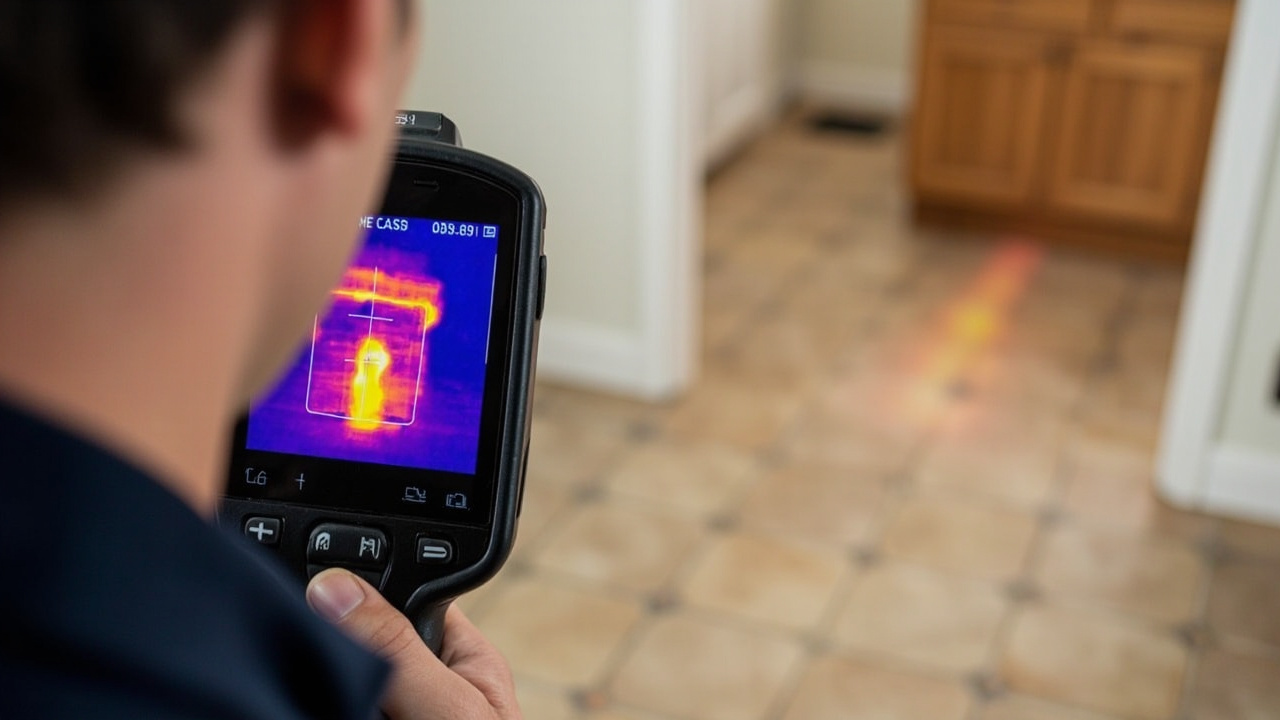
A slow leak inside a hydronic radiant floor system is one of the most destructive problems a Grosse Pointe Park homeowner can face. The water never shows itself immediately. It saturates your subfloor, feeds mold…
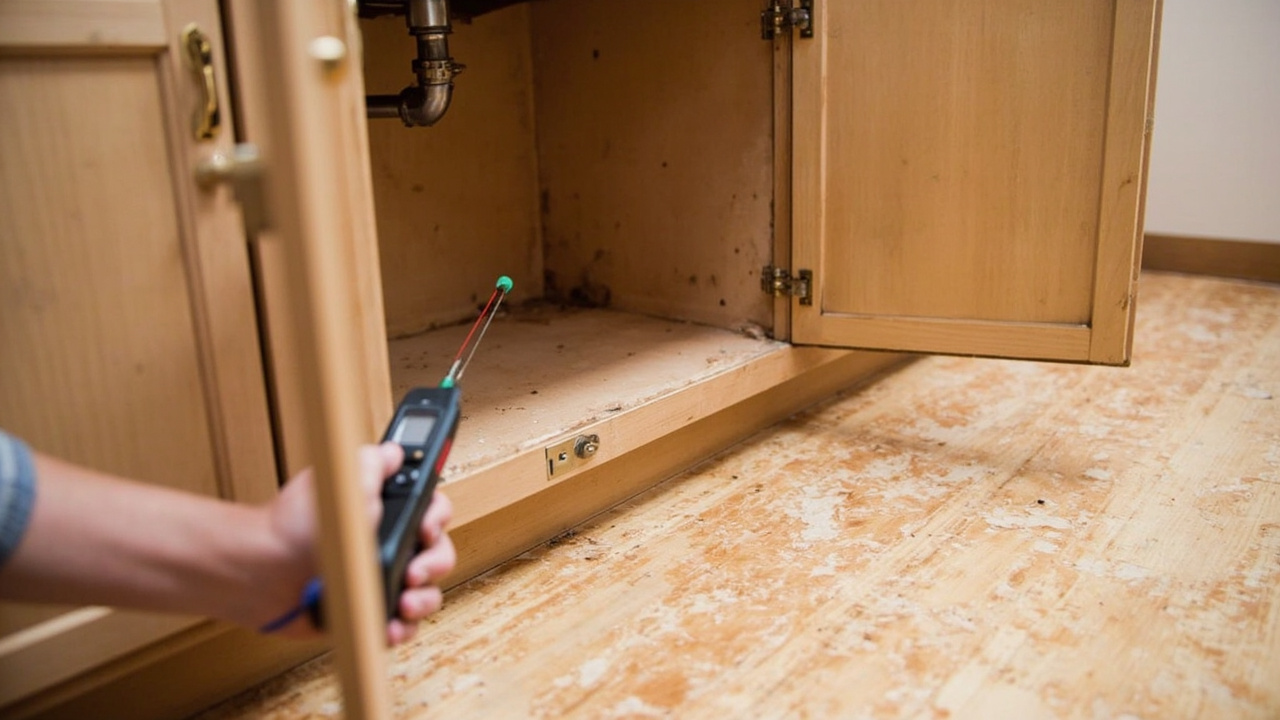
A Slow Leak You Cannot See Is the Most Dangerous Kind Your reverse osmosis system…
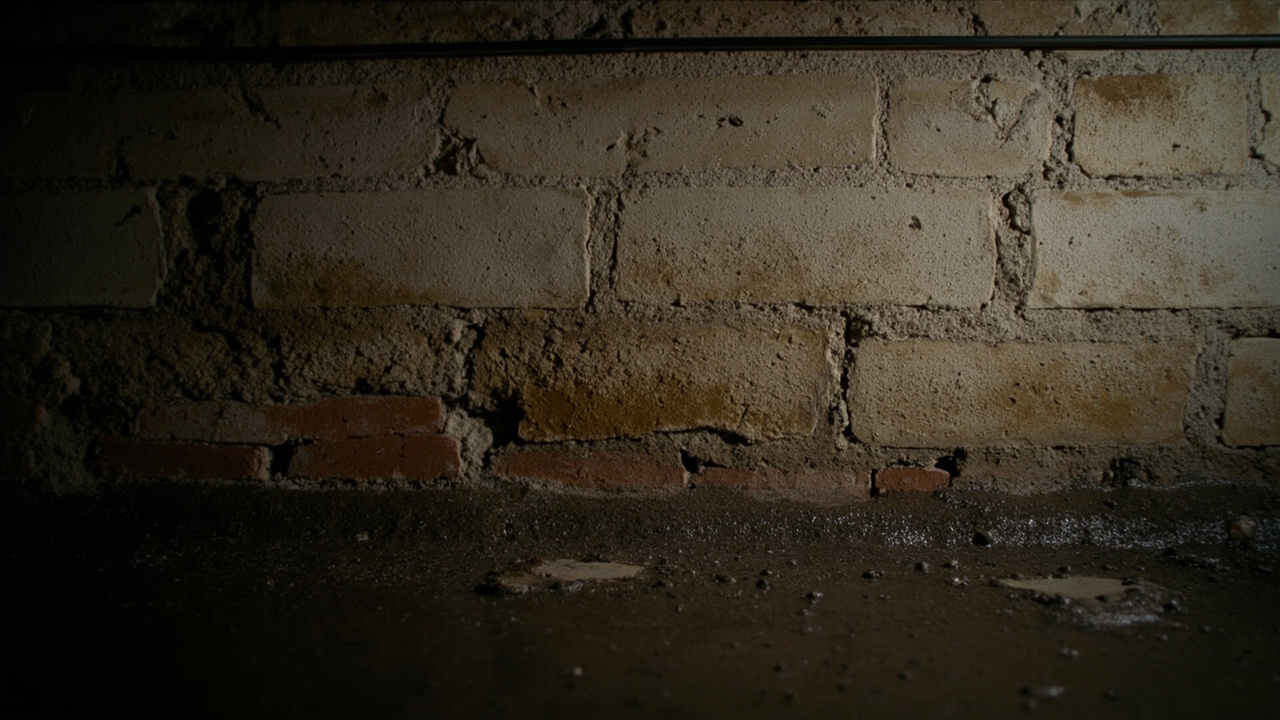
If you are finding silverfish darting behind your water heater or earwigs clustering near your…
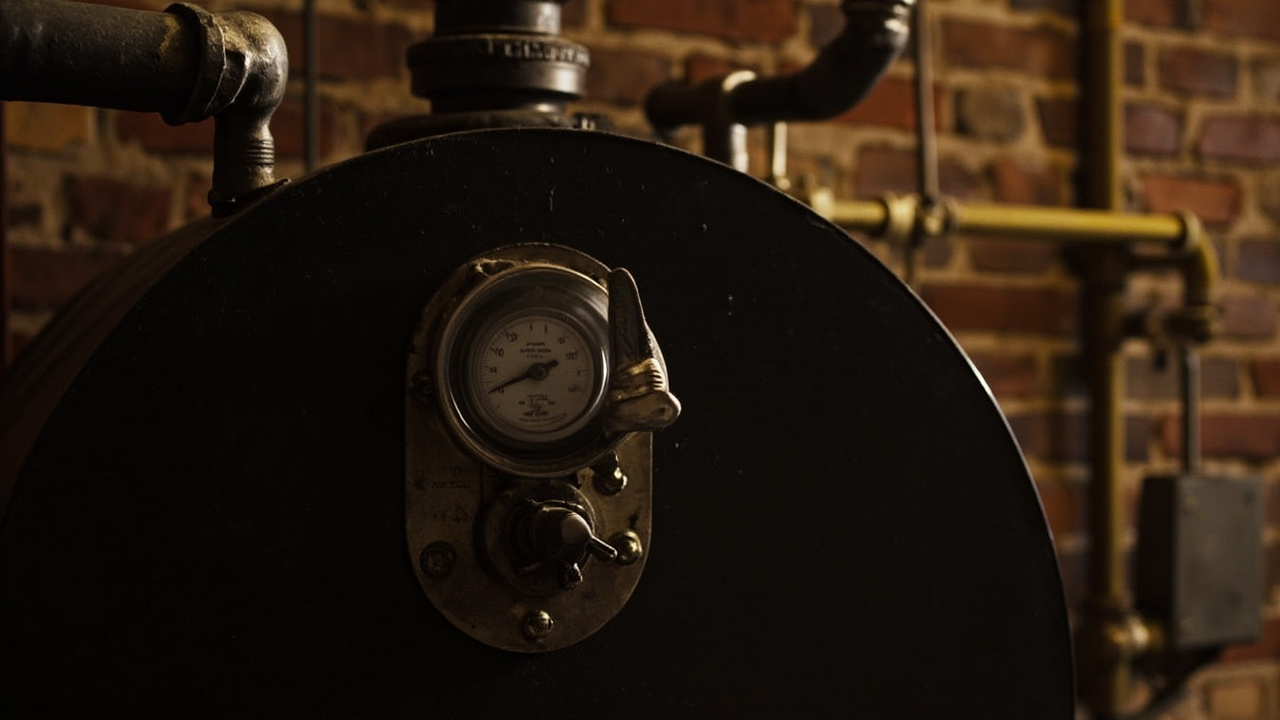
A leaking boiler in a Boston-Edison home is not the same as a leaking boiler…
Water spreads fast. Call Ironwood Water Damage Restoration Detroit at (313) 572-5559 right now for emergency response. Our crews dispatch immediately with industrial extraction equipment to stop damage and begin drying your property. We are available 24 hours a day, 7 days a week.