



menu

Commercial Fire & Smoke Cleanup in Detroit – Industrial-Grade Restoration That Keeps Your Business Operating

Detroit businesses need commercial fire damage restoration that minimizes downtime and protects revenue. Our commercial smoke remediation teams deploy advanced thermal imaging and negative air containment to restore operations fast while maintaining compliance with Michigan commercial building codes.

Slider Image 1
Slider Image 2
Slider Image 3
Slider Image 4
Slider Image 5
Slider Image 7
Slider Image 8
Slider Image 9
Slider Image 10
Slider Image 11

Fire and Smoke Damage Threatens Detroit Business Continuity

A commercial fire in Detroit creates immediate business interruption. Beyond visible charring, smoke infiltrates HVAC systems, penetrates porous materials, and leaves corrosive residue that continues damaging inventory, equipment, and structural components long after flames are extinguished.

Detroit's older commercial districts, particularly in Midtown and Eastern Market, contain buildings with legacy ventilation systems that spread smoke faster through interconnected ductwork. Properties near industrial corridors in Southwest Detroit face additional contamination risks when fires involve chemical storage or manufacturing materials. The freeze-thaw cycles common to Metro Detroit also complicate post-fire repairs, as water used during suppression can freeze in wall cavities and create secondary structural damage.

Commercial smoke remediation requires specialized equipment beyond standard janitorial cleanup. Protein-based smoke from restaurant fires demands different deodorization protocols than synthetic smoke from office equipment fires. Business fire cleanup services must address hidden particulate in drop ceilings, within wall assemblies, and throughout mechanical systems to prevent long-term odor problems and health code violations.

The liability exposure from incomplete commercial soot removal is significant. Employees returning to contaminated environments face respiratory risks. Customers detect lingering smoke odors that damage brand reputation. Insurance adjusters scrutinize documentation of proper decontamination protocols. Industrial fire mitigation must follow IICRC S500 and S520 standards to protect your business legally and operationally.

Detroit business owners cannot afford extended closures. Each day offline means lost revenue, displaced employees, and customers finding alternative suppliers. Professional commercial fire damage restoration minimizes that operational gap.

Fire and Smoke Damage Threatens Detroit Business Continuity
Our Commercial Fire and Smoke Restoration Protocol

Our Commercial Fire and Smoke Restoration Protocol

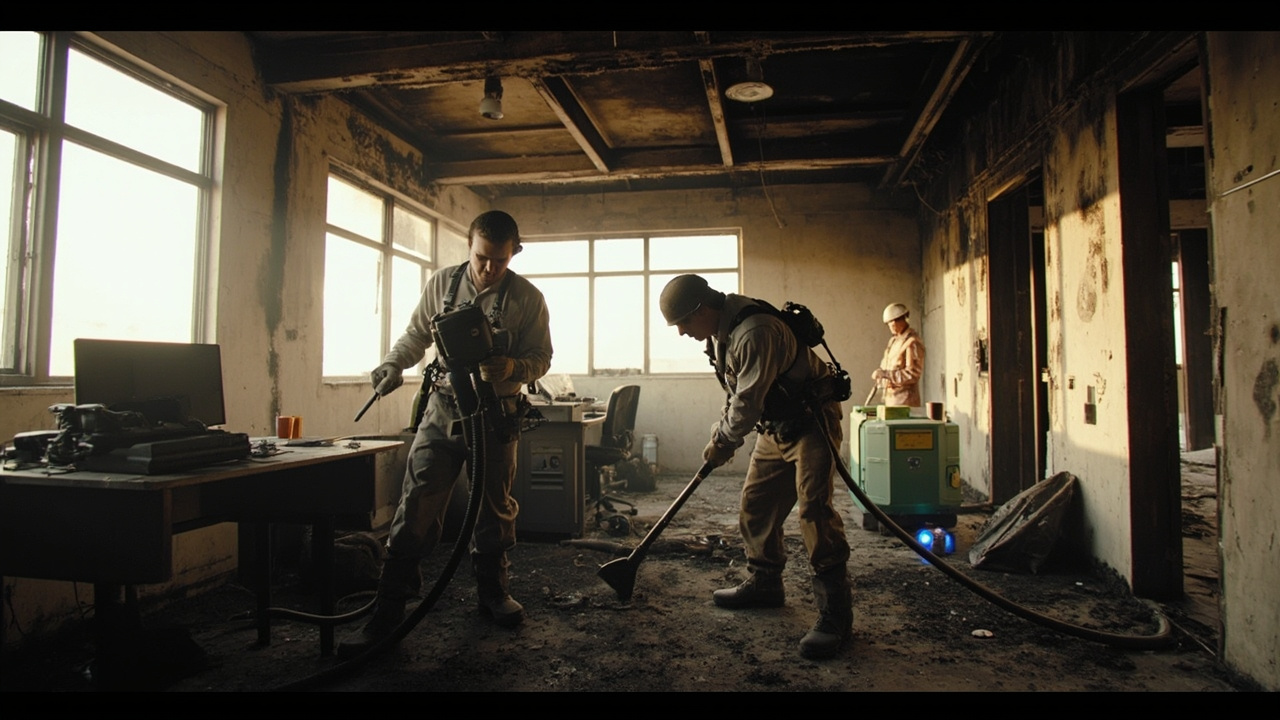
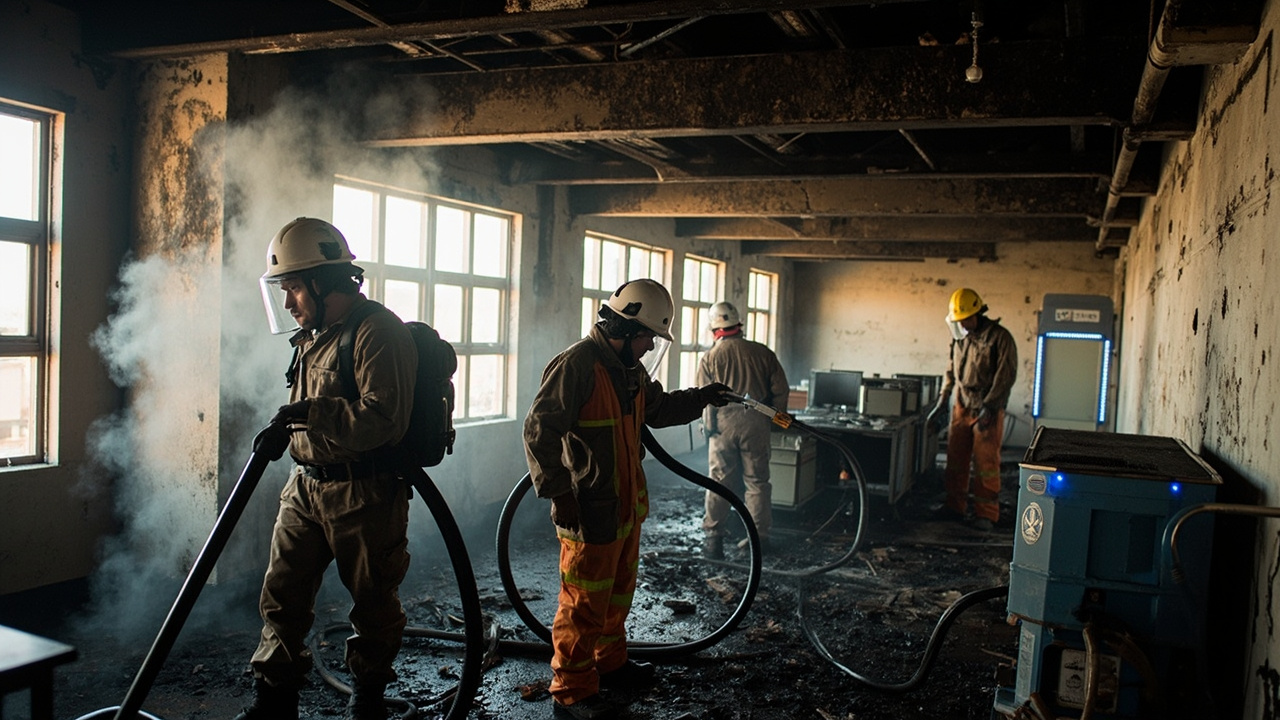
Commercial fire cleanup requires immediate containment. We establish negative air pressure zones using commercial-grade air scrubbers with HEPA filtration to prevent cross-contamination between affected and clean areas. This is critical in multi-tenant buildings or facilities with sensitive operations that cannot tolerate smoke migration.

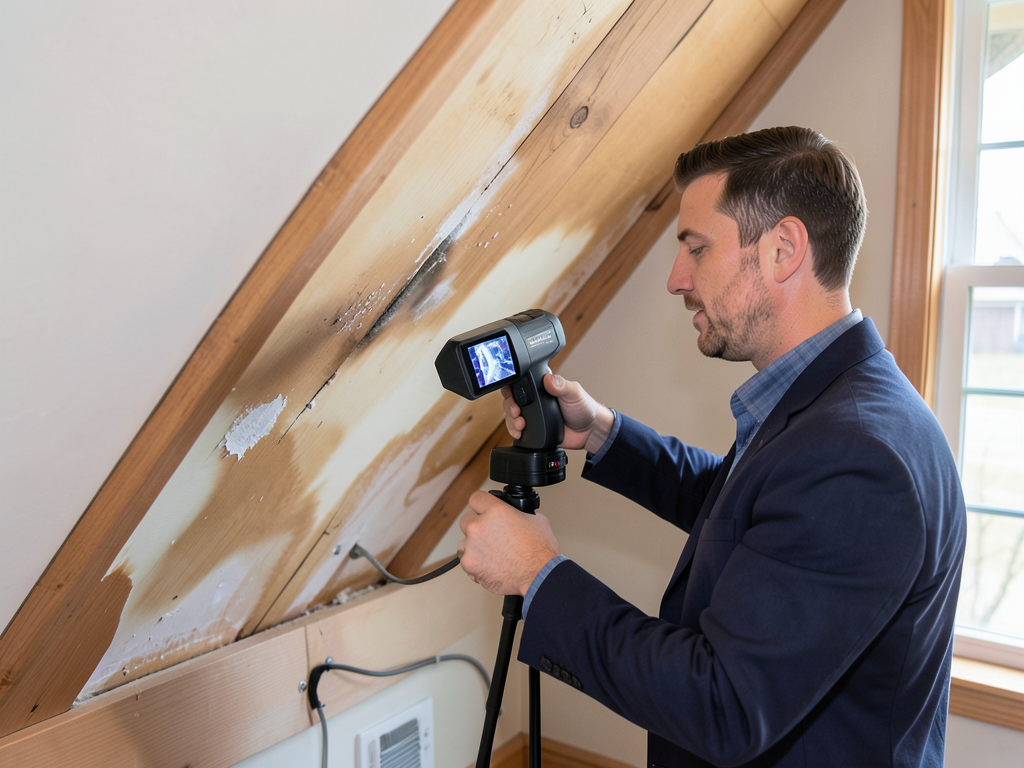
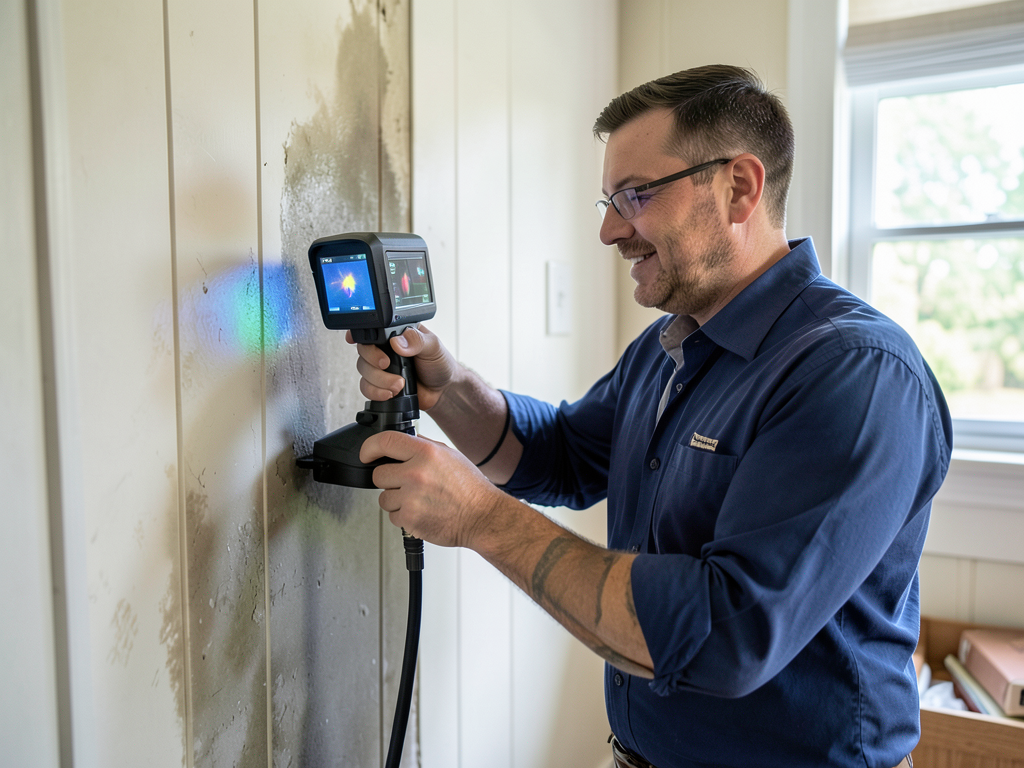
Our teams deploy thermal imaging cameras to map heat signatures inside wall cavities and ceiling assemblies. This identifies smoldering materials invisible to standard inspection. We document temperature differentials for insurance purposes and to prevent rekindling that could trigger additional damage days after the initial incident.

Commercial soot removal follows a top-down methodology. We begin with ceiling tiles and overhead ductwork before addressing walls and floors. Soot particles are acidic and hygroscopic, meaning they attract moisture and become more corrosive over time. Delayed removal allows these particles to etch metal surfaces, discolor painted walls, and permanently stain porous materials.

For business fire cleanup services, we use dry chemical sponges on walls and ceilings to lift particulate without smearing. Wet cleaning comes later, after initial particulate removal prevents spreading contamination. We treat HVAC systems separately, sealing registers during initial cleanup and scheduling ductwork decontamination before system reactivation.

Industrial fire mitigation often requires coordination with environmental consultants, especially when fires involve hazardous materials or trigger EPA reporting thresholds. We document chain of custody for contaminated materials, provide manifests for proper disposal, and coordinate air quality testing before employee reentry.

Our commercial smoke remediation process includes hydroxyl generators and ozone treatments deployed during unoccupied hours to neutralize odor molecules at the molecular level. This prevents masking odors with fragrances, which fails inspection and creates occupant complaints.

What Happens During Commercial Fire Restoration

Commercial Fire & Smoke Cleanup in Detroit – Industrial-Grade Restoration That Keeps Your Business Operating
01

Emergency Site Containment

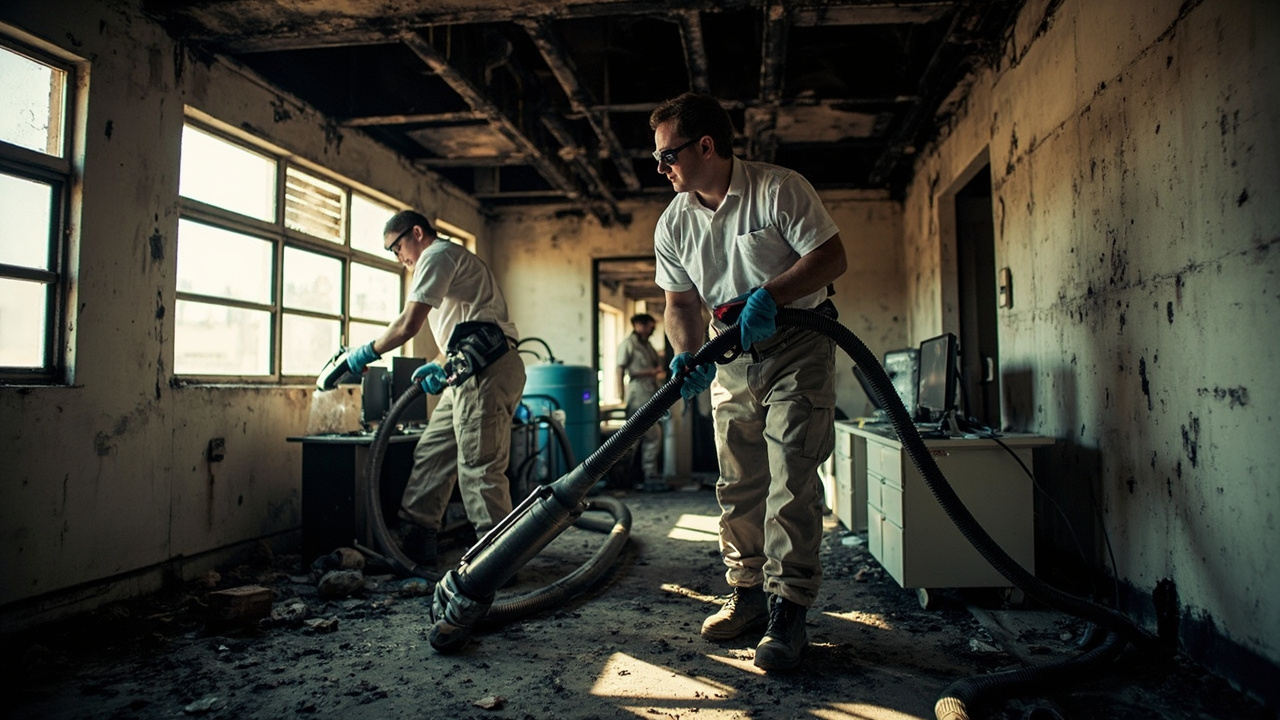
Within hours of your call, our crews establish physical barriers and negative air chambers to isolate smoke-damaged zones. We document pre-mitigation conditions with photo and video evidence, then begin emergency board-up services if needed. Air scrubbers deploy immediately to capture airborne particulate before it migrates deeper into your facility. This containment prevents expanding the damage footprint and protects unaffected inventory or equipment.
02

Systematic Decontamination

We remove all loose soot using HEPA-filtered vacuums and dry sponges before introducing moisture. Wall surfaces, ceilings, and exposed structural elements receive specialized cleaning agents matched to the smoke type. Equipment and inventory undergo individual assessment for salvageability. HVAC systems remain offline until ductwork receives professional cleaning and passes clearance testing. This phase requires coordination with your insurance adjuster to document restoration versus replacement decisions.
03

Odor Elimination and Clearance

After physical cleaning, we deploy advanced oxidation technology to neutralize embedded odor molecules in porous materials. Thermal fogging treats textiles and furniture. We conduct post-remediation air quality testing to verify particulate levels meet reoccupancy standards. You receive detailed documentation showing compliance with IICRC standards and Michigan commercial building codes. This clearance report protects you from future liability claims and satisfies insurance requirements before business resumption.

Why Detroit Businesses Choose Our Fire Restoration Teams

Commercial fire damage restoration in Detroit requires understanding local building construction. Many warehouses and industrial facilities in neighborhoods like Delray and the I-94 Industrial Corridor were built between 1920 and 1960, featuring heavy timber construction and brick masonry that absorbs smoke differently than modern steel-frame buildings. Our teams know how smoke penetrates these older assemblies and the specialized treatments required for historic fabric.

We maintain relationships with Detroit-area industrial hygienists, structural engineers, and environmental consultants who provide third-party verification when fires involve regulated materials. This matters for facilities handling chemicals, food production, or medical supplies where contamination creates regulatory reporting obligations beyond standard property damage.

Detroit's commercial insurance market demands thorough documentation. We provide line-item estimates compatible with Xactimate software, maintain daily progress logs, and coordinate directly with adjusters from major carriers operating in Southeast Michigan. Our documentation withstands scrutiny because we follow IICRC S500 water damage protocols and S520 mold remediation standards when fire suppression creates secondary moisture issues.

Speed matters for Detroit business owners competing in tight markets. We maintain staging facilities in Metro Detroit stocked with commercial-grade equipment, allowing same-day deployment for emergency calls. Our crews work overnight and weekend shifts to accelerate timelines without compromising quality.

We understand Detroit's economic reality. Extended closures mean lost contracts, missed payroll, and permanent customer attrition. Our project managers create phased restoration plans that return critical operations first, then address cosmetic repairs during off-hours. You resume revenue generation while restoration continues in non-essential areas.

Local expertise means knowing which Detroit building inspectors enforce specific code interpretations and how to navigate the permit process for post-fire reconstruction efficiently.

What to Expect from Our Commercial Fire Cleanup Service

Rapid Commercial Response

Commercial fire calls receive priority dispatch. Our teams arrive within two to four hours across Metro Detroit, including overnight and weekend emergencies. We deploy multiple crews for large-scale losses requiring simultaneous containment, inventory salvage, and documentation. Initial site assessment happens immediately, with preliminary scope and timeline estimates provided within 24 hours. For businesses requiring continuous operations, we coordinate work schedules around your production needs, including third-shift availability. Emergency services begin before insurance approval to prevent progressive damage that increases total loss.

Comprehensive Damage Assessment

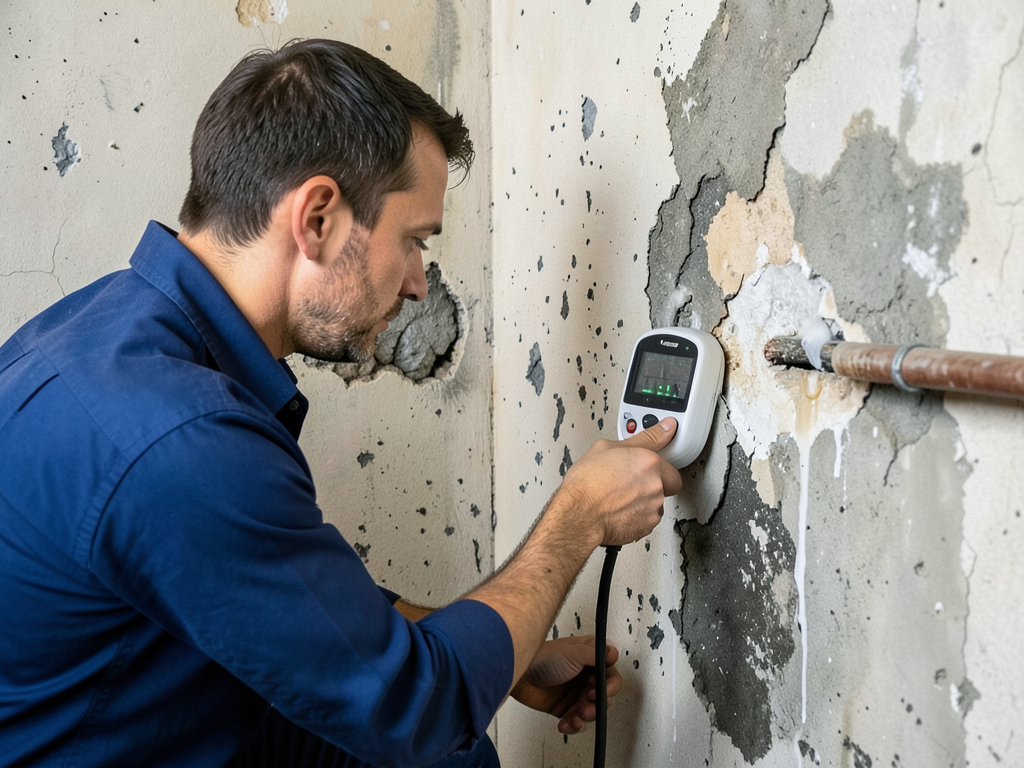
Our certified technicians conduct room-by-room evaluation using moisture meters, thermal cameras, and particle counters to map contamination extent. We test HVAC systems for smoke infiltration, inspect electrical systems for heat damage, and assess structural components for compromised integrity. This assessment distinguishes between cleanable surfaces and materials requiring replacement. You receive detailed photo documentation, material testing results, and a written scope of work that separates emergency mitigation from reconstruction phases. This transparency prevents scope creep and unexpected costs during the restoration process.

Verified Clean Environment

Completion means passing objective clearance standards, not subjective judgment. We provide post-remediation verification using particle counters that measure airborne contamination levels. Surfaces undergo ATP testing to verify cleanliness meets commercial standards. You receive a clearance certificate documenting that your facility meets IICRC standards and Michigan indoor air quality guidelines. This certification protects you from future occupant health claims and satisfies insurance closeout requirements. For regulated industries, we coordinate third-party environmental testing to meet your specific compliance obligations before you resume operations.

Post-Restoration Support

We provide detailed maintenance protocols for cleaned HVAC systems, treated surfaces, and restored building components. Our documentation includes manufacturer recommendations for equipment we installed during restoration and identifies inspection intervals for systems affected by fire damage. While we cannot make specific warranty claims, we stand behind our workmanship and remain available for follow-up questions as your facility returns to normal operations. We also provide employee safety briefings explaining what restoration work occurred and what monitoring steps your maintenance staff should implement going forward.

Frequently Asked Questions

You Have Questions,
We Have Answers

How much does professional smoke remediation cost? +

Professional smoke remediation costs vary based on fire severity, square footage, and material contamination. Commercial properties in Detroit typically face higher costs due to larger spaces and HVAC system involvement. Factors include soot removal intensity, ozone treatment requirements, ductwork cleaning, and structural material replacement. Light smoke damage may cost less per square foot than deep penetration into porous surfaces like concrete or brick common in older Detroit commercial buildings. Most contractors assess damage onsite before providing detailed estimates. Business interruption costs and code compliance upgrades can add to total project expenses.

How do professionals get rid of smoke smell? +

Professionals use thermal fogging, ozone generators, and hydroxyl machines to neutralize smoke odor at the molecular level. Surface cleaning with specialized degreasers removes soot and tar residue from walls, ceilings, and fixtures. HVAC systems require duct cleaning and filter replacement to prevent recirculation. Porous materials like drywall or insulation often need sealing with odor-blocking primers or complete removal. Commercial spaces in Detroit with brick or concrete walls may require repeated treatments due to deep smoke penetration. Air scrubbers with HEPA filters run continuously during remediation to capture airborne particles.

How much does it cost to clean up a burned down house? +

Complete fire cleanup for a burned structure ranges significantly based on damage extent and demolition needs. Structural assessment determines what can be salvaged versus requiring tear-down. Costs include debris removal, hazardous material disposal, structural stabilization, and potential asbestos abatement in older Detroit properties. Total loss fires require full demolition and site preparation. Partial burns may involve selective demolition, smoke remediation, and reconstruction. Commercial properties face additional expenses for code upgrades and business continuity planning. Insurance adjusters typically document all costs, but out-of-pocket expenses depend on policy coverage limits and deductibles.

How much does ServPro cost for cigarette smoke removal? +

ServPro pricing for cigarette smoke removal depends on contamination severity and property size. Commercial spaces require more extensive treatment than residential due to larger square footage and complex HVAC systems. Costs include surface cleaning, odor neutralization treatments, duct cleaning, and potential material sealing or replacement. Detroit commercial properties with older ventilation systems may need additional work. Most restoration companies provide free assessments before quoting. For transparent pricing and commercial-focused service in Detroit, contact multiple local contractors to compare scope and cost breakdowns. Third-party estimates help verify fair market rates.

How Detroit's Industrial Legacy Affects Commercial Fire Cleanup Complexity

Detroit's commercial building stock includes significant square footage built during the city's manufacturing peak, particularly in Southwest Detroit and along the I-75 corridor. These facilities often contain asbestos insulation, lead-based paints, and PCB-containing electrical equipment that become regulated waste when damaged by fire. Michigan DEQ regulations require specialized handling and disposal protocols when fire disturbs these legacy materials. Commercial fire damage restoration in these buildings cannot proceed until environmental assessments identify hazardous materials and appropriate abatement occurs. This regulatory layer adds time and cost compared to fires in modern construction, but skipping proper protocols creates massive liability exposure for building owners.

Detroit businesses need restoration contractors who understand local permitting requirements and maintain relationships with city inspectors. The Buildings, Safety Engineering and Environmental Department requires permits for structural repairs, electrical work, and HVAC modifications following commercial fires. We navigate this process efficiently because our teams work regularly with Detroit inspectors and understand documentation expectations. Our familiarity with local code enforcement prevents project delays caused by failed inspections or incomplete permit applications. For Detroit business owners, choosing a restoration company with established local presence means faster permitting and fewer bureaucratic obstacles between fire damage and resumed operations.
Water Damage Restoration Services in The Detroit Area

Conveniently located to serve the Detroit area, Ironwood is always ready to respond to your water damage emergencies. Explore our service area on the map below or contact us directly to discuss your specific needs. We’re committed to providing prompt, professional service wherever you are within our operational zone, ensuring rapid deployment and effective restoration solutions when you need them most.

Address:
Ironwood Water Damage Restoration Detroit, 15324 Mack Ave, Detroit, MI, 48230

Additional Services We Offer

Our news updates

Latest Articles & News from The Blogs

A slow leak behind a Royal Oak bathroom wall can go unnoticed for weeks. By the time you smell mildew…

Why Smart Leak Detectors Are Worth Every Penny for Your Royal Oak Rental Property

A slow leak behind a Royal Oak bathroom wall can go unnoticed for weeks. By the time you smell mildew…

Why Your Whole House Humidifier in Warren Might Be Ruining Your Drywall

Your furnace runs all winter. Your whole house humidifier works quietly behind the scenes. And somewhere behind that drywall in…

What Black Water Flooding Actually Does to Your Health (A Detroit Homeowner's Guide)

A sewage backup in your Detroit basement is not just a cleanup problem. It is a biohazard event. The water…

Contact Us

Every hour your facility remains offline costs revenue and risks permanent customer loss. Call (313) 572-5559 now for immediate commercial fire restoration dispatch. Our teams deploy across Metro Detroit with the industrial-grade equipment needed to restore your operations fast.