




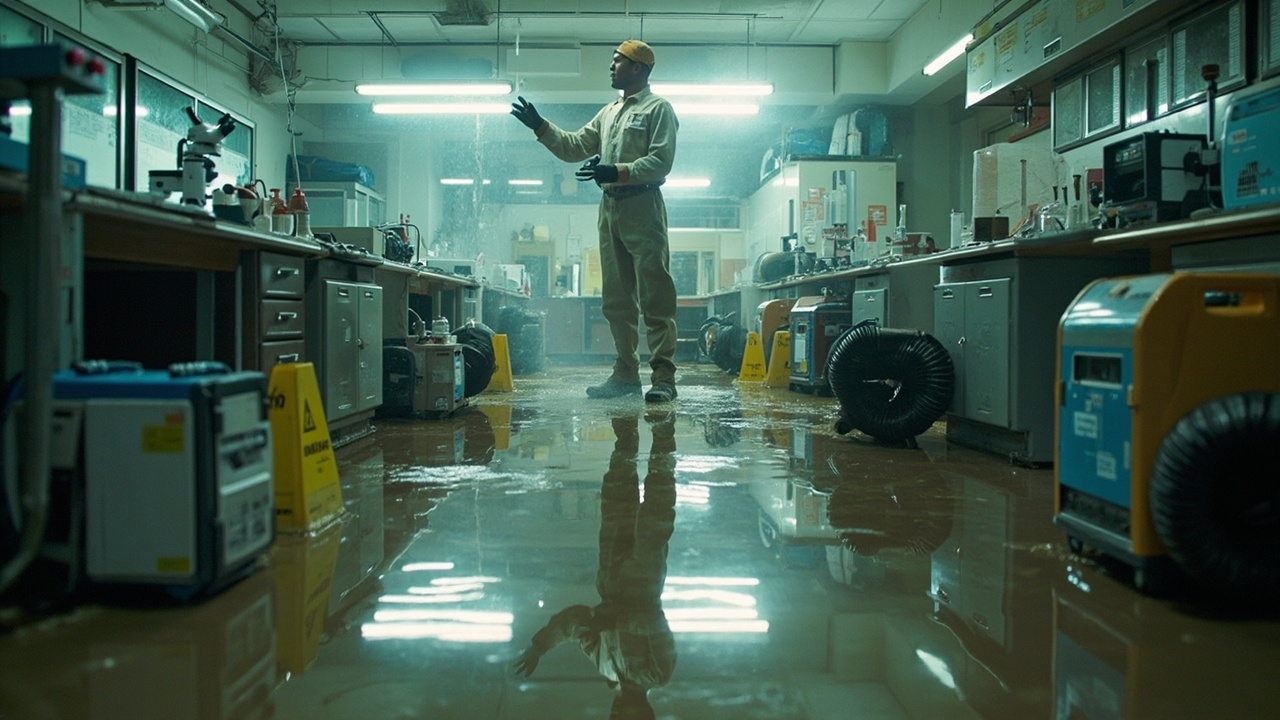
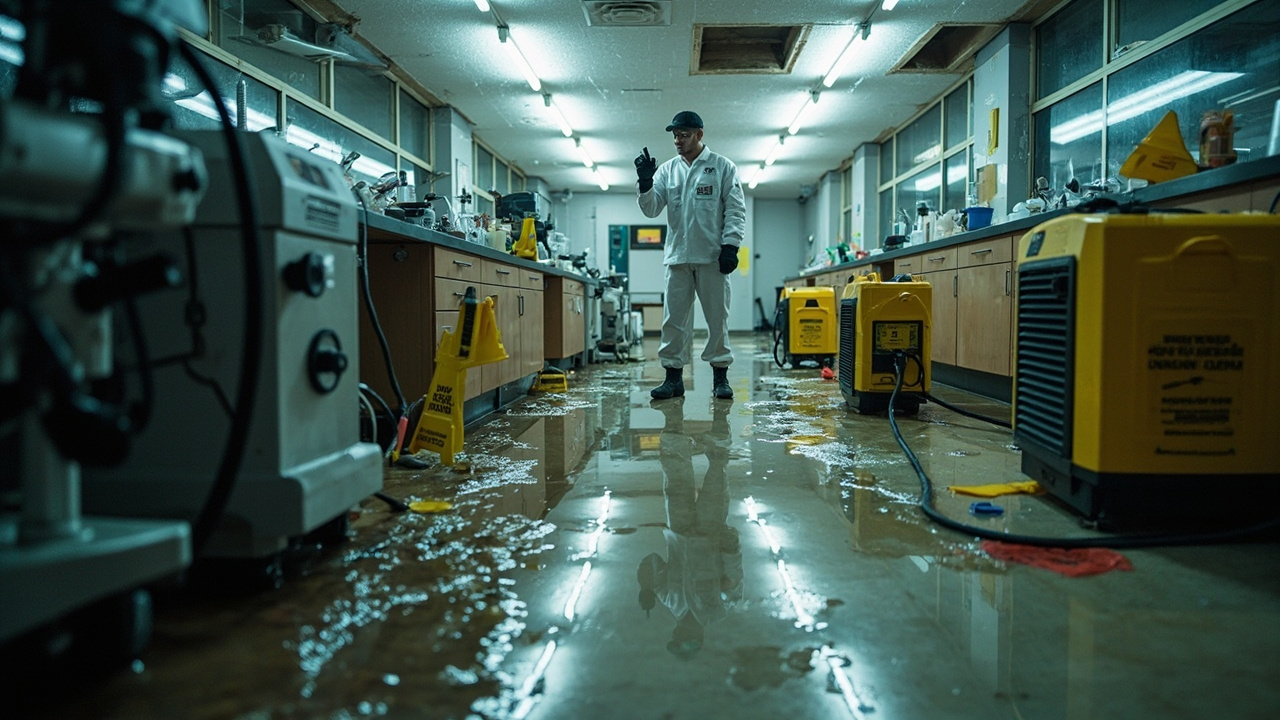
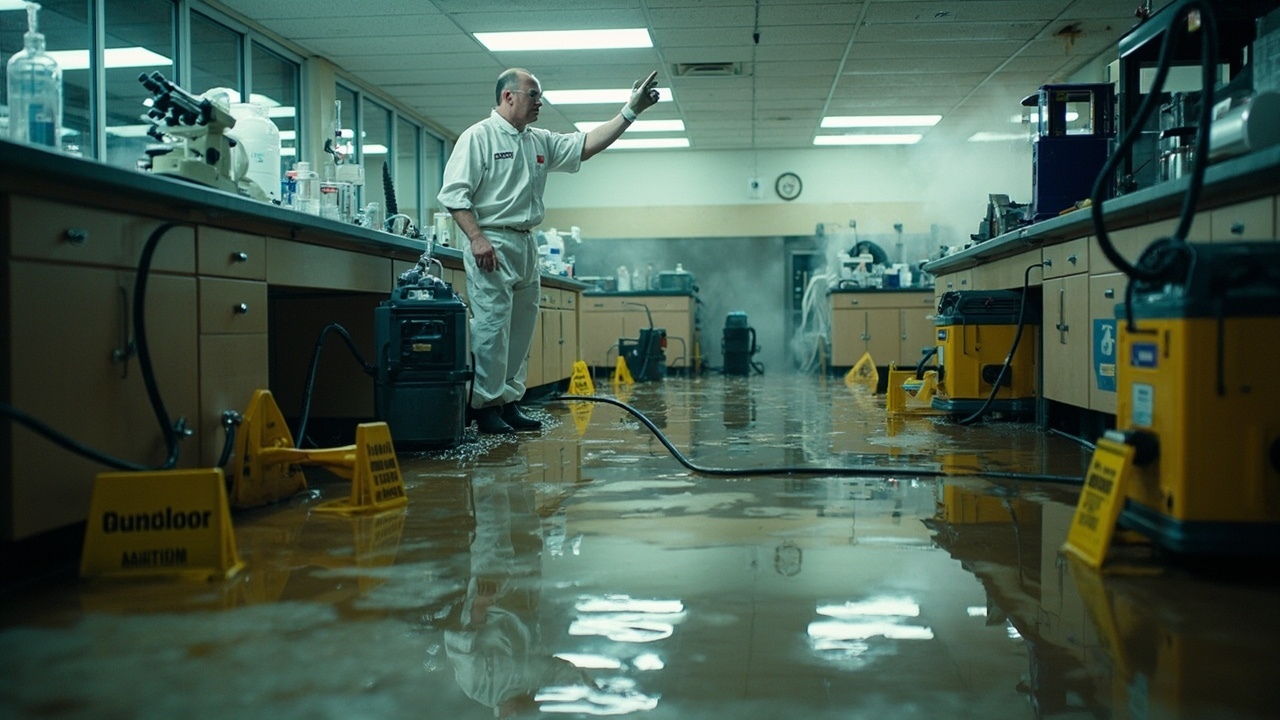
Detroit's educational buildings reflect decades of deferred maintenance and shrinking municipal budgets. Many school structures date to the early 20th century, with original cast iron plumbing and steam heating systems that have exceeded their design lifespan. University buildings concentrated near Wayne State's campus in Midtown operate heating plants that cycle through extreme temperature swings during Michigan winters, creating thermal stress on aged pipe joints. When these systems fail during occupied hours, water floods multiple floors before maintenance crews can isolate the source. The city's shift from a peak population of 1.8 million to under 650,000 residents left educational facilities oversized for current enrollment, making comprehensive infrastructure upgrades financially unfeasible for most institutions.
Educational facility water damage restoration in Detroit requires familiarity with both modern building codes and historic preservation requirements. Many academic buildings in districts like Boston-Edison and Indian Village carry historic designations that restrict reconstruction methods and materials. Restoration contractors must navigate Detroit Building Safety Engineering approval processes while coordinating with Michigan State Historic Preservation Office requirements. Local restoration expertise also means understanding Detroit's construction labor market, expedited permitting procedures for emergency repairs, and relationships with specialty subcontractors who can source period-appropriate materials for historic campus buildings. This local knowledge compresses project timelines and prevents costly compliance mistakes.