





St. Clair Shores sits directly on Lake St. Clair, making properties vulnerable to unique water intrusion challenges. Spring thaw and heavy rainfall combine with high water tables to flood basements across neighborhoods like Jefferson Beach and Lakeshore Village. The city's older housing stock, built in the 1950s and 60s, often has outdated sump pump systems that fail during heavy storm events.
Lake effect weather patterns dump heavy snow loads on roofs in winter, leading to ice dams and interior water damage when temperatures fluctuate. Clay soil common throughout Macomb County expands when saturated, pushing water toward foundation walls and overwhelming perimeter drainage systems. Properties near the canals off Jefferson Avenue face additional risks from rising lake levels and storm surge.
Aging plumbing in older homes causes frequent supply line failures, especially during freeze-thaw cycles. Water heaters in basements fail without warning, releasing 40 to 50 gallons in minutes. The combination of lakefront humidity and water intrusion creates ideal conditions for mold growth within 48 hours if water isn't removed immediately. St. Clair Shores homeowners need water damage teams who understand these specific regional challenges and respond before secondary damage occurs.
Ironwood Water Damage Restoration Detroit operates throughout Macomb County with specialized equipment staged for rapid deployment to St. Clair Shores properties. Our technicians hold IICRC Water Damage Restoration certifications and train specifically on the basement flooding and foundation water intrusion common to lakefront communities. We maintain direct relationships with local insurance adjusters who work claims in St. Clair Shores, which speeds approval and gets restoration work started faster.
Our emergency response vehicles carry truck-mounted extraction units that remove thousands of gallons per hour, far exceeding portable shop vacs used by general contractors. We deploy commercial dehumidifiers and air movers calibrated for the high humidity environment near Lake St. Clair, ensuring structural materials dry completely to prevent mold colonization. Thermal imaging cameras detect hidden moisture in wall cavities and under flooring that would otherwise cause long-term damage.
We coordinate directly with St. Clair Shores building inspectors when permits are required for structural repairs following major water events. Our restoration process follows IICRC S500 standards for water damage remediation, which insurance companies require for full claim payment. We document every step with moisture readings, photos, and detailed reports that satisfy both your insurer and your peace of mind.
Unlike restoration companies based outside Macomb County, we understand how lake effect weather, clay soil, and aging infrastructure create water damage scenarios unique to St. Clair Shores. We've restored hundreds of properties in your community and know which streets flood first during heavy rain and which neighborhoods have the oldest sump pump systems. That local knowledge means we bring the right equipment and expertise the first time.

Emergency dispatch teams reach St. Clair Shores properties within one hour of your call. We operate 24 hours a day, 7 days a week, including holidays. Our rapid response stops water damage from spreading and prevents mold growth. Every minute counts when water is actively damaging your home or business.

We handle all communication with your insurance carrier and submit documentation they require for claim approval. Our estimators speak the language insurance adjusters use and provide detailed scope of work that prevents claim disputes. You don't pay out of pocket while waiting for reimbursement. We bill your carrier directly after approval.
Our restoration technicians hold Water Damage Restoration certifications from the Institute of Inspection, Cleaning and Restoration Certification. They train on proper extraction methods, structural drying techniques, and antimicrobial application. IICRC certification is the industry standard for professional water damage restoration and required by most insurance policies.
We've restored water damaged properties throughout St. Clair Shores for years and understand the specific challenges lakefront communities face. Our teams know local building codes, work with city inspectors regularly, and understand how clay soil and high water tables affect foundation drainage. That experience means faster, more complete restoration.
Ironwood Water Damage Restoration Detroit provides comprehensive water damage remediation for residential and commercial properties throughout St. Clair Shores. Our services cover every phase from initial water removal through final structural repairs and restoration. We handle Category 1 clean water from supply line breaks, Category 2 gray water from appliance failures, and Category 3 black water from sewage backups and flooding.
Our restoration process follows a systematic approach that prioritizes stopping active water intrusion, removing standing water, drying structural materials, and preventing secondary damage like mold growth. We use commercial-grade equipment including truck-mounted extractors, industrial dehumidifiers, and high-velocity air movers to dry properties completely. Moisture meters and thermal imaging verify that materials reach acceptable dryness levels before we begin repairs.
We provide direct billing to insurance companies and work closely with adjusters to document damage and justify necessary repairs. Our detailed estimates and photo documentation prevent claim disputes and speed approval. Services range from emergency water extraction available 24/7 to complete reconstruction of water damaged areas. Whether you need immediate flood cleanup or full restoration including drywall replacement and flooring installation, we handle the entire project from start to finish.
We dispatch emergency water removal teams to St. Clair Shores properties within 60 minutes of your call. Our technicians use truck-mounted extractors to remove standing water from basements, crawl spaces, and living areas. We extract water from carpets, pull saturated padding, and remove water trapped under flooring. Submersible pumps handle deep basement flooding while portable extractors reach tight spaces. We work around the clock until all standing water is removed and structural drying equipment is deployed.
After water extraction, we deploy commercial dehumidifiers and air movers to dry structural materials completely. Our technicians position equipment to create airflow across wet surfaces and draw moisture from walls, floors, and ceilings. We monitor humidity levels and material moisture content daily using calibrated meters. Drying typically takes three to five days depending on the extent of saturation. Thermal imaging cameras detect hidden moisture in wall cavities and subfloor areas. We don't remove equipment until materials reach industry standard dryness levels.
Once your property is completely dry, our restoration crews rebuild water damaged areas to pre-loss condition. We replace drywall, install new flooring, repaint walls, and restore trim work. Our licensed contractors handle plumbing repairs, electrical work, and structural modifications required by building codes. We match existing finishes and materials to maintain your home's appearance. Insurance companies prefer working with single-source restoration providers who handle the entire project, which speeds claim processing and prevents coordination issues between multiple contractors.
St. Clair Shores properties face water damage from multiple sources throughout the year. Spring brings heavy rainfall and snowmelt that overwhelms sump pumps and foundation drainage systems. Summer storms dump several inches of rain in short periods, flooding streets and backing up into basements. Winter freeze-thaw cycles burst pipes and create ice dams on roofs. The city's proximity to Lake St. Clair means high humidity year-round, which accelerates mold growth after water intrusion.
Older neighborhoods with homes built in the 1950s and 60s have outdated plumbing systems prone to failure. Supply lines corrode and burst without warning. Water heaters reach the end of their service life and leak or rupture. Sump pumps installed decades ago fail during heavy rain when they're needed most. Clay soil throughout Macomb County expands when wet and pushes water toward foundation walls, overwhelming perimeter drains and seeping through cracks. Understanding these common scenarios helps property owners recognize water damage risks and respond quickly when problems occur.
Spring storms and summer downpours overwhelm foundation drainage systems and flood basements throughout St. Clair Shores. Water enters through floor cracks, window wells, and foundation walls. Sump pumps fail or can't keep pace with water volume. Standing water damages furnaces, water heaters, stored belongings, and finished basement living spaces.
Frozen pipes burst during winter cold snaps and release hundreds of gallons before shutoff valves are closed. Corroded supply lines under sinks and behind toilets fail suddenly and flood rooms. Water sprays under pressure and soaks walls, floors, and ceilings. The damage spreads quickly and requires immediate extraction to prevent structural damage and mold growth.
Sump pumps fail during heavy rain events when groundwater rises and foundation drainage systems direct water to collection pits. Power outages, mechanical failures, and overwhelmed pumps allow basements to flood. Many St. Clair Shores homes have single sump pumps without battery backup systems. When these pumps fail during storms, basements fill with several inches of water.
Heavy snow loads and ice dams cause roof leaks that allow water to enter attics and flow into wall cavities. Water stains ceilings, damages insulation, and soaks drywall. Lake effect snow dumps heavy accumulations on St. Clair Shores roofs. When temperatures fluctuate, ice dams form at eaves and force meltwater under shingles and into homes.
When water damage strikes your St. Clair Shores property, you need immediate action and clear communication about what happens next. Ironwood Water Damage Restoration Detroit follows a structured emergency response process designed to stop damage progression and begin restoration as quickly as possible. From your first phone call through final repairs, you'll know exactly what's happening and when.
Our customer service team answers emergency calls 24 hours a day and dispatches technicians to your property within 60 minutes. We don't use answering services or call centers. You speak directly with our restoration coordinators who understand water damage and can answer questions about the process. Our technicians arrive with commercial extraction equipment and begin water removal immediately while assessing the full extent of damage.
Throughout the restoration process, you'll receive daily updates on drying progress, moisture readings, and repair timelines. We maintain constant communication with your insurance company, providing documentation they need for claim approval without requiring you to act as intermediary. Our goal is to remove stress during an already difficult situation by handling every detail professionally and keeping you informed at each step.
Our emergency response team arrives within 60 minutes and immediately begins water extraction while conducting a thorough damage assessment. We explain what we're seeing, what needs to happen next, and provide upfront cost estimates before starting work. You'll receive detailed photos and moisture readings that document the extent of damage. We identify any safety hazards like electrical issues or structural concerns and address them first. Our assessment includes checking areas you might not see, like wall cavities and subfloors, using thermal imaging and moisture meters.
Our technicians visit your property daily during the drying phase to monitor equipment, take moisture readings, and adjust dehumidifiers and air movers as needed. You'll receive daily text or email updates with current moisture levels and estimated completion dates. We explain what the readings mean and answer questions about the drying process. If we discover additional damage as materials dry, we document it immediately and notify both you and your insurance adjuster. Communication remains constant until your property is completely restored.
Once drying is complete, our construction crews begin restoration work on a schedule that minimizes disruption to your daily life. We protect unaffected areas with plastic barriers and maintain clean work spaces. Our crews arrive when scheduled and complete work efficiently. We handle all necessary permits and coordinate inspections with the City of St. Clair Shores building department. Final walkthrough ensures you're satisfied with repairs before we consider the project complete. Our work is guaranteed and we remain available if any issues arise.
Water damage restoration requires systematic execution to prevent secondary damage and restore your property completely. We follow IICRC standards that ensure thorough remediation and guide insurance claim approval.
Within 60 minutes of your call, our technicians arrive with truck-mounted extraction units and begin removing standing water from your property. We extract water from all affected areas including basements, crawl spaces, and living areas. Submersible pumps handle deep flooding while portable extractors remove water from carpets and hard surfaces. We remove saturated materials like carpet padding that can't be saved. Our goal is complete water removal within the first few hours to prevent damage from spreading.
After extraction, we deploy commercial dehumidifiers and air movers strategically positioned to dry structural materials. Our technicians monitor moisture levels in walls, floors, and ceilings twice daily using calibrated meters. Thermal imaging cameras detect hidden moisture in areas we can't see. We adjust equipment placement based on moisture readings to maximize drying efficiency. This phase typically takes three to five days depending on saturation levels and humidity. We don't remove equipment until materials reach industry standard dryness levels.
Once your property is completely dry, our licensed contractors begin rebuilding damaged areas. We replace drywall, install new flooring, repaint walls, and restore trim to match existing finishes. Our crews handle all trades including plumbing, electrical, and HVAC repairs. We coordinate necessary permits with the City of St. Clair Shores and schedule inspections. Final walkthrough ensures repairs meet your expectations and return your property to pre-loss condition. We provide warranties on all restoration work completed.
Professional water damage restoration follows standards established by the Institute of Inspection, Cleaning and Restoration Certification, specifically the IICRC S500 Standard for Water Damage Restoration. Insurance companies require restoration contractors to follow these standards when processing claims. The S500 standard categorizes water damage by contamination level and provides specific protocols for each category.
Category 1 water comes from clean sources like supply lines and poses no substantial health risk. Category 2 gray water contains some contamination from sources like washing machines or dishwashers and requires different handling. Category 3 black water is grossly contaminated from sewage backups or flooding and requires protective equipment during cleanup. The standard also classifies damage by evaporation rate, with Class 1 being minimal absorption and Class 4 involving specialty drying situations like hardwood floors or plaster walls.
Structural materials must reach specific moisture content levels before restoration work begins. Wood framing should measure below 15 percent moisture content. Concrete and masonry require different testing methods using non-invasive or invasive moisture meters. These standards exist because incomplete drying leads to mold growth and structural deterioration that creates health hazards and requires expensive remediation.
The IICRC standard requires documentation at every phase including initial moisture mapping, daily monitoring logs, and final verification readings. This documentation proves to insurance adjusters that restoration was performed correctly and justifies claim payments. Ironwood Water Damage Restoration Detroit technicians train specifically on IICRC standards and use calibrated equipment to verify moisture levels. We maintain detailed records that satisfy insurance requirements and protect your property investment.
Psychrometric calculations determine the proper number and placement of dehumidifiers based on room volume, temperature, and humidity levels. These calculations ensure efficient drying and prevent equipment shortages that extend restoration time. We adjust equipment based on daily moisture readings rather than arbitrary timelines. This science-based approach achieves thorough drying faster than guesswork methods.
IICRC standards classify water damage into three categories based on contamination. Category 1 clean water from supply lines requires standard extraction and drying. Category 2 gray water from appliances needs antimicrobial treatment. Category 3 black water from sewage or flooding requires protective equipment, specialized cleaning protocols, and often disposal of porous materials. Classification determines proper restoration methods and safety precautions.
Restoration cost depends on water volume, contamination category, affected materials, and structural damage extent. Basement floods cost less to remediate than multi-story water intrusion. Clean water extraction is less expensive than black water cleanup requiring disposal of contaminated materials. Hardwood floor drying takes longer than carpet removal. Most insurance policies cover water damage restoration minus your deductible, though coverage varies based on the water source.
Structural drying typically requires three to five days of continuous dehumidification and air movement. Daily moisture readings track drying progress in affected materials. Readings guide equipment adjustments to maintain efficient drying. We don't remove equipment based on calendar days but rather on verified moisture content readings that meet IICRC standards. Rushing the drying process causes mold growth and structural damage that becomes apparent weeks or months later.
Insurance companies require detailed documentation including initial photos, moisture mapping, daily monitoring logs, equipment lists, and final verification readings. This documentation proves restoration followed industry standards and justifies approved claim amounts. We provide complete documentation packages to adjusters in the format they require. Proper documentation prevents claim disputes and ensures you receive maximum coverage benefits your policy provides for water damage restoration.
Complete guide to water damage restoration services in St. Clair Shores Michigan covering emergency water extraction, structural drying methods, mold prevention, and full property restoration. Explains IICRC restoration standards, insurance claim processes, and regional water damage risks specific to lakefront communities along Lake St. Clair. Covers water damage categories, contamination levels, proper drying timelines, and restoration protocols for residential and commercial properties.
Ironwood Water Damage Restoration Detroit provides emergency water damage services throughout St. Clair Shores and surrounding Macomb County communities. Our rapid response teams reach properties along Jefferson Avenue, throughout the Jefferson Beach Marina area, and in neighborhoods near Lake St. Clair within 60 minutes of dispatch. We serve the Lakeshore Village district where older homes face frequent basement flooding during spring storms and the Shore Club area where lakefront properties deal with high water tables year-round.
Properties in the Lange neighborhood south of Nine Mile Road experience water damage from aging plumbing systems common in homes built in the 1950s. The area near Nautical Mile restaurants and marinas faces unique challenges from proximity to the water and high humidity that accelerates secondary damage after flooding. We've restored hundreds of properties in the residential streets between Harper Avenue and Jefferson Avenue where clay soil contributes to foundation water intrusion during heavy rainfall.
Our service area extends throughout Macomb County including adjacent communities of Grosse Pointe Woods, Harper Woods, Eastpointe, and Roseville. We understand how regional characteristics like soil composition, water table depth, and proximity to Lake St. Clair affect water damage scenarios across different neighborhoods. The canal communities off Jefferson Avenue require specialized knowledge about flood patterns and lake level fluctuations that our technicians gain through years of local restoration experience.
St. Clair Shores sits at the intersection of I-94 and I-696, providing quick access for our emergency response vehicles dispatched from our Detroit base. We maintain equipment staging that allows rapid deployment to any address in the city. Whether you need emergency water extraction at a home near Memorial Park or commercial property drying at a business along Greater Mack Avenue, our teams arrive prepared with the specialized equipment your situation requires.
The differences between older neighborhoods near Ten Mile Road and newer developments closer to the lake require restoration approaches adapted to construction methods, plumbing systems, and drainage infrastructure specific to each area. Our technicians recognize these differences and adjust extraction techniques, drying equipment placement, and restoration methods accordingly. That neighborhood-specific expertise ensures complete remediation regardless of where your property is located in St. Clair Shores.
Water damage restoration costs vary based on severity, affected area size, and water type. A small leak might run $1,500 to $3,000, while major flooding can reach $10,000 or more. Category 3 water (sewage) costs more due to specialized sanitization. In St. Clair Shores, basement flooding from Lake St. Clair storms or burst pipes during freeze-thaw cycles impacts pricing. Most homeowners insurance policies cover sudden, accidental water damage. Document everything and call your insurer immediately. Professional estimators provide free inspections and work directly with adjusters to maximize your claim and minimize out-of-pocket expenses.
Yes. Water damage worsens exponentially. Within 24 hours, mold begins growing. Within 48 hours, structural wood swells and warps. By day three, you face potential foundation issues and electrical hazards. In St. Clair Shores' humid climate near the lake, moisture lingers longer and accelerates decay. Ignoring water damage drops your property value and creates health risks from mold spores. Professional restoration prevents long-term structural failure, protects your investment, and maintains indoor air quality. DIY attempts miss hidden moisture in wall cavities and subfloors. Fast professional intervention saves you money compared to deferred repairs.
Water remediation stops the immediate damage. Technicians extract standing water, remove wet materials, and dry the structure. Remediation addresses the emergency but leaves your property incomplete. Water restoration goes further. After remediation, restoration rebuilds what was damaged. This includes replacing drywall, repainting, installing new flooring, and restoring your home to pre-loss condition. In St. Clair Shores, where basements flood during heavy rains off the lake, you need both services. Remediation prevents mold and structural decay. Restoration makes your space livable again. Most full-service companies handle both phases for seamless recovery.
Water damage restoration costs vary based on severity, affected area size, and water type. A small leak might run $1,500 to $3,000, while major flooding can reach $10,000 or more. Category 3 water (sewage) costs more due to specialized sanitization. In St. Clair Shores, basement flooding from Lake St. Clair storms or burst pipes during freeze-thaw cycles impacts pricing. Most homeowners insurance policies cover sudden, accidental water damage. Document everything and call your insurer immediately. Professional estimators provide free inspections and work directly with adjusters to maximize your claim and minimize out-of-pocket expenses.
Yes. Water damage worsens exponentially. Within 24 hours, mold begins growing. Within 48 hours, structural wood swells and warps. By day three, you face potential foundation issues and electrical hazards. In St. Clair Shores' humid climate near the lake, moisture lingers longer and accelerates decay. Ignoring water damage drops your property value and creates health risks from mold spores. Professional restoration prevents long-term structural failure, protects your investment, and maintains indoor air quality. DIY attempts miss hidden moisture in wall cavities and subfloors. Fast professional intervention saves you money compared to deferred repairs.
Water remediation stops the immediate damage. Technicians extract standing water, remove wet materials, and dry the structure. Remediation addresses the emergency but leaves your property incomplete. Water restoration goes further. After remediation, restoration rebuilds what was damaged. This includes replacing drywall, repainting, installing new flooring, and restoring your home to pre-loss condition. In St. Clair Shores, where basements flood during heavy rains off the lake, you need both services. Remediation prevents mold and structural decay. Restoration makes your space livable again. Most full-service companies handle both phases for seamless recovery.
Professional water damage restoration includes emergency water extraction using truck-mounted pumps, moisture detection with thermal imaging cameras, and industrial dehumidification. Technicians remove damaged materials like soaked insulation and baseboards, treat surfaces with antimicrobial agents to prevent mold, and sanitize affected areas. Structural drying targets hidden moisture in wall cavities and subfloors. After drying, restoration rebuilds your space with new drywall, flooring, and paint. In St. Clair Shores, services often include sewage cleanup from overwhelmed systems during storms and coordination with your insurance adjuster. Complete restoration returns your property to pre-damage condition with documented moisture readings.
Professional water damage restoration includes emergency water extraction using truck-mounted pumps, moisture detection with thermal imaging cameras, and industrial dehumidification. Technicians remove damaged materials like soaked insulation and baseboards, treat surfaces with antimicrobial agents to prevent mold, and sanitize affected areas. Structural drying targets hidden moisture in wall cavities and subfloors. After drying, restoration rebuilds your space with new drywall, flooring, and paint. In St. Clair Shores, services often include sewage cleanup from overwhelmed systems during storms and coordination with your insurance adjuster. Complete restoration returns your property to pre-damage condition with documented moisture readings.
Conveniently located to serve the Detroit area, Ironwood is always ready to respond to your water damage emergencies. Explore our service area on the map below or contact us directly to discuss your specific needs. We’re committed to providing prompt, professional service wherever you are within our operational zone, ensuring rapid deployment and effective restoration solutions when you need them most.
Address:
St. Clair Shores, MI, 48081
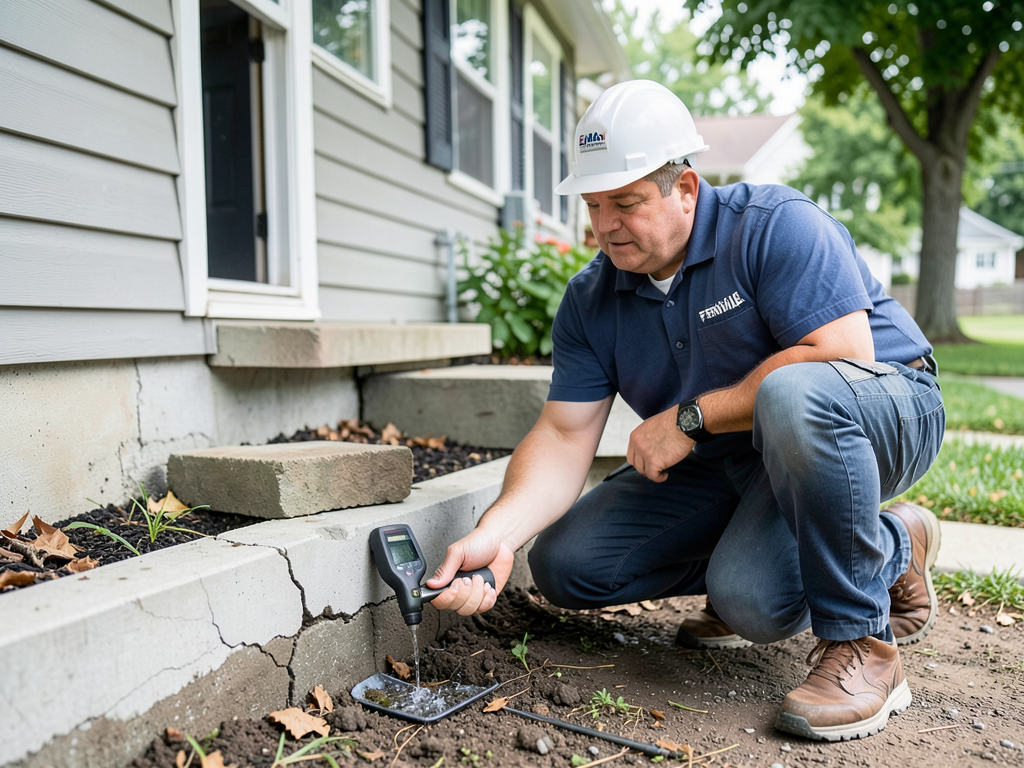
The Hidden Risks of Shared Driveway Runoff Between Your Ferndale Bungalow and Your Neighbor Shared driveways in Ferndale's historic bungalow neighborhoods create a hidden water damage threat that most homeowners never see coming. When rainwater…
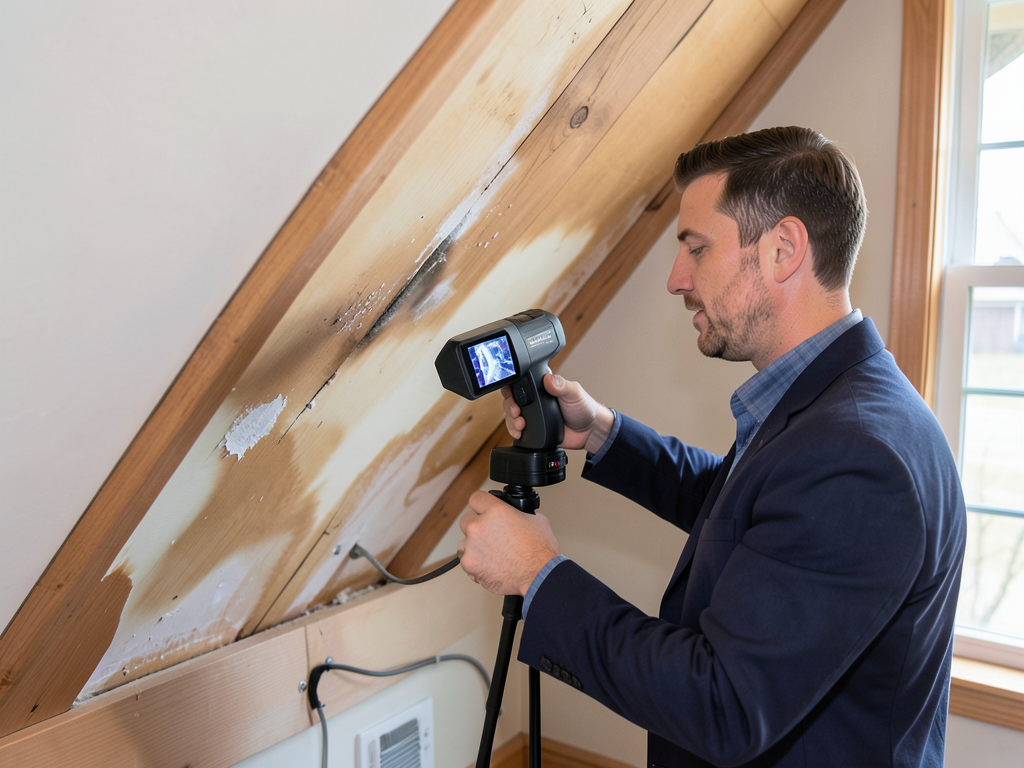
Tracking Down Hidden Water Leaks in Your Royal Oak Attic Kneewalls Royal Oak homeowners often…
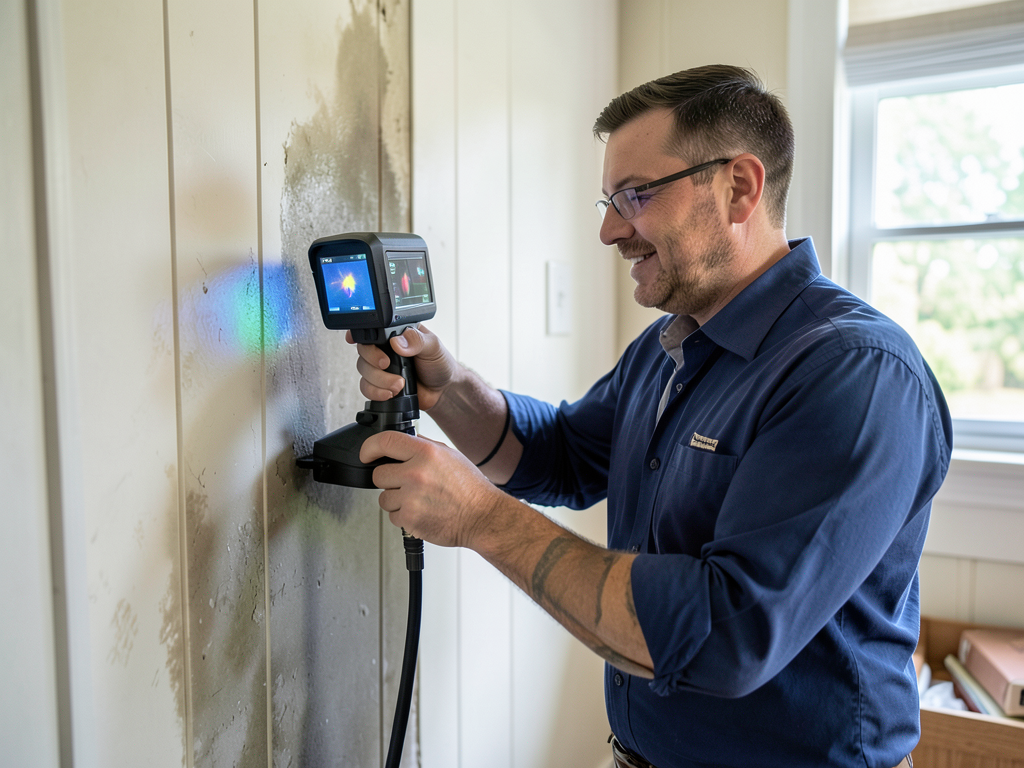
Why Your Baby's Nursery in Grosse Pointe Might Be Developing Hidden Wall Mold Parents in…
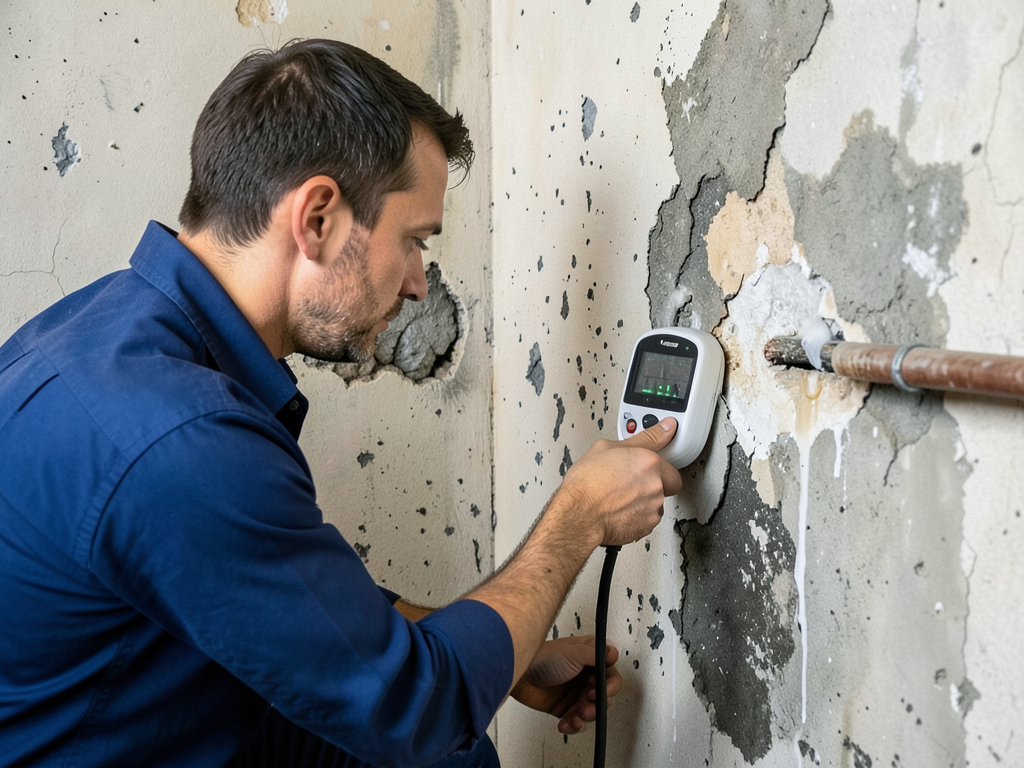
Protecting Your Remote Work Setup in Ferndale from Unexpected Basement Floods Water damage can destroy…
Water damage gets worse by the hour. Call Ironwood Water Damage Restoration Detroit now at (313) 572-5559 for emergency water extraction and structural drying. Our teams respond within 60 minutes to St. Clair Shores properties 24/7. We handle insurance claims and restore your property completely.