





menu

Allergic Reactions in Home – Detroit's Expert Water Damage and Mold Diagnosis Team

We identify and eliminate hidden mold sources causing allergic reactions in home, using thermal imaging and moisture mapping to stop indoor mold symptoms before they escalate into chronic health problems.

Slider Image 1
Slider Image 2
Slider Image 3
Slider Image 4
Slider Image 5
Slider Image 7
Slider Image 8
Slider Image 9
Slider Image 10
Slider Image 11

Why Detroit Homes Trigger More Allergic Reactions Than You Think

You wake up congested. Your kids rub their eyes all morning. Someone in your house clears their throat constantly. You blame pollen or dust, but the real culprit hides behind your walls.

Detroit's freeze-thaw cycles crack foundations every winter. When snow melts in March and April, water seeps into basements through those cracks. The city's older housing stock, especially in neighborhoods like Woodbridge and Indian Village, was built before modern vapor barriers existed. That means moisture gets trapped between plaster walls and brick exteriors. Add Detroit's humidity spikes in summer, and you create the perfect environment for household mold allergies to take hold.

Indoor mold symptoms do not always look like visible black spots. You might see efflorescence on basement walls, a musty smell in closets, or warped baseboards near exterior walls. These are water damage allergy triggers you cannot ignore. Mold spores become airborne when disturbed by your HVAC system, circulating through every room.

Mildew allergic reactions show up as sneezing, watery eyes, scratchy throat, and skin rashes. Kids and elderly family members suffer the most. If symptoms improve when you leave the house but return within hours of coming home, you have mold exposure symptoms tied directly to your living space.

The problem compounds in Detroit because many homes have unfinished basements with exposed joists. Water wicks up into floor framing, creating hidden colonies you will not see until the damage spreads. Ignoring these signs does not make them disappear. It makes them worse.

Why Detroit Homes Trigger More Allergic Reactions Than You Think
How We Trace Allergic Reactions Back to Hidden Water Damage

How We Trace Allergic Reactions Back to Hidden Water Damage

We do not guess. We measure.

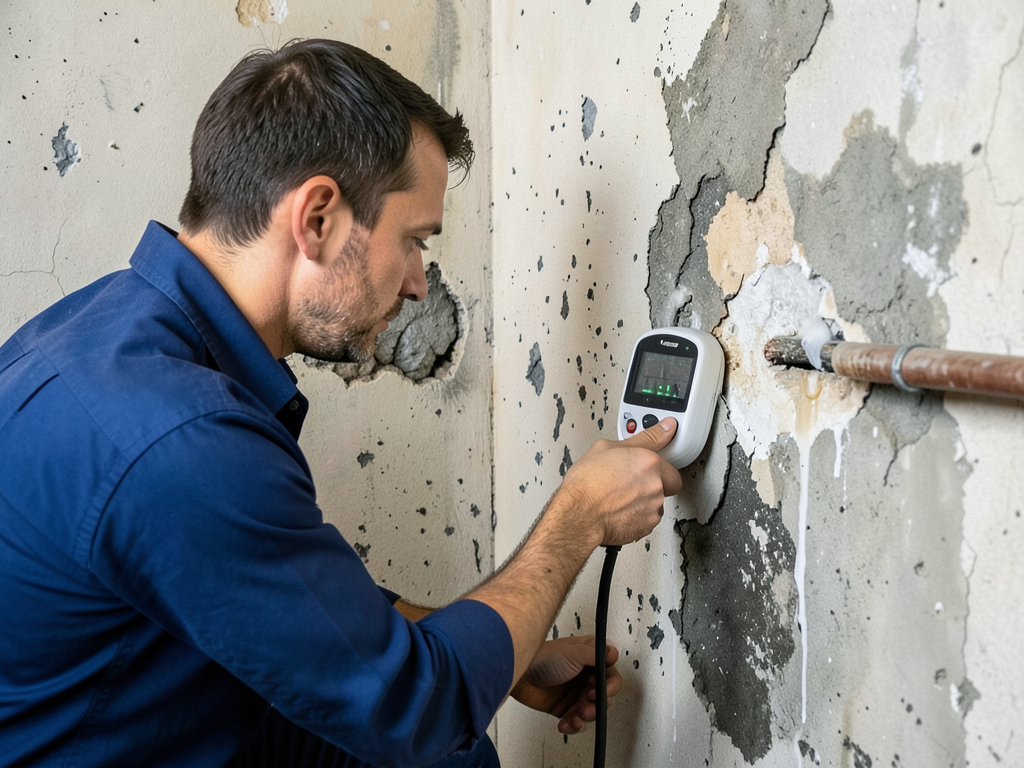
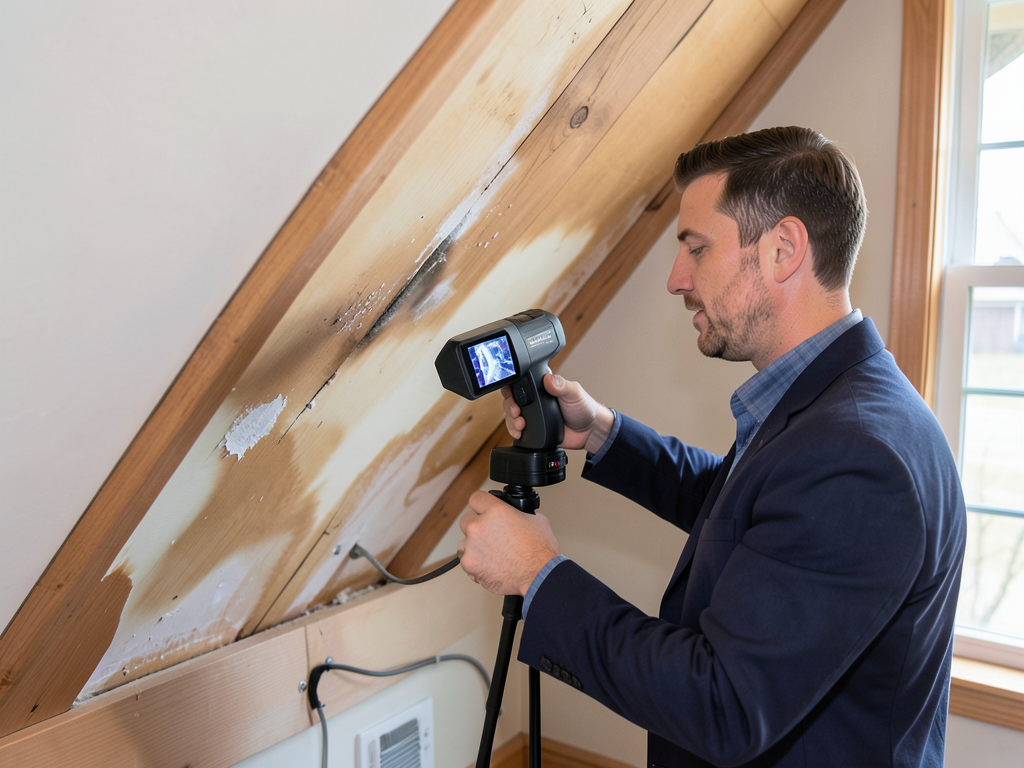
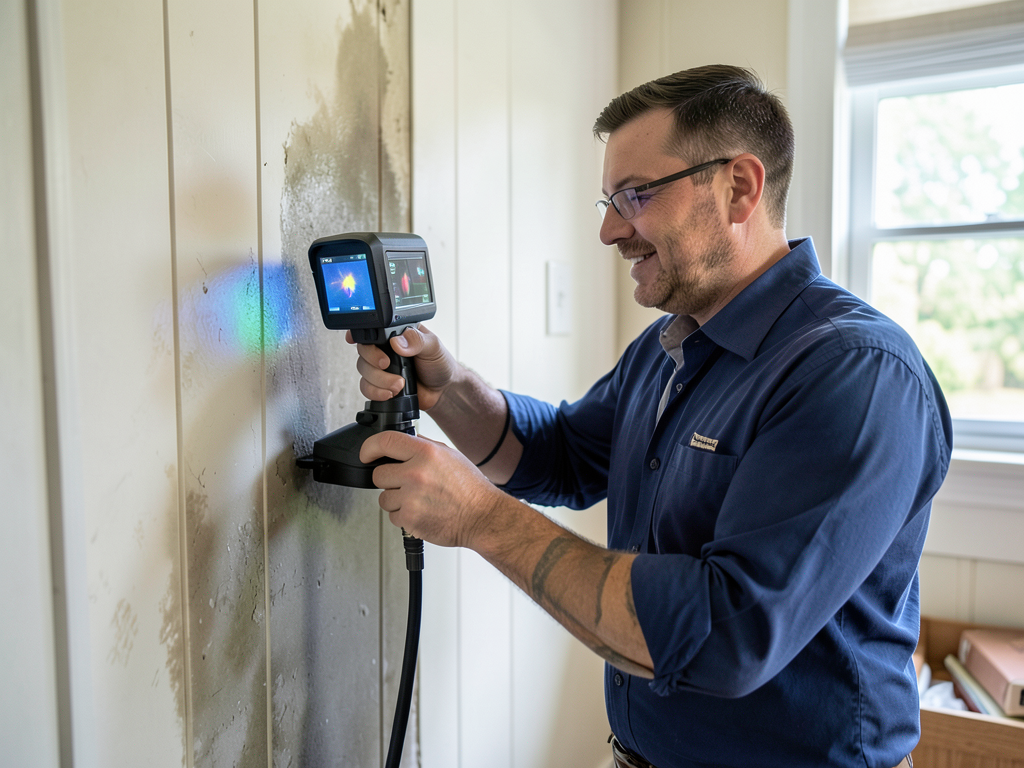
Our first step uses thermal imaging cameras to scan walls, ceilings, and floors for temperature differentials. Wet building materials show up cooler than dry areas because moisture changes heat retention. This lets us map exactly where water infiltration occurred, even if the leak happened weeks ago and the surface feels dry.

Next, we deploy moisture meters with penetrating probes. We check behind baseboards, inside wall cavities through small access points, and beneath flooring transitions. Detroit homes with original hardwood often trap moisture between the subfloor and finished surface. You will not see it, but the meter reads it instantly.

We take air samples in the rooms where you spend the most time. The samples go to a third-party lab that identifies mold species and spore concentration. This tells us whether you are dealing with common Cladosporium or more aggressive Stachybotrys. The species determines the remediation protocol.

We also inspect your HVAC system. Ductwork in Detroit basements often runs through damp areas. If mold colonizes inside ducts, your furnace or AC spreads spores every time it cycles. We check supply and return vents, the evaporator coil, and the drip pan for biofilm or visible growth.

After diagnostics, we create a containment zone using polyethylene sheeting and negative air pressure. This prevents cross-contamination during removal. We use HEPA vacuums and antimicrobial treatments on affected surfaces. The goal is not just to remove visible mold but to eliminate the moisture source so it does not return.

Ironwood Water Damage Restoration Detroit uses hospital-grade air scrubbers during the process. These machines filter particulates down to 0.3 microns, capturing mold spores before they resettle.

What Happens During Your Mold and Moisture Investigation

Allergic Reactions in Home – Detroit's Expert Water Damage and Mold Diagnosis Team
01

Initial Air Quality Assessment

We start with a walkthrough of symptomatic rooms and moisture-prone areas like basements, attics, and crawlspaces. You tell us where allergic reactions happen most. We document visible staining, odors, and humidity levels with a hygrometer. This baseline data guides our diagnostic focus and ensures we do not miss secondary contamination zones.
02

Moisture Mapping and Sampling

We use infrared thermography and deep-wall moisture probes to locate hidden water intrusion. Air samples and surface swabs go to an accredited lab for mold identification. We also test HVAC components and check for condensation issues on cold water pipes. This step reveals the root cause, not just the symptom, so we can design a permanent fix.
03

Containment and Remediation

Once we confirm mold presence and moisture source, we seal off affected areas with plastic barriers and negative air machines. Contaminated materials get bagged and removed. We treat surfaces with EPA-registered antimicrobials, then verify clearance with post-remediation air testing. You receive lab results showing spore counts returned to normal outdoor levels before we release the space.

Why Detroit Homeowners Trust Us With Their Indoor Air Quality

Detroit's housing stock is older than most Midwest cities. Homes in Corktown, Boston-Edison, and along the Detroit River were built between 1900 and 1950, long before modern moisture barriers and HVAC systems. That means original plaster walls, balloon framing, and stone foundations that absorb groundwater like a sponge. Generic mold removal companies treat Detroit homes like suburban cookie-cutter builds. They miss the nuances.

We understand how Detroit's infrastructure affects your home. The city's combined sewer system overflows during heavy rain, backing up into basements through floor drains. We know which neighborhoods sit in flood zones near the Rouge River and which streets have high water tables. This local knowledge shapes our diagnostic approach.

We also understand Detroit's building codes. Remediation work that involves structural drying or wall cavity access requires permits in some cases. We handle that process and coordinate inspections so you do not get stuck with code violations or insurance claim denials.

Our team has worked in Detroit's historic districts where preservation standards apply. If you live in a designated landmark home, we coordinate with the Historic District Commission to ensure remediation methods meet guidelines. That means using appropriate drying techniques that do not damage original plaster or woodwork.

Ironwood Water Damage Restoration Detroit operates 24/7 because water damage does not wait for business hours. Burst pipes during January cold snaps and summer storm flooding both create immediate mold risk. We dispatch within 90 minutes to any Detroit address, bringing industrial dehumidifiers and air movers to start mitigation before mold takes hold.

We work directly with your insurance adjuster. Michigan homeowner policies vary widely in mold coverage. We document everything with photos, moisture readings, and lab reports so your claim has the evidence it needs.

What You Can Expect From Our Mold Investigation and Remediation

Emergency Response and Availability

We arrive within 90 minutes for emergency water events and schedule non-emergency mold assessments within 24 hours. Allergic reactions in home often worsen at night when you are indoors longer, so we offer evening and weekend appointments. Our trucks carry all diagnostic equipment, so we complete the initial assessment in one visit. If we find active water intrusion, we start containment and drying immediately to prevent mold amplification. Time matters because mold colonies double in size every 24 to 48 hours under ideal conditions.

Comprehensive Diagnostic Evaluation

Our assessment includes thermal imaging of all exterior walls, moisture readings at floor-to-wall junctions, and air sampling in living areas and mechanical spaces. We inspect attic ventilation, crawlspace vapor barriers, and basement sump pump functionality. You receive a written report with moisture maps, lab results identifying mold species, and photos of affected areas. We explain findings in plain language and outline the scope of work needed. This transparency helps you make informed decisions and provides documentation for insurance claims or real estate disclosures.

Verified Remediation Results

We do not consider a job complete until post-remediation air testing confirms spore levels match outdoor baseline samples. This third-party verification proves the environment is safe. You receive a clearance certificate with lab results showing mold counts returned to normal. We also provide recommendations for preventing recurrence, like improving basement drainage, upgrading bathroom exhaust fans, or installing a whole-home dehumidifier. The goal is permanent resolution, not temporary suppression. Your family deserves air quality that supports health, not undermines it.

Ongoing Monitoring and Prevention

After remediation, we offer annual moisture inspections to catch problems early. Detroit's seasonal temperature swings cause condensation issues that homeowners often overlook until mold returns. We check the same areas we treated, monitor humidity levels, and inspect HVAC components for biofilm growth. If you have chronic basement moisture, we can install drainage systems or vapor barriers as part of a long-term solution. We also provide guidance on maintaining proper indoor humidity between 30 and 50 percent to discourage mold growth year-round.

Frequently Asked Questions

You Have Questions,
We Have Answers

What could be causing allergies in my house? +

Common culprits include dust mites in bedding and carpets, mold spores from moisture intrusion, pet dander, and pollen tracked indoors. Detroit's older housing stock often has hidden mold in basements or behind walls due to humid summers and freeze-thaw cycles damaging foundations. Water damage from leaky pipes or roof issues creates ideal mold growth conditions. Poor ventilation traps allergens indoors. HVAC systems circulate dust and debris if filters are not changed regularly. If you notice musty odors, visible mold, or water stains, you likely have an allergen problem that needs professional attention.

How do I find out what I'm allergic to in my house? +

Schedule an allergy test with your doctor. They will use skin prick tests or blood tests to identify specific allergens. At home, track when symptoms worsen. Do they spike in certain rooms or after activities like vacuuming? Inspect for visible mold, especially in basements and bathrooms. Check for water stains on ceilings or walls. Consider professional air quality testing to detect hidden mold spores or particulates. Detroit homes with older HVAC systems may circulate allergens throughout the house. Replace HVAC filters monthly and inspect ductwork for dust buildup or mold growth.

How to treat allergy cough? +

Start by removing the allergen source if possible. Use over-the-counter antihistamines to reduce inflammation. A humidifier adds moisture to dry indoor air, particularly helpful during Detroit's harsh winters when heating systems dry out homes. Honey from local sources may help with pollen-related coughs. Drink warm liquids like tea to soothe throat irritation. If the cough persists beyond two weeks or you have difficulty breathing, see a doctor immediately. Persistent coughs in Detroit homes often signal mold exposure from water damage, which requires professional remediation to fully resolve.

How to treat an allergic reaction to Aleve? +

Stop taking Aleve immediately. For mild reactions like rash or hives, take an antihistamine like Benadryl. Apply cool compresses to affected skin. Drink plenty of water to help flush the medication from your system. If you experience difficulty breathing, facial swelling, or rapid heartbeat, call 911 immediately. These are signs of anaphylaxis, a life-threatening emergency. Keep an antihistamine on hand and inform all healthcare providers about your Aleve allergy. Consider wearing a medical alert bracelet. Always read medication labels carefully, as other NSAIDs may cause similar reactions.

What are the hidden allergens in the house? +

Hidden allergens include mold behind wallpaper or drywall, especially in Detroit basements prone to moisture. Dust mites live in mattresses, pillows, and upholstered furniture. Cockroach droppings in wall voids or under appliances trigger severe reactions. Pet dander embeds in carpets and HVAC ducts even after pets are gone. Volatile organic compounds from paints, cleaning products, and pressed wood furniture off-gas for years. Old insulation may contain fiberglass particles. Water damage from Detroit's aging infrastructure creates hidden mold colonies. Professional inspection identifies these concealed sources that vacuuming and surface cleaning cannot address.

How do I tell if my bed has dust mites? +

You cannot see dust mites without a microscope. Signs include waking with stuffy nose, itchy eyes, or skin irritation. Sneezing fits when making the bed indicate their presence. Detroit's humid summers create ideal breeding conditions. Look for visible dust accumulation on mattress surfaces. If symptoms improve when you sleep elsewhere, dust mites are likely present. Wash bedding weekly in hot water above 130 degrees to kill them. Use allergen-proof mattress and pillow covers. Vacuum your mattress monthly with a HEPA filter vacuum. Replace pillows every two years and mattresses every seven to ten years.

What is the most common indoor allergy? +

Dust mites cause the most common indoor allergy. These microscopic bugs live in bedding, carpets, and upholstered furniture, feeding on dead skin cells. Their droppings become airborne and trigger sneezing, congestion, and asthma attacks. Detroit homes with carpeting and poor ventilation concentrate dust mite populations. They thrive in humidity above 50 percent, common during Michigan summers. Unlike seasonal pollen allergies, dust mite allergies persist year-round. Symptoms often worsen at night or upon waking. Reduce exposure by using allergen-proof covers, washing bedding weekly, and maintaining indoor humidity below 50 percent with dehumidifiers.

Can I test my house for allergies? +

Yes. Professional indoor air quality testing identifies mold spores, allergens, and particulates. Companies use air sampling devices to measure concentration levels in different rooms. Surface sampling detects hidden mold behind walls or under flooring. HVAC inspections reveal ductwork contamination. DIY mold test kits provide basic screening but lack professional accuracy. Detroit homeowners should test after water damage, basement flooding, or if family members have unexplained respiratory symptoms. Testing costs less than treating chronic health issues. Results guide targeted remediation. Schedule testing during different seasons, as allergen levels fluctuate with Detroit's extreme temperature and humidity changes.

Do air purifiers help allergies? +

Air purifiers help when used correctly. HEPA filters trap 99.97 percent of particles including dust, pollen, and pet dander. They reduce airborne allergens but do not eliminate sources like mold or dust mites embedded in surfaces. Choose units sized appropriately for room square footage. Run them continuously for best results. Replace filters as recommended. Air purifiers work best alongside source control like fixing water leaks and regular cleaning. In Detroit homes with basement moisture issues, purifiers alone cannot solve mold problems. Address the root cause first, then use purifiers to maintain cleaner air and reduce allergen recirculation through HVAC systems.

How to tell if it's an allergy cough? +

Allergy coughs are dry, persistent, and worsen with specific triggers like dust or pet exposure. They come with itchy throat, watery eyes, and clear mucus. The cough improves when you leave the trigger environment. It typically lasts weeks or months, not days like cold-related coughs. Allergy coughs spike during Detroit's high pollen seasons or when heating systems stir up indoor dust. They respond to antihistamines, unlike bacterial infections requiring antibiotics. If accompanied by fever, colored mucus, or chest pain, see a doctor to rule out infection. Track when symptoms occur to identify your specific triggers.

How Detroit's Older Homes Amplify Mold Exposure and Allergic Reactions

Detroit has one of the highest percentages of pre-1950 housing in the country. These homes feature plaster walls over wood lath, stone foundations without waterproofing membranes, and minimal insulation. When exterior moisture penetrates brick or stone, it has nowhere to escape. The plaster traps it inside wall cavities, creating ideal conditions for household mold allergies to develop. Freeze-thaw cycles crack mortar joints every winter, and spring snowmelt floods basements through these openings. Unlike newer homes with sump pumps and interior drainage, older Detroit properties rely on gravity drains that often clog or fail. This makes water damage allergy triggers a recurring issue, not a one-time event.

Ironwood Water Damage Restoration Detroit specializes in the unique challenges of the city's housing stock. We understand how to dry plaster without causing it to crack, how to address limestone foundation seepage, and how to work within historic preservation guidelines. Our technicians train specifically on pre-war construction methods common in neighborhoods like Palmer Woods and Sherwood Forest. We also coordinate with Detroit's building department when permits are required, ensuring remediation work meets code without delaying your project. Choosing a local team means you get expertise tailored to Detroit's architecture, climate, and regulations.
Water Damage Restoration Services in The Detroit Area

Conveniently located to serve the Detroit area, Ironwood is always ready to respond to your water damage emergencies. Explore our service area on the map below or contact us directly to discuss your specific needs. We’re committed to providing prompt, professional service wherever you are within our operational zone, ensuring rapid deployment and effective restoration solutions when you need them most.

Address:
Ironwood Water Damage Restoration Detroit, 15324 Mack Ave, Detroit, MI, 48230

Additional Services We Offer

Our news updates

Latest Articles & News from The Blogs

A slow leak behind a Royal Oak bathroom wall can go unnoticed for weeks. By the time you smell mildew…

Why Smart Leak Detectors Are Worth Every Penny for Your Royal Oak Rental Property

A slow leak behind a Royal Oak bathroom wall can go unnoticed for weeks. By the time you smell mildew…

Why Your Whole House Humidifier in Warren Might Be Ruining Your Drywall

Your furnace runs all winter. Your whole house humidifier works quietly behind the scenes. And somewhere behind that drywall in…

What Black Water Flooding Actually Does to Your Health (A Detroit Homeowner's Guide)

A sewage backup in your Detroit basement is not just a cleanup problem. It is a biohazard event. The water…

Contact Us

You deserve to breathe clean air in your own home. Call Ironwood Water Damage Restoration Detroit at (313) 572-5559 now for a same-day mold assessment. We will identify the source, eliminate the growth, and restore your indoor air quality so your family can stop suffering.