




menu

Musty Smells & Odor Removal in Detroit | Expert Diagnosis & Complete Elimination

We identify the exact moisture source causing your odor problem, then eliminate both the smell and the underlying water damage using professional-grade equipment and proven remediation protocols.

Slider Image 1
Slider Image 2
Slider Image 3
Slider Image 4
Slider Image 5
Slider Image 7
Slider Image 8
Slider Image 9
Slider Image 10
Slider Image 11

Why That Smell Won't Go Away on Its Own

You open your basement door and hit that wall of damp, earthy odor. You scrub, spray air freshener, run fans. Nothing works. The smell comes back within hours.

Detroit's older housing stock and humid summers create perfect conditions for persistent moisture problems. Homes built before 1960 often lack proper vapor barriers in basements. The clay-heavy soil around the city traps water against foundation walls. Spring thaw cycles push moisture through basement floors and walls. That musty odor you smell is not dirt or age. It is active microbial growth feeding on wet building materials.

Mildew odor elimination requires more than surface cleaning. The damp smell comes from fungal colonies growing inside walls, under flooring, or within insulation. Removing moldy scents means finding hidden water intrusion points. Basements in neighborhoods like Corktown and Jefferson-Chalmers face seasonal groundwater pressure. Crawlspaces in older Rosedale Park homes trap humidity. Attics in Detroit's brick bungalows accumulate condensation from ice dams.

Neutralizing musty odors starts with understanding moisture physics. Air fresheners mask the problem. Dehumidifiers treat symptoms. Professional remediation fixes the cause. Eradicating water damage smells means addressing substrate moisture, air exchange rates, and biological contamination simultaneously.

You cannot smell your way to a solution. The odor is your warning system. The real damage hides behind drywall and beneath subflooring.

Why That Smell Won't Go Away on Its Own
How We Eliminate Odors at the Source

How We Eliminate Odors at the Source

We do not treat odor as a cosmetic issue. We treat it as a diagnostic indicator of active water damage.

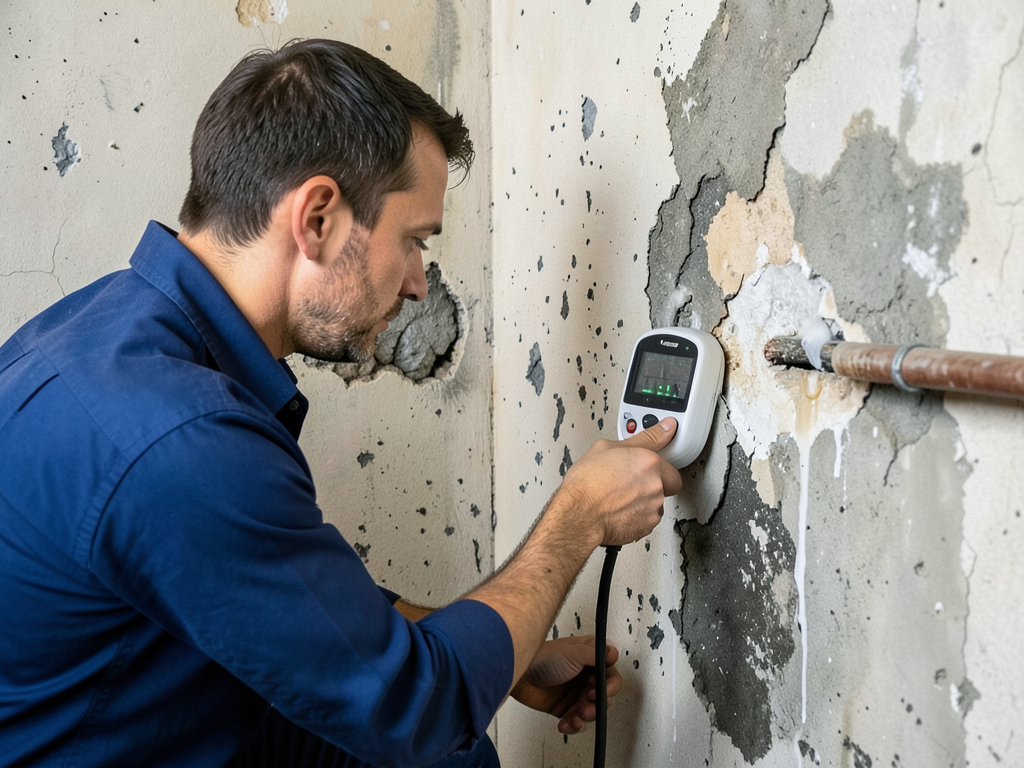
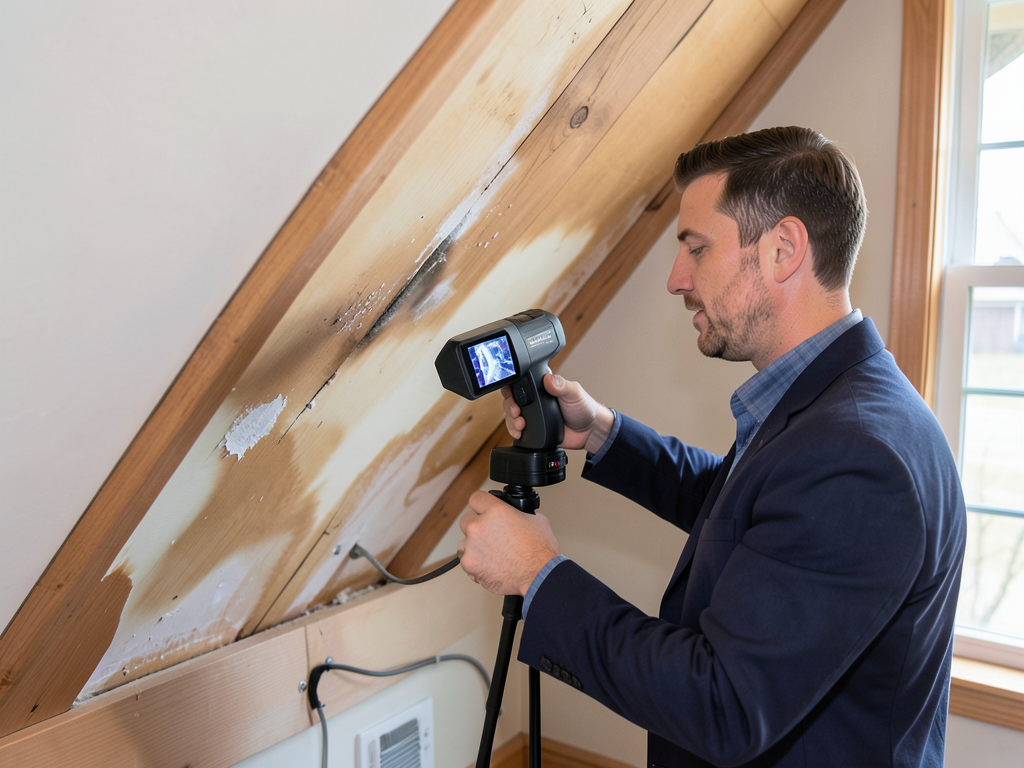
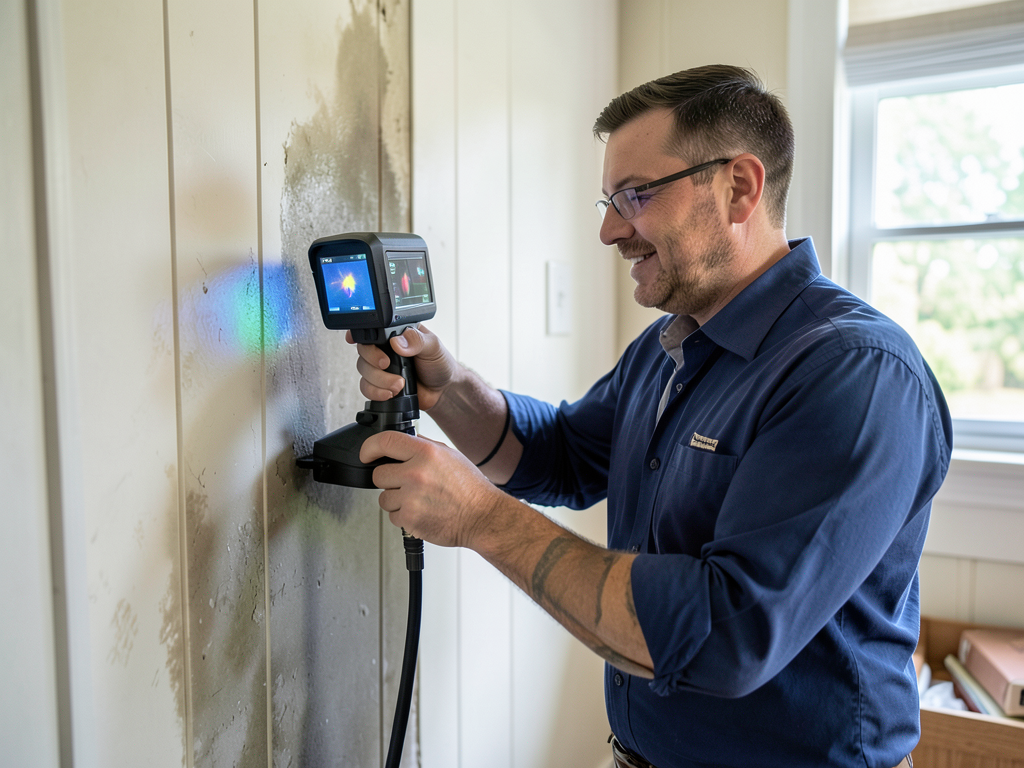
Our process begins with moisture mapping using thermal imaging cameras and pin-type moisture meters. We measure relative humidity at multiple wall depths. We test airflow patterns using smoke pencils. This reveals hidden moisture pockets that fuel microbial growth. Basement slab moisture often originates from hydrostatic pressure or failing drain tile systems. Wall cavity moisture traces to roof leaks, plumbing failures, or exterior grade problems.

Once we map the moisture, we engineer the dry-out. We use low-grain refrigerant dehumidifiers to pull moisture from the air. We place axial air movers to create laminar airflow across wet surfaces. We monitor evaporation rates daily using psychrometric calculations. Drying wet concrete requires different protocols than drying wet wood framing. We adjust equipment placement based on material density and saturation levels.

Removing contaminated materials comes next. We remove water-stained drywall, wet insulation, and compromised flooring. We do not dry materials that have absorbed category two or three water. We HEPA vacuum all surfaces to remove settled spores. We apply antimicrobial treatments to framing and subfloors only after confirming materials have reached equilibrium moisture content.

Final odor elimination uses hydroxyl generators or ozone machines in unoccupied spaces. These oxidize volatile organic compounds at the molecular level. We verify odor elimination using particle counters and visual inspection before final clearance.

Ironwood Water Damage Restoration Detroit follows IICRC S500 standards for every job. We document every phase with photos and moisture readings.

What Happens During Odor Investigation and Removal

Musty Smells & Odor Removal in Detroit | Expert Diagnosis & Complete Elimination
01

Moisture Source Detection

We inspect all potential water entry points using thermal imaging and moisture meters. We check foundation walls, window wells, plumbing penetrations, and roof drainage systems. We test concrete slabs for vapor emission rates. We measure indoor humidity against outdoor dew points. This identifies whether your odor stems from chronic seepage, acute leaks, or condensation problems common in Detroit's variable climate.
02

Controlled Structural Drying

We set up professional drying equipment based on the specific materials affected. Basement concrete requires different airflow than wood floor joists. We create contained drying chambers when needed to protect occupied areas. We monitor daily using psychrometric charts to track grain depression and vapor pressure. We adjust dehumidifier settings and air mover positions based on real-time moisture readings. Typical drying takes three to seven days depending on saturation depth.
03

Contamination Removal and Verification

After materials reach dry standard, we remove and dispose of contaminated building components. We treat all remaining surfaces with EPA-registered antimicrobials. We run hydroxyl or ozone treatment cycles to oxidize remaining odor molecules. We verify completion using particle testing and visual clearance inspections. We provide detailed documentation showing before and after moisture levels, photos of affected areas, and equipment logs proving proper drying protocols.

Why Detroit Homeowners Choose Local Water Damage Experts

Generic restoration companies treat odor removal like a cleaning service. They spray disinfectant, set up fans, and hope for the best. That approach fails because it ignores building science.

Detroit's housing requires specialized knowledge. Homes in East English Village have different foundation systems than those in Indian Village. Brick veneer construction in Palmer Woods behaves differently than wood-frame homes in Bagley. We understand how Detroit's freeze-thaw cycles stress plumbing. We know which neighborhoods have combined sewers that back up during heavy rain. We recognize the drainage patterns created by the city's clay soil.

Ironwood Water Damage Restoration Detroit employs IICRC-certified water restoration technicians. We invest in professional-grade moisture detection equipment. Our thermal cameras identify temperature differentials invisible to the naked eye. Our moisture meters penetrate deep into substrates. We own truck-mounted extraction units and commercial dehumidifiers, not homeowner-grade equipment rented by the day.

We work directly with Detroit homeowners insurance carriers. We document losses according to adjuster requirements. We photograph conditions before remediation begins. We provide detailed estimates that separate emergency services from reconstruction costs. We bill insurance companies directly when you assign benefits.

You will not find us advertising miracle cures or same-day odor removal. Legitimate remediation takes time. Materials must dry completely before reconstruction begins. Rushing the process traps moisture and guarantees odor return.

We provide written moisture documentation at every phase. We explain psychrometric principles in plain language. We show you the moisture readings. We walk you through the affected areas. You understand what we found, why it happened, and how we fixed it.

Trust matters when someone is cutting holes in your walls.

What to Expect When You Call

Response Time and Availability

We answer emergency calls 24 hours a day, every day of the year. Active water intrusion requires immediate response to prevent secondary damage. For non-emergency odor issues, we schedule on-site assessments within 24 hours. Initial assessments take 60 to 90 minutes. We bring moisture detection equipment to every first visit. We provide a verbal assessment on-site and follow up with a written scope of work within 24 hours. Emergency mitigation work begins immediately when needed to prevent further damage.

How the Initial Assessment Works

We walk your entire property, not just the room with the odor. We check attics, crawlspaces, basements, and mechanical rooms. We use thermal imaging to scan walls and ceilings. We take moisture readings at suspected problem areas. We inspect exterior drainage, downspouts, and foundation grade. We ask about your home's history of water problems, recent weather events, and any plumbing repairs. We explain what we find in real time. We take photos and create a moisture map showing affected areas and saturation levels.

The Quality of Final Results

Complete odor elimination requires removing the contamination source, drying affected materials to industry standards, and treating remaining surfaces. We do not close a job until moisture readings show materials have reached equilibrium. We provide final documentation showing post-remediation moisture levels. You receive photos of the work area at every phase. You get copies of equipment logs showing daily humidity and temperature readings. Odor elimination is permanent when the moisture source is corrected and contaminated materials are properly removed.

Post-Remediation Monitoring and Prevention

We provide recommendations for preventing future moisture problems. This may include exterior drainage improvements, vapor barrier installation, or mechanical ventilation upgrades. We offer follow-up moisture testing at 30 and 90 days post-remediation if requested. We explain how to monitor humidity levels using simple tools. We identify seasonal risk factors specific to your property. If reconstruction is needed after remediation, we coordinate with qualified contractors who understand moisture-sensitive building methods. Our goal is solving the problem once, not creating repeat customers.

Frequently Asked Questions

You Have Questions,
We Have Answers

How to get rid of a strong musty smell? +

Find the source first. In Detroit homes, musty smells often come from damp basements, crawl spaces, or areas with poor ventilation. Check for water intrusion, leaks, or high humidity. Remove any wet materials like carpets or drywall. Run a dehumidifier to drop moisture below 50 percent. Clean all surfaces with a vinegar solution or antimicrobial cleaner. Increase air circulation with fans. If the smell persists after cleaning and drying, you may have hidden mold or water damage inside walls. Professional inspection can pinpoint concealed moisture sources that DIY methods miss.

What is the hardest smell to get rid of in a house? +

Decomposition odors and smoke damage are the hardest to eliminate. These smells penetrate porous materials like wood framing, insulation, and concrete. In Detroit's older housing stock, decades of cigarette smoke or fire damage can saturate structural components. You cannot mask these odors with air fresheners. Complete removal requires identifying all affected materials, sealing or replacing porous surfaces, treating with hydroxyl generators or ozone machines, and applying odor-blocking primers. Lingering pet urine in subfloors also ranks high. Professional odor remediation equipment reaches deeper than consumer products.

Will DampRid get rid of musty smell? +

DampRid absorbs moisture in small, enclosed spaces like closets or cabinets. It works for minor humidity control but does not address the root cause of musty smells in Detroit homes. If you have basement dampness, foundation leaks, or poor ventilation, DampRid alone will not solve the problem. You need source removal. Fix water intrusion points, improve drainage, and use a proper dehumidifier rated for your square footage. DampRid can supplement these efforts in confined areas, but it will not eliminate widespread odors from mold growth or saturated building materials.

How to get rid of old lady smell in house? +

This smell comes from stale air, dust buildup, mothballs, old fabrics, and lack of ventilation. Open windows to create cross-ventilation. Wash all linens, curtains, and upholstery. Remove old carpet if it holds odors. Clean air ducts and replace HVAC filters. Wipe down walls and ceilings with a mild detergent solution. In Detroit's humid summers, run a dehumidifier to prevent mustiness. Dispose of mothballs and old potpourri. Air out closets and storage areas. If smells persist in walls or subfloors, you may need professional cleaning or material replacement to fully refresh the space.

What is the most powerful odor eliminator? +

Professional-grade hydroxyl generators and ozone machines eliminate odors at the molecular level. These tools break down odor-causing compounds rather than masking them. Hydroxyl systems are safe to use in occupied spaces. Ozone requires evacuation during treatment. For Detroit homeowners, enzymatic cleaners work well on organic odors like pet urine or food spills. Activated charcoal absorbs airborne particles in small areas. No consumer spray or plugin eliminates deep-set odors from smoke, sewage, or decomposition. Those situations require professional equipment, source removal, and sometimes material replacement to achieve complete odor elimination.

What does a musty smell indicate? +

A musty smell signals moisture problems and microbial growth. In Detroit, common causes include basement seepage, roof leaks, plumbing failures, poor ventilation, or foundation cracks. High humidity allows mold and mildew to colonize damp surfaces. The odor comes from microbial volatile organic compounds released during growth. Even without visible mold, you may have hidden colonies inside walls, under flooring, or in HVAC systems. Do not ignore this warning sign. Prolonged moisture exposure damages structural materials and degrades indoor air quality. Identify and fix the moisture source before odors worsen or spread.

What pulls odor out of the air? +

Activated charcoal, HEPA air purifiers, and proper ventilation remove odor particles from the air. Charcoal adsorbs molecules through porous surfaces. HEPA filters trap particulates but do not neutralize gases. In Detroit homes, increasing fresh air exchange dilutes indoor pollutants. Exhaust fans in bathrooms and kitchens vent moisture and odors outside. Whole-house air purifiers with carbon filters help, but they cannot replace source removal. If you have active mold growth or water damage, you must eliminate the cause. Air cleaners supplement remediation but do not replace it. Fix the problem first, then filter the air.

What is the old lady's smell called? +

Some people call it nonenal. This odor comes from skin oils breaking down as we age, producing a specific scent. In homes, the smell accumulates in fabrics, carpets, and poorly ventilated rooms. It mixes with dust, stale air, and sometimes mothballs or old cosmetics. The term is not medical, just descriptive. You remove it the same way you address any stale odor. Increase ventilation, wash textiles, clean surfaces, and improve air circulation. Fresh air and regular cleaning prevent buildup. Humidity control also helps in Detroit's variable climate.

What three ingredients make your house smell good? +

Baking soda, white vinegar, and lemon naturally freshen air without chemicals. Baking soda absorbs odors in carpets, upholstery, and refrigerators. Vinegar neutralizes smells when used as a cleaning solution. Lemon adds a clean scent and cuts grease. These work for everyday freshness, not serious odor problems. If you have musty smells from water damage or mold in Detroit, natural deodorizers will not fix the issue. You need moisture control, source removal, and proper ventilation. Use these ingredients after you resolve the underlying problem to maintain a clean-smelling home.

Can a house smell musty without mold? +

Yes. Musty smells can come from high humidity, stagnant air, dirty HVAC systems, or damp materials without active mold growth. In Detroit, basements often smell musty due to concrete moisture evaporation or poor ventilation, even without visible mold. Dust, mildew on fabrics, or bacteria in drains also produce earthy odors. Test for mold if you suspect hidden growth, but do not assume all musty smells mean mold. Improve ventilation, reduce humidity below 50 percent, and clean soft surfaces. If smells persist, professional inspection can rule out concealed moisture or microbial issues.

How Detroit's Clay Soil and Older Foundations Create Chronic Odor Problems

Detroit sits on dense clay soil that expands when wet and contracts when dry. This seasonal movement creates foundation cracks and shifts slab floors. Older homes often lack exterior drain tile systems or have collapsed tiles from decades of freeze-thaw cycles. Water trapped against foundation walls migrates through concrete via capillary action. Basement floors often lack vapor barriers. The result is chronic elevated humidity and persistent musty odors. Homes built before 1950 commonly show efflorescence on basement walls, a white crystalline deposit indicating ongoing moisture intrusion. Eradicating water damage smells in these structures requires addressing both the exterior water source and the interior moisture vapor.

Detroit's housing stock presents unique challenges that require local expertise. We understand the common failure points in poured concrete foundations versus block foundations. We recognize the drainage problems created by the city's combined sewer system. We know which neighborhoods face seasonal high water tables. Generic restoration companies apply the same methods everywhere. We adjust protocols based on your home's specific construction type, age, and location. Choosing a local water damage specialist means working with technicians who have remediated hundreds of Detroit basements and understand the region's moisture patterns.
Water Damage Restoration Services in The Detroit Area

Conveniently located to serve the Detroit area, Ironwood is always ready to respond to your water damage emergencies. Explore our service area on the map below or contact us directly to discuss your specific needs. We’re committed to providing prompt, professional service wherever you are within our operational zone, ensuring rapid deployment and effective restoration solutions when you need them most.

Address:
Ironwood Water Damage Restoration Detroit, 15324 Mack Ave, Detroit, MI, 48230

Additional Services We Offer

Our news updates

Latest Articles & News from The Blogs

A slow leak behind a Royal Oak bathroom wall can go unnoticed for weeks. By the time you smell mildew…

Why Smart Leak Detectors Are Worth Every Penny for Your Royal Oak Rental Property

A slow leak behind a Royal Oak bathroom wall can go unnoticed for weeks. By the time you smell mildew…

Why Your Whole House Humidifier in Warren Might Be Ruining Your Drywall

Your furnace runs all winter. Your whole house humidifier works quietly behind the scenes. And somewhere behind that drywall in…

What Black Water Flooding Actually Does to Your Health (A Detroit Homeowner's Guide)

A sewage backup in your Detroit basement is not just a cleanup problem. It is a biohazard event. The water…

Contact Us

Stop masking the odor and fix the moisture problem causing it. Call Ironwood Water Damage Restoration Detroit at (313) 572-5559 for a professional assessment. We provide same-day scheduling and transparent pricing. No hidden fees.