



menu

Commercial Sewage Cleanup in Detroit – Minimize Downtime and Liability with Industrial-Grade Remediation

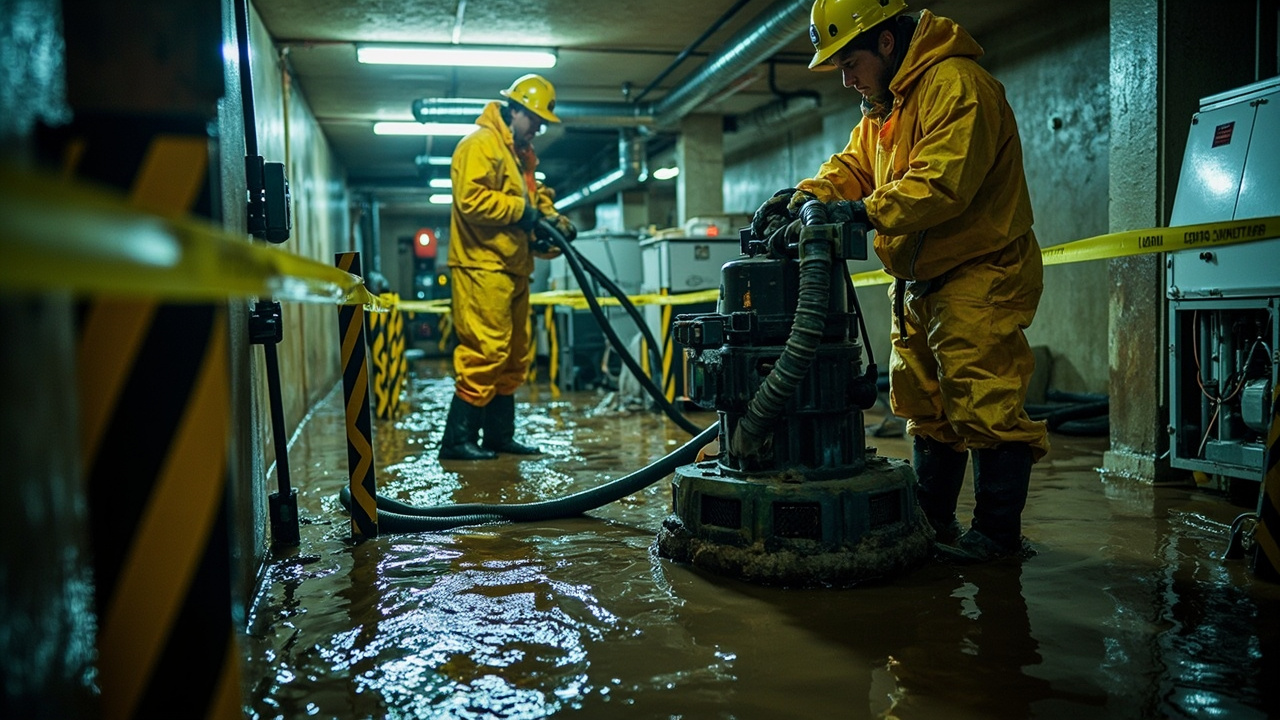
Our commercial sewage remediation teams deploy within two hours across Detroit metro, equipped with truck-mounted extractors and biohazard protocols to restore full operations while managing your OSHA compliance documentation and third-party liability exposure.

Slider Image 1
Slider Image 2
Slider Image 3
Slider Image 4
Slider Image 5
Slider Image 7
Slider Image 8
Slider Image 9
Slider Image 10
Slider Image 11

Why Detroit Businesses Face Elevated Sewage Backup Risks

Detroit's infrastructure challenges create significant commercial sewage exposure. The city operates separate storm and sanitary sewer systems built between 1890 and 1960, with many lines approaching end-of-service life. When combined basements in historic commercial districts like Corktown or Eastern Market meet aging cast iron laterals, you face Category 3 water intrusion that halts operations immediately.

The Great Lakes Water Authority manages sewage treatment, but property owners remain responsible for private laterals. A single backup in a multi-tenant building triggers contamination protocols affecting every unit. You face immediate OSHA notification requirements, employee exposure documentation, and potential regulatory action if you delay industrial sewage cleanup.

Detroit's freeze-thaw cycles compound the problem. Seasonal ground movement stresses lateral connections at the main line junction. When January temperatures swing from 15 degrees to 45 degrees in 48 hours, frozen ground thaws and shifts pipe alignments. Spring runoff overwhelms combined overflow systems in older districts, backing raw sewage into basement floor drains during peak business hours.

Commercial black water extraction requires different protocols than residential service. You need chain-of-custody documentation for contaminated materials, air quality monitoring data, and remediation certificates that satisfy your commercial property insurer. Generic water damage crews lack the capacity and compliance infrastructure your business requires. Commercial sewer backup cleaning is not an upcharge service. It demands dedicated equipment, training, and liability coverage structured for business interruption claims.

Why Detroit Businesses Face Elevated Sewage Backup Risks
How Industrial-Grade Sewage Remediation Protects Business Continuity

How Industrial-Grade Sewage Remediation Protects Business Continuity

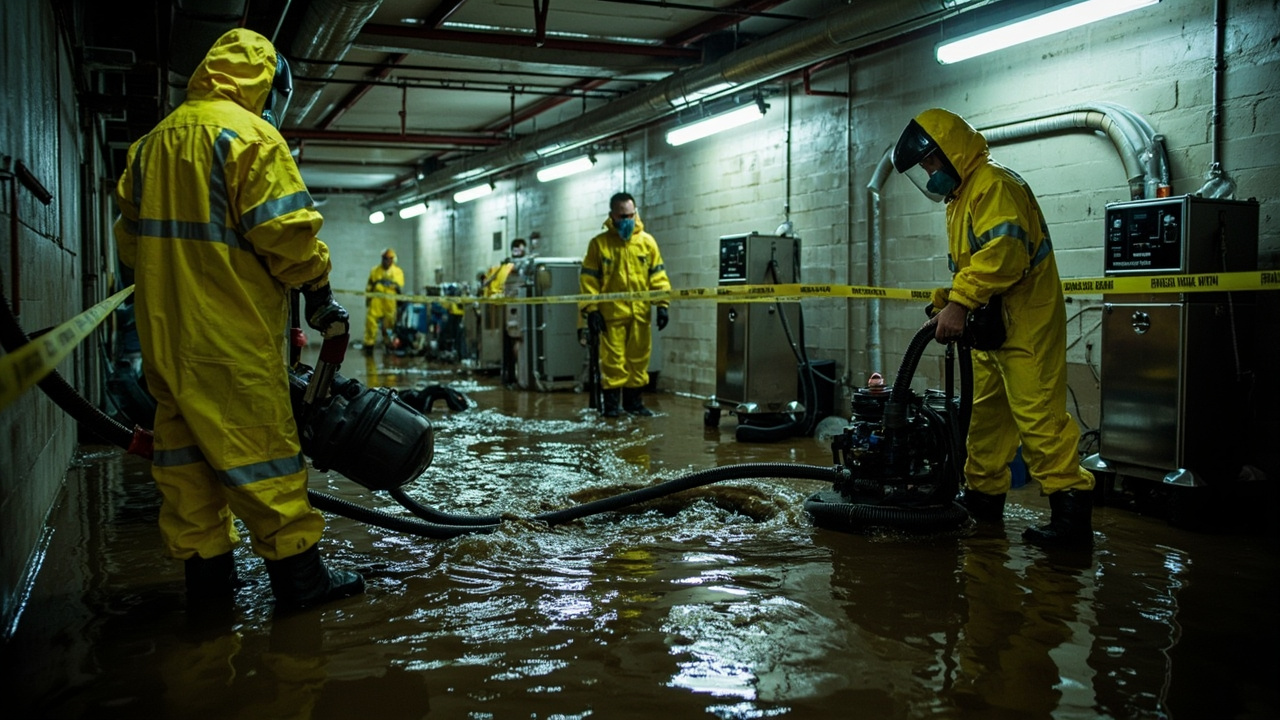
Commercial sewage removal begins with containment and negative air pressure. We isolate the affected zone using commercial air scrubbers with HEPA filtration rated for bioaerosol capture. This prevents cross-contamination to unaffected areas while we establish extraction staging. Truck-mounted pumps provide continuous suction capacity between 200 and 400 gallons per minute, clearing standing sewage faster than portable extractors used in residential applications.

Material categorization determines disposal routing. We separate non-porous items eligible for disinfection from porous materials requiring immediate removal. Drywall, insulation, and carpeting exposed to black water get bagged as Category 3 waste and manifested to approved facilities. This documentation becomes critical if your tenant files a habitability claim or if EPA requests remediation records during a wider investigation.

Surface disinfection follows EPA-registered protocols specific to fecal coliform and pathogen neutralization. We apply quaternary ammonium compounds at manufacturer-specified dwell times, then verify kill rates using ATP surface testing. This data goes directly into your compliance file. Many commercial sewage remediation projects fail inspection because crews skip verification testing or use household bleach instead of registered antimicrobials.

Structural drying uses commercial dehumidifiers rated for 150-pint daily extraction in spaces up to 5,000 square feet. We monitor subsurface moisture in concrete slabs using non-invasive meters, targeting readings below 4.5% before reinstallation begins. Rushed drying creates mold liability that appears 90 days after you reopen, triggering a second business interruption when tenants discover growth behind walls. Our remediation certificates include moisture mapping data your insurer needs to close the claim without reservation of rights.

Three Critical Phases in Commercial Sewage Response

Commercial Sewage Cleanup in Detroit – Minimize Downtime and Liability with Industrial-Grade Remediation
01

Emergency Containment Deployment

Our dispatch coordinates with your property manager to secure mechanical room access and main water shutoffs before our crew arrives. We establish biohazard containment using 6-mil poly sheeting and negative air machines within 30 minutes of site access. Early containment prevents sewage migration into elevator shafts, stairwells, and adjacent tenant spaces. This limits your liability footprint and reduces the total square footage requiring Category 3 remediation protocols.
02

Extraction and Disinfection

Truck-mounted extractors remove standing sewage and embedded contamination from concrete floors and wall cavities. We inject antimicrobial solution into floor drains and p-traps using pressure foggers, ensuring residual disinfection in piping you cannot access for replacement. All removed materials get photographed, weighed, and documented for your insurance adjuster. We provide same-day preliminary loss estimates so you can notify your carrier within policy deadlines and avoid claim complications.
03

Verification and Clearance

Post-remediation testing confirms surface bacteria levels meet re-occupancy standards before we demobilize equipment. You receive ATP test results, moisture readings, and photographic documentation proving the affected area is safe for tenant return. This clearance package satisfies OSHA recordkeeping requirements if employees were exposed during the incident. Our final report includes recommendations for backflow preventer installation or sump pump upgrades that prevent recurrence and demonstrate due diligence.

Why Detroit Businesses Choose Ironwood Water Damage Restoration Detroit

Ironwood Water Damage Restoration Detroit operates dedicated commercial response trucks staged in Dearborn and Hamtramck, giving us sub-two-hour response times to industrial corridors along I-94 and the Jeffries Freeway. We maintain commercial liability coverage structured for multi-tenant buildings and mixed-use properties, with aggregate limits that protect your business if our work triggers a subsequent claim.

Our crews understand Detroit's commercial building stock. We have remediated sewage backups in converted warehouses in Midtown, multi-story retail in Greektown, and century-old manufacturing facilities in Delray. Each building type presents different challenges. Brick-and-timber construction absorbs sewage into structural members requiring specialized drying. Modern tilt-up concrete buildings need careful moisture monitoring to prevent efflorescence that damages finishes. We adjust our protocols based on your specific construction type and occupancy classification.

We coordinate directly with Detroit Building Safety Engineering and Environmental when remediation triggers permit requirements. Commercial sewage events affecting more than 1,000 square feet often require inspections before re-occupancy. We manage that scheduling and provide the documentation inspectors need to issue clearances quickly. This keeps your project on track and prevents extended closures that compound your revenue loss.

Our estimating integrates with Xactimate and Symbility platforms used by commercial carriers. You receive line-item pricing that matches industry databases, reducing adjuster pushback and speeding claim approval. We also provide CPM scheduling showing remediation sequencing and milestone dates, so you can communicate realistic timelines to affected tenants and minimize lease disputes. Many commercial property owners face tenant abatement demands after sewage backups. Clear communication backed by professional documentation reduces that friction and preserves your rental income during recovery.

What Your Commercial Sewage Remediation Project Includes

Rapid Response Capacity

We maintain two-hour response capability across Detroit metro with crews available 24 hours daily. Commercial sewage backups do not respect business hours. When a main line fails at 3 a.m., you need extraction crews onsite before morning shift arrival. Our dispatch confirms estimated arrival within 15 minutes of your call and provides direct crew contact so your property manager can coordinate building access. We bring sufficient equipment to handle volumes up to 10,000 square feet without requiring secondary mobilization.

Comprehensive Damage Assessment

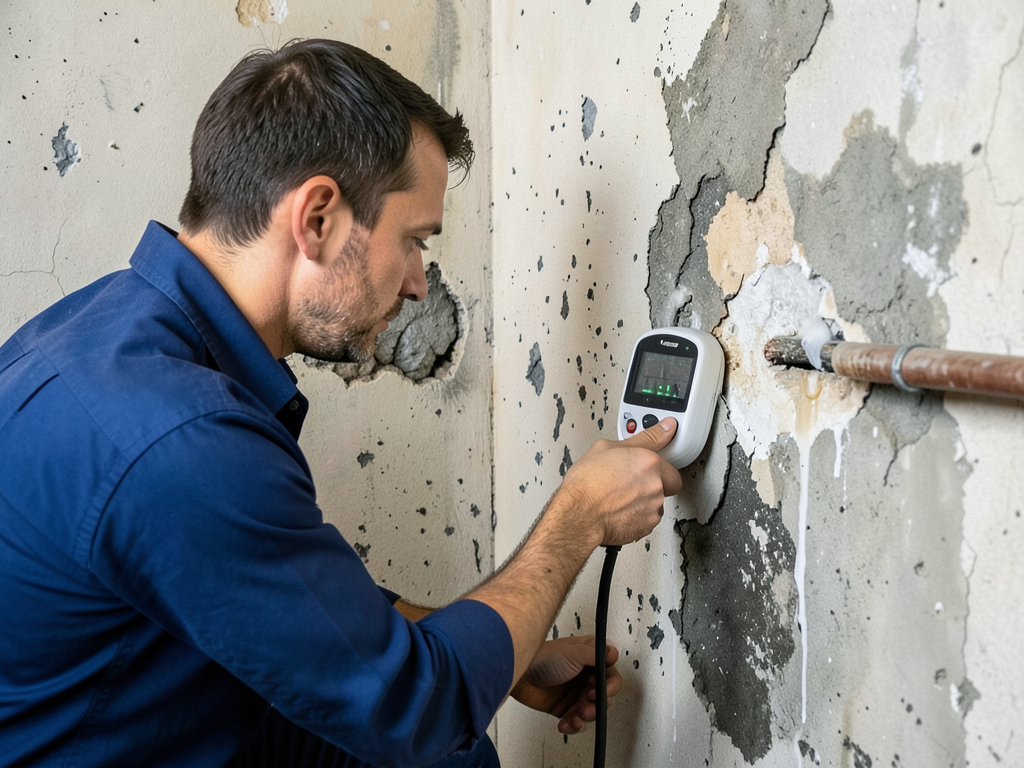
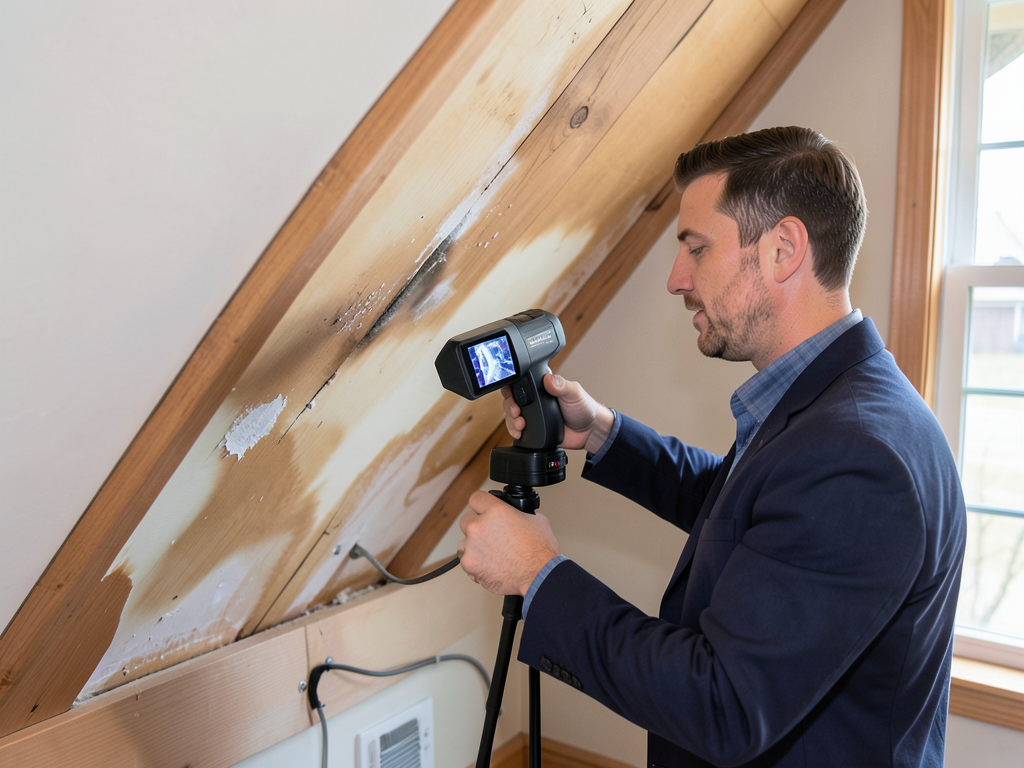
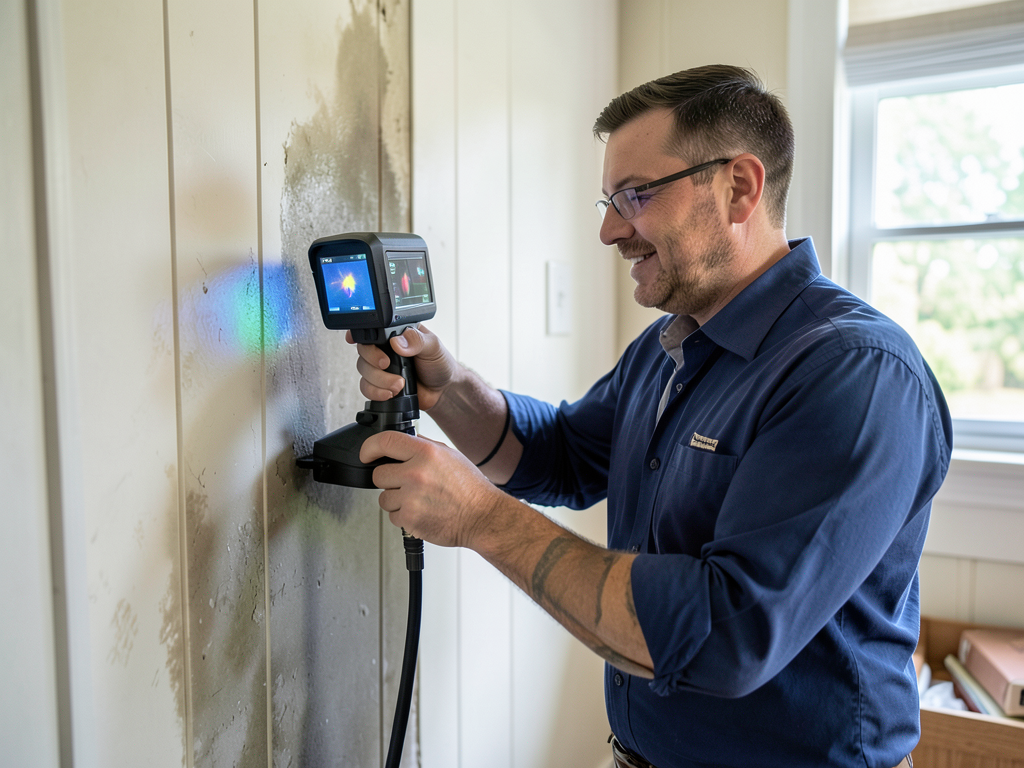
Our initial assessment identifies contamination extent, structural exposure, and mechanical system impacts. We use thermal imaging to trace sewage migration behind walls and under flooring, preventing hidden damage that appears weeks later. You receive a written scope within four hours detailing affected areas, recommended demolition, and estimated project duration. This allows you to make informed decisions about partial reopening versus full closure while remediation proceeds. We also identify the failure source, whether a collapsed lateral, main line blockage, or backflow preventer failure, so you can address root causes.

Certified Remediation Standards

All commercial sewage cleanup follows IICRC S500 standards for water damage restoration and S520 protocols for microbial contamination. We document every phase using time-stamped photography and sensor data logs. Your final deliverable includes moisture mapping charts, antimicrobial application records, and air quality test results. This package satisfies insurance requirements and provides legal protection if a tenant later claims illness or property damage related to the sewage event. Proper documentation converts a liability exposure into a closed incident with clear remediation proof.

Post-Remediation Monitoring

We provide 30-day post-remediation follow-up including moisture checks and visual inspections to confirm no secondary damage has developed. Many sewage backups involve slow leaks that continue after initial extraction. We verify your sump pumps are functioning, backflow preventers are holding, and floor drains are flowing properly. If we identify new concerns during follow-up, we address them immediately at no additional diagnostic charge. This monitoring period protects you from hidden damage that appears after we demobilize and ensures your building returns to full service without complications.

Frequently Asked Questions

You Have Questions,
We Have Answers

How much does it cost to clean up sewage? +

Commercial sewage cleanup costs vary based on contamination level, affected square footage, and structural damage. Category 3 water (raw sewage) requires extensive extraction, antimicrobial treatment, and disposal protocols. Factors include the scope of affected areas, time of discovery, and whether Detroit's aging infrastructure contributed to the incident. Heavy equipment access in older Detroit commercial buildings may increase costs. Many properties in Midtown or Corktown face higher expenses due to building age and limited accessibility. You will need a detailed assessment post-containment. Insurance coverage depends on your policy endorsements and whether the backup was sudden and accidental.

How much does it cost to unclog sewage? +

Unclogging a commercial sewer line ranges based on blockage severity, line depth, and method required. Hydro-jetting is common for grease buildup in Detroit restaurants or manufacturing facilities. If tree root intrusion from Detroit's mature street trees damaged your line, costs increase. Video inspection adds expense but identifies exact blockage location and pipe condition. Emergency calls during business hours cost more. Clay or cast iron lines common in older Detroit properties may require specialized equipment. Preventive maintenance contracts reduce emergency callout fees. Request itemized pricing before work begins to avoid surprises on your final invoice.

Does insurance cover sewage cleanup? +

Coverage depends on your commercial property policy and the cause of the backup. Standard policies often exclude gradual seepage or maintenance-related failures. Sudden and accidental backups from municipal system overloads may be covered if you carry sewer backup endorsement. Detroit's combined sewer system occasionally overflows during heavy rain, which complicates claims. Review your policy's water damage exclusions carefully. Document everything immediately with photos and incident reports. Your adjuster will determine if the event qualifies under your coverage. Lack of routine maintenance can void claims, so maintain service records for all plumbing and drainage systems.

How often should sewage be cleaned? +

Commercial properties should schedule professional drain line inspections annually, with high-risk facilities requiring quarterly maintenance. Restaurants, food processing plants, and healthcare facilities in Detroit need more frequent service due to grease, debris, and biohazard protocols. Preventive hydro-jetting every 12 to 18 months removes buildup before blockages occur. Detroit's aging infrastructure and seasonal freeze-thaw cycles stress older sewer laterals. Properties near the Detroit River or in flood-prone zones need proactive monitoring. Establish a maintenance schedule based on your facility type, age of plumbing, and past issues. Document all services for insurance and code compliance purposes.

Is sewer jetting worth it? +

Hydro-jetting is highly effective for commercial lines with grease, scale, or root intrusion. The process uses high-pressure water to scour pipe walls clean, restoring full flow capacity. For Detroit commercial kitchens or manufacturing facilities with recurring backups, jetting prevents costly emergency shutdowns. It is more thorough than snaking and extends time between services. Older cast iron or clay pipes common in Detroit require camera inspection first to ensure structural integrity. Jetting costs more upfront but reduces long-term maintenance expenses and downtime. For high-volume facilities, it is a smart investment in operational continuity and liability reduction.

Why is my sewer bill 200 dollars? +

Detroit water and sewer bills reflect usage, fixed charges, and drainage fees. Commercial properties pay higher rates than residential accounts. A 200-dollar bill typically indicates moderate water consumption plus sewer volumetric charges based on winter water usage averages. Leaks, running toilets, or inefficient fixtures inflate costs quickly. The Detroit Water and Sewerage Department bills quarterly, so your statement covers three months. Older buildings in districts like Eastern Market may have outdated plumbing causing waste. Review your usage history for spikes. If consumption seems abnormal, inspect for leaks or malfunctioning equipment before the next billing cycle.

Will insurance pay for sewer line replacement? +

Sewer line replacement coverage is rare under standard commercial property policies. Most insurers classify it as a maintenance issue, not sudden damage. If the line failed due to a covered peril like ground movement or vehicle impact, partial coverage may apply. Detroit's older infrastructure and shifting soils complicate claims. Some policies offer equipment breakdown endorsements that cover mechanical failures. Betterment clauses often reduce payouts for aging systems. If your business relies on uninterrupted sewer access, consider specialized utility line coverage. Always submit claims promptly with documentation showing the failure was sudden, not gradual deterioration.

Why is my sewer bill 100 dollars? +

A 100-dollar sewer bill for a small commercial property in Detroit reflects base service charges, volumetric usage, and stormwater management fees. The Detroit Water and Sewerage Department assesses rates based on water consumption, assuming equal sewage discharge. Quarterly billing means this covers three months. Low-volume businesses like offices or retail shops typically fall in this range. Older buildings may have higher drainage fees due to outdated laterals or inadequate stormwater separation. Compare your usage to similar properties. If the bill seems high, check for leaks or request a meter accuracy test from the city.

What are the three types of sewage? +

The three sewage categories are clean water (Category 1), gray water (Category 2), and black water (Category 3). Category 1 originates from sanitary sources like supply lines. Category 2 contains contaminants like detergents or food particles from sinks and appliances. Category 3 is grossly contaminated, including raw sewage, toilet backflows, and floodwater from rivers like the Detroit River. Commercial facilities must treat Category 3 as a biohazard requiring professional extraction, disinfection, and material removal. IICRC standards govern restoration protocols. Misclassifying sewage types creates liability and health code violations for Detroit business owners.

What is the average lifespan of a sewer line? +

Cast iron sewer lines last 50 to 65 years, while clay pipes reach 50 to 60 years. PVC lines installed after the 1970s can exceed 100 years with minimal maintenance. Many Detroit commercial buildings have original cast iron or clay laterals from the early to mid-1900s, now beyond their service life. Soil conditions, tree root intrusion, and freeze-thaw cycles accelerate deterioration. Corrosion and joint separation are common in aging systems. Schedule video inspections every five years for properties over 40 years old. Proactive replacement avoids catastrophic failures and business interruptions tied to Detroit's stressed municipal infrastructure.

How Detroit's Separate Sewer System Increases Commercial Backup Frequency

Detroit operates one of the oldest separate sanitary sewer systems in the Midwest, with many commercial laterals installed before 1940 using clay tile and cast iron. Unlike combined systems that blend storm and sanitary flows, separate systems concentrate sewage in dedicated lines that experience higher flow velocities and increased pipe stress. When a lateral collapses or roots infiltrate a joint, you get complete blockage rather than diluted overflow. Commercial properties in older districts like Southwest Detroit and the Jefferson Corridor face higher backup risk because original pipe materials have exceeded their 75-year design life. Industrial sewage cleanup becomes a recurring expense without lateral replacement.

Commercial property owners in Detroit must navigate both city and GLWA jurisdiction depending on where the backup occurs. If sewage enters your building through a floor drain, that is a private lateral issue requiring immediate commercial sewage removal at your expense. If the main line fails in the right-of-way, GLWA responds but your building still needs remediation while they make repairs. Ironwood Water Damage Restoration Detroit works directly with both agencies, understanding permit requirements and inspection protocols that vary by district. Our familiarity with local procedures prevents delays that extend your closure and compound business interruption losses.
Water Damage Restoration Services in The Detroit Area

Conveniently located to serve the Detroit area, Ironwood is always ready to respond to your water damage emergencies. Explore our service area on the map below or contact us directly to discuss your specific needs. We’re committed to providing prompt, professional service wherever you are within our operational zone, ensuring rapid deployment and effective restoration solutions when you need them most.

Address:
Ironwood Water Damage Restoration Detroit, 15324 Mack Ave, Detroit, MI, 48230

Additional Services We Offer

Our news updates

Latest Articles & News from The Blogs

A slow leak behind a Royal Oak bathroom wall can go unnoticed for weeks. By the time you smell mildew…

Why Smart Leak Detectors Are Worth Every Penny for Your Royal Oak Rental Property

A slow leak behind a Royal Oak bathroom wall can go unnoticed for weeks. By the time you smell mildew…

Why Your Whole House Humidifier in Warren Might Be Ruining Your Drywall

Your furnace runs all winter. Your whole house humidifier works quietly behind the scenes. And somewhere behind that drywall in…

What Black Water Flooding Actually Does to Your Health (A Detroit Homeowner's Guide)

A sewage backup in your Detroit basement is not just a cleanup problem. It is a biohazard event. The water…

Contact Us

Every hour of delayed response increases contamination spread and extends your closure. Call Ironwood Water Damage Restoration Detroit now at (313) 572-5559 for immediate dispatch. Our commercial crews are standing by with the equipment and compliance protocols your business requires.