




menu

Condensation on Windows & Walls in Detroit – Fast Diagnosis & Permanent Moisture Control

Expert identification of hidden moisture sources causing condensation on windows & walls throughout Detroit, with proven solutions that stop recurring dampness and protect your property from long-term damage.

Slider Image 1
Slider Image 2
Slider Image 3
Slider Image 4
Slider Image 5
Slider Image 7
Slider Image 8
Slider Image 9
Slider Image 10
Slider Image 11

Why Detroit Homes Battle Window Sweating and Wall Moisture Year-Round

You wake up to weeping window panes every morning. Your drywall feels damp to the touch. Interior glass condensation drips down onto your sills, leaving stains and warped wood. This is not normal wear and tear.

Detroit's extreme temperature swings create the perfect storm for moisture buildup on walls and windows. When winter temperatures plummet below freezing and your heated interior air meets single-pane glass or poorly insulated exterior walls, you get condensation. The same thing happens in summer when humid Great Lakes air meets air-conditioned surfaces. The freeze-thaw cycles we experience between November and March make this worse. Water vapor condenses, freezes, thaws, and penetrates deeper into building materials with each cycle.

Older Detroit homes built before 1960 often lack vapor barriers in wall cavities. Many properties in neighborhoods like Corktown, Indian Village, and Woodbridge feature original single-pane windows. These architectural details increase susceptibility to window sweating and damp drywall patches. When you add modern lifestyle factors like cooking, showering, and running appliances without adequate ventilation, interior humidity levels spike.

The real danger is not the visible moisture. It is what happens behind your walls. Persistent condensation creates conditions for mold colonization within 24 to 48 hours. Wood framing absorbs moisture and begins to rot. Insulation becomes saturated and loses thermal effectiveness. You are looking at structural degradation, decreased indoor air quality, and exponentially higher heating costs.

Most homeowners try to wipe down windows or run a dehumidifier. These are temporary band-aids. The condensation returns because the root cause remains unaddressed.

Why Detroit Homes Battle Window Sweating and Wall Moisture Year-Round
How We Identify and Eliminate Moisture Sources Causing Condensation

How We Identify and Eliminate Moisture Sources Causing Condensation

Ironwood Water Damage Restoration Detroit does not just clean up visible moisture. We perform building science diagnostics to determine why condensation forms in the first place.

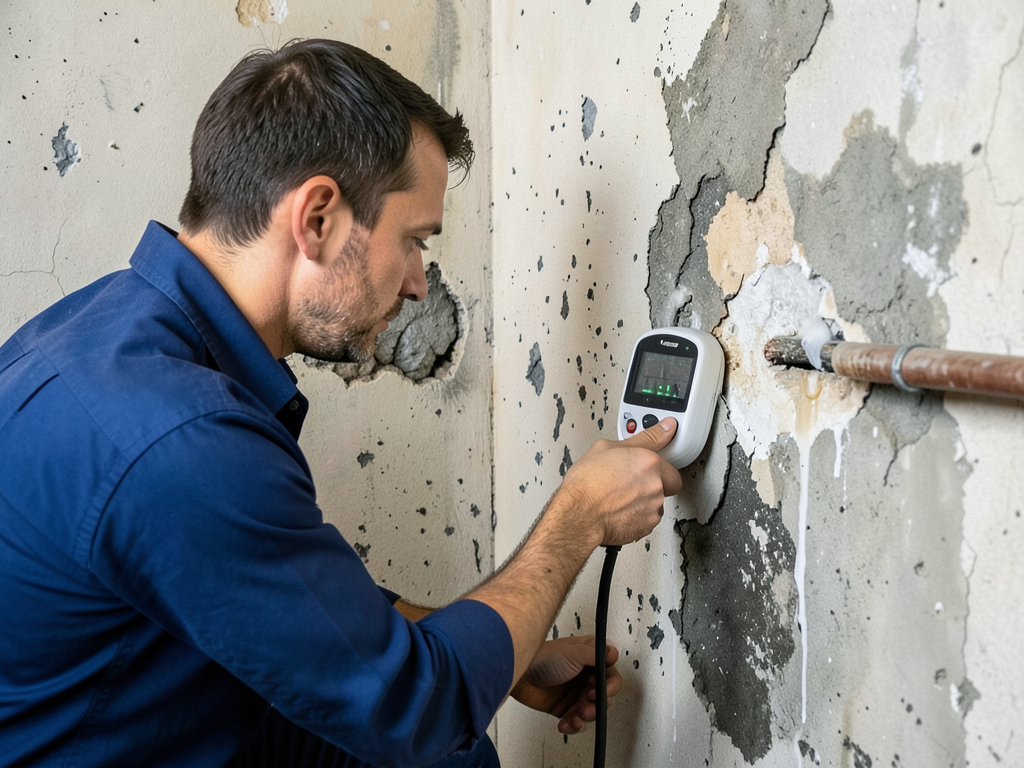
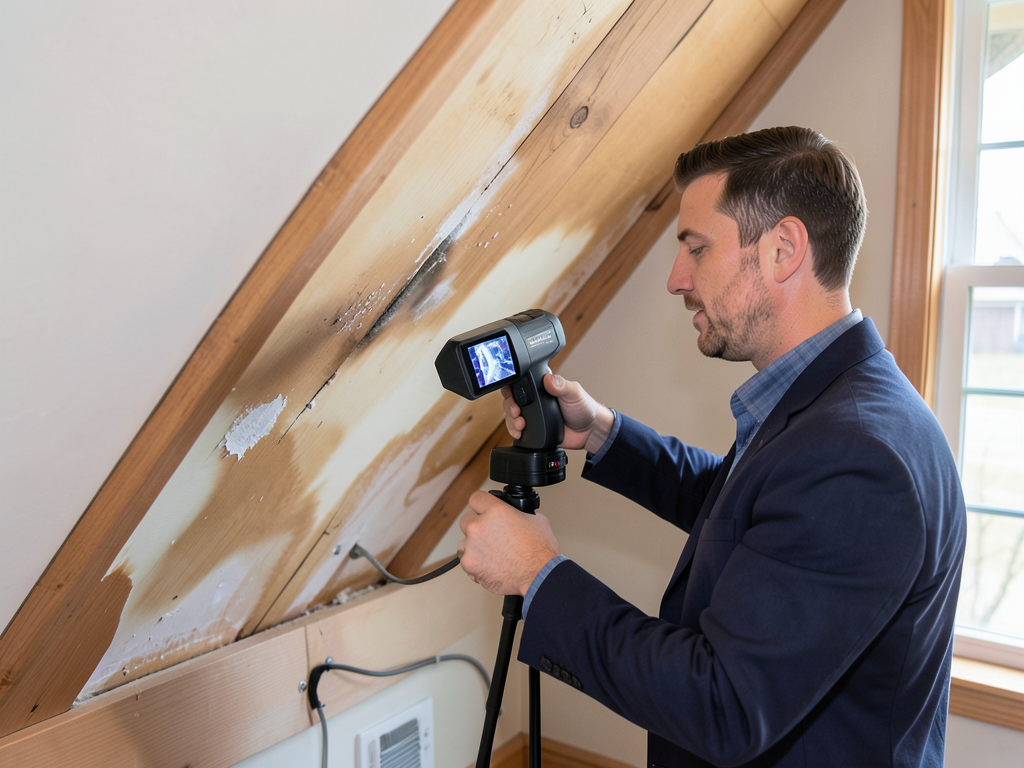
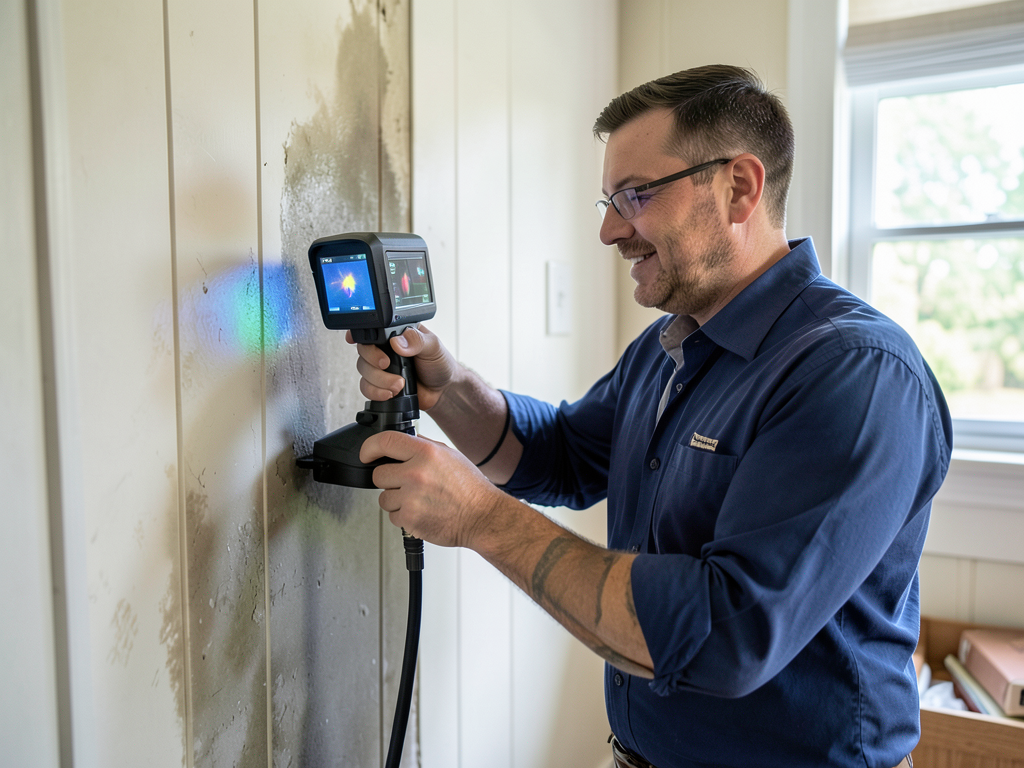
We start with thermal imaging cameras that reveal temperature differentials across your walls and windows. Cold spots indicate thermal bridging or missing insulation where condensation will form. We use calibrated hygrometers to measure relative humidity levels in each room and compare them to dew point temperatures. This tells us exactly when and where moisture will condense on surfaces.

Next, we inspect your ventilation systems. Bathroom exhaust fans, kitchen range hoods, and whole-house ventilation systems must move adequate cubic feet per minute of air to expel moisture-laden air before it condenses. We test airflow rates and verify that ducts terminate outside, not into attics or wall cavities where they dump humid air into building assemblies.

We examine your building envelope for air leakage. Gaps around windows, electrical penetrations, and rim joists allow warm interior air to escape and contact cold surfaces inside wall cavities. This hidden condensation destroys your home from the inside out. We use blower door testing when necessary to quantify air leakage rates.

After identifying all moisture sources and condensation points, we develop a comprehensive remediation plan. This may include improving mechanical ventilation, air sealing critical gaps, upgrading insulation, installing vapor barriers, or addressing groundwater intrusion that elevates basement humidity. We also evaluate whether window replacement or storm window installation makes sense for your specific situation.

Our approach is methodical and rooted in building science, not guesswork. We fix the problem permanently.

What Happens When You Call About Window or Wall Condensation

Condensation on Windows & Walls in Detroit – Fast Diagnosis & Permanent Moisture Control
01

Onsite Moisture Assessment

We arrive with diagnostic equipment including thermal cameras, moisture meters, and hygrometers. Our technician documents all visible condensation patterns, measures humidity levels throughout your home, and uses infrared imaging to identify hidden moisture in wall cavities and around window frames. We trace the moisture back to its source, whether that is poor ventilation, air leakage, or inadequate insulation. You receive a detailed explanation of findings during the visit.
02

Source Elimination Plan

Based on diagnostic findings, we create a targeted plan to eliminate moisture sources and prevent future condensation. This may involve installing or upgrading exhaust ventilation, sealing air leaks with spray foam or caulking, adding insulation to exterior walls, or installing a dehumidification system. We explain each recommended intervention, why it addresses your specific condensation problem, and what results to expect. No cookie-cutter solutions. Every plan is customized to your home's construction and your humidity sources.
03

Remediation and Monitoring

We execute the remediation plan, addressing ventilation deficiencies, air sealing gaps, and improving insulation as needed. If condensation has already caused mold growth or material damage, we remediate affected areas to IICRC S520 standards. After completion, we provide humidity monitoring guidance so you can verify that condensation no longer occurs. We return for a follow-up inspection to confirm that surfaces remain dry and humidity levels stay within acceptable ranges. The condensation problem ends permanently.

Why Detroit Property Owners Trust Our Building Science Approach

Most water damage companies treat condensation as a surface cleaning issue. They wipe down your windows, tell you to buy a dehumidifier, and leave. The condensation returns within days because the underlying problem was never fixed.

Ironwood Water Damage Restoration Detroit applies building science principles to solve condensation problems permanently. Our technicians understand psychrometrics, the relationship between temperature, humidity, and dew point. We know how Detroit's climate interacts with your building envelope. We understand that a home built in 1920 in Indian Village has completely different moisture dynamics than a 1975 ranch in Redford Township.

We are familiar with Detroit's housing stock. Many homes in neighborhoods like Palmer Woods, Sherwood Forest, and Rosedale Park feature plaster walls, balloon framing, and minimal insulation. These construction methods create specific condensation vulnerabilities that require targeted solutions. We have worked on Tudor Revival homes with steel casement windows, brick Colonials with uninsulated rim joists, and post-war bungalows with inadequate attic ventilation. Each building type demands a different approach.

Our remediation work aligns with Michigan building codes and energy efficiency standards. When we improve ventilation or add insulation, we do it correctly according to code requirements. This matters for resale value, insurance claims, and long-term performance.

You also get honest answers. If your condensation problem can be solved with better bathroom ventilation and some caulk, we tell you that. We do not upsell unnecessary services. Conversely, if you have a serious moisture intrusion issue that requires wall cavity remediation, we explain exactly why and what happens if you delay.

Detroit homeowners deserve solutions that actually work. We deliver them.

What to Expect When You Work With Us

Response Time and Availability

We schedule condensation assessments within 24 to 48 hours of your call. While condensation is not typically an emergency like a burst pipe, it signals an ongoing moisture problem that worsens every day. We understand the urgency. Most diagnostic visits take 60 to 90 minutes depending on home size and complexity. If we identify active mold growth or saturated building materials during the assessment, we can transition immediately to remediation work. Our crews are available seven days a week, and we work around your schedule to minimize disruption.

Diagnostic Process and Findings

Our assessment includes visual inspection of all affected areas, thermal imaging to identify temperature anomalies, humidity measurement in multiple zones, and ventilation airflow testing. We check attic insulation levels, examine basement moisture conditions, and inspect crawl spaces if applicable. You receive a written report documenting moisture readings, thermal images showing problem areas, and a clear explanation of why condensation is occurring. We identify every contributing factor, from inadequate ventilation to air leakage paths. The diagnostic findings drive our remediation recommendations. You understand exactly what is wrong and why before any work begins.

Results You Can Measure

After remediation, you will see measurable improvements. Window sweating stops. Damp drywall patches dry out. Interior glass condensation no longer forms during temperature extremes. We provide you with a hygrometer so you can monitor indoor humidity levels and verify they remain in the optimal 30 to 50 percent range during winter months. Your heating bills may decrease because improved insulation and air sealing reduce thermal losses. If we removed mold growth, your indoor air quality improves noticeably. The results are not subjective. You can see and measure the difference.

Ongoing Support and Guidance

Condensation problems often stem from lifestyle factors combined with building deficiencies. We provide guidance on humidity management practices like running exhaust fans during showers, venting your dryer properly, and using kitchen ventilation when cooking. We explain how to operate any new ventilation equipment we install. If you experience condensation issues after remediation, we return to investigate at no charge. Our goal is permanent resolution, not a temporary fix. We also provide referrals to qualified insulation contractors or window specialists if your situation requires work outside our scope. You get complete support through the entire process and beyond.

Frequently Asked Questions

You Have Questions,
We Have Answers

How to stop condensation on windows and walls? +

Reduce indoor humidity first. Run exhaust fans in bathrooms and kitchens during use. Crack windows periodically to allow moisture escape, especially after cooking or showering. Use a dehumidifier in basements or high-moisture rooms. Check that your dryer vents outdoors properly. Increase air circulation with ceiling fans. Upgrade to double-pane windows if you have single-pane glass. Detroit's cold winters create temperature differentials that drive condensation, so maintaining indoor humidity below 40% during heating season prevents most issues. Seal air leaks around windows and doors. If condensation persists despite these steps, you may have hidden moisture sources requiring professional assessment.

Does condensation always indicate a problem? +

Not always. Light condensation on windows during Detroit's coldest mornings is normal when indoor humidity meets cold glass. This clears quickly as temperatures equalize. However, persistent condensation that leaves puddles on sills, drips down walls, or causes musty odors indicates excessive indoor moisture. Watch for patterns. Condensation only on north-facing windows suggests poor insulation. Moisture appearing year-round points to leaks or ventilation failures. Seasonal condensation during winter heating is common in older homes. The key question is whether it dries completely within hours or lingers, promoting mold growth and material damage.

Does condensation on windows mean the house is too cold? +

Not necessarily. Condensation happens when warm, humid indoor air contacts cold surfaces. Your home temperature may be comfortable, but single-pane windows or poorly insulated walls create cold spots where moisture condenses. Detroit winters produce extreme temperature differences between heated interiors and outdoor conditions. Even well-heated homes show condensation if indoor humidity runs high or windows lack proper insulation. The issue stems from relative humidity levels and surface temperatures, not room temperature alone. If you maintain 68-72 degrees indoors but still see heavy condensation, your windows are the cold point, not your heating system.

Should you wipe condensation off windows? +

Yes, wipe it off daily. Standing water on sills damages wood, promotes mold growth, and can seep into wall cavities. Use an absorbent cloth or towel each morning during Detroit's heating season. Leaving condensation to evaporate naturally raises indoor humidity further, creating a cycle. Persistent wiping becomes tedious, signaling you need to address root causes like ventilation or humidity levels. If you notice black spots forming on sills or frames, mold has already started. Wiping buys time but does not solve the problem. Track how much water you remove daily to gauge severity.

What to put on walls to stop condensation? +

Apply vapor barrier paint or anti-condensation coatings designed for high-moisture areas. These products create a moisture-resistant surface that reduces water accumulation. Insulate exterior walls from the inside using rigid foam panels or spray foam if wall cavities lack proper insulation. Detroit's brick homes often have minimal wall insulation, making interior surfaces cold. Install wall-mounted dehumidifiers in problem rooms. Improve air circulation with fans to prevent stagnant humid air from settling against walls. For severe cases, consider adding interior wall panels with built-in vapor barriers. Address underlying moisture sources before treating walls, or condensation will return.

What are signs of excessive condensation? +

Watch for water pooling on windowsills that requires daily wiping. Musty odors in closets or corners signal trapped moisture. Black or green mold spots appear on walls, ceilings, or around windows. Paint peels or wallpaper bubbles without other obvious causes. Wood floors warp near exterior walls. Windows fog between panes on double-pane units. Damp spots appear on walls during cold snaps. Clothing in closets feels damp. You notice increased allergy symptoms or respiratory irritation. Detroit homes with finished basements often show condensation on foundation walls. Any combination of these signs means your indoor humidity exceeds safe levels.

Does condensation on windows mean poor insulation? +

Often, yes. Single-pane windows condensate heavily regardless of insulation quality because glass temperature drops with outdoor air. However, condensation on newer double-pane windows suggests insulation failures in walls or around window frames. Detroit's freeze-thaw cycles can compromise window seals, allowing cold air infiltration that creates condensation points. Check for drafts around frames. If only certain windows show condensation, those specific units likely have seal failures or installation gaps. Wall condensation almost always indicates inadequate insulation or vapor barrier failures. Condensation patterns reveal where cold penetrates your thermal envelope, helping target insulation upgrades effectively.

What are the 4 types of condensation? +

Surface condensation forms on cold windows and walls when humid air contacts them. Interstitial condensation occurs inside wall cavities when moisture vapor penetrates and hits cold surfaces, causing hidden rot. Warm roof condensation happens in attics when escaping heat meets cold roof decking, common in Detroit homes with inadequate attic ventilation. Cold surface condensation appears on pipes, ducts, and basement walls when temperature differences exist. Each type requires different solutions. Surface condensation needs humidity control. Interstitial condensation demands proper vapor barriers. Attic condensation requires ventilation and insulation upgrades. Identifying which type you face determines the fix.

How to know if it's condensation or a leak? +

Condensation appears symmetrically across cold surfaces and evaporates when temperatures equalize. It feels like water droplets without mineral deposits or discoloration. Leaks create irregular wet spots, often with staining or mineral buildup. Leak water tastes neutral, while condensation may taste slightly metallic. Run a simple test by wiping the area dry and monitoring. Condensation returns during temperature swings, typically mornings or evenings. Leaks produce constant or weather-related moisture regardless of indoor conditions. Check during Detroit's dry, cold winter days. If moisture appears when outdoor humidity is low, you have a leak. Condensation correlates with indoor activities like cooking or showering.

Why is there condensation on my bedroom walls? +

Bedrooms generate surprising moisture from breathing and body heat. Two people exhale nearly a pint of water vapor nightly. Poor ventilation traps this humidity against cold exterior walls. Detroit's brick construction creates thermal bridging where wall surfaces stay cold. Closed doors prevent air circulation from the rest of the house. Furniture against exterior walls blocks airflow, creating dead zones where moisture accumulates. Check if condensation appears mainly on north-facing walls, which receive no solar warming. Open doors during the day to improve circulation. Run a small fan to move air. Crack a window slightly overnight if outdoor temps allow.

How Detroit's Freeze-Thaw Cycles Accelerate Condensation Damage

Detroit experiences an average of 45 freeze-thaw cycles each winter, far more than cities further south or in more stable northern climates. When window sweating or moisture buildup on walls occurs during the day and temperatures drop below freezing at night, that moisture freezes inside building materials. Ice formation expands by roughly nine percent, forcing apart wood fibers, cracking drywall, and degrading paint and finishes. When temperatures rise again, the ice melts and penetrates deeper into wall assemblies. This cycle repeats dozens of times between November and March, causing exponentially more damage than condensation alone. Interior glass condensation that seems harmless during one cold snap becomes structural rot by spring.

Detroit enforces building codes through the Buildings, Safety Engineering and Environmental Department, which requires proper ventilation and moisture control in all residential properties. When we remediate condensation problems, our work complies with current mechanical and energy codes. This matters if you plan to sell your home or file an insurance claim related to moisture damage. We document all moisture readings and remediation work, providing you with records that satisfy code officials and insurance adjusters. Our familiarity with local inspectors and code interpretation means your project moves smoothly through any required permitting. You get solutions that meet professional standards and legal requirements.
Water Damage Restoration Services in The Detroit Area

Conveniently located to serve the Detroit area, Ironwood is always ready to respond to your water damage emergencies. Explore our service area on the map below or contact us directly to discuss your specific needs. We’re committed to providing prompt, professional service wherever you are within our operational zone, ensuring rapid deployment and effective restoration solutions when you need them most.

Address:
Ironwood Water Damage Restoration Detroit, 15324 Mack Ave, Detroit, MI, 48230

Additional Services We Offer

Our news updates

Latest Articles & News from The Blogs

A slow leak behind a Royal Oak bathroom wall can go unnoticed for weeks. By the time you smell mildew…

Why Smart Leak Detectors Are Worth Every Penny for Your Royal Oak Rental Property

A slow leak behind a Royal Oak bathroom wall can go unnoticed for weeks. By the time you smell mildew…

Why Your Whole House Humidifier in Warren Might Be Ruining Your Drywall

Your furnace runs all winter. Your whole house humidifier works quietly behind the scenes. And somewhere behind that drywall in…

What Black Water Flooding Actually Does to Your Health (A Detroit Homeowner's Guide)

A sewage backup in your Detroit basement is not just a cleanup problem. It is a biohazard event. The water…

Contact Us

Window sweating and wall moisture will not fix themselves. Every day of condensation is another day of mold growth and material degradation. Call Ironwood Water Damage Restoration Detroit at (313) 572-5559 right now to schedule your diagnostic assessment and end the problem permanently.