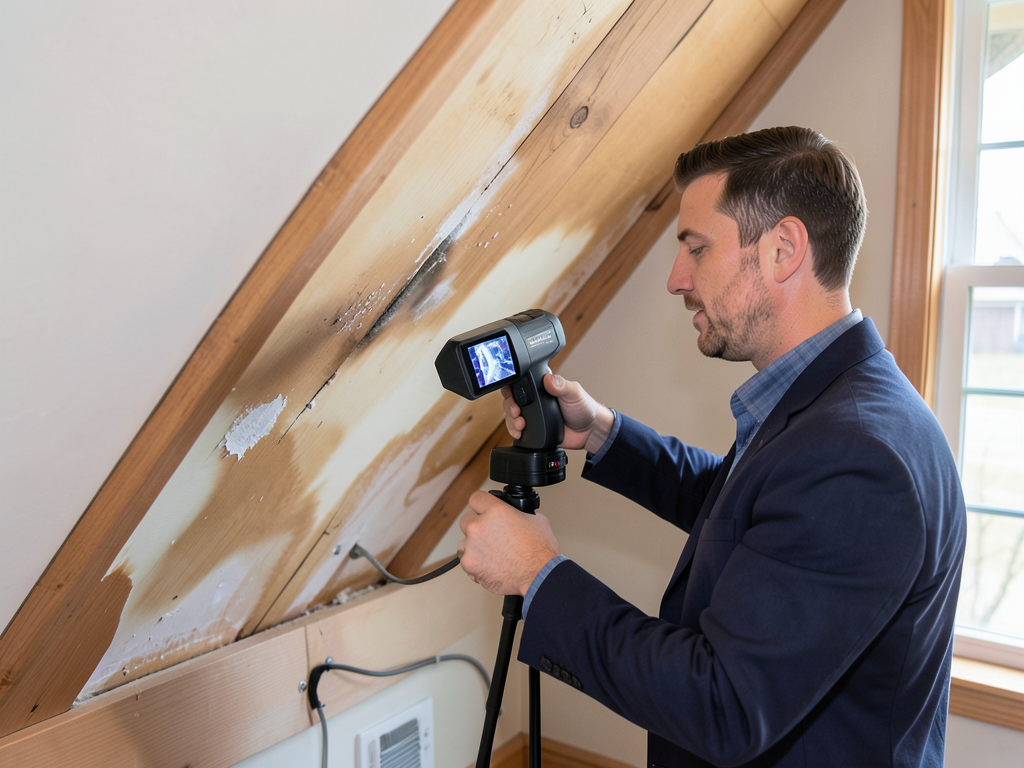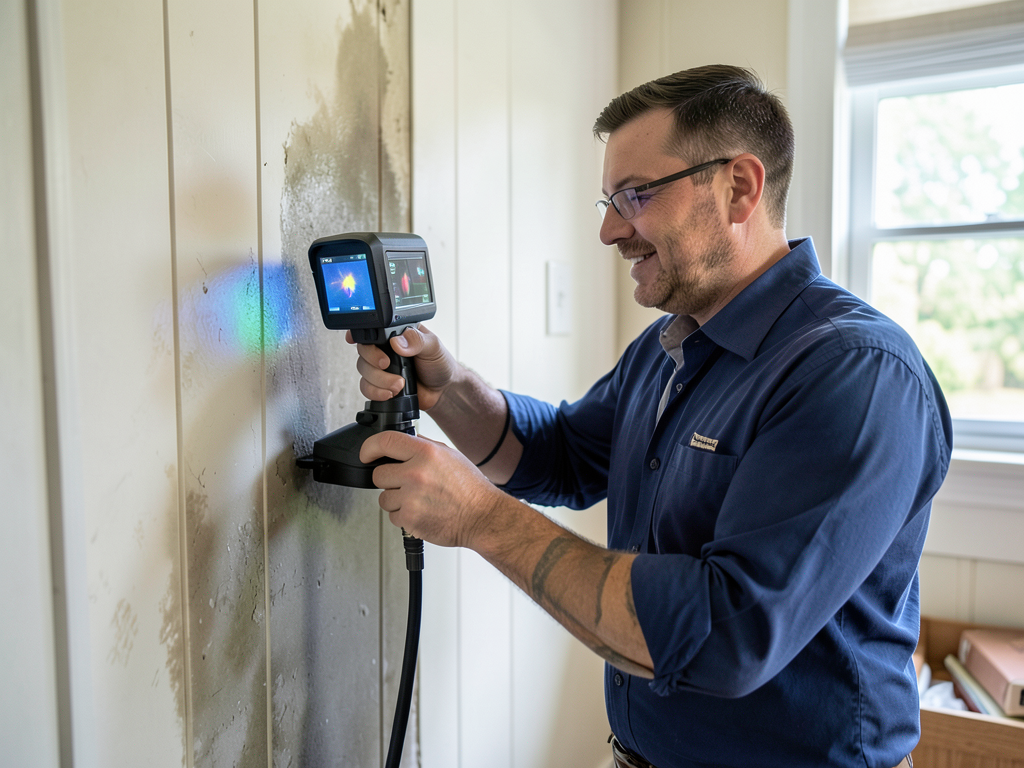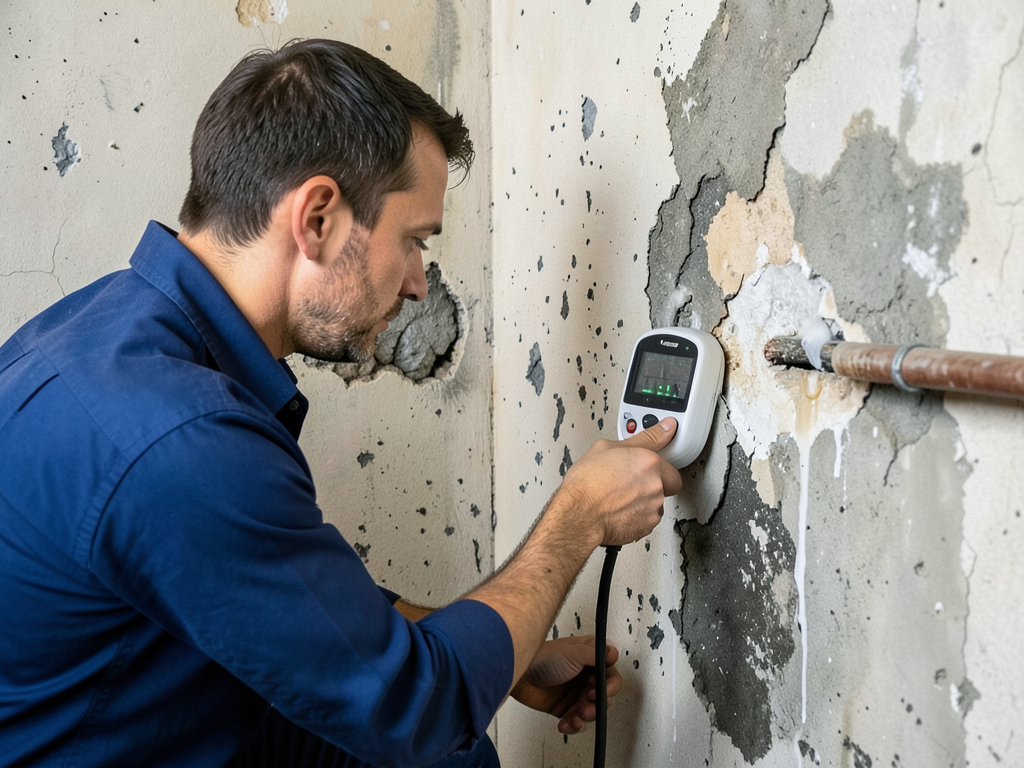





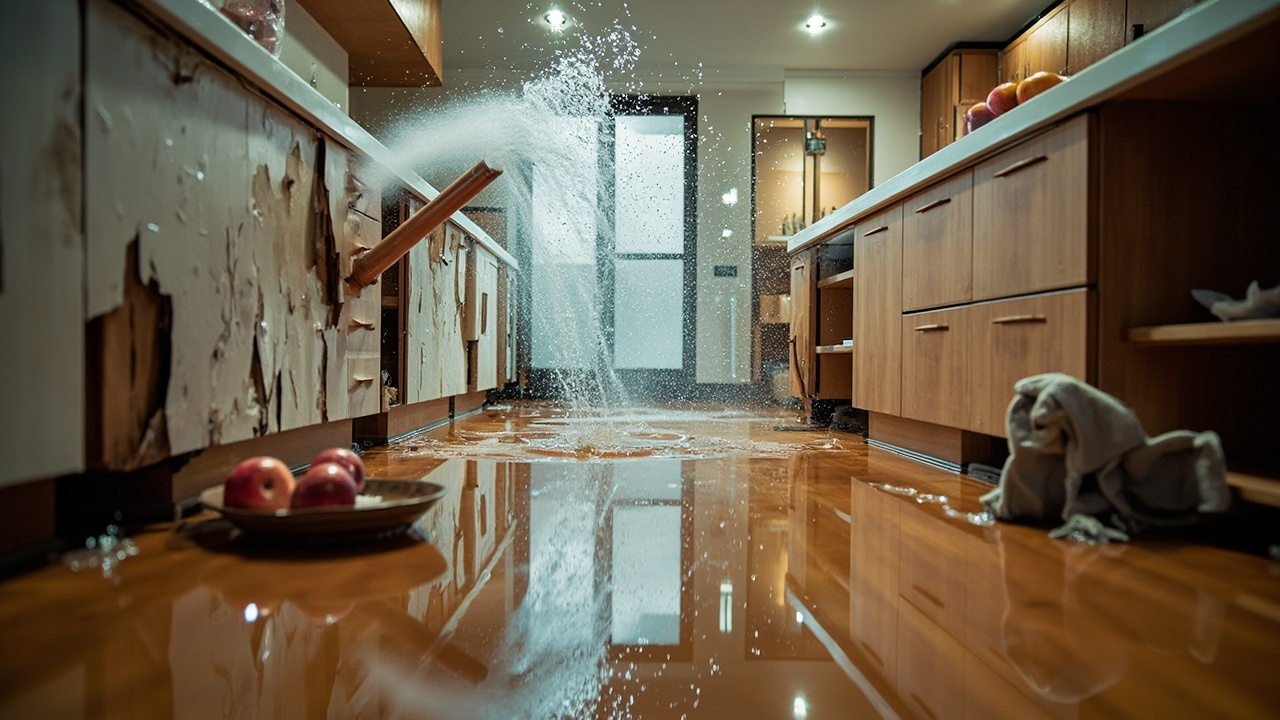
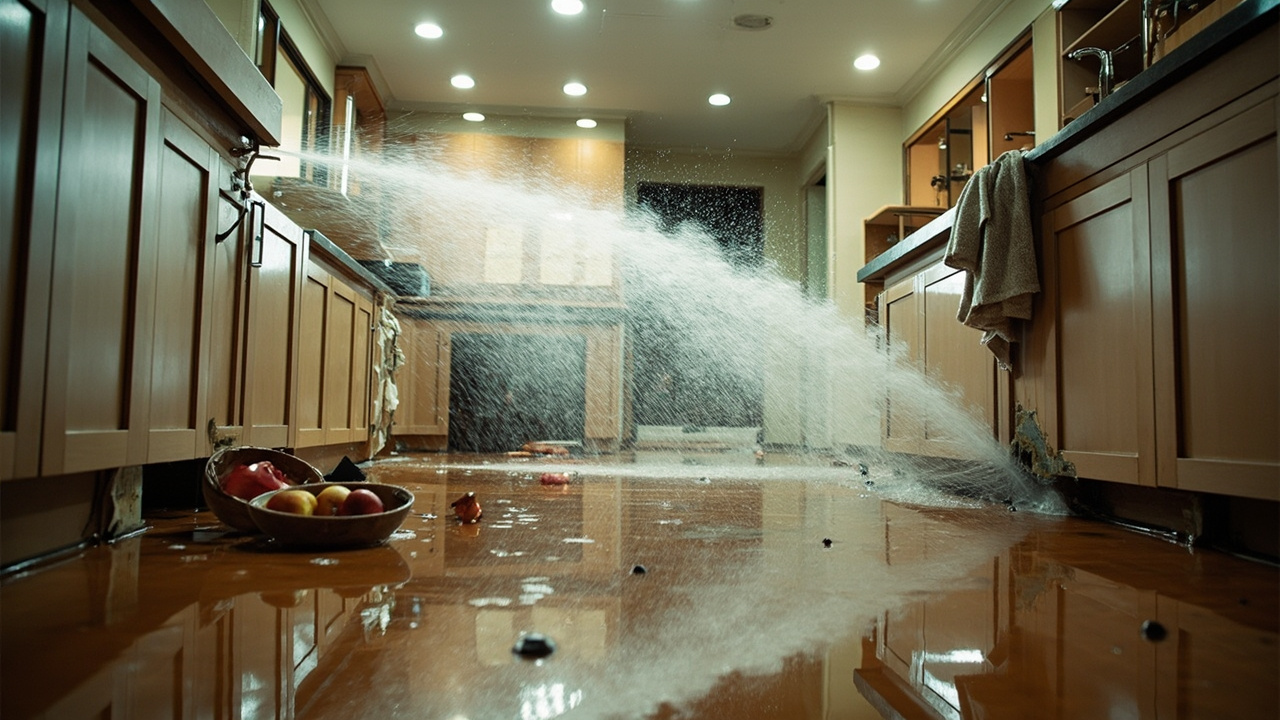

Detroit's municipal water system includes service lines and household plumbing installed between 1920 and 1960, with many homes still using original galvanized steel or even remnant lead pipes. These materials corrode from the inside, narrowing water flow and weakening pipe walls. When water freezes, the combination of internal corrosion and expansion pressure causes catastrophic failures. Homes in neighborhoods like Corktown, Eastern Market, and Brightmoor face elevated burst pipe risk due to this infrastructure age. Ruptured pipe water damage becomes inevitable without proactive replacement, and when failures occur, they often involve main supply lines that flood entire basements within minutes.
Working in Detroit requires understanding how local building codes evolved and where older construction methods create hidden vulnerabilities. We know which areas have uninsulated crawl spaces, where copper repiping replaced steel in the 1970s, and how Detroit's clay soil affects foundation drainage after a flood. This knowledge allows faster diagnosis and prevents overlooking secondary damage common to specific construction eras. Property owners choose local restoration teams because we recognize these patterns immediately, eliminating the learning curve that slows down regional or national chains unfamiliar with Detroit's unique building history.