





menu

Choosing a Restoration Company in Detroit – Proven Criteria to Vet Contractors and Protect Your Property

Learn the exact qualifications, response standards, and insurance protocols that separate qualified water damage contractors from unvetted operators in Detroit's high-risk flood zones.

Slider Image 1
Slider Image 2
Slider Image 3
Slider Image 4
Slider Image 5
Slider Image 7
Slider Image 8
Slider Image 9
Slider Image 10
Slider Image 11

Why Selecting a Water Damage Contractor in Detroit Requires Extra Due Diligence

Detroit sits at the intersection of the Detroit River and Lake St. Clair, making properties vulnerable to seasonal flooding, storm surge backups, and fluctuating water tables. Combined with the city's aging infrastructure and high concentration of older homes in neighborhoods like Corktown and Woodbridge, water intrusion events escalate quickly. When a pipe bursts or a basement floods, the window to prevent mold colonization is 24 to 48 hours. That urgency creates pressure to hire the first company that answers the phone.

The problem is hiring a water mitigation service without proper vetting can create bigger liabilities than the original damage. Unlicensed operators may mishandle structural drying, fail to document moisture readings for insurance claims, or skip antimicrobial treatments required by IICRC standards. In Detroit, where homes often feature original plaster walls and hardwood floors, improper restoration techniques destroy irreplaceable materials.

Finding a reputable water damage company means verifying certifications, understanding their drying methodology, and confirming they navigate Detroit's specific building codes and insurance protocols. You need a contractor who can document thermal imaging results, provide daily moisture logs, and communicate directly with adjusters. Vetting restoration contractors is not about finding the cheapest bid. It is about finding a team that prevents secondary damage, preserves structural integrity, and gets you back to normal without cutting corners.

Why Selecting a Water Damage Contractor in Detroit Requires Extra Due Diligence
What Separates Qualified Restoration Companies from Operators

What Separates Qualified Restoration Companies from Operators

How to pick a restoration company starts with understanding what professional mitigation actually involves. Water damage restoration is not cleanup. It is a technical process that requires psychrometry, controlled drying environments, and documentation at every phase. A qualified contractor uses moisture meters to establish baseline readings in affected materials, then tracks those numbers daily until equilibrium is reached. They deploy commercial-grade dehumidifiers calibrated to specific grains per pound targets, not box fans from a hardware store.

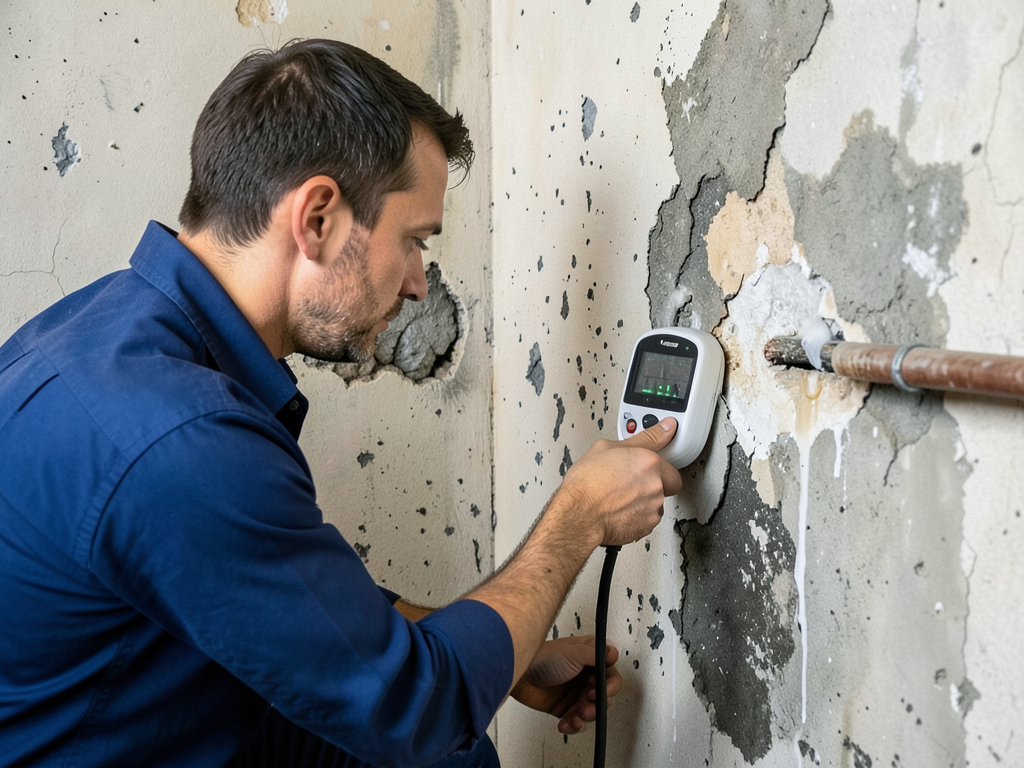
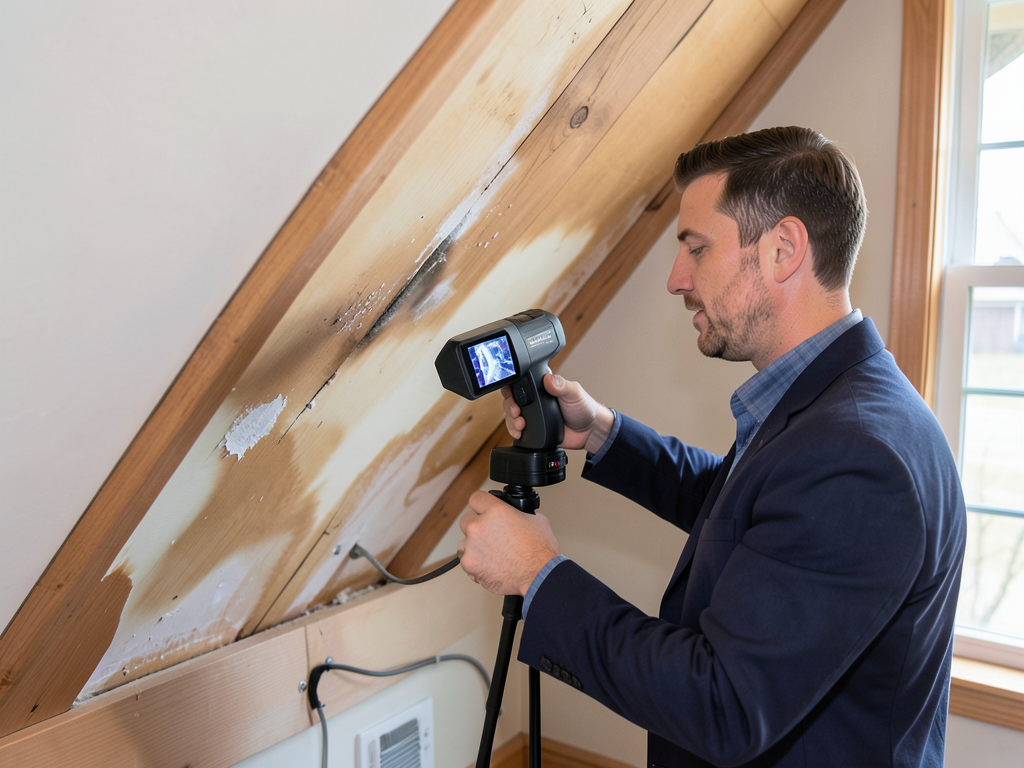
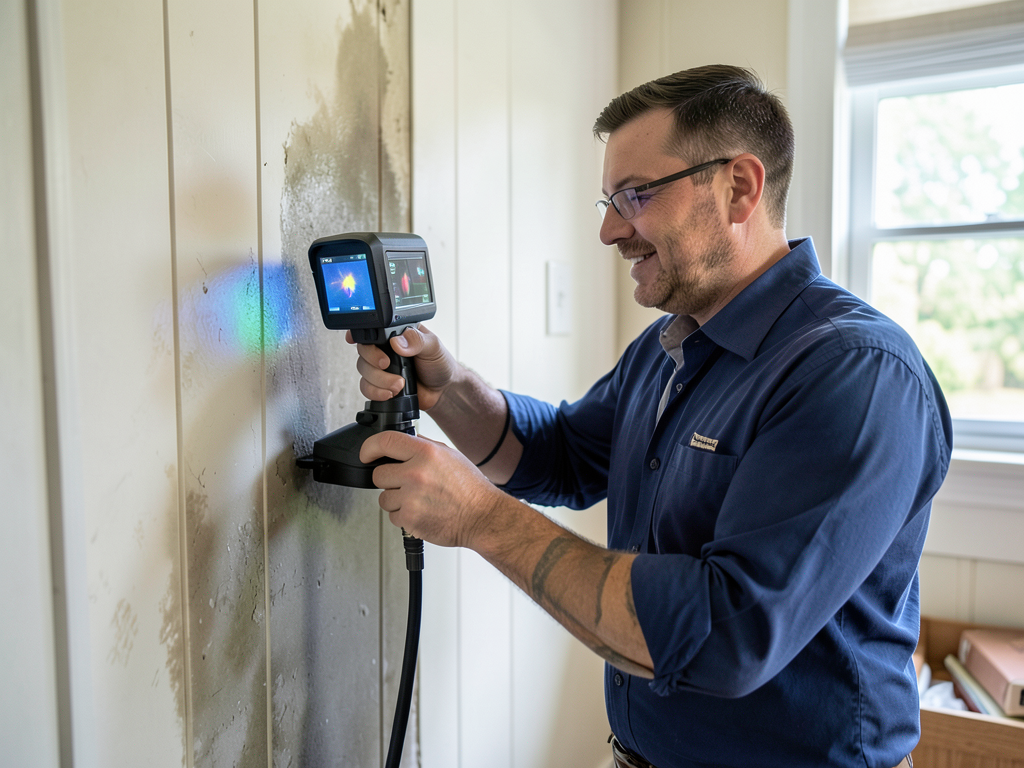
IICRC certification is the baseline standard. This credential proves the technician understands water classifications, evaporation rates, and proper antimicrobial application. Beyond that, look for contractors who use infrared cameras to identify hidden moisture pockets behind walls or under flooring. In Detroit's older homes, water migrates through lath and plaster in ways that are invisible to the naked eye. Thermal imaging exposes these risks before mold takes hold.

Documentation matters as much as equipment. Your contractor should provide a detailed scope of work, daily moisture logs, and photos at every stage. Insurance companies require this paper trail to approve claims. If a contractor shows up without a hygrometer or refuses to document their process, walk away. Professional restoration companies treat every job as a forensic investigation. They identify the source, contain the spread, remove standing water, and dry materials to industry standards. Anything less leaves you with liability, not resolution.

Three Steps to Vetting Water Damage Contractors in Detroit

Choosing a Restoration Company in Detroit – Proven Criteria to Vet Contractors and Protect Your Property
01

Verify Credentials and Insurance

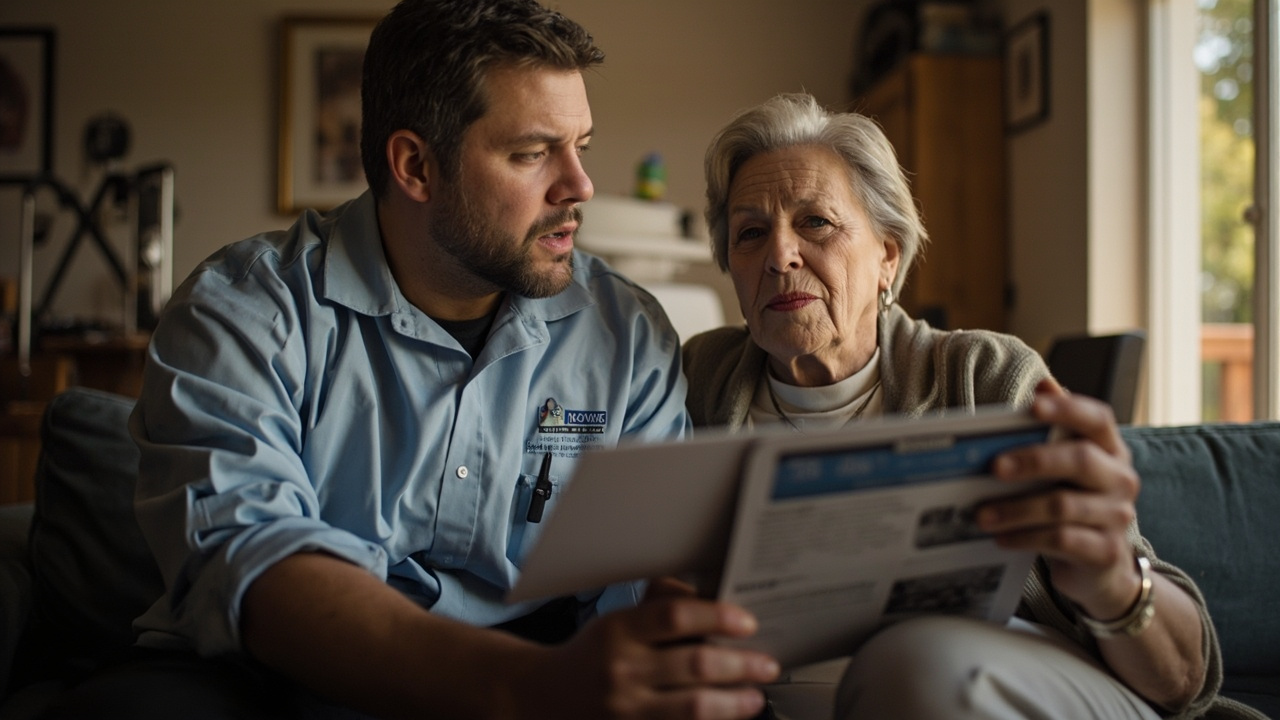
Before any contractor steps on your property, confirm they hold active IICRC certification and general liability coverage. Ask for proof of workers' compensation insurance to protect yourself from liability if someone is injured on site. In Detroit, check their standing with the Michigan Department of Licensing and Regulatory Affairs. A legitimate restoration company provides these documents without hesitation. If they stall or deflect, you are dealing with an unvetted operator.
02

Evaluate Response Time and Equipment

Water damage does not wait for business hours. A qualified contractor offers 24/7 dispatch and arrives with professional-grade equipment, not rental units. Ask what drying equipment they stock and whether they use thermal imaging during assessment. In Detroit's freeze-thaw climate, burst pipes often hide secondary damage behind walls. Contractors who skip infrared inspection miss critical moisture pockets. Response time and proper tools are non-negotiable when selecting a water damage contractor.
03

Review Documentation Standards

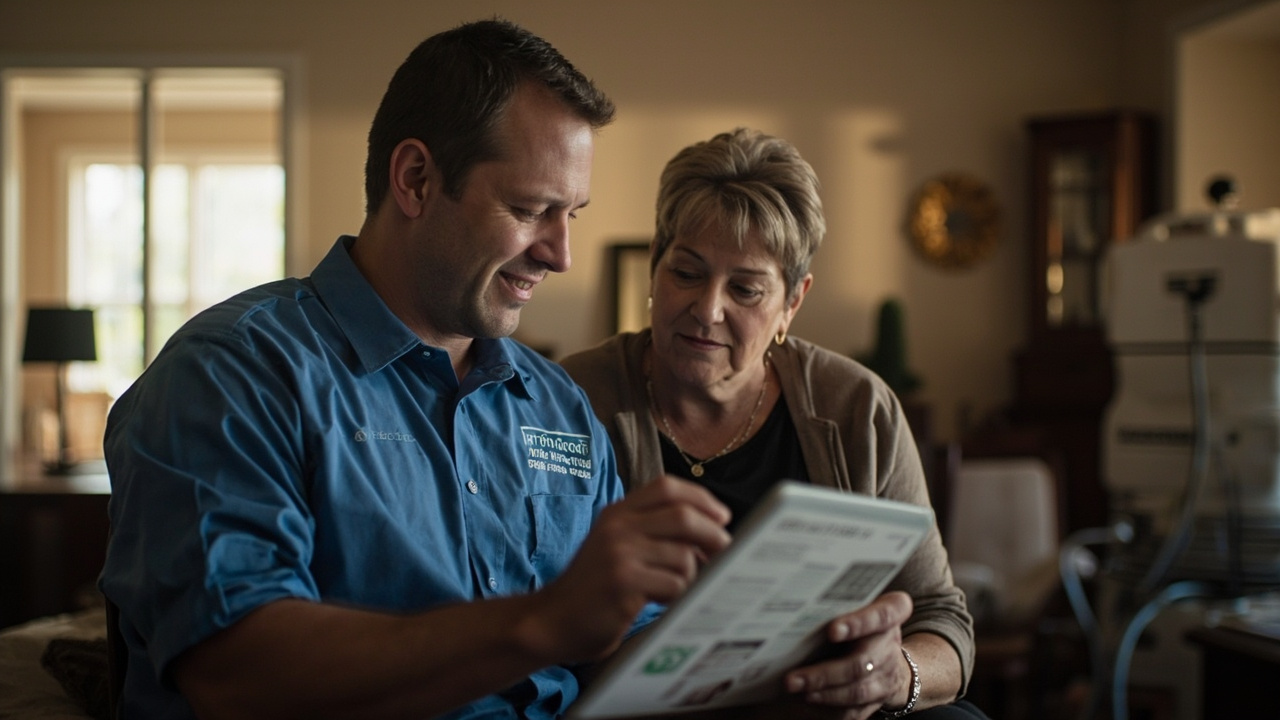
Professional restoration companies document everything. They photograph damage before extraction, log moisture readings at each visit, and provide detailed scopes of work for insurance adjusters. Ask to see a sample moisture log or past project documentation. If the contractor cannot show you their process on paper, they will not deliver it in practice. Proper documentation protects your claim, proves the work was done to standard, and gives you recourse if issues arise later.

Why Detroit Properties Need Contractors Who Understand Local Building Systems

Detroit's housing stock is diverse. You have century-old homes with horsehair plaster and balloon framing in neighborhoods like Indian Village, post-war bungalows with concrete block foundations in Redford, and newer construction in areas like Midtown. Each building type responds differently to water damage. Contractors who do not understand these distinctions cause more harm than good.

Balloon framing, common in pre-1940s homes, creates vertical channels between studs that allow water to travel from the attic to the basement. A contractor unfamiliar with this construction style will dry the visible damage but miss the water that wicked three floors down. Similarly, older Detroit homes often have cast iron drain lines that corrode from the inside out. A qualified contractor recognizes the symptoms of failing drain stacks and advises you before a small leak becomes a catastrophic failure.

Local building codes also matter. Detroit requires permits for certain structural repairs following water damage. A contractor who skips permitting puts you at risk during resale or future insurance claims. Ironwood Water Damage Restoration Detroit works within the city's regulatory framework because we know shortcuts today create liabilities tomorrow. We also maintain relationships with local adjusters, which speeds claim approvals and reduces your out-of-pocket costs. Hiring a water mitigation service is not just about drying your property. It is about working with a team that understands Detroit's building systems, climate risks, and regulatory requirements.

What to Expect When You Hire a Professional Restoration Company

Immediate Response and Containment

A qualified restoration company dispatches a crew within hours, not days. The first priority is stopping the water source and containing the affected area. Technicians use vapor barriers to isolate wet zones from dry areas, preventing cross-contamination. They extract standing water with truck-mounted pumps, not shop vacuums. Speed matters because every hour of delayed response increases the risk of microbial growth. Professional teams arrive with extraction equipment, moisture meters, and containment materials ready to deploy. You should see measurable progress within the first 24 hours, not vague promises about when work will start.

Comprehensive Assessment and Moisture Mapping

After extraction, the contractor performs a detailed assessment using thermal imaging and moisture meters. This creates a moisture map that identifies wet materials, even those hidden behind walls or under flooring. The technician documents baseline moisture levels in wood framing, drywall, and subfloors. These readings guide the drying strategy and provide proof of progress for insurance claims. A professional assessment includes photos, equipment logs, and a written scope of work. This documentation protects you if disputes arise with your insurer. Without it, you have no evidence the work was necessary or performed to standard.

Controlled Drying to Industry Standards

Drying is not guesswork. Professional contractors use psychrometric calculations to determine the correct number of dehumidifiers and air movers for the affected space. They measure temperature, humidity, and dew point to create optimal evaporation conditions. Moisture levels are checked daily and logged until materials return to normal equilibrium, which is typically 12 to 15 percent for wood. Rushing this process or removing equipment prematurely causes long-term problems like warping, cupping, and mold growth. The final deliverable is a certificate of completion showing all materials dried to IICRC standards.

Post-Restoration Monitoring and Antimicrobial Treatment

Once materials are dry, the contractor applies EPA-registered antimicrobial treatments to affected surfaces. This prevents mold spores from colonizing. Some companies offer post-restoration monitoring, where they return after 48 hours to verify moisture levels remain stable. This follow-up catches rebound moisture, which occurs when water trapped in dense materials re-saturates surrounding areas. While warranties on labor vary, the commitment to proper procedures does not. A contractor who skips antimicrobial treatment or refuses to verify dryness is cutting corners. Professional restoration companies stand behind their work because they follow the process correctly from start to finish.

Frequently Asked Questions

You Have Questions,
We Have Answers

How Detroit's Combined Sewer System Affects Choosing a Restoration Company

Detroit operates a combined sewer system that handles both stormwater and sanitary waste in the same pipes. During heavy rain events, the system becomes overwhelmed and pushes wastewater back into basements through floor drains. This is not clean water. It is Category 3 contamination that requires specialized handling, disposal, and disinfection. A contractor unfamiliar with Detroit's sewer infrastructure may treat this as a simple basement flood. That mistake exposes you to biohazards and violates health department protocols. Finding a reputable water damage company means hiring someone who understands the risks posed by combined sewer overflows and follows proper remediation procedures for contaminated water.

Detroit's high percentage of aging housing stock also demands contractors who know how to work with historic materials. Homes built before 1950 often feature lathe and plaster walls, which hold moisture longer than modern drywall. They require different drying techniques and longer monitoring periods. A contractor who treats a 1920s bungalow the same as a 2010s build will fail to dry the structure properly. Ironwood Water Damage Restoration Detroit has spent years learning the quirks of Detroit's neighborhoods. We know where the high-risk flood zones are, which basements need sump pump redundancy, and how local adjusters expect claims to be documented. Choosing a restoration company is easier when you work with a team that has already solved the problems your property type presents.
Water Damage Restoration Services in The Detroit Area

Conveniently located to serve the Detroit area, Ironwood is always ready to respond to your water damage emergencies. Explore our service area on the map below or contact us directly to discuss your specific needs. We’re committed to providing prompt, professional service wherever you are within our operational zone, ensuring rapid deployment and effective restoration solutions when you need them most.

Address:
Ironwood Water Damage Restoration Detroit, 15324 Mack Ave, Detroit, MI, 48230

Additional Services We Offer

Our news updates

Latest Articles & News from The Blogs

A slow leak behind a Royal Oak bathroom wall can go unnoticed for weeks. By the time you smell mildew…

Why Smart Leak Detectors Are Worth Every Penny for Your Royal Oak Rental Property

A slow leak behind a Royal Oak bathroom wall can go unnoticed for weeks. By the time you smell mildew…

Why Your Whole House Humidifier in Warren Might Be Ruining Your Drywall

Your furnace runs all winter. Your whole house humidifier works quietly behind the scenes. And somewhere behind that drywall in…

What Black Water Flooding Actually Does to Your Health (A Detroit Homeowner's Guide)

A sewage backup in your Detroit basement is not just a cleanup problem. It is a biohazard event. The water…

Contact Us

Do not gamble on unvetted contractors when your property is at risk. Call Ironwood Water Damage Restoration Detroit at (313) 572-5559 for a free consultation. We walk you through our credentials, equipment, and documentation process so you can make an informed decision.