




menu

Emergency Mold Containment in Detroit – 24/7 Rapid Response Teams Deployed in Under 60 Minutes

When mold threatens your Detroit property, immediate mold mitigation is critical. Our emergency mold abatement teams arrive fast, contain the spread, and stop structural damage before it escalates.

Slider Image 1
Slider Image 2
Slider Image 3
Slider Image 4
Slider Image 5
Slider Image 7
Slider Image 8
Slider Image 9
Slider Image 10
Slider Image 11

Why Mold Spreads So Fast in Detroit Properties

Mold does not wait. In Detroit's climate, where humidity spikes during summer months and freeze-thaw cycles stress building envelopes all winter, mold colonies can double in size every 24 to 48 hours once moisture intrusion begins. Basements in older Detroit neighborhoods, particularly those built before modern vapor barriers became standard, are especially vulnerable. Water seeps through foundation cracks, condenses on cold pipes, or floods in after heavy rains overwhelm aging sewer systems.

You might have noticed a musty odor near your furnace, discoloration on drywall in your finished basement, or black spots spreading behind wallpaper in your Corktown bungalow or Midtown flat. That is active mold growth. Without urgent mold isolation, spores become airborne and infiltrate HVAC ducts, spreading contamination throughout your entire property in hours.

Detroit's housing stock includes thousands of historic homes with plaster walls, timber framing, and crawl spaces that trap moisture. When mold takes hold in these structures, it does not just stain surfaces. It digests organic material, weakening structural integrity and triggering respiratory distress in occupants. Immediate mold mitigation is not optional. It is the only way to stop the biological clock before mold transitions from a surface problem to a demolition-level crisis.

If you see visible growth, smell mildew, or recently experienced water damage from a burst pipe, sump pump failure, or roof leak, you are in the critical window. Rapid mold containment services must begin now to prevent cross-contamination and protect your family or tenants.

Why Mold Spreads So Fast in Detroit Properties
How Emergency Mold Containment Stops the Spread

How Emergency Mold Containment Stops the Spread

Emergency mold abatement is not cleaning. It is a controlled isolation and extraction process designed to prevent spore migration during remediation. Our teams establish negative air pressure containment zones using polyethylene barriers and HEPA-filtered air scrubbers. This creates a controlled environment where contaminated air cannot escape into clean areas of your property.

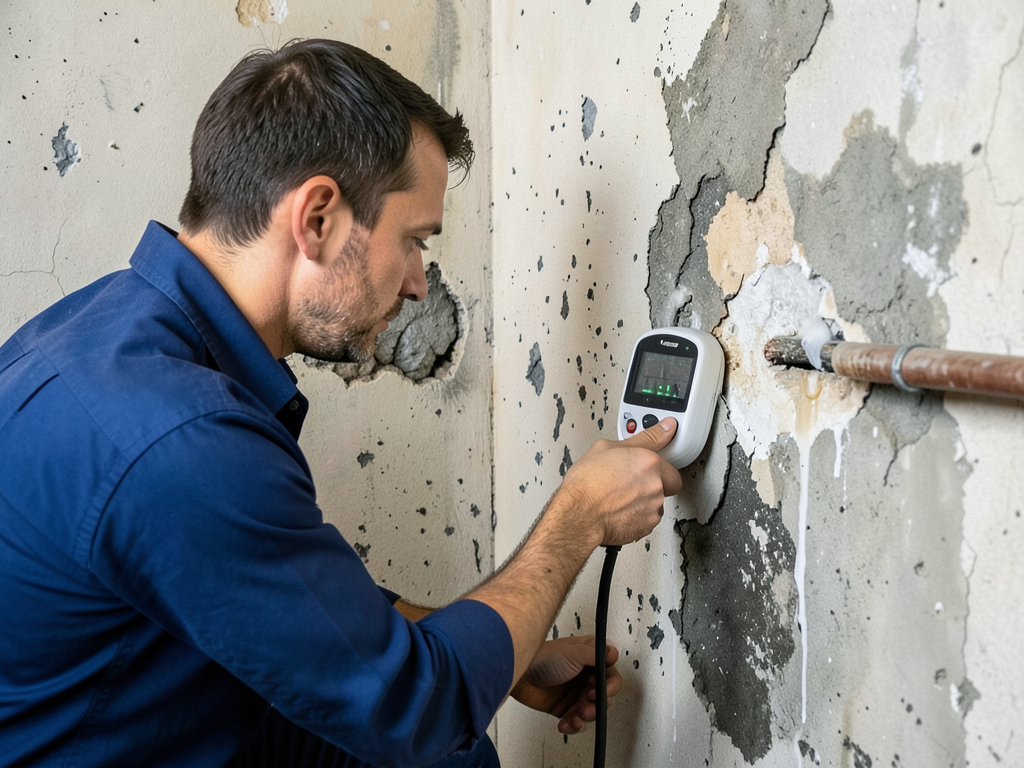
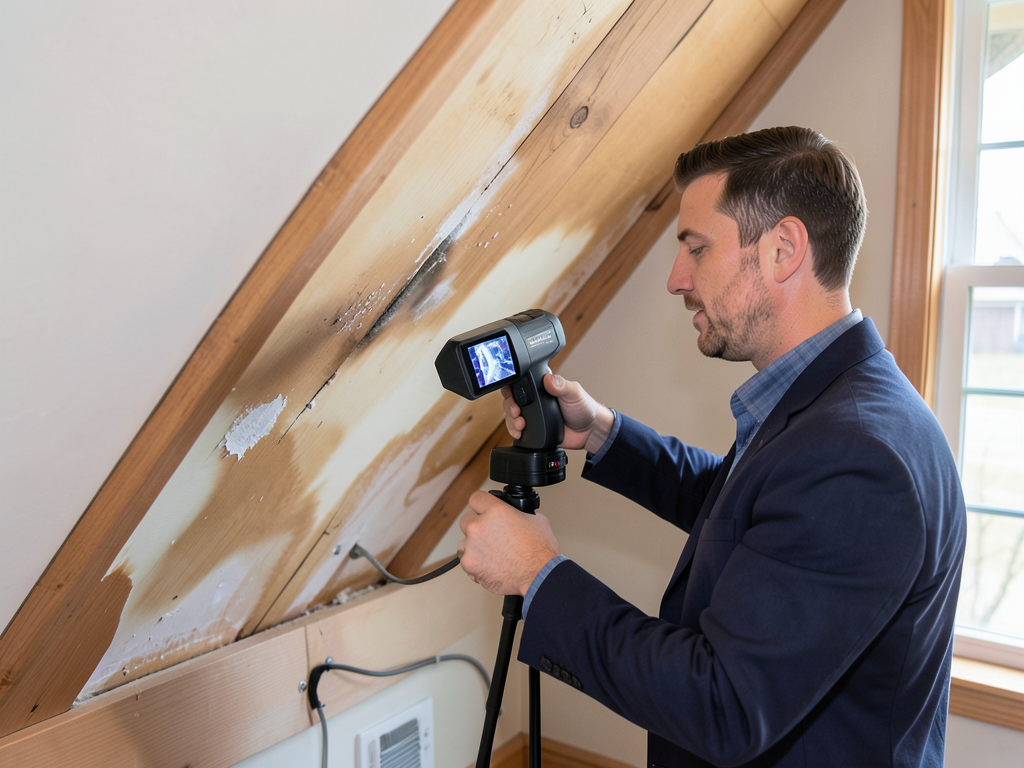
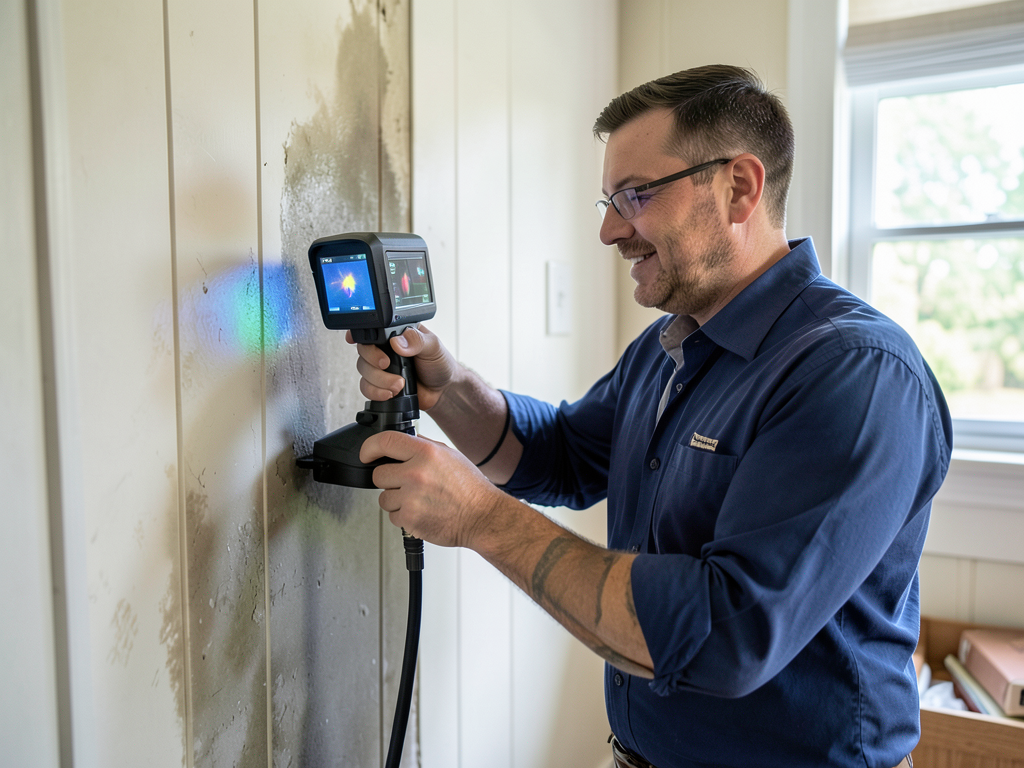
We begin with moisture mapping using thermal imaging cameras and pin-type moisture meters. Mold needs water to survive, so identifying the moisture source is the first priority. In Detroit properties, this often means tracing water back to failed sump pumps in basements below the water table, leaking cast iron drainpipes common in pre-1960s construction, or ice dam infiltration along roof eaves during winter.

Once the source is isolated, we remove porous materials that cannot be salvaged. Drywall, insulation, carpeting, and ceiling tiles act as mold reservoirs. If contamination has penetrated these materials beyond surface depth, removal is the only compliant solution. Non-porous surfaces like concrete, metal ductwork, and framing lumber can often be treated with antimicrobial agents and HEPA-vacuumed to remove residual spores.

Air filtration runs continuously during the entire process. HEPA scrubbers cycle contaminated air through filters rated to capture particles down to 0.3 microns, trapping mold spores before they reach breathable air. This is 24/7 mold damage containment in action. We maintain containment integrity until post-remediation clearance testing confirms spore counts have returned to baseline levels. Only then do we dismantle barriers and restore airflow.

What Happens During Emergency Response

Emergency Mold Containment in Detroit – 24/7 Rapid Response Teams Deployed in Under 60 Minutes
01

Immediate Site Assessment

Our team arrives with moisture detection equipment and begins mapping the affected area. We identify the water source, measure humidity levels, and photograph visible contamination. This assessment determines containment zone boundaries and informs the isolation strategy. You receive a verbal briefing on findings and next steps within the first 15 minutes on site.
02

Containment Zone Establishment

We seal off contaminated areas using six-mil polyethylene sheeting, creating physical barriers between affected and clean zones. HEPA air scrubbers are positioned to generate negative air pressure, pulling contaminated air out of the containment area and exhausting it through filtration. This prevents spore migration during material removal and surface treatment. All HVAC vents are sealed to stop cross-contamination.
03

Controlled Material Removal

Contaminated materials are removed under containment, bagged in six-mil polyethylene, and disposed of according to EPA guidelines. Surfaces are HEPA-vacuumed and treated with antimicrobial solutions. Air scrubbers continue running until clearance testing confirms safe spore levels. We then dismantle containment barriers, restore airflow, and provide documentation for insurance claims and future property disclosures.

Why Detroit Property Owners Choose Ironwood Water Damage Restoration Detroit

Mold emergencies require local expertise. Detroit's building landscape is a mix of century-old masonry structures in neighborhoods like Indian Village, post-war ranches in Dearborn Heights, and newer construction in Rivertown. Each building type presents different moisture challenges and requires different containment strategies.

We understand how Detroit's combined sewer system can backflood basements during heavy rain events, how cast iron drainpipes corrode from the inside out in older homes, and how attic ventilation failures cause condensation in poorly insulated roof decks during winter. This knowledge allows us to isolate moisture sources faster and design containment protocols that match your building's construction.

Our rapid mold containment services are available 24/7 because mold does not respect business hours. Whether you call at 2 a.m. on a Sunday or during a holiday weekend, our dispatch team mobilizes immediately. We maintain equipment inventory locally, eliminating delays caused by waiting for tools to arrive from out-of-state vendors.

We also coordinate with Detroit-area insurance adjusters regularly, which streamlines your claim process. Our documentation meets industry standards for mold remediation protocols, including photo logs, moisture readings, and post-remediation verification reports. This reduces claim disputes and speeds up reimbursement timelines.

Choosing a local provider means choosing someone who understands Wayne County building codes, knows which Detroit zip codes sit below the water table, and has worked in your neighborhood before. When immediate mold mitigation is critical, that local knowledge translates to faster containment, better outcomes, and fewer surprises during the restoration process.

What to Expect When You Call for Emergency Mold Containment

Response Time and Availability

We dispatch emergency response teams within 60 minutes of your call, 24 hours a day, seven days a week. Our trucks are pre-loaded with containment barriers, HEPA air scrubbers, moisture meters, and antimicrobial treatments. This eliminates trips back to the shop for equipment. Once on site, we begin assessment immediately. Most containment zones are fully established within two to four hours of arrival, depending on the size of the affected area and the complexity of the moisture source.

Initial Evaluation and Scope Development

Our technicians perform a room-by-room inspection using thermal imaging cameras to detect hidden moisture behind walls and under flooring. We measure relative humidity, take surface samples if visible mold is present, and identify the water source driving contamination. You receive a verbal summary of findings on site, followed by a written scope of work that outlines containment boundaries, material removal requirements, and estimated timeline. This scope is designed to meet insurance documentation standards and local remediation protocols.

Containment and Remediation Quality

All containment barriers are constructed using six-mil polyethylene sheeting, sealed with professional-grade tape to prevent air leaks. HEPA air scrubbers run continuously during material removal and surface treatment. We use antimicrobial agents rated for mold eradication, applied according to manufacturer guidelines. All removed materials are double-bagged and disposed of in compliance with EPA standards. Post-remediation air sampling is available to verify that spore counts have returned to safe levels before containment is removed and your property is returned to normal use.

Follow-Up and Prevention Guidance

After containment is removed and remediation is complete, we provide a detailed report documenting all work performed, including photos, moisture readings, and material disposal records. This report is critical for insurance claims and future property disclosures. We also offer guidance on preventing future mold growth, including dehumidification recommendations, drainage improvements, and moisture barrier installations. If follow-up monitoring is needed, we schedule return visits to verify that humidity levels remain stable and no new growth has appeared.

Frequently Asked Questions

You Have Questions,
We Have Answers

What is the proper containment for mold? +

Proper mold containment uses physical barriers to stop spore spread during remediation. This includes sealing off the affected area with 6-mil polyethylene sheeting, creating negative air pressure with HEPA-filtered air scrubbers, and establishing decontamination chambers. In Detroit homes, where basements and older construction are common, containment prevents spores from traveling through ductwork and porous materials. The goal is to isolate the work zone completely. All HVAC systems in the containment area must be shut down. Professionals wear PPE and remove materials through designated exit points. This protects your family and prevents cross-contamination throughout your home.

What plant removes 78% of airborne mold? +

English ivy removes approximately 78% of airborne mold in laboratory conditions, according to NASA research. The plant absorbs mold spores through its leaves. However, relying on houseplants for mold control in Detroit homes is not a solution during an active infestation. English ivy cannot address the moisture source causing mold growth, nor can it remove mold colonies already established in drywall, insulation, or wood framing. If you have visible mold or a musty odor, you need professional remediation and moisture control. Plants are decorative, not remedial. Address the root cause first, then consider air-purifying plants as a minor supplemental measure.

Does FEMA pay for mold remediation? +

FEMA does not typically pay for mold remediation directly. Mold is considered a maintenance issue and secondary damage, not a direct disaster loss. However, if a federally declared disaster causes water intrusion that leads to mold growth, you may qualify for assistance to repair the primary damage. For Detroit residents affected by flooding from declared events, FEMA may cover structural repairs, which indirectly addresses mold. You must document everything and apply quickly. Your homeowners insurance is your first line of coverage. FEMA is the payer of last resort. Contact a local remediation company immediately to prevent spread while you navigate claims.

Is mold an OSHA violation? +

Yes, mold can be an OSHA violation for employers in Detroit. OSHA does not have a specific mold standard, but employers must provide a safe workplace under the General Duty Clause. If mold exposure causes respiratory issues or allergic reactions, you can file a complaint. OSHA requires employers to assess hazards, provide PPE, and implement controls when mold is present. For commercial properties in Detroit, this means immediate containment and remediation. Workers have the right to refuse unsafe conditions. If your workplace has visible mold, water damage, or musty odors, report it. Employers must act to protect your health.

How Detroit's Aging Infrastructure Creates Urgent Mold Risks

Detroit's combined sewer system, which handles both stormwater and sanitary waste, was designed in the early 1900s. During heavy rain events, this system can backflood into basements, introducing contaminated water that fuels rapid mold growth. Neighborhoods near the Detroit River and in low-lying areas like Delray and Southwest Detroit are especially vulnerable. Basements in these areas often sit below the water table, creating chronic moisture intrusion that requires immediate mold mitigation when flooding occurs. Without rapid mold containment services, spores spread through HVAC systems and compromise air quality throughout the structure.

Detroit's housing stock includes thousands of properties built before 1950, many with cast iron plumbing, uninsulated crawl spaces, and minimal vapor barriers. These older homes require specialized knowledge to remediate properly. Local contractors who understand how these structures were built can identify hidden moisture pathways and design containment strategies that prevent cross-contamination. Ironwood Water Damage Restoration Detroit has worked extensively in historic neighborhoods like Woodbridge, Corktown, and Boston-Edison, where urgent mold isolation must be balanced with preserving original plaster, trim, and flooring. Choosing a team familiar with Detroit construction methods ensures faster, more effective emergency mold abatement.
Water Damage Restoration Services in The Detroit Area

Conveniently located to serve the Detroit area, Ironwood is always ready to respond to your water damage emergencies. Explore our service area on the map below or contact us directly to discuss your specific needs. We’re committed to providing prompt, professional service wherever you are within our operational zone, ensuring rapid deployment and effective restoration solutions when you need them most.

Address:
Ironwood Water Damage Restoration Detroit, 15324 Mack Ave, Detroit, MI, 48230

Additional Services We Offer

Our news updates

Latest Articles & News from The Blogs

A slow leak behind a Royal Oak bathroom wall can go unnoticed for weeks. By the time you smell mildew…

Why Smart Leak Detectors Are Worth Every Penny for Your Royal Oak Rental Property

A slow leak behind a Royal Oak bathroom wall can go unnoticed for weeks. By the time you smell mildew…

Why Your Whole House Humidifier in Warren Might Be Ruining Your Drywall

Your furnace runs all winter. Your whole house humidifier works quietly behind the scenes. And somewhere behind that drywall in…

What Black Water Flooding Actually Does to Your Health (A Detroit Homeowner's Guide)

A sewage backup in your Detroit basement is not just a cleanup problem. It is a biohazard event. The water…

Contact Us

Mold spreads fast. Every hour of delay increases contamination and raises restoration costs. Call (313) 572-5559 now for 24/7 emergency mold containment in Detroit. Our teams are standing by to deploy immediately.