






menu

Black Mold Symptoms in Detroit – Expert Diagnosis Before Your Health Deteriorates

Ironwood Water Damage Restoration Detroit identifies stachybotrys chartarum symptoms fast, stopping toxic mold health effects before respiratory damage, cognitive issues, and immune suppression become permanent in your home.

Slider Image 1
Slider Image 2
Slider Image 3
Slider Image 4
Slider Image 5
Slider Image 7
Slider Image 8
Slider Image 9
Slider Image 10
Slider Image 11

Why Black Mold Thrives in Detroit Homes and What It Does to Your Body

Detroit's freeze-thaw cycles crack foundations. Spring flooding saturates basements. Summer humidity condenses behind walls. These conditions create perfect breeding grounds for stachybotrys chartarum, the black mold species that releases mycotoxins into your air.

Signs of black mold exposure start subtle. You feel tired. Your nose runs constantly. Headaches linger. You blame allergies or stress. Then the cough starts. Your eyes burn. Brain fog makes work impossible. Kids miss school with unexplained respiratory issues.

These black mold poisoning symptoms escalate because Detroit's older housing stock traps moisture. Homes in neighborhoods like Corktown and Indian Village feature beautiful historic construction but often lack proper vapor barriers. Water seeps through brick. Crawl spaces flood. Basements stay damp year-round.

Black mold health risks compound over time. Mycotoxins suppress your immune system. You get sick more often. Asthma develops or worsens. Some residents experience memory problems, joint pain, and chronic fatigue that doctors cannot explain.

The problem is invisible until it is not. You spot dark patches spreading across bathroom ceilings or basement corners. You smell that distinct musty odor. By then, spore counts have saturated your indoor air. Every breath circulates toxins through your lungs.

Detroit's humid summers make this worse. Air conditioning condensation drips into wall cavities. Roof leaks from ice dams go unnoticed until black spots bloom across attic sheathing. The mold does not care about your renovation timeline or budget. It grows, releases spores, and damages your health while you sleep.

You need identification before remediation. Guessing costs you time and money while toxic mold health effects worsen.

Why Black Mold Thrives in Detroit Homes and What It Does to Your Body
How We Diagnose Black Mold and Trace the Moisture Source

How We Diagnose Black Mold and Trace the Moisture Source

Most companies spray bleach and call it fixed. That approach fails because surface cleaning does not address colonization inside porous materials or stop the moisture feeding it.

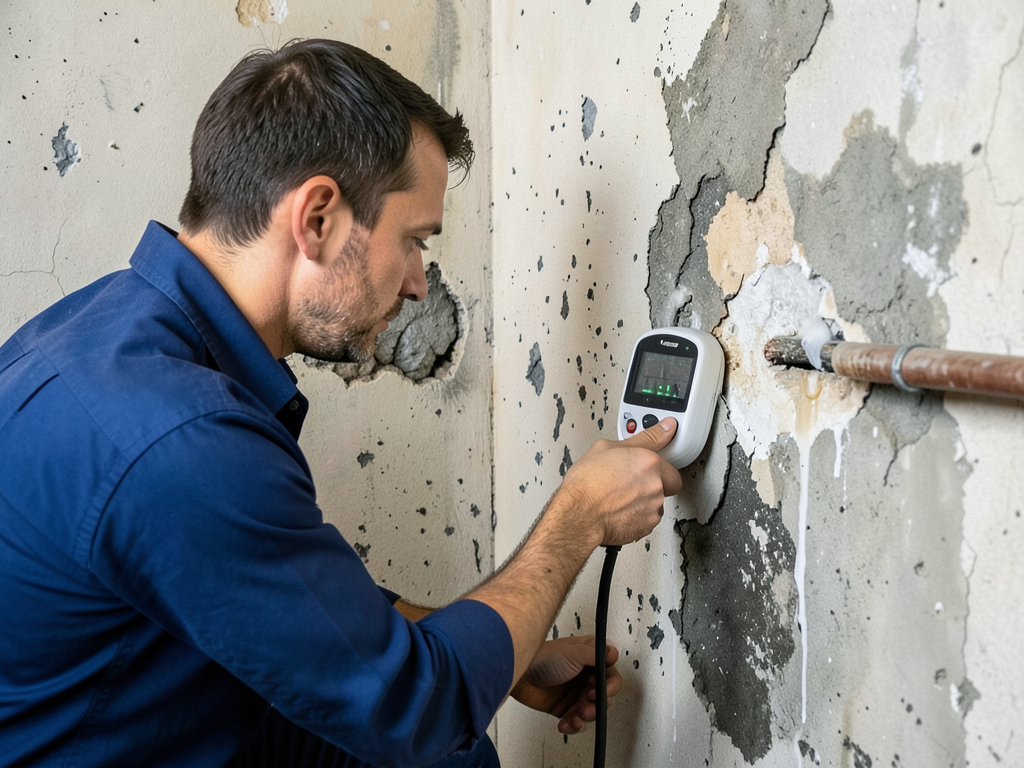
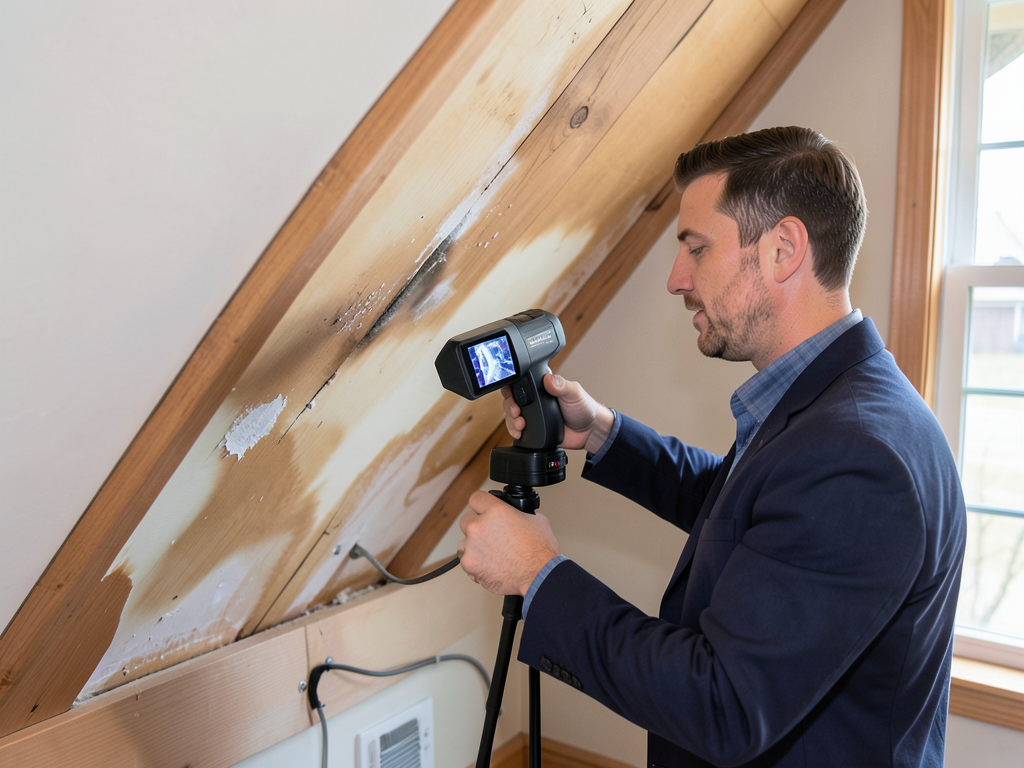
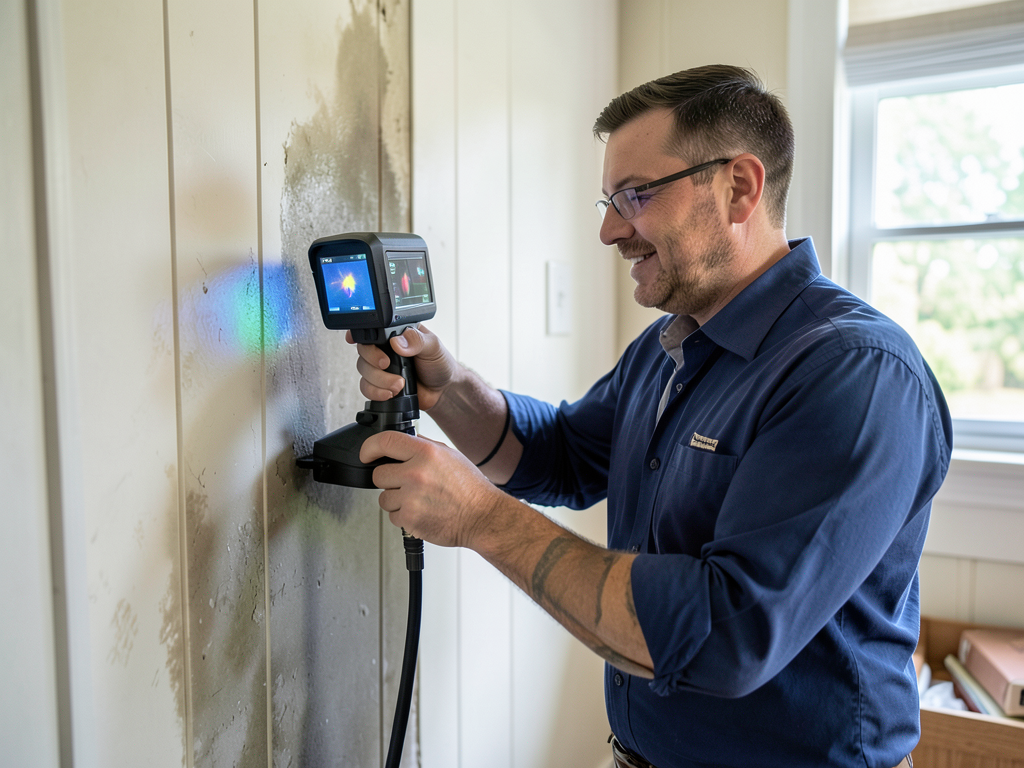
We start with thermal imaging to map temperature differentials that indicate hidden water intrusion. Cold spots behind walls signal active leaks. We use moisture meters to measure water content in drywall, studs, and subflooring. Anything above 16 percent supports mold growth.

Air sampling captures spore concentrations by species. We send samples to third-party labs for genus identification. This tells us if you have stachybotrys chartarum or less toxic species like cladosporium. The difference matters for health risk assessment and remediation protocol.

Surface sampling confirms active growth versus dormant spores. We swab visible colonies and tape-lift samples from suspected areas. Lab analysis provides spore counts and identifies mycotoxin-producing strains.

We trace every moisture source. Basement seepage through foundation cracks. Condensation from uninsulated cold water pipes. Roof penetrations around chimneys. Bathroom exhaust fans venting into attics instead of outside. HVAC condensate line failures. Sump pump backups during heavy rains.

Containment comes next. We seal affected areas with polyethylene barriers and establish negative air pressure using HEPA-filtered air scrubbers. This prevents cross-contamination to clean areas during removal.

Remediation follows IICRC S520 standards. We remove porous materials like drywall and insulation that cannot be salvaged. Non-porous surfaces get HEPA-vacuumed and treated with antimicrobial solutions. We bag and dispose of contaminated materials properly.

Post-remediation verification includes clearance testing. We cannot declare the job complete until lab results confirm spore counts match outdoor baseline levels. Your health depends on complete removal, not cosmetic fixes.

What Happens During Your Black Mold Investigation

Black Mold Symptoms in Detroit – Expert Diagnosis Before Your Health Deteriorates
01

Initial Health Assessment

We document your symptoms and exposure timeline. Respiratory issues, skin irritation, cognitive problems, and fatigue all point to specific mold species. We map where you spend time in the home to correlate symptom severity with contaminated zones. This health history guides our investigation focus and helps identify hidden growth areas you have not discovered yet.
02

Comprehensive Property Inspection

We inspect every moisture-prone area using thermal cameras and moisture meters. Basements, crawl spaces, attics, bathrooms, and exterior envelope penetrations all get checked. We pull back baseboards and lift carpets when necessary. We examine HVAC systems for mold amplification. Most black mold hides behind finished surfaces, so we look beyond what you can see.
03

Lab-Verified Results

Air and surface samples go to accredited mycology labs for analysis. You receive a detailed report showing spore types, concentrations, and comparison to outdoor baselines. We explain which species pose health risks and why. You get a written remediation plan with moisture correction requirements. No guessing. No sales pressure. Just data-driven answers about what lives in your home.

Why Detroit Homeowners Trust Our Mold Investigations

Generic mold companies miss the connection between Detroit's building stock and chronic moisture problems. We understand how the city's infrastructure affects your home.

Homes built before 1950 often lack foundation waterproofing. Clay soil expands when wet and contracts when dry, creating foundation movement that cracks basement walls. We trace these structural moisture pathways that other inspectors ignore.

Detroit's combined sewer system backs up during heavy rains. Basement floor drains become entry points for contaminated water. We check backwater valves and sump pump capacity because we know how the city's aging infrastructure fails during storm events.

We recognize construction patterns specific to Detroit neighborhoods. Brick homes in Palmer Woods have different moisture vulnerabilities than wood-frame bungalows in Warrendale. Historic districts have preservation requirements that affect remediation methods. We navigate these constraints while protecting your health.

Our investigators hold IICRC certifications in water damage restoration and applied microbial remediation. We use the same labs that industrial hygienists and attorneys rely on for litigation cases. Your report holds up if you need documentation for insurance claims or property disputes.

We separate testing from remediation. This eliminates the conflict of interest where companies exaggerate problems to inflate repair costs. You get objective findings first, then decide your next step.

Detroit families dealing with unexplained illness deserve answers, not sales pitches. We have investigated mold in homes from East English Village to Rosedale Park. We have traced growth to ice dam damage, foundation seepage, and failed vapor barriers in crawl spaces.

You need someone who understands both building science and health implications. Someone who knows Detroit's unique challenges and can explain your results in plain language.

What Your Black Mold Investigation Includes

Response Time and Scheduling

We schedule investigations within 48 hours of your call. You do not wait weeks while symptoms worsen. The inspection takes two to four hours depending on home size and complexity. We work around your schedule, including evenings and weekends. Lab results return in three to five business days. Rush processing is available if you need faster answers for health reasons or real estate transactions.

Inspection and Testing Protocol

Your investigation includes visual inspection, thermal imaging, moisture mapping, and air sampling in multiple zones. We collect surface samples from visible growth and suspected areas. You receive photos documenting all findings. We explain our process as we work so you understand what we find and why it matters. You are not left wondering what the equipment does or what we are looking for.

Detailed Lab Report

Your report identifies mold species, spore concentrations, and moisture levels in affected materials. We explain health implications for each species found. You get clear recommendations for remediation scope and moisture correction. The report includes photos, sample locations, and comparison to acceptable thresholds. We review findings with you by phone or in person and answer every question.

Remediation Guidance and Follow-Up

We provide a written remediation plan based on lab findings and moisture sources. You understand what needs removal, what can be cleaned, and what moisture problems require correction. We explain material disposal requirements and containment protocols. After remediation by any contractor, we offer post-clearance testing to verify successful removal. Your health depends on complete resolution, not partial cleanup.

Frequently Asked Questions

You Have Questions,
We Have Answers

What are the symptoms of black mold poisoning? +

Black mold exposure causes respiratory symptoms like coughing, wheezing, and throat irritation. You might experience headaches, fatigue, or difficulty concentrating. Some people develop skin rashes or eye irritation. Severe cases can trigger asthma attacks or chronic sinus infections. Detroit's older housing stock and humid summers create conditions where black mold thrives in basements, crawl spaces, and behind walls. If you notice persistent cold-like symptoms that worsen at home but improve when you leave, black mold could be the cause. Children, elderly residents, and people with compromised immune systems face higher risk.

How long does it take to recover from mold toxicity? +

Recovery time depends on exposure duration and your overall health. Mild cases clear up within days to weeks after you remove yourself from the mold source. Moderate exposure can take several months. Severe mold toxicity may require six months to a year of recovery, especially if you developed chronic respiratory issues. The key is stopping exposure immediately. Detroit homes with basement flooding or roof leaks often harbor hidden mold colonies. You cannot recover while breathing contaminated air daily. Professional remediation removes the source. Your body then gradually clears accumulated toxins through natural detoxification processes.

How to get rid of black mold in a house? +

Never attempt DIY removal if black mold covers more than 10 square feet. Professional remediation is critical for Detroit homes with basement water intrusion or plumbing failures. Professionals use containment barriers, HEPA filtration, and antimicrobial treatments to prevent spore spread. They address the moisture source first, whether it's foundation cracks common in Detroit's clay soil or aging pipe systems. Small surface patches under 10 square feet can be cleaned with detergent and water, but you must wear N95 masks and gloves. Bleach does not kill mold roots. If mold returns within weeks, you have a hidden moisture problem requiring professional investigation.

How do you tell if you have mold sickness? +

Mold sickness shows up as symptoms that persist despite treatment. You feel better when away from home but worse when you return. Common signs include chronic sinus congestion, unexplained fatigue, brain fog, and persistent cough. Detroit residents often mistake mold sickness for seasonal allergies, but antihistamines provide no relief. You might notice a musty smell in specific rooms, especially basements or bathrooms. Visible mold growth confirms the problem, but hidden mold behind drywall or under carpets causes symptoms without obvious signs. Track your symptoms against your location. If patterns emerge linking your home to worsening health, investigate immediately.

What are the 10 warning signs of mold toxicity? +

Warning signs include chronic respiratory issues, persistent headaches, fatigue that sleep does not fix, difficulty concentrating, skin rashes, eye irritation, unexplained muscle aches, digestive problems, mood changes, and increased sensitivity to smells. Detroit's older homes with poor ventilation and basement moisture problems create perfect conditions for toxic mold growth. You might experience multiple symptoms simultaneously. Children may show declining school performance or behavioral changes. Symptoms often worsen during Detroit's humid summer months when mold spores multiply rapidly. If three or more symptoms persist for weeks, inspect your home for water damage, musty odors, or visible growth.

How quickly will black mold make you sick? +

Symptom onset varies by individual sensitivity and exposure level. Sensitive people notice respiratory irritation within hours. Most healthy adults develop symptoms after days or weeks of continuous exposure. Detroit homes with active water leaks or flooding can grow black mold colonies within 48 hours, accelerating exposure risk. Spore concentration matters. A small patch behind a toilet causes slower onset than extensive growth in a flooded basement. People with asthma, allergies, or compromised immune systems react faster. Children and elderly residents show symptoms sooner than healthy adults. Stop exposure immediately when symptoms appear.

How do I test myself for mold toxicity? +

Visit a doctor experienced in environmental illnesses. They order specific blood tests measuring mycotoxin levels or immune system antibodies to mold. Urine mycotoxin tests detect mold metabolites your body is processing. No at-home test reliably diagnoses mold toxicity in your body. However, you can test your Detroit home's air quality using professional mold inspectors who collect air samples and surface swabs. These identify mold species and spore counts. Your symptoms combined with confirmed home contamination provide the clearest diagnosis. Document when symptoms worsen, where you spend time, and any musty odors you notice.

How do I get black mold out of my body? +

Your body naturally eliminates mold toxins once you stop exposure. Remove yourself from the contaminated environment immediately. Drink plenty of water to support kidney filtration. Eat foods rich in antioxidants to reduce inflammation. Some doctors recommend binders like activated charcoal, but consult a physician first. Professional mold remediation in your Detroit home is essential. You cannot detoxify while breathing contaminated air daily. Address basement moisture, fix leaking pipes, and improve ventilation. Some people benefit from sauna therapy to promote sweating, but medical supervision is critical for severe cases. Recovery takes time and patience.

What happens if you breathe in black mold? +

Short-term exposure causes throat irritation, coughing, and eye watering. Your immune system responds to spores as invaders, triggering inflammation. Prolonged exposure allows mycotoxins to enter your bloodstream through lung tissue. This can cause chronic respiratory problems, neurological symptoms like brain fog, and immune system suppression. Detroit homes with hidden mold in HVAC systems spread spores throughout living spaces. Severe reactions include bleeding in lungs or nose, though this is rare. Most people experience manageable symptoms that resolve after leaving contaminated spaces. However, repeated exposure causes cumulative damage. Remove the mold source immediately.

How Detroit's Humidity and Flooding Make Black Mold a Year-Round Threat

Detroit averages 33 inches of precipitation annually, with summer humidity regularly exceeding 70 percent. This moisture saturates basements in neighborhoods near the Detroit River and Rouge River. Spring snowmelt overwhelms drainage systems. Heavy rains flood crawl spaces. Window condensation drips into wall cavities. These conditions keep building materials damp enough to support stachybotrys chartarum growth year-round. The freeze-thaw cycle compounds problems by cracking foundations and creating new water entry points every winter. Your home stays vulnerable even during dry months because moisture trapped in walls and floors never fully dries.

Detroit's housing stock includes thousands of homes built before modern moisture barriers and vapor retarders became standard practice. Ironwood Water Damage Restoration Detroit has investigated black mold in century-old homes and newer construction alike. We understand how balloon-frame construction allows mold to spread vertically through wall cavities. We know which neighborhoods experience chronic basement seepage due to high water tables. We recognize the signs of black mold exposure that doctors often miss or misdiagnose. Local expertise matters because Detroit's buildings, climate, and infrastructure create mold conditions that require specific knowledge to diagnose and correct properly.
Water Damage Restoration Services in The Detroit Area

Conveniently located to serve the Detroit area, Ironwood is always ready to respond to your water damage emergencies. Explore our service area on the map below or contact us directly to discuss your specific needs. We’re committed to providing prompt, professional service wherever you are within our operational zone, ensuring rapid deployment and effective restoration solutions when you need them most.

Address:
Ironwood Water Damage Restoration Detroit, 15324 Mack Ave, Detroit, MI, 48230

Additional Services We Offer

Our news updates

Latest Articles & News from The Blogs

A slow leak behind a Royal Oak bathroom wall can go unnoticed for weeks. By the time you smell mildew…

Why Smart Leak Detectors Are Worth Every Penny for Your Royal Oak Rental Property

A slow leak behind a Royal Oak bathroom wall can go unnoticed for weeks. By the time you smell mildew…

Why Your Whole House Humidifier in Warren Might Be Ruining Your Drywall

Your furnace runs all winter. Your whole house humidifier works quietly behind the scenes. And somewhere behind that drywall in…

What Black Water Flooding Actually Does to Your Health (A Detroit Homeowner's Guide)

A sewage backup in your Detroit basement is not just a cleanup problem. It is a biohazard event. The water…

Contact Us

Your symptoms are real. Your concerns are valid. Call Ironwood Water Damage Restoration Detroit at (313) 572-5559 for a professional mold investigation. We identify what you are breathing, where it is growing, and how to fix it permanently.