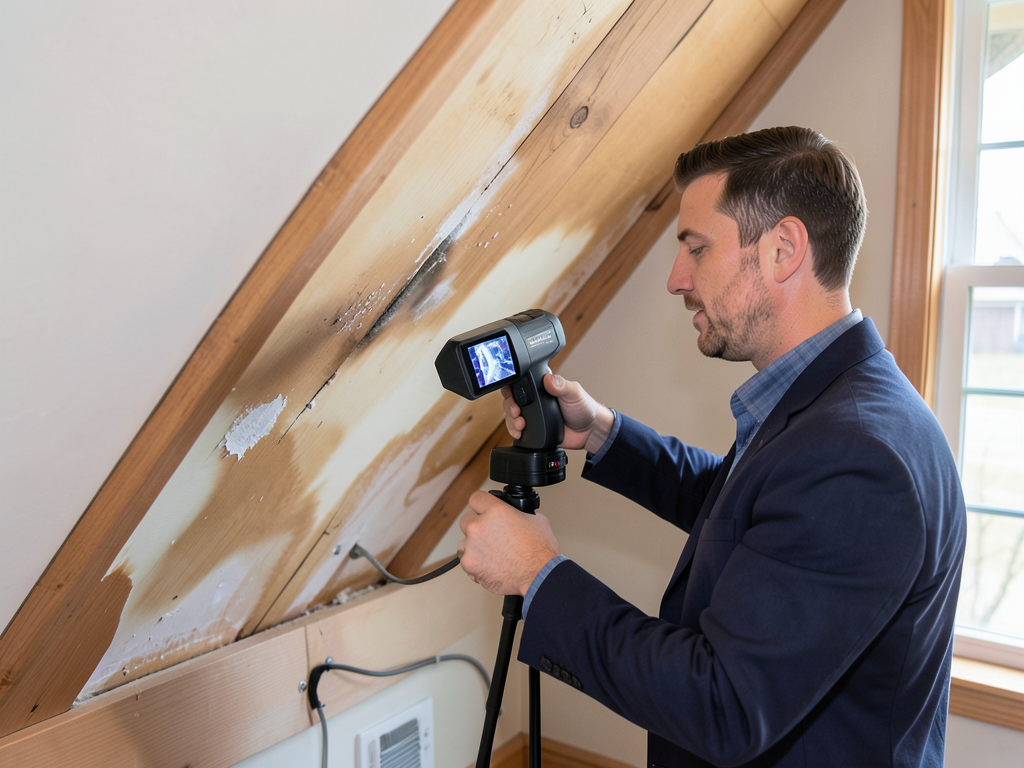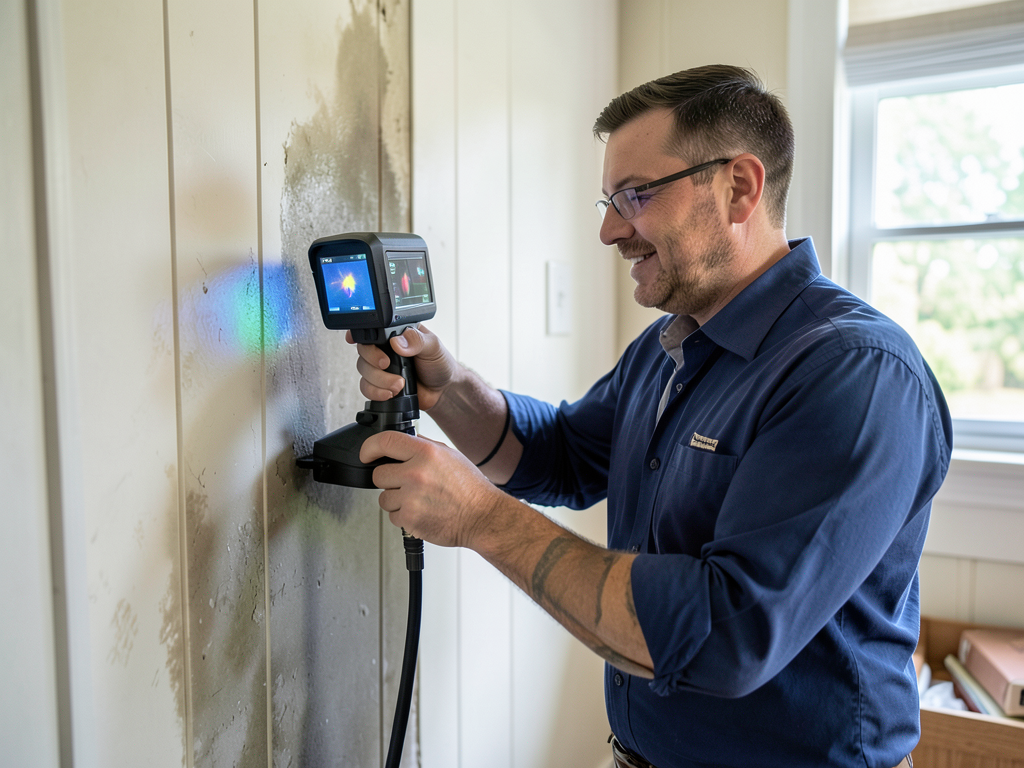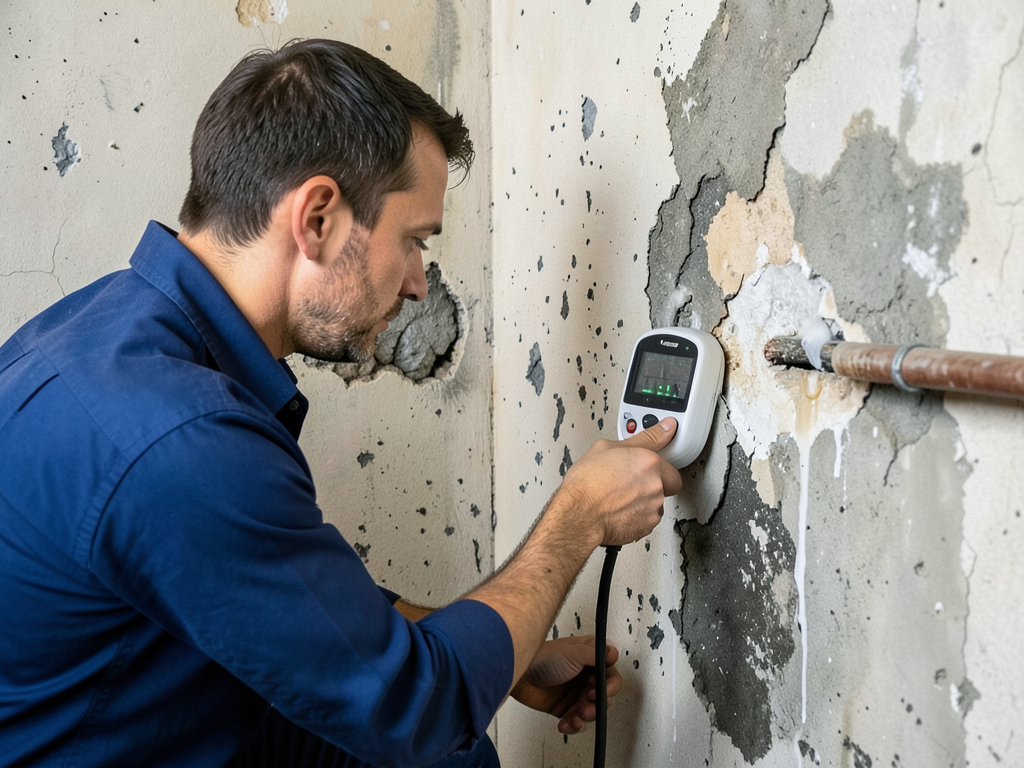





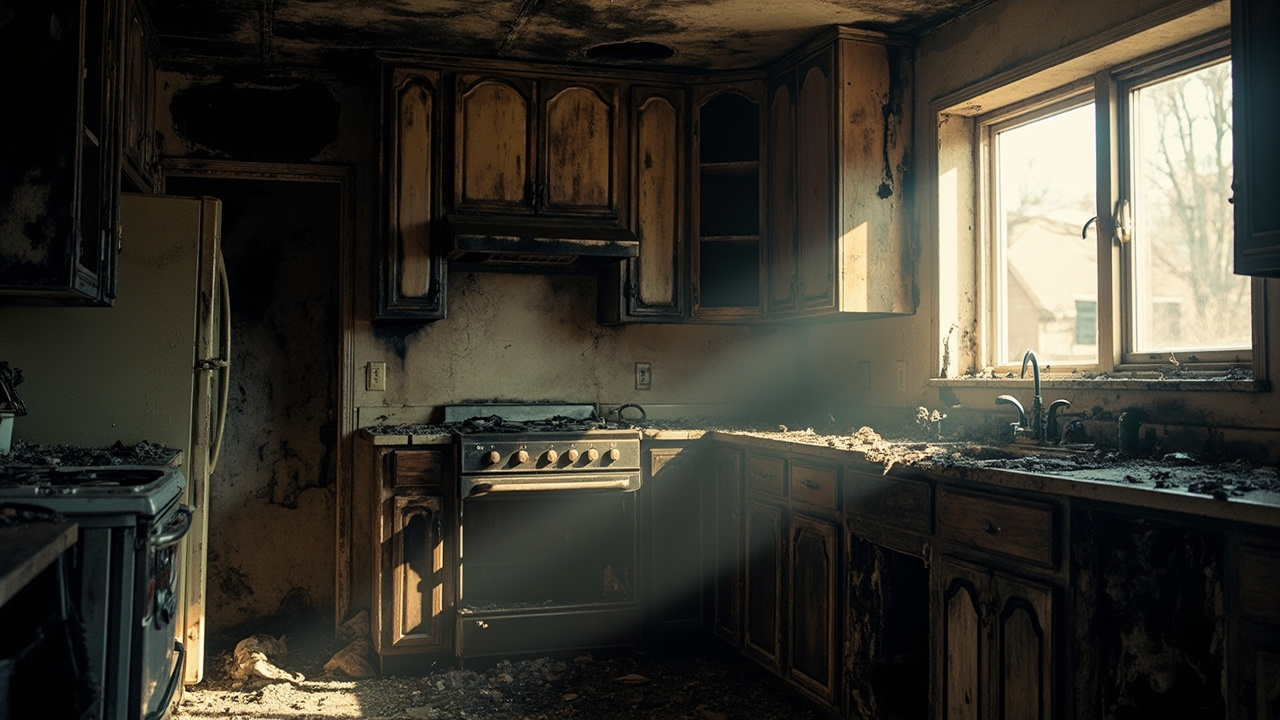
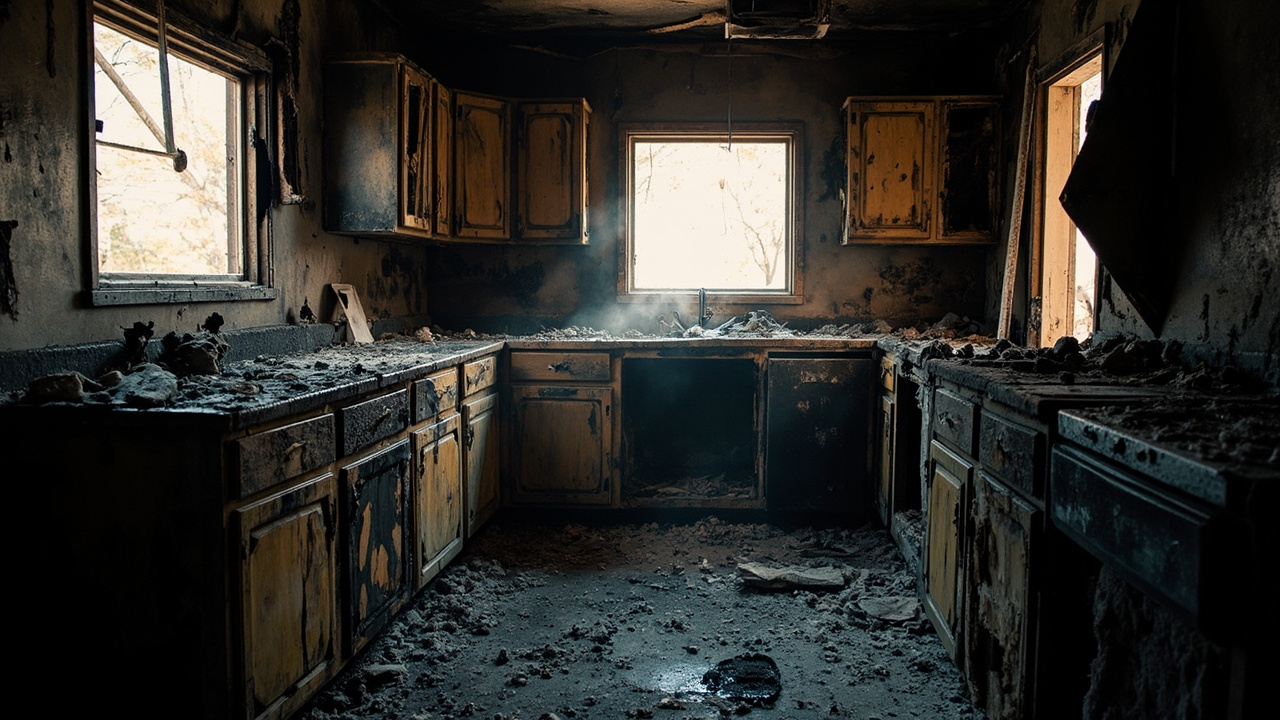
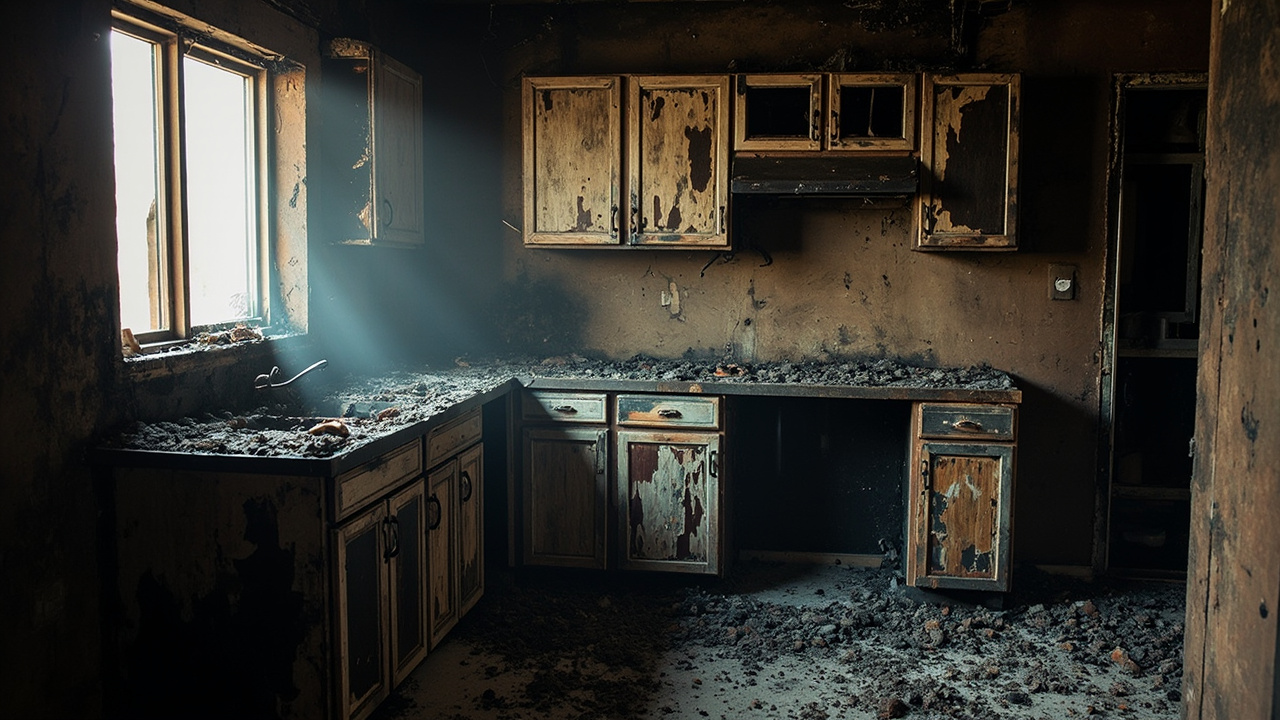
Detroit's building inventory includes over 140,000 structures built before 1940, many featuring balloon-frame construction that creates continuous vertical cavities from basement to attic. When fire occurs in these homes, smoke travels unimpeded through these open channels, contaminating floors far from the fire origin. Plaster walls with horsehair binder absorb smoke and odors far more aggressively than modern drywall, requiring complete removal in many cases where newer construction could be cleaned. The city's abundance of brick exteriors with wooden interior framing means smoke damage often hides behind masonry walls, requiring destructive investigation to locate all contaminated materials.
Successful fire restoration in Detroit requires familiarity with the city's historic preservation guidelines that govern work in local historic districts like Indian Village, Boston-Edison, and West Village. Many fire-damaged homes require architectural review board approval before reconstruction can begin, adding time-sensitive steps to the recovery process. We understand these local requirements and build them into project timelines. Our experience with Detroit's building department inspection process ensures fire restoration work meets current code while respecting historic building fabric, helping you navigate the regulatory complexity that defines restoration work in the city's older neighborhoods.