




menu

Hidden Moisture Detection in Detroit – Stop Property Damage Before It Starts

Advanced thermal imaging and hygrometric scanning locate concealed dampness behind walls, under floors, and in crawl spaces before mold grows or structural rot begins in Detroit homes and businesses.

Slider Image 1
Slider Image 2
Slider Image 3
Slider Image 4
Slider Image 5
Slider Image 7
Slider Image 8
Slider Image 9
Slider Image 10
Slider Image 11

Why Hidden Water Destroys Detroit Properties Faster Than You Think

You see a small water stain on the ceiling. You notice a musty smell in the basement. Maybe your water bill crept up for no obvious reason. These are not small problems. They are warning signs that water is hiding somewhere in your Detroit property, doing damage you cannot see.

Detroit's freeze-thaw cycles make this worse. When temperatures swing from 15 degrees in January to 85 in July, building materials expand and contract. Foundation cracks open. Pipe joints loosen. Water finds a path inside, then travels through wall cavities, under flooring, and along structural beams. By the time you see visible damage, the real destruction has been happening for weeks or months.

Detecting invisible leaks before they destroy drywall, insulation, or floor joists requires specialized equipment and training. Surface-level inspections miss the problem. A visual check will not find trapped water inside a brick veneer wall or beneath hardwood flooring. It will not locate concealed dampness in the crawl space under a Craftsman bungalow in Indian Village or a Tudor Revival in Palmer Woods.

Identifying unseen water intrusion early prevents three major threats. First, structural damage. Wood rot weakens floor joists and roof decking. Second, mold growth. Spores colonize wet materials within 48 hours. Third, electrical hazards. Water and wiring do not mix, especially in older homes with outdated electrical systems common throughout Detroit neighborhoods.

Spotting hidden water damage is not guesswork. It requires moisture meters, infrared cameras, and hygrometers calibrated to Michigan humidity levels. You need someone who knows where water hides in Detroit architecture.

Why Hidden Water Destroys Detroit Properties Faster Than You Think
How We Find Water Where Others Miss It

How We Find Water Where Others Miss It

Ironwood Water Damage Restoration Detroit uses a multi-layer diagnostic approach. We do not rely on one tool or one method. Finding trapped water requires combining thermal imaging, moisture mapping, and pressure testing to triangulate the exact source and extent of intrusion.

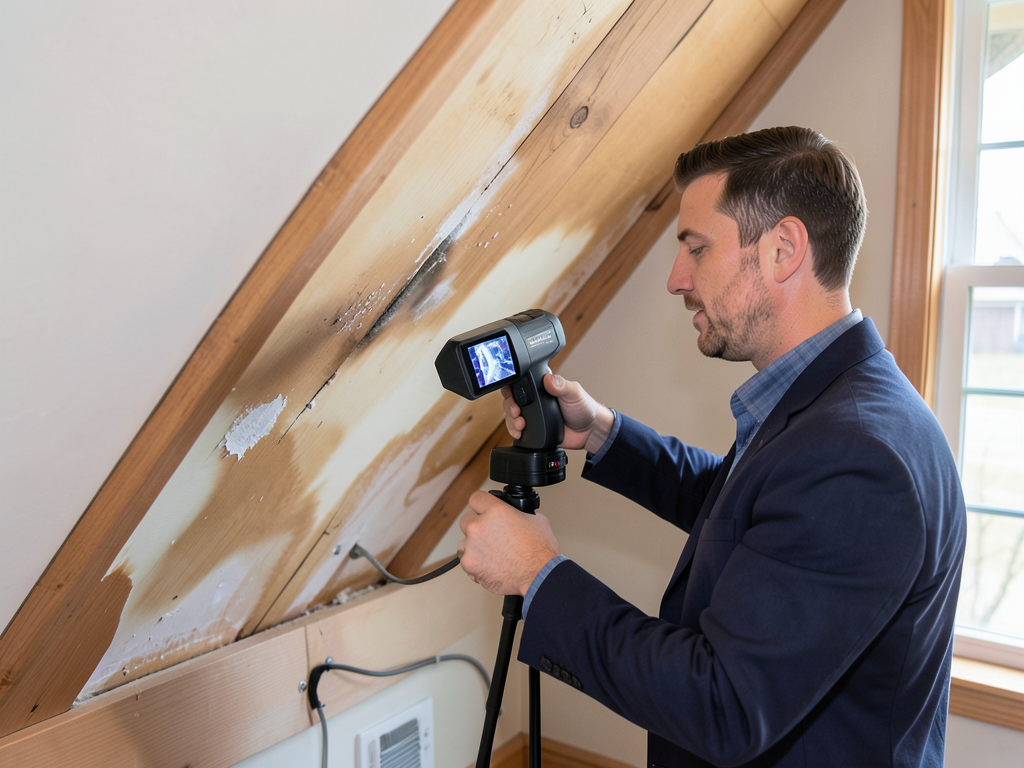
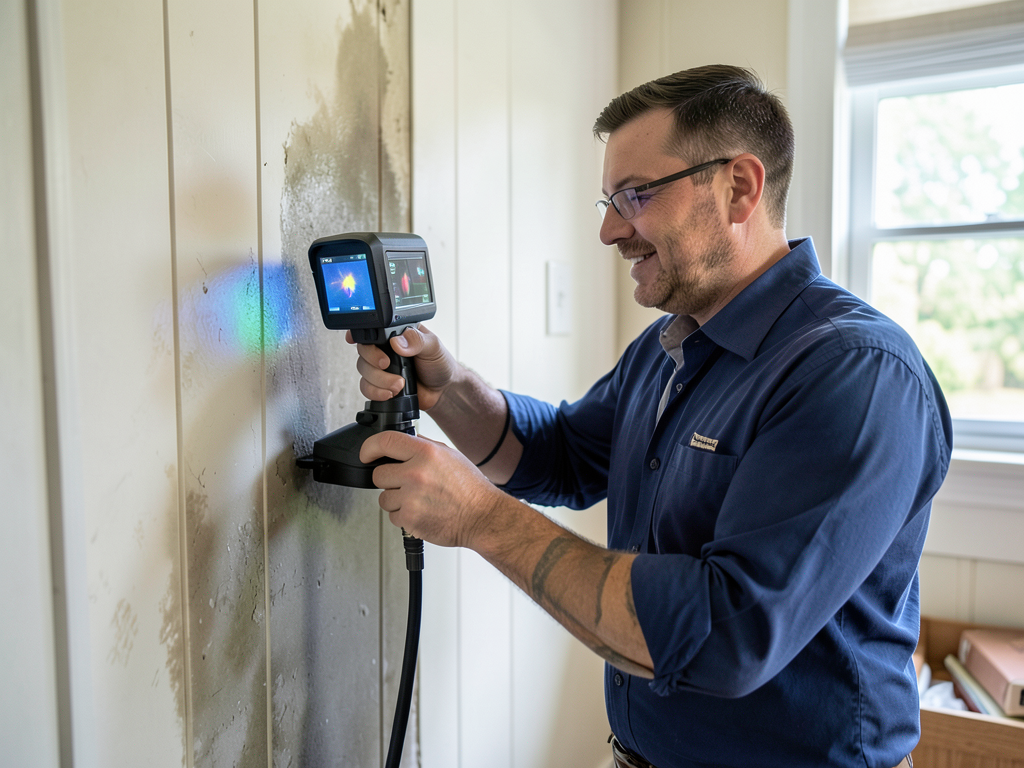
We start with infrared thermography. A FLIR thermal camera detects temperature differentials as small as 0.1 degrees Fahrenheit. Wet building materials hold heat differently than dry materials. This lets us see moisture patterns invisible to the naked eye, even through finished walls or ceilings. We scan exterior walls for thermal bridges where water penetrates brick or siding. We scan interior walls for cold spots that indicate active leaks or condensation.

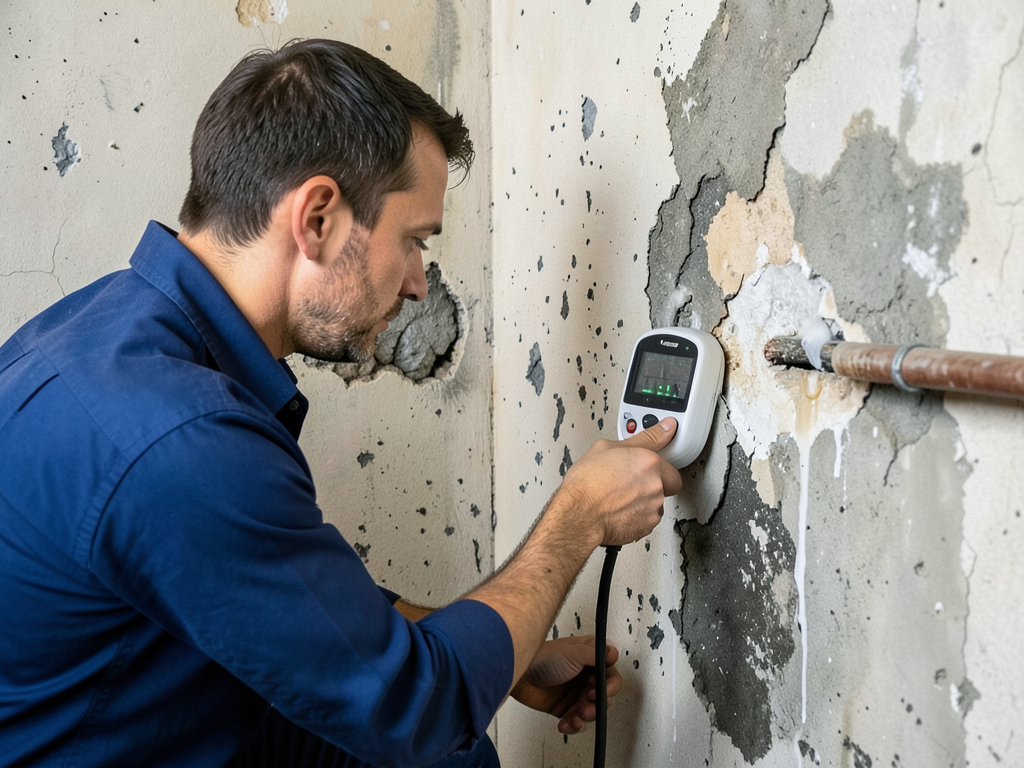
Next, we use pin-type and non-invasive moisture meters. Pin meters measure electrical resistance between two probes inserted into the material. Higher moisture content increases conductivity. Non-invasive meters use electromagnetic waves to scan up to three-quarters of an inch below the surface without drilling holes. This is critical for hardwood floors, tile, or finished plaster where we need to preserve the surface while locating concealed dampness beneath.

We also deploy hygrometers to measure relative humidity in wall cavities and crawl spaces. High humidity readings indicate ongoing evaporation from hidden water sources. We compare ambient humidity to cavity humidity. A 15-point difference signals active moisture intrusion.

For plumbing leaks, we perform static pressure tests on water lines. We isolate sections of pipe, pressurize them, and monitor for pressure drops. A leak shows up as a measurable PSI decline over time. This confirms whether the problem is supply line failure, drain line seepage, or groundwater infiltration.

We document everything with moisture maps and thermal images. You get a written report showing exactly where water is hiding and how far it has spread.

What Happens During Your Moisture Detection Inspection

Hidden Moisture Detection in Detroit – Stop Property Damage Before It Starts
01

Initial Assessment and History

We start by walking through your property and asking targeted questions. When did you first notice the problem? Have you had previous water damage? What type of foundation does the building have? Detroit homes built before 1950 often have limestone foundations that wick moisture differently than poured concrete. Understanding your building's construction helps us predict where water travels and where to focus diagnostic equipment.
02

Comprehensive Scanning and Testing

We deploy thermal cameras, moisture meters, and humidity sensors throughout the affected areas and adjacent spaces. Water does not respect room boundaries. A bathroom leak can travel through floor joists into the kitchen below or migrate laterally into hallway walls. We scan every surface within a 15-foot radius of the suspected source, checking behind baseboards, inside closets, and under sinks. We test HVAC ductwork for condensation leaks that drip into ceilings.
03

Documentation and Action Plan

You receive a detailed moisture map with thermal images and moisture meter readings for each affected area. We explain what we found, where the water is coming from, and what needs to happen next. If you need emergency extraction or structural drying, we can start immediately. If the issue is a slow leak requiring plumbing repair first, we coordinate with licensed plumbers. You get a clear path forward, not vague recommendations.

Why Detroit Property Owners Choose Local Moisture Detection Experts

Detroit construction is different. The city has thousands of homes built between 1910 and 1940 with plaster walls, balloon framing, and cast iron plumbing. These materials and methods create unique moisture challenges that require specific knowledge.

Plaster walls do not show water stains the same way drywall does. The lime in plaster can wick moisture horizontally for several feet before you see surface discoloration. By the time a brown stain appears, the lath behind the plaster is already rotting. We know to check the entire wall section, not just the visible stain.

Balloon framing, common in pre-1950 Detroit homes, means wall studs run continuously from foundation to roof without fire stops. Water can travel vertically through these open cavities from a roof leak all the way down to the basement. We trace these pathways using thermal imaging to find every wet zone.

Cast iron drain pipes corrode from the inside out. You will not see the problem until sewage backs up or the pipe ruptures. We use moisture meters to detect dampness around drain lines in basements and crawl spaces before catastrophic failure happens.

Ironwood Water Damage Restoration Detroit also understands local water table issues. Parts of Detroit sit on clay soil with poor drainage. Spring thaw and heavy rain cause hydrostatic pressure against foundation walls. This forces groundwater through cracks and mortar joints. We differentiate between plumbing leaks and groundwater intrusion because the fix is completely different.

We work with Detroit's housing stock every day. We know the difference between a 1920s Tudor in Sherwood Forest and a 1960s ranch in Redford. We know which basements flood, which crawl spaces trap humidity, and which roofing styles leak around dormers. That local knowledge means faster diagnosis and more accurate solutions.

What to Expect When You Call for Moisture Detection

Rapid Response Time

We answer calls seven days a week and schedule inspections within 24 hours for urgent situations. If you have active water damage or suspect a hidden leak is getting worse, we prioritize your property. Most moisture detection inspections in Detroit take between 60 and 90 minutes depending on property size and complexity. We bring all necessary equipment in one visit. You do not wait days for answers while water continues spreading through walls and floors.

Thorough Diagnostic Process

Our technicians are IICRC-certified in water damage restoration and trained in thermographic inspection. We do not rush. We scan every suspected area, check adjacent rooms, and investigate all potential moisture pathways. You receive real-time explanations as we work. We show you the thermal images and moisture meter readings on-site so you understand exactly what we are finding. We answer your questions and explain what the data means in plain language. No jargon. No confusing technical reports you cannot interpret.

Clear Written Documentation

You get a written report with moisture maps, thermal images, and specific moisture content readings for each affected material. This documentation is critical for insurance claims. Adjusters want proof of hidden damage, and thermal images provide that evidence. The report also includes our professional assessment of the water source, the extent of damage, and recommended next steps. If you need structural drying, mold remediation, or demolition and reconstruction, we outline the scope clearly so you can make informed decisions.

Post-Detection Support

Finding hidden moisture is just the first step. We help you understand what happens next. If you need immediate water extraction and drying, Ironwood Water Damage Restoration Detroit handles that in-house. If the source is a plumbing issue requiring a licensed plumber, we coordinate with trusted local contractors. We also provide follow-up moisture readings after drying is complete to confirm materials have returned to normal levels. You are not left guessing whether the problem is truly resolved. We verify it with calibrated instruments and documented proof.

Frequently Asked Questions

You Have Questions,
We Have Answers

Why does my phone say moisture detected when there is no moisture? +

Your phone detects moisture through charging port sensors that trigger when humidity or residue is present. False alerts happen from condensation, pocket lint, cleaning product residue, or high ambient humidity. Detroit's humid summers and winter indoor heating cause rapid temperature changes that create condensation in port chambers. Try these steps: power off your phone, gently clean the charging port with a dry toothbrush, use compressed air to remove debris, and let it sit in a dry location for 30 minutes. If the alert persists after cleaning, the sensor may need professional repair or replacement.

How do you detect moisture behind walls? +

Professionals use thermal imaging cameras to detect temperature differences behind walls caused by moisture. These cameras reveal cold spots where water evaporates and absorbs heat. Moisture meters with pin or pinless sensors measure electrical resistance or electromagnetic signals to identify wet materials inside walls. Infrared scanners map surface temperature variations that indicate hidden leaks. In Detroit homes with plaster walls common in older neighborhoods, professionals often combine multiple detection methods because dense materials mask moisture signatures. This approach pinpoints leak sources behind finished surfaces without destructive exploratory demolition, saving you time and repair costs.

What do home inspectors use to detect moisture? +

Home inspectors primarily use moisture meters with two probe types. Pin-type meters insert electrodes into materials to measure electrical resistance, which increases with moisture content. Pinless meters use electromagnetic sensors to scan surfaces without penetration, ideal for finished walls and floors. Many Detroit inspectors also carry thermal imaging cameras to detect temperature anomalies around windows, basement walls, and rooflines where ice dam damage is common. These tools identify problems in crawl spaces, attics, and behind appliances. Inspectors test multiple locations to establish baseline readings and flag areas exceeding normal moisture thresholds that require further investigation.

How to find out where moisture is coming from? +

Start by checking obvious sources: roof leaks, plumbing fixtures, water heaters, basement seepage, and condensation around windows. Look for water stains, discoloration, peeling paint, or warped flooring that trace back to the source. In Detroit, basement moisture often comes from foundation cracks or poor drainage due to clay soil that retains water. Check gutters and downspouts directing water toward foundations. Use a moisture meter to scan walls and floors, moving from dry areas toward wet spots to track the gradient. If you cannot locate the source, professionals use thermal imaging and leak detection equipment to pinpoint hidden problems.

How do I bypass the moisture detection? +

You should not bypass moisture detection warnings. These alerts protect your device and property from electrical damage, short circuits, and corrosion. Charging while moisture is present damages internal components and creates fire hazards. Some users disable alerts through developer settings or third-party apps, but this removes critical safety protection. Instead, address the actual problem. Clean and dry the charging port thoroughly, use wireless charging temporarily, or replace damaged cables. If you face persistent false alerts after proper cleaning, the port sensor likely needs repair. Bypassing safety features trades short-term convenience for long-term device failure and potential safety risks.

Will the moisture detection go away on its own? +

The alert will clear once moisture fully evaporates from the charging port, typically within 30 minutes to several hours depending on humidity levels. Detroit's seasonal humidity affects drying time. Winter indoor heating accelerates evaporation, while summer humidity slows it. Place your phone in a dry, room-temperature location with good airflow. Avoid rice, which leaves debris in ports. Do not use heat sources like hair dryers that damage internal components. If the alert persists beyond 24 hours after the port appears dry, you likely have sensor malfunction, internal corrosion, or debris causing false readings that require professional diagnosis.

How to tell if water is leaking behind a wall? +

Look for these warning signs: discolored patches on walls or ceilings, paint bubbling or peeling, wallpaper loosening, musty odors, visible mold growth, warped baseboards, and soft or spongy drywall when pressed. In Detroit homes, check areas below bathrooms, around old cast iron plumbing common in pre-1960s construction, and basement walls after spring thaw. Water stains often appear brown or yellowish. Use a moisture meter on suspected areas to confirm elevated readings. Listen for dripping sounds inside walls. If you detect these signs, shut off water to that area and contact a professional immediately to prevent structural damage and mold growth.

How to tell if a wall is damp or cold? +

Press your hand against the wall surface. Damp walls feel cooler and may leave moisture on your palm, while cold walls feel cool but stay dry to touch. Damp walls often show discoloration, soft spots, or efflorescence (white mineral deposits). Use a moisture meter for accurate readings. In Detroit's old brick homes, cold exterior walls are normal in winter but should not feel wet. Condensation forms on cold surfaces when warm indoor air hits them, common in poorly insulated basements. True dampness indicates water intrusion from leaks or foundation seepage, while coldness alone suggests insulation problems requiring different solutions.

How long can drywall be wet before mold? +

Mold begins growing on wet drywall within 24 to 48 hours under ideal conditions. Temperature between 60 and 80 degrees, high humidity, and organic material in drywall create perfect mold environments. In Detroit's humid summers, mold develops faster. Basements and bathrooms with poor ventilation accelerate growth. Drywall that stays wet beyond 48 hours requires replacement because mold spreads inside the material where you cannot clean it. Quick water extraction and thorough drying within the first 24 hours prevents mold establishment. Use fans, dehumidifiers, and professional drying equipment to remove moisture completely before reinstalling or repairing affected sections.

What is the biggest red flag in a home inspection? +

Active water intrusion is the biggest red flag because it causes immediate and cascading damage. Water destroys structural components, creates mold, damages electrical systems, and indicates failed building envelope protection. In Detroit, foundation cracks from freeze-thaw cycles, roof damage from ice dams, and basement seepage from clay soil are common water entry points. Other major red flags include structural movement, electrical hazards, and HVAC failure, but water issues affect multiple systems simultaneously. They worsen rapidly and cost exponentially more when ignored. Address water problems immediately before closing or negotiate significant repairs because delayed action leads to structural compromise and health hazards.

How Detroit's Aging Infrastructure Makes Hidden Moisture Detection Critical

Detroit has more than 100,000 homes built before 1940. These properties have cast iron drain pipes, galvanized steel supply lines, and clay sewer laterals that degrade over time. Corrosion happens inside pipes where you cannot see it. Water seeps through pinhole leaks or cracked joints and saturates wall cavities, floor joists, and insulation. By the time you notice a problem, the damage is extensive. Locating concealed dampness early prevents structural failure and mold contamination. Detroit's high summer humidity exacerbates the issue. Once materials get wet, they stay wet longer than in drier climates, accelerating rot and microbial growth.

We work throughout Wayne County and understand the unique challenges of Detroit's housing stock. Homes in neighborhoods like Corktown, Woodbridge, and Boston-Edison feature brick veneer construction with air gaps between the brick and wood framing. Water infiltrates through deteriorated mortar joints, runs down the air gap, and soaks the wooden structure behind the brick. You will not see this from the outside. Thermal imaging is the only way to detect it before the framing rots. Our familiarity with Detroit construction methods means we know where to look and what equipment to use for accurate diagnosis.
Water Damage Restoration Services in The Detroit Area

Conveniently located to serve the Detroit area, Ironwood is always ready to respond to your water damage emergencies. Explore our service area on the map below or contact us directly to discuss your specific needs. We’re committed to providing prompt, professional service wherever you are within our operational zone, ensuring rapid deployment and effective restoration solutions when you need them most.

Address:
Ironwood Water Damage Restoration Detroit, 15324 Mack Ave, Detroit, MI, 48230

Additional Services We Offer

Our news updates

Latest Articles & News from The Blogs

A slow leak behind a Royal Oak bathroom wall can go unnoticed for weeks. By the time you smell mildew…

Why Smart Leak Detectors Are Worth Every Penny for Your Royal Oak Rental Property

A slow leak behind a Royal Oak bathroom wall can go unnoticed for weeks. By the time you smell mildew…

Why Your Whole House Humidifier in Warren Might Be Ruining Your Drywall

Your furnace runs all winter. Your whole house humidifier works quietly behind the scenes. And somewhere behind that drywall in…

What Black Water Flooding Actually Does to Your Health (A Detroit Homeowner's Guide)

A sewage backup in your Detroit basement is not just a cleanup problem. It is a biohazard event. The water…

Contact Us

Stop guessing where water is hiding. Call Ironwood Water Damage Restoration Detroit at (313) 572-5559 for professional moisture detection using thermal imaging and calibrated instruments. We pinpoint the source, document the damage, and give you a clear action plan.