





Dearborn Heights sits in Wayne County where clay-heavy soil and aging infrastructure create a perfect storm for water damage. The Rouge River watershed drains through this area, and spring thaw combined with heavy rainfall overwhelms older sump pumps and outdated drainage systems. Many homes near Ford Road and Telegraph were built in the 1950s and 60s with foundation waterproofing that has degraded over decades.
Michigan's freeze-thaw cycles crack foundation walls, and when temperatures spike in spring, melting snow floods basements faster than pumps can handle it. The clay soil common throughout Dearborn Heights expands when wet and contracts when dry, putting constant pressure on foundation walls and creating entry points for groundwater. Homes near Ecorse Creek and in the neighborhoods surrounding Warren Valley Golf Course face especially high water table issues.
Winter pipe bursts are another major threat. When temperatures drop below zero for extended periods, pipes in crawl spaces and exterior walls freeze and rupture, releasing hundreds of gallons before homeowners notice. The longer water sits, the more damage it causes to subflooring, drywall, and insulation. Within 48 hours, mold colonies start growing in wall cavities and under carpets, creating health hazards and expensive remediation needs.
Ironwood Water Damage Restoration Detroit has served Wayne County homeowners for over a decade, and we understand exactly how Dearborn Heights homes fail when water hits. We're not a franchise sending undertrained technicians with rented equipment. Our crews live in the Detroit metro area, know the neighborhoods, and arrive with truck-mounted extraction units and commercial-grade air movers that actually dry structures instead of just pushing air around.
We're IICRC-certified in water damage restoration and applied structural drying, which means we follow science-based protocols for measuring moisture content in building materials. We don't guess when your walls are dry. We use moisture meters and thermal imaging cameras to track exactly where water is hiding and verify complete drying before we leave. This matters in Dearborn Heights because improper drying leads to mold growth in wall cavities, and Michigan's humidity makes that problem worse.
Insurance companies trust us because we document everything with photos, moisture readings, and detailed scope reports. We handle the entire claims process, communicate directly with adjusters, and make sure you get fair coverage for all necessary repairs. Most importantly, we're available 24/7 because water damage doesn't happen on a schedule. When your basement floods at 2 AM or a pipe bursts on Sunday morning, you get a live person who dispatches a crew immediately, not an answering service that calls you back Monday.

We dispatch crews to Dearborn Heights within one hour of your call, 24/7/365. Our trucks stay stocked with extraction equipment, air movers, and dehumidifiers so we start removing water immediately instead of wasting hours going back for equipment. Fast response prevents secondary damage and keeps restoration costs down.

We work directly with all major insurance carriers and handle the entire claims process for you. Our detailed documentation and industry relationships mean faster approvals and fair settlements. You don't pay out of pocket and wait for reimbursement. We bill your insurance company directly after getting authorization.
Every technician on our crews holds current IICRC certification in water damage restoration and applied structural drying. We follow industry standards for moisture mapping, extraction, and drying verification. This certification means we use proven science instead of guesswork, which prevents mold growth and structural issues down the road.
We've restored hundreds of Dearborn Heights homes and know exactly how properties in this area fail when water hits. We understand the clay soil issues, the aging housing stock near Telegraph Road, and the drainage problems common in neighborhoods around the Rouge River. Local knowledge means faster diagnosis and better solutions.
Water damage comes in different forms, and each requires specific equipment and techniques. Ironwood Water Damage Restoration Detroit handles everything from catastrophic basement floods to hidden leaks that go unnoticed for weeks. Our service range covers emergency water removal, structural drying, mold remediation, and full reconstruction so you work with one company from start to finish instead of coordinating multiple contractors.
We categorize our water damage response into three main service areas based on urgency and complexity. Emergency extraction and mitigation happens first to stop ongoing damage and remove standing water. Structural drying and dehumidification follows to eliminate moisture from building materials and prevent mold. Finally, restoration and reconstruction repairs all damage and returns your home to pre-loss condition. Each phase requires different equipment, expertise, and timelines, but our crews handle all three so nothing falls through the cracks during the chaos of a water emergency.
When water is actively flooding your home, every minute counts. Our emergency extraction service deploys truck-mounted pumps and portable extractors to remove standing water from basements, crawl spaces, and living areas. We pull up saturated carpets, remove damaged padding, and extract water from hardwood floors before they buckle. Immediate extraction prevents water from wicking up walls, soaking insulation, and spreading to unaffected areas. We also document the damage for your insurance claim while water is still present so adjusters see the full scope of loss.
Removing standing water is just the first step. Structural drying eliminates moisture trapped in drywall, subflooring, studs, and insulation using commercial air movers and refrigerant dehumidifiers. We place equipment strategically based on moisture meter readings and airflow patterns, creating controlled drying environments that prevent mold growth. This process takes three to five days depending on materials and saturation levels. We monitor moisture content daily and adjust equipment placement until readings confirm complete drying. Rushed drying leads to mold problems, so we follow IICRC protocols instead of pulling equipment early to save costs.
After structures dry completely, we rebuild everything water damaged or removed during mitigation. Our restoration service includes drywall replacement, flooring installation, painting, trim work, and any other repairs needed to return your home to pre-loss condition. We handle both cosmetic fixes and major reconstruction like replacing rotted floor joists or rebuilding finished basements. Working with one company for mitigation and restoration eliminates finger-pointing between contractors and keeps your project on schedule. We also coordinate with plumbers and electricians when water damage affects mechanical systems or wiring.
Dearborn Heights homes face unique water damage risks due to aging infrastructure, clay soil conditions, and Michigan weather patterns. Properties built in the post-war housing boom have foundation waterproofing systems that failed years ago, and many homeowners don't realize water is entering their crawl spaces or basements until they see mold or smell musty odors. The freeze-thaw cycle common to Wayne County also creates specific problems that homes in warmer climates never face.
Basements in neighborhoods near Telegraph Road and between Ford Road and Warren Road frequently flood during spring thaw because drainage systems can't handle the volume of snowmelt. Add in older sump pumps that haven't been maintained, and you have a recipe for catastrophic water intrusion. Winter pipe bursts are another constant threat when temperatures drop below zero for extended periods. The following issues represent the most common emergency calls we receive from Dearborn Heights residents throughout the year.
Sump pumps fail without warning, and most homeowners don't test them until water starts rising. Power outages during storms also disable pumps right when you need them most. We respond to dozens of flooded basements each spring when snowmelt overwhelms failed or undersized pumps. Backup battery systems and annual maintenance prevent most failures, but once water floods your basement, you need immediate extraction and drying to prevent mold and foundation damage.
When temperatures drop below zero, pipes in exterior walls and crawl spaces freeze solid. As water freezes it expands, cracking pipes that burst when they thaw. Homeowners often don't notice until water stains appear on ceilings or walls. A single burst pipe releases hundreds of gallons before you can shut off the main water supply. Insulating pipes and keeping cabinets open during cold snaps prevents most freeze damage, but once a pipe bursts you need emergency response to minimize loss.
Heavy rainfall overwhelms aging sewer systems, causing raw sewage to back up through floor drains and toilets. This creates a hazardous contamination situation requiring specialized cleanup protocols. Sewage contains bacteria, viruses, and pathogens that make affected areas unsafe until properly disinfected. We handle category 3 water damage with full protective equipment and EPA-registered antimicrobial treatments. Installing a backwater valve prevents most sewer backups, but cleanup requires professional remediation to protect your family's health.
Slow leaks from pinhole pipe failures or faulty supply lines go unnoticed for weeks or months, causing extensive hidden damage. Water soaks insulation, rots framing lumber, and creates perfect conditions for mold growth inside wall cavities. Homeowners usually notice when they see stains, smell musty odors, or feel soft spots in flooring. Thermal imaging cameras detect these hidden moisture sources so we can dry affected areas before mold spreads throughout your home's HVAC system.
Water emergencies create chaos and panic. You don't know if you should shut off power, how to stop water from spreading, or whether your insurance will cover the damage. When you call Ironwood Water Damage Restoration Detroit, you get immediate guidance and a crew dispatched to your Dearborn Heights home within 60 minutes.
Our process starts the moment you call. We ask specific questions about the water source, affected areas, and safety concerns so our crew arrives prepared with the right equipment. We also provide phone guidance on immediate actions like shutting off water supplies or moving valuables to dry areas. Once our crew arrives, we take control of the situation and walk you through each phase of the restoration process. The following three commitments define what you can expect from us during what is often the most stressful experience a homeowner faces.
You never wonder what's happening with your restoration project. We explain our findings when we arrive, walk you through the mitigation plan, and provide daily updates during the drying process. Our project manager stays your single point of contact from initial call through final walkthrough. We also communicate directly with your insurance adjuster, send you copies of all documentation, and answer questions via phone or text whenever they come up. Water damage is confusing enough without contractors going silent for days at a time.
We tell you exactly how long drying will take and what repairs are needed before starting work. Most structural drying takes three to five days depending on materials and saturation levels, and we explain why rushing the process causes mold problems. Our written scope of work details every damaged item, required repair, and associated cost so your insurance company sees the full picture. If we discover additional damage during demolition or drying, we document it immediately and update the scope instead of surprising you with change orders at the end.
Many water damage companies only handle extraction and drying, then disappear when it's time to rebuild. We stay with you through final reconstruction so you work with one company instead of coordinating multiple contractors. Our crews handle drywall replacement, flooring installation, painting, and trim work to return your home to pre-loss condition. This single-source approach eliminates scheduling delays and finger-pointing when problems arise. You get one warranty covering the entire project, and one company accountable for quality from start to finish.
Water damage restoration follows a specific sequence to prevent secondary damage and ensure complete recovery. Our three-phase process moves from emergency response to structural drying to final reconstruction, with clear milestones and quality checks at each stage.
Our crew arrives within 60 minutes and immediately assesses safety concerns like electrical hazards or structural instability. We identify the water source, stop ongoing intrusion if possible, and classify the contamination level. Truck-mounted pumps remove standing water while we document damage with photos and moisture readings for your insurance claim. We also remove saturated materials like carpet padding that can't be saved and move contents to dry areas. This initial response typically takes three to six hours depending on the scope of damage.
Commercial air movers and dehumidifiers run continuously for three to five days to eliminate moisture from building materials. We place equipment based on airflow science and moisture mapping, creating controlled drying environments. Our technicians visit daily to take moisture readings, adjust equipment placement, and monitor progress. We don't pull equipment until moisture meters confirm all affected materials have reached acceptable drying standards. Antimicrobial treatments prevent mold growth while structures dry. This phase requires patience because rushed drying creates long-term problems.
After complete drying verification, our reconstruction crews rebuild everything water damaged or removed during mitigation. We replace drywall, install new flooring, paint, and handle finish carpentry to match your home's existing materials and style. Major projects may involve replacing floor joists, rebuilding bathrooms, or reinstalling kitchens. We coordinate inspections if required and provide warranties on all workmanship. Your final walkthrough confirms every detail meets your expectations before we close the project and submit final billing to your insurance company.
Effective water damage restoration requires understanding building science, psychrometrics, and material behavior when saturated. The Institute of Inspection Cleaning and Restoration Certification establishes industry standards through its S500 Water Damage Standard, which defines proper protocols for assessment, mitigation, and drying verification. These standards exist because improper restoration leads to mold growth, structural failure, and indoor air quality problems that show up months or years after the initial water event.
Water is classified into three categories based on contamination level. Category 1 is clean water from supply lines or rainwater. Category 2 is grey water containing some contamination like washing machine discharge or toilet overflow with no feces. Category 3 is black water grossly contaminated with sewage, rising floodwater, or any water that has been stagnant for 72 hours. Each category requires different safety protocols and disposal procedures for affected materials. Most water starts as Category 1 but degrades to Category 2 within 48 hours and Category 3 after 72 hours as bacteria multiply.
Structural drying follows psychrometric principles that govern how air holds moisture at different temperatures. Warm air holds more moisture than cold air, so we often heat affected areas while running dehumidifiers to accelerate evaporation. Dehumidifiers work by cooling air below its dew point, condensing moisture out, then reheating and recirculating dry air. Air movers create airflow across wet surfaces to speed evaporation. The key is maintaining specific vapor pressure and grain depression targets throughout the drying process. We take daily moisture readings in materials like drywall, hardwood, and subflooring to track drying progress and verify when materials reach equilibrium moisture content. Most companies pull equipment too early to save rental costs, which leads to trapped moisture and mold growth in wall cavities. We follow industry drying standards and document moisture readings so you have proof your home was dried properly.
The S500 Standard defines acceptable moisture content levels for different building materials and establishes protocols for classification, safety, and drying verification. We follow these standards instead of guessing when materials are dry. Drywall should reach 12-15% moisture content, wood framing should reach 15-19%, and concrete should reach stable readings consistent with surrounding areas. Documentation proves proper drying occurred if mold issues arise later.
Restoration costs depend on water category, affected square footage, materials involved, and drying difficulty. Category 3 sewage backups require disposal of all porous materials and cost significantly more than Category 1 clean water events. Hardwood floors cost more to dry than concrete because wood requires careful monitoring to prevent cupping or buckling. Two-story water damage costs more than single-story because water affects multiple levels and requires more equipment placement.
Structural drying takes three to five days for most residential water damage in Michigan's humid climate. Basements take longer than upper floors because cool temperatures and poor ventilation slow evaporation. Hardwood flooring may require two weeks of gradual drying to prevent damage. Concrete takes longest because it dries from the outside in, and trapped moisture deep in the slab takes weeks to fully evaporate. Anyone promising 24-hour drying is cutting corners that will cause problems later.
Michigan doesn't require state licensing for water damage restoration contractors, which means homeowners must verify insurance coverage and training independently. We carry general liability and workers compensation insurance that protects you if someone gets injured on your property. Our IICRC certifications prove our technicians completed industry-standard training. Always verify any contractor's insurance before allowing work to begin, especially for water damage when multiple workers access your home during an emergency.
This video explains water damage restoration processes specific to Dearborn Heights, Michigan homes. Topics include emergency water extraction techniques, structural drying protocols following IICRC S500 standards, water damage categories and contamination levels, moisture measurement and drying verification methods, and complete restoration procedures. Viewers learn about freeze-thaw pipe burst prevention, sump pump failure causes, sewage backup cleanup requirements, and insurance claim documentation. Ironwood Water Damage Restoration Detroit demonstrates equipment used for water removal and dehumidification in Wayne County properties.
Ironwood Water Damage Restoration Detroit serves all of Dearborn Heights and the surrounding Wayne County communities. Our central location means fast response times to neighborhoods throughout the area, from the homes near Telegraph Road and Ford Road to properties in the Riverside Park and Canfield Gardens areas. We know these neighborhoods because we've restored hundreds of homes here, and we understand how water damage patterns differ across the city.
The northern section of Dearborn Heights, particularly around Warren Valley and the neighborhoods near the Inkster border, tends to see more basement flooding issues due to higher water tables and older drainage infrastructure. Homes in the Riverside Park area near the Rouge River face flood risks during heavy spring runoff, and properties built in the 1950s often have foundation waterproofing that failed decades ago. The southern portions of Dearborn Heights, especially areas near Ford Road and between Telegraph and Beech Daly, have a mix of housing ages with varying vulnerability to pipe bursts and sump pump failures.
We respond throughout Wayne County to communities like Inkster, Garden City, Westland, and Dearborn proper. The proximity to major routes like I-96, I-94, and M-39 means we reach most addresses in under an hour even during rush hour traffic. Allen Park and Taylor residents also call us when they need water damage response because we understand the soil conditions and construction styles common throughout the Downriver area.
Water damage doesn't respect city boundaries, and neither does our service area. Whether you're in a ranch home near Canfield or a two-story colonial in the neighborhoods surrounding Warren Valley Golf Course, we understand how your home was built and how it will respond to water intrusion. This local knowledge means faster diagnosis, better equipment choices, and proper drying techniques specific to your home's construction. We also know which areas face repetitive flooding and can recommend permanent solutions like sump pump upgrades or exterior drainage improvements to prevent future damage.
Water damage restoration costs in Dearborn Heights vary based on the extent of damage, water category, and affected square footage. Minor cleanup might run a few hundred dollars, while extensive flooding with structural damage costs significantly more. Factors include water extraction needs, drying equipment, antimicrobial treatments, and repairs to drywall or flooring. Most reputable companies offer free inspections and work directly with your insurance adjuster to streamline claims. Get a detailed written estimate before work begins. Costs increase if mold remediation becomes necessary, which is common in Michigan's humid climate.
Professional water damage restoration is worth it when you consider the alternative. Water migrates into subfloors, wall cavities, and insulation, where it breeds mold and weakens structural components. DIY drying misses hidden moisture that infrared cameras and moisture meters detect. In Dearborn Heights homes, untreated water damage lowers property values and creates health hazards. Restoration companies document the process for insurance purposes, prevent secondary damage, and restore your home to pre-loss condition. The upfront investment protects your largest asset and your family's health.
Water remediation stops the damage. It includes emergency water extraction, initial drying, and containment to prevent spread. Restoration comes next. It rebuilds what was damaged, replacing drywall, flooring, baseboards, and returning your Dearborn Heights home to its original state. Remediation is the medical triage. Restoration is the surgery and rehabilitation. Most companies handle both phases. Remediation happens in the first 24 to 72 hours. Restoration follows once all moisture is gone and surfaces pass moisture testing. You need both for complete recovery from water damage.
Water damage restoration costs in Dearborn Heights vary based on the extent of damage, water category, and affected square footage. Minor cleanup might run a few hundred dollars, while extensive flooding with structural damage costs significantly more. Factors include water extraction needs, drying equipment, antimicrobial treatments, and repairs to drywall or flooring. Most reputable companies offer free inspections and work directly with your insurance adjuster to streamline claims. Get a detailed written estimate before work begins. Costs increase if mold remediation becomes necessary, which is common in Michigan's humid climate.
Professional water damage restoration is worth it when you consider the alternative. Water migrates into subfloors, wall cavities, and insulation, where it breeds mold and weakens structural components. DIY drying misses hidden moisture that infrared cameras and moisture meters detect. In Dearborn Heights homes, untreated water damage lowers property values and creates health hazards. Restoration companies document the process for insurance purposes, prevent secondary damage, and restore your home to pre-loss condition. The upfront investment protects your largest asset and your family's health.
Water remediation stops the damage. It includes emergency water extraction, initial drying, and containment to prevent spread. Restoration comes next. It rebuilds what was damaged, replacing drywall, flooring, baseboards, and returning your Dearborn Heights home to its original state. Remediation is the medical triage. Restoration is the surgery and rehabilitation. Most companies handle both phases. Remediation happens in the first 24 to 72 hours. Restoration follows once all moisture is gone and surfaces pass moisture testing. You need both for complete recovery from water damage.
Stop the water source if possible. Turn off the main water line for pipe bursts. Move valuables to dry areas. Document everything with photos and video for your insurance claim. Call a water damage restoration company immediately. In Dearborn Heights, response time matters because mold starts growing within 24 hours. Do not use household vacuums on standing water. Avoid walking through contaminated water from sewage backups. Turn off electricity to affected areas if safe to do so. Open windows for ventilation. Time is your enemy with water damage.
Most homeowners insurance policies cover sudden and accidental water damage, like burst pipes, appliance malfunctions, or storm damage through roofs. They typically exclude gradual damage from neglected maintenance or flooding from external sources, which requires separate flood insurance. In Dearborn Heights, sump pump failures during heavy spring rains may be covered depending on your policy endorsements. Review your policy's water damage exclusions. Restoration companies work directly with insurance adjusters, providing documentation and moisture readings that support your claim. Always file claims promptly.
Servpro and similar restoration companies typically complete water extraction and drying within three to five days for standard residential damage in Dearborn Heights. Complex jobs with extensive structural damage take longer. The drying phase depends on materials affected, humidity levels, and airflow. Hardwood floors need more drying time than carpet. Wall cavities require cavity drying equipment. Restoration work like replacing drywall and flooring adds another week or more. Each situation differs. Companies provide timelines after initial inspection. Delays happen if additional mold remediation becomes necessary.
The average water damage insurance claim in Michigan ranges from $3,000 to $12,000, though this varies widely. Minor bathroom leaks might settle for $2,000. Basement flooding or multiple-room damage can exceed $20,000. Claims include extraction, drying, antimicrobial treatments, disposal, and reconstruction costs. Your deductible applies first. In Dearborn Heights, claims involving finished basements with mold growth typically run higher. Document everything thoroughly. Multiple quotes help insurance adjusters assess fair market rates. The key is responding quickly to minimize damage and claim costs.
Mold begins growing within 24 to 48 hours after water exposure in Dearborn Heights homes. Michigan's humidity accelerates this timeline during summer months. Porous materials like drywall, insulation, and carpet provide ideal breeding grounds. Mold spores are always present. They just need moisture and organic material to colonize. You cannot see mold immediately, but it is growing behind walls and under flooring where moisture hides. This is why professional drying equipment and moisture testing matter. Once mold establishes, remediation costs increase significantly. Speed prevents mold.
Call a water restoration company immediately when you discover water damage in your Dearborn Heights home. Do not wait to see if it dries on its own. Call for any standing water, wet carpets or drywall, ceiling leaks, appliance failures, sewage backups, or basement flooding. Call before filing an insurance claim so professionals document damage properly. Call if you smell musty odors indicating hidden moisture. The first 24 hours determine whether you face simple cleanup or major mold remediation. Emergency response teams are available around the clock.
Plumbers fix the water source but typically do not perform full restoration. They repair burst pipes, fix water heaters, and stop leaks. Water damage restoration requires specialized drying equipment, moisture detection tools, antimicrobial treatments, and reconstruction skills. Restoration companies work after plumbers complete repairs. In Dearborn Heights, you need both trades for complete recovery. The plumber stops the bleeding. The restoration company heals the wound. Some larger restoration companies have plumbers on staff, but most focus exclusively on drying, remediation, and rebuilding after water events.
Stop the water source if possible. Turn off the main water line for pipe bursts. Move valuables to dry areas. Document everything with photos and video for your insurance claim. Call a water damage restoration company immediately. In Dearborn Heights, response time matters because mold starts growing within 24 hours. Do not use household vacuums on standing water. Avoid walking through contaminated water from sewage backups. Turn off electricity to affected areas if safe to do so. Open windows for ventilation. Time is your enemy with water damage.
Most homeowners insurance policies cover sudden and accidental water damage, like burst pipes, appliance malfunctions, or storm damage through roofs. They typically exclude gradual damage from neglected maintenance or flooding from external sources, which requires separate flood insurance. In Dearborn Heights, sump pump failures during heavy spring rains may be covered depending on your policy endorsements. Review your policy's water damage exclusions. Restoration companies work directly with insurance adjusters, providing documentation and moisture readings that support your claim. Always file claims promptly.
Servpro and similar restoration companies typically complete water extraction and drying within three to five days for standard residential damage in Dearborn Heights. Complex jobs with extensive structural damage take longer. The drying phase depends on materials affected, humidity levels, and airflow. Hardwood floors need more drying time than carpet. Wall cavities require cavity drying equipment. Restoration work like replacing drywall and flooring adds another week or more. Each situation differs. Companies provide timelines after initial inspection. Delays happen if additional mold remediation becomes necessary.
The average water damage insurance claim in Michigan ranges from $3,000 to $12,000, though this varies widely. Minor bathroom leaks might settle for $2,000. Basement flooding or multiple-room damage can exceed $20,000. Claims include extraction, drying, antimicrobial treatments, disposal, and reconstruction costs. Your deductible applies first. In Dearborn Heights, claims involving finished basements with mold growth typically run higher. Document everything thoroughly. Multiple quotes help insurance adjusters assess fair market rates. The key is responding quickly to minimize damage and claim costs.
Mold begins growing within 24 to 48 hours after water exposure in Dearborn Heights homes. Michigan's humidity accelerates this timeline during summer months. Porous materials like drywall, insulation, and carpet provide ideal breeding grounds. Mold spores are always present. They just need moisture and organic material to colonize. You cannot see mold immediately, but it is growing behind walls and under flooring where moisture hides. This is why professional drying equipment and moisture testing matter. Once mold establishes, remediation costs increase significantly. Speed prevents mold.
Call a water restoration company immediately when you discover water damage in your Dearborn Heights home. Do not wait to see if it dries on its own. Call for any standing water, wet carpets or drywall, ceiling leaks, appliance failures, sewage backups, or basement flooding. Call before filing an insurance claim so professionals document damage properly. Call if you smell musty odors indicating hidden moisture. The first 24 hours determine whether you face simple cleanup or major mold remediation. Emergency response teams are available around the clock.
Plumbers fix the water source but typically do not perform full restoration. They repair burst pipes, fix water heaters, and stop leaks. Water damage restoration requires specialized drying equipment, moisture detection tools, antimicrobial treatments, and reconstruction skills. Restoration companies work after plumbers complete repairs. In Dearborn Heights, you need both trades for complete recovery. The plumber stops the bleeding. The restoration company heals the wound. Some larger restoration companies have plumbers on staff, but most focus exclusively on drying, remediation, and rebuilding after water events.
Conveniently located to serve the Detroit area, Ironwood is always ready to respond to your water damage emergencies. Explore our service area on the map below or contact us directly to discuss your specific needs. We’re committed to providing prompt, professional service wherever you are within our operational zone, ensuring rapid deployment and effective restoration solutions when you need them most.
Address:
Dearborn Heights, MI, 48127
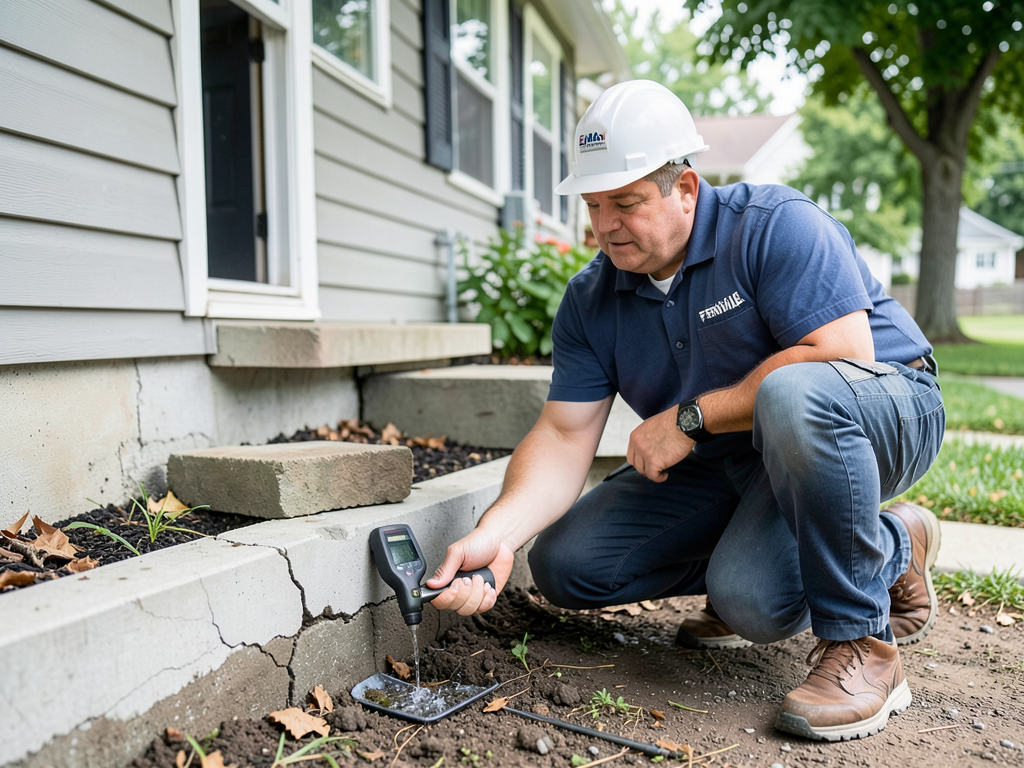
The Hidden Risks of Shared Driveway Runoff Between Your Ferndale Bungalow and Your Neighbor Shared driveways in Ferndale's historic bungalow neighborhoods create a hidden water damage threat that most homeowners never see coming. When rainwater…
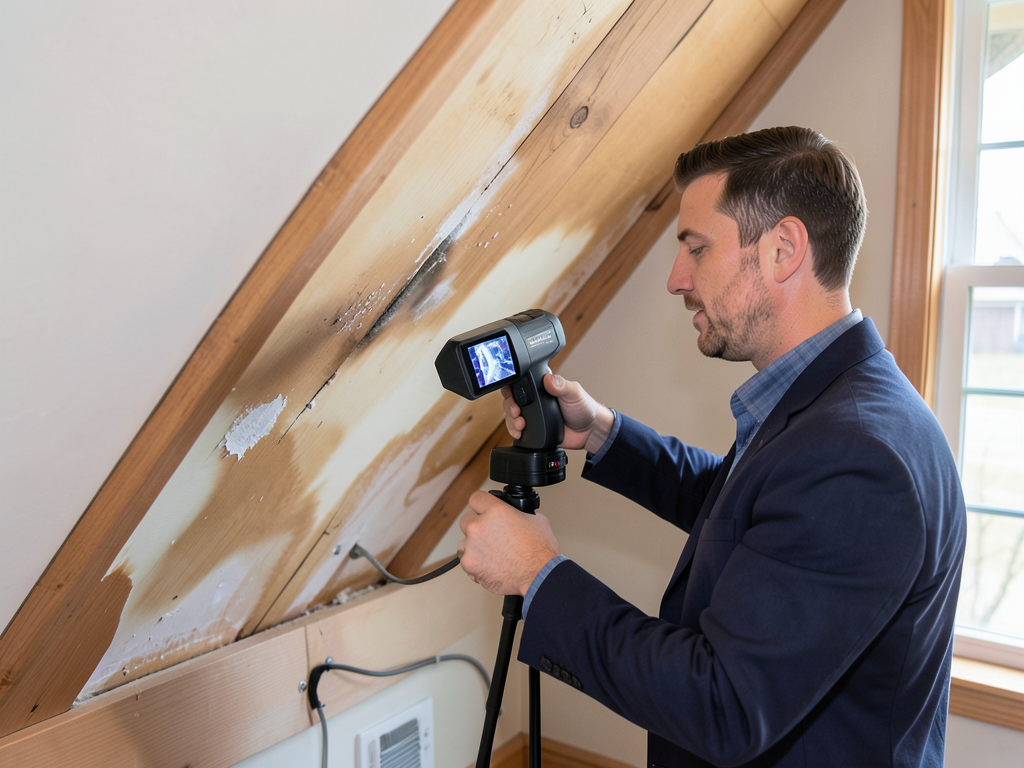
Tracking Down Hidden Water Leaks in Your Royal Oak Attic Kneewalls Royal Oak homeowners often…
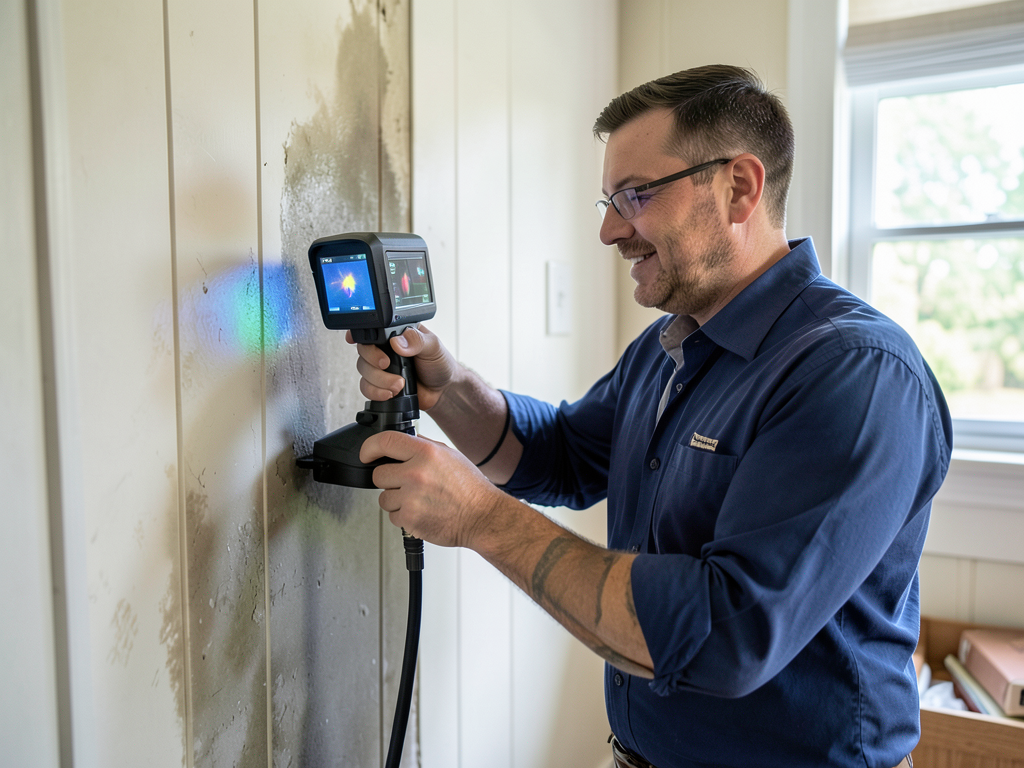
Why Your Baby's Nursery in Grosse Pointe Might Be Developing Hidden Wall Mold Parents in…
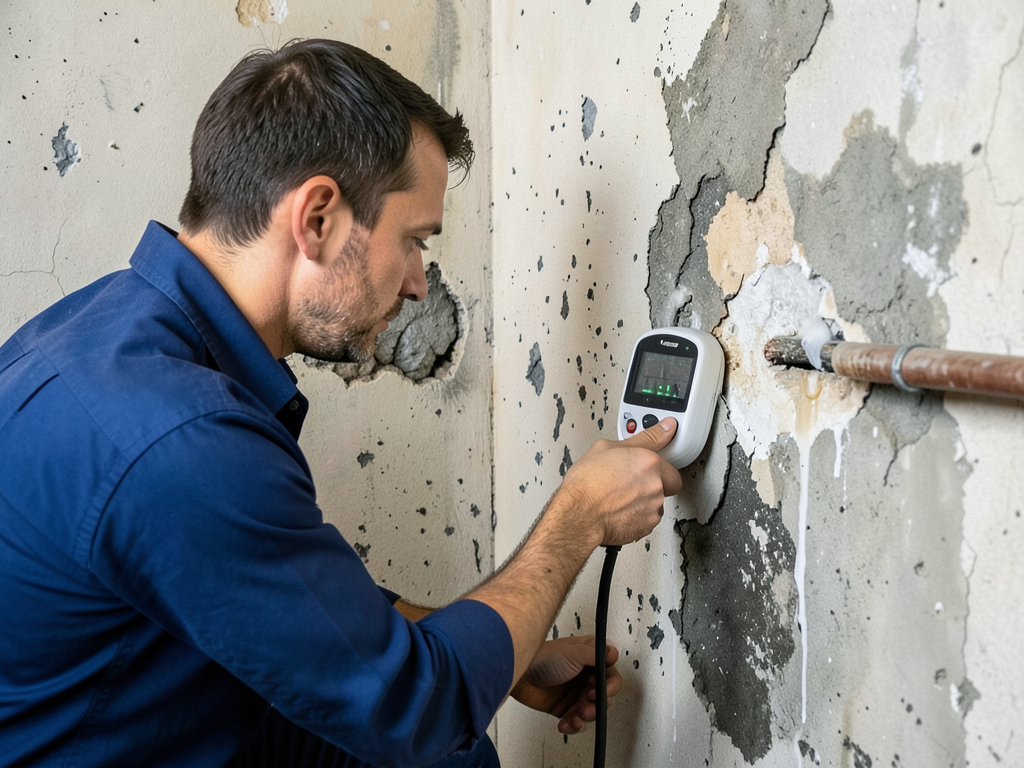
Protecting Your Remote Work Setup in Ferndale from Unexpected Basement Floods Water damage can destroy…
Water damage gets worse every hour you wait. Call Ironwood Water Damage Restoration Detroit at (313) 572-5559 right now for 60-minute emergency response. Our crews are standing by 24/7 to extract water, dry your home, and work directly with your insurance company.