


menu

Sanitization & Odor Removal in Detroit – Complete Antimicrobial Treatment After Water Damage

Ironwood Water Damage Restoration Detroit eliminates bacteria, mold spores, and persistent odors using EPA-registered antimicrobials and thermal fogging technology, restoring safe indoor air quality after flooding, sewage backups, and water intrusions.

Slider Image 1
Slider Image 2
Slider Image 3
Slider Image 4
Slider Image 5
Slider Image 7
Slider Image 8
Slider Image 9
Slider Image 10
Slider Image 11

Why Detroit Water Damage Creates Hidden Health Hazards

Water damage in Detroit rarely stops at visible destruction. The city's aging infrastructure and seasonal freeze-thaw cycles create perfect conditions for contaminated water intrusions. Basement floods from overwhelmed combined sewer systems introduce raw sewage into living spaces. Pipe bursts in historic homes release stagnant water carrying biofilm and bacteria. Within 48 hours, these conditions spark microbial growth that standard cleaning cannot address.

The Great Lakes humidity compounds the problem. Moisture lingers in porous materials like plaster walls and hardwood floors common in Detroit's early 20th-century housing stock. This creates breeding grounds for mold colonies and bacterial populations that produce volatile organic compounds. You smell it as mustiness or sewage odor, but the real danger is invisible. Airborne spores trigger respiratory issues. Bacterial endotoxins cause inflammation. Children and elderly residents face the highest risk.

Surface cleaning misses the contamination embedded in subflooring, wall cavities, and HVAC ductwork. Professional disinfection and deodorization targets these hidden reservoirs. Antimicrobial treatment penetrates porous surfaces to kill pathogens at the source. Odor control services eliminate smell-causing bacteria rather than masking symptoms. Without proper sanitizing and deodorizing, you are living in a space that looks clean but remains biologically compromised. Detroit's water damage situations demand complete odor abatement and microbial remediation, not surface-level fixes.

Why Detroit Water Damage Creates Hidden Health Hazards
Our Multi-Phase Sanitization Protocol

Our Multi-Phase Sanitization Protocol

We approach sanitization as a medical-grade process, not a cleaning task. Our protocol begins with microbial testing to identify contamination type. Sewage backups require different antimicrobial agents than clean water floods. We use ATP meters to measure biological activity on surfaces before treatment, establishing a baseline that proves remediation effectiveness.

The antimicrobial treatment phase uses EPA-registered disinfectants applied through electrostatic sprayers. This technology creates a charged mist that wraps around surfaces and penetrates cracks where bacteria hide. We treat all affected materials, including the backside of drywall and subflooring that standard spraying cannot reach. For Category 3 water damage involving sewage or storm flooding, we apply hospital-grade quaternary ammonium compounds that kill 99.99% of pathogens.

Odor abatement requires destroying odor molecules, not covering them with fragrance. We use hydroxyl generators and thermal foggers that break down volatile organic compounds at the molecular level. Thermal fogging releases heated particles that penetrate the same porous materials where odor-causing bacteria live. The particles neutralize odor molecules on contact. Hydroxyl technology creates airborne radicals that oxidize organic compounds, eliminating smells from structural materials you cannot physically remove.

The final phase involves post-treatment verification. We retest surfaces with ATP meters to confirm microbial reduction. Air quality testing measures airborne spore counts and volatile organic compound levels. You receive documentation proving your space meets industry standards for safe occupancy. This data supports insurance claims and protects your liability if the property is commercial.

What Happens During Professional Odor and Contamination Removal

Sanitization & Odor Removal in Detroit – Complete Antimicrobial Treatment After Water Damage
01

Contamination Assessment and Mapping

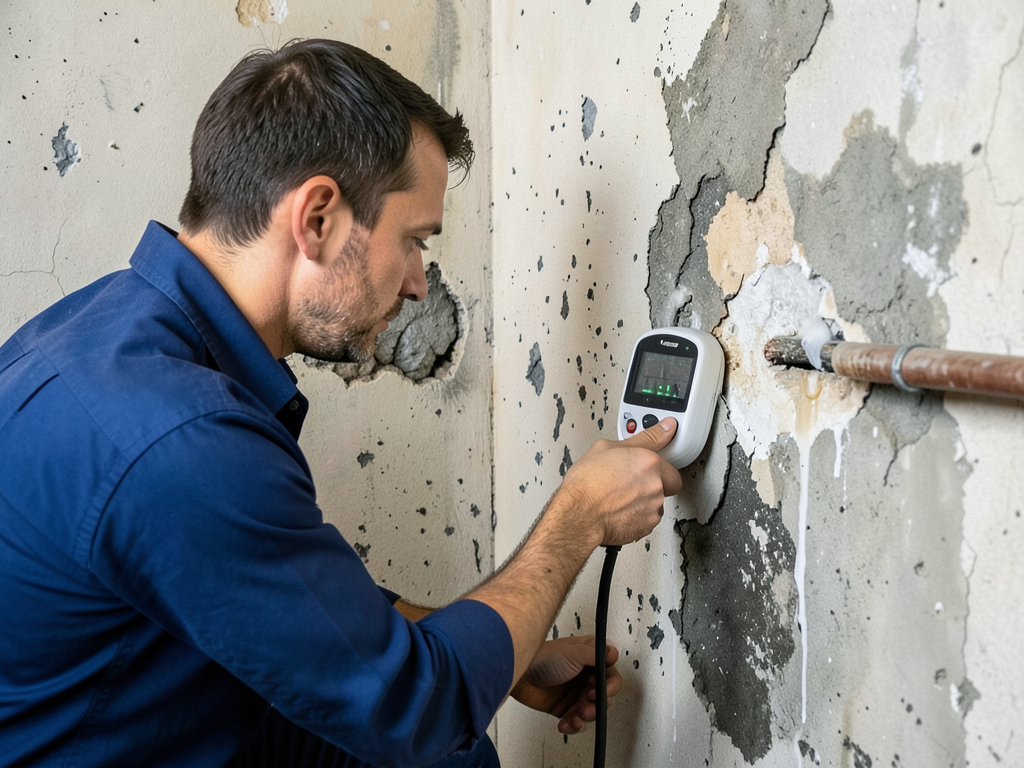
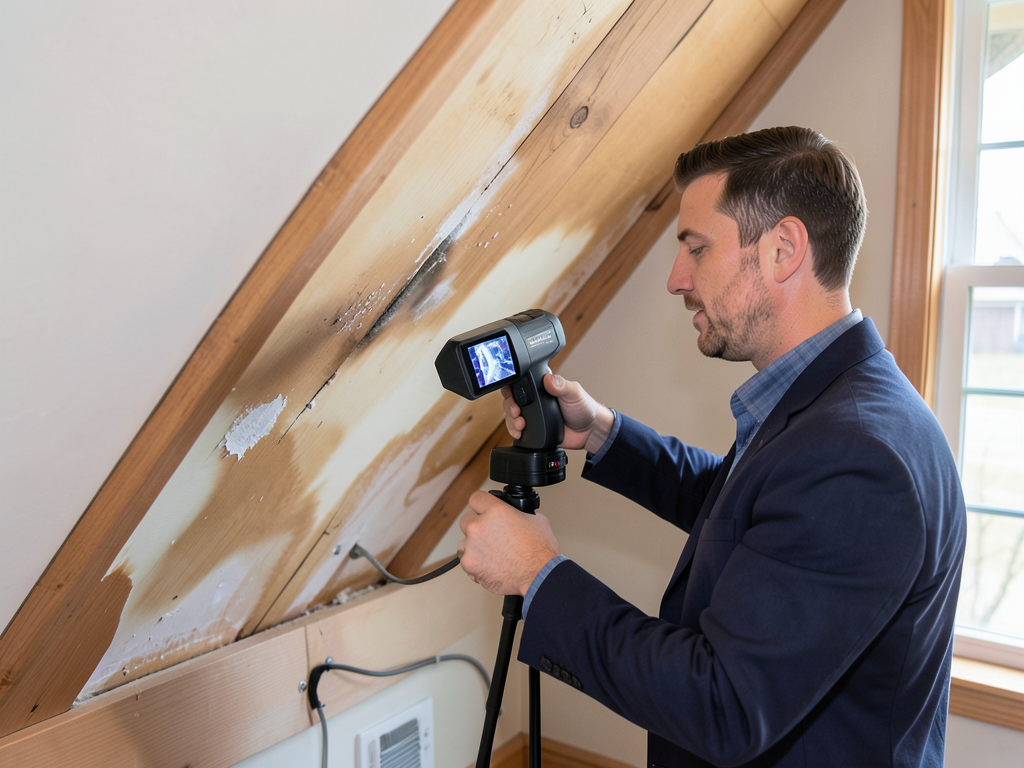
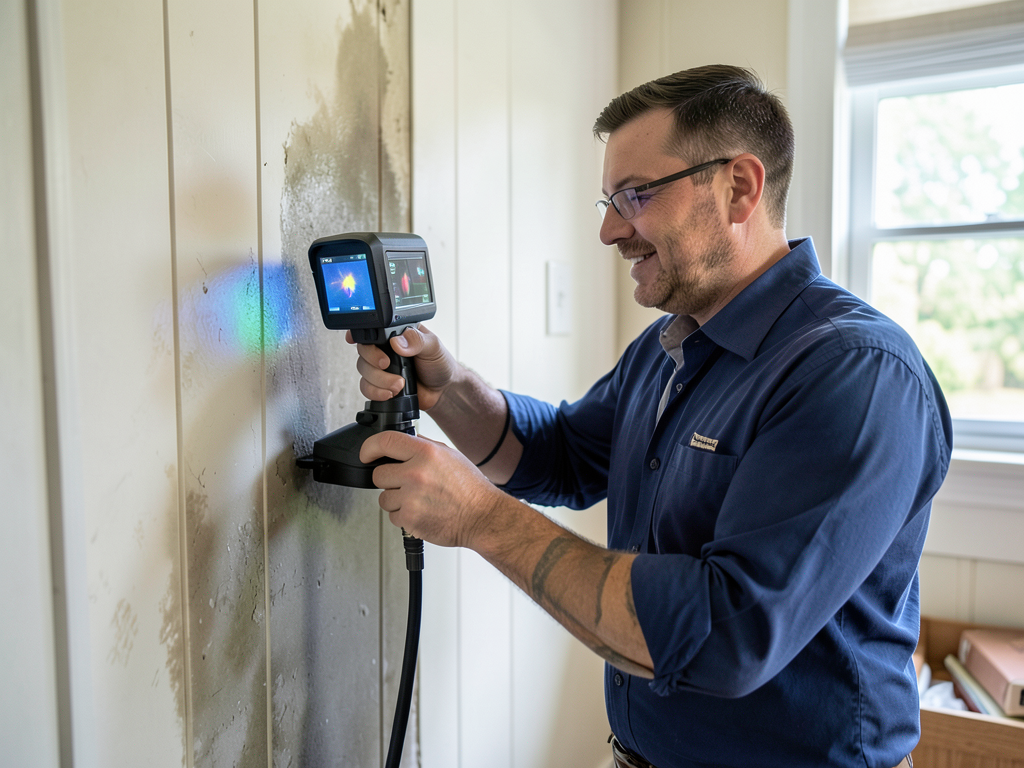
Our technicians use moisture meters, thermal imaging cameras, and ATP surface testing to map contamination spread. We identify all affected materials, including hidden areas behind walls and under flooring. This assessment determines which antimicrobial agents to deploy and which materials require removal versus treatment. You receive a contamination map showing every zone requiring sanitization, with clear explanations of risk levels.
02

Applied Antimicrobial Treatment

We apply EPA-registered disinfectants using electrostatic sprayers that coat all surface angles, including vertical and overhead areas. Porous materials receive injection treatment to reach embedded contamination. HVAC systems undergo separate duct cleaning and antimicrobial fogging to prevent recontamination through air circulation. All treatments follow IICRC S500 protocols for water damage restoration. Dwell times ensure complete pathogen kill before surfaces are considered safe.
03

Odor Neutralization and Verification

Thermal fogging and hydroxyl generation run for 24 to 72 hours, depending on odor severity and space size. We monitor air quality throughout treatment, adjusting equipment as needed. Final verification includes ATP retesting, air sampling for mold spores, and volatile organic compound measurement. You receive a clearance certificate with lab results proving your space meets safe occupancy standards. This documentation satisfies insurance requirements and protects you from future liability claims.

Why Detroit Properties Need Specialized Antimicrobial Expertise

Detroit's building stock presents unique sanitization challenges that generic restoration companies often mishandle. The city's historic homes feature plaster walls, horsehair insulation, and balloon framing that allow contamination to spread vertically through wall cavities. Water travels from a third-floor pipe burst down to the basement, depositing bacteria throughout the structure. Treating only visible damage leaves hidden contamination that erupts as mold growth or persistent odors months later.

Combined sewer systems in older Detroit neighborhoods create sewage backup risks during heavy rain events. When storm drains overflow, raw sewage enters basements through floor drains and sump pits. This Category 3 contamination requires aggressive antimicrobial protocols and often mandates removal of porous materials like drywall and insulation. Companies unfamiliar with sewage remediation protocols expose you to dangerous pathogens and fail to meet insurance restoration standards.

Ironwood Water Damage Restoration Detroit maintains relationships with local environmental labs for rapid microbial testing. We understand Detroit building codes for contaminated material disposal and work directly with Wayne County health inspectors when situations require regulatory oversight. Our technicians train specifically on Great Lakes region humidity control, preventing the secondary mold growth that plagues improper restoration jobs.

We also navigate Detroit's commercial and industrial properties, from Corktown restaurants to New Center office buildings. Business odor problems destroy customer confidence and violate health codes. Our commercial protocols minimize downtime through night and weekend scheduling. We provide interim air scrubbing so you can remain operational during treatment. You receive chain-of-custody documentation for all testing, protecting you from liability claims tied to indoor air quality.

What to Expect From Our Sanitization Process

Rapid Response and Treatment Timeline

We dispatch technicians within two hours of your call for emergency situations. Initial assessment takes 60 to 90 minutes and includes contamination mapping and treatment planning. Antimicrobial application begins the same day. Most residential projects complete sanitization within 24 to 48 hours. Thermal fogging and hydroxyl treatment run continuously during this period. Commercial properties with extensive contamination may require three to five days for complete odor abatement and microbial clearance. We provide daily progress updates and adjust timelines based on verification testing results.

Comprehensive Contamination Evaluation

Our assessment identifies contamination type, affected materials, and health risks. We test surfaces for bacterial activity using ATP meters that provide results in 60 seconds. Air sampling captures mold spore counts and volatile organic compound levels. Moisture mapping reveals hidden water intrusion behind walls and under flooring. You receive a written report explaining findings in plain language, with photos documenting all affected areas. This report outlines our recommended treatment protocol and provides cost estimates for insurance claims. We explain which materials require removal versus treatment, helping you make informed decisions about restoration scope.

Verified Clean Environment

Treatment ends with verification testing that proves contamination elimination. We retest surfaces that showed bacterial activity during initial assessment. Air quality testing measures post-treatment spore counts and confirms volatile organic compound reduction. Results must meet IICRC S500 standards for safe occupancy before we consider the job complete. You receive lab reports and a clearance certificate stating your property passed contamination testing. This documentation satisfies insurance requirements and protects you from future claims. We explain the results in detail so you understand exactly what was achieved.

Post-Treatment Monitoring and Support

We provide follow-up contact 30 days after treatment completion to verify no odors have returned. If you detect any smells or notice potential mold growth, we return for free evaluation within the first 90 days. Our team offers guidance on humidity control and prevention strategies specific to your property type and Detroit's climate. You receive recommendations for dehumidification equipment, drainage improvements, and maintenance schedules that prevent future microbial problems. For commercial clients, we offer quarterly air quality testing and preventive antimicrobial treatment programs that maintain certification compliance.

Frequently Asked Questions

You Have Questions,
We Have Answers

What is the most powerful odor eliminator? +

Hydroxyl generators and ozone machines are the most powerful odor eliminators used by professionals. Hydroxyl technology works at the molecular level to break down odor compounds without requiring evacuation, making it safer for occupied spaces. Ozone treatment is more aggressive but requires the area to be vacant for several hours. For Detroit homes dealing with basement mustiness from high humidity or smoke damage, these methods outperform sprays and air fresheners. Enzymatic cleaners also work well for biological odors like pet urine. The best solution depends on the odor source, space size, and whether people can leave during treatment.

What do nursing homes use to get rid of pee smell? +

Nursing homes use enzymatic cleaners combined with odor-neutralizing sprays containing quaternary ammonium compounds. These break down uric acid crystals at the source rather than masking the smell. Facilities also rely on hydroxyl generators in common areas to continuously neutralize airborne odors without evacuating residents. Regular deep cleaning of mattresses, carpets, and upholstery with commercial-grade extractors prevents odor buildup. In Detroit, where older buildings may have porous flooring, facilities often seal concrete or replace flooring entirely when urine has penetrated below the surface. Professional restoration teams use moisture meters to locate hidden contamination before treating affected areas.

How do I permanently get rid of a bad smell in my house? +

Permanently removing bad smells requires identifying and eliminating the source, not masking it. Start by checking for hidden water damage, mold growth, or decomposing organic matter. In Detroit homes, basements and crawl spaces often harbor moisture problems due to the clay soil and seasonal water table fluctuations. After removing the source, clean all affected surfaces with enzymatic or oxidizing cleaners. Porous materials like drywall or insulation may need replacement if contaminated. Professional sanitization uses thermal fogging or hydroxyl treatment to neutralize airborne molecules. Finally, improve ventilation and control humidity below 60 percent to prevent odor from returning.

What do nurses use to block smells? +

Nurses commonly use mentholated ointments applied under the nose to block strong odors during patient care. Products like Vicks VapoRub or peppermint oil create a barrier scent. Some nurses also wear masks with a drop of essential oil on the outside. These methods provide temporary relief but do not eliminate the odor itself. In clinical settings, nurses rely on proper ventilation, frequent linen changes, and enzymatic cleaners to address the source. For Detroit residents dealing with persistent household odors, these masking techniques offer short-term relief while you arrange professional odor removal and sanitization services.

What is the hardest smell to get rid of? +

Decomposition odors, particularly from biological sources, are the hardest to eliminate. Proteins break down into sulfur compounds, putrescine, and cadaverine, which penetrate porous materials deeply. Skunk spray and smoke damage also rank among the most stubborn because molecules bond to surfaces at a molecular level. In Detroit homes with older plaster walls and wood flooring, these odors can persist for months without professional intervention. Ozone treatment or thermal fogging often becomes necessary. Materials like carpet padding, drywall, and insulation frequently require replacement when saturated. Complete odor removal demands source elimination, deep cleaning, and specialized equipment to neutralize embedded compounds.

What do hotels use to make the room smell good? +

Hotels use a combination of HVAC systems with advanced filtration, scent diffusers in common areas, and strict housekeeping protocols. They wash linens and fabrics in hot water with oxygenated detergents, then use light fragrance sprays between guests. Some properties invest in ozone treatment during deep cleans to reset rooms. The key is maintaining cleanliness, not covering odors with heavy perfumes. Detroit homeowners can replicate this by improving air circulation, washing soft furnishings regularly, and using air purifiers with HEPA filters. Professional sanitization services can perform thermal fogging to achieve that fresh, neutral baseline hotels maintain between occupants.

How do professionals remove urine smells? +

Professionals use a multi-step process to remove urine smells completely. First, they locate all contaminated areas using UV lights and moisture meters, since urine often spreads beyond visible stains. They extract liquids with powerful truck-mounted equipment, then apply enzymatic cleaners that break down uric acid crystals. Subfloor contamination may require removal and replacement of padding or boards. After cleaning, professionals use hydroxyl generators or ozone machines to neutralize airborne molecules. In Detroit homes with older wood flooring, urine can seep between boards and require sanding or sealing. Complete odor removal addresses both surface contamination and penetration into porous materials.

What do morticians use to block smells? +

Morticians use formaldehyde-based embalming fluids to preserve bodies and control decomposition odors. They also rely on activated charcoal filters in ventilation systems and neutralizing sprays containing glutaraldehyde or phenol compounds. Industrial air scrubbers with HEPA and carbon filtration run continuously in preparation rooms. These methods are specialized for morgue environments and not suitable for residential spaces. Detroit homeowners dealing with biological odors from undiscovered deaths or sewage backups should contact professional restoration services. Technicians use similar principles with safer, EPA-approved oxidizers and hydroxyl technology to sanitize homes without toxic chemical exposure or long-term health risks.

How do hospitals get rid of smells? +

Hospitals use medical-grade air filtration systems with HEPA filters and UV-C light to kill airborne pathogens and reduce odors. They clean surfaces with hospital-grade disinfectants containing quaternary ammonium compounds or hydrogen peroxide. Laundry protocols involve high-temperature washing and ozone injection. Ventilation systems exchange air multiple times per hour to prevent odor buildup. Floors are sealed to prevent liquid penetration. Detroit residents can learn from this approach by addressing moisture sources, improving air exchange, and using professional-grade cleaners for biological contamination. When odors persist after DIY efforts, restoration technicians bring hospital-level equipment to sanitize homes thoroughly.

How do rich people make their house smell good? +

Wealthy homeowners invest in whole-home air purification systems, regular deep cleaning services, and fresh flowers or subtle diffusers. They control humidity with HVAC systems to prevent mustiness and replace carpets with hard flooring that does not trap odors. Regular professional cleaning of upholstery, drapes, and HVAC ducts prevents buildup. The secret is maintenance, not masking. Detroit homeowners can achieve similar results by improving ventilation, especially in basements prone to dampness, and scheduling professional duct cleaning annually. Quality air purifiers with activated carbon filters also help. Fresh air circulation matters more than expensive candles when maintaining a clean-smelling home long-term.

How Detroit's Combined Sewer System Creates Sanitization Emergencies

Detroit's combined sewer infrastructure serves 40% of the city, meaning storm drains and sewage lines share the same pipes. During heavy rainfall, the system overflows and raw sewage backs up through basement floor drains. The Detroit Water and Sewerage Department reports thousands of backup incidents annually, concentrated in neighborhoods like Warrendale, Boynton, and Jefferson Chalmers. These events introduce Category 3 contamination containing E. coli, hepatitis A, and parasitic cysts. Standard cleaning cannot eliminate these pathogens. Professional antimicrobial treatment using EPA-registered hospital-grade disinfectants is the only safe remediation method. Without proper sanitization, you face ongoing health risks and potential liability if others enter your property.

Ironwood Water Damage Restoration Detroit maintains certifications in biohazard remediation and follows OSHA bloodborne pathogen protocols for sewage cleanup. We understand Wayne County health department requirements for contaminated material disposal and maintain relationships with licensed waste haulers. Our team coordinates with Detroit Water and Sewerage Department claims processes, providing documentation that supports your reimbursement applications. Choosing a local provider familiar with Detroit's specific infrastructure challenges ensures you receive appropriate treatment protocols and regulatory compliance. Out-of-area companies often underestimate sewage contamination severity and apply inadequate disinfection procedures that leave your property unsafe.
Water Damage Restoration Services in The Detroit Area

Conveniently located to serve the Detroit area, Ironwood is always ready to respond to your water damage emergencies. Explore our service area on the map below or contact us directly to discuss your specific needs. We’re committed to providing prompt, professional service wherever you are within our operational zone, ensuring rapid deployment and effective restoration solutions when you need them most.

Address:
Ironwood Water Damage Restoration Detroit, 15324 Mack Ave, Detroit, MI, 48230

Additional Services We Offer

Our news updates

Latest Articles & News from The Blogs

A slow leak behind a Royal Oak bathroom wall can go unnoticed for weeks. By the time you smell mildew…

Why Smart Leak Detectors Are Worth Every Penny for Your Royal Oak Rental Property

A slow leak behind a Royal Oak bathroom wall can go unnoticed for weeks. By the time you smell mildew…

Why Your Whole House Humidifier in Warren Might Be Ruining Your Drywall

Your furnace runs all winter. Your whole house humidifier works quietly behind the scenes. And somewhere behind that drywall in…

What Black Water Flooding Actually Does to Your Health (A Detroit Homeowner's Guide)

A sewage backup in your Detroit basement is not just a cleanup problem. It is a biohazard event. The water…

Contact Us

Do not risk your health by living or working in a contaminated space. Call Ironwood Water Damage Restoration Detroit at (313) 572-5559 now for immediate assessment and antimicrobial treatment. We provide same-day service and work directly with your insurance company.