




menu

Carpet Water Extraction in Detroit | Fast Response to Prevent Mold and Subfloor Damage

Professional wet carpet extraction services across Detroit and Wayne County. Our certified crews respond within 60 minutes to pull standing water, restore padding, and stop secondary damage before mold takes hold.

Slider Image 1
Slider Image 2
Slider Image 3
Slider Image 4
Slider Image 5
Slider Image 7
Slider Image 8
Slider Image 9
Slider Image 10
Slider Image 11

Why Detroit Homes Face Serious Carpet Flooding Risks

Detroit's freeze-thaw cycles put stress on aging plumbing infrastructure throughout the city. When winter temperatures plunge below 20 degrees, older copper pipes in homes built before 1980 are vulnerable to bursting. A single pinhole leak can release gallons of water per hour directly into carpeted living spaces. Many homes in neighborhoods like Corktown and Indian Village still have original basement drainage systems that cannot handle sudden water intrusion.

The city's clay soil compacts tightly around foundations, which means water does not absorb naturally during heavy spring rains. When Detroit receives over two inches of rain in a 24-hour period, basement seepage becomes common. Water pushes through foundation cracks and saturates carpet fibers, padding, and subfloors within hours. The moisture creates a breeding ground for mold spores, especially in carpets with jute backing.

Detroit homeowners also face water damage from appliance failures. Washing machine supply lines fail after 7 to 10 years of use. Water heaters in basements corrode faster due to the high mineral content in Detroit's municipal water supply. When these appliances fail, they release 40 to 50 gallons of water onto carpeted floors.

Flooded carpet extraction must happen within 24 to 48 hours to prevent permanent damage. Wet carpet becomes a health hazard once microbial growth begins. Emergency carpet water removal protects your home's structural integrity and your family's health.

Why Detroit Homes Face Serious Carpet Flooding Risks
How Professional Water Damage Carpet Extraction Works

How Professional Water Damage Carpet Extraction Works

Carpet water removal requires industrial-grade truck-mount extraction units, not rental shop-vacs. Our teams use hot water extractors that pull moisture from deep within carpet fibers and padding. The vacuum pressure reaches 200 to 300 PSI, which removes up to 95% of standing water in a single pass.

We assess the carpet type before extraction begins. Wool carpets require different handling than synthetic nylon or polyester. Berber loop construction holds more water than cut pile, which means extraction takes longer. We check the padding material because foam rubber padding disintegrates when saturated, while rebond padding can sometimes be salvaged.

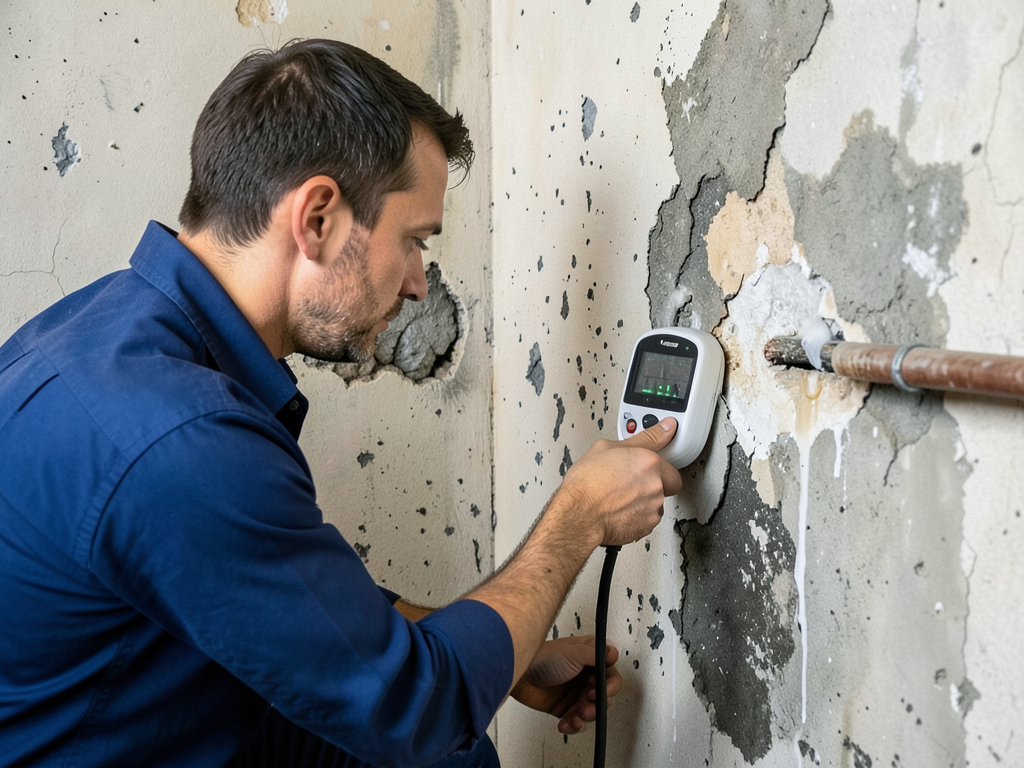
Moisture meters measure the exact water content in carpet, padding, and subfloors. Readings above 20% indicate saturation levels that require padding replacement. We pull back carpet edges to inspect the tack strips and subfloor condition. Wood subfloors warp when moisture content exceeds 16%. Concrete subfloors trap moisture for weeks if not properly dried.

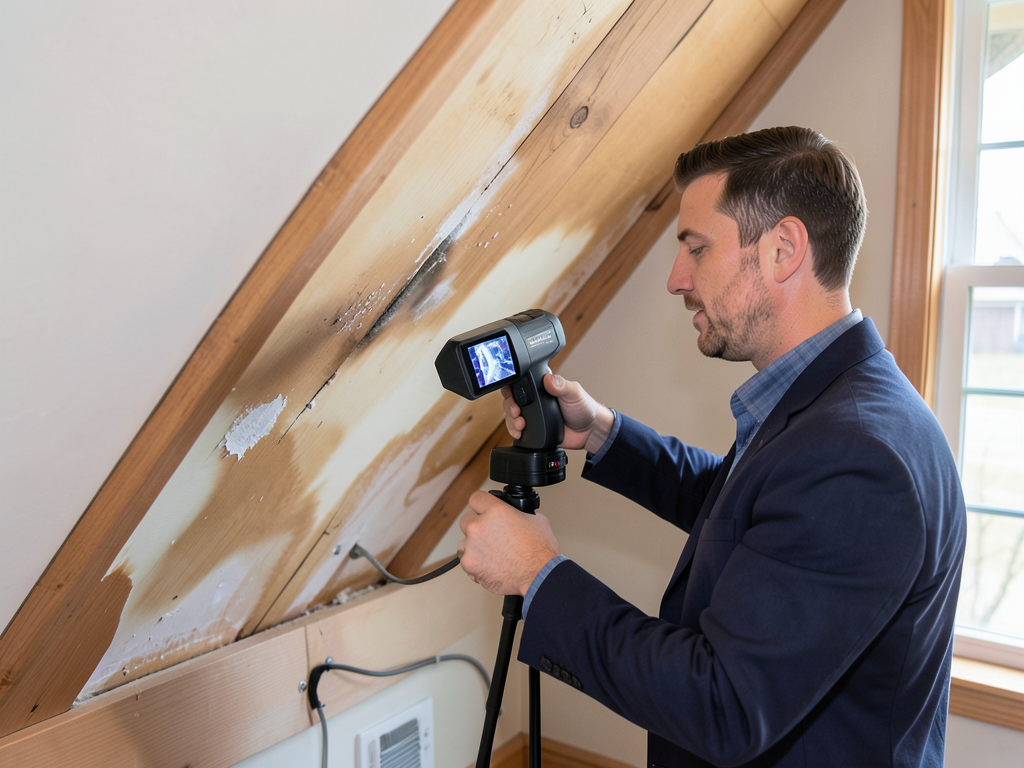
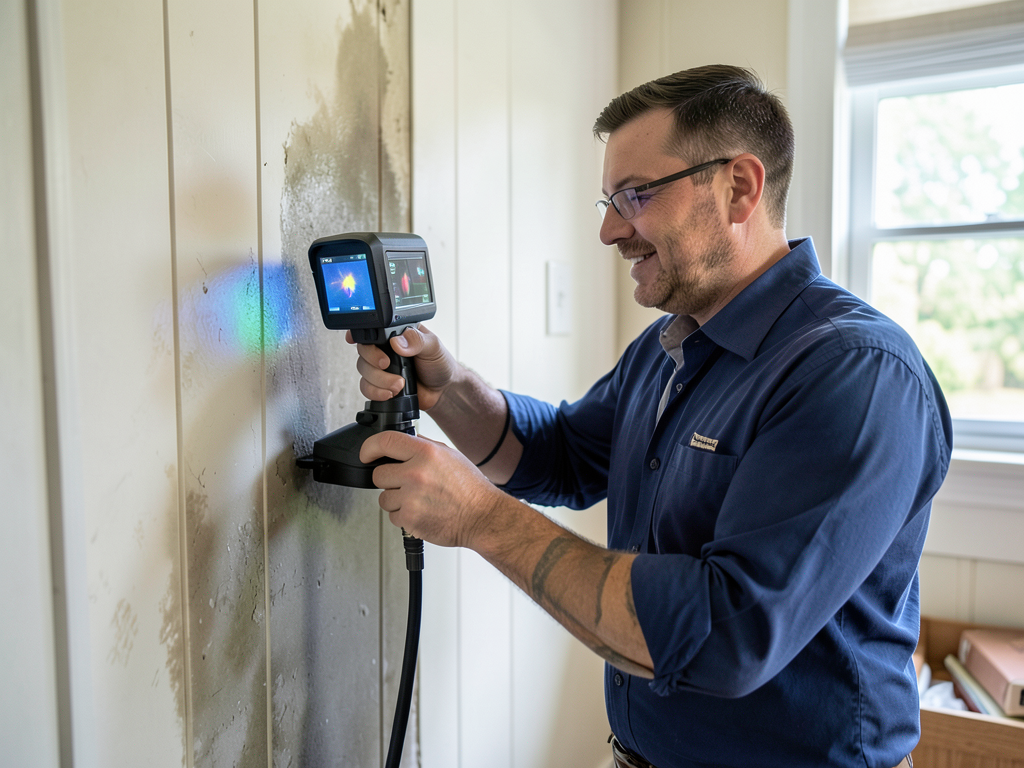
After extraction, we deploy axial air movers and low-grain refrigerant dehumidifiers to remove residual moisture. Air movers create rapid evaporation across carpet surfaces. Dehumidifiers pull moisture from the air before it reabsorbs into building materials. We monitor drying progress with thermal imaging cameras that detect hidden moisture pockets.

Water damage carpet extraction also includes antimicrobial treatment to prevent bacteria and mold growth. We apply EPA-registered disinfectants that are safe for residential use. The treatment penetrates carpet backing and padding remnants to eliminate contamination from Category 2 or Category 3 water sources.

What Happens During Emergency Carpet Extraction

Carpet Water Extraction in Detroit | Fast Response to Prevent Mold and Subfloor Damage
01

Immediate Water Removal

Our crew arrives with truck-mount extractors and portable pumps to remove standing water within the first hour. We extract water from carpet surfaces using wands that reach into corners and under furniture. The initial extraction removes the bulk of water before it spreads to adjacent rooms. We document moisture levels in surrounding walls and baseboards to prevent hidden damage.
02

Padding and Subfloor Assessment

We lift carpet sections to inspect padding condition and subfloor moisture. Saturated padding gets removed and disposed of because it cannot be adequately dried. We check for delamination in carpet backing and measure subfloor moisture content with pin-type and pinless meters. This step determines whether carpet can be saved or needs replacement. We photograph all findings for insurance documentation.
03

Drying and Restoration

High-velocity air movers and commercial dehumidifiers run continuously for 48 to 72 hours. We monitor drying progress twice daily and adjust equipment placement as needed. Once moisture readings return to normal levels, we reinstall carpet with new padding if the original was removed. We apply antimicrobial treatments and perform a final inspection to confirm complete drying and restoration.

Why Detroit Homeowners Choose Ironwood Water Damage Restoration Detroit

Detroit's housing stock includes thousands of homes built between 1920 and 1950. These older homes have unique flooring challenges that require local knowledge. Many properties in neighborhoods like Rosedale Park and Palmer Woods have hardwood floors beneath wall-to-wall carpeting. Water that soaks through carpet can damage irreplaceable hardwood underneath. We understand how to extract water quickly while protecting the original flooring that makes Detroit homes valuable.

Our crews work directly with major insurance carriers that serve Wayne County residents. We know the documentation requirements for State Farm, Allstate, and Auto-Owners Insurance claims. We photograph all damage, document moisture readings, and provide detailed scope reports that adjusters need to approve claims. This speeds up your reimbursement process and reduces your out-of-pocket expenses.

We also understand Detroit's building codes for basement finishing and flooring installation. Many basements in the city were finished without proper vapor barriers or drainage systems. When we restore water-damaged carpets, we identify code violations that contributed to the flooding. We recommend permanent fixes like sump pump installation or French drain systems to prevent future incidents.

Our response time matters in Detroit's winter climate. When temperatures drop below freezing, wet carpet can freeze solid overnight. This destroys carpet fibers and makes extraction impossible. We respond 24 hours a day, 365 days a year, because we know that carpet water removal cannot wait until business hours.

Local expertise also means we stock equipment specifically for Detroit's housing types. We carry extractors sized for narrow basement staircases common in bungalows. We have moisture detection tools calibrated for the high mineral content in local water supplies.

What to Expect When You Call for Carpet Water Extraction

Rapid Emergency Response

We dispatch crews within 60 minutes of your call for emergency situations. Our technicians arrive with full extraction equipment loaded and ready to work. Most residential carpet water removal jobs begin within 90 minutes of initial contact. We operate 24 hours a day because water damage does not follow a schedule. Weekend and holiday response times match our weekday availability. You speak directly with a technician when you call, not an answering service. We provide estimated arrival times and call ahead when our crew is 15 minutes away.

Thorough Damage Assessment

Our initial assessment takes 20 to 30 minutes and covers all affected areas. We use thermal imaging cameras to detect moisture in walls and subfloors that is not visible to the eye. Moisture meters provide exact readings for carpet, padding, and structural materials. We identify the water source and classify the contamination level as Category 1, 2, or 3. This determines the cleaning and disinfection protocols we follow. You receive a written scope of work before any extraction begins. We explain which materials can be saved and which require replacement. Photographs document all damage for your insurance claim.

Complete Moisture Removal

Professional extraction removes over 90% of water from carpet and padding in the first pass. Our drying equipment runs continuously until moisture levels return to normal ranges, which takes 48 to 72 hours for most residential jobs. We monitor progress with daily moisture readings and adjust equipment as needed. You can walk on carpet within hours after extraction, though full drying takes longer. We do not consider the job complete until all moisture readings are at or below 15%. Final inspection includes thermal imaging to confirm no hidden moisture remains. Antimicrobial treatment prevents mold growth during the drying period.

Post-Restoration Documentation

You receive detailed documentation showing moisture readings from start to finish. This includes photographs, thermal images, and a timeline of all work performed. We provide a certificate of completion that confirms all materials are dry and safe. If padding or carpet required replacement, you get copies of all disposal receipts. This documentation satisfies insurance company requirements and protects you from future liability. We also offer recommendations for preventing future water damage based on what we observed during restoration. Follow-up calls ensure you are satisfied with the results and answer any questions about maintaining your restored carpet.

Frequently Asked Questions

You Have Questions,
We Have Answers

How to extract water from carpet? +

Start by removing standing water with a wet vacuum or shop vac. Blot the area with clean towels to absorb surface moisture. Use fans and dehumidifiers to increase air circulation and speed drying. Pull back carpet edges to dry the pad underneath. For significant water damage in Detroit homes, professional extraction equipment works faster. Truck-mounted extractors pull water from deep carpet fibers and padding that household tools miss. The key is acting within the first 24 to 48 hours to prevent mold growth and structural damage to subflooring.

How much does it cost to get water out of carpet? +

Professional carpet water extraction in Detroit ranges from affordable to moderate depending on the extent of damage. Factors include square footage affected, water category (clean, gray, or black water), and whether padding or subflooring needs treatment. A single room typically costs less than whole-home extraction. Emergency service rates may apply for after-hours calls. Many Detroit restoration companies work directly with insurance providers to handle claims and reduce your out-of-pocket expense. Always get a detailed assessment before work begins to understand what your specific situation requires.

What draws urine out of carpet? +

Enzymatic cleaners break down uric acid crystals that cause urine odor and staining. These biological solutions digest the proteins in urine rather than just masking the smell. Apply the enzyme cleaner generously to saturate carpet fibers and padding where urine has penetrated. Allow it to dwell for 10 to 15 minutes before extracting. For severe pet urine damage in Detroit homes, padding replacement may be necessary because urine soaks through to subflooring. Professionals use moisture meters to detect hidden contamination and black lights to identify all affected areas.

How much is carpet extraction? +

Carpet extraction pricing in Detroit depends on the job scope and damage severity. Basic cleaning extraction for routine maintenance differs from emergency water removal after a pipe burst or basement flood. Water category matters. Clean water from supply lines costs less to extract than contaminated water from sewage backups, common in older Detroit neighborhoods during heavy rains. Extraction alone may suffice for minor incidents, but extensive flooding often requires pad replacement, antimicrobial treatment, and structural drying. Request an on-site inspection for accurate pricing based on your specific situation.

How long can carpet be wet before mold? +

Mold can begin growing in wet carpet within 24 to 48 hours under the right conditions. Detroit's humid summers create ideal environments for rapid mold colonization. Carpet padding acts like a sponge and stays wet longer than surface fibers, accelerating mold growth underneath where you cannot see it. Temperature matters too. Warmer conditions speed up mold development. If your carpet has been wet for more than two days, mold is likely present even if not visible. Professional moisture testing identifies hidden problem areas before mold spreads to walls and subflooring.

Does Stanley Steemer do water extraction? +

Stanley Steemer primarily focuses on carpet cleaning rather than emergency water damage restoration. While they offer some water extraction services for minor incidents, their equipment and methods differ from specialized water damage companies. True restoration work requires industrial dehumidifiers, air movers, thermal imaging, and antimicrobial treatments that go beyond standard cleaning. For Detroit homeowners facing significant water damage from burst pipes, flooding, or sewage backups, dedicated restoration companies provide comprehensive drying, monitoring, and documentation needed for insurance claims. Choose a provider based on your specific damage severity and needs.

How long can water stay in carpet? +

Water should not stay in carpet longer than 24 to 48 hours maximum. Beyond that window, mold growth becomes highly probable, especially in Detroit's climate where humidity fluctuates seasonally. Wet carpet also damages subflooring, causes baseboards to warp, and creates conditions for bacteria growth. The padding beneath carpet holds moisture far longer than surface fibers. What feels dry on top often remains saturated underneath. Standing water also wicks up walls through drywall, causing secondary damage. Speed matters in water damage situations. Immediate extraction prevents minor incidents from becoming major restoration projects.

Can water damaged carpet be saved? +

Water damaged carpet can often be saved if you act within 24 to 48 hours and the water source is clean. Category 1 water from supply lines responds well to professional extraction and drying. Category 3 water from sewage or flooding requires carpet replacement due to contamination. Age and quality matter too. Older carpet with worn backing may delaminate when wet. Detroit homes with basement carpeting face higher replacement rates because concrete holds moisture longer. Professionals use moisture meters to determine if carpet and padding have dried adequately or need replacement to prevent hidden mold growth.

How to remove large amounts of water from carpet? +

Remove large water volumes using a truck-mounted extraction system, not household vacuums. Professional equipment pulls hundreds of gallons from carpet and padding in hours. Start by extracting standing water, then use weighted extraction tools that compress carpet fibers to release trapped moisture. Position commercial air movers to create airflow across the carpet surface. Run dehumidifiers to remove moisture from the air and prevent reabsorption. Pull back carpet edges to dry the pad separately. In Detroit's older homes with poor ventilation, professional equipment dries carpets faster than fans alone, reducing mold risk.

What do professional carpet cleaners use for urine? +

Professional carpet cleaners use enzymatic treatments specifically formulated to break down urine proteins and eliminate odor at the molecular level. These cleaners contain bacteria cultures that digest organic waste rather than covering it up. Professionals apply enough solution to reach the carpet backing and padding where urine penetrates. They use extraction equipment to remove the enzyme solution along with dissolved contaminants. For severe cases, professionals may inject treatment into padding or recommend replacement. UV lights identify all affected areas including old stains invisible to the naked eye, ensuring complete treatment and odor elimination.

How Detroit's Aging Infrastructure Increases Carpet Flooding Frequency

Detroit's water and sewer system includes over 3,000 miles of underground pipes, with many sections installed before 1950. The city experiences hundreds of water main breaks each year, particularly during winter freeze-thaw cycles. When mains break on residential streets, water can back up through basement drains and flood finished spaces with carpeting. Homes in areas like Brightmoor and Grandmont-Rosedale face additional risk from combined sewer systems that overflow during heavy rain events. This creates Category 3 contamination that requires immediate carpet disposal and subfloor disinfection, not just extraction.

Working with a local water damage restoration company means faster response when infrastructure failures cause flooding. We monitor city water main break reports and severe weather alerts that affect Detroit neighborhoods. Our crews know which streets flood first during heavy rains and which areas have the oldest plumbing systems. This local knowledge helps us respond proactively when you call. We also maintain relationships with Detroit-area insurance agents and adjusters who handle water damage claims daily. These connections help expedite your claim approval and reimbursement timeline.
Water Damage Restoration Services in The Detroit Area

Conveniently located to serve the Detroit area, Ironwood is always ready to respond to your water damage emergencies. Explore our service area on the map below or contact us directly to discuss your specific needs. We’re committed to providing prompt, professional service wherever you are within our operational zone, ensuring rapid deployment and effective restoration solutions when you need them most.

Address:
Ironwood Water Damage Restoration Detroit, 15324 Mack Ave, Detroit, MI, 48230

Additional Services We Offer

Our news updates

Latest Articles & News from The Blogs

A slow leak behind a Royal Oak bathroom wall can go unnoticed for weeks. By the time you smell mildew…

Why Smart Leak Detectors Are Worth Every Penny for Your Royal Oak Rental Property

A slow leak behind a Royal Oak bathroom wall can go unnoticed for weeks. By the time you smell mildew…

Why Your Whole House Humidifier in Warren Might Be Ruining Your Drywall

Your furnace runs all winter. Your whole house humidifier works quietly behind the scenes. And somewhere behind that drywall in…

What Black Water Flooding Actually Does to Your Health (A Detroit Homeowner's Guide)

A sewage backup in your Detroit basement is not just a cleanup problem. It is a biohazard event. The water…

Contact Us

Water spreads through carpet at a rate of one foot per hour. Every minute you wait increases damage and restoration difficulty. Call Ironwood Water Damage Restoration Detroit at (313) 572-5559 for immediate dispatch. Our crews are standing by 24 hours a day to protect your home.