





Livonia sits on dense clay soil that prevents proper drainage, causing basement seepage during spring thaw and heavy rain events. The city's aging housing stock, concentrated in neighborhoods like Rosedale Gardens and Castle Gardens, features original cast iron drain lines and galvanized supply pipes from the 1950s. These corrode from the inside, bursting without warning and flooding finished basements.
Winter freeze-thaw cycles crack foundation walls near the frost line, letting groundwater seep through during snowmelt. Properties near the Middle Rouge River and Newburgh Lake experience elevated water tables that push moisture through basement floors. Livonia's strict building codes require professional remediation documentation before occupancy permits get reissued after flooding.
The combination of clay soil, vintage plumbing infrastructure, and harsh Michigan winters creates constant water intrusion risks. Sump pump failures during spring storms leave basements under inches of water within hours. Burst washing machine hoses on second floors cascade through ceilings into living spaces. Ice dams on north-facing rooflines melt into attic insulation, creating mold growth before homeowners notice ceiling stains.
Ironwood Water Damage Restoration Detroit operates from our facility on Plymouth Road, giving us faster response times to every Livonia neighborhood than companies dispatching from downtown Detroit or Ann Arbor. We know which streets flood first during heavy rain, which subdivisions have chronic sump pump issues, and which insurance adjusters handle Livonia claims.
Our crews train on the specific challenges of Livonia's housing stock. We understand how water travels through ranch-style homes with crawl spaces versus two-story colonials with finished basements. We know the difference between remediating water damage in original hardwood floors from the 1940s versus laminate installed during 2000s renovations. This experience prevents secondary damage that inexperienced crews miss.
We maintain relationships with Livonia building inspectors, so our remediation documentation meets city requirements the first time. Your occupancy permit doesn't get delayed by paperwork issues. We stock parts for the Zoeller and Wayne sump pumps common in Livonia basements, so emergency repairs happen immediately instead of waiting for supply orders.
Insurance companies recognize our documentation standards. We photograph damage progression, maintain moisture readings throughout drying, and provide detailed scope sheets that adjusters approve without negotiation. Your claim moves faster because we speak the same language as State Farm, Auto Club, and Meemic agents serving Livonia.
Our guarantee is simple: if moisture readings don't reach acceptable levels within our estimated timeline, we keep drying at no additional cost. We don't leave until your property is genuinely dry, not just surface dry.

Our crews roll to Livonia properties within one hour of your call, day or night. We stage emergency equipment on Plymouth Road, cutting response time by 40 minutes compared to companies dispatching from metro Detroit. Faster arrival means less water absorption into drywall, flooring, and structural materials, reducing total restoration costs.

We communicate directly with your insurance adjuster, submitting documentation that meets carrier standards for State Farm, Allstate, and other companies serving Livonia. You receive a detailed scope sheet and moisture map within 24 hours. We handle supplement negotiations, so you don't argue with adjusters about covered repairs.
Every technician holds Institute of Inspection Cleaning and Restoration Certification in water damage restoration. We follow ANSI/IICRC S500 standards for drying velocity, humidity control, and antimicrobial application. Our moisture documentation satisfies Livonia building inspectors and insurance engineers who verify remediation quality before approving claims.
We've remediated water damage in hundreds of Livonia homes from Burton Hollow to Laurel Park. We know how water behaves in ranch crawl spaces versus colonial basements, and which foundation types leak during spring thaw. This experience prevents the secondary mold damage that happens when crews miss hidden moisture in wall cavities.
Water damage remediation requires coordinated expertise across extraction, structural drying, microbial remediation, and reconstruction. Ironwood handles every phase in-house, eliminating the delays and finger-pointing that happen when multiple contractors get involved. Our crews arrive with truck-mounted extraction units pulling 400 gallons per hour, industrial dehumidifiers processing 200 pints daily, and thermal cameras detecting moisture trapped in wall cavities.
We categorize water by contamination level, applying different protocols for clean supply line breaks versus sewage backups. Clean water gets extracted and materials dried in place when possible. Gray water from washing machines or dishwashers requires antimicrobial treatment. Black water from sewer backups demands removal of all porous materials that contacted contamination.
Our service structure covers emergency response, complete remediation, and final reconstruction. You work with one company from the moment water appears until your home looks like flooding never happened. No coordinating between emergency crews, remediation specialists, and rebuild contractors. One timeline, one point of contact, one warranty covering all work.
Our emergency response teams deploy truck-mounted extractors and submersible pumps to remove standing water from basements, crawl spaces, and living areas. We relocate furniture to dry areas, pull wet carpet padding, and remove soaked insulation before saturation spreads to structural framing. Thermal imaging identifies water migration paths through walls and ceilings. We document pre-loss conditions and photograph damage progression for insurance claims, establishing immediate mitigation to prevent coverage disputes.
We install commercial dehumidifiers and air movers in calculated configurations that create proper drying velocity across all affected materials. Moisture meters track humidity levels in drywall, hardwood, and framing lumber twice daily. We maintain psychrometric charts documenting temperature, relative humidity, and dew point throughout the drying cycle. Antimicrobial application prevents mold colonization during the 3-7 day drying window. Our process meets IICRC S500 standards for acceptable moisture content before reconstruction begins.
After drying verification, our reconstruction crews remove unsalvageable materials and rebuild to match existing finishes. We replace drywall, reinstall insulation, refinish hardwood floors, and repaint to original colors. Plumbing repairs address the source failure that caused flooding. Electrical outlets below flood lines get replaced per code requirements. We coordinate inspections with Livonia building officials, ensuring all work meets permit requirements before final walkthrough and warranty activation.
Livonia's housing infrastructure creates predictable failure points that cause water intrusion. Properties built during the city's 1950s expansion boom now face systematic component failures as original plumbing, foundations, and drainage systems exceed their design lifespan. The clay soil composition prevents water absorption, forcing groundwater against foundation walls and overwhelming perimeter drain systems during heavy rain.
Spring freeze-thaw cycles crack concrete foundations and shift clay soil, opening gaps where water enters crawl spaces and basements. Summer storms overwhelm combined sewer systems in older neighborhoods, backing sewage into basement drains. Winter ice dams form on rooflines, melting through attic spaces into insulation and ceiling drywall.
These conditions combine with aging building components to create water damage events that require immediate professional intervention. Understanding which problems affect your property type helps you recognize warning signs before minor leaks become major flooding.
Clay soil saturates during spring snowmelt and summer storms, creating hydrostatic pressure that forces water through foundation cracks and floor joints. Perimeter drains clog with sediment, eliminating the relief path for groundwater. Water appears along basement walls or bubbles up through floor cracks. Chronic seepage creates perfect conditions for mold growth in finished basements.
Original galvanized pipes corrode from inside, restricting water flow before bursting without warning. Copper pinhole leaks develop in water with high mineral content. Plastic supply lines freeze in exterior walls during extreme cold snaps. A single burst line releases hundreds of gallons before homeowners locate the main shutoff valve, flooding multiple rooms and saturating building materials.
Sump pumps fail during spring storms when they're needed most. Float switches stick in the off position. Discharge lines freeze, causing motors to burn out. Power outages during severe weather eliminate pumping capacity just as water tables rise. Basements flood within hours when sump systems fail, saturating carpet, drywall, and stored belongings.
Washing machine supply hoses burst from age and pressure cycling, releasing pressurized water until someone shuts the supply valves. Water heaters fail at tank seams, flooding mechanical rooms and adjacent spaces. Dishwasher supply connections leak at compression fittings. Second-floor appliance failures cascade through ceilings into first-floor living spaces, causing extensive damage before detection.
Water emergencies create chaos. You're stressed, your property is damaged, and you need help immediately. We've handled thousands of water damage calls, and we know exactly what you're going through. Our process eliminates confusion by giving you a clear timeline, consistent communication, and realistic expectations about what happens next.
When you call our emergency line, you reach a trained water damage specialist, not an answering service. We ask specific questions about water source, affected areas, and current conditions. This information determines which equipment we load and which crew dispatches to your property. You receive an estimated arrival time within minutes of hanging up.
Our goal is simple: stop water damage progression, protect salvageable materials, and restore your property to pre-loss condition. We explain every step before it happens, involve you in decisions that affect your property, and maintain transparent communication with you and your insurance company throughout the restoration timeline.
Our truck arrives within 60 minutes, equipped for immediate water extraction. We conduct a room-by-room assessment, photographing damage and testing moisture levels in walls, floors, and ceilings. You receive a verbal explanation of what we found, which materials can be saved, and what requires replacement. We identify the water source and determine if immediate repairs are needed to prevent continued flooding.
We create a detailed scope sheet with moisture readings, damage photos, and recommended remediation steps within 24 hours. This documentation goes directly to your insurance adjuster with our contact information. You receive copies of everything we submit. We schedule the adjuster inspection, walk them through the property, and answer their questions. If supplements are needed for additional damage discovered during drying, we handle those negotiations.
We don't consider the job complete until moisture readings reach acceptable levels and reconstruction matches your home's original condition. You participate in a final walkthrough where we demonstrate dry readings with moisture meters and verify that all work meets your standards. We provide written documentation of final moisture levels and a warranty covering our remediation and reconstruction work.
Water damage restoration follows a structured sequence that prevents secondary damage and ensures complete drying. We've refined this process across thousands of projects to maximize material salvage, minimize drying time, and eliminate mold risk.
We extract standing water using truck-mounted pumps and portable extractors, removing hundreds of gallons within the first hour. Wet materials get pulled immediately, carpet padding removed, and soaked contents relocated to dry areas. We identify the water source, stop ongoing flooding if possible, and document pre-loss conditions through photos and video. Initial moisture readings establish baseline humidity levels in affected materials.
Industrial dehumidifiers and air movers create optimal drying conditions across all saturated materials. We monitor temperature, humidity, and moisture content twice daily, adjusting equipment placement to maintain proper air velocity. Antimicrobial treatments prevent mold colonization during the drying cycle. This phase continues until moisture meters confirm all materials have reached acceptable dryness levels per IICRC standards.
After drying verification, we remove unsalvageable materials and begin reconstruction. Drywall gets replaced, insulation reinstalled, and flooring restored to match existing finishes. We coordinate required inspections with Livonia building officials, ensuring all work meets code. Final walkthrough includes moisture verification readings and warranty documentation. Your property returns to pre-loss condition with no visible evidence of water damage.
Professional water damage restoration follows specific protocols established by the Institute of Inspection Cleaning and Restoration Certification. These standards aren't optional recommendations, they're insurance industry requirements that determine whether your claim gets approved or denied. Understanding these technical aspects helps you recognize legitimate restoration companies versus operations that extract water but don't actually remediate damage.
The ANSI/IICRC S500 Standard and Reference Guide for Professional Water Damage Restoration establishes three water categories based on contamination level. Category 1 is clean water from supply lines or rain. Category 2 is gray water containing chemical or biological contamination from appliances or toilets without fecal matter. Category 3 is black water containing sewage or bacterial contamination. Each category requires different handling protocols, disposal procedures, and antimicrobial treatments.
Proper remediation measures relative humidity, temperature, and material moisture content using calibrated hygrometers and moisture meters. Drying equipment placement follows psychrometric principles that calculate optimal air velocity for evaporation rates. Dehumidifier capacity must match room volume and moisture load. Air movers position at specific angles to create laminar airflow across wet surfaces without causing condensation in cold spots.
Livonia building codes require licensed contractors for water damage repairs exceeding $500 in value. Electrical work below flood lines must meet National Electrical Code requirements for ground fault protection. Mold remediation triggers notification requirements to the Michigan Department of Licensing and Regulatory Affairs when affected areas exceed ten square feet. Insurance companies verify that contractors carry general liability and workers compensation coverage before approving claim payments.
Documentation requirements include moisture mapping, psychrometric charts, daily monitoring logs, and photographic evidence of damage progression. This paperwork satisfies insurance adjusters, building inspectors, and mold assessors who verify remediation quality. Incomplete documentation causes claim delays or denials, leaving homeowners liable for restoration costs.
Water damage categorization determines which materials get dried versus removed. Clean water allows drying porous materials like drywall and insulation. Gray water requires antimicrobial treatment and often disposal of affected materials. Black water contamination demands removal of all porous materials that contacted sewage. Misclassifying water category creates health hazards and insurance claim disputes.
Acceptable moisture levels vary by material type and building use. Drywall should read below 1% on pin-type meters. Wood framing requires readings under 15% moisture content. Concrete floors must reach below 4% before flooring installation. Insurance adjusters reject claims when final readings exceed these thresholds, considering remediation incomplete.
Complete structural drying takes 3-7 days depending on water volume, affected materials, and environmental conditions. Hardwood floors require slower drying to prevent cupping. Plaster walls need lower air velocity than drywall. Humidity levels, outdoor temperature, and ventilation access all affect drying speed. Companies promising 24-hour drying are surface drying, leaving moisture trapped in wall cavities.
Michigan requires builders licenses for restoration work exceeding $600 in value. Contractors must carry $500,000 general liability insurance and workers compensation coverage. Livonia building permits are mandatory for electrical, plumbing, and structural repairs following water damage. Work performed without proper licensing and permits creates insurance claim complications and potential liability for homeowners.
Professional water damage restoration overview for Livonia homeowners covering emergency extraction procedures, structural drying standards, insurance coordination, and complete restoration timelines. Explains why Livonia properties face water intrusion from clay soil, aging plumbing infrastructure, and foundation issues. Details IICRC remediation protocols, moisture measurement requirements, and reconstruction processes following basement flooding, burst pipes, and appliance failures.
Ironwood Water Damage Restoration Detroit provides emergency water damage services throughout Livonia, from historic Rosedale Gardens in the northeast to newer developments near Laurel Park in the southwest. Our Plymouth Road location gives us direct access to major transportation corridors, putting our crews within minutes of properties along Middlebelt Road, Farmington Road, and Newburgh Road.
We serve the established neighborhoods surrounding Greenmead Historical Park, where original 1950s ranch homes face chronic basement seepage from clay soil and aging perimeter drains. Properties in Castle Gardens and Coventry Gardens experience similar groundwater intrusion challenges, compounded by mature tree roots infiltrating drain lines. Our crews know which streets flood first during heavy rain and which sump pump configurations work best in these vintage homes.
The Burton Hollow and Windridge subdivisions feature split-level construction with crawl spaces that trap moisture after supply line failures. We've remediated dozens of properties in these areas, understanding how water migrates through their unique floor plans. North of Five Mile Road, properties backing to the Middle Rouge River face elevated water tables during spring snowmelt, requiring aggressive dehumidification to prevent recurring mold growth.
Homes near Newburgh Lake and surrounding the Fox Creek Golf Course sit in low-lying areas where surface water collects during storms. These properties benefit from our experience with foundation waterproofing coordination and exterior drainage solutions that prevent repeat flooding. The commercial corridor along Seven Mile Road includes retail spaces and office buildings where water damage threatens inventory and business operations. We prioritize rapid response for commercial properties, minimizing downtime and revenue loss.
South Livonia neighborhoods near Wayne-Westland border feature newer construction with different challenges. Modern plastic drain systems fail at compression fittings, and open floor plans allow water to spread quickly across large areas. Properties in the Quakertown subdivision and areas surrounding Bicentennial Park require specialized drying configurations for their great room layouts and finished basements.
We maintain service relationships throughout Livonia's 36-square-mile area, responding to properties along the I-96 corridor, near Schoolcraft College, and in every subdivision between Plymouth Township and Westland. Our knowledge of Livonia's building patterns, soil conditions, and infrastructure challenges ensures we arrive prepared with the right equipment and expertise for your specific property type and location.
Water damage restoration costs in Livonia vary based on the source, category of water, and affected area size. A small leak in one room might run a few hundred dollars, while basement flooding or burst pipes affecting multiple rooms costs significantly more. Category 3 water (sewage) requires specialized handling and costs more than clean water. Your insurance coverage, deductible, and whether the damage is sudden or gradual all impact your out-of-pocket expense. Most Livonia restoration companies offer free inspections and work directly with your insurance adjuster to document the scope before starting work.
Yes, professional restoration prevents far costlier problems down the road. Water seeps into wall cavities, subfloors, and insulation where you cannot see it. Without proper extraction and drying, you face mold growth within 24 to 48 hours, structural wood rot, and compromised framing. Livonia homes built on clay soil already deal with foundation movement. Adding water damage accelerates deterioration. DIY efforts miss hidden moisture that professional meters and thermal imaging detect. The upfront restoration cost is a fraction of what you will pay for mold remediation, floor replacement, or structural repairs later.
Water remediation stops the damage and removes the immediate threat. It includes water extraction, removing soaked materials, and drying the structure. Restoration brings your property back to pre-loss condition. This means replacing drywall, flooring, baseboards, and repainting. Some Livonia companies handle both phases. Others only do remediation and refer you to contractors for rebuilding. Understanding this difference helps you ask the right questions upfront. You want a company that coordinates the entire process or clearly explains who handles what, so you are not stuck managing multiple vendors while dealing with displacement.
Water damage restoration costs in Livonia vary based on the source, category of water, and affected area size. A small leak in one room might run a few hundred dollars, while basement flooding or burst pipes affecting multiple rooms costs significantly more. Category 3 water (sewage) requires specialized handling and costs more than clean water. Your insurance coverage, deductible, and whether the damage is sudden or gradual all impact your out-of-pocket expense. Most Livonia restoration companies offer free inspections and work directly with your insurance adjuster to document the scope before starting work.
Yes, professional restoration prevents far costlier problems down the road. Water seeps into wall cavities, subfloors, and insulation where you cannot see it. Without proper extraction and drying, you face mold growth within 24 to 48 hours, structural wood rot, and compromised framing. Livonia homes built on clay soil already deal with foundation movement. Adding water damage accelerates deterioration. DIY efforts miss hidden moisture that professional meters and thermal imaging detect. The upfront restoration cost is a fraction of what you will pay for mold remediation, floor replacement, or structural repairs later.
Water remediation stops the damage and removes the immediate threat. It includes water extraction, removing soaked materials, and drying the structure. Restoration brings your property back to pre-loss condition. This means replacing drywall, flooring, baseboards, and repainting. Some Livonia companies handle both phases. Others only do remediation and refer you to contractors for rebuilding. Understanding this difference helps you ask the right questions upfront. You want a company that coordinates the entire process or clearly explains who handles what, so you are not stuck managing multiple vendors while dealing with displacement.
Stop the water source if safe to do so. Shut off the main water valve for pipe bursts or turn off supply lines to appliances. Move furniture and valuables to dry areas. Do not enter standing water if electrical outlets are submerged. Document everything with photos and video before touching anything. Call your insurance company immediately to open a claim. Then contact a local Livonia water restoration company for emergency extraction. Time matters. Every hour increases absorption into subflooring and walls. Professional equipment removes water faster than shop vacuums and starts the drying process correctly.
Most homeowners insurance policies cover sudden and accidental water damage, like burst pipes, appliance malfunctions, or roof leaks from storm damage. Insurance typically does not cover gradual damage from long-term leaks or flood water from outside sources. Flood damage requires separate flood insurance. Sewer backup coverage is often an add-on endorsement. Read your Livonia policy declarations page to understand your coverage limits and deductible. Restoration companies experienced with insurance claims document everything properly, communicate directly with adjusters, and help you understand what your policy covers before starting work.
Timeline depends on damage severity and affected materials. Small water damage might take three to five days for drying and another week for restoration. Extensive flooding affecting multiple rooms or requiring demolition can take two to three weeks or longer. Every property is different. Livonia homes with finished basements or older plaster walls take longer to dry than newer construction. Reputable companies use moisture meters to verify dryness before moving to restoration phases. Rushing the process traps moisture and causes mold. Ask for a detailed timeline based on your specific situation, not generic estimates.
The average water damage claim in Michigan ranges from three thousand to seven thousand dollars, but claims vary dramatically. A toilet overflow in one bathroom sits at the lower end. Basement flooding or second-story pipe bursts affecting multiple levels can exceed twenty thousand dollars. Category of water, square footage affected, flooring type, and how quickly you respond all impact claim size. Your deductible reduces your payout. Livonia homeowners with finished basements typically file higher claims because water affects living spaces, not just utility areas. Insurance companies review documentation closely, so thorough evidence matters.
Mold spores begin colonizing within 24 to 48 hours in the right conditions. Livonia's humid summers accelerate growth. Porous materials like drywall, insulation, and carpet provide ideal food sources. You might not see visible mold for several days, but microscopic growth starts immediately. Temperature between 60 and 80 degrees combined with moisture creates perfect conditions. This is why emergency water extraction matters. Waiting even one day significantly increases mold risk. Professional drying equipment and dehumidifiers reduce humidity levels quickly, disrupting the growth cycle before colonies establish in wall cavities and under flooring.
Call immediately for any water damage beyond a small, contained spill you can dry within hours. Burst pipes, appliance failures, sewage backups, sump pump failures, and roof leaks all require professional response. If water reaches carpet padding, soaks drywall more than a few inches high, or pools on flooring, you need extraction equipment and industrial dehumidifiers. Livonia homeowners should also call for basement seepage after heavy rain, even if it seems minor. Moisture meters detect hidden saturation you cannot see. The 24 to 48 hour mold window means acting fast protects your property and health.
Plumbers fix the source but rarely handle restoration. They repair burst pipes, replace water heaters, or fix supply lines. Once they stop the leak, you need a water damage restoration company for extraction, drying, demolition, and rebuilding. Some full-service restoration companies employ licensed plumbers on staff for convenience. This helps because you deal with one company instead of coordinating multiple trades. Ask Livonia restoration companies upfront whether they handle plumbing repairs or if you need to hire separately. Getting the source fixed and water removed quickly prevents secondary damage while you are waiting.
Stop the water source if safe to do so. Shut off the main water valve for pipe bursts or turn off supply lines to appliances. Move furniture and valuables to dry areas. Do not enter standing water if electrical outlets are submerged. Document everything with photos and video before touching anything. Call your insurance company immediately to open a claim. Then contact a local Livonia water restoration company for emergency extraction. Time matters. Every hour increases absorption into subflooring and walls. Professional equipment removes water faster than shop vacuums and starts the drying process correctly.
Most homeowners insurance policies cover sudden and accidental water damage, like burst pipes, appliance malfunctions, or roof leaks from storm damage. Insurance typically does not cover gradual damage from long-term leaks or flood water from outside sources. Flood damage requires separate flood insurance. Sewer backup coverage is often an add-on endorsement. Read your Livonia policy declarations page to understand your coverage limits and deductible. Restoration companies experienced with insurance claims document everything properly, communicate directly with adjusters, and help you understand what your policy covers before starting work.
Timeline depends on damage severity and affected materials. Small water damage might take three to five days for drying and another week for restoration. Extensive flooding affecting multiple rooms or requiring demolition can take two to three weeks or longer. Every property is different. Livonia homes with finished basements or older plaster walls take longer to dry than newer construction. Reputable companies use moisture meters to verify dryness before moving to restoration phases. Rushing the process traps moisture and causes mold. Ask for a detailed timeline based on your specific situation, not generic estimates.
The average water damage claim in Michigan ranges from three thousand to seven thousand dollars, but claims vary dramatically. A toilet overflow in one bathroom sits at the lower end. Basement flooding or second-story pipe bursts affecting multiple levels can exceed twenty thousand dollars. Category of water, square footage affected, flooring type, and how quickly you respond all impact claim size. Your deductible reduces your payout. Livonia homeowners with finished basements typically file higher claims because water affects living spaces, not just utility areas. Insurance companies review documentation closely, so thorough evidence matters.
Mold spores begin colonizing within 24 to 48 hours in the right conditions. Livonia's humid summers accelerate growth. Porous materials like drywall, insulation, and carpet provide ideal food sources. You might not see visible mold for several days, but microscopic growth starts immediately. Temperature between 60 and 80 degrees combined with moisture creates perfect conditions. This is why emergency water extraction matters. Waiting even one day significantly increases mold risk. Professional drying equipment and dehumidifiers reduce humidity levels quickly, disrupting the growth cycle before colonies establish in wall cavities and under flooring.
Call immediately for any water damage beyond a small, contained spill you can dry within hours. Burst pipes, appliance failures, sewage backups, sump pump failures, and roof leaks all require professional response. If water reaches carpet padding, soaks drywall more than a few inches high, or pools on flooring, you need extraction equipment and industrial dehumidifiers. Livonia homeowners should also call for basement seepage after heavy rain, even if it seems minor. Moisture meters detect hidden saturation you cannot see. The 24 to 48 hour mold window means acting fast protects your property and health.
Plumbers fix the source but rarely handle restoration. They repair burst pipes, replace water heaters, or fix supply lines. Once they stop the leak, you need a water damage restoration company for extraction, drying, demolition, and rebuilding. Some full-service restoration companies employ licensed plumbers on staff for convenience. This helps because you deal with one company instead of coordinating multiple trades. Ask Livonia restoration companies upfront whether they handle plumbing repairs or if you need to hire separately. Getting the source fixed and water removed quickly prevents secondary damage while you are waiting.
Conveniently located to serve the Detroit area, Ironwood is always ready to respond to your water damage emergencies. Explore our service area on the map below or contact us directly to discuss your specific needs. We’re committed to providing prompt, professional service wherever you are within our operational zone, ensuring rapid deployment and effective restoration solutions when you need them most.
Address:
Livonia, MI, 48150
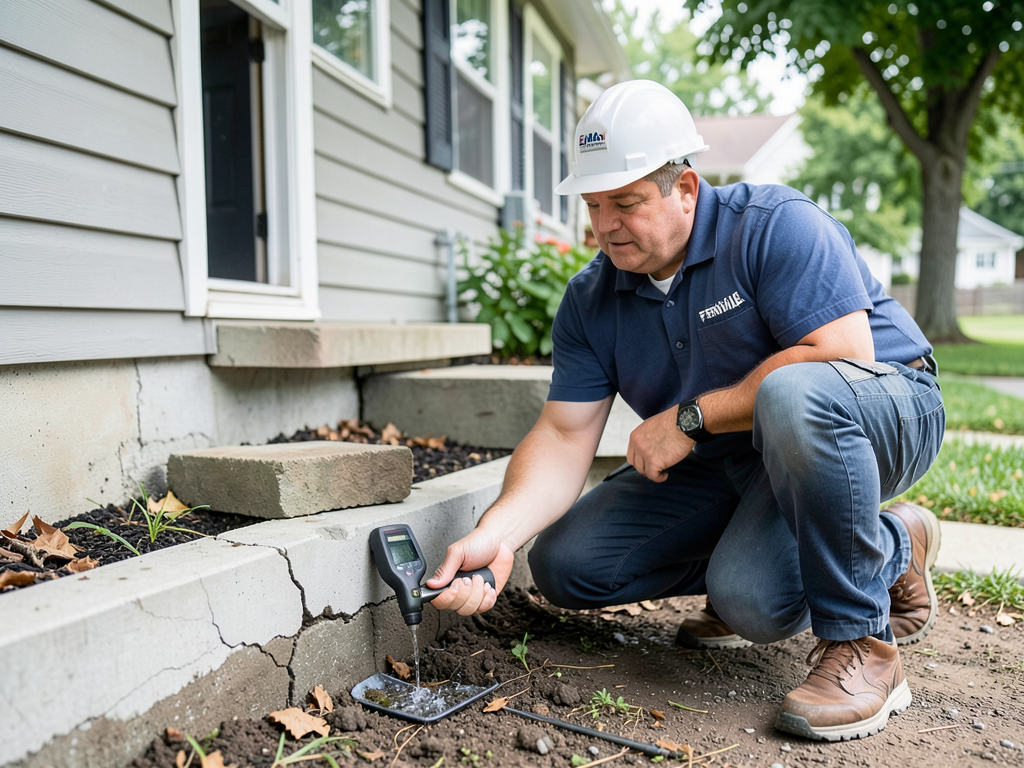
The Hidden Risks of Shared Driveway Runoff Between Your Ferndale Bungalow and Your Neighbor Shared driveways in Ferndale's historic bungalow neighborhoods create a hidden water damage threat that most homeowners never see coming. When rainwater…
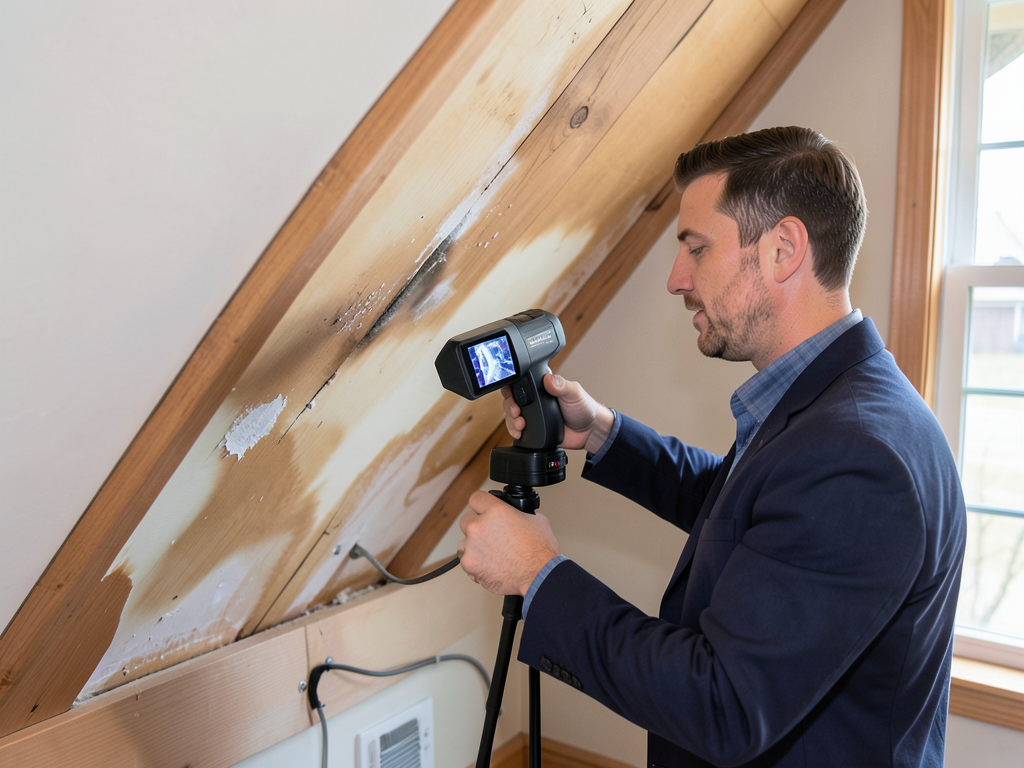
Tracking Down Hidden Water Leaks in Your Royal Oak Attic Kneewalls Royal Oak homeowners often…
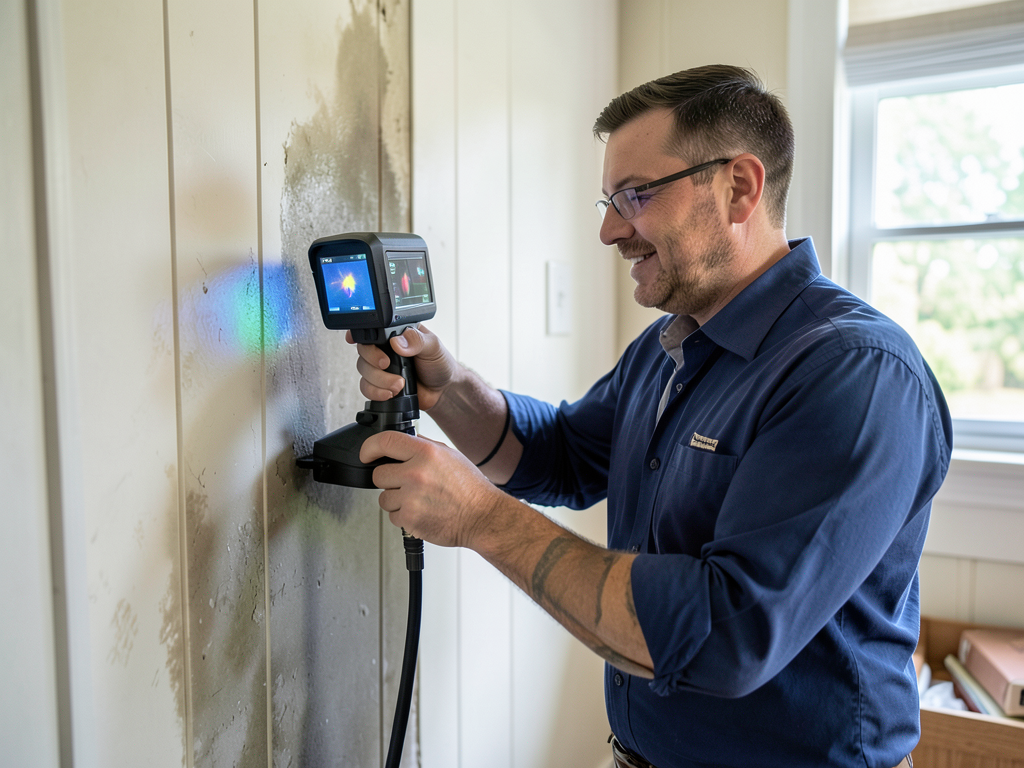
Why Your Baby's Nursery in Grosse Pointe Might Be Developing Hidden Wall Mold Parents in…
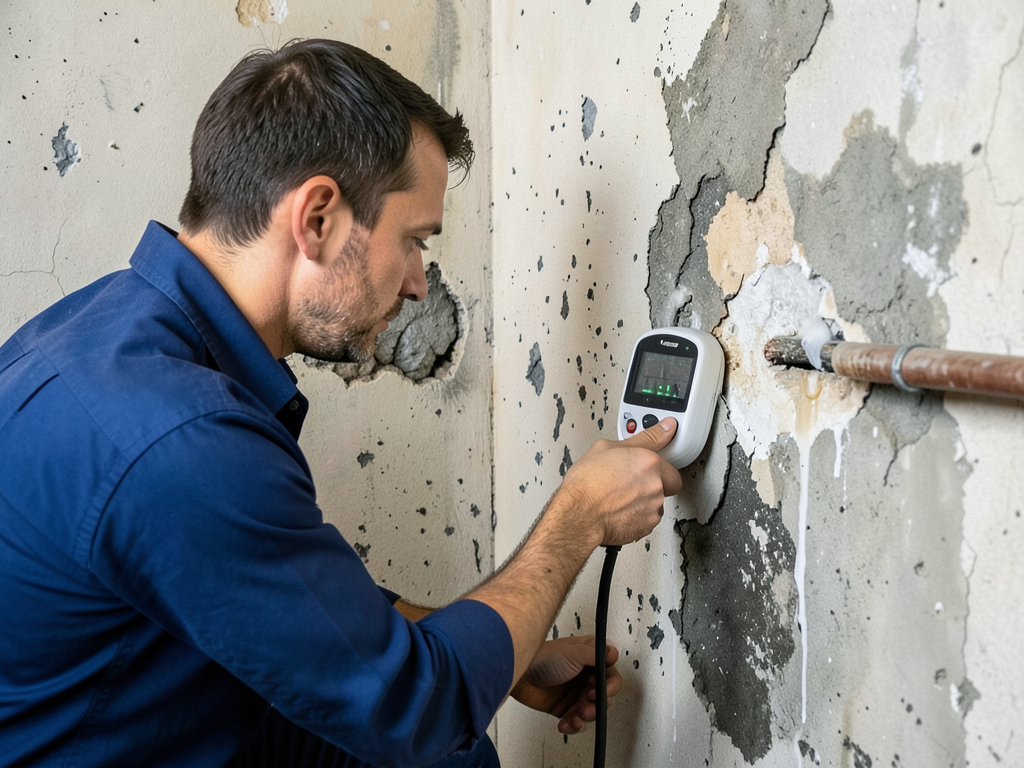
Protecting Your Remote Work Setup in Ferndale from Unexpected Basement Floods Water damage can destroy…
Water damage gets worse every hour you wait. Our crews dispatch to Livonia within 60 minutes with professional extraction equipment and certified technicians. Call (313) 572-5559 now for immediate emergency response. We're available 24/7 and coordinate directly with your insurance company.