




menu

Basement Waterproofing Guide Detroit – Expert Solutions for Clay Soil and Water Table Challenges

Get proven basement sealing techniques designed specifically for Detroit's high water table, expansive clay soils, and freeze-thaw cycles that drive hydrostatic pressure through foundation walls.

Slider Image 1
Slider Image 2
Slider Image 3
Slider Image 4
Slider Image 5
Slider Image 7
Slider Image 8
Slider Image 9
Slider Image 10
Slider Image 11

Why Detroit Basements Leak and Flood More Than You Think

Detroit sits on heavy clay soil and faces a high seasonal water table. This combination creates hydrostatic pressure that forces groundwater through foundation cracks, mortar joints, and basement floors. Add freeze-thaw cycles from Michigan winters, and you get hairline cracks that expand into structural gaps every spring thaw.

Your basement does not flood because you did something wrong. It floods because the geology under Detroit constantly shifts. Clay soil expands when wet and shrinks when dry. This movement cracks foundation walls over time. Water follows the path of least resistance, straight through those cracks into your basement.

Wet basement solutions start with understanding the source. Is water coming through the floor, the wall, or both? Is it a steady seep or a sudden flood after heavy rain? These details determine whether you need interior drainage, exterior excavation, or foundation waterproofing methods like membrane systems and sump pump upgrades.

Most homeowners search for how to waterproof a basement after they have already mopped up standing water. That is reactive, not preventive. A leaky basement repair guide should address the cause, not just the symptom. Detroit homes built before 1970 often lack proper exterior drainage or waterproof coatings. You are managing a structural vulnerability, not a one-time event.

Basement sealing techniques range from simple crack injections to full perimeter drain systems. The right approach depends on your home's age, foundation type, and how water enters. You cannot fix what you do not diagnose correctly.

Why Detroit Basements Leak and Flood More Than You Think
How Professional Basement Waterproofing Actually Works

How Professional Basement Waterproofing Actually Works

Real basement waterproofing starts below grade, where water originates. Exterior excavation exposes the foundation wall so we can apply a rubberized membrane or bentonite clay panel directly to the concrete. This creates a true barrier between groundwater and your basement. We install or repair footer drains at the same time, routing water away from the foundation to daylight or a storm sewer.

Interior waterproofing uses a different strategy. We cut a relief channel along the basement perimeter, install perforated pipe wrapped in filter fabric, and backfill with washed gravel. This system intercepts water before it surfaces on the floor and directs it to a sump basin. The sump pump discharges water outside, away from the foundation. Battery backup pumps prevent flooding during power outages, which happen often in Detroit during severe storms.

Crack repair depends on crack width and location. Epoxy injections work for structural cracks under 0.5 inches. Polyurethane foam fills wider cracks and expanding voids. For active leaks, we use hydraulic cement or fast-setting compounds that cure even in wet conditions. Surface sealants alone do not stop water under pressure. You need depth and mechanical anchoring.

Vapor barriers and dehumidification control moisture that seeps through porous concrete. Detroit's humidity climbs above 70 percent in summer, and basements stay damp even without visible leaks. We install reinforced polyethylene sheeting on walls and floors, sealed at seams and penetrations. Pairing this with a commercial-grade dehumidifier keeps relative humidity below 50 percent, preventing mold and efflorescence.

Foundation waterproofing methods must match the failure mode. Surface fixes fail when the problem is subsurface. Ironwood Water Damage Restoration Detroit evaluates the full drainage plane, from roof gutters to footer drains, so nothing gets missed.

What Happens During a Basement Waterproofing Assessment

Basement Waterproofing Guide Detroit – Expert Solutions for Clay Soil and Water Table Challenges
01

Visual Inspection and Moisture Mapping

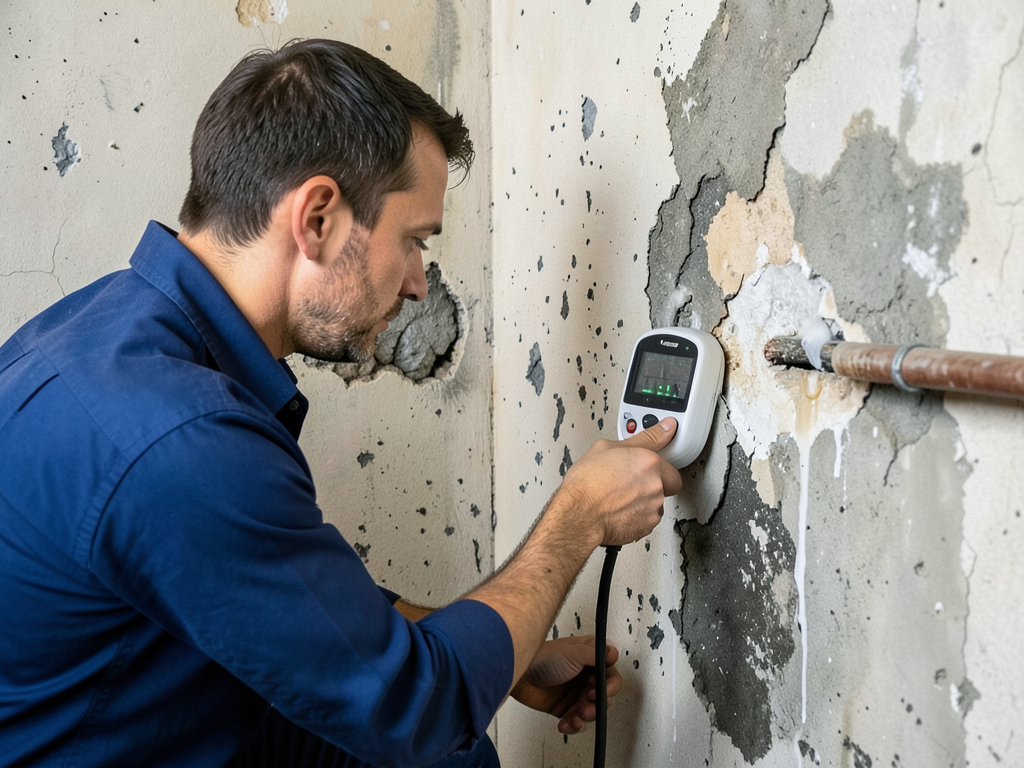
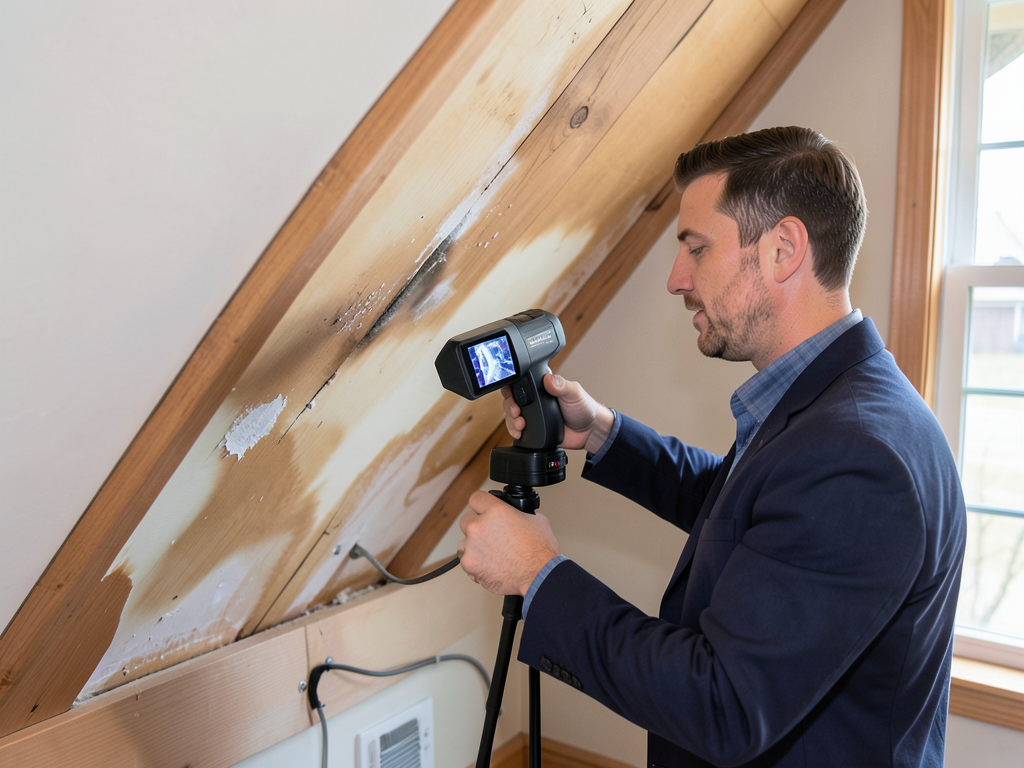
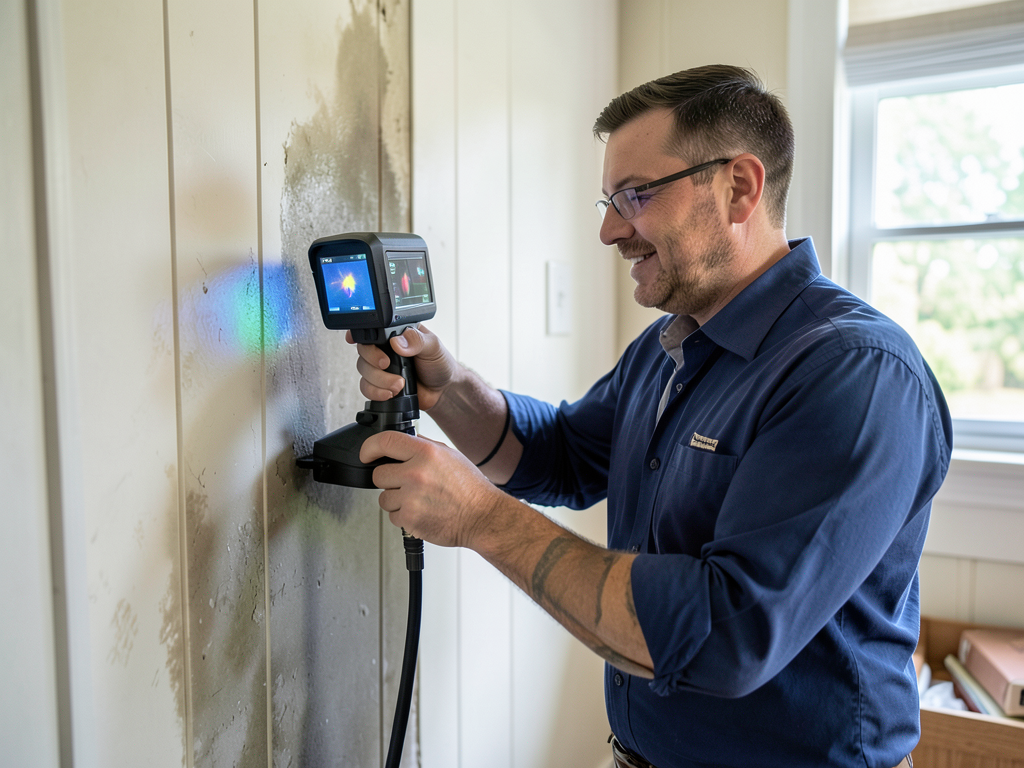
We inspect every wall, floor joint, and corner for efflorescence, staining, or active seepage. Infrared cameras detect hidden moisture inside wall cavities. We map where water enters and trace it to the source, whether it is a cracked foundation, failed window well, or compromised footer drain. This data drives the repair strategy.
02

Drainage and Grading Evaluation

We check exterior grading, downspout placement, and soil saturation near the foundation. Detroit clay holds water like a sponge, so improper grading sends runoff straight into your basement. We evaluate sump pump capacity, discharge routing, and whether footer drains are clogged or collapsed. Exterior issues require exterior fixes.
03

Solution Design and Cost Breakdown

We present a written plan with tiered options: emergency stopgap, standard repair, and long-term waterproofing. You get material specs, labor scope, and timeline. We explain why certain basement sealing techniques work better for your foundation type and soil conditions. No upselling, no generic packages. Just the fixes your basement actually needs.

Why Detroit Homeowners Trust Local Waterproofing Expertise

Detroit foundations face conditions that national franchises do not always understand. The glacial clay beneath Wayne County expands up to 10 percent when saturated, creating lateral pressure that cracks poured concrete and pushes in block walls. Homes in neighborhoods like Rosedale Park, Indian Village, and Palmer Woods were built between 1920 and 1960, often with stone foundations and minimal waterproofing. These structures need methods that respect original materials while adding modern protection.

Ironwood Water Damage Restoration Detroit has worked on century-old limestone foundations and mid-century block basements. We know which sealants bond to limestone, how to reinforce block walls without full replacement, and when exterior excavation is worth the cost versus interior drainage. We also understand Detroit's building codes for sump pump discharge and backflow prevention, which changed after the 2014 and 2021 flood events.

Local expertise means we know which streets flood first during heavy rain and which neighborhoods have combined sewer systems that back up into basements. We have restored basements in Grandmont, Sherwood Forest, and Downtown Detroit, and we recognize the patterns. Clay soil, aging infrastructure, and deferred maintenance create predictable failure points.

You want a contractor who has seen your exact problem before and fixed it correctly. We do not rely on one-size-fits-all solutions. A crawlspace in Grosse Pointe needs different waterproofing than a full basement in Hamtramck. Soil composition, water table depth, and foundation age all affect the approach.

Trust is built on outcomes, not promises. We show you what failed, why it failed, and what prevents it from failing again. Detroit homeowners deserve straight answers and durable repairs.

What to Expect When You Waterproof Your Basement

How Long Does Waterproofing Take?

Interior perimeter drain systems take two to four days, depending on basement size and access. Exterior excavation requires five to seven days, weather permitting. Emergency crack injections can be completed in one day. We schedule around your availability and minimize disruption. You can stay in the home during interior work. Exterior jobs require heavy equipment and trenching, so plan for noise and limited yard access during the project.

What Does the Initial Assessment Include?

The inspection covers foundation walls, floor joints, sump pits, exterior grading, and downspout routing. We use moisture meters and thermal imaging to locate hidden leaks. You get a written report with photos, moisture readings, and repair recommendations. We explain what each option solves and what it costs. No pressure, no upselling. The goal is to give you enough information to make an informed decision about your basement.

What Does a Finished Waterproofing Job Look Like?

Interior systems leave a narrow cement cap along the perimeter where the drain was installed. The sump pump sits in a covered basin with a sealed lid. Exterior work restores grading and backfills trenches with compacted soil. You should see no standing water, no damp spots, and no musty odors. Dehumidifiers keep humidity below 50 percent year-round. We test sump pumps under load and verify discharge routing before we leave.

What Kind of Follow-Up or Maintenance Is Required?

Sump pumps need annual testing and cleaning. Check the discharge line for ice buildup in winter. Interior drains require no maintenance unless tree roots invade the perimeter. Exterior membranes last 20 to 30 years if installed correctly. We offer annual inspections to verify system performance and catch small issues before they become expensive repairs. Maintenance plans include sump pump testing, drain flushing, and dehumidifier filter replacement.

Frequently Asked Questions

You Have Questions,
We Have Answers

What is the best waterproofing method for basements? +

Interior drainage systems paired with sump pumps work best for Detroit basements. This method addresses the root cause by managing groundwater pressure from below. A perimeter drain (French drain) captures water before it enters the foundation, directing it to a sump basin. The pump then expels water away from your home. This approach handles freeze-thaw cycles common in Southeast Michigan without relying on exterior excavation. Combine it with vapor barriers on walls for moisture control. Exterior waterproofing works but requires extensive digging and costs more, making it impractical for many Detroit properties with tight lot lines.

How much does it cost to waterproof a 1000 sq ft basement? +

Basement waterproofing in Detroit ranges widely based on the method you choose and your foundation condition. Factors include drainage system complexity, sump pump quality, wall sealing needs, and soil conditions. Clay-heavy soil around Detroit creates hydrostatic pressure that demands more robust solutions. Interior perimeter drainage with a sump pump costs less than full exterior excavation and membrane installation. Egress windows, battery backup systems, and crack repair add to the total. Request multiple quotes from licensed contractors familiar with Detroit's building codes and water table issues to understand your specific costs.

What are common waterproofing mistakes? +

Detroit homeowners often seal walls without addressing drainage, which traps water and increases foundation pressure. Skipping proper grading pushes water toward the foundation instead of away. Inadequate sump pump capacity fails during heavy spring rains or snowmelt. Ignoring crack repair allows water entry points to expand through freeze-thaw cycles. DIY surface sealants like paint-on products provide false security without solving hydrostatic pressure. Installing systems without proper discharge lines causes water to recirculate back to the foundation. Neglecting gutters and downspouts undermines even professional waterproofing. Always address the water source first, then create proper drainage pathways.

Why not use Drylok on basement walls? +

Drylok and similar masonry coatings trap moisture inside concrete, causing spalling and deterioration in Detroit's freeze-thaw climate. These products create a surface barrier but do not stop hydrostatic pressure from groundwater. Water vapor pushes through concrete from the exterior, gets trapped by the coating, then freezes and expands during winter. This cycle damages the concrete matrix. The coating eventually peels or bubbles as trapped moisture seeks escape routes. Professional waterproofing systems manage water before it contacts walls and allow concrete to breathe. Surface sealants mask problems temporarily but accelerate foundation damage long-term.

Does Drylok ruin concrete? +

Drylok does not directly ruin concrete, but it creates conditions that accelerate deterioration. The coating prevents moisture vapor transmission through basement walls. In Detroit, where groundwater and humidity are constant factors, trapped moisture has nowhere to go. During winter, this trapped water freezes inside the concrete pores, causing internal cracking and surface spalling. The coating itself remains intact while the concrete beneath degrades. You see white powdery deposits (efflorescence) pushing through as salts migrate with moisture. The product works as designed, but it ignores how hydrostatic pressure and vapor drive operate in below-grade applications.

What are the three types of basement waterproofing? +

Interior waterproofing uses drainage systems and sump pumps to manage water after it penetrates the foundation. This method works well for Detroit basements with high water tables. Exterior waterproofing involves excavating around the foundation, applying waterproof membranes, and installing drainage boards. This approach stops water before entry but requires significant excavation. Drainage systems focus on redirecting water away from foundations through proper grading, gutters, and French drains. Most Detroit homes benefit from combining interior drainage with exterior water management. Each type addresses different failure points in your basement waterproofing strategy.

Will insurance pay for basement waterproofing? +

Standard homeowners insurance in Detroit does not cover preventive basement waterproofing. Policies exclude maintenance and gradual damage from seepage or groundwater. If a sudden pipe burst or sewer backup causes flooding, you may have coverage under specific riders. Sewer and drain backup endorsements cover some water damage but not the waterproofing system itself. Flood insurance through FEMA covers rising water from external sources but excludes groundwater seepage. Insurance pays to repair damage from covered perils, not to prevent future issues. Keep documentation of all waterproofing work, as it may reduce future claim denials.

What is the cheapest way to waterproof a basement? +

Improving exterior drainage provides the most affordable waterproofing. Extend downspouts at least six feet from your foundation. Regrade soil to slope away from basement walls. Clean gutters regularly to prevent overflow near the foundation. Seal minor cracks with hydraulic cement or polyurethane injection. Add window well covers to prevent rain entry. Apply exterior foundation coating where accessible without excavation. These measures address water before it becomes a basement problem. While interior drainage systems offer better long-term protection for Detroit's water table challenges, these exterior fixes reduce moisture infiltration at minimal cost.

How much is it to finish a 2000 sq ft basement? +

Finishing a basement differs from waterproofing it. This question addresses remodeling costs, not water damage prevention. Basement finishing includes framing, insulation, drywall, flooring, electrical, and plumbing work. That scope falls outside waterproofing guidance. If you plan to finish your Detroit basement, waterproof it first to protect your investment. Water damage ruins finished spaces quickly. Address drainage, sump pump installation, and vapor barriers before adding living space. Consult contractors who handle both waterproofing and finishing to sequence the work properly. Waterproofing protects the structure. Finishing creates usable space.

What is the negative side of waterproofing? +

Poor waterproofing installation creates more problems than it solves. Inadequate drainage directs water under footings, causing settlement. Improperly discharged sump pumps recirculate water back to the foundation. Sealed walls without drainage increase hydrostatic pressure and crack foundations. DIY fixes mask symptoms while damage continues unseen. Some methods reduce home value if done incorrectly or without permits. In Detroit, unpermitted work complicates home sales. Waterproofing also requires ongoing maintenance. Sump pumps need testing, backup batteries need replacement, and drainage systems need periodic flushing. Skipping maintenance undermines the entire system when you need it most.

How Detroit's Clay Soil and Water Table Make Basement Waterproofing Essential

Detroit sits on heavy lacustrine clay deposited by ancient glacial lakes. This soil has low permeability, meaning water does not drain away quickly. When it rains, groundwater accumulates around foundations and creates hydrostatic pressure. The seasonal water table rises in spring and fall, pushing water through any crack or joint in your basement walls. Freeze-thaw cycles expand those cracks every winter. Without proper basement sealing techniques, this cycle repeats until you have a chronic flooding problem.

Detroit building codes were updated after major flood events in 2014 and 2021. Sump pumps must discharge at least 10 feet from the foundation, and backflow preventers are now required on homes with combined sewer systems. Ironwood Water Damage Restoration Detroit stays current on local code requirements and works with inspectors to ensure compliance. We understand which permits are needed for exterior excavation and how to navigate Wayne County drainage ordinances. Local expertise matters when your basement is on the line.
Water Damage Restoration Services in The Detroit Area

Conveniently located to serve the Detroit area, Ironwood is always ready to respond to your water damage emergencies. Explore our service area on the map below or contact us directly to discuss your specific needs. We’re committed to providing prompt, professional service wherever you are within our operational zone, ensuring rapid deployment and effective restoration solutions when you need them most.

Address:
Ironwood Water Damage Restoration Detroit, 15324 Mack Ave, Detroit, MI, 48230

Additional Services We Offer

Our news updates

Latest Articles & News from The Blogs

A slow leak behind a Royal Oak bathroom wall can go unnoticed for weeks. By the time you smell mildew…

Why Smart Leak Detectors Are Worth Every Penny for Your Royal Oak Rental Property

A slow leak behind a Royal Oak bathroom wall can go unnoticed for weeks. By the time you smell mildew…

Why Your Whole House Humidifier in Warren Might Be Ruining Your Drywall

Your furnace runs all winter. Your whole house humidifier works quietly behind the scenes. And somewhere behind that drywall in…

What Black Water Flooding Actually Does to Your Health (A Detroit Homeowner's Guide)

A sewage backup in your Detroit basement is not just a cleanup problem. It is a biohazard event. The water…

Contact Us

Call Ironwood Water Damage Restoration Detroit at (313) 572-5559 for a basement waterproofing assessment. We diagnose the source, explain your options, and fix it right the first time.