





Pontiac sits in Oakland County where Michigan's freeze-thaw cycles hit homes and businesses hard. When temperatures swing from below freezing to above 40 degrees in a single day, pipes burst in crawl spaces and attics across neighborhoods like Quaker Town and the Baldwin Avenue corridor. The city's aging housing stock, much of it built before 1970, features galvanized pipes that corrode from the inside out, creating hidden leaks that saturate insulation and drywall for weeks before anyone notices.
The Clinton River watershed means properties near downtown Pontiac and along Telegraph Road face seasonal flooding when spring melt combines with heavy rain. Water tables rise quickly in the clay-heavy soil common throughout Oakland County, pushing groundwater through basement foundation cracks and overwhelming outdated sump pump systems. Storm sewers built for a smaller population sometimes back up during severe weather, sending contaminated water into finished basements.
Winter ice dams form on roofs with inadequate attic ventilation, causing snowmelt to seep under shingles and into wall cavities. These conditions create the perfect environment for mold growth in as little as 48 hours, especially in the humid Michigan summers that follow. Every hour counts when water invades your property in Pontiac.
We built our reputation in metro Detroit by showing up fast and staying until the job is done right. Our technicians carry IICRC certification in water damage restoration and applied structural drying, meaning we follow proven science to dry your property completely, not just surface-level. We use thermal imaging cameras to find hidden moisture in wall cavities and ceilings that standard meters miss, preventing mold problems before they develop.
Our equipment fleet includes truck-mounted extraction units powerful enough to remove thousands of gallons from flooded basements in hours, not days. We deploy industrial dehumidifiers and air movers calibrated to Pontiac's climate conditions, adjusting for humidity levels and temperature to achieve optimal drying times. Every job gets documented with moisture readings and photo evidence that insurance adjusters accept without argument.
We understand the stress of water emergencies. That's why we assign you a dedicated project manager who handles insurance communication, explains the restoration timeline, and answers questions at any hour. No automated phone trees, no waiting for callbacks. You get a direct cell number to reach someone who knows your property and your situation.
Our pricing is straightforward. We provide written estimates before starting work and bill insurance directly when you have coverage. For out-of-pocket expenses, we offer financing options that let you protect your property now and pay over time. We've restored everything from 1920s bungalows in Oak Hill Cemetery neighborhoods to commercial buildings along Wide Track Drive, and we treat every property like it's our own.

Our dispatch center sends crews to Pontiac properties within one hour of your call, day or night. We arrive with truck-mounted extraction equipment and start removing water immediately, minimizing damage to floors, walls, and belongings. Speed determines how much we can save.

We handle claims documentation and communicate directly with your insurance company throughout the restoration process. Our estimates follow Xactimate pricing that adjusters recognize, eliminating back-and-forth negotiations. You get your property restored without fighting for coverage.
Every crew member holds current certification in water damage restoration and applied structural drying from the Institute of Inspection Cleaning and Restoration Certification. We follow established protocols for moisture detection, material removal, and structural drying that produce complete results.
We know how water moves through Pontiac's housing stock, from vintage homes near downtown to split-levels in northern subdivisions. We understand local soil conditions, common foundation types, and building materials used across different eras. This knowledge guides faster, more effective restoration.
Water damage takes different forms and demands different responses. A burst pipe requires immediate extraction and structural drying. A slow leak behind a washing machine needs mold remediation and reconstruction. Sewage backup demands biohazard protocols and disinfection. We provide the full spectrum of water damage restoration services in Pontiac, from emergency water removal to final reconstruction.
Our approach starts with assessment. We locate the water source, determine the category of water contamination, and measure the extent of saturation using moisture meters and thermal imaging. This data drives our restoration plan, ensuring we deploy the right equipment and techniques for your specific situation.
We handle everything from initial emergency response through final repairs, eliminating the need to coordinate multiple contractors. Our crews extract standing water, remove damaged materials, dry structural components, treat for microbial growth, and rebuild affected areas to pre-loss condition. One company, one project manager, one point of accountability. The services below represent our core capabilities, each designed to address specific water damage scenarios common in Pontiac homes and businesses.
When water floods your property, every minute increases damage to floors, walls, and contents. We deploy truck-mounted extraction units and submersible pumps to remove standing water quickly, then begin structural drying with commercial dehumidifiers and air movers. Our crews work around the clock during emergencies, monitoring moisture levels until readings confirm complete drying. We salvage what we can and document what we cannot, providing detailed inventories for insurance claims.
Water saturates wood framing, drywall, insulation, and subfloors where it cannot be extracted. We use applied structural drying techniques to remove this moisture through controlled evaporation. Thermal imaging identifies wet areas invisible to the eye. We position dehumidifiers and air movers based on psychrometric calculations, creating optimal conditions for drying. Daily moisture readings track progress until all materials return to normal levels, preventing long-term damage and mold growth.
Sewage backups and toilet overflows introduce dangerous bacteria and pathogens into your property. Our crews follow strict safety protocols, wearing protective equipment and using EPA-registered antimicrobial treatments. We remove contaminated materials, disinfect affected surfaces, and establish negative air pressure to prevent cross-contamination. All waste gets disposed of according to Michigan health department regulations. We restore your property to safe, sanitary conditions.
Pontiac property owners face water damage from multiple sources throughout the year. Winter freeze-thaw cycles burst pipes in unheated spaces. Spring storms overwhelm gutters and foundation drainage. Summer humidity creates condensation in attics and crawl spaces. Fall leaf buildup clogs downspouts and causes roof leaks. Each scenario requires specific expertise to assess damage extent, stop ongoing water intrusion, and restore affected areas properly.
We respond to the full range of water damage emergencies in residential and commercial properties. Our experience across thousands of jobs means we recognize problems quickly and know the most effective solutions. The issues below represent the most common water damage scenarios we handle in Pontiac, though we respond to any situation where water threatens your property. Understanding these problems helps you recognize warning signs before minor issues become major disasters.
When temperatures drop below freezing, water inside pipes expands and cracks copper or PVC lines. The real damage happens when ice thaws and water floods through ceilings and walls. Ice dams trap snowmelt on roofs, forcing water under shingles and into attics. We extract water, dry structural cavities, and prevent mold in materials that stayed wet during the freeze.
Heavy rain and rapid snowmelt overwhelm foundation drains and sump pumps, sending water through basement floor cracks and window wells. High water tables in Pontiac's clay soil push groundwater through foundation walls during wet seasons. We pump out flooded basements, dry concrete and framing, and remove saturated insulation and drywall that cannot be saved.
Water heater tanks rust through and dump 40 gallons across basement floors. Washing machine hoses burst under pressure and flood laundry rooms. Dishwasher supply lines leak behind cabinets for weeks before anyone notices. Toilet wax rings fail and seep into subfloors. We respond to these common failures, extracting water and repairing hidden damage to prevent rot and mold.
Pinhole leaks in copper pipes spray water inside walls for months before stains appear on drywall. Roof penetrations around vents and chimneys allow rain into attic spaces. Caulk failures at windows let water rot framing behind siding. These slow leaks cause extensive damage because they go undetected. We use moisture meters and thermal cameras to find the source and assess total impact.
Water emergencies create chaos and stress. You need help fast, but you also need to know what happens next. We built our service model around clear communication and predictable processes because uncertainty makes bad situations worse. When you call our emergency line, you reach a real person who dispatches a crew immediately and walks you through next steps.
Our response follows established protocols designed to stop damage progression, document everything for insurance, and restore your property to pre-loss condition. You get assigned a dedicated project manager who becomes your single point of contact from initial assessment through final walkthrough. We explain what we find, what we recommend, and what each step costs before we proceed.
The three commitments below define how we operate on every water damage job in Pontiac. These are not aspirations or marketing promises. They are operational standards that our teams follow because they produce better outcomes for customers facing property emergencies. You deserve to know exactly what happens when you trust us with your home or business.
We dispatch crews to Pontiac properties within 60 minutes of your emergency call, arriving with extraction equipment ready to remove standing water. Our technicians assess the situation, identify the water source, and begin mitigation immediately to prevent additional damage. You receive a detailed explanation of what we found and what actions we are taking. We document everything with photos and moisture readings. Emergency services continue 24/7 until your property is stabilized and no longer at risk.
Before starting restoration work, we contact your insurance company and open a claim on your behalf if you have not already. We provide detailed estimates using Xactimate software that adjusters trust, including scope of work, equipment costs, and material pricing. Our project managers communicate directly with insurance representatives, answer their questions, and provide requested documentation. When your policy covers the loss, we bill insurance directly. You never chase paperwork or fight for payment.
We never begin repairs until moisture readings confirm that all structural materials have returned to normal dry standards. Our technicians monitor drying progress daily using calibrated meters, adjusting equipment placement as needed. You receive documentation showing moisture levels throughout the drying process. This methodical approach prevents mold growth and ensures that new materials install onto completely dry surfaces. Reconstruction begins only when your property meets IICRC drying standards.
We follow a systematic approach to every water damage restoration job. This process ensures nothing gets missed and your property returns to pre-loss condition.
Our crew arrives within an hour to evaluate damage extent and identify the water source. We categorize water contamination level, measure affected areas with moisture meters and thermal imaging, and develop a restoration plan. You receive a detailed assessment and cost estimate. We extract standing water, remove unsalvageable contents, and begin structural drying immediately. Emergency services continue around the clock until your property stabilizes.
We position commercial dehumidifiers and air movers throughout affected areas, creating optimal conditions for moisture evaporation from building materials. Our technicians visit daily to take moisture readings, adjust equipment, and document drying progress. We use psychrometric calculations to determine when materials reach normal dry standards. This phase typically requires three to five days depending on saturation levels and materials involved.
Once all materials are completely dry, our reconstruction crews repair and rebuild affected areas. We replace drywall, install new flooring, repaint surfaces, and restore your property to pre-loss condition. All work meets Michigan building codes and matches existing finishes. You approve materials and colors before installation. Our project manager conducts a final walkthrough to ensure you are satisfied with completed work.
The Institute of Inspection Cleaning and Restoration Certification establishes industry standards for water damage restoration that we follow on every job. These standards classify water damage by contamination level and affected material types, guiding appropriate response protocols. Category 1 water originates from sanitary sources like supply lines and poses no immediate health risk. Category 2 water contains contamination that can cause illness, such as washing machine discharge or toilet bowl water without feces. Category 3 water is grossly contaminated and contains pathogenic bacteria, coming from sewage backups, flooding from rivers, or long-standing Category 1 or 2 water that has supported microbial growth.
Material classification matters equally. Class 1 damage affects only part of a room with minimal absorption, involving materials with low permeance like concrete or plywood. Class 2 damage affects entire rooms with significant moisture absorption in materials like carpet and drywall. Class 3 damage saturates walls, ceilings, insulation, and subfloors from overhead sources. Class 4 damage involves specialty drying situations for materials with very low permeance like hardwood floors, concrete, or plaster.
We use psychrometry to create optimal drying conditions. This science measures the relationship between temperature, humidity, and moisture content in air. Our dehumidifiers remove moisture from air while air movers increase evaporation rates from wet materials. We calculate specific humidity, temperature, and airflow requirements based on affected material types and room conditions. Thermal imaging cameras detect moisture invisible to standard meters, showing wet areas behind walls and under floors. We document daily moisture readings, tracking progress until readings match unaffected areas of your property. This data-driven approach ensures complete drying and prevents callbacks for mold problems.
All our technicians complete IICRC Water Damage Restoration and Applied Structural Drying certification courses. These programs teach moisture science, psychrometry, equipment operation, and documentation protocols. Certification ensures our crews understand drying principles and follow proven methods. We maintain compliance through continuing education and regular recertification.
Water damage restoration costs depend on water category, affected square footage, material types, and drying time required. Category 3 sewage cleanup costs more than clean water extraction due to safety protocols and disposal requirements. Hardwood floor drying requires specialized equipment and takes longer than carpet drying. Insurance typically covers sudden water damage but excludes maintenance-related failures.
Emergency water extraction happens immediately. Structural drying requires three to five days for most jobs, longer for dense materials or severe saturation. Reconstruction timeline depends on scope, ranging from two days for drywall replacement to two weeks for complete room rebuilds. Weather affects drying times in winter when outdoor humidity is low. We provide accurate timeline estimates after initial assessment.
All reconstruction work complies with Michigan Residential Code requirements for materials, methods, and inspections. We obtain necessary permits for structural repairs, electrical work, and plumbing. Our crews follow code requirements for moisture barriers, insulation R-values, and vapor retarders. Inspections verify compliance before we close walls and complete finishes.
This video explains the complete water damage restoration process for Pontiac, Michigan properties. Topics covered include emergency response procedures, water extraction techniques, structural drying methods, equipment used during restoration, insurance documentation requirements, and reconstruction timelines. Viewers learn what to expect when calling a professional water damage restoration company, how IICRC certified technicians assess and mitigate water damage, and the science behind effective structural drying.
Ironwood Water Damage Restoration Detroit provides emergency water damage services throughout Pontiac and the greater Oakland County area. We respond to calls from downtown Pontiac near the historic Crofoot venue and city hall, where older commercial buildings face plumbing failures in aging infrastructure. Residential neighborhoods around Quaker Town and Oak Hill Cemetery contact us for burst pipe emergencies in vintage homes built before modern plumbing codes.
Properties along the Telegraph Road corridor from the southern border near the Detroit city line north through Auburn Hills see us regularly for basement flooding when storms overwhelm drainage systems. The Baldwin Avenue area and surrounding streets call us for water heater failures and appliance leaks common in the neighborhood's split-level homes from the 1960s and 1970s. We serve businesses and residences throughout the Wide Track Drive commercial district, responding to roof leaks and HVAC condensate line failures.
Pontiac's location in central Oakland County means we also reach properties in neighboring communities quickly. Auburn Hills to the north shares similar water damage risks from freeze-thaw cycles and aging housing stock. Waterford Township to the northwest and Bloomfield Hills to the south face basement flooding from high water tables and seasonal storms. We respond to emergency calls throughout this region because water damage does not respect municipal boundaries.
Our familiarity with Pontiac's neighborhoods, building types, and infrastructure helps us respond more effectively. We know which areas face seasonal flooding, where older homes have galvanized pipes prone to failure, and how water moves through different foundation types common across the city. This local knowledge means faster assessment, more accurate estimates, and better restoration outcomes. Whether you own a historic home near downtown, a ranch house in northern subdivisions, or a commercial property along major corridors, we have restored similar buildings in your area and understand the challenges your property faces.
Water damage restoration costs in Pontiac vary widely based on the source and extent of damage. A minor leak affecting one room might run $1,200 to $3,500, while major flood damage involving multiple rooms and structural issues can exceed $10,000. Category 3 water (sewage) costs more due to hazmat protocols. The price includes water extraction, drying equipment, antimicrobial treatment, and reconstruction. Most Pontiac homes built before 1980 have plaster walls that absorb water differently than drywall, which affects labor time. Your insurance adjuster will assess covered damages after documentation.
Yes. Professional water damage restoration prevents catastrophic secondary damage that makes your Pontiac home unlivable. Within 24 hours, water migrates through porous materials. Within 48 hours, mold colonizes. Michigan's humidity accelerates this process. A $3,000 restoration job now prevents a $40,000 mold remediation and structural rebuild later. Insurance typically covers sudden, accidental water damage, making the out-of-pocket cost minimal. Pontiac's older housing stock with balloon framing allows water to travel vertically between floors, hidden from view. Thermal imaging and moisture meters find this hidden damage before it destroys floor joists and subflooring.
This question applies to vehicles, not property restoration. For your Pontiac home or business, water damage restoration is always worth addressing immediately. Structural water damage compounds daily. What starts as ceiling staining becomes rotten framing lumber. Subfloor damage leads to buckled hardwood and tile failure. In Pontiac's freeze-thaw climate, residual moisture trapped in walls will freeze, expand, and crack foundation walls or burst pipes during winter. Professional restoration stops the damage progression, documents losses for insurance, and returns your property to pre-loss condition with proper drying and reconstruction protocols.
Water damage restoration costs in Pontiac vary widely based on the source and extent of damage. A minor leak affecting one room might run $1,200 to $3,500, while major flood damage involving multiple rooms and structural issues can exceed $10,000. Category 3 water (sewage) costs more due to hazmat protocols. The price includes water extraction, drying equipment, antimicrobial treatment, and reconstruction. Most Pontiac homes built before 1980 have plaster walls that absorb water differently than drywall, which affects labor time. Your insurance adjuster will assess covered damages after documentation.
Yes. Professional water damage restoration prevents catastrophic secondary damage that makes your Pontiac home unlivable. Within 24 hours, water migrates through porous materials. Within 48 hours, mold colonizes. Michigan's humidity accelerates this process. A $3,000 restoration job now prevents a $40,000 mold remediation and structural rebuild later. Insurance typically covers sudden, accidental water damage, making the out-of-pocket cost minimal. Pontiac's older housing stock with balloon framing allows water to travel vertically between floors, hidden from view. Thermal imaging and moisture meters find this hidden damage before it destroys floor joists and subflooring.
This question applies to vehicles, not property restoration. For your Pontiac home or business, water damage restoration is always worth addressing immediately. Structural water damage compounds daily. What starts as ceiling staining becomes rotten framing lumber. Subfloor damage leads to buckled hardwood and tile failure. In Pontiac's freeze-thaw climate, residual moisture trapped in walls will freeze, expand, and crack foundation walls or burst pipes during winter. Professional restoration stops the damage progression, documents losses for insurance, and returns your property to pre-loss condition with proper drying and reconstruction protocols.
This question relates to automotive concerns, not structural water damage. If you are asking about fixing water damage in your Pontiac property, the answer is yes, when addressed by professionals with commercial-grade extraction and drying equipment. Standing water is removed via truck-mounted extractors. Air movers and dehumidifiers create controlled drying environments. Moisture meters track progress in walls, subfloors, and framing. Pontiac homes often have crawl spaces prone to groundwater intrusion, requiring vapor barriers and sump pump systems. Thermal imaging reveals wet insulation inside walls. Professional restoration prevents permanent material damage and mold growth.
Most homeowner policies in Pontiac cover sudden and accidental water damage, such as burst pipes, appliance malfunctions, or roof leaks from storm damage. They do not cover gradual damage from neglected maintenance or flood events (which require separate NFIP flood insurance). Your adjuster will distinguish Category 1 (clean water), Category 2 (gray water), and Category 3 (black water), which affects coverage limits. Document everything with photos and moisture readings. Many Pontiac residents carry actual cash value policies on older homes, which depreciate claim payouts. Replacement cost policies pay the full restoration amount after work completion.
Water extraction and initial stabilization take 1 to 3 days. Complete structural drying takes 3 to 7 days for standard construction, longer for Pontiac's older plaster-and-lath homes or thick masonry. Drying equipment runs continuously. Reconstruction (drywall, flooring, paint) adds another 5 to 14 days depending on material availability and scope. Category 3 sewage damage requires antimicrobial treatment and extended drying. Cold weather slows evaporation rates. Your Pontiac property might need longer drying times during winter months when heating systems struggle to maintain optimal humidity levels. Total project completion ranges from 2 to 6 weeks for moderate damage.
This question pertains to vehicle sales law, not property restoration. In Michigan, sellers must disclose known material defects, including prior water damage, on a purchase agreement. Failing to disclose flood damage is fraudulent misrepresentation. For your Pontiac home, you must disclose past water damage claims when selling. Buyers will see insurance claim history through CLUE reports (Comprehensive Loss Underwriting Exchange). Proper restoration with documentation proves the issue was resolved correctly. Unpermitted repairs or hidden damage discovered during inspections kill deals. Professional restoration companies provide completion certificates that reassure future buyers and protect your sale.
Call immediately when you discover standing water, wet ceilings, soaked carpets, or sewage backups. Speed determines total damage. Within the first 24 hours, water spreads and soaks into porous materials. After 48 hours, mold spores activate. Pontiac's humid summers create ideal mold conditions. Emergency situations include burst pipes, water heater failures, sump pump malfunctions during heavy rain, or roof leaks during storms. If water is actively flowing, shut off the main water valve first. For sewage backups common in Pontiac's older sewer systems, avoid all contact. Category 3 water requires hazmat protocols and immediate professional extraction.
Water damage restoration requires specialized equipment, skilled labor, antimicrobial treatments, and reconstruction materials. Commercial dehumidifiers and air movers rent for $50 to $100 daily each. A typical job needs 10 to 20 units running for a week. Thermal imaging cameras cost $15,000. Truck-mounted extractors run $40,000. Labor is skilled work that includes moisture mapping, controlled demolition, and mold prevention protocols. In Pontiac, many homes have hidden damage behind plaster walls or in crawl spaces that extends the scope. Insurance fraud drives up costs industry-wide. Category 3 sewage requires disposal fees and hazmat compliance. Speed costs money but prevents worse damage.
This question addresses dealership vehicle policies, not property restoration. Dealerships typically auction flooded vehicles to salvage buyers or wholesale them out of state after disclosure. Some rebuild and resell with branded titles. For your Pontiac home, the parallel is how insurance companies handle total loss properties. If restoration costs exceed 50 to 70 percent of the structure's value, they may declare a total loss and pay the policy limit instead of restoring. This is rare for water damage unless the entire structure sat underwater for days. Professional restoration companies work with adjusters to document scope and keep claims below total loss thresholds.
This question relates to automotive concerns, not structural water damage. If you are asking about fixing water damage in your Pontiac property, the answer is yes, when addressed by professionals with commercial-grade extraction and drying equipment. Standing water is removed via truck-mounted extractors. Air movers and dehumidifiers create controlled drying environments. Moisture meters track progress in walls, subfloors, and framing. Pontiac homes often have crawl spaces prone to groundwater intrusion, requiring vapor barriers and sump pump systems. Thermal imaging reveals wet insulation inside walls. Professional restoration prevents permanent material damage and mold growth.
Most homeowner policies in Pontiac cover sudden and accidental water damage, such as burst pipes, appliance malfunctions, or roof leaks from storm damage. They do not cover gradual damage from neglected maintenance or flood events (which require separate NFIP flood insurance). Your adjuster will distinguish Category 1 (clean water), Category 2 (gray water), and Category 3 (black water), which affects coverage limits. Document everything with photos and moisture readings. Many Pontiac residents carry actual cash value policies on older homes, which depreciate claim payouts. Replacement cost policies pay the full restoration amount after work completion.
Water extraction and initial stabilization take 1 to 3 days. Complete structural drying takes 3 to 7 days for standard construction, longer for Pontiac's older plaster-and-lath homes or thick masonry. Drying equipment runs continuously. Reconstruction (drywall, flooring, paint) adds another 5 to 14 days depending on material availability and scope. Category 3 sewage damage requires antimicrobial treatment and extended drying. Cold weather slows evaporation rates. Your Pontiac property might need longer drying times during winter months when heating systems struggle to maintain optimal humidity levels. Total project completion ranges from 2 to 6 weeks for moderate damage.
This question pertains to vehicle sales law, not property restoration. In Michigan, sellers must disclose known material defects, including prior water damage, on a purchase agreement. Failing to disclose flood damage is fraudulent misrepresentation. For your Pontiac home, you must disclose past water damage claims when selling. Buyers will see insurance claim history through CLUE reports (Comprehensive Loss Underwriting Exchange). Proper restoration with documentation proves the issue was resolved correctly. Unpermitted repairs or hidden damage discovered during inspections kill deals. Professional restoration companies provide completion certificates that reassure future buyers and protect your sale.
Call immediately when you discover standing water, wet ceilings, soaked carpets, or sewage backups. Speed determines total damage. Within the first 24 hours, water spreads and soaks into porous materials. After 48 hours, mold spores activate. Pontiac's humid summers create ideal mold conditions. Emergency situations include burst pipes, water heater failures, sump pump malfunctions during heavy rain, or roof leaks during storms. If water is actively flowing, shut off the main water valve first. For sewage backups common in Pontiac's older sewer systems, avoid all contact. Category 3 water requires hazmat protocols and immediate professional extraction.
Water damage restoration requires specialized equipment, skilled labor, antimicrobial treatments, and reconstruction materials. Commercial dehumidifiers and air movers rent for $50 to $100 daily each. A typical job needs 10 to 20 units running for a week. Thermal imaging cameras cost $15,000. Truck-mounted extractors run $40,000. Labor is skilled work that includes moisture mapping, controlled demolition, and mold prevention protocols. In Pontiac, many homes have hidden damage behind plaster walls or in crawl spaces that extends the scope. Insurance fraud drives up costs industry-wide. Category 3 sewage requires disposal fees and hazmat compliance. Speed costs money but prevents worse damage.
This question addresses dealership vehicle policies, not property restoration. Dealerships typically auction flooded vehicles to salvage buyers or wholesale them out of state after disclosure. Some rebuild and resell with branded titles. For your Pontiac home, the parallel is how insurance companies handle total loss properties. If restoration costs exceed 50 to 70 percent of the structure's value, they may declare a total loss and pay the policy limit instead of restoring. This is rare for water damage unless the entire structure sat underwater for days. Professional restoration companies work with adjusters to document scope and keep claims below total loss thresholds.
Conveniently located to serve the Detroit area, Ironwood is always ready to respond to your water damage emergencies. Explore our service area on the map below or contact us directly to discuss your specific needs. We’re committed to providing prompt, professional service wherever you are within our operational zone, ensuring rapid deployment and effective restoration solutions when you need them most.
Address:
Pontiac, MI, 48342
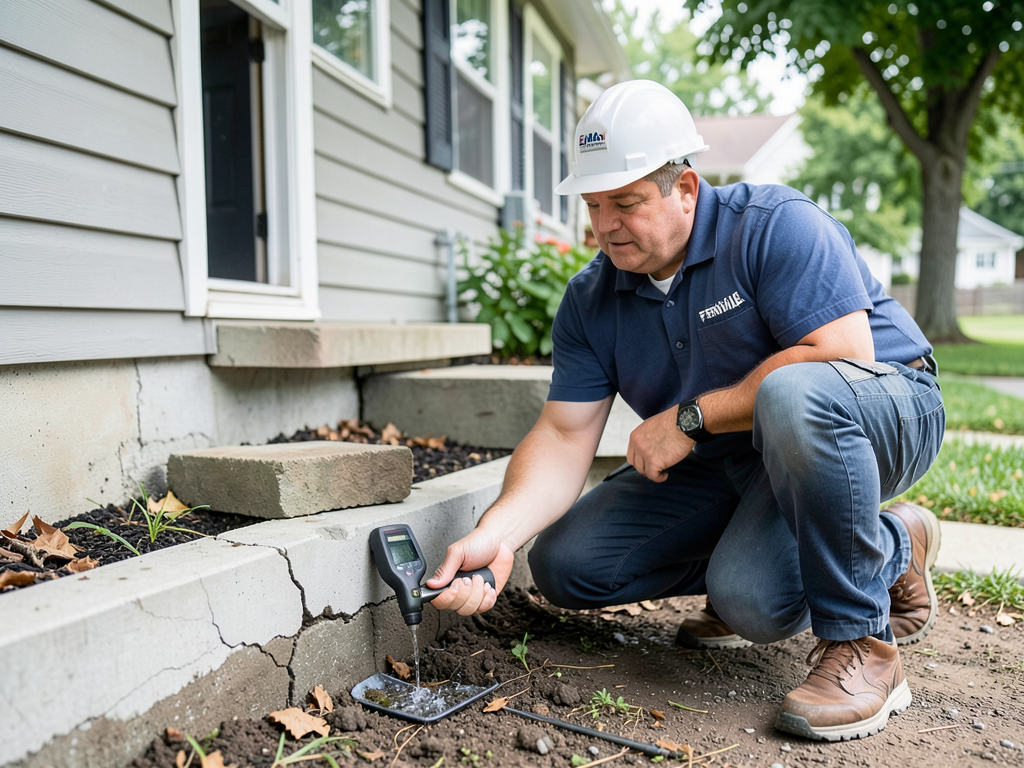
The Hidden Risks of Shared Driveway Runoff Between Your Ferndale Bungalow and Your Neighbor Shared driveways in Ferndale's historic bungalow neighborhoods create a hidden water damage threat that most homeowners never see coming. When rainwater…
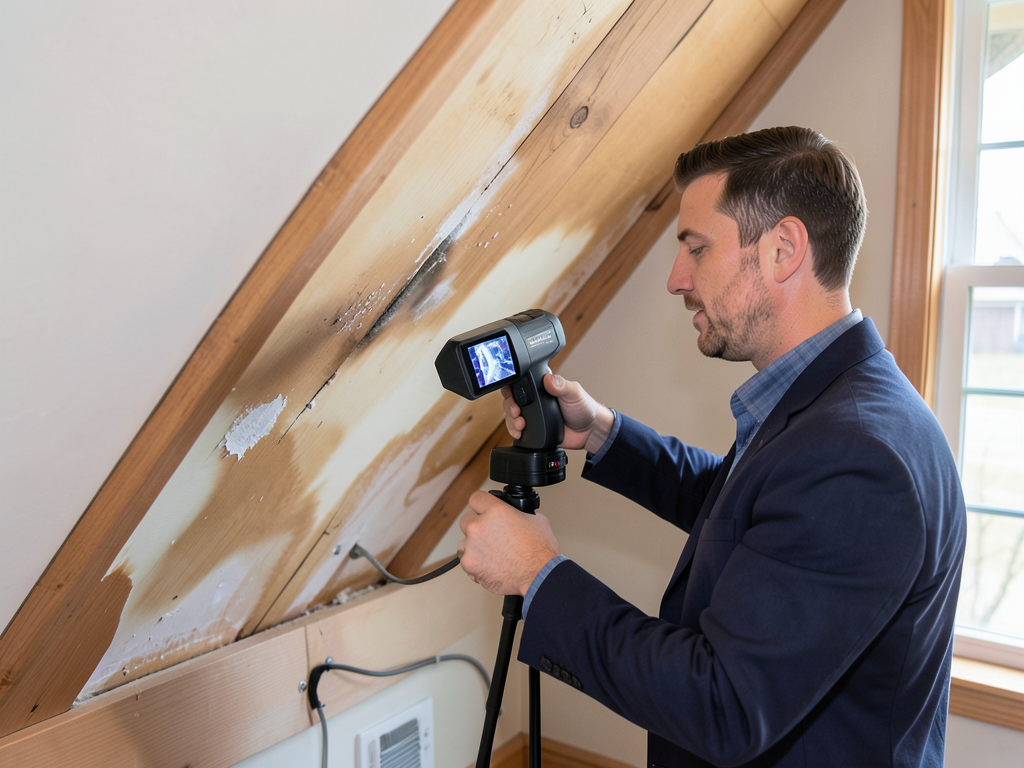
Tracking Down Hidden Water Leaks in Your Royal Oak Attic Kneewalls Royal Oak homeowners often…
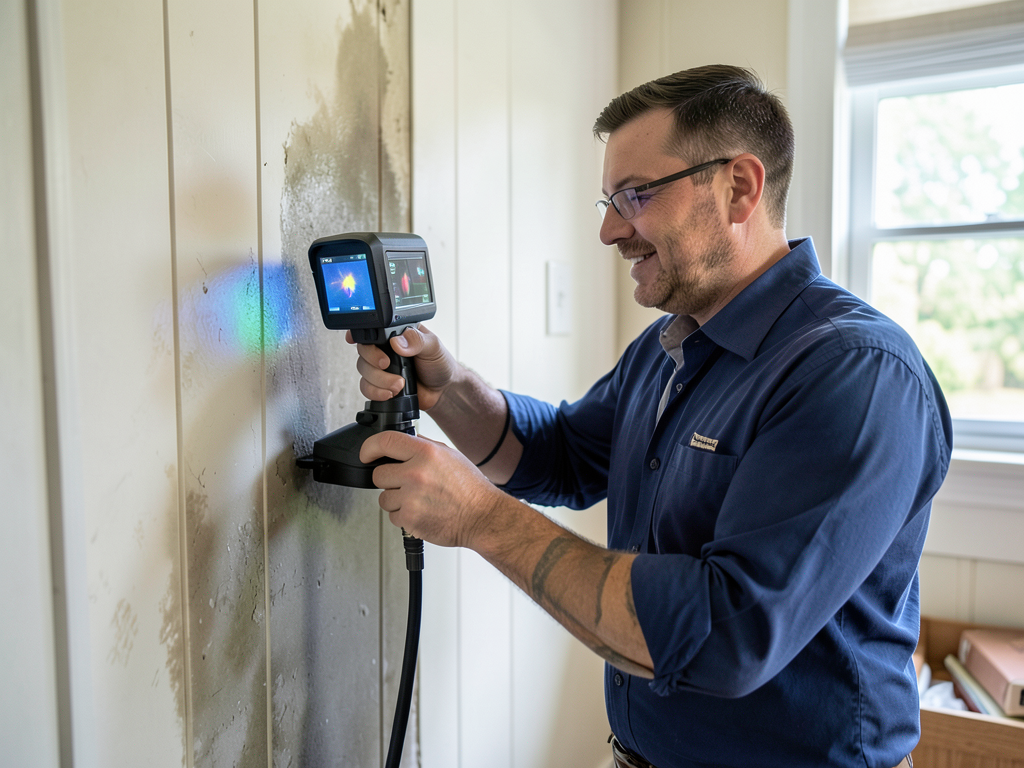
Why Your Baby's Nursery in Grosse Pointe Might Be Developing Hidden Wall Mold Parents in…
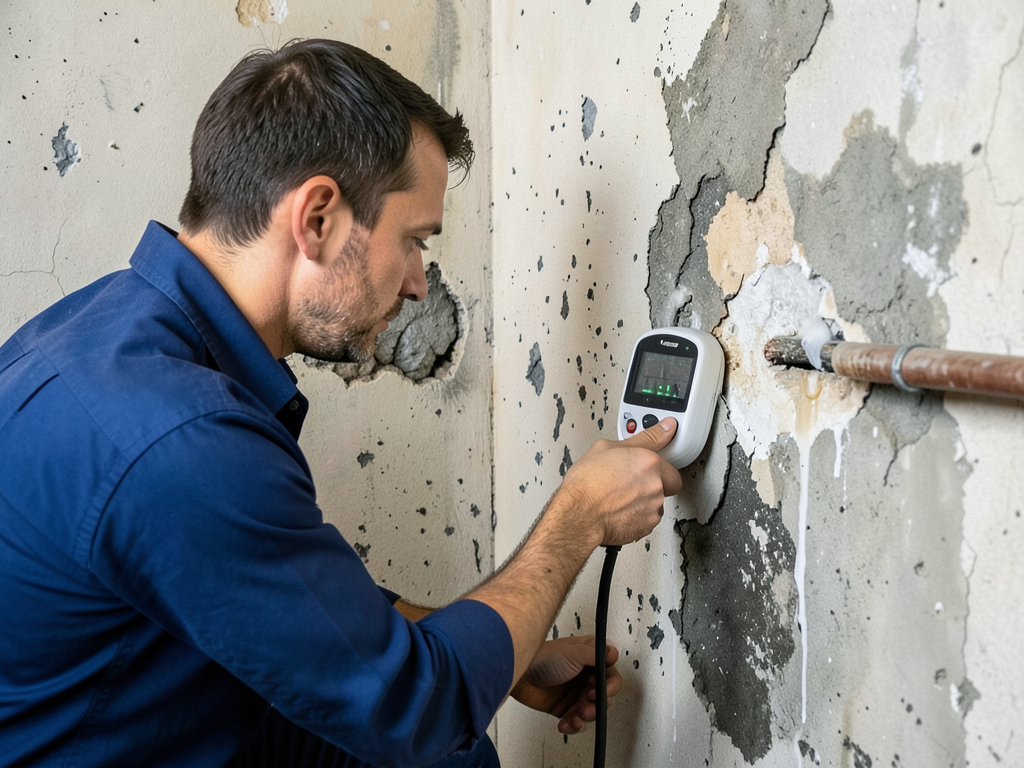
Protecting Your Remote Work Setup in Ferndale from Unexpected Basement Floods Water damage can destroy…
Every minute counts when water invades your Pontiac property. Our emergency crews are standing by 24/7 to extract water, prevent further damage, and start the restoration process. Call (313) 572-5559 now for immediate dispatch. We arrive within 60 minutes, ready to work.