





Sterling Heights sits in Macomb County where clay-heavy soil and an aging municipal water infrastructure create perfect conditions for basement flooding and foundation water intrusion. The Clinton River watershed runs through our service area, bringing seasonal flooding risks to neighborhoods near Plumbrook Golf Course and the Metro Beach Metropark corridor. Michigan's freeze-thaw cycles crack concrete foundations and burst pipes in older homes built before modern waterproofing standards existed.
Properties near M-53 and 15 Mile Road face additional challenges from storm water runoff overwhelming outdated drainage systems. The heavy clay soil common throughout Sterling Heights does not absorb water quickly, causing pooling around foundations and forcing water through basement walls and floor cracks. When spring thaws hit after harsh winters, we see a surge in burst pipe emergencies and sump pump failures across the greater Sterling Heights metro area.
Homes built in the 1960s and 1970s often have galvanized pipes reaching the end of their service life, leading to sudden failures and water damage throughout the structure. Our crews understand these local conditions and respond with equipment specifically chosen for Michigan's climate and Sterling Heights' soil composition.
Ironwood Water Damage Restoration Detroit has served the Sterling Heights community with rapid response teams stationed strategically to reach any neighborhood within one hour of your call. We maintain equipment caches positioned near major corridors like Van Dyke Avenue and Hall Road, ensuring our truck-mounted extractors and industrial dehumidifiers arrive before water has time to saturate structural materials or create mold conditions.
Our Michigan-certified water damage technicians carry IICRC certifications in water damage restoration and applied structural drying. We invest in ongoing training specific to southeastern Michigan's construction methods, from post-war brick ranches to modern vinyl-sided colonials. This expertise matters when we're cutting access panels, removing baseboards, or deciding whether drywall can be saved or must be replaced.
We work directly with every major insurance carrier serving Sterling Heights, submitting detailed moisture readings, thermal images, and damage documentation that speeds your claim approval. Our estimators provide line-item breakdowns that insurance adjusters trust, reducing disputes and getting restoration work approved faster. When State Farm, Auto-Owners, or Nationwide assigns an adjuster to your claim, we speak their language and provide the documentation they require.
Unlike franchise operations that subcontract work to untrained crews, every Ironwood technician is a direct employee who has completed our comprehensive training program. We own our equipment, control our quality standards, and stand behind every restoration project with direct accountability. When you call our emergency line at (313) 572-5559, you reach our dispatch center, not an answering service or national call center that routes your emergency to the lowest bidder.

Our crews leave the station within 60 minutes of your emergency call, arriving with truck-mounted extractors and moisture detection equipment. We stop water damage from progressing while other companies are still answering their phones. Speed determines how much of your property we can save, and we treat every minute as critical.

We document damage with the precise measurements, photos, and moisture readings insurance adjusters require for claim approval. Our estimators submit detailed scopes of work that match insurance industry standards, preventing disputes and delays. We handle the paperwork so you can focus on getting your life back to normal.
Every Ironwood restoration technician holds current IICRC certification in water damage restoration and applied structural drying. We follow industry-standard protocols for moisture mapping, structural drying, and antimicrobial treatment. Our certifications give insurance companies confidence in our work and protect you from improper restoration that leads to mold growth.
We know Sterling Heights construction methods, from the brick ranches near Utica Road to the newer subdivisions off Ryan Road. Our technicians understand how water moves through Michigan basements, crawlspaces, and slab foundations. We stock replacement materials that match local building standards and maintain relationships with Sterling Heights building inspectors.
Ironwood Water Damage Restoration Detroit provides complete water damage remediation services throughout Sterling Heights and Macomb County. Our service range covers everything from emergency water extraction and structural drying to complete reconstruction of water-damaged spaces. We handle residential and commercial properties with the same urgency and attention to detail.
Our restoration process begins with rapid water removal using truck-mounted extractors capable of pulling thousands of gallons from flooded basements and crawlspaces. We then deploy industrial dehumidifiers and air movers configured specifically for your property's layout and the extent of water intrusion. Thermal imaging cameras and penetrating moisture meters track drying progress in real time, ensuring we remove all moisture before closing walls or replacing flooring.
Water damage mitigation goes beyond removing standing water. We inspect HVAC systems for water intrusion, test building materials for saturation levels, and apply antimicrobial treatments to prevent mold colonization. Our crews understand the difference between clean water from a burst supply line, gray water from appliance malfunctions, and black water from sewage backups. Each category requires different safety protocols and disposal methods to protect your family's health.
When water floods your Sterling Heights property, our emergency crews respond within 60 minutes with truck-mounted extractors and portable pumps. We remove standing water from basements, crawlspaces, and flooded living areas before it saturates structural materials or creates electrical hazards. Our rapid response stops damage progression and reduces restoration costs. We extract water from carpets, padding, and subflooring, then begin immediate drying protocols to prevent mold growth and wood rot. Emergency extraction includes moisture mapping to identify hidden water in wall cavities and beneath finished floors.
Complete structural drying requires industrial dehumidifiers, strategic air mover placement, and continuous moisture monitoring. Our IICRC-certified technicians configure drying equipment based on your property's construction type, the extent of water intrusion, and affected building materials. We track moisture levels daily using penetrating meters and thermal imaging cameras, adjusting equipment placement until all materials reach acceptable moisture content. Proper structural drying prevents mold colonization, wood rot, and secondary damage. We dry framing lumber, drywall, insulation, and subfloors to industry-standard thresholds before beginning reconstruction.
After structural drying is complete, our construction crews rebuild your Sterling Heights property to pre-loss condition. We replace water-damaged drywall, insulation, baseboards, and flooring with materials that match your existing finishes. Our reconstruction services include electrical and plumbing repairs, cabinet replacement, and complete basement refinishing. We coordinate all trades under one contract, eliminating the hassle of managing multiple contractors. Our estimators work directly with your insurance adjuster to ensure approved scope of work covers all necessary repairs. Complete restoration means you get your property back in move-in condition.
Sterling Heights properties face specific water damage challenges driven by Michigan's climate, aging infrastructure, and local soil conditions. The freeze-thaw cycle that hits southeastern Michigan every winter cracks foundations and bursts pipes in older homes. Clay soil throughout Macomb County prevents proper drainage around foundations, forcing groundwater through basement walls and floor cracks during spring thaws and heavy rain events.
Homes built in the 1960s and 1970s often have galvanized supply pipes and clay sewer laterals reaching failure age. When these systems fail, water damage happens quickly and affects multiple rooms. The Clinton River watershed brings seasonal flooding risks to neighborhoods near waterways and low-lying areas. Sump pumps fail during power outages, allowing groundwater to flood finished basements.
Municipal water main breaks along Van Dyke Avenue and other major corridors occasionally send water surging into homes through service connections. Insurance claims spike after severe weather events, when backed-up sewers and overwhelmed storm drains cause widespread flooding across Sterling Heights neighborhoods.
Sterling Heights sits on heavy clay soil that does not absorb water efficiently. During spring thaws and heavy rains, groundwater accumulates around foundations and forces its way through cracks, joints, and porous concrete. Basement flooding saturates drywall, carpeting, and stored belongings. We extract standing water, dry structural materials, and coordinate with waterproofing contractors to prevent future intrusion.
Michigan winters freeze pipes in exterior walls, crawlspaces, and unheated areas. When temperatures rise, ice blockages thaw and pipes rupture, flooding multiple rooms before homeowners discover the leak. Burst pipes release gallons of water per minute, saturating ceilings, walls, and floors. Our emergency crews stop the water source, extract standing water, and begin drying protocols to prevent mold growth and structural damage.
Severe storms knock out power across Sterling Heights, disabling sump pumps just when groundwater levels peak. Finished basements flood when sump pumps cannot discharge water away from foundations. We respond to sump pump failure emergencies with portable generators and backup pumps, preventing total basement flooding. Our crews extract accumulated water and dry finished spaces before mold colonizes wet materials.
Heavy rainfall overwhelms Sterling Heights storm sewers, causing backups into basement drains and toilets. Sewage backups create Category 3 black water contamination requiring specialized cleaning protocols and disposal of porous materials. Our technicians wear protective equipment, remove contaminated materials, and apply EPA-registered antimicrobials to affected surfaces. We coordinate with environmental health requirements and insurance adjusters familiar with sewage damage claims.
When water damage strikes your Sterling Heights property, you need immediate help from professionals who understand the urgency. Ironwood Water Damage Restoration Detroit responds to every emergency call with a structured process designed to stop damage progression, document conditions for insurance purposes, and begin restoration work immediately.
Our emergency response starts the moment you call (313) 572-5559. You speak directly with our dispatch team, who gathers essential information about your emergency while simultaneously alerting the nearest crew. We ask about the water source, affected areas, and any safety concerns like electrical hazards or structural instability. Within 60 minutes, our truck arrives with extraction equipment, moisture detection tools, and safety gear.
Throughout the restoration process, we maintain clear communication about what we're doing, why it matters, and what comes next. We take the time to explain moisture readings, drying timelines, and reconstruction options. You receive daily updates on drying progress and a clear timeline for returning your property to normal. Our project managers remain your single point of contact from emergency call through final walkthrough.
Our crews arrive within 60 minutes of your call with truck-mounted extractors and moisture detection equipment. We perform a complete damage assessment, identifying all affected areas including hidden water in wall cavities and beneath flooring. Thermal imaging cameras reveal moisture patterns invisible to the naked eye. We photograph and document all damage for insurance purposes, providing detailed moisture readings and affected material lists. You receive a comprehensive scope of work before we begin restoration.
We contact your insurance carrier immediately to report the claim and begin the documentation process. Our estimators prepare detailed scopes of work with line-item pricing that matches insurance industry standards. We provide adjusters with moisture readings, thermal images, and material testing results that support claim approval. When adjusters visit your property, we walk them through affected areas and answer technical questions. Our goal is fast claim approval so restoration work proceeds without delays.
After structural drying is complete, our construction crews begin rebuilding water-damaged areas to pre-loss condition. We match existing finishes, coordinate all trades, and maintain clean work sites. You receive regular updates on construction progress and timelines for completion. Before we consider the job finished, we conduct a detailed final walkthrough to ensure every detail meets your expectations. We stand behind our restoration work and remain available if any questions arise after project completion.
Ironwood follows a systematic restoration process developed over years of water damage response across Sterling Heights. Each step builds on the previous one, ensuring thorough moisture removal and preventing secondary damage like mold growth or structural deterioration.
When you call (313) 572-5559, our dispatch team gathers critical information about your water damage emergency while alerting the nearest crew. We ask about the water source, safety hazards, and affected areas. Our crews depart within 60 minutes carrying extraction equipment, moisture meters, and thermal imaging cameras. We provide an estimated arrival time and confirm our crew is en route to your Sterling Heights property.
Our technicians remove standing water using truck-mounted extractors and portable pumps, then configure industrial dehumidifiers and air movers for optimal drying. We place moisture meters in affected materials and create drying logs that track progress. Thermal imaging cameras identify hidden moisture in walls and subfloors. We monitor drying daily, adjusting equipment placement until all materials reach acceptable moisture content. Proper drying prevents mold colonization and structural damage.
Once structural drying is complete, our construction crews rebuild damaged areas using materials that match your existing finishes. We replace drywall, insulation, flooring, baseboards, and cabinets as needed. Electrical and plumbing repairs are coordinated with licensed tradespeople. We maintain clean work areas and protect undamaged portions of your property. The final walkthrough ensures every detail meets your approval before we close out the project.
Professional water damage restoration follows strict protocols established by the Institute of Inspection Cleaning and Restoration Certification. These IICRC standards define proper procedures for water extraction, structural drying, and antimicrobial treatment. Ironwood technicians maintain current IICRC certification in Water Damage Restoration and Applied Structural Drying, ensuring our work meets insurance industry requirements and protects your property from improper restoration.
The IICRC S500 Standard for Professional Water Damage Restoration establishes moisture content thresholds for different building materials. Wood framing must dry to below 19 percent moisture content, while drywall and insulation have different targets. Our technicians use calibrated moisture meters to measure actual moisture levels, not surface readings that miss deep saturation. We document moisture readings daily, creating drying logs that insurance adjusters and building inspectors trust.
Michigan's climate creates specific challenges for water damage restoration. High humidity during summer months slows evaporation, requiring larger dehumidification capacity than drier climates. Cold winter temperatures affect drying rates and create risks of secondary freezing damage if heat is lost during restoration. Our crews adjust equipment deployment based on seasonal conditions and outdoor humidity levels.
Water damage is categorized by contamination level. Category 1 clean water from supply lines requires different protocols than Category 2 gray water from appliances or Category 3 black water from sewage backups. Each category has specific safety requirements, disposal methods, and material removal thresholds. Sewage contamination requires removal of all porous materials like drywall, insulation, and carpeting, while clean water damage may allow materials to be dried and saved. Our technicians assess contamination levels and follow appropriate protocols to protect your family's health.
Insurance carriers require specific documentation before approving water damage claims. We provide detailed estimates that include equipment usage logs, moisture readings, photo documentation, and material testing results. Our estimators use Xactimate software, the insurance industry standard for pricing restoration work. This consistency reduces disputes and speeds claim approval so restoration work can proceed.
Thermal imaging cameras reveal moisture patterns hidden behind walls and beneath flooring. Penetrating moisture meters measure saturation levels deep in structural materials, not just surface readings. We map moisture distribution throughout affected areas, creating documentation that guides drying equipment placement and proves complete drying to insurance adjusters. Advanced detection technology finds water intrusion that visual inspection misses, preventing hidden mold growth and structural rot.
Water damage restoration costs depend on the volume of water, affected square footage, and contamination category. Clean water from supply lines costs less to remediate than sewage backups requiring hazmat protocols. Structural damage to framing, subfloors, or foundations increases costs compared to surface water on finished floors. Drying time affects equipment rental duration, with longer projects requiring more dehumidifier days. Insurance coverage varies by policy, with some carriers covering full replacement while others depreciate older materials.
Complete structural drying typically requires three to seven days depending on materials affected, extent of saturation, and environmental conditions. Concrete and masonry dry slower than wood framing. Insulation holds moisture longer than drywall. High outdoor humidity during Michigan summers extends drying time. We monitor moisture levels daily and only remove equipment when materials reach industry-standard thresholds. Rushing the drying process creates conditions for mold growth and structural damage months after restoration appears complete.
Water damage restoration companies in Michigan must carry general liability insurance and workers compensation coverage. Contractors performing reconstruction work need Michigan builder licenses for projects exceeding certain thresholds. Ironwood maintains all required licensing, insurance, and bonding to protect homeowners from liability. We provide certificates of insurance to property owners and mortgage companies upon request. Our technicians carry IICRC certifications recognized by insurance carriers nationwide.
This video explains water damage restoration services in Sterling Heights, Michigan, covering emergency water extraction, structural drying, and insurance coordination. Topics include IICRC standards, moisture detection technology, Sterling Heights-specific water damage risks from clay soil and freeze-thaw cycles, and proper restoration timelines. Viewers learn what to expect when hiring professional water damage remediation services and how to identify qualified restoration contractors.
Ironwood Water Damage Restoration Detroit serves the entire Sterling Heights community and surrounding Macomb County areas with rapid emergency response. Our crews know the neighborhoods, construction types, and water damage risks specific to different parts of Sterling Heights. We maintain strategic equipment positioning to reach any location within 60 minutes of your emergency call.
The northern Sterling Heights area near 18 Mile Road and Ryan Road features newer subdivisions built in the 1990s and 2000s, with vinyl siding, engineered lumber, and modern plumbing systems. These homes face water damage from appliance failures, HVAC condensate issues, and the occasional burst supply line. The southern portions of Sterling Heights near 14 Mile Road consist largely of brick ranch homes built in the 1960s and 1970s. These properties have aging galvanized pipes, clay sewer laterals, and basement waterproofing challenges from settling foundations.
Properties near the Clinton River corridor and Metro Beach Metropark face seasonal flooding risks when heavy rains overwhelm drainage systems. Neighborhoods along Utica Road and Van Dyke Avenue experience water main breaks from aging municipal infrastructure. The areas surrounding Dodge Park and Freedom Hill see basement flooding during spring thaws when groundwater levels peak and sump pumps struggle to keep pace.
We serve commercial properties along Hall Road and the M-53 corridor, including retail centers, office buildings, and industrial facilities. Commercial water damage requires rapid response to minimize business interruption and protect inventory. Our crews understand commercial building systems, including rooftop HVAC units, fire suppression systems, and multi-story drainage configurations.
Sterling Heights borders Warren to the south, Troy to the west, and Shelby Township to the north. We serve customers throughout these adjacent communities with the same rapid response and quality restoration work. Our familiarity with Macomb County building departments, insurance adjusters, and municipal water systems speeds the restoration process and reduces hassles for property owners dealing with water damage emergencies.
Whether you own a mid-century brick ranch near the Sterling Heights Municipal Complex or a modern colonial in the newer subdivisions off Schoenherr Road, our crews understand your property type and respond with appropriate equipment and expertise. We know which homes have crawlspaces versus full basements, where main water shutoffs are typically located, and what construction methods were common during different building eras across Sterling Heights.
Water damage restoration timelines depend on the extent of damage. Small jobs like a bathroom leak take 3-5 days. Whole-house flooding takes 1-2 weeks or longer. The process includes water extraction, drying, sanitizing, and repairs. Sterling Heights homes with basements face longer timelines due to foundation concerns. Winter conditions slow drying times. Humidity levels affect equipment performance. Your restoration team monitors moisture daily with specialized meters. Complete drying prevents mold growth. Most companies provide timeline estimates after initial inspection. Delays happen when hidden damage appears behind walls or under flooring.
Water damage restoration pricing varies widely based on damage severity and affected areas. Simple water extraction and drying differs from complete reconstruction. Insurance coverage impacts your out-of-pocket expenses. Most Sterling Heights restoration companies offer free inspections and work directly with your insurance provider. They document everything for your claim. Category 1 clean water incidents differ from Category 3 sewage backups in scope and pricing. Square footage affects total expenses. Companies base estimates on water source, affected materials, and required equipment. Get multiple quotes and verify credentials before choosing your restoration team.
Most homeowners insurance policies cover sudden and accidental water damage in Sterling Heights. Burst pipes, appliance malfunctions, and storm damage typically qualify. Gradual damage from slow leaks or poor maintenance gets denied. Flood damage requires separate flood insurance through FEMA. Sewer backups need specific endorsements. Review your policy declarations page for coverage details. Deductibles apply to all claims. Document everything with photos and videos. Your insurance adjuster inspects damage and authorizes covered work. Restoration companies help navigate the claims process. Keep all receipts and communication records for your file.
Water damage restoration timelines depend on the extent of damage. Small jobs like a bathroom leak take 3-5 days. Whole-house flooding takes 1-2 weeks or longer. The process includes water extraction, drying, sanitizing, and repairs. Sterling Heights homes with basements face longer timelines due to foundation concerns. Winter conditions slow drying times. Humidity levels affect equipment performance. Your restoration team monitors moisture daily with specialized meters. Complete drying prevents mold growth. Most companies provide timeline estimates after initial inspection. Delays happen when hidden damage appears behind walls or under flooring.
Water damage restoration pricing varies widely based on damage severity and affected areas. Simple water extraction and drying differs from complete reconstruction. Insurance coverage impacts your out-of-pocket expenses. Most Sterling Heights restoration companies offer free inspections and work directly with your insurance provider. They document everything for your claim. Category 1 clean water incidents differ from Category 3 sewage backups in scope and pricing. Square footage affects total expenses. Companies base estimates on water source, affected materials, and required equipment. Get multiple quotes and verify credentials before choosing your restoration team.
Most homeowners insurance policies cover sudden and accidental water damage in Sterling Heights. Burst pipes, appliance malfunctions, and storm damage typically qualify. Gradual damage from slow leaks or poor maintenance gets denied. Flood damage requires separate flood insurance through FEMA. Sewer backups need specific endorsements. Review your policy declarations page for coverage details. Deductibles apply to all claims. Document everything with photos and videos. Your insurance adjuster inspects damage and authorizes covered work. Restoration companies help navigate the claims process. Keep all receipts and communication records for your file.
Emergency water damage happens when water threatens your home's structure or safety. Call immediately for burst pipes, sewage backups, or flooding from storms. Water spreading rapidly across floors needs urgent attention. Standing water deeper than one inch requires professional extraction. Ceiling leaks and bulging drywall indicate structural risks. Electrical hazards near water create dangerous conditions. Contaminated water from toilets or drains demands immediate response. Sterling Heights winter freeze-thaw cycles cause sudden pipe failures. Quick action within 24-48 hours prevents mold growth and secondary damage. Trust your instincts when water events seem overwhelming.
You might stay home during minor water damage restoration affecting one room. Extensive projects require temporary relocation for safety and efficiency. Powerful drying equipment creates noise and disrupts daily routines. Contaminated water situations pose health risks requiring evacuation. Humidity levels reach uncomfortable peaks during the drying process. Restoration teams need clear access to affected areas. Moving furniture and belongings helps speed completion. Hotels or staying with family become options for whole-house projects. Your restoration company advises on safety and timing. Children and pets need special consideration during active restoration work.
Mold grows when moisture lingers for 24-48 hours in Sterling Heights homes. Spores exist naturally in air and settle on wet surfaces. Organic materials like drywall, wood, and carpet provide food sources. Sterling Heights humidity levels create ideal conditions year-round. Hidden moisture behind walls or under flooring feeds unseen growth. Inadequate drying after water damage guarantees mold problems. Basements with poor ventilation trap moisture. Summer humidity combined with water damage accelerates growth. Professional moisture meters detect hidden wetness. Thorough drying and dehumidification prevent mold establishment. Quick response and complete drying are your best defenses.
Sterling Heights water damage professionals use industrial pumps for deep standing water removal. Truck-mounted extractors pull water from carpets and padding. Wet vacuums handle smaller volumes and detail work. Squeegees and mops clear hard surfaces before equipment deployment. Professionals work room by room to prevent water spreading. They pump basement flooding through hoses to outside drainage. Weighted extraction tools press water from carpet fibers. Air movers and dehumidifiers start immediately after extraction. Moisture meters guide the process. Teams monitor progress daily and adjust equipment placement. Complete extraction prevents structural damage and reduces drying time significantly.
Professional Sterling Heights water damage companies work directly with insurance adjusters regularly. They document damage with photos, moisture readings, and detailed reports. Companies provide estimates in formats adjusters recognize and accept. They communicate throughout the claims process and answer adjuster questions. Many restoration firms have preferred vendor relationships with major insurance carriers. They understand policy language and coverage limitations. Your restoration team advocates for complete and proper repairs. They schedule adjuster visits and walk through damaged areas together. This partnership speeds claim approval and payment. Choose companies with proven insurance experience for smoother claims processing.
Water mitigation means stopping damage and preventing further loss. It includes water extraction, initial drying, and emergency board-up services. Mitigation happens first and focuses on immediate threats. Restoration means repairing and rebuilding your Sterling Heights home to pre-loss condition. It includes replacing drywall, flooring, painting, and reconstruction. Mitigation takes days while restoration takes weeks. Insurance treats them as separate phases. Mitigation bills separately and gets approved faster. Restoration requires detailed estimates and adjuster approval. The same company often handles both phases. Understanding this difference helps you navigate the insurance process and set realistic expectations.
Call a Sterling Heights water damage restoration company immediately when you discover water problems. Every hour of delay increases damage severity and restoration expenses. Mold begins growing within 24-48 hours. Water wicks upward into walls and spreads through flooring. Wood warps and drywall crumbles as water saturates materials. Most restoration companies offer 24-hour emergency response year-round. They arrive quickly to assess damage and start extraction. Early intervention saves belongings and reduces structural repairs. Insurance companies favor prompt action and penalize delays. Your quick call makes the difference between minor repairs and major reconstruction.
Emergency water damage happens when water threatens your home's structure or safety. Call immediately for burst pipes, sewage backups, or flooding from storms. Water spreading rapidly across floors needs urgent attention. Standing water deeper than one inch requires professional extraction. Ceiling leaks and bulging drywall indicate structural risks. Electrical hazards near water create dangerous conditions. Contaminated water from toilets or drains demands immediate response. Sterling Heights winter freeze-thaw cycles cause sudden pipe failures. Quick action within 24-48 hours prevents mold growth and secondary damage. Trust your instincts when water events seem overwhelming.
You might stay home during minor water damage restoration affecting one room. Extensive projects require temporary relocation for safety and efficiency. Powerful drying equipment creates noise and disrupts daily routines. Contaminated water situations pose health risks requiring evacuation. Humidity levels reach uncomfortable peaks during the drying process. Restoration teams need clear access to affected areas. Moving furniture and belongings helps speed completion. Hotels or staying with family become options for whole-house projects. Your restoration company advises on safety and timing. Children and pets need special consideration during active restoration work.
Mold grows when moisture lingers for 24-48 hours in Sterling Heights homes. Spores exist naturally in air and settle on wet surfaces. Organic materials like drywall, wood, and carpet provide food sources. Sterling Heights humidity levels create ideal conditions year-round. Hidden moisture behind walls or under flooring feeds unseen growth. Inadequate drying after water damage guarantees mold problems. Basements with poor ventilation trap moisture. Summer humidity combined with water damage accelerates growth. Professional moisture meters detect hidden wetness. Thorough drying and dehumidification prevent mold establishment. Quick response and complete drying are your best defenses.
Sterling Heights water damage professionals use industrial pumps for deep standing water removal. Truck-mounted extractors pull water from carpets and padding. Wet vacuums handle smaller volumes and detail work. Squeegees and mops clear hard surfaces before equipment deployment. Professionals work room by room to prevent water spreading. They pump basement flooding through hoses to outside drainage. Weighted extraction tools press water from carpet fibers. Air movers and dehumidifiers start immediately after extraction. Moisture meters guide the process. Teams monitor progress daily and adjust equipment placement. Complete extraction prevents structural damage and reduces drying time significantly.
Professional Sterling Heights water damage companies work directly with insurance adjusters regularly. They document damage with photos, moisture readings, and detailed reports. Companies provide estimates in formats adjusters recognize and accept. They communicate throughout the claims process and answer adjuster questions. Many restoration firms have preferred vendor relationships with major insurance carriers. They understand policy language and coverage limitations. Your restoration team advocates for complete and proper repairs. They schedule adjuster visits and walk through damaged areas together. This partnership speeds claim approval and payment. Choose companies with proven insurance experience for smoother claims processing.
Water mitigation means stopping damage and preventing further loss. It includes water extraction, initial drying, and emergency board-up services. Mitigation happens first and focuses on immediate threats. Restoration means repairing and rebuilding your Sterling Heights home to pre-loss condition. It includes replacing drywall, flooring, painting, and reconstruction. Mitigation takes days while restoration takes weeks. Insurance treats them as separate phases. Mitigation bills separately and gets approved faster. Restoration requires detailed estimates and adjuster approval. The same company often handles both phases. Understanding this difference helps you navigate the insurance process and set realistic expectations.
Call a Sterling Heights water damage restoration company immediately when you discover water problems. Every hour of delay increases damage severity and restoration expenses. Mold begins growing within 24-48 hours. Water wicks upward into walls and spreads through flooring. Wood warps and drywall crumbles as water saturates materials. Most restoration companies offer 24-hour emergency response year-round. They arrive quickly to assess damage and start extraction. Early intervention saves belongings and reduces structural repairs. Insurance companies favor prompt action and penalize delays. Your quick call makes the difference between minor repairs and major reconstruction.
Conveniently located to serve the Detroit area, Ironwood is always ready to respond to your water damage emergencies. Explore our service area on the map below or contact us directly to discuss your specific needs. We’re committed to providing prompt, professional service wherever you are within our operational zone, ensuring rapid deployment and effective restoration solutions when you need them most.
Address:
Sterling Heights, MI, 48313
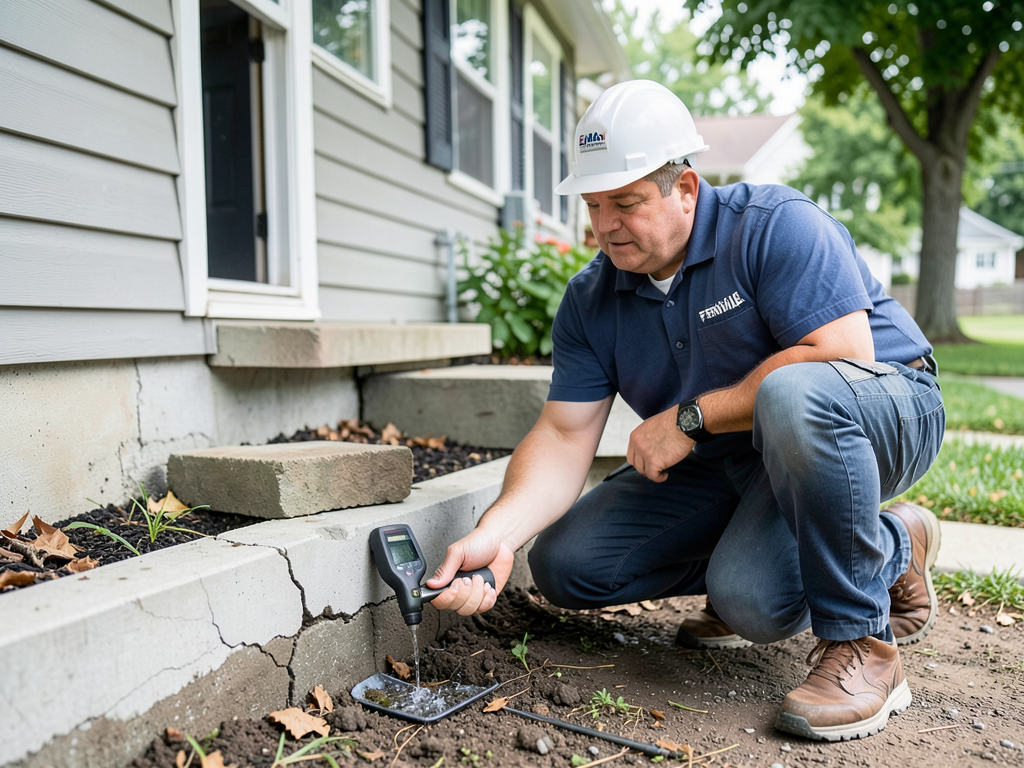
The Hidden Risks of Shared Driveway Runoff Between Your Ferndale Bungalow and Your Neighbor Shared driveways in Ferndale's historic bungalow neighborhoods create a hidden water damage threat that most homeowners never see coming. When rainwater…
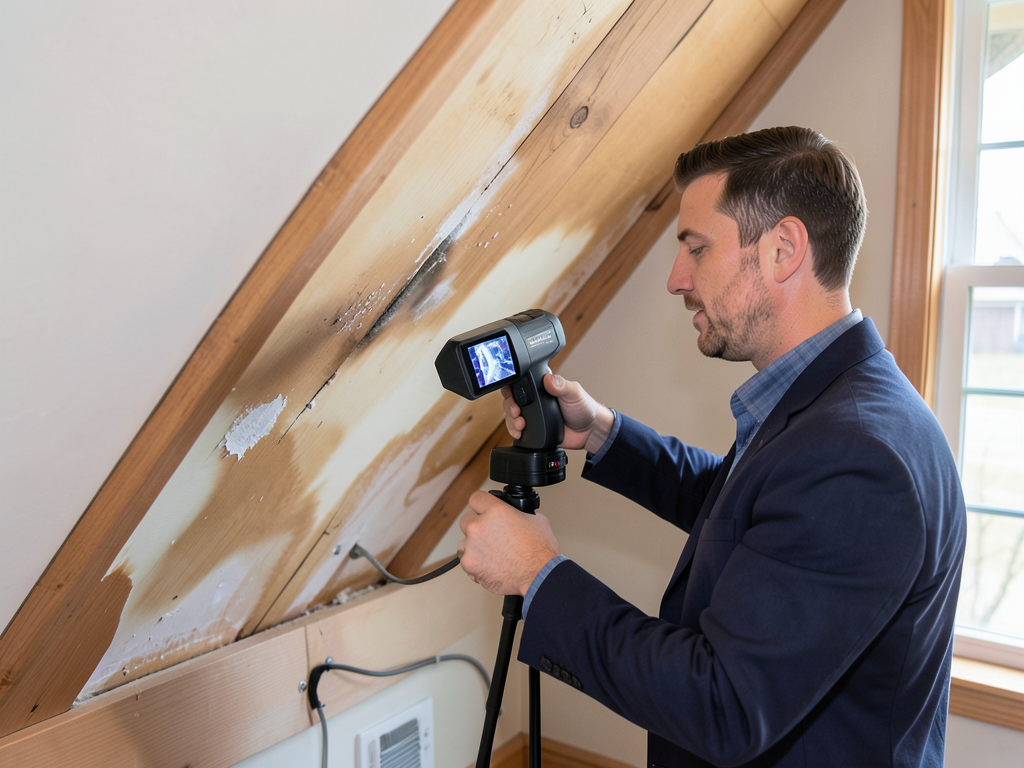
Tracking Down Hidden Water Leaks in Your Royal Oak Attic Kneewalls Royal Oak homeowners often…
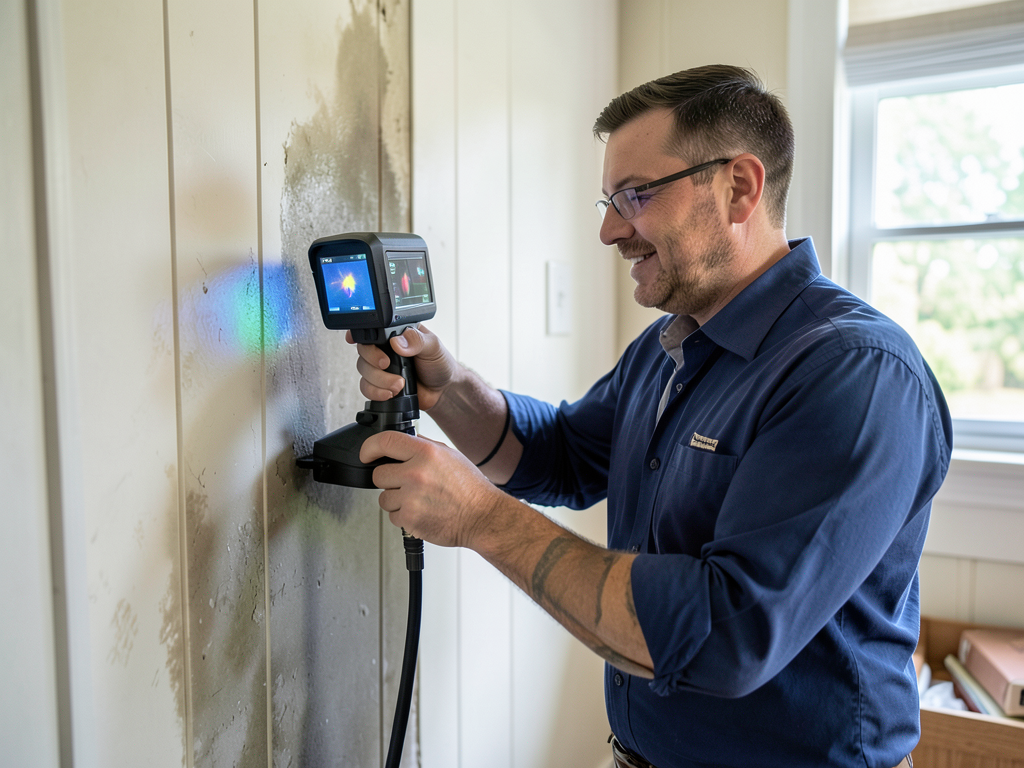
Why Your Baby's Nursery in Grosse Pointe Might Be Developing Hidden Wall Mold Parents in…
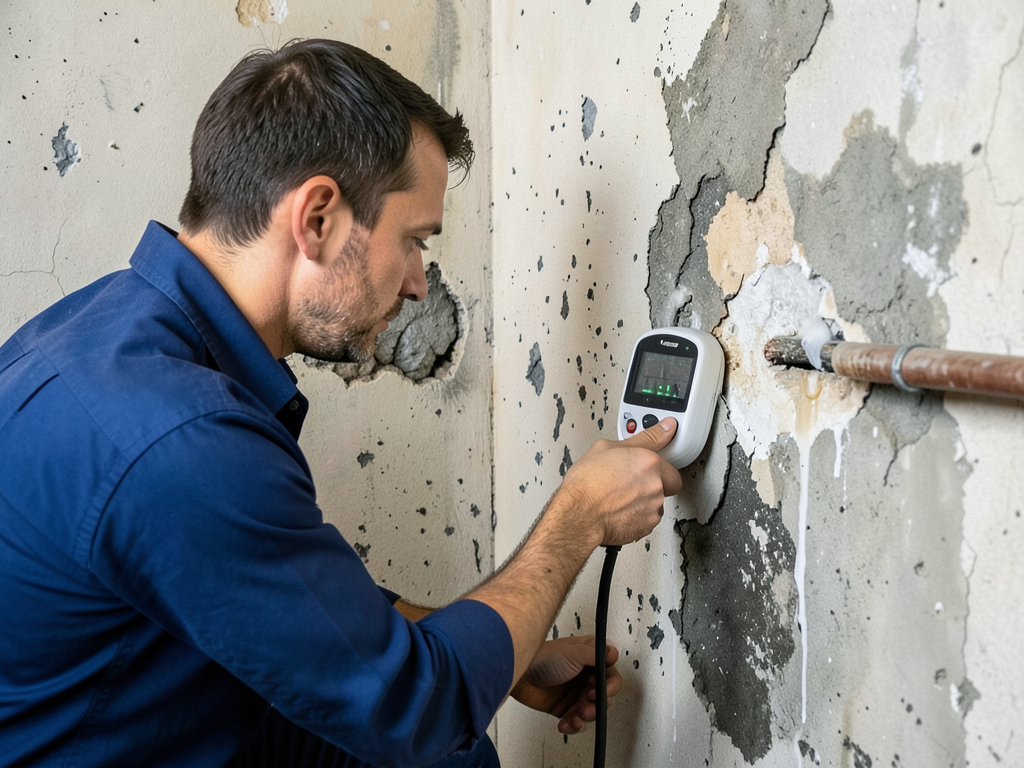
Protecting Your Remote Work Setup in Ferndale from Unexpected Basement Floods Water damage can destroy…
Every minute counts when water is damaging your Sterling Heights property. Our certified crews are standing by 24/7 to stop the damage and begin immediate restoration. Call (313) 572-5559 now for emergency dispatch. We arrive within 60 minutes with extraction equipment and start protecting your property immediately.