





Taylor sits in the Detroit River watershed with clay-heavy soil that holds water instead of draining it naturally. When spring thaw hits or summer storms roll through, that water has nowhere to go except into basements and crawl spaces. The Ecorse Creek runs through town, and when it floods, homes near Telegraph Road and Goddard face serious water intrusion risks.
Michigan's freeze-thaw cycles create another problem. Water seeps into foundation cracks during warmer days, then expands when temperatures drop overnight. Those small cracks become big problems fast. Many Taylor homes were built in the 1950s and 1960s, meaning aging pipes, outdated sump pumps, and basement waterproofing that no longer works like it should.
The industrial history of Downriver communities means older infrastructure that struggles during heavy rain events. Combined sewers can back up, sending contaminated water into homes near Pardee Road and Pennsylvania Avenue. Water heater failures, burst pipes in winter, and washing machine supply line breaks happen when you least expect them. Every hour counts when water starts spreading through your property.
When water invades your Taylor home, you need a team that understands Michigan construction and responds immediately. Ironwood Water Damage Restoration Detroit operates across the Downriver area with trained technicians who know how water behaves in clay soil conditions and older home construction common throughout Taylor.
We built our reputation on fast response times and thorough work. While other companies send salespeople first, we dispatch certified water removal technicians who start extracting water within minutes of arrival. Our truck-mounted equipment pulls water from carpets, padding, and subflooring faster than portable units, which means less secondary damage to drywall, insulation, and structural wood.
Insurance claims cause stress during emergencies. Our team documents everything with photos and moisture readings, communicates directly with adjusters, and handles the paperwork that overwhelms most homeowners. We work with every major insurance carrier serving Taylor and understand exactly what documentation they require for full coverage.
Our drying process follows IICRC standards for water damage restoration. We place commercial dehumidifiers and air movers strategically based on moisture meter readings, not guesswork. Every affected area gets monitored daily until moisture levels return to normal ranges. We pull baseboards when needed, drill weep holes in walls, and remove damaged materials that will grow mold if left in place. Complete drying prevents future problems that show up weeks after other companies declare the job finished.

We dispatch water removal crews to Taylor properties within one hour of your call, day or night. Our trucks carry industrial extraction equipment, commercial dehumidifiers, and thermal imaging cameras to find hidden moisture. Fast response stops water from spreading through walls and floors, which saves you money on repairs.

We handle claim documentation, communicate with adjusters, and provide detailed reports that insurance companies accept without argument. Most Taylor homeowners face water damage for the first time and feel lost navigating the claims process. Our team guides you through every step and fights for fair coverage.
Surface drying is not enough. We use thermal imaging to find water trapped inside walls and beneath floors, then deploy equipment until moisture meters confirm complete drying. Every job gets daily monitoring and adjustment. This thorough approach prevents mold growth and structural damage that appear weeks after incomplete drying jobs.
We understand Taylor construction, from post-war brick ranches to modern developments near Heritage Park. Clay soil drainage issues, aging sewer systems, and basement construction methods all affect how we approach water removal and drying. Local knowledge means faster, more effective restoration for your specific property type.
Water emergencies demand different responses based on the source, contamination level, and affected areas. Ironwood Water Damage Restoration Detroit provides complete water damage remediation from initial extraction through final repairs. Our technicians assess your specific situation, remove standing water, dry all affected materials, and restore your property to pre-damage condition.
We handle every category of water damage. Clean water from supply line breaks requires different protocols than sewage backups or flood water contaminated with chemicals and bacteria. Our equipment fleet includes truck-mounted extractors for fast water removal, commercial dehumidifiers that process hundreds of pints daily, and specialized cleaning products for contaminated materials.
The restoration process starts with emergency water removal and continues through reconstruction. We coordinate every phase so you work with one company instead of managing multiple contractors. Our technicians understand Michigan building codes, insurance requirements, and the specific challenges that Taylor properties face during water damage restoration.
When water floods your Taylor home, immediate extraction prevents thousands in additional damage. Our truck-mounted pumps remove standing water from basements, crawl spaces, and living areas in minutes. We extract water from carpets, pull soaked padding, and begin the drying process before water spreads through walls and subflooring. Emergency board-up and tarping services protect your property from further weather damage until permanent repairs can start.
Complete drying requires professional equipment and daily monitoring. We place commercial dehumidifiers and air movers based on moisture readings from walls, floors, and ceilings. Thermal imaging cameras find hidden water pockets inside wall cavities and beneath flooring. Our technicians track drying progress daily and adjust equipment placement until moisture levels return to normal. Proper drying prevents mold growth and structural damage that incomplete jobs leave behind.
Water damage often requires removing drywall, flooring, and damaged materials before drying can finish. Our reconstruction team rebuilds what water destroyed, from replacing drywall and insulation to installing new flooring and trim. We handle everything from minor drywall repairs to complete basement renovations. You get one point of contact throughout the entire process instead of coordinating multiple contractors during a stressful time.
Taylor homeowners face water damage from multiple sources throughout the year. Michigan's climate creates perfect conditions for basement flooding, frozen pipes, and storm damage. The clay soil common across Wayne County prevents proper drainage, which means water sits against foundations instead of flowing away from homes. Older neighborhoods near Eureka Road and Pardee have aging infrastructure that fails during heavy rain events.
Spring brings rapid snowmelt that overwhelms outdated sump pumps and basement drainage systems. Summer storms dump inches of rain in hours, flooding streets and backing up storm sewers. Fall leaves clog gutters and downspouts, sending water cascading down foundation walls. Winter freeze cycles burst pipes hidden in walls and attics. Each season presents unique water damage risks that require immediate professional response to prevent extensive property damage and expensive repairs.
Clay soil holds water against foundations instead of draining naturally. When spring thaw or heavy rain saturates the ground, hydrostatic pressure forces water through foundation cracks, floor joints, and window wells. Sump pumps fail when overwhelmed or lose power during storms. Standing water damages furnaces, water heaters, stored belongings, and creates mold growth risks within 48 hours.
Freezing temperatures cause water inside pipes to expand and rupture supply lines. Pipes in exterior walls, unheated crawl spaces, and attics face the highest risk. When temperatures rise, ice melts and water floods through ceilings, walls, and floors. A single burst pipe releases hundreds of gallons per hour, soaking insulation, drywall, and personal belongings before homeowners discover the problem.
Combined sewer systems in older Taylor neighborhoods back up during heavy rain when capacity gets exceeded. Contaminated water enters homes through floor drains, toilets, and basement fixtures. Sewage contains dangerous bacteria and requires specialized cleaning protocols. Standard water removal equipment cannot safely handle Category 3 contaminated water that threatens health and requires complete sanitization of affected areas.
Michigan storms bring high winds, heavy rain, and hail that damage roofs and siding. Water enters through damaged shingles, torn flashing, and compromised seals around vents and chimneys. Attic insulation absorbs water, which then leaks through ceilings into living spaces. Wind-driven rain penetrates siding and windows, soaking wall cavities and creating hidden moisture problems that appear days after storms pass.
Water emergencies feel overwhelming, but our process brings order to chaos. From your first call through final walkthrough, we handle every detail so you can focus on getting life back to normal. Our dispatch team answers within minutes and sends a crew immediately to your Taylor property. You get regular updates throughout the restoration process and direct access to your project manager who answers questions and coordinates with your insurance company.
We document everything with photos, moisture readings, and detailed notes that insurance adjusters require. Most homeowners have never filed a water damage claim and feel lost navigating the process. Our team guides you through paperwork, explains coverage, and advocates for fair settlements. We work directly with adjusters to speed up approval and get restoration moving quickly.
When you call our emergency line, a real person answers and dispatches a crew to your Taylor property within one hour. Our technicians arrive with industrial extraction equipment, moisture meters, and thermal cameras to assess damage. We begin water removal immediately while documenting everything for your insurance claim. You receive a detailed scope of work and timeline before we start, so you know exactly what to expect throughout the restoration process.
Your project manager visits daily to check moisture levels, adjust drying equipment, and update you on progress. We explain what we find, why specific actions are necessary, and how long each phase will take. You get photos showing drying progress and moisture readings that prove materials are returning to normal levels. We answer questions anytime and adjust our schedule around your needs when possible.
We do not consider the job finished until moisture readings confirm complete drying and you approve all repairs. Our final walkthrough ensures every detail meets your expectations. We explain what we did, show you moisture meter readings, and provide documentation for your records. Most water damage restoration gets completed within five to ten days depending on severity, but we never rush drying to meet arbitrary deadlines that risk future mold growth.
Every water emergency follows the same basic path from crisis to restoration. Our proven process stops damage progression, removes all moisture, and rebuilds your property properly. This systematic approach ensures nothing gets missed and prevents problems that show up weeks after incomplete restoration work.
Our technicians inspect your Taylor property to identify water sources, measure affected areas, and determine contamination category. We photograph everything and take moisture readings in walls, floors, and ceilings. Truck-mounted extractors remove standing water from all affected areas. We pull soaked carpets and padding, extract water from hardwood floors, and pump water from basements and crawl spaces. Emergency power generation keeps equipment running during outages.
Commercial dehumidifiers and air movers get positioned based on thermal imaging and moisture readings. We monitor humidity levels, material moisture content, and drying progress daily. Equipment gets adjusted as conditions change. Antimicrobial treatments prevent mold growth on affected materials. This phase continues until moisture meters confirm all materials have returned to normal levels, which typically takes three to seven days depending on the extent of saturation and materials affected.
Once drying finishes, our reconstruction team repairs and rebuilds damaged areas. We replace drywall, install new flooring, paint, and match materials to existing finishes. All work follows Michigan building codes and insurance requirements. You get one company handling everything from water extraction through final repairs instead of managing multiple contractors. We complete restoration so your home looks and functions exactly as it did before water damage occurred.
Professional water damage restoration follows standards established by the Institute of Inspection, Cleaning and Restoration Certification. These protocols ensure complete moisture removal and prevent secondary damage that causes long-term problems. Water damage gets classified into three categories based on contamination level, which determines required cleaning protocols and safety procedures.
Category 1 water comes from clean sources like supply lines and does not pose immediate health risks. Category 2 water contains contaminants from washing machines, dishwashers, or toilet bowls with urine but no feces. Category 3 water is grossly contaminated with sewage, chemicals, or floodwater and requires specialized handling with protective equipment. Water category can change over time as clean water absorbs contaminants from building materials and sitting water develops bacterial growth.
Drying standards specify target moisture levels for different materials. Wood framing should reach 15 percent moisture content or less. Concrete and masonry vary based on grade and thickness but generally require moisture levels below 5 percent. Drywall and insulation often require replacement when heavily saturated because complete drying becomes impractical. Professional restoration companies use calibrated moisture meters and document readings daily to prove materials have dried completely.
Michigan's humid climate makes thorough drying more difficult than arid regions. Relative humidity affects how quickly materials release moisture. Our commercial dehumidifiers remove 150 to 200 pints of water daily while air movers create airflow across wet surfaces to accelerate evaporation. The combination of dehumidification and air movement creates conditions where materials dry faster than mold can establish growth, which typically requires 48 to 72 hours of sustained moisture.
Professional water damage restoration follows IICRC S500 standards for water damage cleanup and drying. These standards specify equipment requirements, drying goals, and safety protocols. Certified technicians understand how different materials absorb and release moisture, which prevents incomplete drying that leads to mold growth and structural damage. Insurance companies recognize IICRC standards and expect proper documentation throughout the restoration process.
Water damage restoration costs depend on affected area size, water category, materials damaged, and drying time required. Clean water from supply lines costs less to remediate than contaminated sewage requiring disposal and sanitization. Hardwood floors often get saved with proper drying, but carpet and padding usually require replacement. Insurance typically covers sudden and accidental water damage but excludes gradual leaks and maintenance issues.
Most water damage drying takes three to seven days depending on saturation level and materials affected. Concrete basement floors dry slower than wood framing. Wall cavities require longer drying than open areas. We never remove equipment based on time alone. Moisture meters must confirm all materials have reached acceptable levels before reconstruction begins. Rushing drying to meet arbitrary deadlines creates conditions for mold growth and structural problems.
Water damage reconstruction in Taylor must follow Michigan Residential Code requirements. Electrical work requires licensed electricians and inspections. Structural modifications need permits from the Taylor Building Department. Proper reconstruction includes vapor barriers in basements, proper insulation R-values, and ventilation requirements. Our team handles all permitting and ensures work meets code requirements that protect your investment and satisfy insurance requirements.
This video explains water damage restoration services for Taylor Michigan properties, including emergency water extraction, structural drying protocols, and insurance claim documentation. Viewers learn about IICRC restoration standards, water damage categories, typical drying timelines, and why Michigan's clay soil and climate create unique water damage risks. The video covers basement flooding, burst pipes, sewage backups, and storm damage restoration processes using commercial dehumidification equipment and moisture monitoring techniques.
Ironwood Water Damage Restoration Detroit serves every neighborhood throughout Taylor and the surrounding Downriver area. We respond to water emergencies from the residential areas near Heritage Park off Beech Daly Road to the older homes along Telegraph Road. Properties near Pardee Road face unique challenges during heavy rain when storm sewers back up, while homes closer to the Ecorse Creek deal with flood risks during spring thaw and severe weather events.
The neighborhoods around Eureka Road and Pelham Road include many ranch-style homes built in the 1950s and 1960s with basement construction that makes them vulnerable to water intrusion through foundation walls and floor joints. Clay soil throughout the area prevents natural drainage, which means water sits against foundations during wet periods. We understand how these older homes were built and what it takes to dry them properly without causing additional damage to plaster walls and original hardwood floors.
Communities near Goddard Road and Pennsylvania Avenue include both residential and commercial properties that require fast response when water damage strikes. Our commercial services handle everything from retail flooding to office building pipe bursts with minimal business interruption. We work overnight and on weekends to restore commercial properties quickly so Taylor businesses can reopen and serve customers.
The areas bordering Southgate and Allen Park receive the same rapid response as properties within Taylor city limits. We serve the entire Downriver region from our Detroit location, which puts our crews within minutes of any water emergency. Our technicians know the back roads and fastest routes to reach your property quickly, even during rush hour traffic on I-75 or Telegraph Road. When you call our emergency line, we dispatch the closest available crew regardless of which Downriver community you call home.
Water damage restoration costs in Taylor typically range from a few hundred dollars for minor cleanup to several thousand for extensive structural repairs. Your final price depends on the water source (clean, gray, or black water), affected square footage, and repair scope. A burst pipe in your basement costs less than sewage backup affecting multiple rooms. Most homeowners insurance policies cover sudden water damage, which significantly reduces your out-of-pocket expense. Get a free inspection to receive an accurate estimate based on your specific situation. Pricing factors include water extraction, drying equipment, antimicrobial treatment, and any necessary reconstruction work.
Water damage restoration is absolutely worth it for Taylor homeowners. Untreated water damage leads to structural deterioration, toxic mold growth within 24 to 48 hours, and compromised indoor air quality. Your property value drops when buyers discover hidden moisture issues during inspections. Professional restoration prevents secondary damage that costs exponentially more to fix later. Insurance typically covers restoration costs for covered perils, making the investment minimal compared to the risk. Structural wood rot, foundation issues, and health problems from mold exposure far exceed initial restoration expenses. Protect your investment and your family's health by addressing water damage immediately.
Water damage restoration includes emergency water extraction, structural drying, moisture detection, antimicrobial treatment, and content restoration. Technicians remove standing water using pumps and extractors, then position industrial dehumidifiers and air movers to dry affected materials. Moisture meters track progress in walls, floors, and ceilings. Anti-microbial treatments prevent mold colonization. The process includes documenting damage for insurance claims, removing unsalvageable materials, cleaning salvageable contents, and performing necessary repairs. Full-service restoration brings your Taylor property back to pre-loss condition, including reconstruction of removed drywall, flooring, or other building materials damaged beyond repair.
Water damage restoration costs in Taylor typically range from a few hundred dollars for minor cleanup to several thousand for extensive structural repairs. Your final price depends on the water source (clean, gray, or black water), affected square footage, and repair scope. A burst pipe in your basement costs less than sewage backup affecting multiple rooms. Most homeowners insurance policies cover sudden water damage, which significantly reduces your out-of-pocket expense. Get a free inspection to receive an accurate estimate based on your specific situation. Pricing factors include water extraction, drying equipment, antimicrobial treatment, and any necessary reconstruction work.
Water damage restoration is absolutely worth it for Taylor homeowners. Untreated water damage leads to structural deterioration, toxic mold growth within 24 to 48 hours, and compromised indoor air quality. Your property value drops when buyers discover hidden moisture issues during inspections. Professional restoration prevents secondary damage that costs exponentially more to fix later. Insurance typically covers restoration costs for covered perils, making the investment minimal compared to the risk. Structural wood rot, foundation issues, and health problems from mold exposure far exceed initial restoration expenses. Protect your investment and your family's health by addressing water damage immediately.
Water damage restoration includes emergency water extraction, structural drying, moisture detection, antimicrobial treatment, and content restoration. Technicians remove standing water using pumps and extractors, then position industrial dehumidifiers and air movers to dry affected materials. Moisture meters track progress in walls, floors, and ceilings. Anti-microbial treatments prevent mold colonization. The process includes documenting damage for insurance claims, removing unsalvageable materials, cleaning salvageable contents, and performing necessary repairs. Full-service restoration brings your Taylor property back to pre-loss condition, including reconstruction of removed drywall, flooring, or other building materials damaged beyond repair.
Water remediation focuses on immediate damage control: extracting standing water, drying the structure, and preventing mold growth. This emergency response stabilizes your property and stops further deterioration. Water restoration is the complete process that includes remediation plus repairs and reconstruction. Restoration returns your Taylor home to its original condition by replacing damaged drywall, flooring, insulation, and other materials. Think of remediation as the emergency medical response, while restoration is the full recovery process. You need both for complete recovery. Most companies handle both phases, transitioning seamlessly from emergency mitigation to full structural repairs and finishing work.
Water remediation focuses on immediate damage control: extracting standing water, drying the structure, and preventing mold growth. This emergency response stabilizes your property and stops further deterioration. Water restoration is the complete process that includes remediation plus repairs and reconstruction. Restoration returns your Taylor home to its original condition by replacing damaged drywall, flooring, insulation, and other materials. Think of remediation as the emergency medical response, while restoration is the full recovery process. You need both for complete recovery. Most companies handle both phases, transitioning seamlessly from emergency mitigation to full structural repairs and finishing work.
Conveniently located to serve the Detroit area, Ironwood is always ready to respond to your water damage emergencies. Explore our service area on the map below or contact us directly to discuss your specific needs. We’re committed to providing prompt, professional service wherever you are within our operational zone, ensuring rapid deployment and effective restoration solutions when you need them most.
Address:
Taylor, MI, 48180
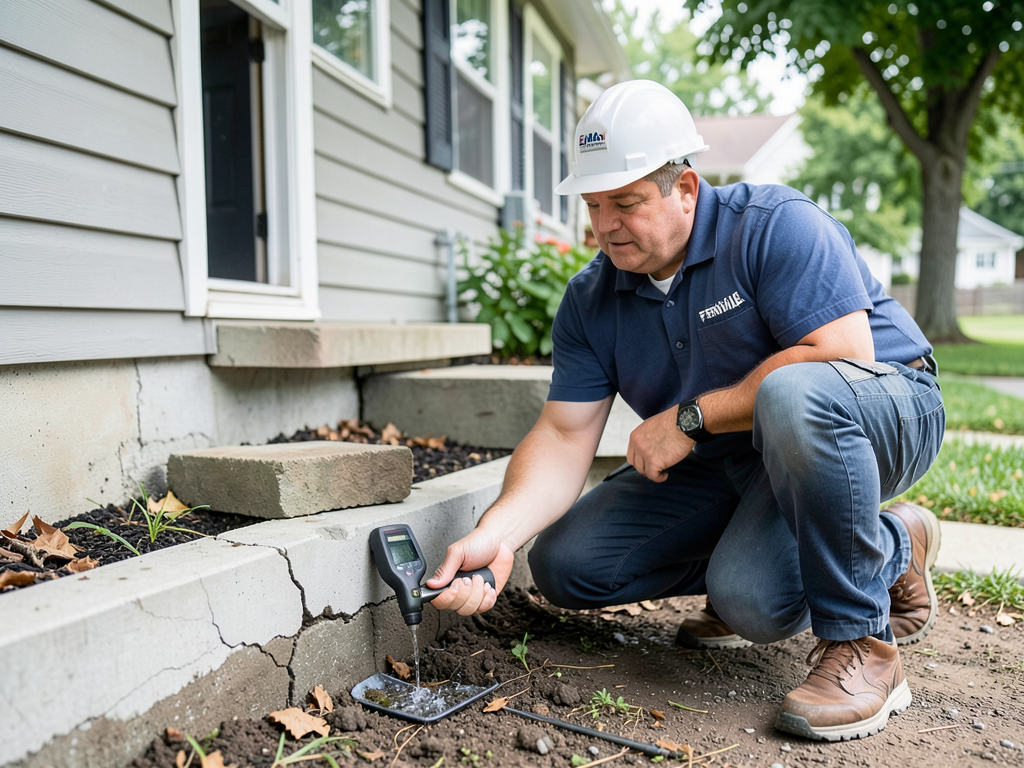
The Hidden Risks of Shared Driveway Runoff Between Your Ferndale Bungalow and Your Neighbor Shared driveways in Ferndale's historic bungalow neighborhoods create a hidden water damage threat that most homeowners never see coming. When rainwater…
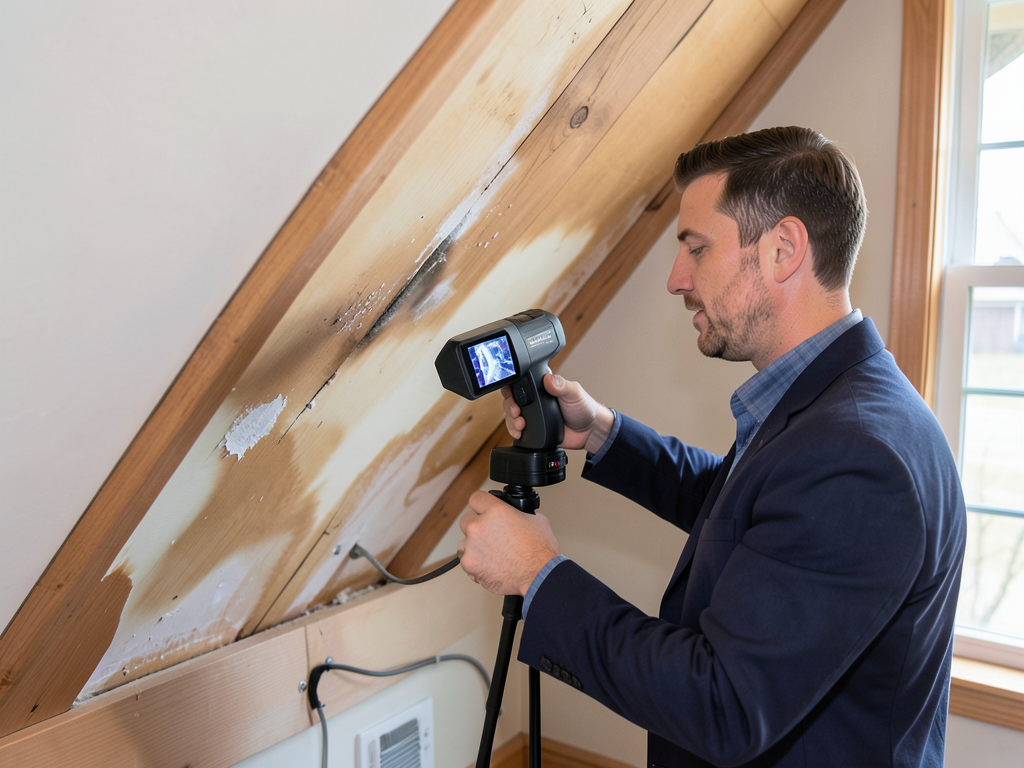
Tracking Down Hidden Water Leaks in Your Royal Oak Attic Kneewalls Royal Oak homeowners often…
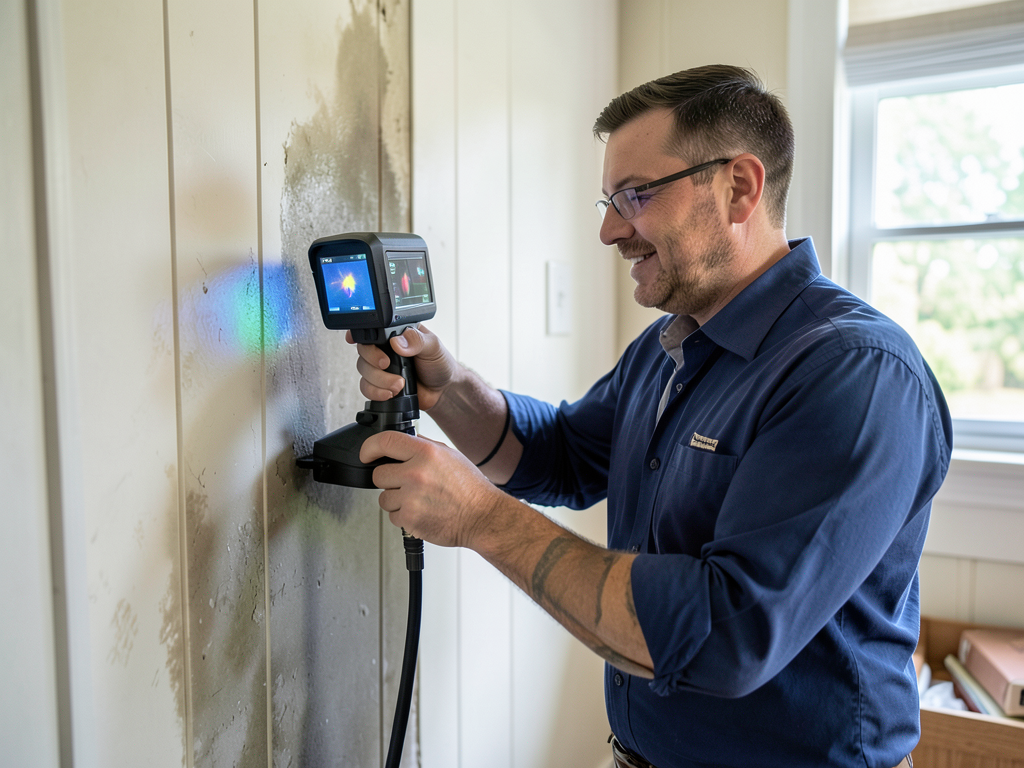
Why Your Baby's Nursery in Grosse Pointe Might Be Developing Hidden Wall Mold Parents in…
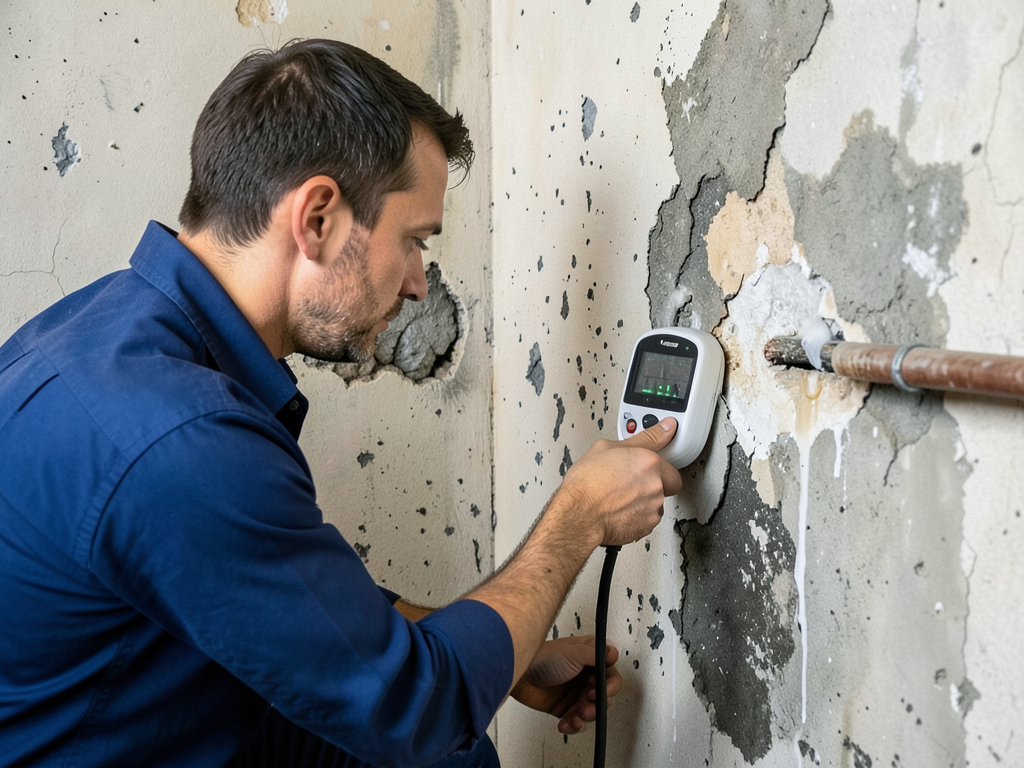
Protecting Your Remote Work Setup in Ferndale from Unexpected Basement Floods Water damage can destroy…
Water damage gets worse every hour you wait. Call Ironwood Water Damage Restoration Detroit at (313) 572-5559 right now for immediate dispatch to your Taylor property. Our crews respond 24/7 with industrial extraction equipment ready to stop damage and start drying your home.