




menu

Water Stains on Drywall in Detroit – Expert Diagnosis Stops Hidden Mold and Structural Damage

Detroit homeowners trust Ironwood Water Damage Restoration Detroit to trace water stains on drywall back to their source, eliminate moisture threats, and restore walls before mold takes hold in your home.

Slider Image 1
Slider Image 2
Slider Image 3
Slider Image 4
Slider Image 5
Slider Image 7
Slider Image 8
Slider Image 9
Slider Image 10
Slider Image 11

Why Water Stains Appear on Detroit Drywall and What They Mean

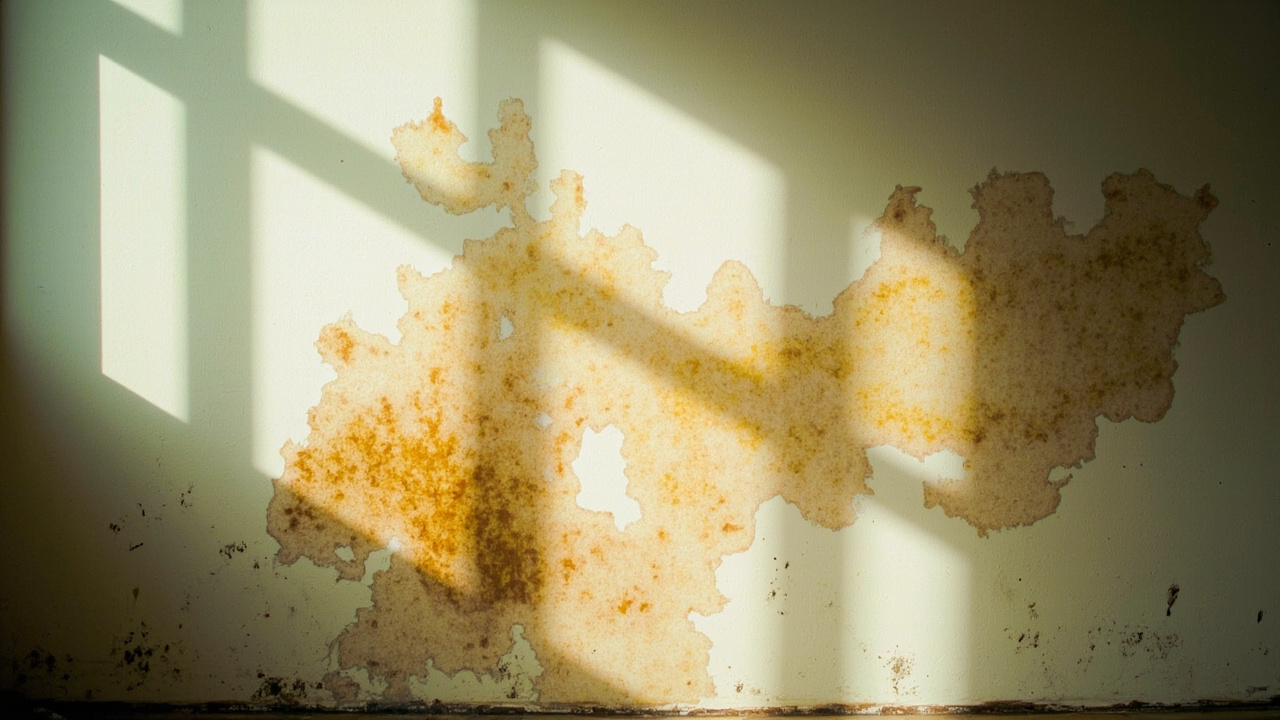
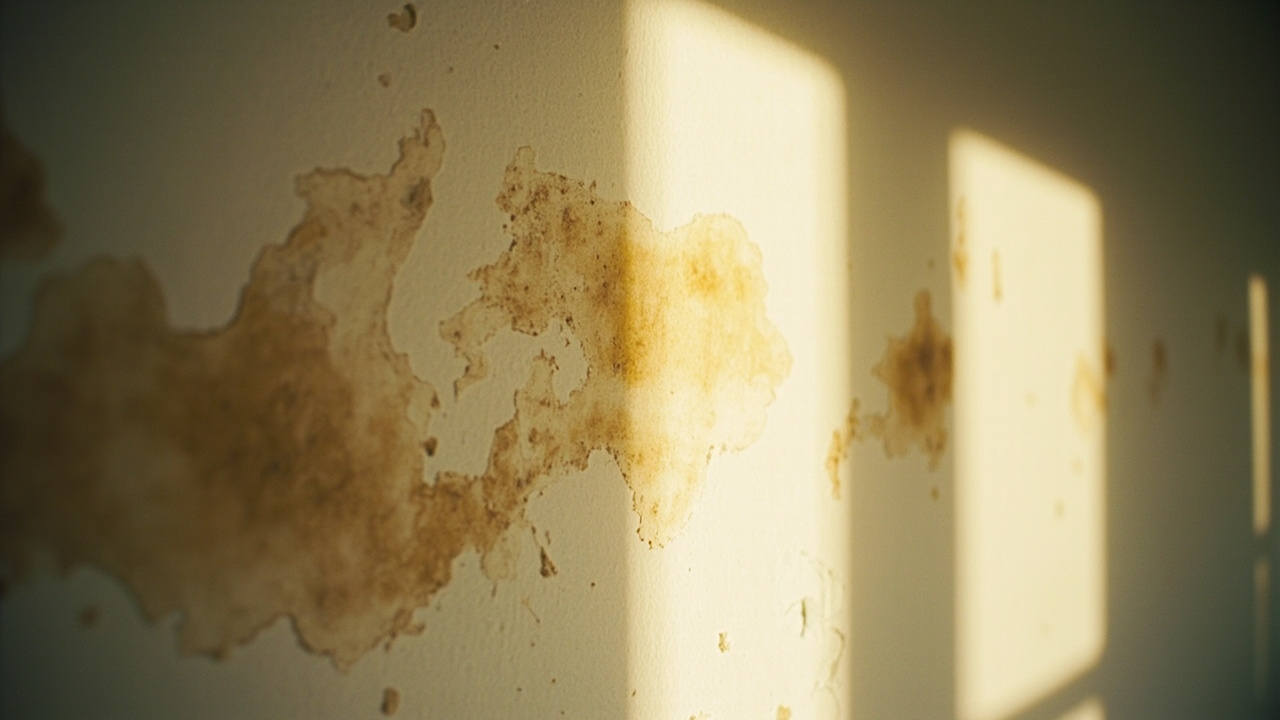
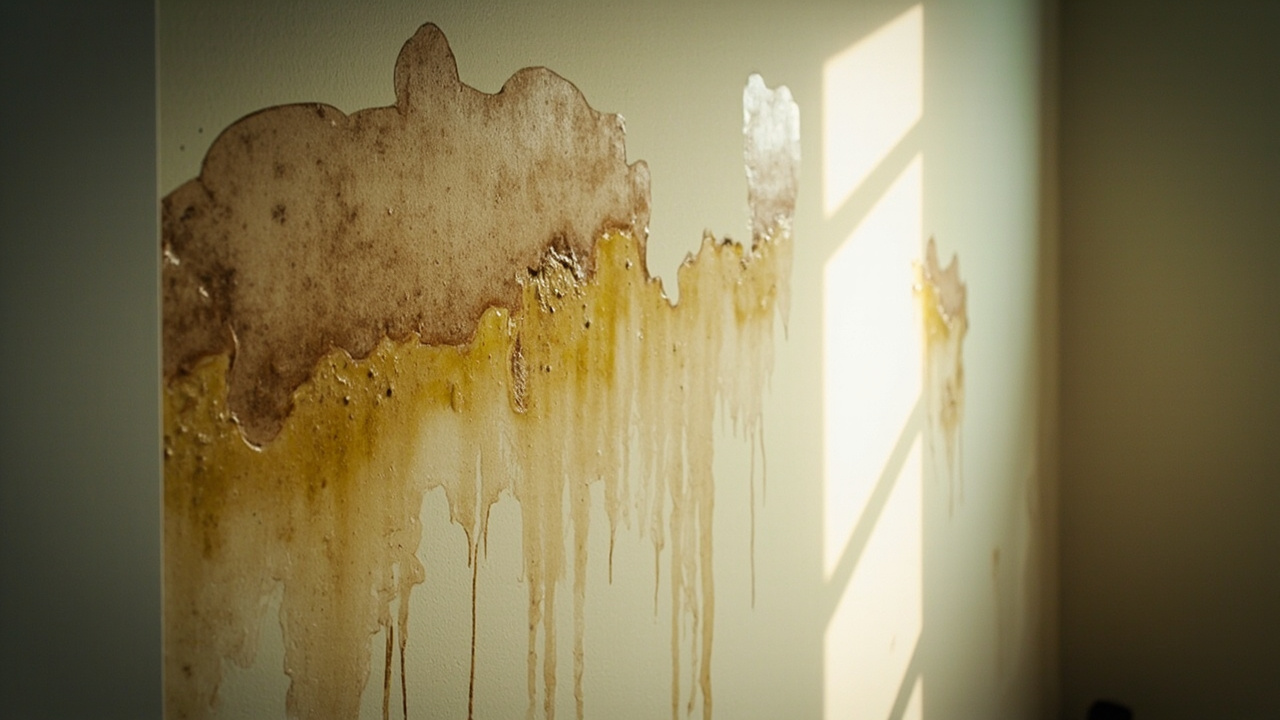
You see brown water spots on walls in your upstairs bedroom. Yellow stains on drywall creep across the ceiling in your dining room. Moisture discoloration on sheetrock spreads near the bathroom. These are not cosmetic issues. They are warnings.

Detroit's freeze-thaw cycles stress plumbing lines and roofing materials. When temperatures swing from 15 degrees in January to 85 in July, expansion and contraction crack pipe joints and roof flashing. Water finds its way into wall cavities and ceiling assemblies. Once inside, it saturates insulation and migrates along studs until gravity pulls it through the drywall face paper. That is when you see the stain.

Water marks on ceiling panels often point to roof leaks or second-floor plumbing failures. Wet patches on plasterboard near exterior walls suggest ice dam backup or failed window flashing. In older Detroit homes with galvanized supply lines, pinhole leaks develop inside walls and go unnoticed until discoloration appears.

The stain itself is not the problem. The problem is the moisture source feeding it. Drywall is porous. It wicks water. It holds it. And in Detroit's humid summers, that trapped moisture creates the perfect environment for mold colonization within 24 to 48 hours.

Ignoring brown water spots on walls does not make them disappear. It allows hidden damage to compound. Studs rot. Insulation compresses and loses R-value. Mold spreads behind the surface where you cannot see it. The longer moisture sits, the more expensive the fix becomes.

If you see discoloration, you have an active moisture problem that needs diagnosis and remediation now.

Why Water Stains Appear on Detroit Drywall and What They Mean
How We Trace and Eliminate the Source of Water Stains

How We Trace and Eliminate the Source of Water Stains

Most contractors paint over water stains and call it done. That is not restoration. That is concealment. The moisture source remains active, and the stain returns in weeks.

Ironwood Water Damage Restoration Detroit does not hide problems. We solve them.

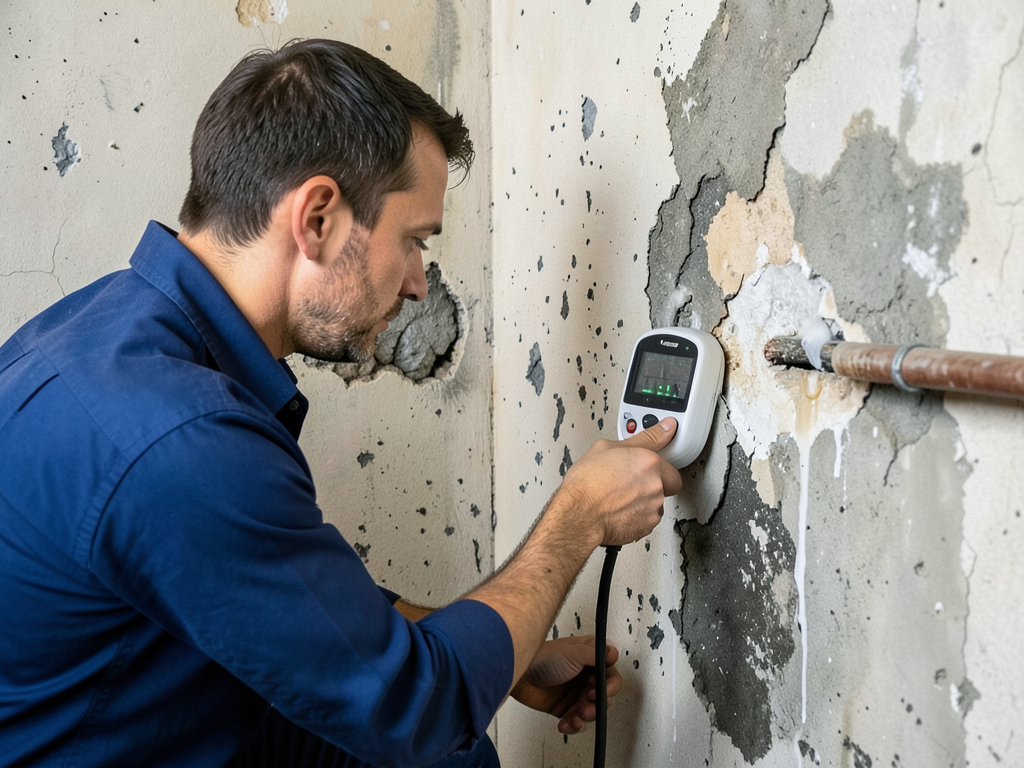
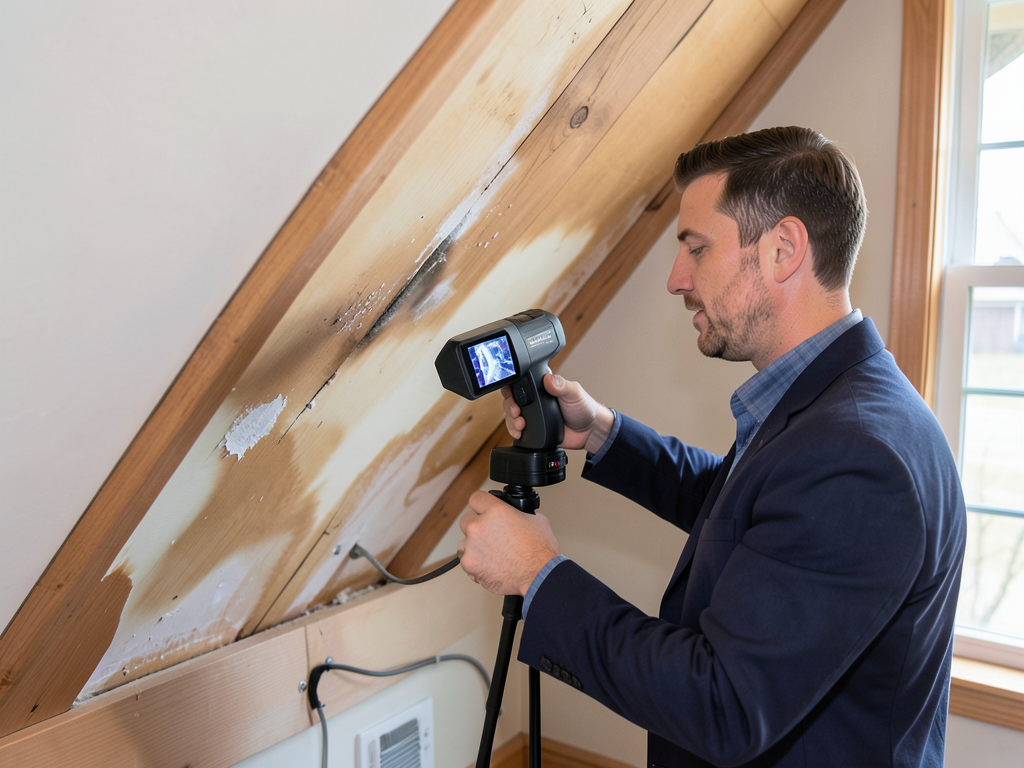
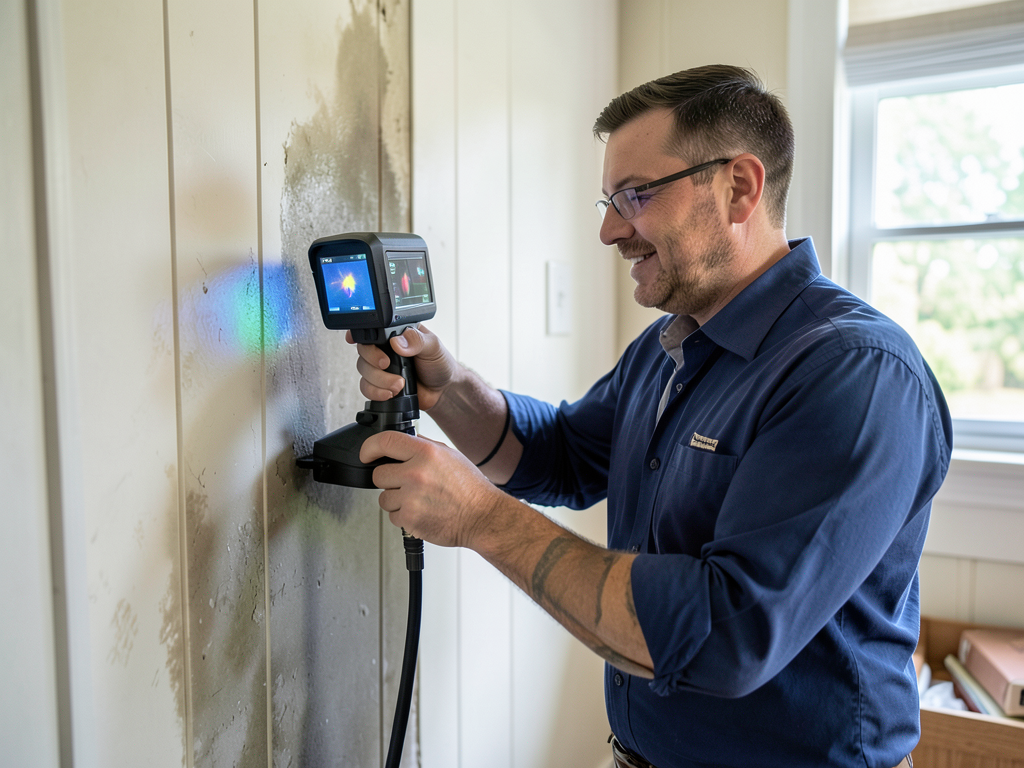
We start with moisture mapping using calibrated infrared cameras and pin-type moisture meters. Infrared imaging reveals temperature differentials that indicate wet insulation and trapped moisture behind drywall. Pin meters give us exact moisture content readings in wood framing and gypsum board. We do not guess. We measure.

Once we locate the wet zone, we trace the moisture pathway back to its origin. That means inspecting attic spaces for roof penetrations, checking supply line connections inside walls, and pressure-testing drain lines if we suspect a slow leak. In Detroit's older housing stock, we often find failed cast iron drain stacks or corroded copper elbows that leak intermittently.

After identifying the source, we stop the water intrusion. That might mean repairing a roof valley, replacing a wax ring under a toilet, or re-soldering a supply line joint. No drywall repair happens until the moisture source is eliminated.

Next, we remove wet materials. Saturated drywall and insulation cannot be saved. We cut back to dry framing, remove compromised insulation, and treat exposed studs with antimicrobial solutions if mold is present. We then set up commercial dehumidifiers and air movers to dry the cavity to below 15 percent moisture content.

Only after confirming the framing is dry and the source is fixed do we install new insulation, hang new drywall, tape, mud, and finish to match your existing texture. The result is a wall assembly that performs as designed, with no hidden moisture and no future staining.

What Happens During Your Water Stain Investigation

Water Stains on Drywall in Detroit – Expert Diagnosis Stops Hidden Mold and Structural Damage
01

Initial Assessment and Moisture Detection

We arrive with thermal imaging equipment and moisture meters. You show us the stain. We scan the surrounding area to map moisture distribution and identify the wet zone. We check above, below, and adjacent to the visible discoloration. This takes 20 to 30 minutes and gives us a clear picture of how far the moisture has spread and where it likely originated.
02

Source Identification and Repair

We trace the moisture back to its entry point. That might require accessing the attic, opening a small inspection hole in the drywall, or checking plumbing connections. Once we confirm the source, we provide a detailed explanation and a repair plan. We fix the leak or intrusion point before touching the drywall. This eliminates the root cause and prevents recurrence after restoration.
03

Drying and Restoration

We remove wet drywall and insulation, treat any mold growth, and dry the wall cavity using industrial dehumidifiers. Once moisture readings confirm the framing is dry, we rebuild the wall assembly with new materials. We finish, texture, and prime the surface so it blends seamlessly with the surrounding area. You get a fully restored wall with no risk of future problems.

Why Detroit Homeowners Choose Ironwood for Water Stain Diagnosis

Detroit's housing stock includes everything from 1920s bungalows with plaster walls to post-war Cape Cods with original plumbing. Each era presents unique challenges when diagnosing water intrusion. Ironwood Water Damage Restoration Detroit has worked in every neighborhood, from the brick colonials in Palmer Woods to the ranch homes in Redford Township.

We understand how Detroit's climate stresses building assemblies. We know that ice dams form on north-facing roof slopes when attic insulation is inadequate. We know that pre-1960 homes often have galvanized supply lines that corrode from the inside out. We know that poorly vented bathrooms in older homes create condensation issues that mimic active leaks.

This local experience matters. A contractor unfamiliar with Detroit's building patterns might misdiagnose a condensation problem as a roof leak, leading to unnecessary and expensive repairs. We have seen it happen. We do not make those mistakes.

We also understand the urgency. A water stain is not just an eyesore. It is a liability. If you are preparing to sell your home, a visible stain will trigger questions during inspection. Buyers will ask for concessions or walk away. If you are a landlord, a water stain signals deferred maintenance and invites code enforcement scrutiny.

Our team responds quickly. We carry the diagnostic tools in our trucks, so we can assess your situation on the first visit. We provide transparent estimates with no hidden fees. And we work directly with your insurance company if the damage is covered, handling documentation and claims communication so you do not have to.

You get honest answers, skilled repairs, and a restored wall that performs as it should. That is the Ironwood difference.

What to Expect When You Call Ironwood for Water Stain Repair

Fast Response and Scheduling

We answer the phone, not a call center. You speak directly with someone who understands water damage. We schedule assessments within 24 hours for active leaks and within 48 hours for non-emergency stains. If you call in the morning, we can often arrive the same day. We respect your schedule and show up on time. No guessing games, no missed appointments. You get a firm arrival window and a confirmation call before we head to your home.

Thorough Diagnostic Process

Our assessment is comprehensive. We do not eyeball the stain and guess. We use thermal imaging to see what is happening behind the surface. We take moisture readings at multiple points to map the extent of saturation. We inspect the attic, crawl space, or adjacent rooms as needed. You receive a written report that explains what we found, what caused it, and what it will take to fix it. No jargon, no runaround. Just clear information you can use to make a decision.

Complete and Lasting Repairs

We do not patch over problems. We fix the source, remove damaged materials, dry the structure, and rebuild it correctly. That means new insulation, new drywall, proper taping and finishing, and texture matching. When we leave, you cannot tell where the damage was. The repair is invisible and permanent. We do not use shortcuts or cheap materials. You get the same quality we would demand in our own homes. The result is a wall that looks good and stays dry.

Follow-Up and Documentation

After completing the repair, we provide documentation of the work performed, including moisture readings, photos of the damaged area, and a summary of repairs. If you are filing an insurance claim, this documentation is critical. We also offer a follow-up inspection at no charge to confirm the repair is holding and no new moisture has appeared. If you have questions weeks or months later, you can call us. We stand behind our work and our reputation in the Detroit community.

Frequently Asked Questions

You Have Questions,
We Have Answers

How do you get water stains out of drywall? +

First, fix the source of the moisture. You cannot remove water stains permanently if the leak continues. Once dry, apply a stain-blocking primer like Kilz or Zinsser to seal the discoloration. This prevents the stain from bleeding through your topcoat. After the primer dries, repaint with a matching finish. If the drywall feels soft, crumbles, or shows mold, you need replacement, not cosmetic repair. Detroit homes with older plumbing or ice dam issues require thorough inspection before covering stains. Painting over active moisture traps problems inside your walls.

How to tell if water is leaking behind drywall? +

Look for soft or bulging drywall that feels spongy when pressed. Fresh stains that grow or darken indicate active leaks. You may notice peeling paint, bubbling texture, or a musty smell near the affected area. In Detroit, freeze-thaw cycles stress pipes inside walls, especially on exterior-facing surfaces. Use a moisture meter to confirm elevated readings behind the drywall. Check nearby plumbing fixtures, HVAC lines, or roof penetrations. If you hear dripping or see visible mold, you have an active leak requiring immediate attention before structural damage worsens.

Can I paint over water stained drywall? +

No, not directly. Painting over water stains without primer causes the discoloration to bleed through your new paint within days. You must first apply a stain-blocking primer designed to seal tannins and watermarks. Ensure the drywall is completely dry before priming. If the surface feels damp or soft, painting traps moisture and promotes mold growth. Detroit humidity can slow drying times, especially in basements or poorly ventilated spaces. Address the moisture source first, dry thoroughly, prime properly, then paint. Skipping steps wastes time and money when stains reappear.

Why do I have water marks on my walls but no leak? +

You likely have condensation issues, not plumbing leaks. Detroit winters create temperature differentials where warm indoor air meets cold exterior walls, causing moisture to bead up. Poor insulation, high indoor humidity, or blocked vapor barriers allow condensation to form inside wall cavities. Bathroom exhaust fans venting into attics instead of outside can also cause phantom stains. Check attic ventilation, bathroom fans, and basement dehumidification. Thermal bridging through uninsulated headers creates cold spots where moisture collects. Even without visible leaks, chronic condensation damages drywall and feeds mold growth over time.

Is drywall ruined once it gets wet? +

Not always, but speed matters. Drywall can dry out if moisture exposure is brief and you act fast. Within 24 to 48 hours, wet drywall begins deteriorating. The paper facing delaminates, gypsum core weakens, and mold spores activate. Category 3 water (sewage) requires immediate removal regardless of drying potential. In Detroit basements prone to flooding, prolonged saturation destroys structural integrity. If drywall stayed wet beyond 48 hours, shows sagging, or smells musty, replacement is safer than drying attempts. Professional moisture meters determine salvageability better than visual inspection alone.

Are water spots on paint permanent? +

Water spots on paint are not permanent if you address them correctly. The stain itself can be sealed with primer, but visible texture damage like bubbling or peeling requires sanding and repainting. Tannin stains from wood bleed require specialized stain blockers. If the paint finish is intact and only discolored, a quality primer followed by matching paint resolves the issue. Detroit homes with hard water may see mineral deposits that need scrubbing before priming. Ignoring the moisture source means stains return. Fix the leak, dry completely, prime, and repaint for lasting results.

How long can drywall be wet before mold? +

Mold can begin growing on wet drywall within 24 to 48 hours under the right conditions. Warm temperatures, humidity above 60 percent, and organic material (paper facing on drywall) accelerate colonization. Detroit summers with high humidity compress this timeline. Basements and crawl spaces with poor ventilation provide ideal mold environments. Even if visible mold has not appeared, microbial growth often starts inside wall cavities first. Professional drying equipment removes moisture faster than air circulation alone. Waiting beyond 48 hours significantly increases health risks and remediation costs. Speed is critical after any water intrusion event.

Can plumbers detect leaks behind walls? +

Yes, licensed plumbers use specialized leak detection tools to locate hidden leaks without demolition. Thermal imaging cameras identify temperature differences caused by water movement. Acoustic sensors detect the sound of water escaping pipes inside walls. Moisture meters measure elevated humidity levels in building materials. Tracer gas and pressure testing isolate leaks in supply lines. Detroit homes with galvanized or aging copper pipes benefit from non-invasive detection before extensive damage occurs. Plumbers correlate visible stains with plumbing layouts to narrow search areas. Professional detection saves money compared to exploratory drywall removal and guesswork repairs.

How to tell if drywall has water damage? +

Water-damaged drywall shows discoloration ranging from yellow to brown. The surface feels soft, spongy, or crumbly when pressed. Paint may bubble, peel, or flake away from the substrate. Visible mold appears as black, green, or gray patches. You may notice a musty odor even without visible stains. Sagging or bulging sections indicate structural compromise from prolonged saturation. Detroit homes with basement moisture or roof leaks often show damage along baseboards or ceiling joints. Efflorescence (white mineral deposits) signals chronic moisture problems. Moisture meters provide definitive readings when visual signs are subtle.

What do water stains on drywall look like? +

Water stains on drywall appear as irregular yellow, tan, or brown patches. Fresh stains look darker and more saturated, while old stains fade to yellowish rings with darker edges. The discoloration often spreads outward from the moisture source in uneven patterns. Ceiling stains typically show concentric rings where water dripped repeatedly. Detroit homes with ice dam damage show linear stains following roof joist patterns. Active leaks produce expanding wet areas with crisp borders. Dried stains leave ghost marks even after the surface dries. Texture changes like bubbling or flaking accompany severe staining.

How Detroit's Freeze-Thaw Cycles Cause Hidden Plumbing Leaks Behind Drywall

Detroit experiences an average of 135 freeze-thaw cycles each winter. That constant expansion and contraction stresses copper supply lines, PEX connections, and drain stack joints. Over time, solder joints weaken and develop pinhole leaks. These leaks are slow and intermittent, releasing small amounts of water into wall cavities over weeks or months. You do not see a puddle. You see a brown water spot on the wall or yellow stains on drywall near a bathroom. By the time the stain appears, the leak has been active for a while. Detroit's older neighborhoods, where homes still have original plumbing from the 1940s and 1950s, are particularly vulnerable. Wet patches on plasterboard in these homes often indicate corroded galvanized pipes that need replacement, not just repair.

Ironwood Water Damage Restoration Detroit has worked in every corner of the city, from the historic homes in Indian Village to the mid-century builds in Dearborn Heights. We understand the construction methods and materials common to each era. We know where to look for hidden leaks in balloon-framed bungalows. We know how to access plumbing chases in two-story colonials without destroying walls unnecessarily. This local knowledge saves you time and money. When you choose a restoration company that knows Detroit's housing stock, you get accurate diagnosis and efficient repairs. You do not pay for trial and error. You pay for expertise.
Water Damage Restoration Services in The Detroit Area

Conveniently located to serve the Detroit area, Ironwood is always ready to respond to your water damage emergencies. Explore our service area on the map below or contact us directly to discuss your specific needs. We’re committed to providing prompt, professional service wherever you are within our operational zone, ensuring rapid deployment and effective restoration solutions when you need them most.

Address:
Ironwood Water Damage Restoration Detroit, 15324 Mack Ave, Detroit, MI, 48230

Additional Services We Offer

Our news updates

Latest Articles & News from The Blogs

A slow leak behind a Royal Oak bathroom wall can go unnoticed for weeks. By the time you smell mildew…

Why Smart Leak Detectors Are Worth Every Penny for Your Royal Oak Rental Property

A slow leak behind a Royal Oak bathroom wall can go unnoticed for weeks. By the time you smell mildew…

Why Your Whole House Humidifier in Warren Might Be Ruining Your Drywall

Your furnace runs all winter. Your whole house humidifier works quietly behind the scenes. And somewhere behind that drywall in…

What Black Water Flooding Actually Does to Your Health (A Detroit Homeowner's Guide)

A sewage backup in your Detroit basement is not just a cleanup problem. It is a biohazard event. The water…

Contact Us

Call Ironwood Water Damage Restoration Detroit at (313) 572-5559 right now. We will schedule an assessment, find the source, and give you a clear repair plan. Do not let hidden moisture destroy your walls and your peace of mind.