
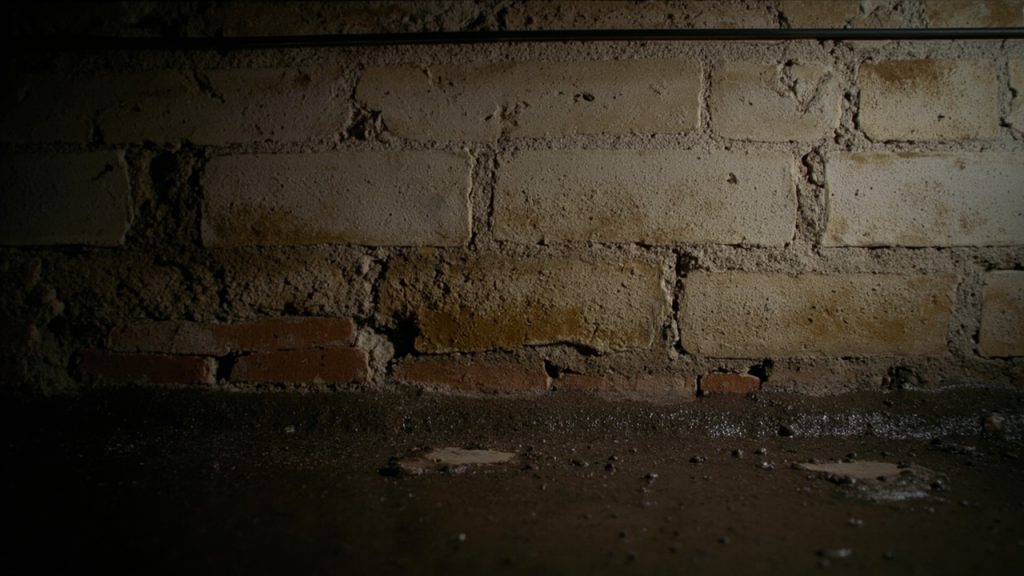
If you are finding silverfish darting behind your water heater or earwigs clustering near your Corktown basement walls, stop and pay attention. These insects are not random visitors. They are biological indicators of a moisture problem that is already active inside your home’s structure. Pest sightings this consistent almost always point to water damage, elevated humidity, or both.
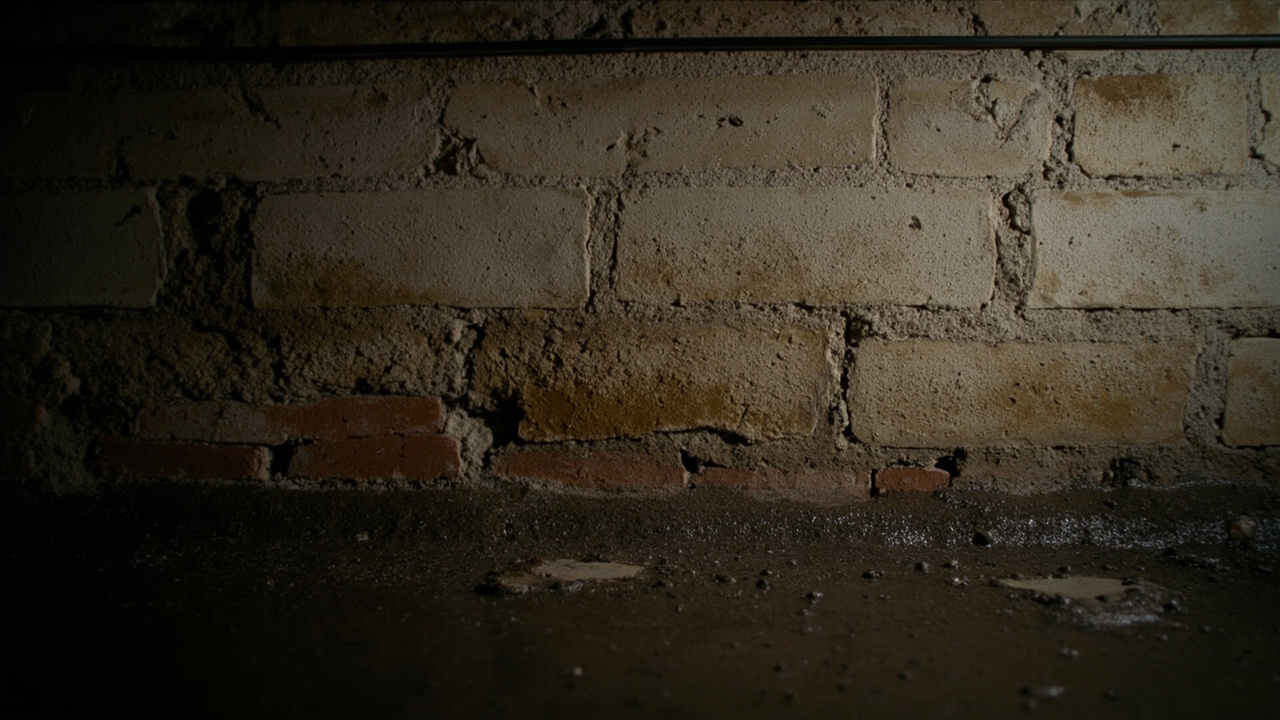
What Pests Are Really Telling You About Your Basement
Silverfish and earwigs belong to a specific category of insects that require sustained humidity levels above 75% to survive and reproduce. They do not choose your basement by accident. They are drawn to cellulose material, which is the organic fiber found in drywall paper, wood framing, cardboard storage boxes, and old insulation. When that cellulose gets wet, it begins to break down. That breakdown is exactly what these insects feed on.
In a dry basement, these pests cannot thrive. When your basement consistently hosts them in large numbers, the building science explanation is straightforward. Water is getting in somewhere, or the structure is holding residual moisture from a past flooding event that was never fully dried using professional psychrometry standards.
Psychrometry is the science of drying, and it matters here. Many Corktown homeowners mop up visible water after a sump pump failure or heavy rain intrusion, assume the job is done, and move on. What they cannot see is the moisture that has wicked into framing lumber, concrete block, and drywall cavities. That hidden moisture creates the exact environment silverfish and earwigs need to colonize.
The Five Pests Most Commonly Found in Detroit Water-Damaged Basements
Silverfish and earwigs tend to get the most attention because they are so visible, but they are rarely alone. Water-damaged properties in Detroit’s older neighborhoods support a wider range of infestations. Here is what IICRC-certified technicians regularly document during moisture assessments in Southeast Michigan homes.
| Pest | Primary Moisture Trigger | Structural Risk | Common Detroit Locations |
|---|---|---|---|
| Silverfish | Relative humidity above 75% | Destroys paper, insulation, fabric | Corktown, Mexicantown, Midtown |
| Earwigs | Damp soil, wet concrete, pooling water | Low structural risk, high indicator value | Basement perimeters, window wells |
| Carpenter Ants | Wet or softening wood framing | High, excavates structural lumber | Boston-Edison, Indian Village, Corktown |
| Subterranean Termites | Soil-to-wood contact, foundation moisture | Severe, destroys load-bearing members | Older bungalows throughout Wayne County |
| American Cockroaches | Standing water, drain leaks, sewer backups | Low structural, high health risk | Floor drains, crawl spaces, utility rooms |
Carpenter ants deserve special attention for Corktown homeowners. The neighborhood’s housing stock dates back to the mid-1800s in many cases, and that older wood framing absorbs and holds moisture differently than modern engineered lumber. When water infiltrates through a failing parging coat on a stone foundation or through a cracked block wall, the wood sill plate sitting on top of that foundation becomes prime carpenter ant territory within weeks.
Why Detroit’s Climate Makes Corktown Basements Especially Vulnerable
Southeast Michigan sits within the Detroit River Basin, and that geography matters for basement moisture. Detroit regularly sees summer dew points that push relative humidity readings into the 70% to 85% range from June through August. That ambient outdoor humidity alone is enough to create condensation problems in an uninsulated or partially finished basement.
Layer on top of that the regional rainfall patterns. Detroit receives significant precipitation events that can overwhelm older combined sewer systems, many of which still serve Corktown and surrounding neighborhoods like Woodbridge and Southwest Detroit. When those systems back up or when storm water volume exceeds what the ground can absorb quickly, hydrostatic pressure builds against basement walls and floors. That pressure forces water through cracks, mortar joints, and wall-to-floor seams even in homes that have never had an obvious flood.
The EPA’s guidance on moisture control in buildings makes clear that moisture management is the single most important factor in preventing both pest infestations and mold growth in residential structures. Ignoring moisture intrusion, even when it seems minor, sets off a chain reaction that pest control companies cannot solve on their own.
The Timeline From Water Intrusion to Active Infestation
This is the part most homeowners do not expect. The window between a moisture event and visible pest or mold activity is much shorter than people assume. Based on field experience across hundreds of Detroit basement assessments, here is how the timeline typically unfolds.
| Timeframe After Water Intrusion | What Is Happening Inside Your Walls | Visible Signs You Might Notice |
|---|---|---|
| 24 to 48 hours | Mold spores begin germinating on wet cellulose surfaces | Musty odor, visible wet spots on drywall |
| 3 to 7 days | Mold colonies establish, wood framing begins absorbing moisture | Discoloration on walls, efflorescence on concrete |
| 1 to 3 weeks | Sustained humidity attracts silverfish, earwigs, and carpenter ants | Pest sightings increase, especially at night |
| 1 to 3 months | Wood begins to soften and decay, termite scouts may locate the site | Warped baseboards, soft drywall, staining |
| 3 to 12 months | Structural compromise to sill plates and rim joists becomes possible | Sticking doors, uneven floors, wall cracks |
The IICRC S500 Standard for Professional Water Damage Restoration establishes that structural drying must begin within 24 to 48 hours to prevent secondary damage like mold and to stop the cascade of problems that follows. A shop vac and a box fan do not meet that standard. Professional equipment, including high-capacity dehumidifiers, air movers, and thermal imaging to locate hidden moisture pockets, is required to actually stop the clock.
The Health Risk Picture When Pests and Mold Combine
Silverfish and earwigs are not dangerous on their own. They do not bite in any meaningful way and they do not carry disease in the way cockroaches or rodents do. The health concern comes from what their presence represents. If you have silverfish, you have sustained high humidity. If you have sustained high humidity in a basement with any organic material, you almost certainly have mold growth in areas you cannot see.
Black mold, Stachybotrys chartarum, thrives in exactly the same conditions that attract silverfish. It grows inside wall cavities on the back face of drywall, on the underside of subfloor sheathing, and on wood framing that has absorbed moisture. Pest droppings and shed exoskeletons from insects like silverfish also add airborne particulate matter that aggravates asthma and allergy symptoms, particularly in children and elderly residents.
If you have mold concerns alongside your pest problem, read why bleach won’t fix your basement mold before reaching for a spray bottle. Surface treatment does not address mold growing inside your wall assembly.
What Actually Attracts Silverfish Specifically
Silverfish are one of the oldest insect species on the planet, and they are extraordinarily well adapted to surviving in environments with abundant cellulose and moisture. In Corktown basements, their food sources are everywhere. Old newspapers, cardboard boxes, book spines, wallpaper adhesive, insulation facing, and drywall paper all provide the starch and cellulose they need.
They are nocturnal and photophobic, which means you see them when you turn on a light unexpectedly. Their presence in large numbers means the population has been establishing for weeks or months. Seeing one or two occasionally is not alarming. Seeing five or ten scatter when you move boxes near a damp wall is a signal that remediation should have started already.
How to Reduce Moisture and Cut Off the Pest Lifecycle
Pest control without moisture control is a temporary fix. The exterminators will reduce the population, but if the humidity and water intrusion remain, the infestation will return. Here is the correct order of operations for addressing this problem comprehensively.
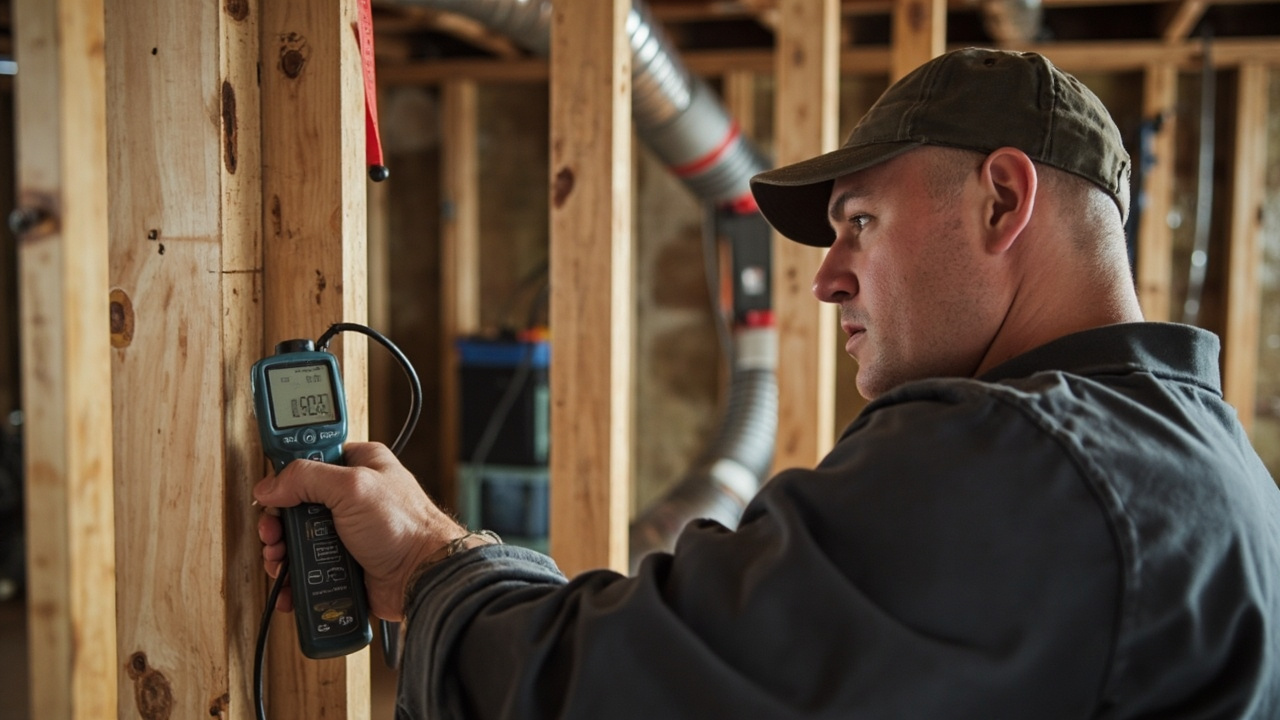
- Get a moisture reading. Use a calibrated pin-type moisture meter to test your basement framing and drywall. Readings above 16% in wood indicate a moisture problem requiring professional drying. Readings above 20% indicate active or recent water intrusion.
- Identify the water entry point. Common sources in Corktown include sump pump failure, window well flooding, hydrostatic pressure through block walls, and plumbing leaks inside the floor system. Do not assume the source until you have traced the moisture path.
- Run commercial-grade dehumidification. Consumer dehumidifiers from a hardware store remove moisture from air but cannot pull moisture out of structural materials at the rate required for proper drying. IICRC-certified restoration uses LGR (low grain refrigerant) dehumidifiers alongside high-velocity air movers to achieve structural drying.
- Seal foundation wall penetrations. Pipes, conduit, and old utility openings in your foundation wall are entry points for both water and pests. Hydraulic cement and appropriate sealants close these pathways.
- Remove and replace water-damaged cellulose materials. Wet drywall, wet insulation, and wet cardboard storage need to go. They cannot be dried to a safe moisture content in place once they have absorbed significant water. Removing them eliminates both the mold substrate and the pest food source.
- Install or service your sump pump system. A properly functioning sump pump with a battery backup is the first line of defense against hydrostatic intrusion in Detroit’s clay-heavy soil conditions.
- Ventilate and condition the basement air. In Southeast Michigan summers, basement air exchange without conditioning can introduce more humid air. A dehumidifier set to maintain relative humidity below 50% removes the environmental conditions pests require.

When to Call a Restoration Company Instead of an Exterminator
An exterminator treats pests. A restoration company treats the conditions that created the pest problem. Both professionals serve a role, but the order matters, and for moisture-driven infestations, the restoration company needs to go first.
Call a water damage restoration professional when you see any of these conditions alongside your pest sightings. Efflorescence (white mineral deposits) on your basement walls indicates long-term water migration through masonry. Soft or spongy drywall at the base of your walls signals water-damaged gypsum and paper. A persistent musty odor that does not go away after airing out the space points to active mold growth. Visible rust staining on concrete near floor drains or wall penetrations shows recurring water presence. Any of these, combined with consistent silverfish or earwig activity, means you have a water damage situation that exterminators cannot resolve.
The IICRC S500 Standard is the governing document for professional water damage restoration in the United States. Technicians certified under this standard use moisture mapping, psychrometric calculations, and drying validation to confirm a structure has reached its dry standard before closing a job. That is the level of documentation and methodology that solves the moisture problem for good.
If you are also navigating an insurance claim related to your basement flooding, the process for getting your carrier to cover restoration work has specific steps that matter. Read the details on filing a successful water damage insurance claim for your Corktown home before you call your adjuster. And if you want a broader view of how to position your claim with your insurer, this guide on how to get your Detroit home insurance to actually pay for water restoration covers the process in detail.
What Corktown’s Housing Stock Means for Your Moisture Risk
Corktown is one of Detroit’s oldest residential neighborhoods, with a significant portion of its housing stock built before modern waterproofing standards existed. Fieldstone and brick foundations without interior drainage systems, original wood sill plates sitting directly on masonry, and plaster walls over wood lath are common in the homes between Michigan Avenue and the Lodge Freeway corridor.
These construction methods are not inherently problematic, but they respond differently to water intrusion than modern poured concrete and drywall construction. Stone foundation walls wick moisture through the mortar joints. Original wood framing that has been in place for over a century can still be structurally sound until it gets wet repeatedly. When it does get wet, it supports pest and mold activity faster than newer materials because the cellular structure of old-growth lumber is more porous than modern kiln-dried framing.
If you have experienced water damage on other surfaces in your home, the damage assessment process extends throughout the structure. This guide on saving hardwood floors after a water leak and this resource on evaluating wet carpet after flooding give you a clearer picture of what can be saved and what needs replacement.
Getting to the Root Cause Before Pest Season Peaks
Silverfish and earwig populations in Southeast Michigan are most active from late spring through early fall, corresponding exactly with Detroit’s peak humidity months. If you are seeing them now, the moisture conditions that support them have been building since at least the last significant rain event or the last time your sump pump was tested.
A professional moisture assessment takes a few hours and gives you a complete picture of where water is entering, how far it has migrated into your structure, and what level of drying or remediation is required. That assessment is the starting point, not the pest control visit.
The insects in your basement are trying to tell you something your walls cannot say on their own. Listen to them. Then call the right professional to address what is actually wrong.
{
“@context”: “https://schema.org”,
“@type”: “BlogPosting”,
“headline”: “Why You Are Seeing More Silverfish and Earwigs in Your Corktown Basement”,
“description”: “Silverfish and earwigs in your Corktown basement signal a moisture problem. Learn what’s attracting pests and how water damage restoration fixes the root cause.”,
“wordCount”: 2135,
“datePublished”: “2026-06-03T10:35:00.000Z”,
“dateModified”: “2026-06-03T10:35:00.000Z”,
“inLanguage”: “en-US”,
“mainEntityOfPage”: {
“@type”: “WebPage”,
“@id”: “https://ironwoodwaterdamagerestorationdetroit.com”
},
“publisher”: {
“@type”: “LocalBusiness”,
“name”: “Ironwood Water Damage Restoration Detroit”,
“url”: “https://ironwoodwaterdamagerestorationdetroit.com”
},
“author”: {
“@type”: “Organization”,
“name”: “Ironwood Water Damage Restoration Detroit”,
“url”: “https://ironwoodwaterdamagerestorationdetroit.com”
},
“image”: {
“@type”: “ImageObject”,
“url”: “https://ironwoodwaterdamagerestorationdetroit.com/wp-content/uploads/2026/03/why-you-are-seeing-more-silverfish-and-earwigs-in-1.jpg”
}
}
{
“@context”: “https://schema.org”,
“@type”: “LocalBusiness”,
“name”: “Ironwood Water Damage Restoration Detroit”,
“url”: “https://ironwoodwaterdamagerestorationdetroit.com”,
“address”: {
“@type”: “PostalAddress”,
“addressLocality”: “Detroit”
},
“areaServed”: {
“@type”: “City”,
“name”: “Detroit”
}
}
{
“@context”: “https://schema.org”,
“@type”: “BreadcrumbList”,
“itemListElement”: [
{
“@type”: “ListItem”,
“position”: 1,
“name”: “Home”,
“item”: “https://ironwoodwaterdamagerestorationdetroit.com”
},
{
“@type”: “ListItem”,
“position”: 2,
“name”: “Blog”,
“item”: “https://ironwoodwaterdamagerestorationdetroit.com/blog”
},
{
“@type”: “ListItem”,
“position”: 3,
“name”: “Why You Are Seeing More Silverfish and Earwigs in Your Corktown Basement”
}
]
}
{
“@context”: “https://schema.org”,
“@type”: “Service”,
“serviceType”: “Water Damage Restoration”,
“provider”: {
“@type”: “LocalBusiness”,
“name”: “Ironwood Water Damage Restoration Detroit”,
“url”: “https://ironwoodwaterdamagerestorationdetroit.com”
},
“areaServed”: {
“@type”: “City”,
“name”: “Detroit”
},
“description”: “Silverfish and earwigs in your Corktown basement signal a moisture problem. Learn what’s attracting pests and how water damage restoration fixes the root cause.”
}