




menu

Storm Flooding Emergency Service in Detroit – On-Site in 60 Minutes, 24/7 Dispatch

When storm flooding hits your Detroit property, every minute counts. Ironwood Water Damage Restoration Detroit delivers rapid storm water extraction and emergency flood repair with trucks rolling to your location within the hour, day or night.

Slider Image 1
Slider Image 2
Slider Image 3
Slider Image 4
Slider Image 5
Slider Image 7
Slider Image 8
Slider Image 9
Slider Image 10
Slider Image 11

Storm Flooding in Detroit: Why Immediate Action Prevents Total Loss

Detroit sits in a floodplain where the Detroit River, Rouge River, and numerous tributaries converge. When severe storms dump rain across Wayne County, outdated combined sewer systems overflow. Basements in neighborhoods like Jefferson Chalmers, Warrendale, and Brightmoor flood fast. Water rises through floor drains, seeps through foundation cracks, and saturates crawl spaces before you can react.

You are watching your finished basement fill with contaminated water. Your furnace is submerged. Your electrical panel is at risk. You need 24/7 flood water removal now, not tomorrow.

Storm flooding does not wait for business hours. Neither do we. Ironwood Water Damage Restoration Detroit operates around the clock because water damage accelerates exponentially. In the first 24 hours, drywall wicks moisture three feet vertically. Hardwood flooring cups and buckles. Mold spores colonize porous surfaces within 48 hours. Structural framing begins to rot within 72 hours.

Detroit's older housing stock, built with balloon framing and pier-and-beam foundations, is vulnerable. Once water infiltrates wall cavities, it spreads horizontally through the entire structure. Emergency storm damage restoration is not about convenience. It is about stopping a cascade of destruction that turns a manageable flood into a gut-rehab catastrophe.

We dispatch crews immediately because urgent flood cleanup services mean extracting standing water before it saturates subfloors, insulation, and load-bearing members. Delay equals demolition.

Storm Flooding in Detroit: Why Immediate Action Prevents Total Loss
Our Rapid Storm Water Extraction Process: Speed Meets Precision

Our Rapid Storm Water Extraction Process: Speed Meets Precision

Emergency flood repair company protocols require more than showing up with a wet vac. Ironwood Water Damage Restoration Detroit uses truck-mounted extractors generating 400+ CFM of airflow and weighted extraction wands that pull water from carpet pad, subfloor seams, and tile grout lines.

We do not mop. We extract at the source.

First, we identify the water category. Storm flooding in Detroit typically qualifies as Category 3 (black water) due to sewer backflow contamination. This changes everything. Category 3 water contains pathogens, heavy metals, and chemical runoff from street surfaces. Standard extraction is not enough. We remove contaminated materials like carpet, pad, and the bottom 12 inches of drywall immediately to prevent cross-contamination.

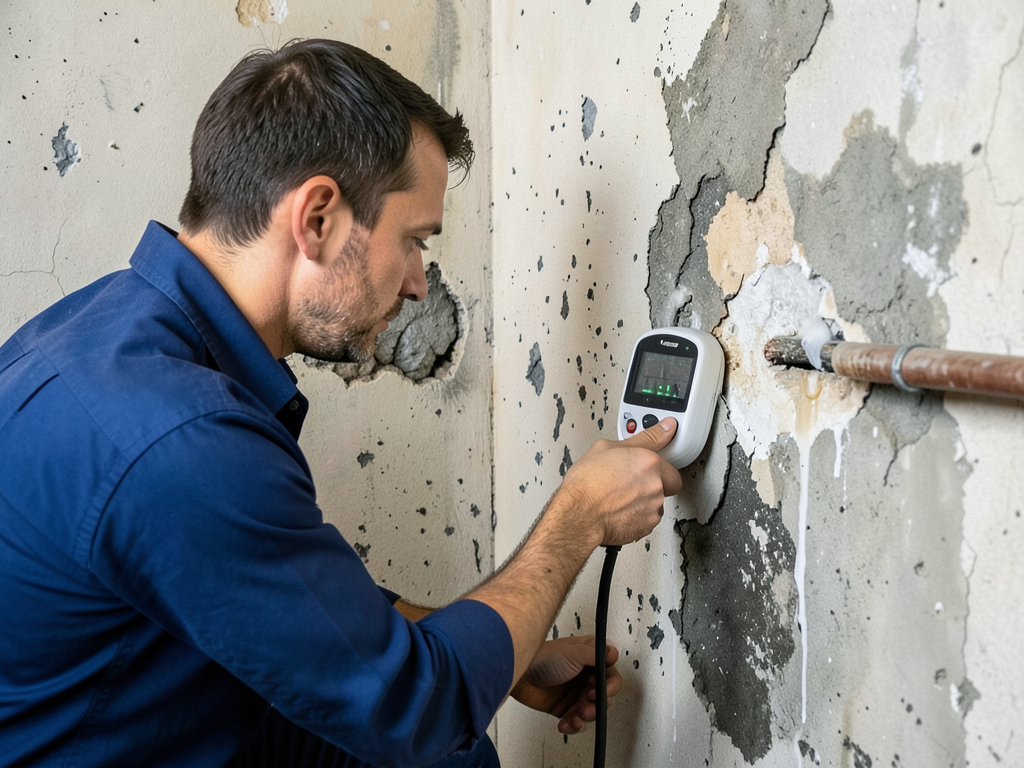
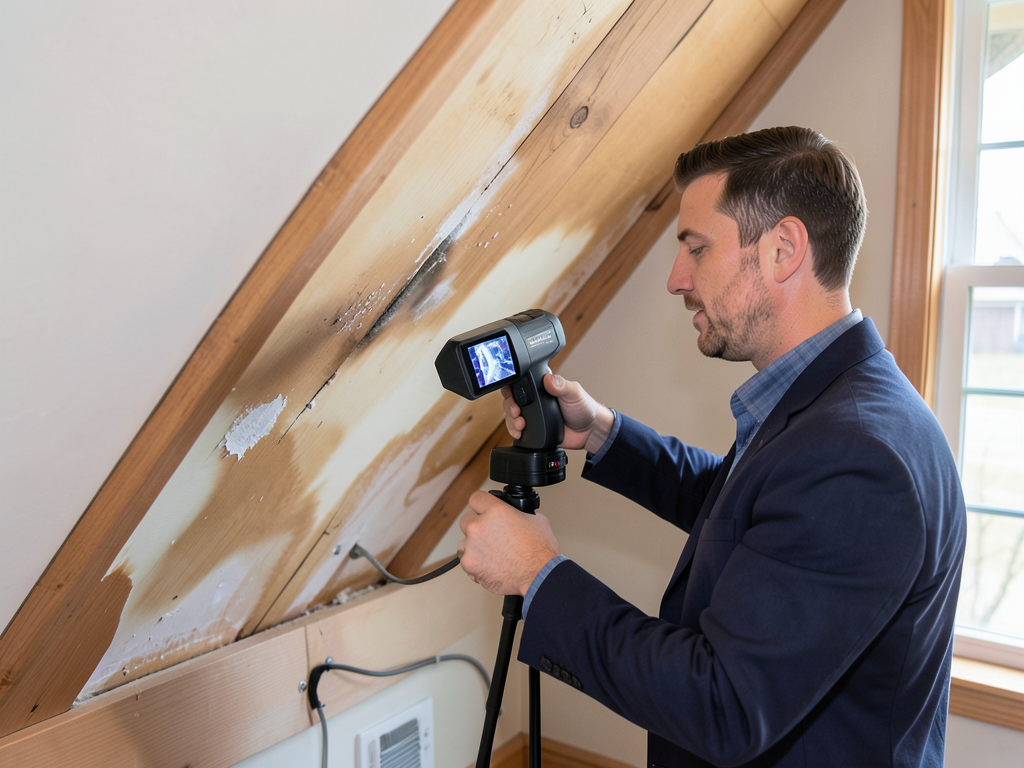
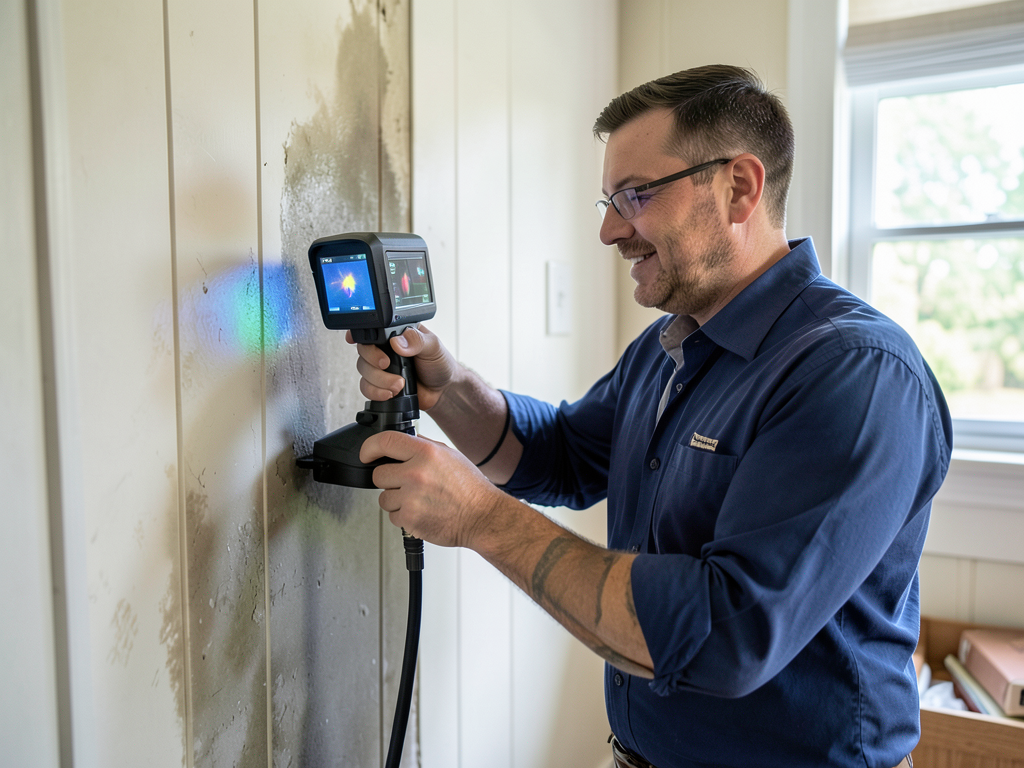
Next, we map moisture migration using thermal imaging cameras. Water follows the path of least resistance. In Detroit's older homes, that means traveling through plaster-and-lath walls, soaking floor joists, and pooling in rim joist cavities. Surface drying means nothing if trapped moisture remains in structural cavities.

We deploy commercial dehumidifiers calibrated to pull 150+ pints per day and position axial air movers to create laminar airflow across all wet surfaces. This is not guesswork. We monitor grain depression using psychrometers and adjust equipment placement every 12 hours until moisture content drops below 15 percent.

Rapid storm water extraction is physics. Ironwood applies negative pressure to force moisture out of building materials faster than it can migrate deeper. We dry structures from the inside out.

What Happens When You Call for Storm Flooding Emergency Service

Storm Flooding Emergency Service in Detroit – On-Site in 60 Minutes, 24/7 Dispatch
01

Immediate Dispatch and Assessment

You call. We dispatch within 15 minutes. A crew arrives at your Detroit property within 60 minutes, often faster for neighborhoods near our staging locations in Midtown and Dearborn. The technician performs a Category assessment, identifies electrical hazards, documents the extent of flooding with photos, and begins water extraction immediately. No waiting for estimates. No delays. We stop the damage first, then handle the paperwork.
02

Water Extraction and Containment

Truck-mounted extractors remove standing water in minutes, not hours. We pull water from carpets, underneath flooring, and inside wall cavities using injection-extraction methods. Technicians set containment barriers using poly sheeting to isolate affected zones and prevent airborne contamination from spreading to clean areas. Air scrubbers with HEPA filtration run continuously to capture particulates and odors. This phase runs until no extractable water remains and surface moisture readings stabilize.
03

Structural Drying and Verification

Drying equipment remains on-site for three to seven days, depending on material saturation levels. Technicians return daily to rotate air movers, download data loggers, and test moisture content in framing members and subfloors. Drying is complete only when all materials reach equilibrium moisture content per IICRC S500 standards. You receive a final moisture map and documentation proving your structure is dry and safe for reconstruction. No guessing. No callbacks.

Why Detroit Properties Require Local Storm Flooding Expertise

Storm flooding in Detroit is not the same as suburban flooding. Detroit's combined sewer system, built in the 1920s, mixes stormwater with sanitary waste. When the system overflows during heavy rain, your basement does not just flood with rainwater. It floods with raw sewage.

Ironwood Water Damage Restoration Detroit understands the difference. We treat every storm flood as a biohazard event until proven otherwise. That means full PPE, antimicrobial treatment of all affected surfaces, and disposal of porous materials per Wayne County health codes.

We also know Detroit's housing. Homes in historic districts like Indian Village and Boston Edison feature plaster walls, oak flooring, and horsehair insulation. These materials absorb water differently than modern drywall and require different drying techniques. Plaster must dry slowly to prevent cracking. Hardwood must be dried in place with mat systems to prevent cupping. We adjust our methods to match your structure, not force your structure to match our equipment.

Local knowledge includes understanding Detroit's microclimates. Properties near the river face higher humidity and slower dry times. Homes in clay soil areas like Rosedale Park experience foundation movement that creates new water entry points after each flood. We do not just dry your property. We identify why it flooded and recommend mitigation strategies to prevent recurrence.

You need a company that knows Detroit's infrastructure, building types, and flood patterns. Ironwood has restored properties in every Detroit neighborhood. We know which streets flood first, which basements are prone to seepage, and how to navigate insurance claims with local adjusters.

What You Get with Our Storm Flooding Emergency Service

60-Minute Response Time, 24/7/365

Storm flooding does not wait for Monday morning. Ironwood maintains on-call crews seven days a week, including holidays. You call at 2 a.m. on Christmas, we answer and dispatch. Our average response time across metro Detroit is 45 minutes. We stage equipment in multiple locations to minimize drive time. When you are standing in six inches of contaminated water, every minute matters. We treat your emergency like the crisis it is. No answering services. No callbacks. Just immediate action from trained technicians who arrive ready to work.

Complete Damage Assessment and Moisture Mapping

Surface-level inspection misses hidden damage. Ironwood uses thermal imaging, moisture meters, and hygrometers to map water migration through your entire structure. We document moisture levels in flooring, walls, insulation, and framing members. You receive a written assessment identifying all affected materials, moisture readings, and a drying plan. This documentation is critical for insurance claims. Adjusters require proof of damage extent and mitigation efforts. We provide detailed reports with photos, moisture logs, and equipment placement diagrams. You get transparency and accountability at every phase.

Certified Dry Structure, Documented Results

We do not pull equipment when it looks dry. We pull equipment when moisture meters confirm every material has reached acceptable moisture content per IICRC standards. Framing lumber must be below 15 percent. Concrete must be below 4.5 percent. Subfloors must match surrounding unaffected areas. You receive a final moisture report with before-and-after readings proving your property is structurally dry. This certification protects you from future mold growth, wood rot, and structural failure. It also satisfies insurance company requirements for claim closure. Drying is complete when the data says it is complete.

Direct Insurance Billing and Claims Assistance

Storm flooding creates chaos. Insurance paperwork should not add to it. Ironwood works directly with your insurance carrier to streamline the claims process. We provide adjusters with detailed documentation, moisture logs, and itemized estimates. Most policies cover emergency water removal and structural drying under sudden and accidental water damage provisions. We help you understand your coverage, communicate with adjusters, and ensure you receive the maximum benefit available under your policy. We can bill your insurance company directly in many cases, reducing your out-of-pocket expense. You focus on your family. We handle the paperwork.

Frequently Asked Questions

You Have Questions,
We Have Answers

Do you call 911 if your house is flooding? +

Call 911 only if you face immediate danger, like electrocution risk, structural collapse, or someone is injured. For flooding without life-threatening emergencies, do not tie up 911 lines. Instead, shut off your main water valve if safe, cut power to affected areas at the breaker, and call a 24/7 water damage restoration company immediately. Detroit homes with older electrical systems and basements are especially vulnerable. Time matters. Every minute water sits, mold risk increases and structural damage worsens. Focus on safety first, then professional mitigation.

How to apply for FEMA $750? +

FEMA's Serious Needs Assistance provides $750 for immediate needs after a federally declared disaster. You cannot apply directly for this amount. First, register for FEMA disaster assistance online at DisasterAssistance.gov or call 800-621-3362 within 60 days of the disaster declaration. FEMA evaluates your application and determines eligibility. If approved for immediate assistance, the $750 is deposited directly. This is not guaranteed and depends on the specific disaster declaration covering Detroit. Document all flood damage with photos before cleanup begins. Keep all receipts.

What are the emergency procedures for a flood? +

Stop the water source if possible. Shut off your main water valve or electricity at the breaker if standing water is present. Evacuate to higher ground if flooding is severe or rising fast. Do not walk through moving water. Call a 24/7 emergency restoration service to begin water extraction and drying. Detroit's combined sewer system can cause rapid basement flooding during storms. Move valuables to upper floors. Take photos for insurance claims before touching anything. Do not use electrical appliances in wet areas. Wear protective gear if you must enter flooded spaces.

Who to call if you have a flood? +

Call a certified water damage restoration company that operates 24/7. They dispatch crews immediately to extract water, dry structures, and prevent mold. In Detroit, storm flooding and sewer backups require fast response due to high humidity and older housing stock. Also contact your insurance company to start a claim. If flooding resulted from a burst pipe or appliance failure, you may need a licensed plumber. For citywide storm events, monitor Detroit Water and Sewerage Department updates. Do not wait. Mold can begin growing within 24 to 48 hours.

Who to contact when there is a flood? +

Contact a 24/7 emergency water damage restoration company first to stop ongoing damage. Then notify your homeowner's insurance carrier to file a claim. Document everything with photos and videos before cleanup starts. If flooding came from a city sewer backup, report it to Detroit Water and Sewerage Department. For federal disaster situations, register with FEMA at DisasterAssistance.gov. If you rent, notify your landlord immediately and contact your renter's insurance provider. Speed is critical. Water wicks through drywall, insulation, and flooring fast, causing hidden structural damage and mold growth.

What to do immediately after a flood? +

Ensure the area is safe. Do not enter if water contacts electrical outlets or appliances. Document all damage with photos and videos for insurance claims. Remove standing water quickly using pumps or a professional extraction service. Open windows if weather permits to increase airflow and start drying. Remove wet materials like rugs, furniture, and soaked belongings to prevent mold. Detroit's humidity slows natural drying. Do not use fans if mold is visible. Contact your insurance company and a certified restoration company within hours. The faster you dry the structure, the less secondary damage occurs.

What is the average FEMA flood payout? +

FEMA grants vary widely based on damage severity, insurance coverage, and disaster type. The average payout ranges from $5,000 to $10,000, but this is not a standard figure. Some receive less, others more. FEMA assistance is not a replacement for flood insurance. It covers uninsured or underinsured losses like temporary housing, home repairs, and personal property. Payments depend on your specific application and damage assessment. Detroit residents affected by federally declared disasters should apply quickly. FEMA funds are capped and not guaranteed to cover full replacement costs.

Does FEMA give money for flood damage? +

Yes, but only for federally declared disasters and if you qualify. FEMA provides grants for temporary housing, essential home repairs, and uninsured personal property losses. This is not a loan. You do not repay it. However, FEMA does not cover all flood damage and is not a substitute for flood insurance. Eligibility depends on your insurance coverage, income, and damage extent. Detroit homeowners must apply within 60 days of the disaster declaration. Register at DisasterAssistance.gov or call 800-621-3362. Document all damage thoroughly before starting cleanup or repairs.

Who can help me with money urgently? +

For immediate flood-related financial help, contact your insurance company first to expedite a claim payout. If you face a federally declared disaster, apply for FEMA assistance at DisasterAssistance.gov for possible grants. Local nonprofits like the American Red Cross may offer emergency financial aid or shelter. Detroit residents can contact United Way's 211 helpline for disaster resources. Some lenders offer emergency home repair loans. Avoid predatory lenders. If you need temporary housing funds, document everything and work directly with your insurer. Community organizations sometimes provide direct cash assistance during major flooding events.

What to do if your house is flooding? +

Shut off the main water valve if a pipe burst caused the flood. Cut power at the breaker box if water is near outlets or appliances. Move to higher ground if water is rising. Call a 24/7 emergency water restoration service immediately to begin extraction and drying. Do not wait. Detroit's older homes and basements flood quickly during storms or sewer backups. Take photos for insurance claims. Remove valuables to dry areas if safe. Do not use electrical devices in wet zones. Time is your enemy. Mold starts growing within 24 hours in Detroit's humid conditions.

Why Detroit's Combined Sewer System Makes Storm Flooding a Health Hazard

Detroit operates one of the oldest combined sewer systems in the United States. When rainfall exceeds system capacity, stormwater mixes with untreated sewage and backs up through floor drains into basements across the city. This is not clean rainwater. It carries fecal bacteria, viruses, heavy metals, and chemical contaminants from street runoff. Exposure creates serious health risks. Emergency storm damage restoration in Detroit requires treating every flood as a Category 3 biohazard event until testing proves otherwise. Standard cleaning does not eliminate pathogens embedded in porous materials like drywall, insulation, and carpeting.

Ironwood Water Damage Restoration Detroit has worked with the Detroit Water and Sewerage Department on flood mitigation projects across Wayne County. We understand local infrastructure limitations and help property owners navigate the Basement Backup Protection Program for future protection. Our technicians are trained in bloodborne pathogen safety and follow CDC guidelines for sewage cleanup. We do not just dry your property. We decontaminate it. Choosing a local emergency flood repair company means working with professionals who understand the unique contamination risks Detroit homeowners face every storm season.
Water Damage Restoration Services in The Detroit Area

Conveniently located to serve the Detroit area, Ironwood is always ready to respond to your water damage emergencies. Explore our service area on the map below or contact us directly to discuss your specific needs. We’re committed to providing prompt, professional service wherever you are within our operational zone, ensuring rapid deployment and effective restoration solutions when you need them most.

Address:
Ironwood Water Damage Restoration Detroit, 15324 Mack Ave, Detroit, MI, 48230

Additional Services We Offer

Our news updates

Latest Articles & News from The Blogs

A slow leak behind a Royal Oak bathroom wall can go unnoticed for weeks. By the time you smell mildew…

Why Smart Leak Detectors Are Worth Every Penny for Your Royal Oak Rental Property

A slow leak behind a Royal Oak bathroom wall can go unnoticed for weeks. By the time you smell mildew…

Why Your Whole House Humidifier in Warren Might Be Ruining Your Drywall

Your furnace runs all winter. Your whole house humidifier works quietly behind the scenes. And somewhere behind that drywall in…

What Black Water Flooding Actually Does to Your Health (A Detroit Homeowner's Guide)

A sewage backup in your Detroit basement is not just a cleanup problem. It is a biohazard event. The water…

Contact Us

Your Detroit property is flooding right now. Call Ironwood Water Damage Restoration Detroit at (313) 572-5559. We dispatch immediately, extract water fast, and dry your structure completely. Every minute you wait, the damage spreads. Stop the destruction now.