





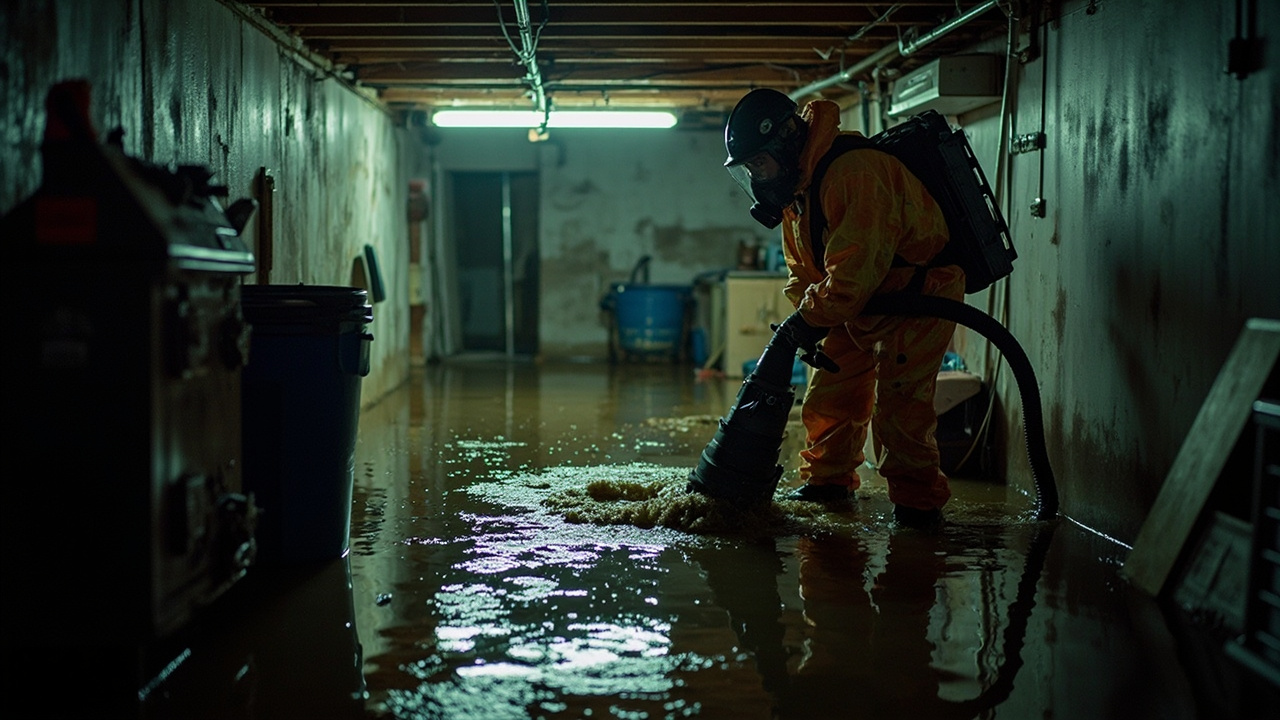

Detroit operates one of the largest combined sewer systems in the United States, with over 750 miles of pipes that carry both rainwater and sanitation waste. When storms drop more than one inch of rain in an hour, treatment plants cannot process the volume. Excess flow gets diverted directly into basements through the same pipes that normally carry waste away from your property. The Detroit Water and Sewage Department reports over 12,000 backup incidents annually, with the highest concentration in neighborhoods built before 1950. Clay pipes installed during that era crack under freeze-thaw pressure and root intrusion, creating pathways for sewage to enter foundations through floor drains and toilet flanges.
Michigan building codes now require backflow preventers on all new construction and major renovations, but most residential properties in Detroit were built before these regulations took effect. This means your home likely has no mechanical barrier between municipal sewer lines and your basement plumbing. Local expertise matters because Detroit's system failures follow predictable patterns based on neighborhood topography and infrastructure age. Teams familiar with the city know which areas flood first during heavy rain and how to document municipal system failures for insurance claims and city reimbursement requests. This knowledge directly impacts claim approvals and out-of-pocket expenses.