




menu

Large Scale Water Extraction in Detroit – Industrial-Grade Response That Protects Your Business Operations

When your Detroit commercial property faces catastrophic water events, you need high-capacity extraction systems and experienced crews who understand the urgency of minimizing downtime and protecting your bottom line.

Slider Image 1
Slider Image 2
Slider Image 3
Slider Image 4
Slider Image 5
Slider Image 7
Slider Image 8
Slider Image 9
Slider Image 10
Slider Image 11

Detroit's Industrial Infrastructure Makes Rapid Commercial Water Removal Critical

Detroit's aging industrial buildings and manufacturing facilities face unique water intrusion challenges. The city's position along the Detroit River and proximity to the Great Lakes creates elevated humidity levels that compound water damage when flooding occurs. Combined with outdated drainage systems in older commercial districts and freeze-thaw cycles that stress pipe systems during winter months, your facility faces significant risk.

Large loss water events in commercial settings demand immediate industrial water extraction. A burst main line in a warehouse can release thousands of gallons per hour. A sprinkler system malfunction in a multi-story office building creates cascading damage across multiple floors. Production equipment sits in standing water. Inventory absorbs moisture. Every hour of delay multiplies your losses.

Detroit's mixed-use districts, from Midtown to Eastern Market, contain buildings with basement levels below the water table. When catastrophic pipe failures or storm surge overwhelms sump systems, you need high volume water pumping capacity that exceeds what residential equipment can handle. Standard shop vacuums and portable extractors cannot address large scale water extraction needs. You need trailer-mounted pumps, truck-mounted vacuum systems, and crews trained in bulk water removal services.

The difference between a contained incident and a total loss often comes down to response time and equipment capacity. Your insurance adjuster understands this. Your tenants understand this. Your business continuity plan requires partners who can deploy industrial-grade solutions immediately.

Detroit's Industrial Infrastructure Makes Rapid Commercial Water Removal Critical
Industrial Water Extraction Methods That Match Detroit's Commercial Demands

Industrial Water Extraction Methods That Match Detroit's Commercial Demands

Large scale water extraction requires different equipment, different protocols, and different expertise than residential mitigation. Ironwood Water Damage Restoration Detroit maintains trailer-mounted extraction units capable of removing thousands of gallons per hour. These high-capacity systems include submersible pumps for deep water removal, truck-mounted vacuum systems for surface water extraction, and specialized equipment for confined spaces.

Commercial water removal starts with damage assessment and containment. Our technicians identify the source, establish extraction zones, and protect unaffected areas. We document water levels, affected materials, and structural concerns before beginning extraction. This documentation protects your insurance claim and establishes baseline conditions.

Extraction proceeds in phases. First, we remove standing water using the highest-capacity equipment appropriate for your space. Truck-mounted vacuums handle broad surface areas. Submersible pumps address deep pooling in basements or elevator shafts. We establish drainage pathways that prevent recontamination and protect building systems.

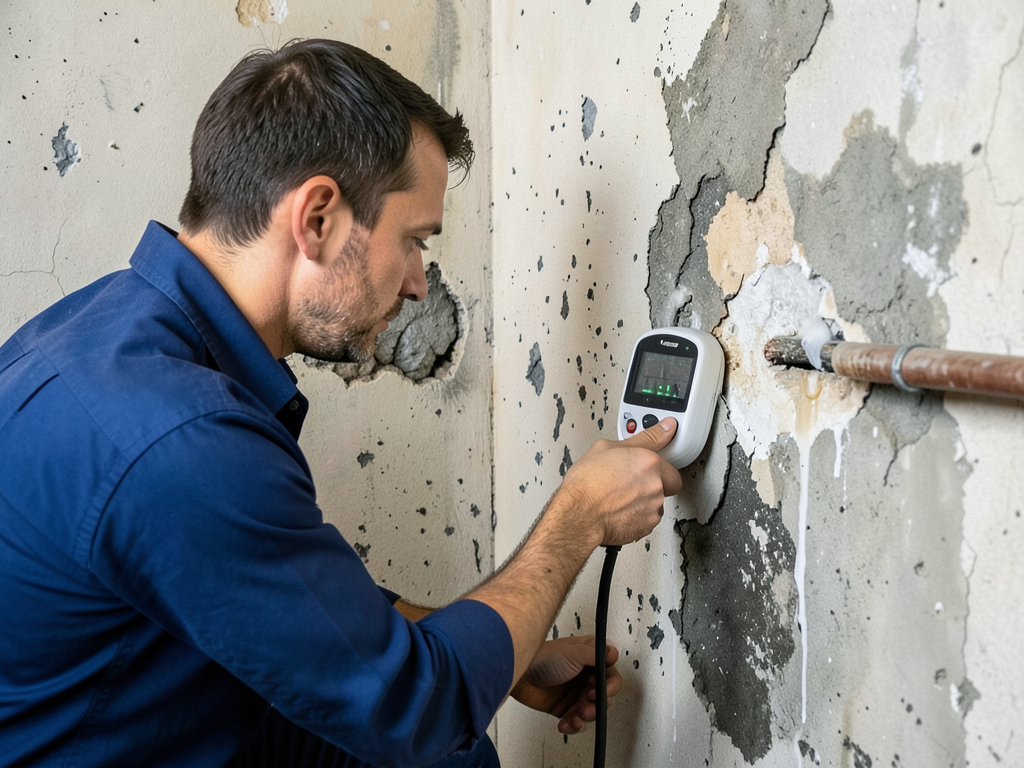
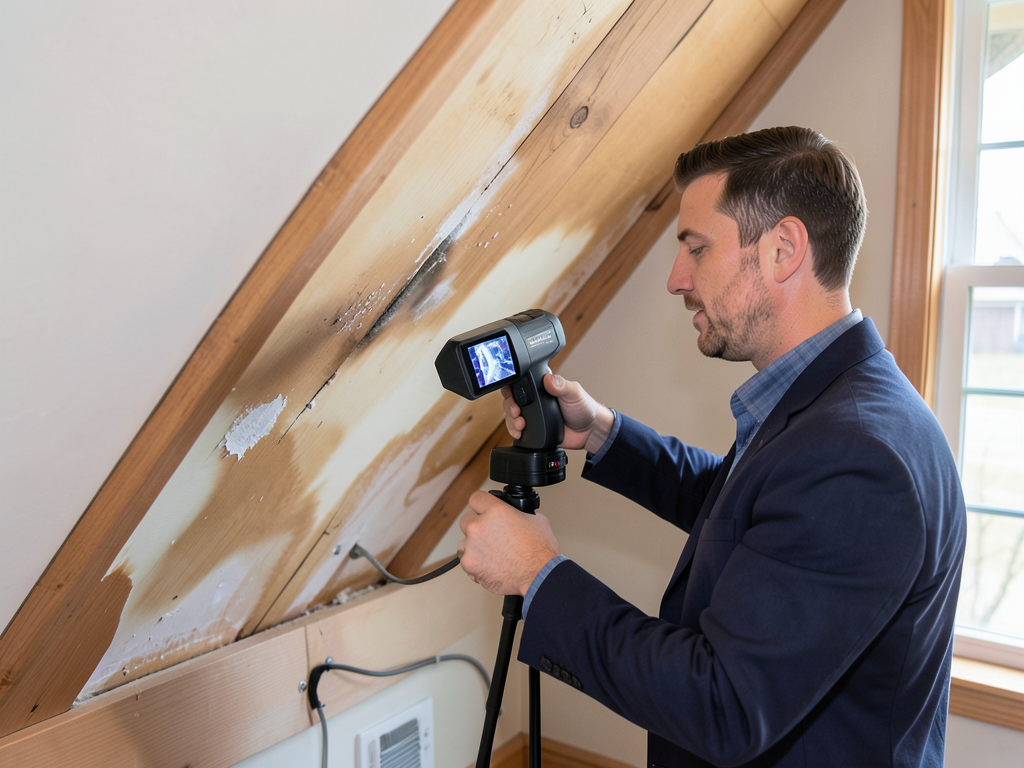
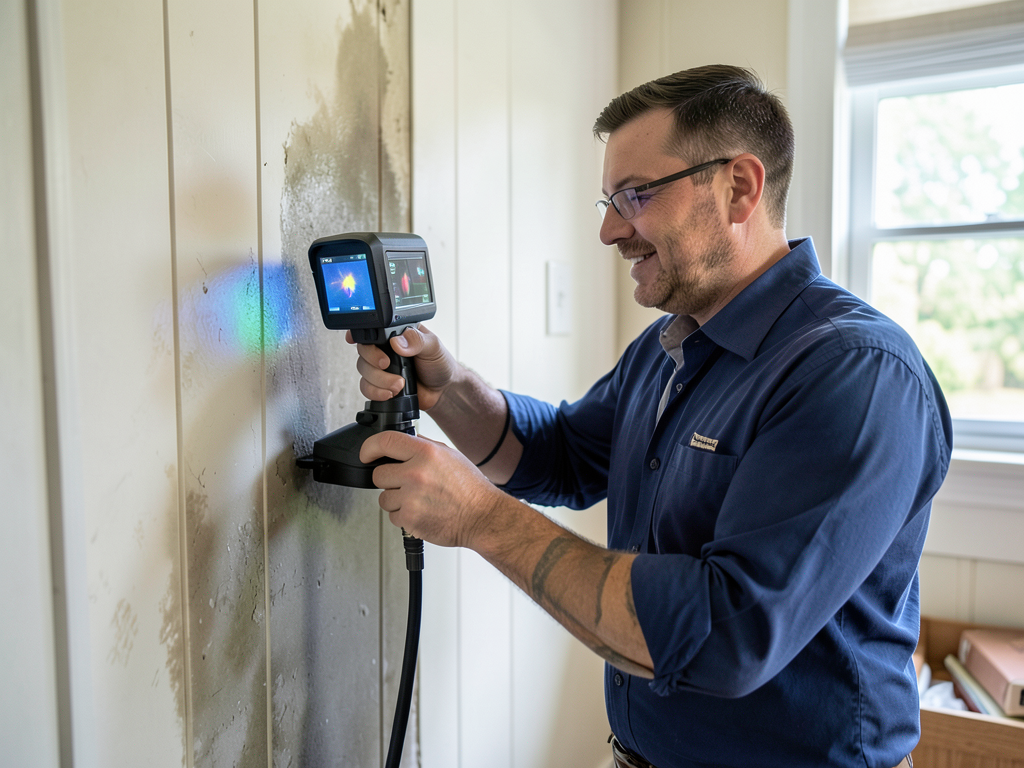
Second phase involves moisture extraction from porous materials. Industrial air movers create airflow across wet surfaces. Commercial dehumidifiers remove moisture from the air. We monitor humidity levels and material moisture content using thermal imaging and moisture meters. This prevents hidden moisture pockets that lead to mold growth.

Large loss water mitigation includes coordination with your property manager, insurance adjuster, and affected tenants. We provide daily progress reports, maintain site security, and schedule around your operational needs. For manufacturing facilities, we work overnight or during shutdown periods to minimize production impact.

How Industrial Water Extraction Proceeds in Detroit Commercial Properties

Large Scale Water Extraction in Detroit – Industrial-Grade Response That Protects Your Business Operations
01

Emergency Assessment and Containment

Our crew arrives with industrial extraction equipment within hours of your call. We perform structural safety assessment, identify water sources, establish containment zones, and document conditions. You receive immediate stabilization that prevents additional damage while we develop the full extraction plan. We photograph affected areas, measure water levels, and identify priority zones requiring immediate attention.
02

High Volume Water Removal

Trailer-mounted pumps and truck-mounted vacuum systems remove bulk water from your facility. We establish drainage pathways, protect electrical systems, and coordinate with building management. Submersible pumps handle deep water in basements or mechanical rooms. Surface extraction units address broad floor areas. Our equipment processes thousands of gallons per hour, dramatically reducing the water removal timeline compared to conventional methods.
03

Moisture Control and Documentation

After removing standing water, we deploy commercial dehumidifiers and industrial air movers to extract moisture from building materials. We monitor humidity levels and material moisture content daily. Thermal imaging identifies hidden moisture in wall cavities or ceiling spaces. You receive detailed documentation including moisture readings, equipment logs, and progress photos for your insurance claim and compliance requirements.

Why Detroit Businesses Choose Ironwood for Commercial Water Extraction

Detroit's commercial real estate requires contractors who understand both old industrial construction and modern building systems. Ironwood Water Damage Restoration Detroit has extracted water from historic Corktown buildings with stone foundations and contemporary glass towers in the Central Business District. We know how water behaves in different construction types.

Our equipment inventory includes specialized tools for Detroit's unique commercial spaces. Automotive suppliers need clean room protocols. Food processing facilities require NSF-certified equipment. Medical buildings demand infection control procedures. We maintain the equipment and training to meet industry-specific requirements.

We understand Detroit building codes and commercial insurance requirements. Our documentation meets adjuster standards. Our moisture monitoring protocols align with IICRC S500 standards for commercial water damage. When your claim involves multiple floors or tenant spaces, proper documentation becomes critical to full recovery.

Detroit operates on tight timelines. Automotive just-in-time delivery systems cannot tolerate extended downtime. Distribution centers serve regional supply chains. Office buildings house multiple tenants with lease obligations. We schedule extraction work to minimize operational impact. Weekend mobilization, overnight shifts, and phased approaches keep your business moving.

Local presence matters when disaster strikes. We maintain staging areas in metro Detroit with equipment ready for immediate deployment. You do not wait for equipment to arrive from out of state. Our crews know Detroit geography, from Jefferson Avenue warehouses to Eight Mile industrial parks. Response time directly correlates to total damage costs.

What Detroit Commercial Clients Should Expect from Professional Water Extraction

Rapid Deployment Capability

Large scale water extraction requires immediate mobilization. Our crews respond to Detroit commercial properties within two hours of your emergency call. We arrive with truck-mounted extraction equipment, submersible pumps, and initial containment supplies. For after-hours emergencies, you reach a live dispatcher who coordinates immediate crew deployment. We understand that every hour standing water remains in your facility increases damage to flooring, inventory, and structural materials. Fast response prevents secondary damage and reduces total restoration costs.

Comprehensive Damage Assessment

Before extraction begins, our technicians perform detailed facility assessment. We identify water sources, measure affected areas, document moisture levels, and photograph damage. Thermal imaging cameras detect hidden moisture in wall assemblies and ceiling spaces. Moisture meters provide precise readings in concrete slabs, drywall, and wood framing. You receive a written scope of work that outlines extraction procedures, equipment deployment, and estimated timeline. This documentation supports your insurance claim and establishes clear expectations for all stakeholders.

Complete Water Removal

Industrial water extraction delivers measurable results. We do not consider a project complete until moisture readings return to normal levels. Our technicians monitor humidity levels throughout the drying process using commercial-grade hygrometers. Material moisture content receives daily measurement and documentation. You receive a final moisture report confirming your facility has reached dry standard. This protects against mold growth, structural degradation, and future insurance complications. Complete extraction prevents the need for costly remediation down the road.

Post-Extraction Monitoring

After completing bulk water removal, we continue monitoring your facility to confirm complete drying. Commercial dehumidifiers remain in place until ambient humidity stabilizes. We provide equipment logs showing daily moisture trends. For properties with ongoing humidity concerns, we recommend moisture control solutions that prevent future incidents. You receive a final report documenting baseline moisture levels, extraction procedures performed, and current conditions. This documentation becomes part of your facility maintenance records and provides valuable information for future risk management.

Frequently Asked Questions

You Have Questions,
We Have Answers

How to purify water on a large scale? +

Large scale water purification for commercial facilities in Detroit requires a multi-stage approach. Begin with pre-filtration to remove sediment and debris. Follow with coagulation and flocculation to bind contaminants. Use activated carbon filters to eliminate organic compounds and odors. Deploy reverse osmosis systems for dissolved solids removal. UV disinfection kills pathogens without chemicals. For industrial applications, consider ion exchange to soften water and remove specific minerals. Detroit's aging infrastructure can introduce heavy metals, so install point-of-use filtration if needed. System sizing depends on daily water demand, water quality testing results, and discharge requirements per Michigan DEQ regulations.

How to soak up large amounts of water? +

Commercial water extraction requires industrial-grade equipment, not consumer tools. Deploy truck-mounted extractors with minimum 500 CFM capacity for warehouses and large retail spaces. Submersible pumps rated at 2,000 GPH handle standing water in basements and mechanical rooms. Install weighted extraction wands to maximize suction contact on commercial carpeting and VCT flooring. Position air movers immediately to prevent secondary damage to drywall and inventory. Detroit's commercial properties often have concrete slab foundations that trap moisture, requiring specialty drying mats. Document extraction volumes for insurance claims. Water damage spreads fast in commercial settings, so extraction must begin within four hours to prevent mold colonization.

How to remove large amounts of water? +

Remove large water volumes using staged extraction protocols. Start with submersible trash pumps for standing water exceeding two inches. These pumps handle debris and move 3,000 to 10,000 gallons per hour depending on lift requirements. Follow with ride-on extractors for carpet and tile in open floor plans. Deploy low-grain refrigerant dehumidifiers rated for commercial cubic footage to pull moisture from air and materials. Install containment barriers to isolate affected zones and maintain HVAC efficiency. Detroit's humidity fluctuations require continuous monitoring with thermo-hygrometers. Document moisture levels in structural materials using penetrating meters. Proper extraction prevents business interruption costs and maintains code compliance.

What is an example of a large scale water diversion project? +

The California State Water Project represents large scale water diversion engineering. This system moves water 444 miles from Northern California to Southern California through aqueducts, pumping plants, and reservoirs. It supplies water to 27 million residents and 750,000 acres of farmland. The project includes Oroville Dam, the tallest dam in the United States, and Edmonston Pumping Plant, which lifts water 1,926 feet over the Tehachapi Mountains. While not relevant to Detroit water damage restoration, it demonstrates infrastructure capacity planning principles. Commercial properties facing water intrusion require similar systematic thinking about water movement, containment, and removal to protect assets and maintain operations.

How to purify 100 gallons of water? +

Purifying 100 gallons requires selecting methods based on water source and contaminants present. For known municipal water storage, add 8 drops of unscented bleach per gallon, mix thoroughly, and wait 30 minutes. This approach treats 100 gallons with approximately one teaspoon of bleach. For questionable sources, use a combination system. Pre-filter through sediment screens, then apply chemical treatment or boiling. Portable UV systems can treat this volume in batches. Commercial facilities in Detroit storing emergency water supplies should test annually for bacteria and chemical contamination. Large volume purification requires understanding source water quality, treatment contact time, and end use requirements per health department standards.

Can you drink any water with LifeStraw? +

LifeStraw personal filters remove bacteria, parasites, and microplastics from freshwater sources. They do not remove viruses, heavy metals, chemicals, or salt. You cannot drink saltwater, chemically contaminated water, or water with high turbidity through a LifeStraw. The device works for hiking and emergency freshwater access, not commercial water damage scenarios. Floodwater in Detroit commercial properties contains sewage, industrial runoff, petroleum products, and Category 3 contaminants. This water requires professional extraction and disposal, not filtration. Commercial property managers should never allow occupants to treat contaminated water on site. Proper remediation protects liability exposure and meets OSHA requirements for worker safety.

What is the 10 gulp rule? +

The 10 gulp rule suggests drinking water equals roughly 10 gulps or swallows, approximating eight ounces. This guideline helps estimate hydration intake without measurement tools. It has no application to commercial water damage restoration or large scale water extraction. Commercial facilities in Detroit facing water intrusion need professional assessment, not approximation methods. Water volume calculations require precise measurement using flow meters and extraction equipment rated in gallons per hour. Insurance documentation demands exact quantities removed and affected square footage. Professional restoration teams use moisture mapping and psychrometric calculations to determine drying requirements. Guesswork leads to incomplete drying, mold growth, and claim disputes.

How do I get rid of standing water in my yard? +

Standing water in commercial yards creates liability and code violations. First, identify the source. Check for broken irrigation lines, downspout discharge issues, or grade problems directing water toward buildings. Regrade surfaces to minimum two percent slope away from structures. Install catch basins with connected drainage to storm sewers per Detroit municipal codes. For persistent drainage problems, deploy French drains with perforated pipe surrounded by gravel. Clay soil common in Detroit requires proper drain rock sizing and possible soil amendment. Commercial properties may need retention ponds or bioswales to manage stormwater per EPA regulations. Address yard drainage before water infiltrates foundation walls and causes interior damage.

What is the best thing to remove hard water build up? +

Hard water buildup on commercial equipment requires acidic cleaners matched to surface type. For stainless steel fixtures and equipment, apply citric acid solutions or white vinegar, allow contact time, then scrub and rinse. Commercial dishwashers and cooling towers need descaling agents containing phosphoric or sulfamic acid. Follow manufacturer specifications to avoid damaging gaskets and seals. Detroit water hardness averages 120-180 ppm, causing significant mineral deposits in mechanical systems. Install water softeners or reverse osmosis systems to prevent buildup rather than repeatedly removing it. Regular maintenance schedules reduce equipment failure and extend service life. For existing heavy deposits on glass or tile, use professional-grade lime removers with proper ventilation.

How to remove water weight quickly? +

Water weight questions relate to human physiology, not commercial water damage restoration. This question falls outside the scope of large scale water extraction services. Commercial property managers in Detroit facing water intrusion need industrial extraction equipment, structural drying protocols, and documentation for insurance claims. Professional restoration addresses business continuity, code compliance, and liability reduction. Water damage spreads through building materials, compromises structural integrity, and creates mold growth within 48 hours. Focus on rapid response times, proper equipment deployment, and complete moisture removal from all affected materials. Commercial water damage requires professional assessment, not DIY approaches. Contact qualified restoration contractors immediately when water intrusion occurs.

How Detroit's River Proximity and Industrial Legacy Impact Commercial Water Extraction Needs

Detroit's location along the Detroit River and proximity to Lake St. Clair creates elevated groundwater levels that affect commercial properties throughout the metro area. Older industrial buildings in Southwest Detroit and Delray were constructed before modern waterproofing standards existed. Basement levels often sit below the water table, making them vulnerable to hydrostatic pressure and groundwater intrusion. When mechanical failures or storm events overwhelm these buildings, bulk water removal services must address both surface water and ongoing groundwater infiltration. The city's combined sewer system also creates backflow risks during heavy rain events, requiring specialized extraction procedures that address contaminated water.

Commercial water extraction in Detroit requires understanding the city's building inventory and insurance landscape. Many properties carry flood exclusions or limited water damage coverage due to their age and location. Proper documentation during extraction becomes critical to claim approval. Detroit's industrial heritage means many commercial buildings contain materials that require special handling when wet, including asbestos-containing materials in older structures. Ironwood Water Damage Restoration Detroit maintains relationships with local environmental consultants, structural engineers, and insurance adjusters who understand Detroit's unique commercial real estate challenges. This network ensures your extraction project addresses all compliance and safety requirements.
Water Damage Restoration Services in The Detroit Area

Conveniently located to serve the Detroit area, Ironwood is always ready to respond to your water damage emergencies. Explore our service area on the map below or contact us directly to discuss your specific needs. We’re committed to providing prompt, professional service wherever you are within our operational zone, ensuring rapid deployment and effective restoration solutions when you need them most.

Address:
Ironwood Water Damage Restoration Detroit, 15324 Mack Ave, Detroit, MI, 48230

Additional Services We Offer

Our news updates

Latest Articles & News from The Blogs

A slow leak behind a Royal Oak bathroom wall can go unnoticed for weeks. By the time you smell mildew…

Why Smart Leak Detectors Are Worth Every Penny for Your Royal Oak Rental Property

A slow leak behind a Royal Oak bathroom wall can go unnoticed for weeks. By the time you smell mildew…

Why Your Whole House Humidifier in Warren Might Be Ruining Your Drywall

Your furnace runs all winter. Your whole house humidifier works quietly behind the scenes. And somewhere behind that drywall in…

What Black Water Flooding Actually Does to Your Health (A Detroit Homeowner's Guide)

A sewage backup in your Detroit basement is not just a cleanup problem. It is a biohazard event. The water…

Contact Us

Every minute counts when water threatens your commercial operation. Call Ironwood Water Damage Restoration Detroit at (313) 572-5559 for immediate deployment of industrial extraction equipment. Our crews are standing by 24/7 to protect your facility, minimize downtime, and document damage for your insurance claim.