




menu

Crawl Space Cleanup & Encapsulation in Detroit – Expert Remediation for Moisture Control and Structural Protection

Professional crawl space cleanup and encapsulation services protecting Detroit homes from groundwater infiltration, mold growth, and freeze-thaw foundation damage with comprehensive waterproofing solutions.

Slider Image 1
Slider Image 2
Slider Image 3
Slider Image 4
Slider Image 5
Slider Image 7
Slider Image 8
Slider Image 9
Slider Image 10
Slider Image 11

Why Detroit Crawl Spaces Fail Without Proper Encapsulation

Detroit's clay soil and high water table create perfect conditions for crawl space moisture problems. When winter temperatures drop below freezing and spring thaw arrives, groundwater pressure against your foundation increases dramatically. The city's aging housing stock, much of it built before modern vapor barrier standards, leaves thousands of crawl spaces vulnerable to standing water, mold colonization, and structural wood rot.

You notice musty odors rising through your floors. Your energy bills climb as humid air from below forces your HVAC system to work harder. Fiberglass insulation sags and falls. Floor joists show dark staining. These are not cosmetic issues. Detroit's freeze-thaw cycles accelerate foundation deterioration when moisture infiltrates unprotected crawl spaces. The clay soil common throughout Wayne County expands when wet and contracts when dry, creating hydrostatic pressure that drives water through cracks and seams.

Crawl space waterproofing addresses the root cause. Crawl space sealing services stop outside air and moisture infiltration. Crawl space vapor barrier installation creates a continuous moisture barrier between wet ground and structural wood. Crawl space restoration removes contaminated materials and treats affected surfaces. Without these interventions, the problem compounds. Mold spreads to ductwork. Wood loses structural integrity. Indoor air quality declines as spores circulate through your living space.

The question is not whether your crawl space has moisture problems in Detroit. The question is how severe the damage has become and what remediation approach will restore structural integrity and indoor air quality.

Why Detroit Crawl Spaces Fail Without Proper Encapsulation
How Professional Crawl Space Remediation Protects Your Foundation

How Professional Crawl Space Remediation Protects Your Foundation

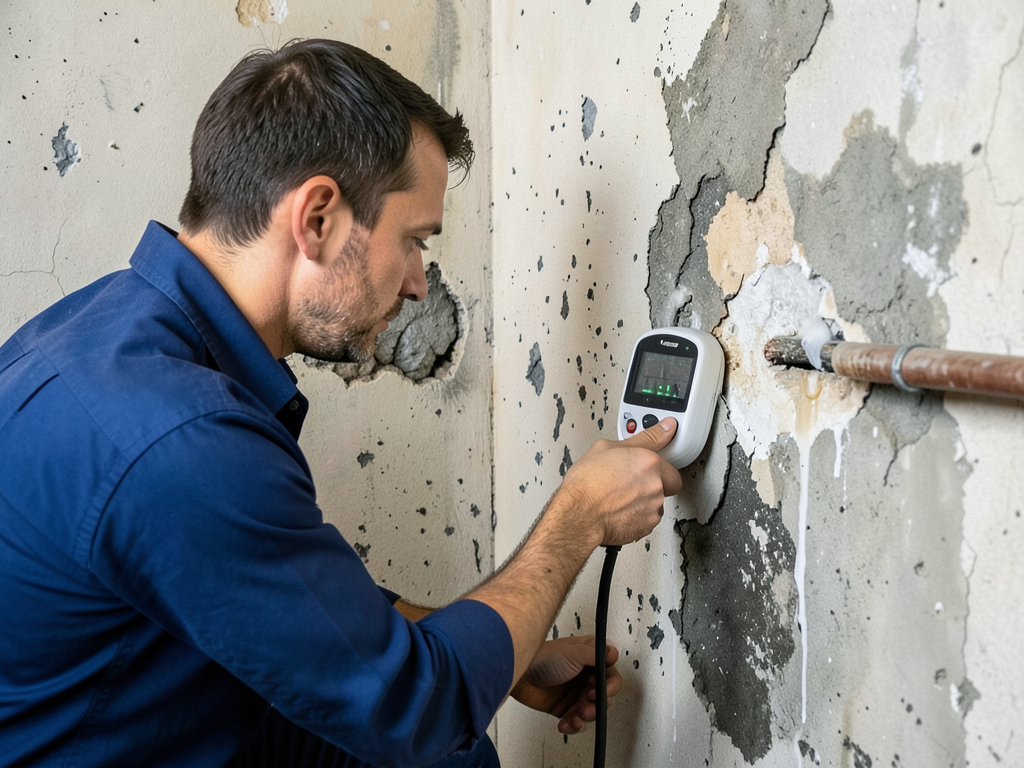
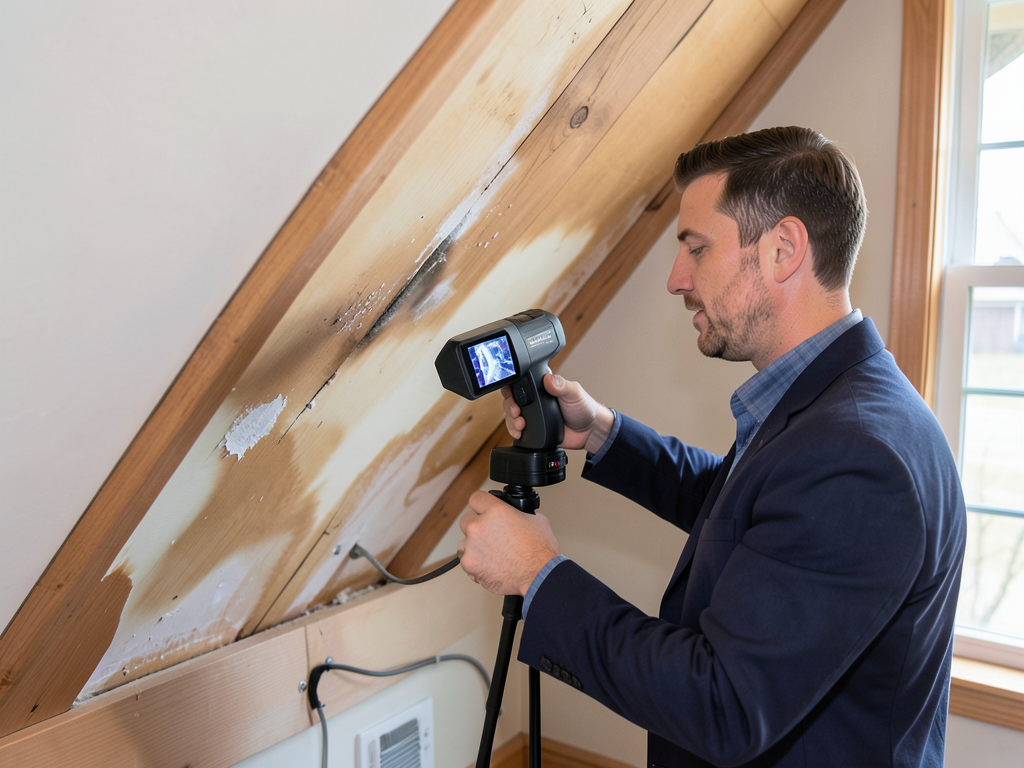
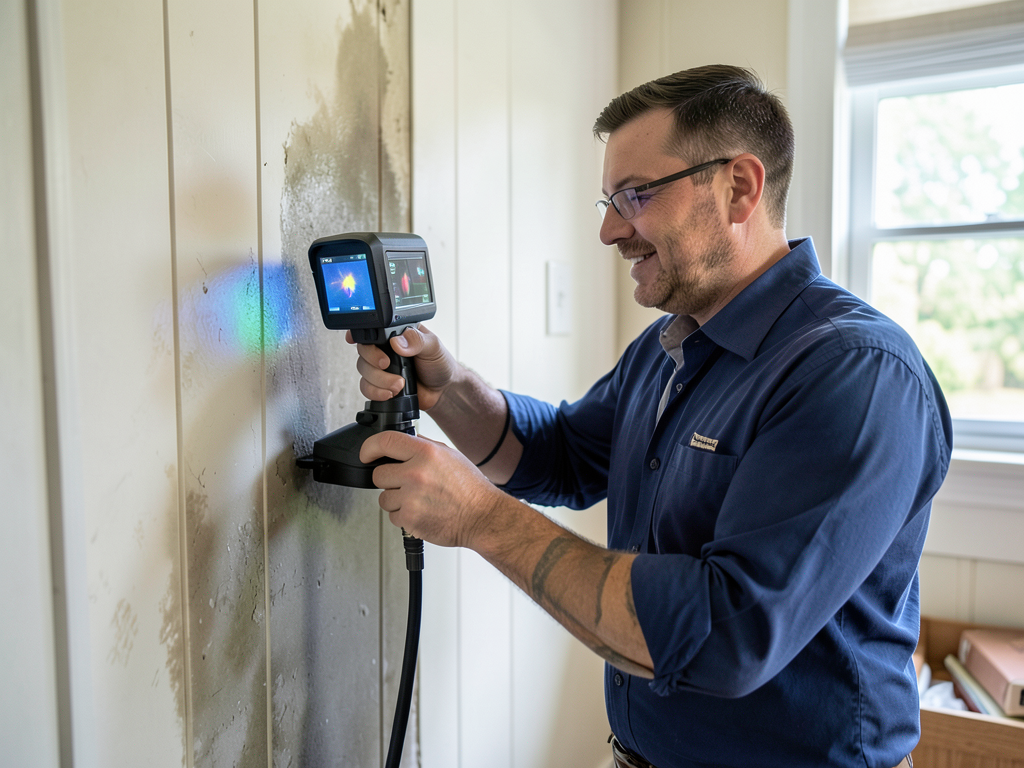
Effective crawl space cleanup starts with complete water extraction and identification of all moisture entry points. We document foundation cracks, failed mortar joints, inadequate grading, and plumbing leaks. Thermal imaging reveals hidden moisture in rim joists and subfloor assemblies. Moisture meters quantify the severity of wood saturation. This diagnostic phase determines which surfaces require antimicrobial treatment, which insulation needs removal, and whether structural members need reinforcement or replacement.

Contaminated materials come out first. Wet fiberglass insulation holds moisture against wood framing and provides zero thermal value. We remove it completely. Standing water gets extracted. Debris and organic material that feed mold growth get bagged and disposed of properly. All wood surfaces receive antimicrobial treatment using EPA-registered fungicides that kill active mold and prevent regrowth.

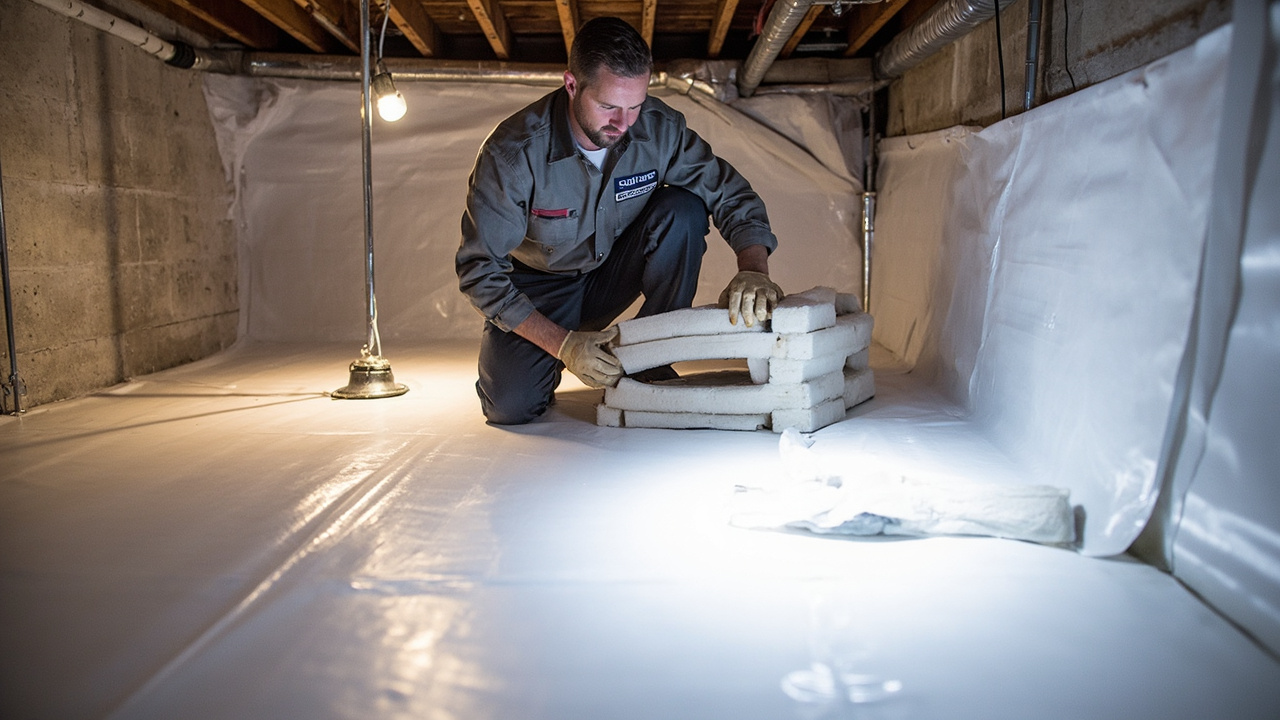
The encapsulation system creates a controlled environment. We install drainage matting across the crawl space floor to channel groundwater to existing drains or sump systems. A heavy-duty vapor barrier goes over the drainage layer, sealed at all seams and mechanically fastened to foundation walls. The barrier extends up walls and gets sealed to the sill plate, creating a continuous moisture barrier. We insulate foundation walls with closed-cell foam board rather than between floor joists, moving the thermal boundary to the perimeter and keeping the space warmer.

Dehumidification maintains optimal conditions year-round. A commercial-grade crawl space dehumidifier removes moisture that enters through foundation walls or ventilation. We seal all vents to prevent humid summer air from entering the space. This controlled environment prevents condensation, stops mold growth, and protects structural wood from moisture damage.

What Happens During Your Crawl Space Encapsulation

Crawl Space Cleanup & Encapsulation in Detroit – Expert Remediation for Moisture Control and Structural Protection
01

Inspection and Moisture Assessment

Our technicians enter your crawl space with moisture meters, thermal cameras, and air quality monitors. We measure humidity levels, identify water entry points, and document structural damage. You receive a detailed assessment showing moisture readings, photographic evidence of mold or rot, and a prioritized remediation plan. This diagnostic phase determines the scope of cleanup required and which waterproofing systems your specific situation demands.
02

Cleanup and Surface Treatment

We remove all contaminated insulation, debris, and standing water. HEPA filtration contains airborne mold spores during material removal. All structural wood surfaces get treated with antimicrobial solutions that penetrate deep into lumber grain. Heavily damaged wood members get reinforced or replaced. We address any active plumbing leaks and ensure proper drainage away from your foundation before proceeding to encapsulation.
03

Encapsulation and Climate Control

The final phase transforms your crawl space into a controlled environment. We install drainage matting, seal a reinforced vapor barrier across all surfaces, insulate foundation walls, and seal all vents. A dedicated dehumidifier maintains humidity below 55 percent year-round. You get a space that protects your foundation, improves indoor air quality, and reduces energy costs. Final moisture readings confirm the system is performing correctly.

Why Detroit Homeowners Trust Ironwood for Crawl Space Solutions

Detroit's housing stock presents unique challenges. Homes built in the 1920s through 1950s used different foundation construction methods than modern homes. Limestone foundations common in older neighborhoods require different waterproofing approaches than poured concrete. We understand how the city's clay soil behaves, how seasonal water table fluctuations affect different neighborhoods, and which foundation types are most vulnerable to freeze-thaw damage.

We work throughout Wayne County and know which areas experience the worst groundwater problems. Homes near the Detroit River face different moisture challenges than properties in Redford Township or Dearborn. Local topography matters. A home at the bottom of a slope channels runoff differently than one on higher ground. We factor these variables into our remediation approach rather than applying one-size-fits-all solutions.

Our remediation process addresses the complete moisture problem. Other companies install vapor barriers over wet surfaces and call it done. That traps moisture against your foundation and accelerates decay. We remove the moisture source first, treat affected surfaces, then install barriers that work with proper drainage and dehumidification. This systems approach solves the problem rather than masking symptoms.

You receive detailed documentation at every phase. Initial assessment reports show exactly what we found and why specific treatments are necessary. Progress photos document the cleanup process. Final reports include moisture readings confirming the space is dry and protected. This documentation helps with insurance claims, home sales, and your own peace of mind knowing the work was done correctly.

Detroit's climate demands year-round moisture control. Summer humidity and winter freeze-thaw cycles create constant challenges for crawl spaces. Our encapsulation systems account for seasonal variations and maintain stable conditions regardless of outside weather. That level of climate control protects your investment and prevents recurring problems.

What to Expect from Professional Crawl Space Encapsulation

Project Timeline and Scheduling

Most crawl space cleanup and encapsulation projects take two to four days depending on space size and damage severity. Initial inspection happens within 24 hours of your call. We schedule the work to minimize disruption to your household. The cleanup phase takes one to two days. Encapsulation installation requires one to two additional days for proper curing and sealing. Emergency situations with active flooding get immediate response. We work until your crawl space is dry, treated, and protected. You get daily updates on progress and any additional issues we discover during remediation.

Comprehensive Moisture Evaluation

Your assessment includes complete documentation of all moisture sources and structural damage. We measure relative humidity throughout the space, check wood moisture content in joists and sill plates, and use thermal imaging to find hidden water infiltration. You receive a written report with photographs showing problem areas, moisture meter readings, and our recommended remediation approach. We explain what each measurement means for your home and why specific treatments are necessary. This evaluation determines whether you need drainage improvements, structural repairs, or plumbing fixes before encapsulation begins.

Long-Term Protection and Performance

Properly installed crawl space encapsulation creates a permanent moisture barrier that protects your foundation for decades. The vapor barrier we install resists punctures and tears. Sealed seams prevent moisture migration. Foundation wall insulation improves energy efficiency and keeps your floors warmer in winter. The dehumidifier maintains optimal humidity automatically. You will notice improved indoor air quality within days as musty odors disappear. Energy costs typically drop as your HVAC system runs more efficiently. Most importantly, you stop the progressive structural damage that wet crawl spaces cause to floor systems and foundations.

Ongoing Monitoring and Maintenance

We recommend annual crawl space inspections to verify your encapsulation system continues performing correctly. These checkups include humidity readings, visual inspection of the vapor barrier, and dehumidifier filter service. We check for new foundation cracks, plumbing leaks, or drainage problems that could compromise the system. You receive a written report after each inspection documenting current conditions. Dehumidifier filters need changing every six to twelve months depending on usage. We provide maintenance plans that include filter replacement and system checks. This preventive approach catches small problems before they become expensive repairs.

Frequently Asked Questions

You Have Questions,
We Have Answers

What is the average cost to encapsulate a crawl space? +

Crawl space encapsulation costs vary based on square footage, existing damage, and moisture severity. Detroit homeowners typically pay between $3,000 and $15,000 for complete encapsulation. Factors include vapor barrier thickness, drainage system installation, dehumidifier placement, and structural repairs. Smaller crawl spaces under 1,200 square feet cost less, while larger areas or homes with standing water, mold remediation needs, or foundation issues increase total investment. Detroit's freeze-thaw cycles and clay soil conditions often require additional drainage solutions, which affect pricing. Request a detailed inspection to identify moisture sources and structural concerns before receiving an accurate estimate tailored to your property.

Is it worth it to encapsulate a crawlspace? +

Yes. Encapsulation protects your Detroit home from moisture damage, mold growth, and energy loss. Michigan's humid summers and harsh winters create perfect conditions for crawl space moisture problems. Unchecked humidity rots floor joists, buckles hardwood floors, and spikes heating bills. Encapsulation reduces energy costs by 15-20%, improves indoor air quality, and prevents structural decay. Detroit's older housing stock, particularly homes built before 1970, benefits significantly because original construction often lacked proper moisture barriers. The investment pays back through lower utility bills, reduced repair costs, and increased home value. Prevention costs far less than repairing water-damaged floor systems or remediating widespread mold.

What does crawl space encapsulation include? +

Complete encapsulation seals your crawl space from ground moisture and external air. The process includes installing a heavy-duty vapor barrier across floors and walls, sealing all vents and openings, adding insulation to rim joists, installing a drainage system or sump pump if needed, and placing a dehumidifier for climate control. In Detroit, we address foundation cracks common in homes with clay soil settlement. The system creates a controlled environment that stops moisture infiltration, prevents mold growth, and improves whole-home air quality. Proper encapsulation transforms your crawl space from a liability into conditioned space that protects your foundation and reduces energy waste.

When should you not encapsulate a crawl space? +

Avoid encapsulation if you have active flooding, severe foundation failure, or unresolved plumbing leaks. Detroit homes with compromised sump pumps or grading issues that direct water toward the foundation need those problems fixed first. Encapsulation traps moisture if drainage fails. Homes with active termite infestations require treatment before sealing. Properties with significant structural damage need repairs before encapsulation. If your crawl space floods during heavy rain or spring thaw, install proper drainage and waterproofing first. Encapsulation works only when you eliminate active water sources. Address foundation cracks, failed gutters, and soil grading problems before investing in a vapor barrier system.

Will insurance cover crawl space encapsulation? +

Standard homeowners insurance rarely covers encapsulation because insurers view it as preventive maintenance, not sudden damage repair. However, if encapsulation is required to repair covered water damage or mold from a burst pipe, insurers may pay for restoration, which can include encapsulation. Detroit homeowners should document moisture damage with photos and professional assessments. Some policies cover foundation waterproofing if it prevents further covered damage. Review your policy carefully. Filing a claim works best when encapsulation addresses active, documented damage rather than general moisture control. Consult your insurance adjuster before starting work to understand coverage limits and required documentation.

How much does it cost to insulate a 1500 square foot house crawl space? +

Insulating a 1,500 square foot crawl space costs between $1,800 and $4,500, depending on insulation type and access difficulty. Detroit's climate requires proper vapor barriers combined with insulation to prevent condensation issues. Spray foam insulation costs more upfront but provides superior air sealing and moisture resistance compared to fiberglass batts. Many Detroit homes have limited crawl space height, increasing labor costs. Proper insulation targets rim joists and foundation walls, not the crawl space floor. Combined with encapsulation, insulation reduces heating costs during Michigan winters and prevents frozen pipes. Quality insulation installation requires moisture control first, or you trap dampness and create mold conditions.

Can I write off crawl space encapsulation? +

You cannot deduct crawl space encapsulation on federal taxes unless it qualifies as a medical expense or energy efficiency improvement under specific IRS programs. Medical deductions apply if a doctor prescribes encapsulation to address mold-related health issues, and your medical expenses exceed 7.5% of adjusted gross income. Some energy efficiency tax credits may apply if encapsulation includes qualifying insulation or dehumidification equipment. Detroit homeowners should consult a tax professional about Michigan-specific credits or deductions. Home improvements that increase property value are not deductible, but costs may reduce capital gains when selling. Keep detailed receipts and professional documentation for future reference.

How long does a crawl space encapsulation last? +

Quality encapsulation lasts 15-25 years with proper maintenance. Heavy-duty vapor barriers resist punctures and degradation better than thin materials. Detroit's temperature fluctuations and soil movement require durable installation. Dehumidifiers need filter changes and occasional service. Inspect your encapsulation annually for tears, standing water, or failed seams. Homes with proper drainage and functioning sump pumps extend system life significantly. Michigan's freeze-thaw cycles stress foundation walls, so monitor for new cracks that compromise the seal. Most failures occur from external water intrusion, not barrier degradation. Regular inspections catch small problems before they require complete system replacement. Proper installation and maintenance maximize your investment.

What is the alternative to crawl space encapsulation? +

Alternatives include traditional vented crawl spaces with foundation vents, but this approach fails in Detroit's humid climate. Venting introduces moisture rather than removing it. Partial solutions like adding a basic vapor barrier without sealing vents provide limited protection. Conditioning the crawl space through HVAC extensions works but wastes energy without proper sealing. Some homeowners choose concrete slab installation, eliminating the crawl space entirely, but this costs significantly more. Proper drainage and grading improvements help but do not address airborne moisture. No alternative provides the comprehensive moisture control, energy savings, and structural protection that full encapsulation delivers for Detroit homes facing Michigan's challenging climate conditions.

Do you need a dehumidifier in an encapsulated crawl space? +

Yes. Dehumidifiers control humidity in sealed crawl spaces where moisture has nowhere to escape. Detroit's humid summers introduce moisture through foundation walls and residual ground vapor. Even with quality vapor barriers, some moisture penetrates through concrete. Dehumidifiers maintain humidity below 60%, preventing mold growth and wood rot. Size the unit to your crawl space volume. Energy-efficient models with automatic drainage prevent maintenance hassles. In encapsulated spaces without dehumidifiers, humidity builds during summer months, condensing on cool surfaces and creating mold conditions. The dehumidifier completes the encapsulation system, ensuring year-round moisture control regardless of outdoor humidity or seasonal temperature changes in Michigan.

How Detroit's Clay Soil and High Water Table Affect Crawl Space Moisture Control

Detroit sits on expansive clay soil with a water table that rises significantly during spring snowmelt and heavy rain periods. This clay soil absorbs water slowly and holds moisture against foundation walls for extended periods. When saturated clay freezes in winter, it expands and creates lateral pressure against your foundation. Spring thaw releases this pressure but leaves soil saturated and increases hydrostatic pressure driving groundwater into crawl spaces. Homes in low-lying areas near the Detroit River or Rouge River experience even higher water table elevations. Effective crawl space waterproofing in Detroit must account for this sustained moisture pressure and provide drainage pathways that relieve hydrostatic force before it damages foundation walls.

Detroit's older homes were built before vapor barrier requirements became standard building practice. Properties in historic districts like Indian Village, Boston-Edison, and Corktown feature beautiful architecture but often lack modern moisture control systems. Local building officials now require proper crawl space ventilation or conditioned encapsulation when homes undergo significant renovation. We stay current with Wayne County building code requirements and ensure all remediation work meets or exceeds local standards. Our familiarity with Detroit's housing stock means we understand which foundation types respond best to specific waterproofing approaches and can recommend solutions that preserve historic building integrity while solving modern moisture problems.
Water Damage Restoration Services in The Detroit Area

Conveniently located to serve the Detroit area, Ironwood is always ready to respond to your water damage emergencies. Explore our service area on the map below or contact us directly to discuss your specific needs. We’re committed to providing prompt, professional service wherever you are within our operational zone, ensuring rapid deployment and effective restoration solutions when you need them most.

Address:
Ironwood Water Damage Restoration Detroit, 15324 Mack Ave, Detroit, MI, 48230

Additional Services We Offer

Our news updates

Latest Articles & News from The Blogs

A slow leak behind a Royal Oak bathroom wall can go unnoticed for weeks. By the time you smell mildew…

Why Smart Leak Detectors Are Worth Every Penny for Your Royal Oak Rental Property

A slow leak behind a Royal Oak bathroom wall can go unnoticed for weeks. By the time you smell mildew…

Why Your Whole House Humidifier in Warren Might Be Ruining Your Drywall

Your furnace runs all winter. Your whole house humidifier works quietly behind the scenes. And somewhere behind that drywall in…

What Black Water Flooding Actually Does to Your Health (A Detroit Homeowner's Guide)

A sewage backup in your Detroit basement is not just a cleanup problem. It is a biohazard event. The water…

Contact Us

Stop moisture damage before it compromises your foundation. Call Ironwood Water Damage Restoration Detroit at (313) 572-5559 for a comprehensive crawl space assessment. We provide detailed evaluations, transparent pricing, and permanent solutions that protect your home.