




menu

Hardwood Floor Water Damage in Detroit | Expert Wood Floor Drying and Restoration

Ironwood Water Damage Restoration Detroit uses advanced moisture detection and specialty drying equipment to salvage wet hardwood flooring, prevent cupping, and restore structural integrity before permanent damage sets in.

Slider Image 1
Slider Image 2
Slider Image 3
Slider Image 4
Slider Image 5
Slider Image 7
Slider Image 8
Slider Image 9
Slider Image 10
Slider Image 11

Why Detroit Hardwood Floors Fail After Water Exposure

Detroit homes built before 1960 feature original oak and maple hardwood floors laid directly over crawl spaces or basement joists. When your sump pump fails during spring snowmelt or a pipe bursts in sub-zero January cold, water saturates the subfloor and seeps upward into the tongue-and-groove planks.

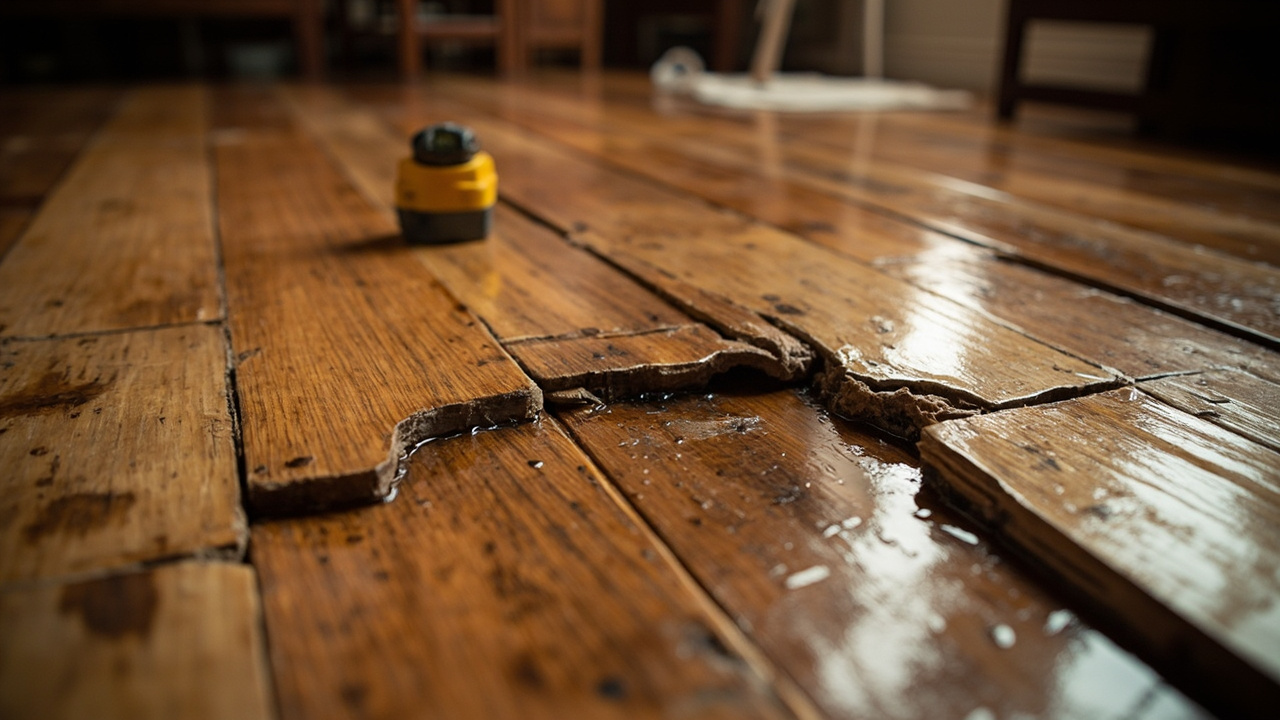
You will notice cupping within 48 hours. The edges of each board rise higher than the center, creating a washboard surface. This happens because wood is hygroscopic. It absorbs moisture and expands across the grain faster than along the length. If you ignore wet hardwood flooring for more than 72 hours, the expansion stress can crack joists, warp support beams, and encourage mold colonization in the subfloor cavity.

Detroit's freeze-thaw cycle makes this worse. When temperatures drop below 20 degrees, moisture trapped inside wood cells freezes and expands, fracturing the cellular structure from the inside. By the time spring arrives, you have structurally compromised planks that cannot be sanded or refinished.

Water damaged wood floors also release tannins. These organic acids stain the surface black and wick down into subflooring. Standard mops and towels remove surface water but leave 60 to 80 percent of the absorbed moisture locked inside the wood matrix. Without professional extraction and controlled drying, your floor will never return to its original flatness. You need wood floor water damage repair that addresses moisture at the cellular level, not just what you can see pooling on the surface.

Why Detroit Hardwood Floors Fail After Water Exposure
How We Dry and Restore Hardwood Floors Without Replacement

How We Dry and Restore Hardwood Floors Without Replacement

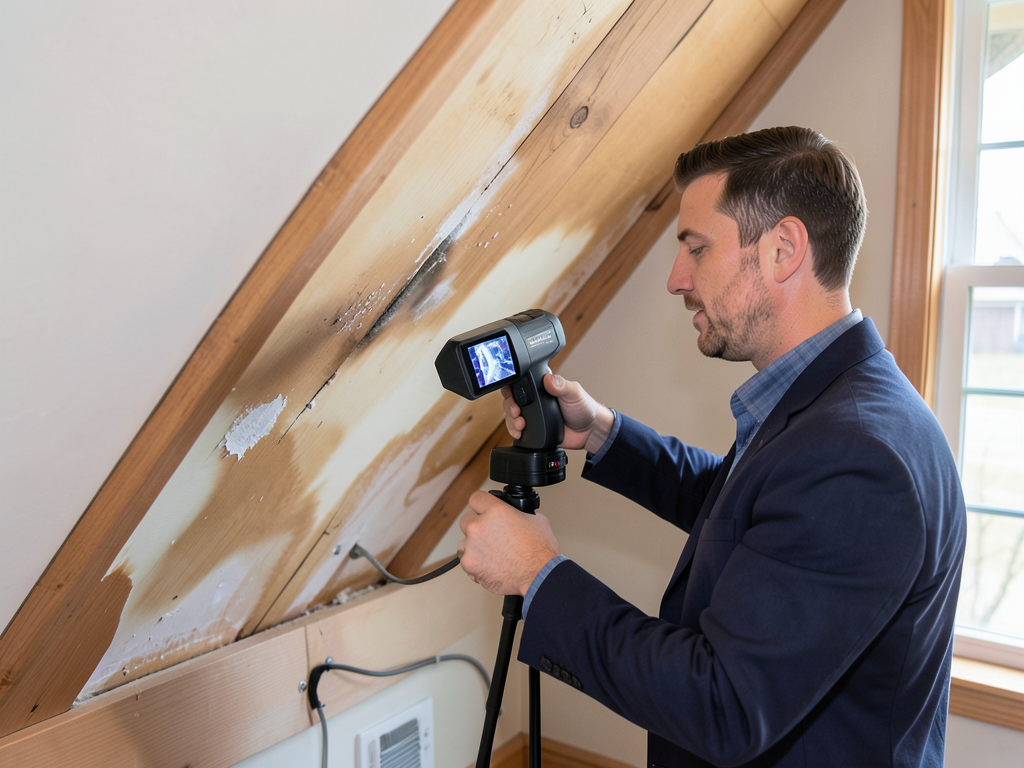
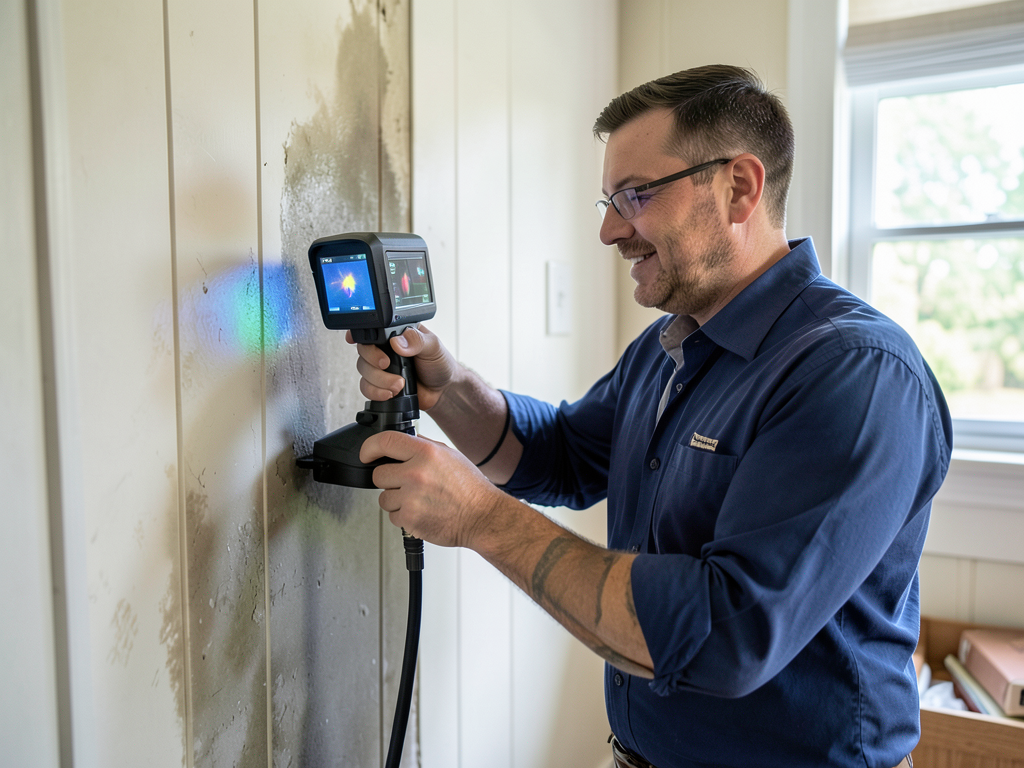
We deploy thermal imaging cameras to map subsurface moisture distribution across your entire floor. This identifies hidden saturation pockets under baseboards, inside closets, and beneath built-in cabinetry where standing water evaporates slowly.

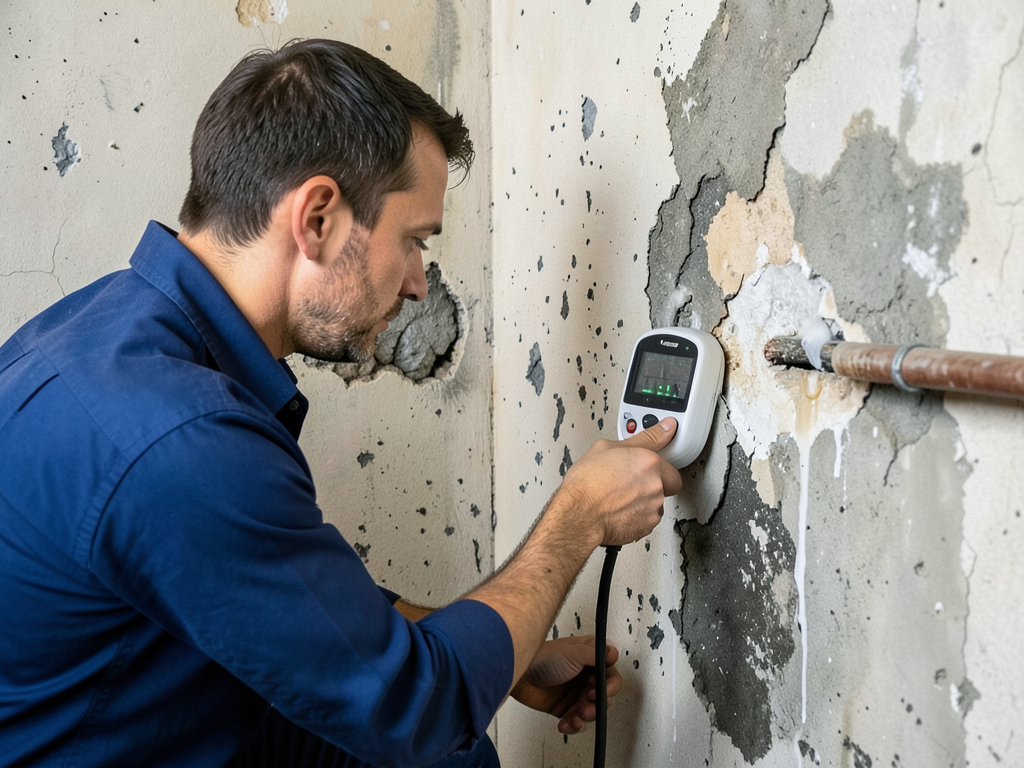
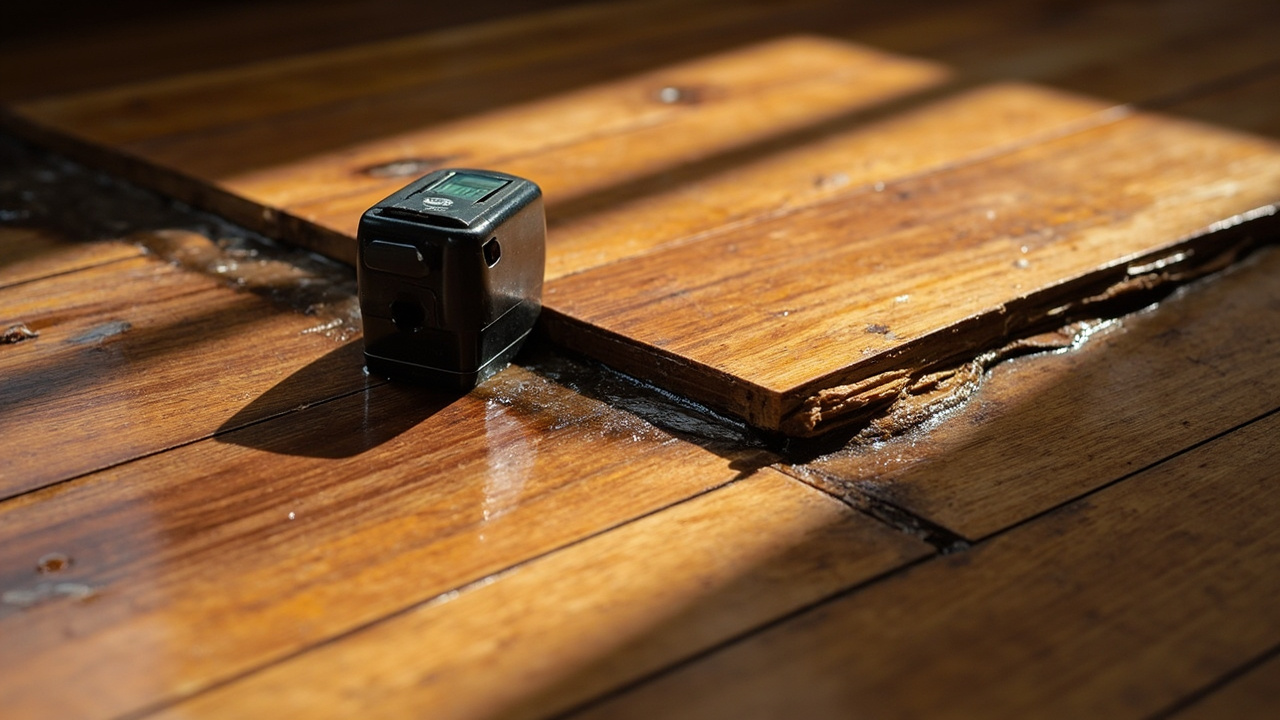
Next, we measure moisture content using pin-type and pinless meters. Pin meters penetrate the wood surface to measure electrical resistance at specific depths. Pinless meters use electromagnetic waves to scan moisture levels without puncturing the finish. We take readings every three feet and document moisture gradients from the wettest zones to dry perimeter areas.

Drying hardwood floors requires controlled dehumidification. We place commercial-grade low-grain refrigerant dehumidifiers that pull moisture from the air faster than it can evaporate from the wood. This creates a vapor pressure differential that draws water out of the planks without over-drying and cracking the surface.

Air movers positioned at 45-degree angles direct airflow across the floor surface to accelerate evaporation. We do not aim fans straight down. That forces moisture deeper into the subfloor instead of lifting it into the air where dehumidifiers can capture it.

For severe saturation, we remove baseboards and drill weep holes into the subfloor to ventilate trapped moisture in joist bays. We insert drying mats under the hardwood surface. These mats use negative air pressure to extract moisture from underneath without removing the floor.

We monitor moisture levels every 12 hours and adjust equipment placement based on real-time data. When moisture content drops to 6 to 9 percent, the floor has returned to equilibrium with Detroit's indoor humidity range. Only then do we remove equipment and begin surface restoration.

What Happens During Hardwood Floor Water Damage Restoration

Hardwood Floor Water Damage in Detroit | Expert Wood Floor Drying and Restoration
01

Water Extraction and Assessment

We extract standing water using weighted extraction wands that press directly onto the wood surface and pull water through high-vacuum hoses. Thermal imaging identifies moisture migration paths and hidden saturation zones under subflooring. Pin-type meters measure moisture content at half-inch depth intervals to create a three-dimensional moisture map. This data determines drying strategy and equipment placement for your specific floor construction.
02

Controlled Drying Protocol

We install low-grain refrigerant dehumidifiers and position air movers to create controlled evaporation without over-drying. Drying mats placed under cupped planks use vacuum pressure to extract moisture from below. We remove baseboards to ventilate wall cavities and drill weep holes into subflooring if moisture readings exceed 20 percent. Equipment runs continuously with monitoring every 12 hours until moisture content stabilizes between 6 and 9 percent.
03

Floor Stabilization and Finish

Once moisture content reaches equilibrium, we assess the floor for permanent damage. Minor cupping often self-corrects as wood returns to its original dimensions. We sand and refinish surfaces showing tannin staining or finish damage. Severely warped planks are removed and replaced with matching wood. We apply moisture barrier coatings to subflooring and reinstall baseboards. Final inspection confirms flatness tolerances and moisture stability before we release the space.

Why Detroit Homeowners Choose Ironwood for Wood Floor Water Damage Repair

Detroit's housing stock includes thousands of homes built between 1910 and 1950 with original hardwood floors. These floors were milled from old-growth timber with tight grain patterns and superior density compared to modern lumber. Replacing them destroys historical integrity and costs three to five times more than professional restoration.

We understand Detroit floor construction. Homes in Indian Village and Boston Edison feature quarter-sawn white oak laid over diagonal shiplap subflooring. Bungalows in Warrendale and Grandmont Rosedale use strip maple over pine plank subfloors. Each construction type requires different drying protocols.

Our technicians hold IICRC Water Damage Restoration certifications and complete annual training on hardwood floor drying techniques. We use moisture mapping software that integrates thermal imaging data with psychrometric calculations to predict drying times within six-hour windows.

We work directly with insurance adjusters to document damage and justify restoration costs. Most homeowner policies cover water damage from sudden pipe failures but exclude gradual leaks and flood events. We photograph moisture readings, thermal images, and equipment placement to support your claim and expedite approval.

You will receive a moisture log showing daily readings for every zone we monitor. This transparency allows you to verify progress and understand why drying takes five to ten days depending on saturation depth. We do not remove equipment prematurely to save time. Incomplete drying leads to mold growth, floor buckling, and subfloor rot that costs far more to remediate than the original water damage.

Ironwood Water Damage Restoration Detroit has restored hardwood floors in over 300 Detroit homes since 2018. We know how to salvage wood floors that other companies recommend replacing.

What to Expect During Hardwood Floor Water Damage Restoration

Response Time and Availability

We dispatch crews within 90 minutes of your call, 24 hours a day. Water damage spreads exponentially in the first 48 hours. Cupping begins after 24 hours of exposure, and mold colonization starts at 72 hours. Early intervention prevents secondary damage and reduces restoration costs by 40 to 60 percent. Our trucks carry extraction equipment, moisture meters, and thermal cameras so we can begin work immediately upon arrival. You do not wait days for an estimate while water continues destroying your floor.

Initial Inspection and Moisture Mapping

We conduct a room-by-room assessment using thermal imaging to identify wet zones invisible to the naked eye. Pin-type meters measure moisture content at the surface, mid-depth, and subfloor interface. We document floor construction, finish type, and saturation severity. You receive a written scope of work detailing equipment requirements, estimated drying time, and restoration steps. We explain the difference between salvageable cupping and permanent structural damage so you understand what outcomes are realistic for your specific floor condition.

Restoration Quality and Final Results

Our goal is to return your floor to pre-loss condition without replacement. Properly dried hardwood regains its original dimensions and structural integrity. We sand out surface stains, fill minor gaps caused by plank shrinkage, and apply finish coatings that match your existing floor. Final moisture readings must fall between 6 and 9 percent before we consider the job complete. We provide post-restoration moisture reports and photographic documentation showing before-and-after comparisons. Your floor will pass insurance inspection and meet industry drying standards.

Post-Restoration Monitoring and Guarantees

We schedule a follow-up inspection 30 days after equipment removal to verify moisture stability. Some cupping takes weeks to fully resolve as wood cells relax back to equilibrium. If moisture content rises above 12 percent during this period, we return to investigate the source and re-dry affected areas at no additional charge. We provide maintenance recommendations for basement humidity control, sump pump testing, and pipe insulation to prevent future water damage. You receive digital copies of all moisture logs, thermal images, and inspection reports for your insurance records.

Frequently Asked Questions

You Have Questions,
We Have Answers

Will a swollen wood floor go back to normal? +

It depends on the severity and duration of exposure. Minor swelling from a quick spill may resolve as the wood dries, but prolonged water exposure causes permanent damage. Detroit's humidity fluctuations make this worse. Wood fibers expand when wet and may not return to their original shape. Cupping, warping, and cracking often remain after drying. Professional moisture meters determine if the subfloor is affected. If water sat for more than 24 hours, you need immediate extraction and drying equipment. Do not wait for it to fix itself. Permanent buckling requires board replacement or refinishing.

What happens if hardwood floors get wet? +

Water penetrates the wood grain and causes immediate swelling. Within hours, you will see cupping where board edges lift higher than the center. The finish may cloud or peel. If water reaches the subfloor, mold grows within 48 hours. Detroit's older homes often have oak or maple flooring that absorbs moisture quickly. Prolonged exposure leads to warping, cracking, and structural weakness. Dark stains appear as tannins leach out. The floor becomes unsafe to walk on. Quick action prevents total replacement. Extract standing water immediately and run commercial dehumidifiers.

How to flatten a wood floor after water damage? +

You cannot flatten a water damaged floor without professional equipment. Drying alone does not reverse warping. First, remove all standing water using extraction tools. Run industrial dehumidifiers and air movers for 72 hours minimum. Monitor subfloor moisture levels with meters. If boards remain cupped or crowned, sand them flat after moisture content drops below 12 percent. Severe warping requires board replacement. Detroit's clay soil and basement moisture complicate drying. Do not attempt DIY flattening with weights or clamps. This causes further cracking. Professional restoration includes subfloor inspection and controlled drying.

Will insurance pay for water damage to a wood floor? +

Most homeowner policies cover sudden water damage like burst pipes or appliance failures. Gradual leaks or flood damage require separate flood insurance. Detroit's aging infrastructure makes pipe bursts common, which insurers typically cover. You must document the damage immediately with photos. File your claim within 24 hours. Insurance adjusters look for negligence. If you ignored a leaking water heater, they may deny coverage. Mold remediation coverage varies by policy. Keep all receipts for emergency mitigation. Work with a licensed restoration company that handles insurance paperwork. Deductibles apply to most claims.

Can you fix water damaged hardwood floors? +

Yes, but success depends on how long water sat and how deep it penetrated. Surface moisture caught within hours responds well to drying and refinishing. Water that reached the subfloor requires board replacement. Detroit's humidity slows drying time. Professionals use moisture meters to assess damage depth. Cupped boards may flatten after drying, but crowned boards indicate subfloor damage. Stained or blackened wood needs replacement. Minor warping can be sanded and refinished. Severe buckling compromises structural integrity. Acting within 24 hours saves most floors. Delayed response means total replacement and higher costs.

How to unswell a wooden floor? +

Stop the water source immediately. Extract standing water with wet vacuums or pumps. Place commercial dehumidifiers in the room and run them continuously for 48 to 72 hours. Position air movers to create crossflow ventilation. Remove baseboards to allow edge drying. Monitor moisture levels with a meter. Wood must drop below 12 percent moisture content before you assess permanent damage. Detroit's basement flooding requires subfloor checks. Do not apply heat directly to the floor. This causes cracking. Swelling reverses only if you dry the wood quickly and completely. Delayed drying means permanent warping.

What do water damaged hardwood floors look like? +

Look for cupping where board edges curl upward. Crowning is the opposite, with centers higher than edges. Dark stains or gray patches indicate mold or tannin bleed. The finish may appear cloudy, bubbled, or peeling. Gaps between boards widen as wood contracts unevenly. You may see cracking along the grain. Soft spots mean the subfloor is rotting underneath. Detroit's older homes often show water rings from radiator leaks. A musty odor signals hidden moisture. Floors may feel spongy when you walk. Discoloration does not always mean replacement, but warping usually does.

How much does it cost to repair a water damaged hardwood floor? +

Costs vary widely based on damage extent and floor type. Minor refinishing after drying runs lower than full board replacement. Subfloor damage increases costs significantly. Detroit's labor rates and material availability affect pricing. Extraction, drying, and mold remediation add to the bill. Insurance may cover most expenses if the damage qualifies. Engineered hardwood costs less to replace than solid oak. Expect higher costs if your floor matches a discontinued finish. Get multiple estimates from licensed restoration companies. Emergency mitigation prevents total replacement. Waiting increases both damage and expense.

What pulls moisture out of wood floors? +

Industrial dehumidifiers remove ambient moisture from the air. Air movers create airflow that accelerates evaporation from the wood surface. Desiccant dehumidifiers work better in cold Detroit basements than refrigerant models. Moisture meters track progress by measuring wood moisture content. Removing baseboards allows trapped moisture to escape. Heat mats applied to the subfloor can speed drying but require professional monitoring to prevent cracking. Do not rely on fans alone. Commercial equipment pulls moisture 10 times faster than household units. Professional restoration companies combine multiple drying methods to prevent permanent damage.

How long can water sit on hardwood floors? +

No more than 24 hours. Water begins penetrating the wood grain within minutes. After one hour, surface damage occurs. At 24 hours, the subfloor absorbs moisture and mold spores activate. Detroit's humidity accelerates this timeline. By 48 hours, mold colonies are visible and wood warping becomes permanent. Standing water for 72 hours means guaranteed replacement. Extract water immediately using wet vacuums or pumps. Every minute counts. Do not wait to see if it dries on its own. Professional extraction within the first few hours saves your floor and prevents mold growth.

How Detroit's Freeze-Thaw Cycles Intensify Hardwood Floor Water Damage

Detroit experiences 120 to 140 freeze-thaw cycles between November and March. When pipes burst during overnight temperature drops to 5 degrees, water floods hardwood floors and freezes before you wake up. Ice expansion inside wood cells fractures the cellular structure, making the wood more porous and vulnerable to mold colonization. Even after surface ice melts, moisture remains trapped in the subfloor cavity where temperatures stay below freezing for days. This creates a secondary saturation event when ambient temperatures rise and trapped ice melts into liquid water. Standard drying protocols fail because they do not account for subsurface ice that continues releasing moisture long after visible water disappears.

Detroit's historic districts enforce strict renovation guidelines. Homes in East English Village and Palmer Woods require preservation board approval before replacing original hardwood floors. We work with homeowners and preservation committees to document restoration efforts that maintain historical accuracy while meeting modern moisture mitigation standards. Our familiarity with Detroit's building permit requirements and inspection protocols ensures compliance with city codes for structural drying and mold remediation. Local expertise matters when you need to balance historical preservation with effective water damage repair.
Water Damage Restoration Services in The Detroit Area

Conveniently located to serve the Detroit area, Ironwood is always ready to respond to your water damage emergencies. Explore our service area on the map below or contact us directly to discuss your specific needs. We’re committed to providing prompt, professional service wherever you are within our operational zone, ensuring rapid deployment and effective restoration solutions when you need them most.

Address:
Ironwood Water Damage Restoration Detroit, 15324 Mack Ave, Detroit, MI, 48230

Additional Services We Offer

Our news updates

Latest Articles & News from The Blogs

A slow leak behind a Royal Oak bathroom wall can go unnoticed for weeks. By the time you smell mildew…

Why Smart Leak Detectors Are Worth Every Penny for Your Royal Oak Rental Property

A slow leak behind a Royal Oak bathroom wall can go unnoticed for weeks. By the time you smell mildew…

Why Your Whole House Humidifier in Warren Might Be Ruining Your Drywall

Your furnace runs all winter. Your whole house humidifier works quietly behind the scenes. And somewhere behind that drywall in…

What Black Water Flooding Actually Does to Your Health (A Detroit Homeowner's Guide)

A sewage backup in your Detroit basement is not just a cleanup problem. It is a biohazard event. The water…

Contact Us

Call Ironwood Water Damage Restoration Detroit at (313) 572-5559 right now. Every hour you wait increases the risk of permanent floor damage and mold growth. We are available 24 hours a day to stop water damage before it destroys your hardwood floors.