





Westland sits in Wayne County on clay-heavy soil that channels water toward foundations instead of absorbing it. Spring thaws and summer storms overwhelm aging infrastructure in neighborhoods near Hines Park and along Wildwood Avenue, where homes built in the 1950s and 60s still have original sump pumps and cast iron drain lines. When these systems fail, basements flood fast.
The Middle Rouge River runs through Westland, and heavy rainfall sends water into lower-lying areas around Norwayne and near Wayne Road. Homes in these zones face repeated basement seepage during Michigan's freeze-thaw cycles. Ice dams form on older roofs throughout the Dyer Park area, sending meltwater under shingles and into wall cavities.
Westland's humid summers create perfect conditions for secondary damage. Once water enters drywall or subflooring, mold colonies establish within 48 hours. Homeowners near Westland Shopping Center and along Ford Road often discover hidden water damage behind finished basements where slow leaks went unnoticed for months. The clay soil prevents natural drainage, so water sits against foundation walls, finding cracks and seams. Without fast extraction and proper drying, structural damage accelerates.
We operate dedicated response units for Westland because water damage doesn't wait for business hours. Our technicians carry truck-mounted extraction systems that remove hundreds of gallons per hour, paired with commercial dehumidifiers that drop humidity levels below mold growth thresholds. When your sump pump fails at 2 AM or a supply line bursts while you're at work, we dispatch immediately with equipment that stops damage progression.
Ironwood trains technicians in IICRC water damage restoration protocols and Michigan building codes. We document moisture readings in floors, walls, and ceilings using thermal imaging and penetrating moisture meters. Insurance adjusters trust our reports because we follow industry standard procedures for classification and documentation. We photograph everything, log equipment placement, and track drying progress daily.
Our approach prioritizes structural preservation. We remove water-damaged materials only when necessary, salvaging hardwood floors, drywall, and insulation whenever possible. For Westland's older homes with plaster walls and dimensional lumber framing, this saves thousands in reconstruction costs. We inject drying chambers behind walls, position air movers for maximum evaporation, and monitor until materials return to dry standard levels.
You get a project manager who coordinates directly with your insurance carrier. We handle claim documentation, meet adjusters on-site, and provide detailed estimates that insurance companies accept. Most Westland homeowners pay only their deductible. We work with all major carriers and know their requirements for water mitigation coverage.

We station crews near Westland with extraction equipment loaded and ready. When you call our emergency line, a technician heads to your property while we're still on the phone gathering details. Fast response prevents secondary damage that doubles repair costs.

Our truck-mounted pumps remove standing water in minutes, not hours. We deploy commercial dehumidifiers rated for Michigan humidity levels and air movers positioned according to psychrometric calculations. Proper equipment prevents mold establishment and structural rot.
We document every moisture reading, photograph all affected areas, and provide line-item estimates that insurance adjusters approve. Our reports meet industry standards for water damage classification. Most Westland clients pay only their deductible while we handle carrier negotiations.
We understand Westland's clay soil drainage problems, aging infrastructure challenges, and building construction common to Wayne County homes. Our technicians know which neighborhoods flood during storms and which home designs hide water damage. Local knowledge speeds diagnosis and prevents missed moisture pockets.
Water enters Westland homes through dozens of pathways, each requiring different extraction methods and drying strategies. Ironwood handles every water damage scenario from catastrophic floods to hidden pipe leaks. We deploy appropriate equipment based on water source, contamination level, and affected materials.
Our services cover emergency water removal, structural drying, content restoration, and mold remediation. We respond to sewage backups from overwhelmed Wayne County systems, appliance failures that flood kitchens overnight, and ice dam leaks that saturate attic insulation. Each situation demands specific protocols for safety and thorough remediation.
Westland homes built before 1980 present unique challenges. Plaster walls absorb water differently than drywall. Dimensional lumber framing takes longer to dry than engineered materials. Hardwood floors over plywood subfloors require careful moisture monitoring to prevent cupping and buckling. We adjust our approach based on your home's construction, using techniques that preserve original materials when possible while ensuring complete drying to prevent future mold growth and structural deterioration.
When water floods your Westland home, we arrive with truck-mounted pumps that extract hundreds of gallons in minutes. Our crews remove standing water from basements, crawl spaces, and living areas, then position commercial air movers and dehumidifiers to start the drying process immediately. We contain affected areas to prevent water migration into unaffected rooms, pull saturated carpet and padding, and document initial moisture levels. Fast extraction prevents drywall wicking, subfloor swelling, and mold establishment.
We monitor wall cavities, subfloors, and framing members until moisture content returns to dry standards. Our technicians use thermal imaging to locate hidden water pockets behind finished surfaces and inject drying chambers when necessary. We track humidity levels and material moisture readings daily, adjusting equipment placement for maximum evaporation. This prevents buckled floors, warped framing, and rot in structural components. Proper drying takes three to seven days depending on materials and saturation levels.
Sewage backups require specialized cleanup protocols for safety. We extract contaminated water, remove affected porous materials like drywall and insulation, and sanitize all surfaces with EPA-registered antimicrobial treatments. Our technicians wear protective equipment and follow IICRC Category 3 water protocols. We dispose of contaminated materials according to Wayne County regulations and document the remediation process for insurance claims. Sewage contains dangerous pathogens that demand professional handling.
Westland's position in southeast Michigan creates year-round water damage risks. Winter brings frozen pipes and ice dams. Spring delivers rapid snowmelt and heavy rains that overwhelm drainage systems. Summer humidity prevents proper evaporation, allowing hidden leaks to cause extensive damage before discovery. Fall storms saturate clay soil, pushing water against foundation walls.
Homes near the Middle Rouge River and in low-lying areas around Norwayne face flooding during heavy rains when Wayne County storm sewers back up. Neighborhoods with mature trees like Dyer Park deal with root intrusion into sewer lines. Properties along major roads like Wayne Road and Ford Road suffer foundation settlement from heavy truck traffic, creating cracks that channel water inside. The problems vary by location and home age, but water finds every weakness in Westland's aging housing stock.
Understanding these specific challenges helps homeowners recognize warning signs before major damage occurs. Musty basement odors, efflorescence on foundation walls, and increased humidity all signal active water problems requiring immediate attention.
Westland's clay soil prevents natural drainage, forcing groundwater toward basements. When sump pumps fail during power outages or mechanical breakdown, water rises fast. Homes in lower elevations near Hines Park and Norwayne flood repeatedly. We extract standing water, dry foundation walls and floors, and coordinate sump pump replacement to prevent recurrence.
Michigan winters freeze exposed pipes in unheated crawl spaces and along exterior walls. When pipes burst, pressurized water floods rooms in minutes. Older Westland homes have galvanized supply lines prone to corrosion failures. We shut off water sources, extract flooding, and dry wall cavities to prevent mold growth behind drywall and insulation.
Ice dams form on Westland roofs when heat escapes through inadequate attic insulation. Meltwater backs under shingles, saturating roof decking and running into wall cavities. By the time homeowners notice ceiling stains, insulation is soaked and drywall is damaged. We remove wet insulation, dry framing members, and document the extent of penetration for insurance claims.
Heavy rains overwhelm Wayne County sewer systems, pushing sewage back through floor drains and toilets. Older neighborhoods with combined storm and sanitary sewers face the highest risk. Sewage contains dangerous bacteria requiring immediate professional cleanup. We extract contaminated water, remove affected materials, sanitize surfaces, and prevent pathogen exposure to your family.
The moment you call our emergency line, we start coordinating your response. Our dispatcher gathers essential information about the water source, affected areas, and immediate safety concerns while a technician heads to your Westland property. You'll know the estimated arrival time before we hang up.
Our first priority is stopping active water intrusion. We shut off supply lines, contain affected areas, and start extraction immediately. You get a clear explanation of what we're doing and why. We move furniture and belongings to dry areas, document everything with photos and moisture readings, and set up drying equipment.
Throughout the restoration process, you work with one project manager who coordinates all aspects of your claim and remediation. No confusion about who to call or what's happening next. We provide daily updates, adjust equipment as needed, and don't consider the job complete until moisture readings confirm everything is dry. Most Westland homeowners are surprised by how organized and efficient the process runs, even during a stressful emergency.
We arrive at your Westland property within 60 minutes, often faster. Our technician performs a complete assessment, identifying the water source, affected materials, and contamination level. You receive an honest evaluation of what can be saved and what requires replacement. We explain the drying process, timeline, and next steps in plain language. Then we start extraction immediately using truck-mounted pumps and portable equipment. Standing water comes out first. Drying equipment goes in position second.
Our technicians visit daily to take moisture readings in floors, walls, and affected materials. We document progress with calibrated meters and thermal imaging. If drying isn't progressing as expected, we add equipment or adjust air mover placement. You get updates each visit explaining current moisture levels and projected completion timeline. We don't guess when materials are dry. We measure until readings confirm it. This typically takes three to seven days depending on saturation levels and building materials.
We handle all communication with your insurance carrier, providing documentation they require for claim approval. Our estimates detail equipment used, labor hours, materials removed, and services performed. Insurance adjusters trust our reports because we follow industry standards. Before we remove equipment, we verify all materials have reached dry standard moisture content. You receive final documentation showing moisture readings and photos confirming complete remediation. Most Westland clients pay only their deductible.
Water damage restoration follows proven protocols for safety and thoroughness. We don't skip steps or rush the drying process. Each phase builds on the previous one to ensure complete remediation and prevent future mold growth.
We remove standing water using truck-mounted extraction systems and portable pumps. Our crews pull saturated carpet and padding, extract water from hardwood floors, and pump out flooded basements and crawl spaces. We contain the affected area to prevent water migration, move contents to dry zones, and document initial moisture levels in all affected materials. This phase happens on day one and typically takes two to four hours depending on water volume.
We position commercial dehumidifiers and air movers according to psychrometric principles, creating optimal conditions for evaporation. Our technicians monitor moisture levels daily in drywall, subfloors, framing, and other building materials. We adjust equipment placement as materials dry and add capacity if needed. Thermal imaging locates hidden moisture pockets. This phase continues until all materials reach dry standard levels, typically three to seven days for most Westland water damage scenarios.
We take final moisture readings to confirm complete drying, document results with calibrated meters, and photograph restored areas. If materials required removal, we coordinate reconstruction with licensed contractors. We provide detailed reports for your insurance claim showing all equipment used, daily moisture readings, and final verification. You receive documentation proving proper remediation was completed according to IICRC standards. Equipment comes out only after verification confirms job completion.
Professional water damage restoration follows Institute of Inspection Cleaning and Restoration Certification protocols that define proper procedures for assessment, extraction, drying, and documentation. These standards exist because improper remediation leads to mold growth, structural damage, and invalid insurance claims.
IICRC categorizes water by contamination level. Category 1 is clean water from supply lines. Category 2 contains contaminants that cause discomfort or illness. Category 3 is grossly contaminated water like sewage that requires specialized handling and disposal. Each category demands different safety equipment, extraction methods, and disposal procedures. Westland sewage backups require Category 3 protocols with antimicrobial treatment and contaminated material removal.
Water damage also gets classified by evaporation rate and affected materials. Class 1 affects minimal porous materials with slow evaporation. Class 4 involves specialty drying for hardwood floors, plaster, and dense materials requiring specific techniques. Michigan's humidity levels during summer slow evaporation, often extending drying timelines beyond standard expectations.
Proper remediation requires calibrated moisture meters that measure water content in wood, drywall, and concrete. We use penetrating meters for deep readings and non-invasive meters for surface scanning. Thermal imaging cameras locate moisture behind finished surfaces without demolition. Psychrometric calculations determine optimal dehumidification and air movement for current temperature and humidity conditions.
Michigan doesn't require state licensing for water damage restoration, but insurance carriers demand IICRC-certified technicians and documented proof of proper procedures. We maintain detailed logs showing moisture readings at initial assessment, during daily monitoring, and at final verification. These records prove proper drying occurred and protect homeowners if future problems arise. Documentation also speeds insurance approval because adjusters see evidence of industry-standard remediation rather than guesswork.
We use calibrated moisture meters that measure water content percentage in building materials. Wood should read below 15 percent. Drywall and plaster should fall below 1 percent. Concrete readings vary by depth and mixture. Daily monitoring tracks drying progress. Final verification proves materials reached dry standard before equipment removal. Without proper measurement, hidden moisture causes mold growth weeks later.
Commercial dehumidifiers remove specific water volumes per day based on temperature and humidity. Air movers create evaporation through velocity and positioning. We calculate equipment needs using psychrometric charts that account for Michigan's seasonal humidity. Improper equipment capacity or placement extends drying time and increases secondary damage risk. Industrial equipment costs more but dries faster, reducing total restoration expenses.
Carriers require detailed documentation proving water damage occurred and proper remediation followed industry standards. We provide photos of affected areas, daily moisture logs, equipment placement diagrams, and final verification readings. Estimates detail labor, equipment, and materials with line-item pricing. Proper documentation speeds claim approval and ensures homeowners receive full coverage benefits under their policies.
Professional water damage restoration guide for Westland Michigan homeowners covering emergency extraction procedures, structural drying protocols, insurance coordination, and IICRC remediation standards. Explains water damage classification systems, moisture measurement techniques, equipment requirements, and documentation needed for insurance claims. Addresses common Westland water damage scenarios including basement flooding, burst pipes, sewage backups, and roof leaks specific to Wayne County clay soil conditions and aging home infrastructure.
Ironwood maintains emergency response capability throughout Westland and surrounding Wayne County communities. We serve homes near Hines Park where the Middle Rouge River creates flooding risks during heavy rains and spring snowmelt. Properties in Norwayne face basement water intrusion from the area's low elevation and clay soil that prevents natural drainage. Our crews know these neighborhoods flood first during storms.
We respond to water damage calls in the Dyer Park area where mature trees cause root intrusion into aging sewer lines. Homes along Wayne Road and near Westland Shopping Center built in the 1950s and 60s have original cast iron drains prone to failure. When these systems back up, basements flood with contaminated water requiring Category 3 cleanup protocols.
The residential areas around Wildwood Avenue and along Ford Road feature ranch homes with finished basements vulnerable to supply line failures and sump pump breakdowns. We've dried hundreds of these properties, understanding how water travels through their specific construction. Homes near William D. Ford Career Technical Center and throughout the central Westland area call us for burst pipe flooding during winter freezes and ice dam damage from inadequate attic insulation.
Our response area extends beyond Westland to Livonia, Garden City, Wayne, Canton Township, and Inkster. We serve properties near Detroit Metro Airport where ground vibration contributes to foundation settlement and cracking. Homes throughout western Wayne County face similar water damage challenges, from aging infrastructure to Michigan's extreme weather cycles.
Each Westland neighborhood presents unique water damage risks based on elevation, soil composition, home age, and proximity to the Middle Rouge River. We position equipment and crews to reach any Westland address within 60 minutes. Our technicians know local building practices, common failure points in older homes, and which areas flood during specific weather events. This local knowledge speeds diagnosis and ensures we deploy appropriate equipment on the first visit rather than making multiple trips.
Water damage restoration costs vary based on the severity and source of the damage. A small leak affecting one room might run a few hundred dollars, while basement flooding or widespread structural damage costs significantly more. Factors include water category (clean, gray, or black water), square footage affected, and material replacement needs. In Westland, basement flooding from heavy rains or frozen pipe bursts in winter often increases costs due to foundation involvement. Most restoration companies provide free inspections and work directly with your insurance carrier to help manage expenses. Always get a detailed estimate before work begins.
Yes. Professional water damage restoration prevents long-term structural issues and mold growth that cost far more to fix later. Water weakens drywall, warps flooring, and creates hidden moisture pockets that spawn mold within 24 to 48 hours. In Westland homes, where basements are common and Michigan's freeze-thaw cycles stress foundations, unaddressed water damage leads to foundation cracks, wood rot, and declining property value. DIY approaches miss hidden moisture behind walls and under flooring. Professional restoration includes moisture detection, structural drying, antimicrobial treatment, and documentation for insurance claims, protecting both your home and your investment.
Water remediation stops the immediate problem. It involves water extraction, initial drying, and preventing further damage. Restoration goes further by repairing and rebuilding affected areas to pre-loss condition. Remediation handles the emergency response, like extracting standing water from a flooded basement and setting up industrial dehumidifiers. Restoration includes replacing damaged drywall, reinstalling baseboards, repainting, and restoring floors. Most Westland homeowners need both services. A reputable company handles the entire process from emergency extraction through final repairs, eliminating the need to coordinate multiple contractors and ensuring proper moisture removal before rebuilding begins.
Water damage restoration costs vary based on the severity and source of the damage. A small leak affecting one room might run a few hundred dollars, while basement flooding or widespread structural damage costs significantly more. Factors include water category (clean, gray, or black water), square footage affected, and material replacement needs. In Westland, basement flooding from heavy rains or frozen pipe bursts in winter often increases costs due to foundation involvement. Most restoration companies provide free inspections and work directly with your insurance carrier to help manage expenses. Always get a detailed estimate before work begins.
Yes. Professional water damage restoration prevents long-term structural issues and mold growth that cost far more to fix later. Water weakens drywall, warps flooring, and creates hidden moisture pockets that spawn mold within 24 to 48 hours. In Westland homes, where basements are common and Michigan's freeze-thaw cycles stress foundations, unaddressed water damage leads to foundation cracks, wood rot, and declining property value. DIY approaches miss hidden moisture behind walls and under flooring. Professional restoration includes moisture detection, structural drying, antimicrobial treatment, and documentation for insurance claims, protecting both your home and your investment.
Water remediation stops the immediate problem. It involves water extraction, initial drying, and preventing further damage. Restoration goes further by repairing and rebuilding affected areas to pre-loss condition. Remediation handles the emergency response, like extracting standing water from a flooded basement and setting up industrial dehumidifiers. Restoration includes replacing damaged drywall, reinstalling baseboards, repainting, and restoring floors. Most Westland homeowners need both services. A reputable company handles the entire process from emergency extraction through final repairs, eliminating the need to coordinate multiple contractors and ensuring proper moisture removal before rebuilding begins.
Complete water damage restoration includes inspection and assessment, water extraction, drying and dehumidification, cleaning and sanitizing, and structural repairs. Technicians use moisture meters and thermal imaging to locate hidden water. Industrial-grade pumps and vacuums remove standing water. Air movers and commercial dehumidifiers dry affected materials over several days. Antimicrobial treatments prevent mold growth. Finally, damaged materials get replaced: drywall, insulation, flooring, and baseboards. In Westland, restoration often addresses basement-specific issues like foundation seepage and sump pump failures. Documentation throughout the process supports insurance claims and ensures nothing gets overlooked during rebuilding.
Most homeowners insurance policies cover sudden and accidental water damage, like burst pipes or appliance failures. However, coverage excludes gradual damage from neglect or flooding from external sources, which requires separate flood insurance. In Westland, sump pump failures during heavy rains fall into a gray area. Some policies cover it under sudden mechanical failure, others exclude it. Water damage from roof leaks might be covered unless the roof was poorly maintained. Always review your policy and contact your insurance carrier immediately after discovering damage. Professional restoration companies work directly with adjusters to document damage and streamline claims.
Servpro typically responds within one to four hours for emergency water damage in their service areas. Complete restoration timelines vary based on damage severity. Minor incidents might finish within three to five days, while major flooding requiring extensive demolition and rebuild can take several weeks. Drying alone requires three to seven days depending on materials affected and humidity levels. Westland homeowners should know that restoration timelines depend on the company's current workload, especially after widespread events like spring flooding. Multiple restoration companies operate in the area, so compare response times and availability when choosing a service provider during emergencies.
Mold can begin growing within 24 to 48 hours after water exposure in the right conditions. Warm temperatures, organic materials like drywall and wood, and humidity above 60 percent create ideal mold conditions. In Westland, basement flooding in summer provides perfect mold growth conditions due to heat and limited ventilation. Michigan's humid climate accelerates the timeline. Once mold establishes colonies, it spreads rapidly through airborne spores. This narrow window makes immediate professional response critical. Proper drying and dehumidification within the first 24 hours significantly reduces mold risk. Waiting several days almost guarantees mold remediation costs on top of water damage restoration.
The average water damage insurance claim ranges from $2,000 to $10,000, depending on damage extent and affected areas. Minor incidents like small pipe leaks average lower, while basement flooding or sewage backups push claims higher. In Westland, basement water damage claims tend toward the higher end due to finished basements being common and foundation-related issues requiring specialized repair. Claims involving mold remediation cost more. Category three (black water) incidents from sewage backups or toilet overflows require extensive sanitization and material removal, increasing claim amounts. Insurance adjusters evaluate actual damage, not initial estimates, so thorough documentation by restoration professionals maximizes claim approval.
Call a water restoration company immediately when you discover standing water, active leaks you cannot stop, or water affecting flooring, walls, or ceilings. Do not wait if you see ceiling stains spreading, baseboards swelling, or smell musty odors indicating hidden moisture. In Westland, call immediately for basement flooding, sump pump failures, burst pipes, or roof leaks after heavy storms. The 24 to 48-hour window before mold growth starts makes speed critical. Even small incidents benefit from professional moisture detection to find hidden water behind walls or under flooring. Emergency response prevents minor problems from becoming major structural issues.
Plumbers fix the source of water damage but typically do not perform full restoration services. A plumber repairs the burst pipe, leaking water heater, or failed sump pump. Water restoration companies handle everything after the plumber stops the leak: extraction, drying, dehumidification, antimicrobial treatment, and rebuilding. In Westland, many homeowners call plumbers first to stop active leaks, then contact restoration specialists to handle damage. Some restoration companies have plumbers on staff or work with plumbing partners to provide complete service. For efficient recovery, choose a restoration company that coordinates plumbing repairs alongside water extraction and structural drying.
Complete water damage restoration includes inspection and assessment, water extraction, drying and dehumidification, cleaning and sanitizing, and structural repairs. Technicians use moisture meters and thermal imaging to locate hidden water. Industrial-grade pumps and vacuums remove standing water. Air movers and commercial dehumidifiers dry affected materials over several days. Antimicrobial treatments prevent mold growth. Finally, damaged materials get replaced: drywall, insulation, flooring, and baseboards. In Westland, restoration often addresses basement-specific issues like foundation seepage and sump pump failures. Documentation throughout the process supports insurance claims and ensures nothing gets overlooked during rebuilding.
Most homeowners insurance policies cover sudden and accidental water damage, like burst pipes or appliance failures. However, coverage excludes gradual damage from neglect or flooding from external sources, which requires separate flood insurance. In Westland, sump pump failures during heavy rains fall into a gray area. Some policies cover it under sudden mechanical failure, others exclude it. Water damage from roof leaks might be covered unless the roof was poorly maintained. Always review your policy and contact your insurance carrier immediately after discovering damage. Professional restoration companies work directly with adjusters to document damage and streamline claims.
Servpro typically responds within one to four hours for emergency water damage in their service areas. Complete restoration timelines vary based on damage severity. Minor incidents might finish within three to five days, while major flooding requiring extensive demolition and rebuild can take several weeks. Drying alone requires three to seven days depending on materials affected and humidity levels. Westland homeowners should know that restoration timelines depend on the company's current workload, especially after widespread events like spring flooding. Multiple restoration companies operate in the area, so compare response times and availability when choosing a service provider during emergencies.
Mold can begin growing within 24 to 48 hours after water exposure in the right conditions. Warm temperatures, organic materials like drywall and wood, and humidity above 60 percent create ideal mold conditions. In Westland, basement flooding in summer provides perfect mold growth conditions due to heat and limited ventilation. Michigan's humid climate accelerates the timeline. Once mold establishes colonies, it spreads rapidly through airborne spores. This narrow window makes immediate professional response critical. Proper drying and dehumidification within the first 24 hours significantly reduces mold risk. Waiting several days almost guarantees mold remediation costs on top of water damage restoration.
The average water damage insurance claim ranges from $2,000 to $10,000, depending on damage extent and affected areas. Minor incidents like small pipe leaks average lower, while basement flooding or sewage backups push claims higher. In Westland, basement water damage claims tend toward the higher end due to finished basements being common and foundation-related issues requiring specialized repair. Claims involving mold remediation cost more. Category three (black water) incidents from sewage backups or toilet overflows require extensive sanitization and material removal, increasing claim amounts. Insurance adjusters evaluate actual damage, not initial estimates, so thorough documentation by restoration professionals maximizes claim approval.
Call a water restoration company immediately when you discover standing water, active leaks you cannot stop, or water affecting flooring, walls, or ceilings. Do not wait if you see ceiling stains spreading, baseboards swelling, or smell musty odors indicating hidden moisture. In Westland, call immediately for basement flooding, sump pump failures, burst pipes, or roof leaks after heavy storms. The 24 to 48-hour window before mold growth starts makes speed critical. Even small incidents benefit from professional moisture detection to find hidden water behind walls or under flooring. Emergency response prevents minor problems from becoming major structural issues.
Plumbers fix the source of water damage but typically do not perform full restoration services. A plumber repairs the burst pipe, leaking water heater, or failed sump pump. Water restoration companies handle everything after the plumber stops the leak: extraction, drying, dehumidification, antimicrobial treatment, and rebuilding. In Westland, many homeowners call plumbers first to stop active leaks, then contact restoration specialists to handle damage. Some restoration companies have plumbers on staff or work with plumbing partners to provide complete service. For efficient recovery, choose a restoration company that coordinates plumbing repairs alongside water extraction and structural drying.
Conveniently located to serve the Detroit area, Ironwood is always ready to respond to your water damage emergencies. Explore our service area on the map below or contact us directly to discuss your specific needs. We’re committed to providing prompt, professional service wherever you are within our operational zone, ensuring rapid deployment and effective restoration solutions when you need them most.
Address:
Westland, MI, 48185
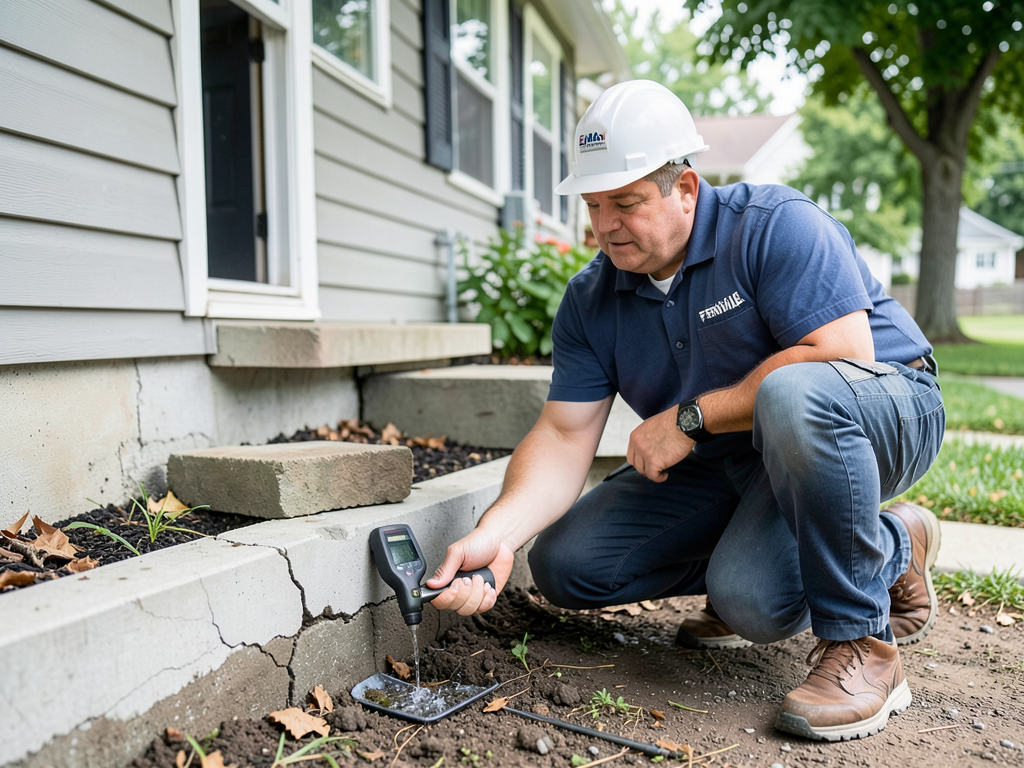
The Hidden Risks of Shared Driveway Runoff Between Your Ferndale Bungalow and Your Neighbor Shared driveways in Ferndale's historic bungalow neighborhoods create a hidden water damage threat that most homeowners never see coming. When rainwater…
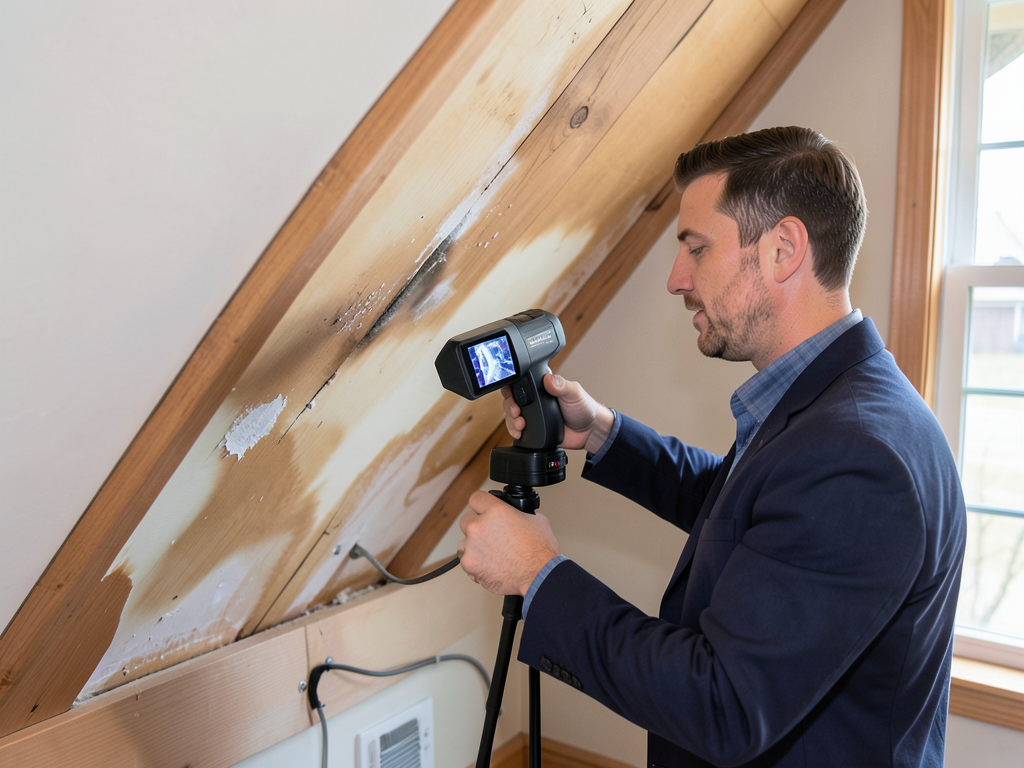
Tracking Down Hidden Water Leaks in Your Royal Oak Attic Kneewalls Royal Oak homeowners often…
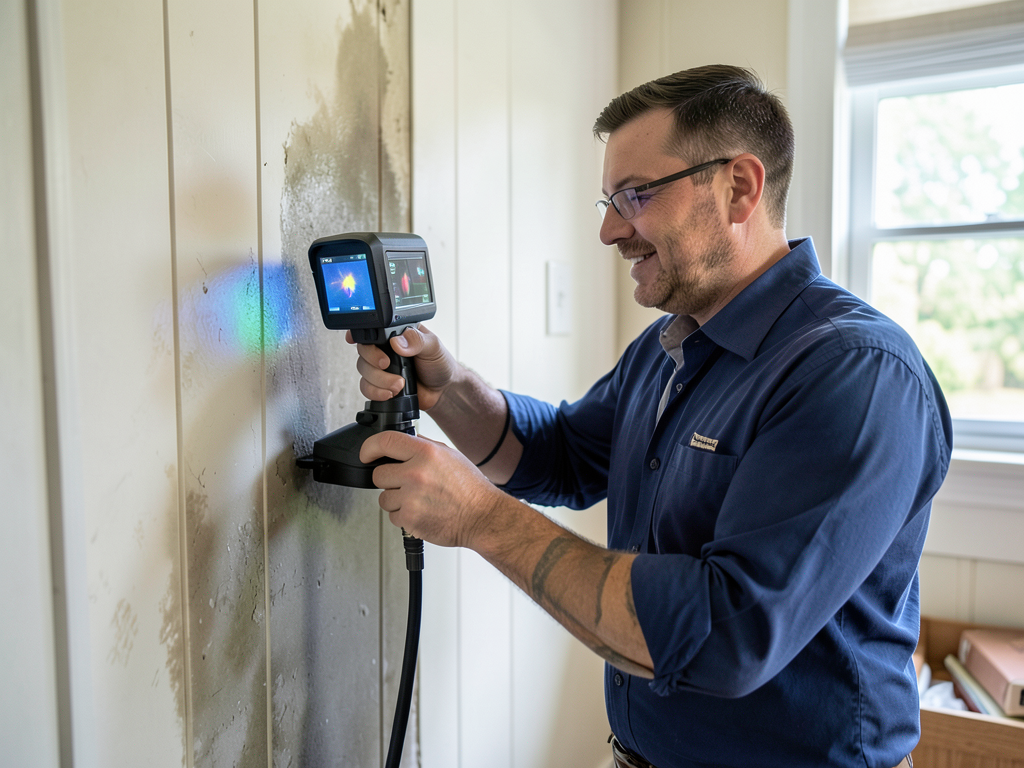
Why Your Baby's Nursery in Grosse Pointe Might Be Developing Hidden Wall Mold Parents in…
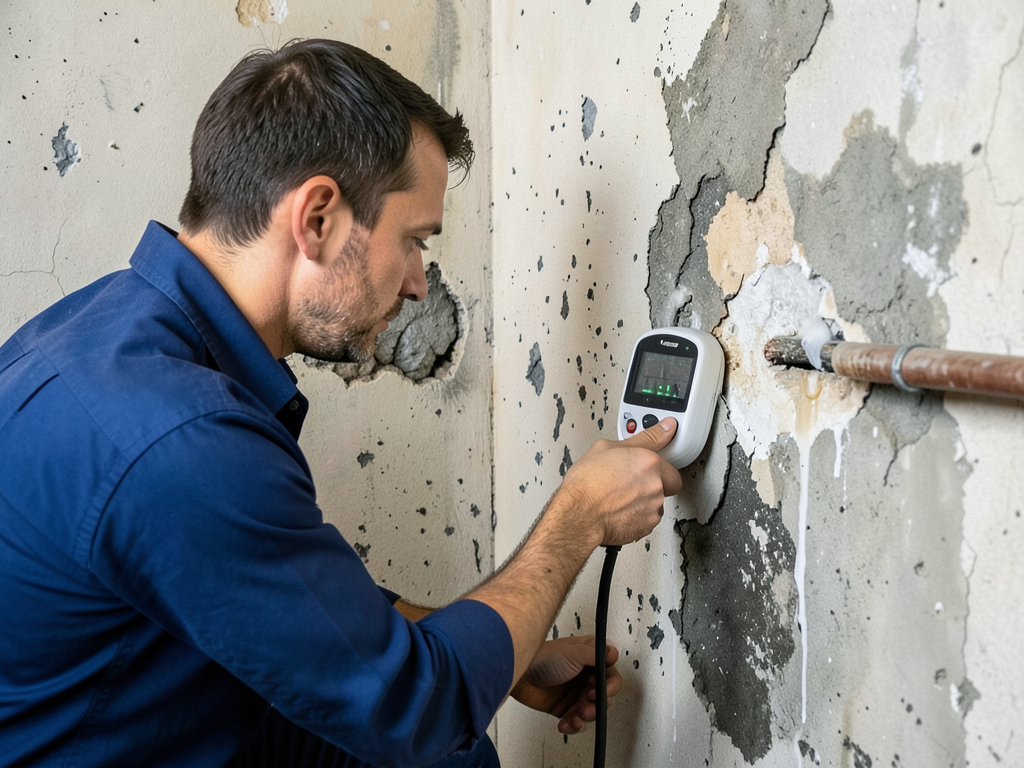
Protecting Your Remote Work Setup in Ferndale from Unexpected Basement Floods Water damage can destroy…
Every hour increases damage and restoration costs. Our crews are ready to respond to your Westland property now with extraction equipment and industrial drying systems. Call (313) 572-5559 for immediate dispatch. We answer 24/7 and arrive within 60 minutes.