




menu

Signs of Hidden Mold in Detroit – Expert Detection Before Health Problems Start

Ironwood Water Damage Restoration Detroit uses thermal imaging and moisture mapping to find signs of hidden mold in crawl spaces, wall cavities, and attics before symptoms escalate into chronic respiratory issues.

Slider Image 1
Slider Image 2
Slider Image 3
Slider Image 4
Slider Image 5
Slider Image 7
Slider Image 8
Slider Image 9
Slider Image 10
Slider Image 11

Why Detroit Homes Breed Hidden Mold Year-Round

Detroit's freeze-thaw cycles create constant structural stress. When ice dams form on roofs during January and February, meltwater seeps through shingles and into wall cavities. By March, that trapped moisture becomes a breeding ground for mold. You never see the spores growing behind drywall or under floorboards, but your body tells the story. Chronic coughing, headaches that start when you walk into certain rooms, and allergy symptoms that never quite go away are all symptoms of concealed mold.

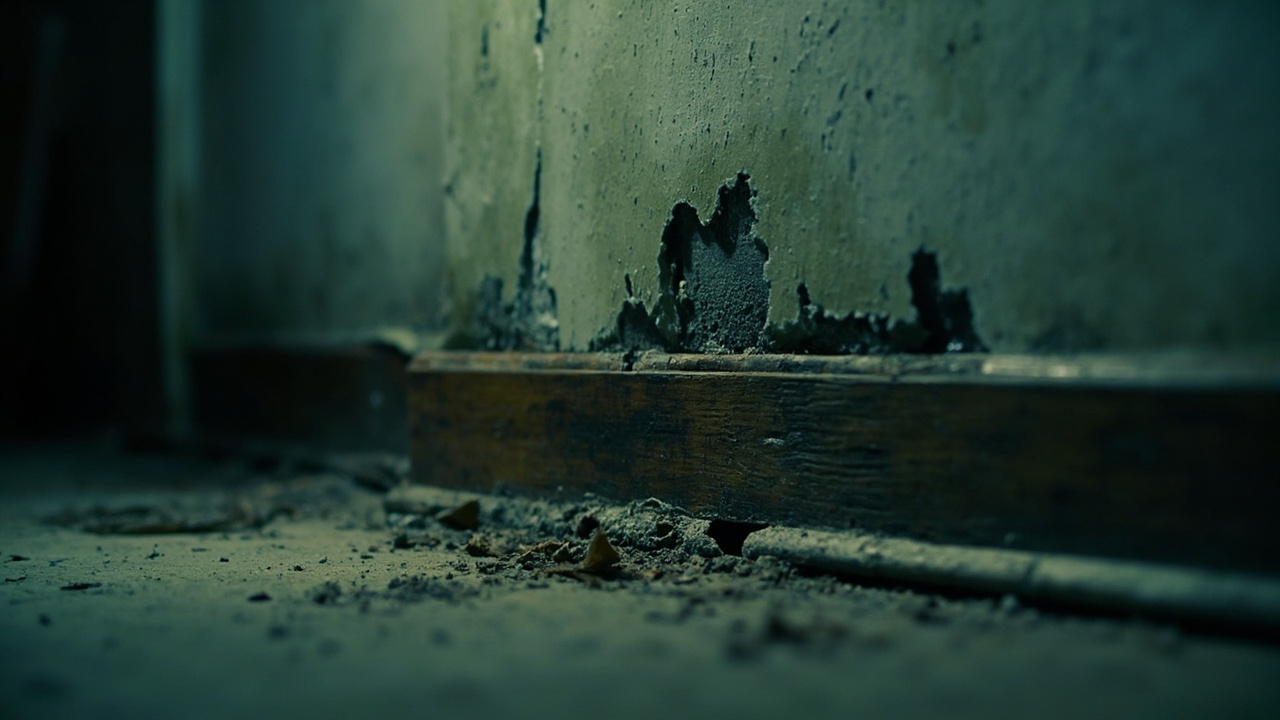
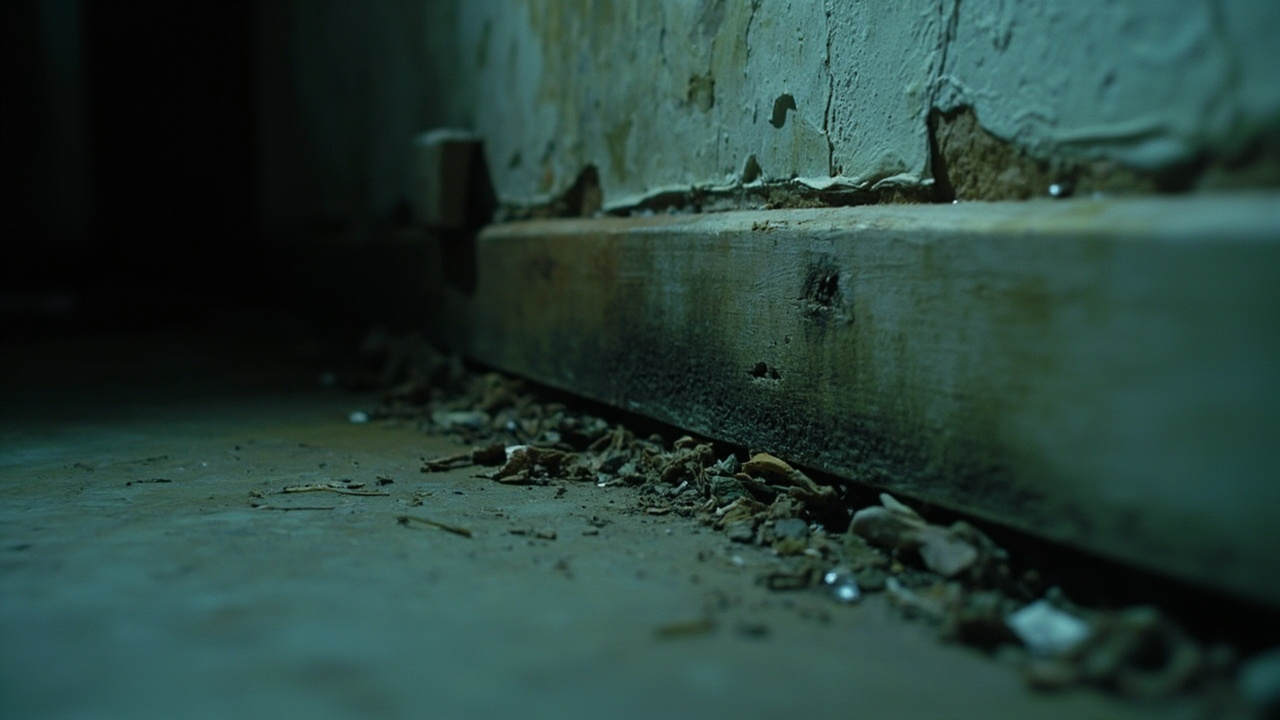
The older housing stock in neighborhoods like Corktown, Indian Village, and Rosedale Park compounds the problem. Many of these homes were built before modern vapor barriers became standard. Basements flood during spring storms. Water wicks up through foundation walls. Indicators of invisible mold include musty odors near HVAC returns, discoloration on baseboards, or warping trim around windows. By the time you spot visible mold on a surface, the hidden colony behind it has been growing for months.

Detecting hidden mold requires more than a visual inspection. Evidence of unseen mold appears in relative humidity readings above 60 percent, temperature differentials in wall cavities, and elevated moisture content in wood framing. Homes near the Detroit River or along the Rouge River corridor face even higher risk due to groundwater saturation and seasonal flooding. Signs of mold behind walls often go unnoticed until a renovation exposes blackened studs or until someone in the household develops persistent respiratory symptoms.

Why Detroit Homes Breed Hidden Mold Year-Round
How We Use Forensic Tools to Map Hidden Mold Colonies

How We Use Forensic Tools to Map Hidden Mold Colonies

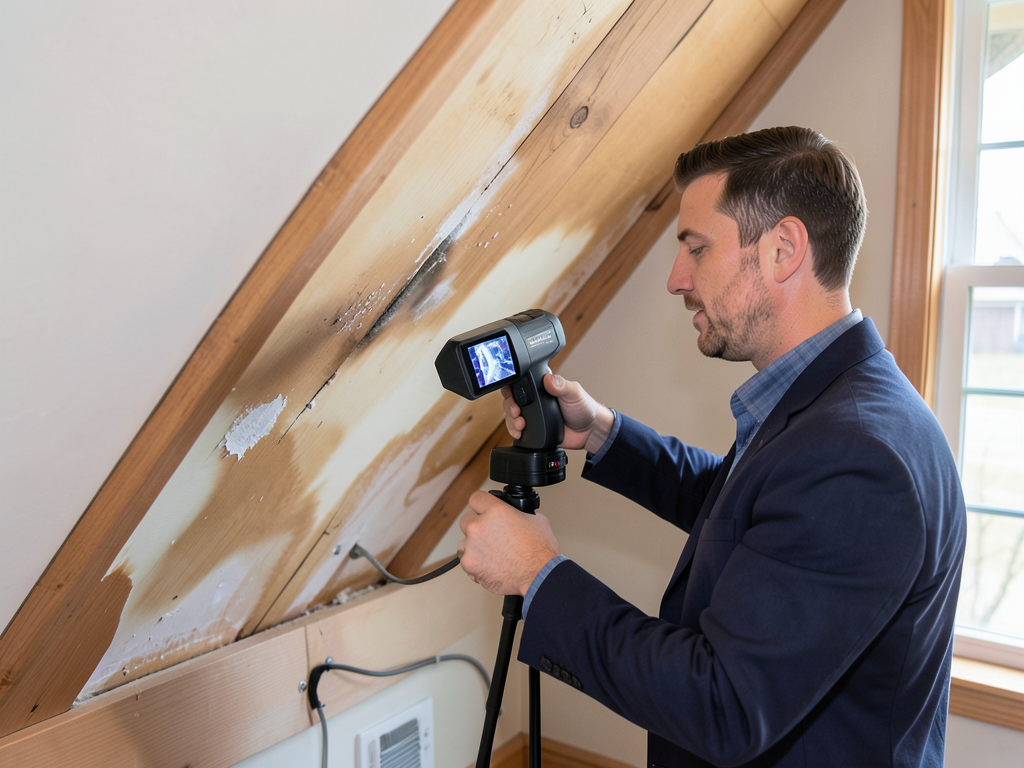
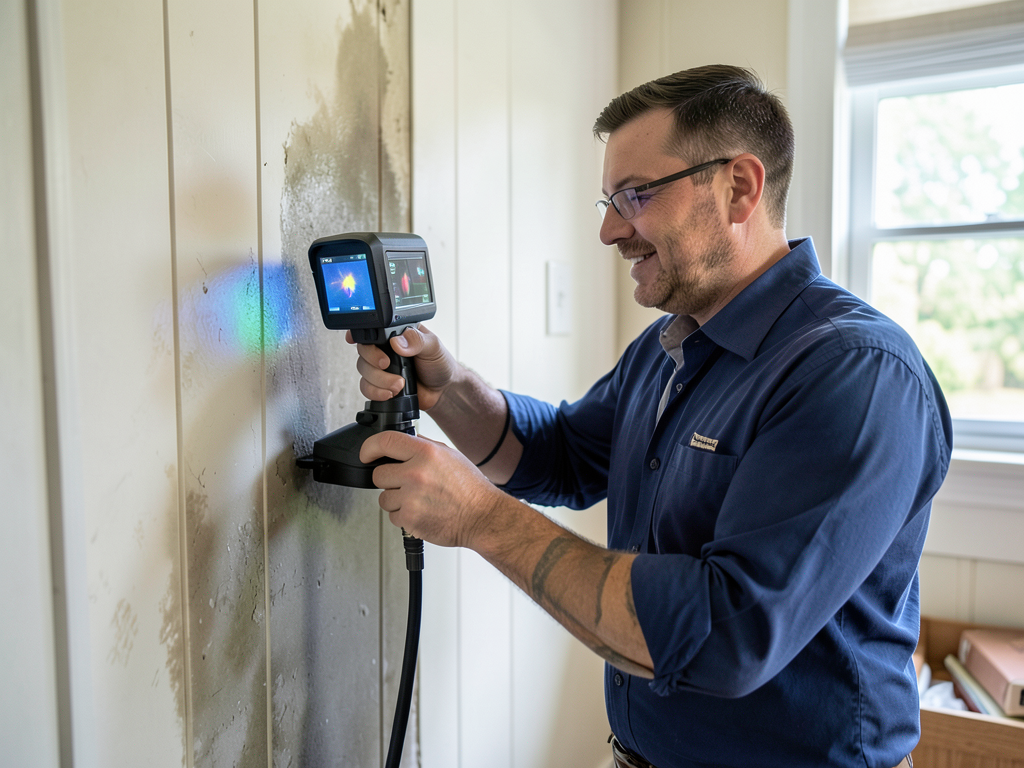
We start with a thermal imaging scan of your entire structure. Infrared cameras reveal temperature anomalies that indicate moisture intrusion. Cold spots behind drywall signal active water leaks. Warmer areas near exterior walls suggest poor insulation trapping condensation. These thermal signatures guide us to the exact locations where mold thrives.

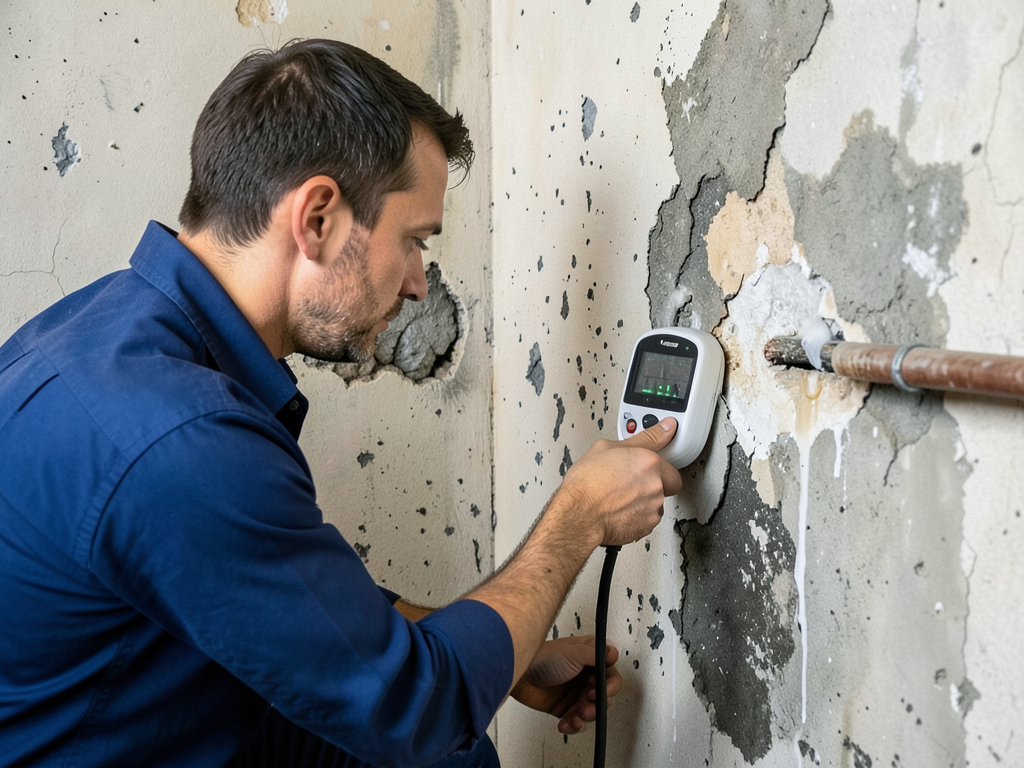
Next, we deploy moisture meters with penetrating probes. We test wood framing, insulation batts, and subfloor sheathing. Readings above 20 percent moisture content indicate conditions favorable for mold growth. We map these readings room by room, creating a moisture profile of your home. This data-driven approach eliminates guesswork.

Air sampling follows the moisture mapping. We collect spore samples from supply vents, return air grilles, and crawl spaces. Laboratory analysis identifies the specific mold species present and quantifies spore concentration. Stachybotrys, Aspergillus, and Penicillium strains each require different remediation protocols. We also test unaffected areas as control samples to establish baseline spore counts.

For wall cavities and ceiling voids, we use borescope cameras. These fiber-optic inspection tools let us see inside enclosed spaces without demolition. We insert the camera through small access holes drilled near baseboards or light fixtures. The high-resolution video feed reveals mold growth on the backside of drywall, on insulation facing, and along roof decking. This minimally invasive technique preserves your walls while giving us complete visibility into hidden problem areas.

What Happens During Your Mold Detection Inspection

Signs of Hidden Mold in Detroit – Expert Detection Before Health Problems Start
01

Initial Assessment

We walk through your home and document every symptom you describe. When did the musty smell start? Which rooms trigger allergy symptoms? Has anyone experienced unexplained fatigue or skin irritation? We correlate your health complaints with potential moisture sources like bathroom exhaust fans, kitchen plumbing, or foundation cracks. This interview process narrows our investigation scope and identifies high-risk areas.
02

Diagnostic Testing

Thermal imaging scans and moisture meter readings create a forensic map of your home. We test every exterior wall, check attic ventilation pathways, and probe basement slab edges. Air samples go to an independent laboratory for spore analysis. Surface samples from suspicious areas undergo tape-lift testing. We photograph all findings and compile them into a detailed report that shows you exactly where mold hides and why it grew there.
03

Remediation Planning

Once we identify all mold locations, we design a containment and removal strategy. You receive a written protocol that explains which building materials need removal, how we will isolate work areas to prevent cross-contamination, and what antimicrobial treatments we will apply. We break down the scope into phases so you understand the timeline and can plan accordingly. This roadmap eliminates surprises during remediation.

Why Detroit Property Owners Choose Ironwood for Mold Detection

Detroit's building codes require mold remediation contractors to follow Michigan Department of Licensing and Regulatory Affairs guidelines. We maintain compliance with MDHHS mold abatement standards and use EPA-registered antimicrobials. Our technicians complete IICRC Applied Microbial Remediation certification, which covers containment barriers, negative air pressure systems, and HEPA filtration protocols.

We know Detroit's housing inventory. The brick bungalows in neighborhoods like Bagley require different inspection approaches than the wood-frame Victorians in Woodbridge. Homes with knob-and-tube wiring present unique challenges when installing dehumidification equipment. Properties with original plaster walls demand careful moisture testing to avoid false readings from lime content. This local knowledge prevents misdiagnosis and unnecessary demolition.

Insurance claims for mold remediation require detailed documentation. We provide lab reports, thermal images, moisture readings, and photographic evidence that satisfy adjusters. Our reports clearly distinguish between Category 1 clean water damage, Category 2 gray water contamination, and Category 3 black water sewage backups. This specificity helps you secure coverage for remediation costs.

When we detect mold in a commercial property, we understand the urgency. A restaurant closed for mold remediation loses revenue every day. An office building with mold complaints faces liability exposure. We provide rapid turnaround on testing so you can make informed decisions about tenant notification, temporary relocation, and remediation scheduling. Our commercial clients value speed and discretion.

What to Expect from Professional Mold Detection

Response Time

We schedule mold inspections within 24 to 48 hours of your call. Emergency inspections for commercial properties or homes with immunocompromised residents get same-day priority. The typical inspection takes two to four hours depending on square footage and complexity. We complete thermal imaging, moisture testing, and air sampling in a single visit. Laboratory results return within three to five business days. You receive a written report with photographs, floor plans marking affected areas, and remediation recommendations. This timeline lets you move quickly from detection to remediation.

Inspection Methodology

Our inspection protocol follows AIHA guidelines for mold assessment. We test ambient conditions including temperature, relative humidity, and barometric pressure. We inspect HVAC systems for microbial growth on coils and in ductwork. We check roof penetrations, window flashing, and basement seepage points. Moisture meters probe wall cavities at 16-inch intervals along exterior walls. Thermal imaging scans cover 100 percent of accessible surfaces. Air samples capture spore counts in each occupied zone of your home. This comprehensive approach finds mold others miss.

Diagnostic Accuracy

We use laboratory analysis instead of instant mold test kits. Spore trap cassettes go to an accredited microbiology lab where trained analysts identify mold species under microscopy. Surface samples undergo culture testing to confirm viability. Bulk samples from insulation or drywall get analyzed for total spore count per gram. This precision eliminates false positives from environmental mold that poses no health risk. You get actionable data, not vague warnings. Our reports specify remediation scope based on spore concentration and species toxicity.

Post-Remediation Verification

After remediation, we conduct clearance testing to confirm successful mold removal. Post-remediation air samples must show spore counts below outdoor baseline levels. Visual inspection verifies complete removal of contaminated materials. Moisture readings confirm source repairs eliminated water intrusion. We provide a clearance certificate that documents your property is safe for occupancy. This independent verification protects you from liability and gives you confidence the problem is solved. Many insurance policies require third-party clearance before closing a mold claim.

Frequently Asked Questions

You Have Questions,
We Have Answers

What are signs of mold sickness? +

Mold sickness symptoms include persistent coughing, sneezing, watery eyes, and throat irritation. You may experience headaches, fatigue, or difficulty concentrating. Skin rashes and breathing problems occur in some people. Detroit's older housing stock and basement moisture create ideal conditions for mold growth, especially after water damage. Symptoms worsen in damp areas of your home. If you notice these signs and smell musty odors, mold is likely present. Children, elderly residents, and people with asthma face higher risk. A professional inspection can identify hidden mold behind walls or under flooring.

Can mold make a baby cough? +

Yes, mold can make a baby cough. Babies breathe faster than adults and spend more time on floors where mold spores settle. Their developing immune systems react strongly to mold exposure. You may notice persistent dry coughing, wheezing, or congestion that does not improve. Detroit homes built before 1980 often have ventilation issues that trap moisture and promote mold growth in nurseries. Basements and crawl spaces spread spores through ductwork. If your baby coughs more at home than elsewhere, inspect for visible mold and musty smells. Professional testing confirms the presence of hidden mold.

Can mold cause twitching? +

Mold can potentially cause muscle twitching in sensitive individuals through mycotoxin exposure. Some mold species release toxic compounds that affect your nervous system. You may experience involuntary muscle spasms, tremors, or twitching alongside other symptoms like headaches and fatigue. Detroit's humid summers and poorly ventilated basements create environments where toxic mold thrives. However, twitching has many causes. If you suspect mold, look for visible growth, water stains, or musty odors in your home. Consult a doctor to rule out other conditions, then schedule professional mold testing and remediation if needed.

Can black mold cause croup? +

Black mold does not directly cause croup, a viral infection. However, mold exposure can irritate airways and trigger croup-like symptoms such as barking cough and breathing difficulty. Children exposed to mold spores face increased respiratory inflammation. Detroit's aging housing stock often harbors mold in basements, bathrooms, and behind walls where water damage occurred. If your child develops croup symptoms that persist or worsen at home, mold may be aggravating their condition. Check for musty smells, visible growth, and water stains. Professional mold remediation removes the irritant and improves indoor air quality for vulnerable children.

What kills mold permanently? +

Nothing kills mold permanently without removing the moisture source. Bleach kills surface mold temporarily but does not penetrate porous materials like drywall or wood. Professional remediation involves removing contaminated materials, treating surfaces with antimicrobial solutions, and fixing water problems. Detroit homes face basement seepage, roof leaks, and plumbing failures that create ongoing moisture issues. You must repair leaks, improve ventilation, and control humidity below 50 percent. HEPA vacuuming removes spores. Encapsulation seals treated surfaces. Without addressing moisture, mold returns within weeks. Professional restoration ensures complete removal and prevents future growth.

Can air purifiers remove mold spores? +

Air purifiers with true HEPA filters capture airborne mold spores but do not eliminate mold growth. They reduce spore concentration, which helps prevent spread to new areas. However, purifiers cannot remove mold colonies growing on walls, ceilings, or behind baseboards. Detroit homes need both air filtration and source removal. Run purifiers continuously in damp areas like basements. Change filters regularly. You still need professional remediation to eliminate active growth and fix moisture problems. Air purifiers work as prevention after remediation, not as a replacement. Combine filtration with dehumidifiers to maintain humidity below 50 percent.

How do I tell if mold is in my lungs? +

You cannot self-diagnose mold in your lungs. Symptoms include persistent cough, wheezing, shortness of breath, chest tightness, and mucus production. Some people develop fungal infections requiring medical treatment. See a pulmonologist if respiratory symptoms persist after leaving your home. They may order chest X-rays, CT scans, or sputum cultures to detect fungal presence. Detroit residents exposed to basement mold or post-flood contamination face higher risk. If you suspect mold illness, document your home environment and symptoms. Professional mold testing identifies the species present, helping doctors determine appropriate treatment and remediation needs.

How to test your home for mold? +

Start by inspecting visible areas for discoloration, water stains, and musty odors. Check basements, bathrooms, under sinks, and around windows. Detroit homes often hide mold behind walls damaged by frozen pipes or roof leaks. Purchase a mold test kit from hardware stores for surface sampling, but results lack detail. Professional inspectors use moisture meters, thermal imaging, and air quality testing to find hidden growth. They collect samples for lab analysis identifying specific mold species. Professionals inspect crawl spaces, attics, and HVAC systems you cannot easily access. Testing costs less than treating health problems from undetected mold.

Can mold inside walls make you sick? +

Yes, mold inside walls makes you sick even when invisible. Spores spread through air vents and wall cavities into living spaces. You inhale mycotoxins that cause respiratory problems, headaches, fatigue, and allergic reactions. Detroit's older homes often have hidden mold from past water damage, leaky pipes, or basement moisture wicking up walls. Signs include musty smells, peeling paint, warped baseboards, and unexplained health symptoms that improve away from home. Professional inspectors use moisture meters and thermal imaging to detect hidden mold. Remediation requires opening walls, removing contaminated materials, and fixing moisture sources.

Can an MRI detect mold? +

No, MRI scans cannot detect mold in your body. MRI shows structural abnormalities like tumors or inflammation but does not identify fungal organisms. Doctors diagnose mold exposure through symptom history, environmental assessment, blood tests for mold antibodies, and sometimes sputum cultures or biopsies. If you suspect mold illness, document where you live and work. Detroit residents in older homes or post-flood buildings face higher exposure risk. A pulmonologist or allergist can order appropriate tests. Meanwhile, schedule professional mold inspection of your property. Treating the source prevents ongoing exposure and related health complications.

How Detroit's Humidity and Aging Infrastructure Create Perfect Mold Conditions

Detroit averages 73 percent relative humidity during summer months. When outdoor air enters your home through leaky windows or poor attic ventilation, it carries moisture that condenses on cool surfaces. Basements in homes built before 1960 lack proper drainage systems. Clay soil around foundations holds water instead of draining it away. This creates hydrostatic pressure that forces groundwater through foundation cracks and porous block walls. The result is chronic dampness that feeds mold growth behind finished basement walls, under carpet padding, and inside HVAC ductwork.

Ironwood Water Damage Restoration Detroit understands the specific challenges of older Detroit housing stock. We know which neighborhoods have combined sewer systems that backup during heavy rains. We recognize the signs of cast iron drain pipe failure common in pre-1950 homes. Our technicians have remediated mold in Pewabic tile bathrooms, horsehair plaster walls, and century-old balloon-framed structures. This experience means we find hidden mold faster and design remediation plans that preserve historic architectural features while eliminating health hazards.
Water Damage Restoration Services in The Detroit Area

Conveniently located to serve the Detroit area, Ironwood is always ready to respond to your water damage emergencies. Explore our service area on the map below or contact us directly to discuss your specific needs. We’re committed to providing prompt, professional service wherever you are within our operational zone, ensuring rapid deployment and effective restoration solutions when you need them most.

Address:
Ironwood Water Damage Restoration Detroit, 15324 Mack Ave, Detroit, MI, 48230

Additional Services We Offer

Our news updates

Latest Articles & News from The Blogs

A slow leak behind a Royal Oak bathroom wall can go unnoticed for weeks. By the time you smell mildew…

Why Smart Leak Detectors Are Worth Every Penny for Your Royal Oak Rental Property

A slow leak behind a Royal Oak bathroom wall can go unnoticed for weeks. By the time you smell mildew…

Why Your Whole House Humidifier in Warren Might Be Ruining Your Drywall

Your furnace runs all winter. Your whole house humidifier works quietly behind the scenes. And somewhere behind that drywall in…

What Black Water Flooding Actually Does to Your Health (A Detroit Homeowner's Guide)

A sewage backup in your Detroit basement is not just a cleanup problem. It is a biohazard event. The water…

Contact Us

Call (313) 572-5559 now to schedule your comprehensive mold inspection. We provide same-day emergency service for severe health symptoms or active water damage. Our thermal imaging and laboratory testing gives you definitive answers about hidden mold in your Detroit home.