




menu

Water Mitigation vs Restoration in Detroit – Know the Difference Before Insurance Denies Your Claim

Understanding water damage mitigation vs restoration protects your Detroit property and prevents costly mistakes during the claims process when flooding strikes your home or business.

Slider Image 1
Slider Image 2
Slider Image 3
Slider Image 4
Slider Image 5
Slider Image 7
Slider Image 8
Slider Image 9
Slider Image 10
Slider Image 11

Why Detroit Property Owners Confuse Water Mitigation with Restoration

When water invades your Detroit home or business, the clock starts ticking. The difference between water mitigation and restoration determines whether you stop the damage or just clean up the aftermath. Most property owners in the greater Detroit metro area use these terms interchangeably, which creates problems during insurance claims and leads to worse damage over time.

Water mitigation means stopping active damage. Think of it as emergency care. When a pipe bursts in your Midtown apartment or flooding hits your Corktown basement, mitigation teams extract standing water, set up dehumidifiers, and prevent mold growth. This happens within the first 24 to 72 hours. Detroit's humid summers and freeze-thaw cycles make rapid response critical. Moisture trapped in walls during July turns into mold by August. Frozen pipes in February cause hidden damage that festers until spring.

Water damage restoration comes after mitigation. This is the repair phase. Restoration replaces drywall, rebuilds floors, and returns your property to pre-loss condition. The confusion between water cleanup vs water repair costs Detroit residents thousands in claim denials. Insurance companies want documentation showing you mitigated damage immediately. If you skip straight to restoration, they argue you let the damage worsen.

The semantic difference between water remediation vs restoration matters for commercial properties near the Detroit River. Remediation focuses on containment and safety. Restoration focuses on rebuilding. Business owners in Downtown Detroit or New Center need both, but in the correct sequence. Rush to reconstruction without proper mitigation, and you rebuild over moisture-damaged infrastructure.

Detroit's aging housing stock and combined sewer system make water intrusion common. Knowing when you need mitigation vs reconstruction protects your investment and keeps your claim valid.

Why Detroit Property Owners Confuse Water Mitigation with Restoration
How Ironwood Water Damage Restoration Detroit Separates Mitigation from Restoration

How Ironwood Water Damage Restoration Detroit Separates Mitigation from Restoration

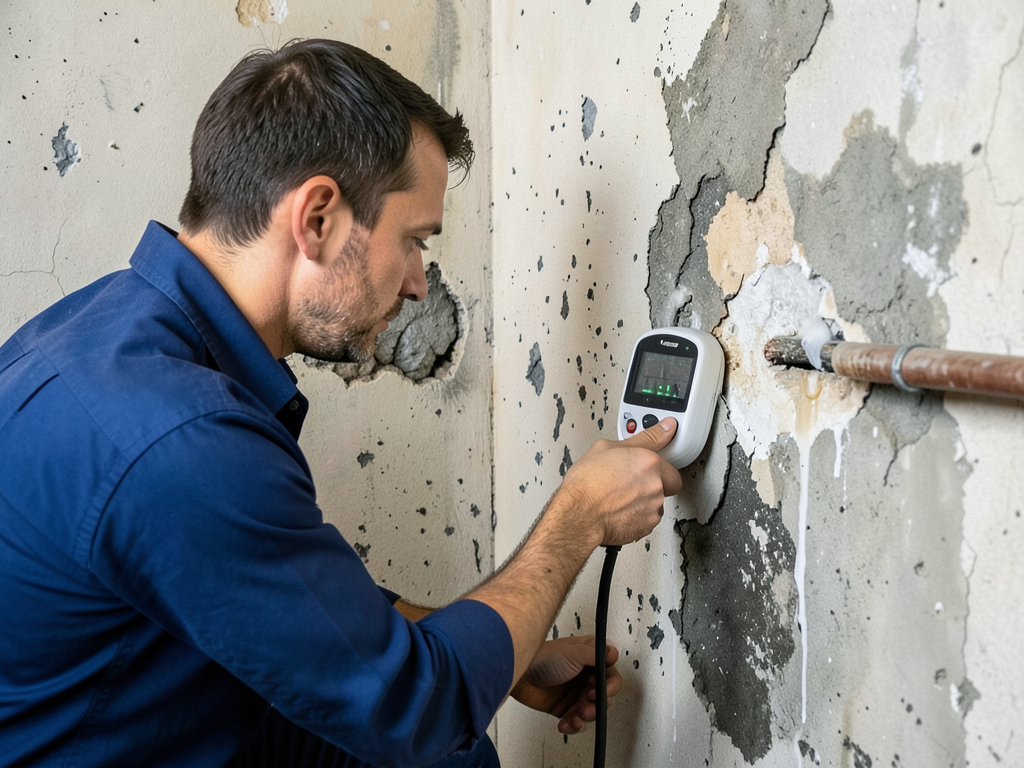
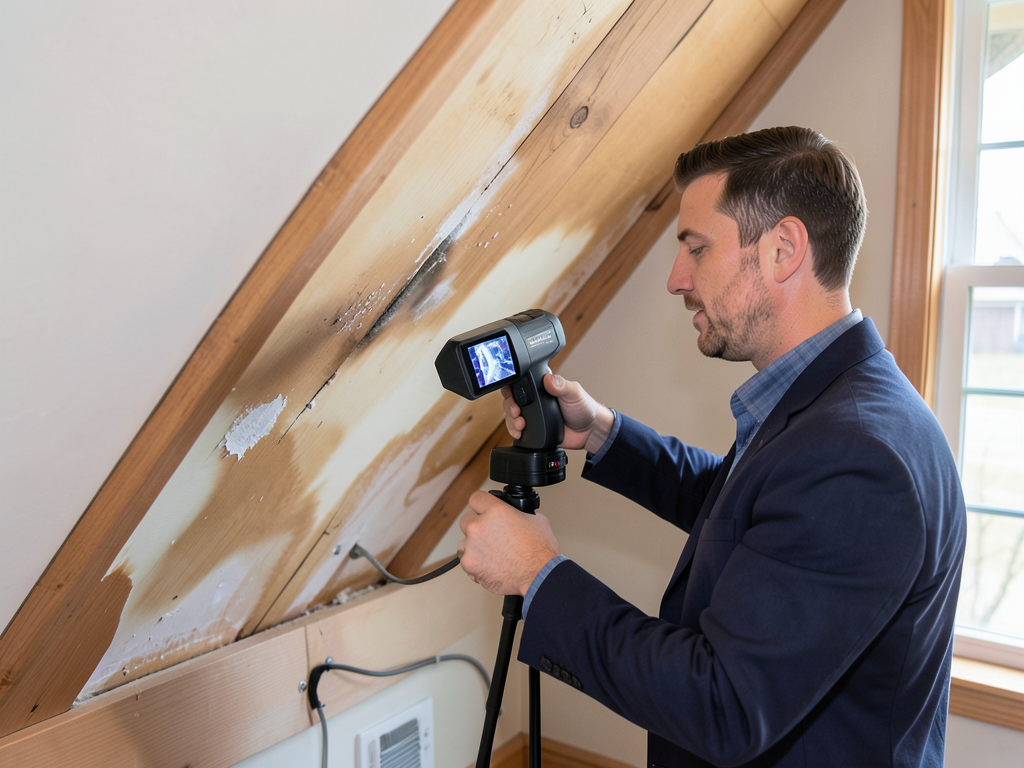
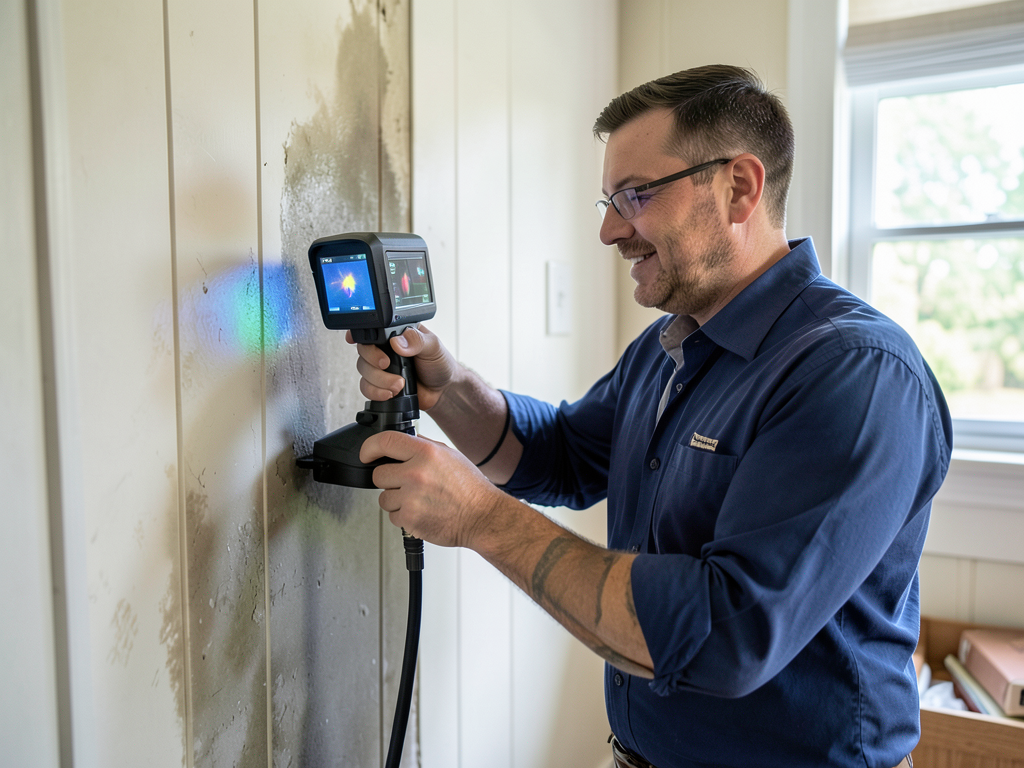
We approach water damage in phases because insurance adjusters and building science demand it. When you call us for emergency water damage, we deploy mitigation first. Our teams arrive with truck-mounted extractors, commercial dehumidifiers, and moisture meters. We document everything with thermal imaging cameras. This creates the evidence trail your insurance company requires.

Mitigation focuses on stabilization. We remove standing water using weighted extraction wands that pull moisture from carpet padding and subfloors. In Detroit's older homes with hardwood floors over crawl spaces, we check joists for saturation. We place air movers in specific patterns based on airflow dynamics, not random placement. Dehumidification continues until moisture readings drop below 15 percent. This prevents secondary damage like warped floors and mold colonization.

Once mitigation stops active damage, we document losses and create a restoration scope. This is where water damage mitigation vs restoration becomes clear. Restoration requires demolition of unsalvageable materials. We remove baseboards to check for wicking. We use moisture mapping to find hidden saturation in wall cavities. In Detroit's brick homes, we check for efflorescence, which signals moisture migration through masonry.

Our restoration phase rebuilds what mitigation could not save. We match hardwood flooring common in Indian Village and Boston Edison. We source period-appropriate trim for historic properties. For commercial clients in the Renaissance Center or Eastern Market, we coordinate with building management and work during off-hours to minimize disruption.

The distinction between mitigation vs reconstruction affects project timelines. Mitigation happens in days. Restoration takes weeks. We separate billing to match insurance categories. Mitigation falls under emergency services. Restoration falls under repair and replacement. This clarity prevents claim disputes and keeps your project moving forward.

What Happens When You Call for Water Damage Help

Water Mitigation vs Restoration in Detroit – Know the Difference Before Insurance Denies Your Claim
01

Emergency Mitigation Dispatch

We dispatch a mitigation crew within 90 minutes of your call. The team brings extraction equipment, moisture detection tools, and documentation systems. They assess damage severity, categorize water type based on contamination level, and begin emergency water removal. You receive a mitigation plan before equipment deployment. This first response determines whether damage stays contained or spreads through your Detroit property.
02

Drying and Documentation

Dehumidifiers and air movers run continuously for three to seven days depending on saturation levels. We monitor moisture readings twice daily using pin-type and non-invasive meters. Thermal imaging reveals hidden moisture in wall cavities and ceilings. We photograph and log all readings for insurance documentation. Proper drying prevents mold growth and secondary damage. This phase bridges mitigation and restoration.
03

Restoration and Rebuild

After your property reaches dry standard, restoration begins. We remove damaged materials, treat affected framing, and rebuild walls, floors, and ceilings. Restoration includes matching finishes, textures, and paint colors. For Detroit homes with plaster walls or historic details, we use traditional techniques. Commercial properties receive code-compliant repairs that meet Detroit Building Authority standards. You get a restored space, not a patched-up reminder of water damage.

Why Detroit Property Owners Trust Ironwood for Both Mitigation and Restoration

Most water damage companies specialize in mitigation or restoration, not both. This forces you to coordinate between contractors, which delays repairs and complicates insurance claims. Ironwood Water Damage Restoration Detroit handles the complete process from emergency water extraction through final rebuild. This continuity matters in a city where properties range from century-old brick homes to modern commercial spaces.

We understand Detroit's building characteristics. Homes in Palmer Woods and Sherwood Forest have plaster walls over wood lath. Mitigation requires careful drying to prevent cracking. Properties near the Detroit River face periodic flooding, which demands rapid response before contaminated water causes biohazard conditions. We know which substrates absorb water quickly and which materials need replacement versus treatment.

Our familiarity with local insurance providers speeds up claims. We document damage using IICRC standards and provide estimates in Xactimate, the software most adjusters use. This reduces back-and-forth negotiations. When State Farm or Allstate questions a line item, we provide moisture logs and photos that justify every charge. Detroit property owners avoid the frustration of claim denials because our documentation meets industry standards.

We also navigate Detroit's permit requirements. Restoration work that involves structural changes, electrical, or plumbing needs permits from the Buildings, Safety Engineering and Environmental Department. We pull permits, schedule inspections, and ensure compliance with Michigan building codes. This protects you from future problems when you sell or refinance your property.

Choosing a local company means faster response times. We stage equipment in Detroit, not the suburbs. When flooding hits your Rivertown loft or your Rosedale Park home suffers a slab leak, we arrive quickly. Speed during mitigation reduces total damage. Every hour water sits increases restoration costs. Our local presence turns emergency calls into contained incidents rather than total losses.

What to Expect from Professional Water Damage Services

Rapid Emergency Response

Water damage demands immediate action. We offer 24/7 emergency dispatch with crews arriving within 90 minutes across Detroit and surrounding areas. Our rapid response stops water from spreading through floors, walls, and HVAC systems. Mitigation begins the moment we arrive, not after a consultation appointment. You get extraction equipment running and dehumidifiers placed within the first hour. This speed prevents mold growth and reduces restoration costs. Emergency mitigation happens day or night, weekends included, because water damage does not wait for business hours.

Thorough Damage Assessment

Initial assessment determines damage scope and mitigation strategy. We use moisture meters to measure saturation levels in flooring, walls, and structural components. Thermal imaging cameras reveal hidden moisture behind surfaces. We categorize water as clean, gray, or black based on contamination level, which affects safety protocols and disposal requirements. You receive a written mitigation plan that outlines equipment placement, expected drying time, and areas requiring demolition. This assessment creates the documentation your insurance company needs and prevents surprises during restoration. We explain findings in plain language so you understand what happened and why specific actions are necessary.

Complete Property Restoration

Restoration returns your property to pre-loss condition or better. We rebuild damaged walls, replace flooring, and restore finishes. Our crews match existing materials, whether that means finding matching hardwood for a 1920s bungalow or sourcing commercial-grade flooring for an office building. Restoration includes painting, trim work, and final details. We coordinate with electricians and plumbers when damage affects systems. You get a finished space ready for occupancy, not a half-completed project. Quality control inspections ensure work meets both our standards and Detroit building codes before we consider a job complete.

Ongoing Support and Prevention

Water damage often reveals underlying problems like poor drainage, failing appliance hoses, or inadequate waterproofing. We provide recommendations to prevent future incidents. This might include installing a sump pump with battery backup, upgrading washing machine hoses to braided steel, or improving basement waterproofing. We offer moisture monitoring for high-risk properties and can install leak detection systems that alert you before minor leaks become major damage. Follow-up inspections confirm moisture levels remain stable after restoration. Our goal is solving the root cause, not just fixing symptoms. This proactive approach protects your Detroit property long-term.

Frequently Asked Questions

You Have Questions,
We Have Answers

What is the difference between water restoration and mitigation? +

Water mitigation is the immediate emergency response that stops ongoing damage. Technicians extract standing water, dry affected areas, and stabilize your property to prevent further harm. Water restoration is the second phase that brings your home back to pre-loss condition. This includes repairs to drywall, flooring, paint, and other structural elements. In Detroit, where basement flooding from spring thaws and burst pipes during winter freezes is common, mitigation must happen within 24-48 hours to prevent mold growth. Restoration follows once the structure is completely dry and safe for rebuilding.

What is the difference between restoration and remediation of water? +

Water restoration refers to the complete rebuilding and repair process after water damage occurs. This includes replacing damaged materials, repainting, and restoring your home to its original state. Water remediation specifically addresses contamination issues, such as sewage backup or Category 3 water containing bacteria and pathogens. Detroit homes with aging sewer systems face higher remediation risks during heavy spring rains. Remediation requires specialized cleaning, disinfection, and disposal protocols beyond standard restoration. Both processes may overlap, but remediation focuses on health hazards while restoration focuses on physical repairs.

What is mitigation and restoration? +

Mitigation is the emergency response that limits damage immediately after a water event. This includes water extraction, structural drying, and protecting salvageable contents. Restoration is the reconstruction phase that repairs or replaces damaged building materials. In Detroit, where older homes with clay tile pipes and outdated plumbing systems are common, quick mitigation prevents secondary damage like wood rot and foundation issues. Restoration transforms the dried structure back into a livable space. Most Detroit homeowners need both services after significant water incidents, completing mitigation first before restoration begins.

What does water restoration mean? +

Water restoration means returning your property to pre-loss condition after water damage. This includes structural repairs, replacing damaged materials, repainting, and rebuilding affected areas. The process starts after mitigation completes the drying phase. Detroit homes with hardwood floors, plaster walls, and historic architectural details require specialized restoration techniques. Technicians must match original materials and finishes, which can be challenging in older Detroit neighborhoods. Restoration also involves coordinating with insurance adjusters, obtaining permits, and ensuring all work meets current building codes while preserving the character of your home.

What is the average cost of water mitigation? +

Water mitigation costs vary based on damage extent, water category, and affected area size. You will see cost differences between a small bathroom leak and a flooded basement. Detroit-specific factors include basement depth, foundation type, and whether the water source was contaminated. Category 1 clean water costs less to mitigate than Category 3 sewage backup. Most companies charge for water extraction, equipment rental, antimicrobial treatment, and labor. Insurance often covers mitigation costs for sudden, accidental water events. Get detailed estimates from local Detroit companies before work begins.

What are the three types of mitigation? +

The three types of mitigation are structural mitigation, non-structural mitigation, and emergency services mitigation. Structural mitigation involves physical changes to prevent damage, like installing sump pumps or backwater valves common in Detroit basements prone to flooding. Non-structural mitigation includes planning, zoning, and insurance strategies. Emergency services mitigation is the immediate response to stop ongoing damage through water extraction and rapid drying. In Detroit, where combined sewer systems can overwhelm during heavy rains, structural mitigation like proper grading and foundation waterproofing prevents repeat flooding incidents in vulnerable neighborhoods.

Does homeowners insurance cover water restoration? +

Homeowners insurance typically covers water restoration if the damage results from sudden, accidental events like burst pipes or appliance malfunctions. Detroit homeowners face coverage for frozen pipe bursts during harsh winters. Insurance usually excludes gradual damage from slow leaks, flood damage requiring separate flood insurance, and maintenance-related issues. Sewage backup coverage often requires an additional endorsement. Review your policy carefully and document everything immediately. Most Detroit insurers require prompt mitigation to prevent mold growth. Contact your insurance company within 24 hours of discovering water damage to verify coverage.

Is restoration the same as remediation? +

Restoration and remediation are different processes with distinct goals. Restoration repairs and rebuilds your property to pre-loss condition, focusing on structural repairs and cosmetic finishes. Remediation addresses contamination, hazardous materials, or health threats like mold, asbestos, or sewage. Detroit homes built before 1978 may require lead paint remediation if water damage affects painted surfaces. Older properties might need mold remediation after prolonged moisture exposure. Remediation follows strict safety protocols and disposal requirements. Many water damage scenarios in Detroit require both services, with remediation addressing health hazards before restoration work begins.

What are the three types of remediation? +

The three primary types of remediation are mold remediation, asbestos remediation, and contaminated water remediation. Mold remediation removes fungal growth after prolonged moisture exposure, common in Detroit basements with poor ventilation. Asbestos remediation addresses disturbed asbestos in older homes during water damage repairs. Contaminated water remediation handles sewage backup or Category 3 water containing pathogens. Detroit properties built before 1980 often contain asbestos in insulation and flooring. Each remediation type requires specialized equipment, containment procedures, and licensed technicians. Proper remediation protects your health and ensures safe restoration work.

What are 5 examples of mitigation? +

Five mitigation examples include installing sump pumps in Detroit basements prone to water table issues, applying antimicrobial treatments to wet surfaces, setting up industrial dehumidifiers and air movers, extracting standing water immediately, and removing wet materials like soaked carpet padding. Other examples include sealing foundation cracks, installing backwater valves to prevent sewer backup, upgrading to frost-proof exterior faucets for Detroit winters, relocating valuable contents to dry areas, and documenting damage for insurance claims. Each mitigation action stops ongoing damage and prevents secondary issues like mold growth or structural deterioration.

How Detroit's Infrastructure Age Affects Water Mitigation and Restoration Needs

Detroit's combined sewer system and aging water mains create unique challenges for property owners. When heavy rain overwhelms the system, sewage backs up into basements across neighborhoods like Grandmont Rosedale and East English Village. This contaminated water requires category three mitigation protocols, which means protective equipment, antimicrobial treatment, and disposal of porous materials. The difference between water cleanup vs water repair becomes critical here. Simple extraction is not enough when dealing with sewage. Proper remediation protects your health and prevents bacteria growth. Detroit's infrastructure issues make professional mitigation essential, not optional.

Ironwood Water Damage Restoration Detroit understands local building construction because we work in these properties daily. We know that Detroit homes built before 1950 often lack vapor barriers and have minimal insulation. We recognize that properties near Jefferson Avenue face flood risk during spring thaws. Our experience with Detroit's housing stock means we anticipate problems other companies miss. When we mitigate water damage in a Lafayette Park apartment versus a Woodbridge Victorian, we adjust techniques based on construction type. This local knowledge prevents mistakes that turn mitigation into extended restoration projects.
Water Damage Restoration Services in The Detroit Area

Conveniently located to serve the Detroit area, Ironwood is always ready to respond to your water damage emergencies. Explore our service area on the map below or contact us directly to discuss your specific needs. We’re committed to providing prompt, professional service wherever you are within our operational zone, ensuring rapid deployment and effective restoration solutions when you need them most.

Address:
Ironwood Water Damage Restoration Detroit, 15324 Mack Ave, Detroit, MI, 48230

Additional Services We Offer

Our news updates

Latest Articles & News from The Blogs

A slow leak behind a Royal Oak bathroom wall can go unnoticed for weeks. By the time you smell mildew…

Why Smart Leak Detectors Are Worth Every Penny for Your Royal Oak Rental Property

A slow leak behind a Royal Oak bathroom wall can go unnoticed for weeks. By the time you smell mildew…

Why Your Whole House Humidifier in Warren Might Be Ruining Your Drywall

Your furnace runs all winter. Your whole house humidifier works quietly behind the scenes. And somewhere behind that drywall in…

What Black Water Flooding Actually Does to Your Health (A Detroit Homeowner's Guide)

A sewage backup in your Detroit basement is not just a cleanup problem. It is a biohazard event. The water…

Contact Us

Water damage worsens every hour. Call Ironwood Water Damage Restoration Detroit now at (313) 572-5559 for immediate mitigation. We arrive fast, document everything for insurance, and handle both emergency extraction and complete restoration. Stop guessing and get professional help.