





Dearborn sits in the Rouge River watershed, where spring flooding and summer storms cause repeated water intrusions in homes throughout the city. The combination of clay-heavy soil, aging sewer infrastructure, and proximity to the Rouge River creates perfect conditions for basement flooding from Southend to East Dearborn. Homes near Miller Road and Warren Avenue experience sewer backups during heavy rain events because the city's combined overflow system can't handle peak water volume.
The freeze-thaw cycles common to Southeast Michigan crack foundation walls and compromise basement waterproofing systems. When temperatures drop below freezing in January and February, then spike above 40 degrees, ice dams form on roofs throughout neighborhoods like Oakwood Heights and Snow Park. Melting snow forces water under shingles and into attic spaces where it saturates insulation and drips through ceilings.
Older homes built in the 1940s and 1950s throughout West Dearborn contain original galvanized steel pipes that corrode from the inside. These hidden leaks saturate walls and flooring for weeks before homeowners notice water stains or musty odors. Homes near Michigan Avenue and Outer Drive sit in flood zones that require specific mitigation techniques and insurance documentation protocols.
We keep extraction trucks and drying equipment staged in Dearborn so our crews reach flooded homes within one hour of your emergency call. Most restoration companies dispatch from Warren or Livonia, adding 30 to 45 minutes to their response time. That delay allows water to spread further into drywall, saturate more flooring, and increase the scope of damage requiring repair.
Our technicians train specifically on the water damage patterns common to Dearborn housing stock. We know how water flows through ranch homes with concrete slab foundations versus two-story colonials with basements. We understand how the clay soil composition affects drainage around foundations and which neighborhoods experience the highest frequency of sewer backups. This local knowledge speeds up our damage assessment and prevents secondary damage from developing while we wait for insurance adjusters.
We maintain direct relationships with insurance adjusters who handle claims throughout Wayne County. When you call us first instead of your insurance company, we document the damage with photos and moisture readings that support your claim. We know which documentation State Farm requires versus Allstate or Auto-Owners. We coordinate with adjusters to get approval for demolition and reconstruction work without delays that leave your home exposed to mold growth.
Our equipment inventory includes thermal imaging cameras that detect hidden moisture in wall cavities, truck-mounted extraction pumps that remove standing water in minutes instead of hours, and commercial dehumidifiers designed for Michigan's humid summers. We own this equipment instead of renting it, which means we deploy it immediately without waiting for rental companies to deliver machines from their warehouses in Detroit.

Our crews stage equipment in Dearborn and respond within one hour to flooding emergencies. We arrive with truck-mounted water extraction pumps and start removing standing water while other companies are still driving from their warehouses. Fast response prevents water from spreading into additional rooms and soaking deeper into building materials.

We document damage with moisture readings and thermal imaging that insurance adjusters need to approve your claim. We work directly with State Farm, Allstate, and Auto-Owners adjusters throughout Wayne County. You get a detailed damage assessment within 24 hours that speeds up claim approval and gets restoration work started faster.
Every crew member holds current IICRC Water Damage Restoration certification and trains on the latest drying techniques. Our technicians use moisture meters to verify materials are completely dry before reconstruction begins. This prevents mold growth and ensures your home returns to safe, pre-loss condition without hidden moisture problems developing later.
We restore water damage in Dearborn homes daily and understand the specific challenges of the local housing stock. We know how water moves through homes with concrete slab foundations common to Southend and how clay soil affects basement waterproofing throughout the city. This local expertise prevents costly mistakes during restoration.
Water damage restoration requires different approaches depending on the source of water, how long it sat before extraction, and what building materials it saturated. A burst washing machine hose demands different treatment than a sewage backup or week-old roof leak. We provide emergency water removal, structural drying, mold remediation, and full reconstruction services for residential and commercial properties throughout Dearborn.
Our emergency response teams extract standing water and begin drying your property immediately to prevent secondary damage. Our reconstruction crews rebuild walls, replace flooring, and restore your home to pre-loss condition after materials dry completely. We handle the entire process from initial water extraction through final paint and trim work so you work with one company instead of coordinating multiple contractors.
We categorize our services into emergency mitigation, structural restoration, and specialized treatment based on water source and contamination level. Clean water from supply line breaks requires different protocols than grey water from appliance overflows or black water from sewer backups. Our crews use EPA-approved antimicrobial treatments and follow IICRC standards for safe restoration of contaminated materials.
Our emergency crews respond within 60 minutes with truck-mounted extraction pumps that remove standing water in minutes. We use thermal imaging to locate hidden moisture in walls and under flooring, then place commercial air movers and dehumidifiers to begin structural drying. We document all damage with photos and moisture readings your insurance company needs. Emergency mitigation prevents water from spreading to additional rooms and stops mold from developing in saturated materials.
We monitor moisture levels in walls, flooring, and subflooring daily until materials reach acceptable dryness levels. Our industrial dehumidifiers and air movers create airflow patterns that pull moisture from inside wall cavities and beneath flooring. We use moisture meters to verify wood framing drops below 15% moisture content before reconstruction begins. This prevents mold growth and structural damage from developing in materials that appear dry on the surface but remain saturated inside.
After materials dry completely, our reconstruction crews rebuild walls, replace flooring, install new drywall, and restore your property to pre-loss condition. We handle everything from demolition of damaged materials through final paint and trim installation. You work with one company throughout the entire process instead of coordinating separate contractors for drying and reconstruction. We match existing finishes and materials so restored areas blend seamlessly with undamaged portions of your home.
Dearborn's location in the Rouge River floodplain and aging housing infrastructure create recurring water damage problems throughout the city. Spring flooding saturates basements in low-lying neighborhoods near the river. Summer storms overwhelm the combined sewer system and force backups through basement floor drains. Winter freeze-thaw cycles crack foundations and create ice dams on roofs. Homes built in the 1940s and 1950s contain original plumbing that fails without warning.
These problems compound in neighborhoods with clay soil that prevents proper drainage around foundations. Water pools against basement walls during heavy rain and seeps through cracks in concrete. Sump pumps run constantly during spring thaw and burn out from overuse. Homeowners face repeated flooding that requires professional extraction and drying services to prevent mold growth and structural damage.
Dearborn's combined sewer system overflows during heavy rain and forces sewage back through basement floor drains. This contaminated water requires specialized cleaning with EPA-approved antimicrobial treatments. We extract black water, remove contaminated materials, disinfect all surfaces, and verify safe bacteria levels before reconstruction begins. Fast response prevents sewage from saturating floor joists and wall framing.
Freeze-thaw cycles crack concrete foundations throughout Dearborn and allow groundwater to seep into basements. Clay soil prevents proper drainage and keeps water pressed against foundation walls during spring thaw. We extract standing water, dry saturated walls and flooring, and coordinate with foundation specialists to identify crack locations. Our thermal imaging cameras detect hidden moisture in wall cavities that indicate active seepage points.
Homes built before 1960 contain original galvanized steel pipes that corrode and fail without warning. Washing machine hoses crack and flood laundry rooms. Water heaters leak and saturate basement flooring. We respond immediately to extract clean water, remove damaged drywall and insulation, and dry structural materials before mold develops. Our crews salvage hardwood flooring and cabinets when we extract water within the first 24 hours.
Ice dams form on Dearborn roofs during winter and force melting snow under shingles. Water runs down into attic spaces and saturates insulation and ceiling drywall. We locate leak sources with thermal imaging, extract water from insulation, and dry ceiling materials before water stains spread or drywall collapses. Our equipment reaches attic spaces and Cathedral ceilings that standard fans cannot access.
Water damage emergencies create panic and confusion. You need clear information about what happens next and how long restoration takes. Our process starts the moment you call and continues through final reconstruction. We answer our emergency line 24 hours daily and dispatch crews immediately while you're still on the phone. You get a arrival time within minutes of calling, not hours of waiting for callbacks.
Our crews arrive with equipment to start water extraction immediately. We don't show up to assess damage and schedule work for later. We begin emergency mitigation during the first visit to stop water from spreading and prevent secondary damage. You receive documentation of all damage within 24 hours for insurance claims. We explain what materials need removal, how long drying takes, and what reconstruction involves. You know the full scope of work and timeline before we start any repairs.
When you call our emergency line at (313) 572-5559, we dispatch the nearest crew while you're still explaining the situation. You receive a confirmed arrival time within five minutes of your call. Our crews arrive within 60 minutes with extraction equipment and begin removing standing water immediately. We don't schedule appointments or make you wait until the next day. We respond now because every hour of delay increases damage and restoration costs.
We photograph all damage, measure moisture levels in affected materials, and create detailed reports your insurance company needs to approve your claim. You receive this documentation within 24 hours so you can file your claim immediately. We coordinate directly with adjusters to answer questions and provide additional information they request. Our detailed reports prevent claim delays and disputes about damage scope. You get approval faster and restoration starts sooner.
Our project managers contact you daily with drying progress updates and timeline information. We measure moisture levels daily and explain when materials will be dry enough for reconstruction. You know exactly when demolition starts, when drying equipment gets removed, and when reconstruction crews arrive. We answer your calls and respond to questions the same day. You never wonder what's happening or when work will be complete.
We follow IICRC standards for water damage restoration that ensure complete drying and safe reconstruction. Our three-step process extracts water fast, dries materials completely, and restores your property to pre-loss condition.
Our crews arrive within 60 minutes and immediately begin removing standing water with truck-mounted pumps. We extract water from carpeting, hardwood floors, and basement concrete. We move furniture to dry areas and remove saturated contents. We use thermal imaging cameras to locate hidden moisture in walls and under flooring. We place air movers and dehumidifiers to begin structural drying. This emergency response happens during our first visit to prevent water from spreading further.
We monitor moisture levels in walls, flooring, and subflooring daily using calibrated moisture meters. Our industrial dehumidifiers pull moisture from building materials while air movers create circulation that speeds evaporation. We adjust equipment placement based on moisture readings to target areas that dry slowly. Drying takes three to five days for most water damage but varies based on materials affected and saturation level. We verify materials reach acceptable dryness before removing equipment.
After materials dry completely, our reconstruction crews remove damaged drywall, insulation, and flooring that cannot be saved. We rebuild walls, install new subflooring, replace drywall, and restore your property to pre-loss condition. We match paint colors, flooring materials, and trim profiles so restored areas blend with existing finishes. Our crews complete all work from demolition through final cleanup so you work with one company throughout the entire restoration.
The Institute of Inspection Cleaning and Restoration Certification publishes the S500 Standard for Professional Water Damage Restoration that guides our work. This standard classifies water damage by contamination level and establishes specific protocols for safe restoration. Category 1 water from supply lines requires different treatment than Category 2 grey water from appliances or Category 3 black water from sewage. Our technicians follow these protocols to protect your health and ensure materials are safe after restoration.
We use moisture mapping to track drying progress and verify materials reach target moisture content before reconstruction. The S500 standard specifies wood framing must dry below 15% moisture content and drywall below 12% before we consider materials acceptable. We measure moisture daily and document readings for insurance companies. This prevents mold from growing in materials that appear dry but retain elevated moisture inside wall cavities.
Michigan does not require state licensing for water damage restoration contractors, which allows unqualified companies to operate without oversight. We maintain IICRC certification for all technicians and invest in continuing education to stay current with restoration science. Our crews understand psychrometrics and know how temperature, humidity, and airflow interact to dry materials efficiently. We calculate grain depression and adjust dehumidifier capacity based on cubic footage and saturation level. This technical knowledge prevents common mistakes that extend drying time and increase restoration costs.
We follow EPA mold remediation guidelines when water sits longer than 48 hours and microbial growth begins. We contain work areas with plastic barriers and negative air pressure to prevent spores from spreading. We remove contaminated materials following OSHA safety protocols and dispose of them according to Michigan waste regulations. We clean all surfaces with HEPA vacuums and antimicrobial treatments before reconstruction begins.
Water damage restoration costs depend on water volume, how long it sat before extraction, and what materials got saturated. Hardwood flooring costs more to dry than carpet. Wet drywall requires replacement while studs can be dried. Category 3 sewage contamination requires antimicrobial treatment and disposal costs. Insurance covers most water damage from sudden failures but excludes damage from lack of maintenance. We provide detailed estimates that separate emergency mitigation from reconstruction costs.
Most water damage dries in three to five days with proper equipment and monitoring. Concrete floors dry slower than wood framing. Insulation saturated with water requires removal because it never dries completely. Winter drying takes longer than summer because cold air holds less moisture. We never remove drying equipment based on timelines. We measure moisture daily and remove equipment only after materials reach target dryness levels verified with calibrated meters.
Michigan does not require state licensing for water damage restoration contractors. We maintain voluntary IICRC certification that requires written exams and continuing education. Our technicians complete Water Damage Restoration and Applied Structural Drying courses that cover restoration science and safety protocols. We carry general liability insurance and workers compensation coverage that many competitors skip. This protects you from liability if workers get injured on your property during restoration.
Complete water damage restoration process demonstration for Dearborn Michigan properties. Shows emergency water extraction techniques, structural drying equipment setup, moisture monitoring procedures, and reconstruction phases. Covers IICRC protocols for Category 1, 2, and 3 water damage including basement flooding, burst pipe cleanup, and sewage backup remediation. Explains insurance documentation requirements and realistic drying timelines for common Dearborn housing types. Demonstrates truck-mounted extraction pumps, thermal imaging moisture detection, air mover placement strategies, and dehumidifier capacity calculations for Michigan climate conditions.
We respond to water damage emergencies throughout every Dearborn neighborhood from Southend to East Dearborn and everywhere between. Our crews know the streets, housing types, and common water problems in each area of the city. We stage equipment locally so we reach flooded homes in Oakwood Heights and Snow Park within 60 minutes of your call.
Homes in Southend near Outer Drive and Rotunda experience basement flooding during spring thaw when groundwater rises and overwhelms sump pumps. The older housing stock in this area contains original plumbing and foundation systems that fail more frequently than newer construction. We respond to burst pipes and foundation seepage throughout this neighborhood weekly during winter months. The proximity to the Rouge River increases flood risk during heavy rain events that saturate soil and push groundwater into basements.
East Dearborn homes near Schaefer Road and Warren Avenue sit in areas with clay-heavy soil that prevents proper drainage around foundations. Water pools against basement walls during storms and seeps through cracks in concrete. The commercial development along Michigan Avenue means these neighborhoods see frequent traffic vibration that accelerates foundation settling and crack formation. We work with foundation repair specialists throughout this area to coordinate waterproofing after we complete emergency water extraction and structural drying.
West Dearborn neighborhoods near Henry Ford College contain a mix of ranch homes and two-story colonials built in the 1950s and 1960s. These homes face different water damage patterns than older Southend properties. Ice dams form on ranch home roofs during winter and force water into attic spaces. Finished basements in colonials suffer extensive damage when sump pumps fail or sewer backups occur. We understand how water moves through these different home styles and adjust our extraction and drying approach accordingly.
The area near Fairlane Town Center and along Ford Road includes newer housing construction from the 1980s and 1990s mixed with commercial properties. These buildings contain PVC plumbing instead of galvanized steel but face problems from washing machine hose failures and water heater leaks. We respond to commercial water damage at retail locations and restaurants along Michigan Avenue where business interruption makes fast restoration critical. Our crews work overnight to minimize closure time and get businesses reopened quickly.
We service properties throughout the greater Dearborn metro including adjacent areas of Detroit, Allen Park, and Taylor. Our Wayne County coverage means you get the same fast response whether your flooded property sits on Outer Drive near the Detroit border or on Pelham Road near Allen Park. We understand how geographic location within the Rouge River watershed affects flood risk and tailor our prevention recommendations to your specific neighborhood.
Restoration costs vary based on water category, extent of damage, and affected materials. A burst pipe in a basement runs differently than sewage backup across finished living spaces. Factors include water extraction time, structural drying requirements, antimicrobial treatment, and rebuilding needs. Dearborn homes with finished basements face higher costs due to flooring and drywall replacement. Most reputable companies provide free inspections and work directly with your insurance carrier to document losses. Emergency mitigation (extraction and drying) typically costs less than full reconstruction. Get a detailed scope of work before any work begins.
Professional restoration is worth it when you factor in hidden moisture, mold growth, and structural compromise. Water migrates behind walls, under flooring, and into insulation where you cannot see it. DIY efforts miss these areas. In Dearborn's humid climate, moisture trapped in building materials creates mold within 24 to 48 hours. Restoration companies use thermal imaging, moisture meters, and commercial dehumidifiers to ensure complete drying. This prevents long-term health risks and structural failure. Your home is likely your largest investment. Proper restoration protects that value and prevents recurring issues.
Stop the water source if safe to do so. Shut off the main water valve for plumbing failures. Move valuables and furniture off wet floors. Do not enter standing water if electrical outlets are submerged. Document everything with photos and video for your insurance claim. Call a water restoration company immediately. In Dearborn, frozen pipe bursts and basement seepage are common. Speed matters. The longer water sits, the more damage occurs. Professional extraction within the first few hours prevents subfloor damage, mold colonization, and category escalation. Do not wait.
Restoration costs vary based on water category, extent of damage, and affected materials. A burst pipe in a basement runs differently than sewage backup across finished living spaces. Factors include water extraction time, structural drying requirements, antimicrobial treatment, and rebuilding needs. Dearborn homes with finished basements face higher costs due to flooring and drywall replacement. Most reputable companies provide free inspections and work directly with your insurance carrier to document losses. Emergency mitigation (extraction and drying) typically costs less than full reconstruction. Get a detailed scope of work before any work begins.
Professional restoration is worth it when you factor in hidden moisture, mold growth, and structural compromise. Water migrates behind walls, under flooring, and into insulation where you cannot see it. DIY efforts miss these areas. In Dearborn's humid climate, moisture trapped in building materials creates mold within 24 to 48 hours. Restoration companies use thermal imaging, moisture meters, and commercial dehumidifiers to ensure complete drying. This prevents long-term health risks and structural failure. Your home is likely your largest investment. Proper restoration protects that value and prevents recurring issues.
Stop the water source if safe to do so. Shut off the main water valve for plumbing failures. Move valuables and furniture off wet floors. Do not enter standing water if electrical outlets are submerged. Document everything with photos and video for your insurance claim. Call a water restoration company immediately. In Dearborn, frozen pipe bursts and basement seepage are common. Speed matters. The longer water sits, the more damage occurs. Professional extraction within the first few hours prevents subfloor damage, mold colonization, and category escalation. Do not wait.
Restoration includes emergency water extraction, structural drying, moisture monitoring, antimicrobial treatment, content pack-out if needed, and reconstruction. Technicians remove standing water using truck-mounted extractors, then place air movers and dehumidifiers to dry framing, subfloors, and wall cavities. Moisture meters track progress daily. Affected drywall, insulation, and flooring get removed if saturated beyond salvage. Sewage backups require disinfection protocols. The process ends with rebuilding: new drywall, flooring, paint, and trim. Full restoration returns your Dearborn home to pre-loss condition. Reputable companies handle both mitigation and reconstruction under one roof.
Most homeowner policies cover sudden and accidental water damage like burst pipes, appliance malfunctions, or roof leaks from storm damage. They do not cover gradual damage from neglect or flooding from external sources. Sewer backups require separate endorsements in many policies. Dearborn homeowners should review their policy for water backup coverage given the area's combined sewer system. Restoration companies work directly with adjusters, provide documentation, and help you understand your coverage. File your claim immediately. Delays can complicate approval. Your policy language determines what gets paid.
Response times vary by company availability and job scope. Most water damage companies in Dearborn aim for same-day emergency response. Initial extraction and equipment placement often happen within hours of your call. Drying typically takes three to five days depending on materials affected and humidity levels. Full restoration including reconstruction can take one to three weeks. Sewage backups or severe structural damage extend timelines. Any company promising exact completion dates before inspecting your property is guessing. Proper drying cannot be rushed. Moisture meters must show acceptable readings before reconstruction begins.
Mold begins colonizing within 24 to 48 hours in the right conditions. Dearborn's humidity accelerates this timeline, especially during summer months. Porous materials like drywall, insulation, and carpet provide perfect growth environments. You may not see visible mold immediately, but spores activate quickly once moisture is present. This is why emergency response matters. Delayed drying turns a water damage event into a mold remediation project, which costs significantly more. Professional restoration companies monitor moisture levels and use antimicrobial treatments to prevent colonization. Speed and thoroughness stop mold before it starts.
Average water damage claims range widely based on severity and affected areas. Minor leaks may settle for a few thousand dollars. Major events like sewer backups, burst pipes, or appliance failures affecting multiple rooms can reach $10,000 to $30,000 or more. Dearborn homes with finished basements often see higher claims due to flooring, drywall, and HVAC equipment replacement. Your deductible applies first. Insurance pays the remainder up to policy limits. Factors include water category, square footage affected, and reconstruction needs. Proper documentation and working with experienced restoration companies maximize claim approval.
Call immediately when you discover active leaks, standing water, ceiling stains, or musty odors. Do not wait to see if it dries on its own. Water migrates quickly through building materials. What looks minor on the surface often hides extensive damage behind walls and under floors. In Dearborn, frozen pipe bursts in winter and foundation seepage during heavy rains require professional response. If your insurance requires mitigation to prevent further loss, delays can jeopardize your claim. Emergency extraction and drying within hours prevent mold growth and structural compromise. Speed protects your home and your wallet.
Insurance pays for covered perils under your policy terms. Sudden and accidental events like burst pipes, appliance failures, and storm-related roof leaks typically get covered. Gradual damage from poor maintenance, external flooding without flood insurance, and sewer backups without endorsements do not. Dearborn homeowners need to understand their specific policy language. Restoration companies provide detailed documentation, moisture readings, and photo evidence to support your claim. File immediately and document everything. Work with a restoration company experienced in insurance claims. They communicate directly with adjusters and advocate for proper scope approval.
Restoration includes emergency water extraction, structural drying, moisture monitoring, antimicrobial treatment, content pack-out if needed, and reconstruction. Technicians remove standing water using truck-mounted extractors, then place air movers and dehumidifiers to dry framing, subfloors, and wall cavities. Moisture meters track progress daily. Affected drywall, insulation, and flooring get removed if saturated beyond salvage. Sewage backups require disinfection protocols. The process ends with rebuilding: new drywall, flooring, paint, and trim. Full restoration returns your Dearborn home to pre-loss condition. Reputable companies handle both mitigation and reconstruction under one roof.
Most homeowner policies cover sudden and accidental water damage like burst pipes, appliance malfunctions, or roof leaks from storm damage. They do not cover gradual damage from neglect or flooding from external sources. Sewer backups require separate endorsements in many policies. Dearborn homeowners should review their policy for water backup coverage given the area's combined sewer system. Restoration companies work directly with adjusters, provide documentation, and help you understand your coverage. File your claim immediately. Delays can complicate approval. Your policy language determines what gets paid.
Response times vary by company availability and job scope. Most water damage companies in Dearborn aim for same-day emergency response. Initial extraction and equipment placement often happen within hours of your call. Drying typically takes three to five days depending on materials affected and humidity levels. Full restoration including reconstruction can take one to three weeks. Sewage backups or severe structural damage extend timelines. Any company promising exact completion dates before inspecting your property is guessing. Proper drying cannot be rushed. Moisture meters must show acceptable readings before reconstruction begins.
Mold begins colonizing within 24 to 48 hours in the right conditions. Dearborn's humidity accelerates this timeline, especially during summer months. Porous materials like drywall, insulation, and carpet provide perfect growth environments. You may not see visible mold immediately, but spores activate quickly once moisture is present. This is why emergency response matters. Delayed drying turns a water damage event into a mold remediation project, which costs significantly more. Professional restoration companies monitor moisture levels and use antimicrobial treatments to prevent colonization. Speed and thoroughness stop mold before it starts.
Average water damage claims range widely based on severity and affected areas. Minor leaks may settle for a few thousand dollars. Major events like sewer backups, burst pipes, or appliance failures affecting multiple rooms can reach $10,000 to $30,000 or more. Dearborn homes with finished basements often see higher claims due to flooring, drywall, and HVAC equipment replacement. Your deductible applies first. Insurance pays the remainder up to policy limits. Factors include water category, square footage affected, and reconstruction needs. Proper documentation and working with experienced restoration companies maximize claim approval.
Call immediately when you discover active leaks, standing water, ceiling stains, or musty odors. Do not wait to see if it dries on its own. Water migrates quickly through building materials. What looks minor on the surface often hides extensive damage behind walls and under floors. In Dearborn, frozen pipe bursts in winter and foundation seepage during heavy rains require professional response. If your insurance requires mitigation to prevent further loss, delays can jeopardize your claim. Emergency extraction and drying within hours prevent mold growth and structural compromise. Speed protects your home and your wallet.
Insurance pays for covered perils under your policy terms. Sudden and accidental events like burst pipes, appliance failures, and storm-related roof leaks typically get covered. Gradual damage from poor maintenance, external flooding without flood insurance, and sewer backups without endorsements do not. Dearborn homeowners need to understand their specific policy language. Restoration companies provide detailed documentation, moisture readings, and photo evidence to support your claim. File immediately and document everything. Work with a restoration company experienced in insurance claims. They communicate directly with adjusters and advocate for proper scope approval.
Conveniently located to serve the Detroit area, Ironwood is always ready to respond to your water damage emergencies. Explore our service area on the map below or contact us directly to discuss your specific needs. We’re committed to providing prompt, professional service wherever you are within our operational zone, ensuring rapid deployment and effective restoration solutions when you need them most.
Address:
Dearborn, MI, 48126
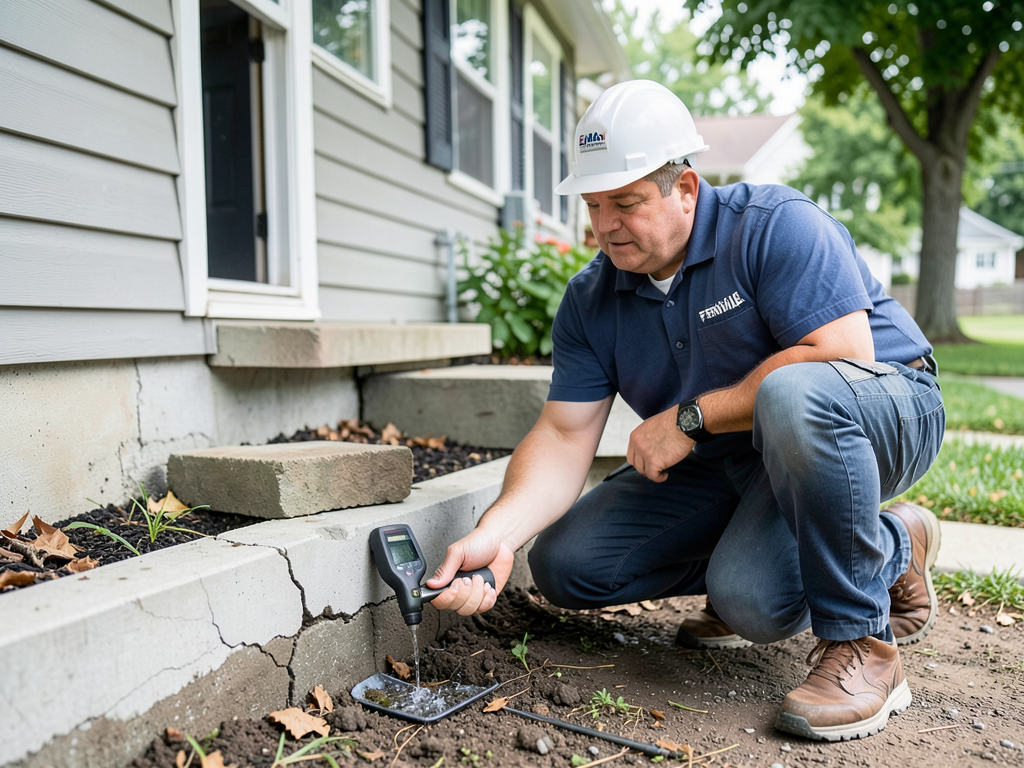
The Hidden Risks of Shared Driveway Runoff Between Your Ferndale Bungalow and Your Neighbor Shared driveways in Ferndale's historic bungalow neighborhoods create a hidden water damage threat that most homeowners never see coming. When rainwater…
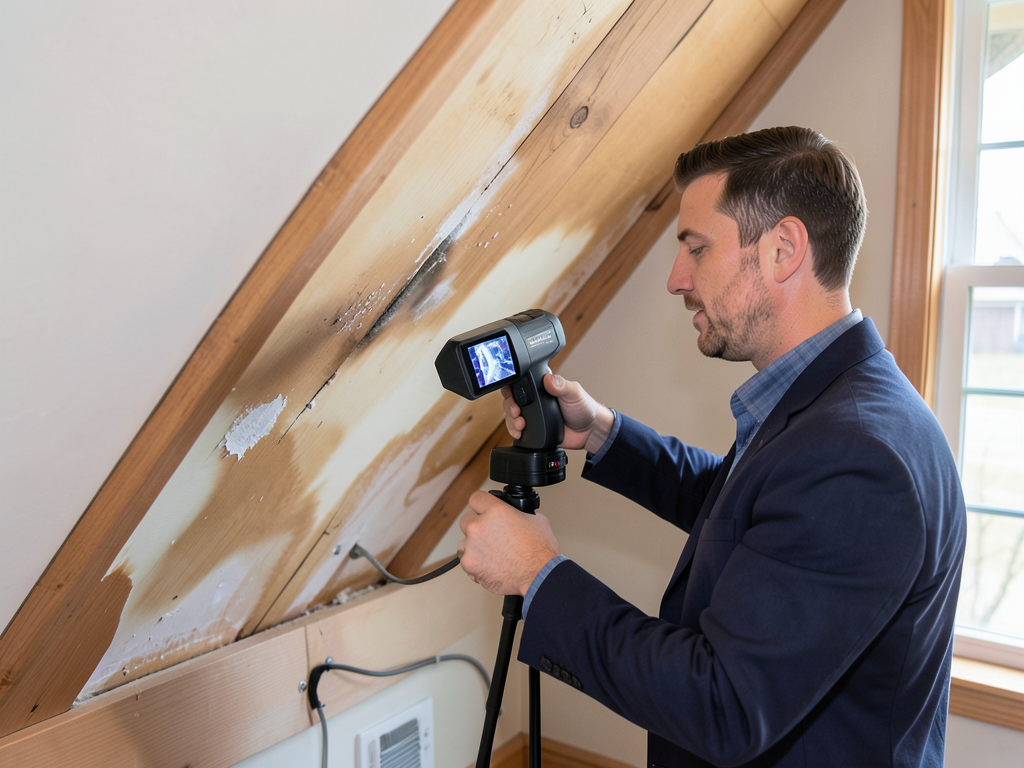
Tracking Down Hidden Water Leaks in Your Royal Oak Attic Kneewalls Royal Oak homeowners often…
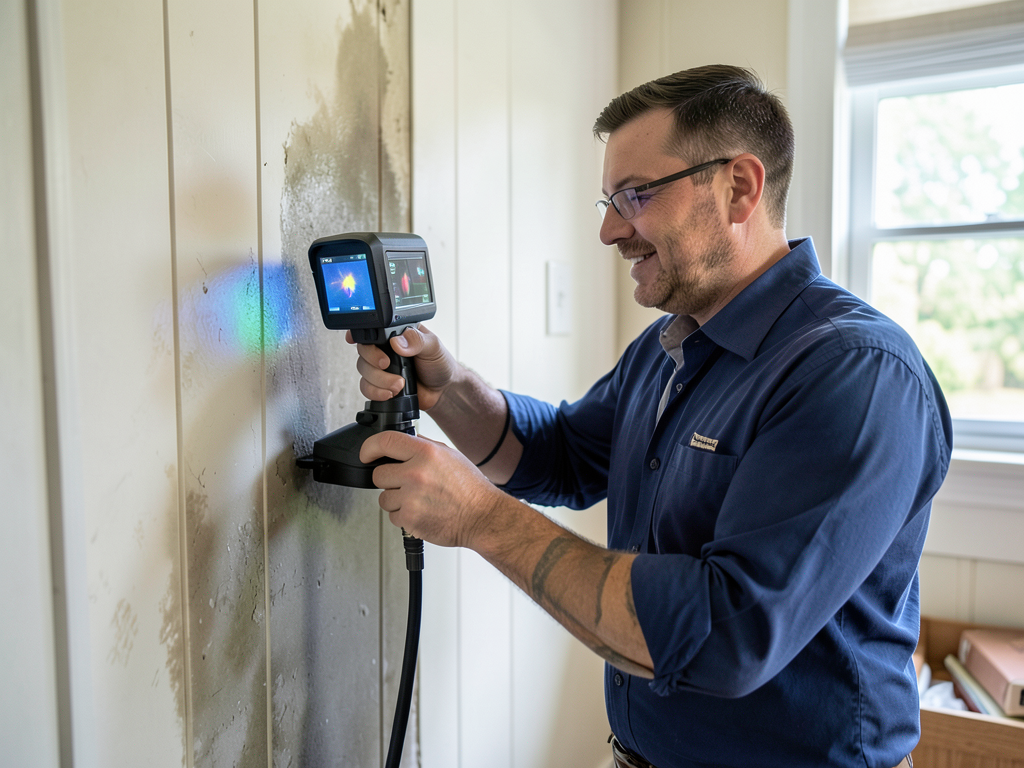
Why Your Baby's Nursery in Grosse Pointe Might Be Developing Hidden Wall Mold Parents in…
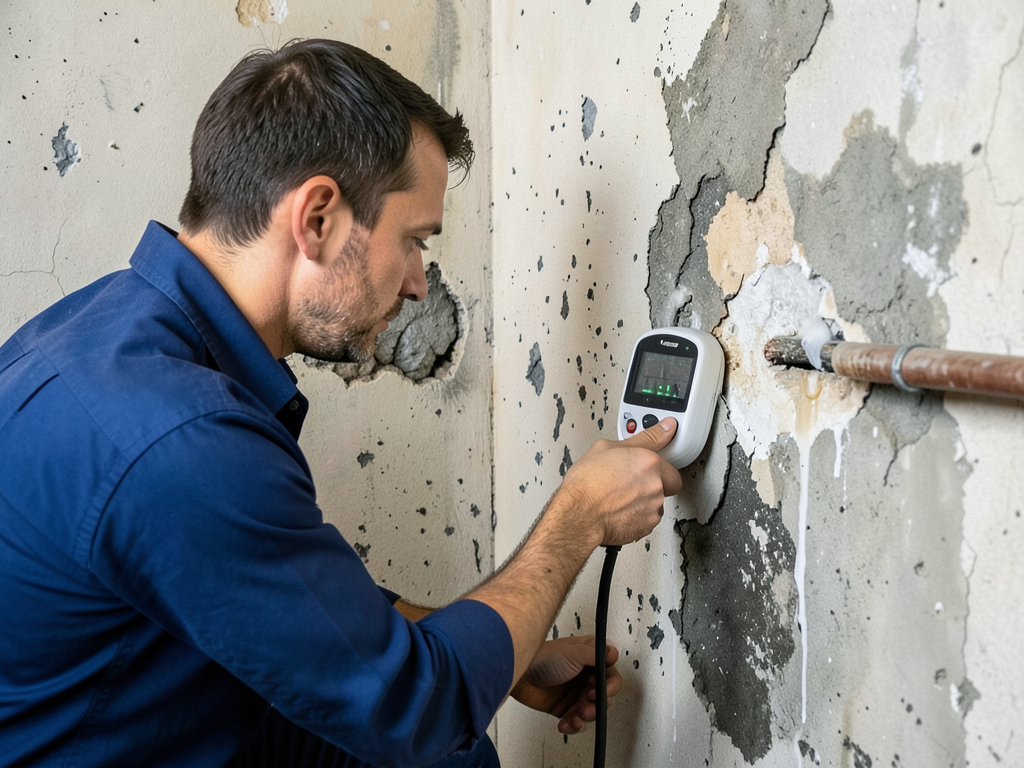
Protecting Your Remote Work Setup in Ferndale from Unexpected Basement Floods Water damage can destroy…
Our emergency crews respond within 60 minutes with equipment to stop the damage. Call (313) 572-5559 now for immediate dispatch. We answer 24 hours daily including holidays and weekends. The faster we extract water, the less damage your home suffers and the lower your restoration costs.