





menu

Fire Damage Safety Checklist in Detroit – Protecting Your Family from Hidden Post-Fire Hazards

Our comprehensive fire damage safety checklist helps Detroit homeowners identify structural dangers, toxic residue, and water damage left behind after the flames are extinguished, ensuring your property is truly safe before re-entry.

Slider Image 1
Slider Image 2
Slider Image 3
Slider Image 4
Slider Image 5
Slider Image 7
Slider Image 8
Slider Image 9
Slider Image 10
Slider Image 11

What Makes Post-Fire Properties Dangerous in Detroit

Fire damage creates a cascade of hazards that persist long after the fire department leaves. In Detroit, where many homes feature older electrical systems and coal-based construction materials, the post-fire safety risks multiply. Residual smoke penetrates deep into drywall and insulation, releasing carcinogenic particulates every time you disturb a surface. Compromised floor joists and support beams can collapse without warning, particularly in Detroit's historic brick homes where fire weakens mortar joints.

Water damage from firefighting efforts introduces a second wave of threats. Detroit's humid summers accelerate mold colonization in wet building materials, with spore growth beginning within 48 hours. The same water that saved your structure now saturates electrical panels, creating electrocution risks that kill occupants weeks after the initial fire. Soot residue turns acidic when mixed with water, corroding metal fasteners and wiring throughout your home.

You cannot assess these dangers with a visual inspection. Toxic gases like carbon monoxide linger in enclosed spaces. Asbestos insulation, common in Detroit homes built before 1980, becomes friable when exposed to heat and releases carcinogenic fibers into the air. Your fire recovery safety guide must account for both visible destruction and invisible contamination. Walking through a fire-damaged property without proper post-fire safety steps puts you at immediate risk of respiratory injury, structural collapse, and long-term health consequences. The after fire safety precautions you take in the first 72 hours determine whether your home becomes livable again or a total loss.

What Makes Post-Fire Properties Dangerous in Detroit
The Scientific Approach to Post-Fire Safety Assessment

The Scientific Approach to Post-Fire Safety Assessment

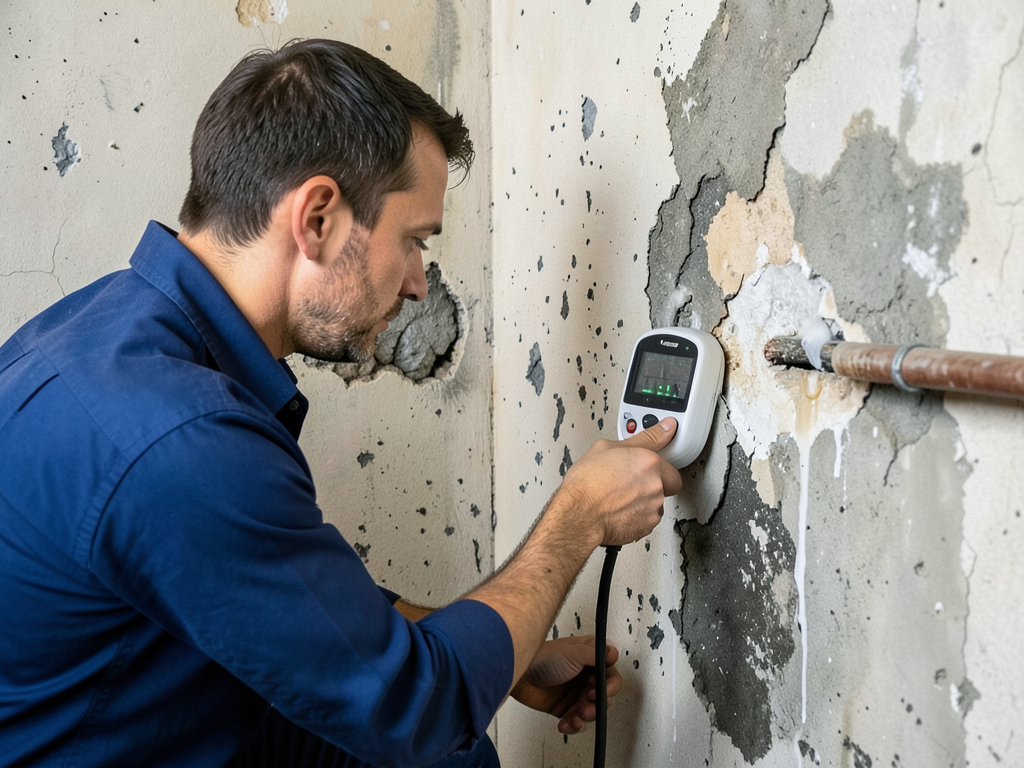
A proper post-fire hazard checklist begins with air quality testing before anyone enters the structure. We measure particulate density, carbon monoxide levels, and volatile organic compounds using calibrated meters, not guesswork. Detroit's brick construction traps combustion gases in wall cavities, requiring negative air pressure ventilation before the space becomes habitable. We deploy HEPA-filtered air scrubbers that cycle the entire indoor air volume six times per hour, removing microscopic soot particles that standard cleaning misses.

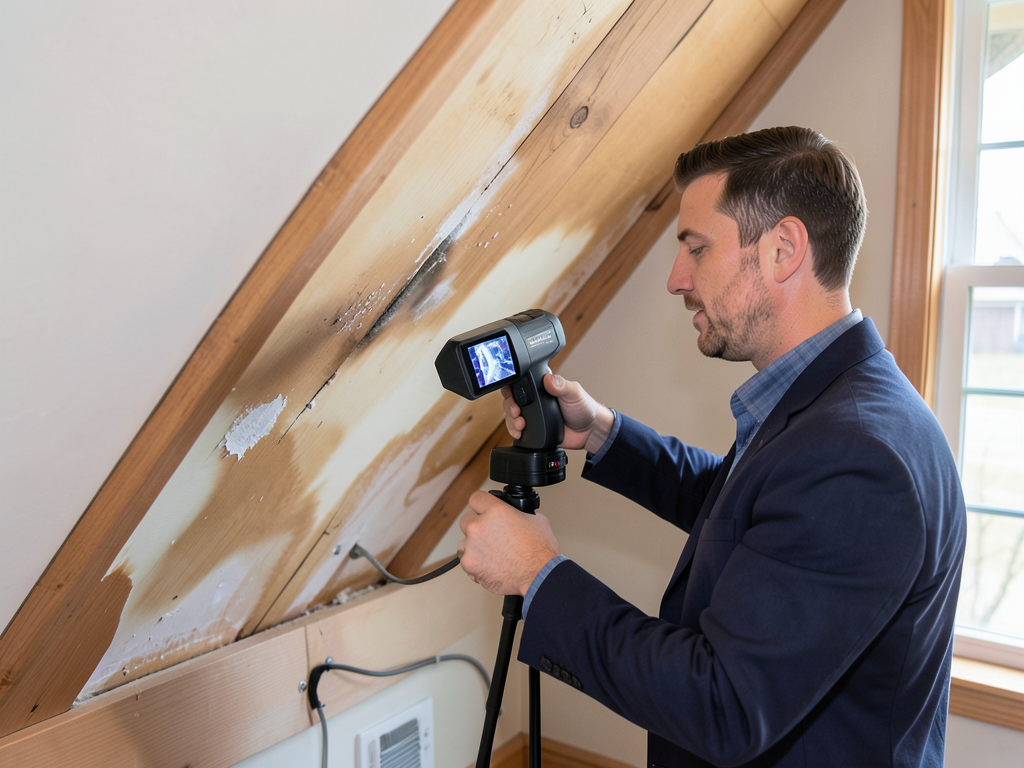
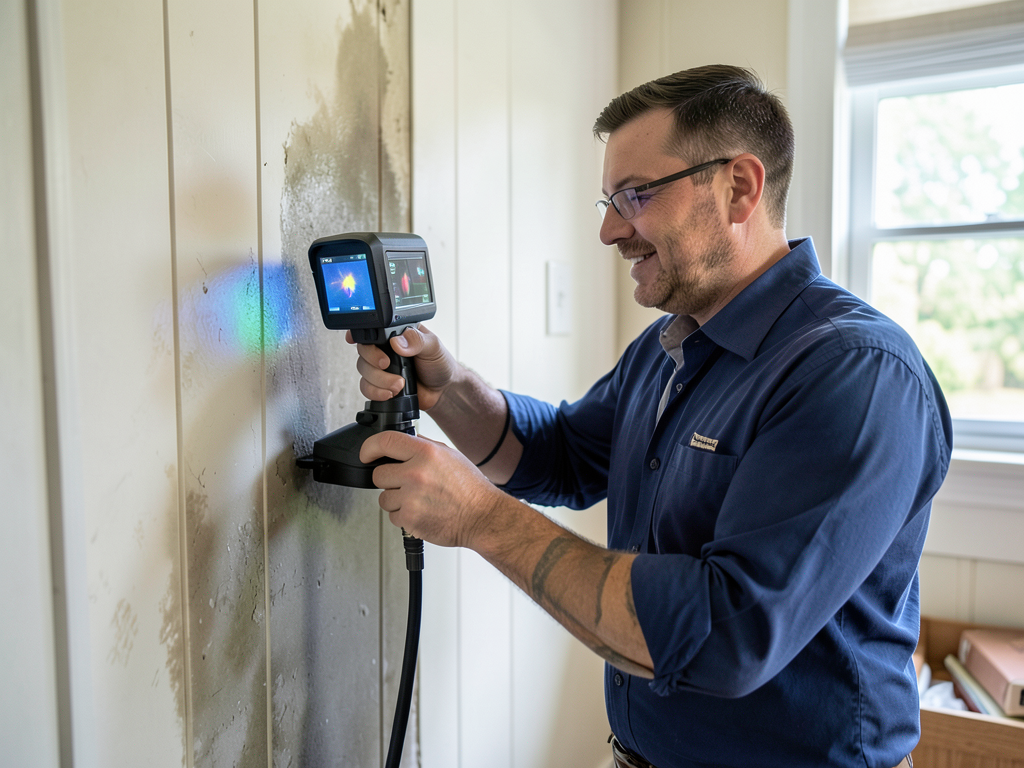
Structural integrity assessment comes next. We use moisture meters to map water saturation throughout framing members, drywall, and subflooring. Fire weakens wood at the cellular level, reducing load-bearing capacity even when beams appear intact. In Detroit's two-story homes, we pay particular attention to floor joists above basements, where firefighting water pools and compromises structural connections. Thermal imaging cameras reveal hot spots where smoldering continues inside walls, a fire restart risk that claims properties days after the initial blaze.

The fire damage safety protocol requires documentation at every phase. We photograph each affected area, catalog damaged materials for insurance purposes, and create a detailed scope of necessary remediation. Soot residue demands different cleaning approaches depending on surface type. Porous materials like drywall and insulation cannot be cleaned and require removal, while non-porous surfaces respond to specialized chemical treatments. We establish containment barriers using polyethylene sheeting to prevent cross-contamination as we work through affected zones. This systematic approach ensures nothing gets overlooked and your insurance claim includes every necessary repair.

How We Execute Your Fire Damage Safety Assessment

Fire Damage Safety Checklist in Detroit – Protecting Your Family from Hidden Post-Fire Hazards
01

Initial Hazard Survey

We begin with a perimeter inspection before entering your property, looking for structural instability, downed power lines, and compromised foundation elements. Gas leaks and electrical hazards get identified and mitigated before our team steps inside. We test air quality at entry points and establish ventilation pathways to clear toxic gases. This pre-entry assessment prevents the secondary injuries that occur when homeowners rush back into unsafe structures.
02

Comprehensive Damage Mapping

Our technicians move through each room with moisture meters, thermal cameras, and documentation equipment. We identify all water-damaged materials, measure soot penetration depth, and mark compromised structural elements. Every finding gets photographed and logged into your fire recovery safety guide. We create a room-by-room checklist that specifies which materials require removal, which need specialized cleaning, and which areas pose immediate safety risks requiring restricted access.
03

Prioritized Remediation Plan

You receive a detailed action plan that sequences all necessary repairs based on safety priority and insurance requirements. We identify quick wins like securing openings and removing standing water, then outline the full restoration timeline. Your post-fire safety protocol includes specific steps for mold prevention, air quality restoration, and structural stabilization. This plan gives you a clear roadmap from unsafe property to fully restored home.

Why Detroit Homeowners Trust Our Fire Damage Expertise

Ironwood Water Damage Restoration Detroit has assessed fire-damaged properties across every Detroit neighborhood, from the historic Indian Village brick homes to the ranch-style residences in Rosedale Park. We understand how fire behaves in Detroit's specific building stock. The balloon-frame construction common in older Detroit homes allows fire and smoke to travel vertically through wall cavities, creating damage patterns that inexperienced contractors miss. We know to check the attic even when fire appears confined to the first floor.

Our technicians hold IICRC certifications in fire and smoke restoration, ensuring we follow industry-standard safety protocols. We work directly with Detroit-area insurance adjusters who recognize our documentation standards and trust our damage assessments. This relationship accelerates your claim processing and prevents the disputes that delay restoration. When we identify hazardous materials like asbestos or lead paint disturbed by fire, we coordinate with licensed abatement contractors who meet Michigan Department of Environment, Great Lakes, and Energy requirements.

Detroit's water infrastructure means firefighting efforts often introduce contaminated water into your property. We treat all post-fire water damage as Category 2 or Category 3 contamination, using antimicrobial treatments and following proper disposal protocols for affected materials. This conservative approach protects your family from bacterial and chemical exposure. We also understand Detroit's permitting requirements for structural repairs, ensuring all restoration work meets code before final inspection. Our local expertise means fewer delays, fewer surprises, and a safer outcome for your family.

What to Expect from Your Fire Damage Safety Assessment

Rapid Response Timeline

We arrive within hours of your call, not days. Fire damage compounds rapidly as soot residue etches into surfaces and water saturates building materials. Our teams work 24/7 because Detroit fires do not wait for business hours. The initial safety assessment takes two to four hours depending on property size, with immediate hazard mitigation beginning the same day. You receive a preliminary verbal report on-site, followed by detailed written documentation within 24 hours. Speed matters because insurance companies require prompt action to prevent additional damage, and mold colonization begins faster than most homeowners realize.

Thorough Property Evaluation

Our assessment covers every system in your home, from roof decking to basement footer. We test electrical panels for water intrusion and thermal damage, inspect HVAC ductwork for soot contamination, and evaluate plumbing for heat-related failures. The evaluation includes moisture mapping that identifies hidden water damage inside wall cavities and beneath flooring. You get a complete picture of your property's condition, not surface-level observations. We document findings with calibrated instruments, not subjective opinions, giving you data-backed evidence for insurance claims and restoration decisions.

Clear Restoration Roadmap

Your fire damage safety checklist translates technical findings into actionable steps. We specify which rooms remain safe for limited access and which require complete exclusion until remediation completes. The roadmap breaks restoration into phases, allowing you to understand costs and timelines before work begins. We identify materials that can be salvaged through professional cleaning versus those requiring replacement. This transparency eliminates the confusion that overwhelms fire victims trying to navigate insurance claims and contractor estimates. You receive honest guidance based on structural realities, not what we wish we could accomplish.

Ongoing Support and Documentation

Your relationship with us extends beyond the initial assessment. We provide updated documentation as restoration progresses, photograph all work stages for insurance records, and conduct final air quality testing before you reoccupy the property. If issues arise during reconstruction, we return to reassess and adjust the remediation plan. Our team remains available to answer questions from your insurance adjuster, contractor, or mortgage company. You also receive a post-restoration maintenance guide that explains how to monitor for delayed fire damage effects like corrosion or mold recurrence. This comprehensive support ensures your home remains safe long after the restoration completes.

Frequently Asked Questions

You Have Questions,
We Have Answers

How Detroit's Housing Stock Creates Unique Post-Fire Risks

Detroit's residential architecture spans 150 years of construction methods, each presenting distinct fire damage challenges. The balloon-frame construction used in homes built before 1940 creates continuous vertical air spaces from basement to attic, allowing fire to spread rapidly between floors. Many Detroit homes contain hidden coal chutes, ash pits, and abandoned chimney flues that trap toxic gases and create secondary contamination pathways. The brick veneer common in 1920s Detroit construction separates from wood framing when exposed to fire, creating collapse hazards that require structural shoring before safe entry. These architectural features demand a fire damage safety protocol tailored to Detroit's specific building stock, not generic checklists developed for modern construction.

Ironwood Water Damage Restoration Detroit has evaluated fire damage in every Detroit neighborhood, from the Craftsman bungalows of Green Acres to the Victorian mansions along West Boston Boulevard. We understand local building code requirements and work with Detroit's Building, Safety Engineering and Environmental Department on permits for structural repairs. Our familiarity with Detroit's housing stock means we recognize problem areas before they become dangerous. We know which insurance adjusters serve the Detroit area and maintain professional relationships that streamline your claim. Choosing a local fire damage safety expert means working with professionals who understand your specific property type and can anticipate problems before they escalate.
Water Damage Restoration Services in The Detroit Area

Conveniently located to serve the Detroit area, Ironwood is always ready to respond to your water damage emergencies. Explore our service area on the map below or contact us directly to discuss your specific needs. We’re committed to providing prompt, professional service wherever you are within our operational zone, ensuring rapid deployment and effective restoration solutions when you need them most.

Address:
Ironwood Water Damage Restoration Detroit, 15324 Mack Ave, Detroit, MI, 48230

Additional Services We Offer

Our news updates

Latest Articles & News from The Blogs

A slow leak behind a Royal Oak bathroom wall can go unnoticed for weeks. By the time you smell mildew…

Why Smart Leak Detectors Are Worth Every Penny for Your Royal Oak Rental Property

A slow leak behind a Royal Oak bathroom wall can go unnoticed for weeks. By the time you smell mildew…

Why Your Whole House Humidifier in Warren Might Be Ruining Your Drywall

Your furnace runs all winter. Your whole house humidifier works quietly behind the scenes. And somewhere behind that drywall in…

What Black Water Flooding Actually Does to Your Health (A Detroit Homeowner's Guide)

A sewage backup in your Detroit basement is not just a cleanup problem. It is a biohazard event. The water…

Contact Us

Do not enter your fire-damaged property without a professional safety assessment. Call Ironwood Water Damage Restoration Detroit at (313) 572-5559 for immediate evaluation. We provide 24/7 emergency response to protect your family and preserve your insurance claim.