




menu

Basement Flood Cleanup in Detroit – Expert Water Extraction and Complete Remediation for Homes and Businesses

Ironwood Water Damage Restoration Detroit provides comprehensive basement flood restoration throughout the metro area, from rapid water extraction and structural drying to mold prevention and full remediation that protects your property investment.

Slider Image 1
Slider Image 2
Slider Image 3
Slider Image 4
Slider Image 5
Slider Image 7
Slider Image 8
Slider Image 9
Slider Image 10
Slider Image 11

Why Detroit Basements Flood and What Happens When They Do

Detroit sits on clay soil that shifts with freeze-thaw cycles. When spring thaw arrives or summer storms dump inches of rain in hours, that clay expands and contracts, creating hydrostatic pressure against basement walls. The result is seepage through cracks, foundation failures, and overwhelmed sump pumps.

Your basement floods for specific reasons. Aging infrastructure in neighborhoods like Corktown and Palmer Woods means combined sewer systems backflow during heavy rainfall. Homes built in the 1920s through 1950s often have deteriorating drain tiles that no longer channel groundwater away from foundations. When the Detroit River and Rouge River watersheds swell, water tables rise and basements become collection points.

Standing water in your basement is not just an inconvenience. Within 24 hours, porous materials like drywall and insulation begin absorbing moisture. Between 24 and 48 hours, mold colonies establish. By 72 hours, structural wood members weaken and contamination from sewage backups creates health hazards. The longer water sits, the more expensive flooded basement remediation becomes.

You need immediate basement water extraction to stop secondary damage. Every hour counts when it comes to salvaging belongings, preventing mold growth, and protecting your foundation. Detroit's humid summers accelerate these problems. Basements that stay wet become breeding grounds for mildew and compromise air quality throughout your home.

Professional flooded basement water removal addresses both the visible water and the hidden moisture trapped in wall cavities, beneath flooring, and inside HVAC systems. This is not a job for shop vacuums and box fans.

Why Detroit Basements Flood and What Happens When They Do
How Professional Basement Flood Restoration Actually Works

How Professional Basement Flood Restoration Actually Works

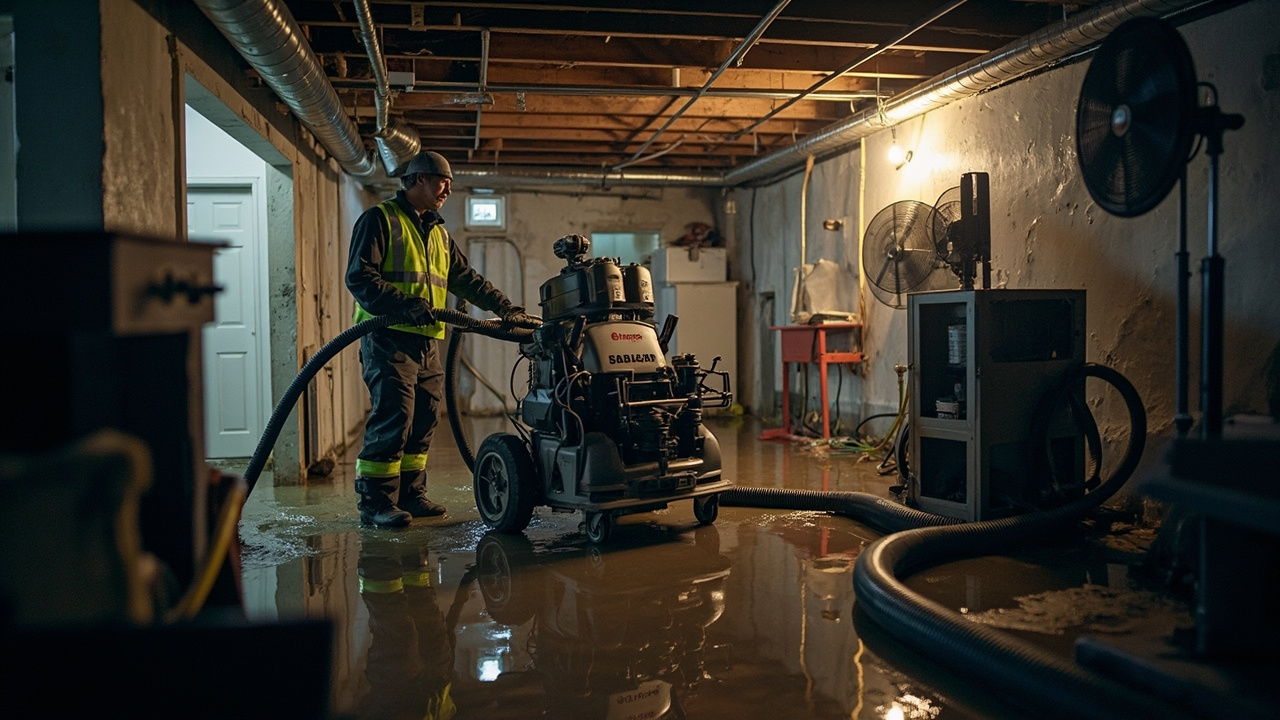
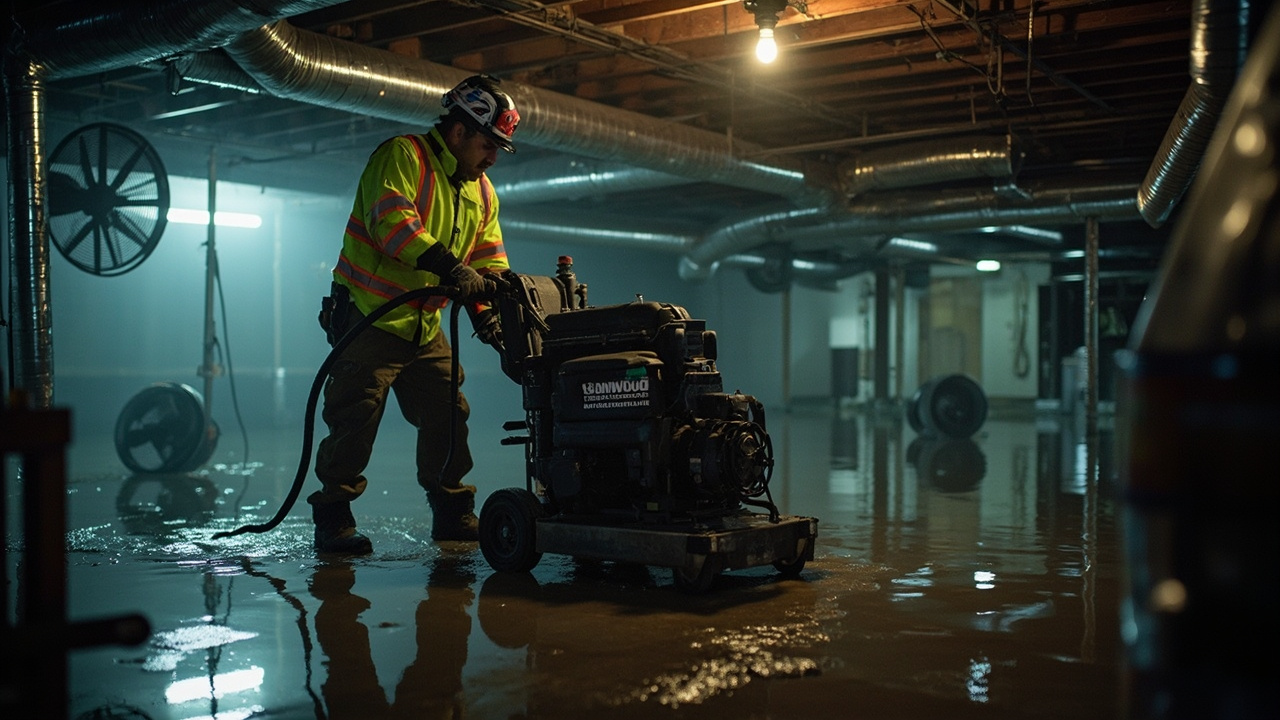
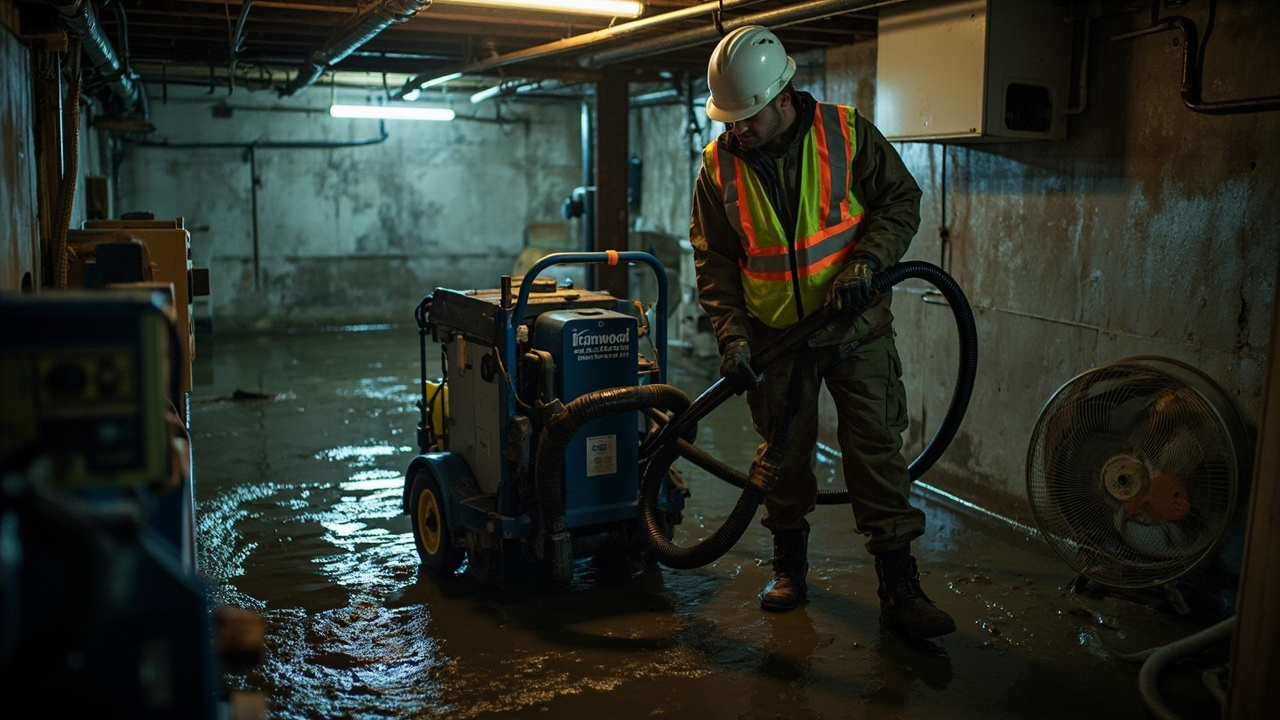
Basement flood cleanup requires industrial-grade equipment and systematic methodology. When you call Ironwood Water Damage Restoration Detroit, we arrive with truck-mounted extractors that pull thousands of gallons per hour, not the 10 gallons a portable unit might handle.

First, we assess the water category. Category 1 is clean water from supply line breaks. Category 2 is gray water from appliance failures or sump pump backups. Category 3 is black water containing sewage or river flooding. This determines our safety protocols and disposal requirements. Detroit's combined sewer systems mean many basement floods involve Category 3 contamination, requiring antimicrobial treatment.

We deploy submersible pumps for standing water, then switch to weighted extractors that pull moisture from carpet padding and subfloors. Moisture meters measure hidden saturation in drywall and framing. We document everything for your insurance claim because Michigan requires specific loss documentation.

Next comes structural drying. We position commercial dehumidifiers that remove 150 pints daily, not the 30 pints a consumer unit manages. Air movers create circulation patterns that dry wall cavities and prevent mold growth. We monitor dew points and adjust equipment placement based on real-time readings.

Flooded basement pumping is only the beginning. True remediation means removing contaminated materials, treating surfaces with EPA-registered antimicrobials, and drying the structure to pre-loss moisture levels. We test final readings against IICRC S500 standards before declaring the job complete.

This process protects your foundation, preserves your belongings, and prevents the mold growth that turns a flood into a long-term health problem. Speed matters, but thoroughness determines whether your basement stays dry or becomes a recurring nightmare.

What Happens During Your Basement Flood Emergency Service

Basement Flood Cleanup in Detroit – Expert Water Extraction and Complete Remediation for Homes and Businesses
01

Immediate Water Removal

We arrive with truck-mounted extractors and submersible pumps to remove standing water within hours of your call. Our team locates the water source, stops active flooding when possible, and begins extraction while documenting the scope for insurance purposes. We remove furniture and salvageable items to prevent further damage and assess contamination levels to determine safety protocols.
02

Structural Drying and Monitoring

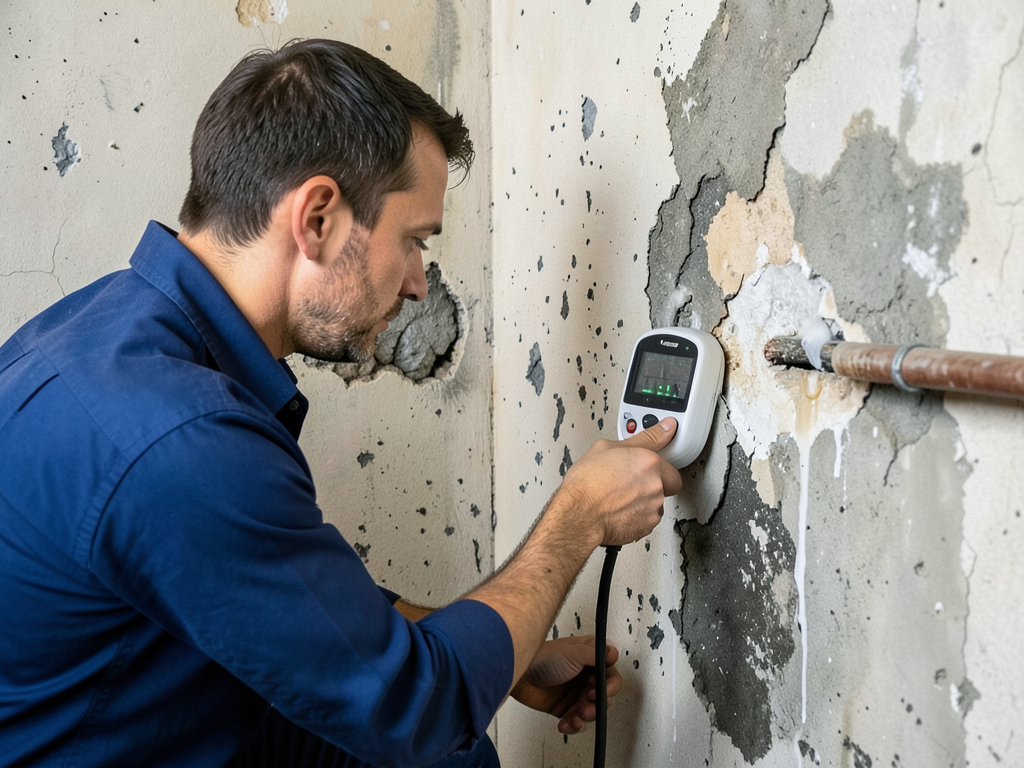
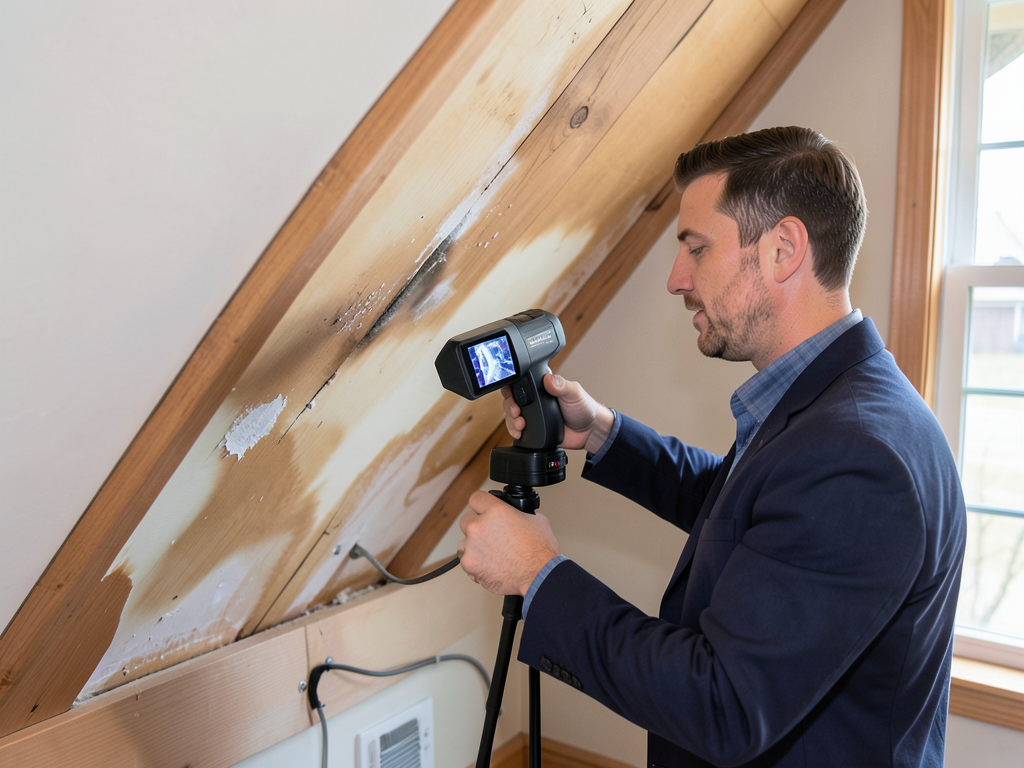
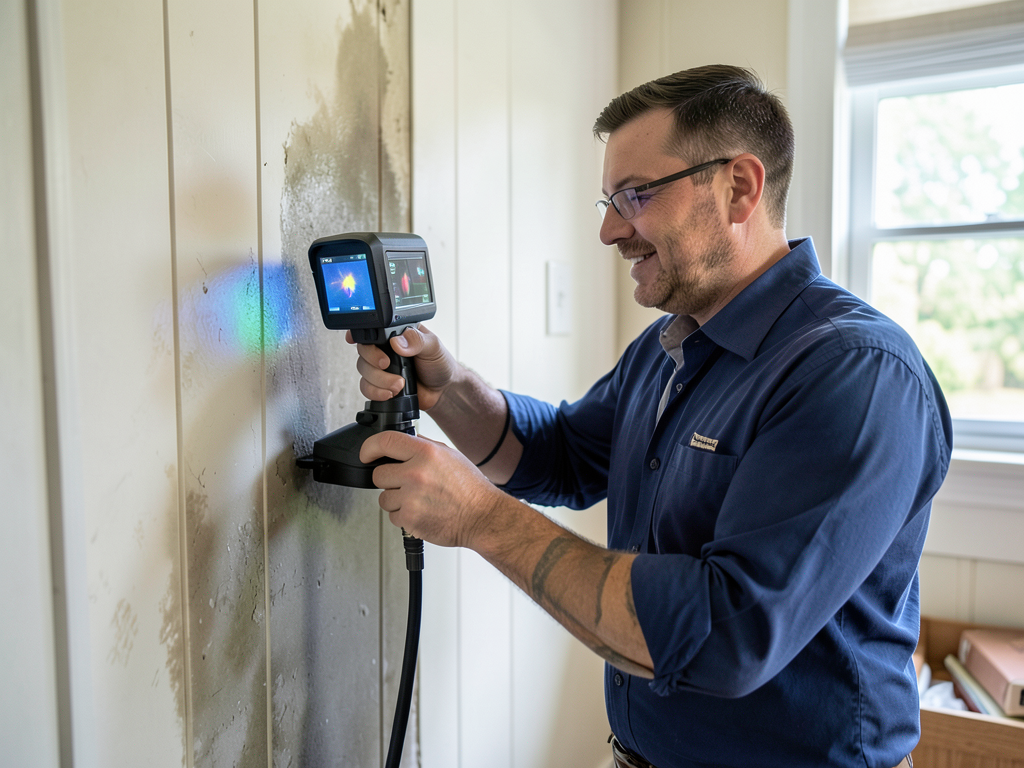
High-volume dehumidifiers and air movers create optimal drying conditions throughout your basement. We use thermal imaging to locate hidden moisture pockets in walls and floors, then position equipment to target those areas. Moisture meters track progress daily. We adjust humidity levels and airflow based on material types and saturation levels until all surfaces meet dry standards.
03

Sanitization and Restoration

After drying, we treat all affected surfaces with antimicrobial solutions to prevent mold growth and eliminate contamination from sewage or river water. We remove and dispose of materials that cannot be salvaged, like saturated drywall or insulation. Final moisture readings confirm your basement meets IICRC standards. We provide documentation for your insurance claim and recommendations to prevent future flooding.

Why Detroit Property Owners Choose Local Basement Flood Experts

Basement flooding in Detroit requires understanding local infrastructure challenges. We know which neighborhoods have combined sewer systems that backflow during storms. We understand how homes in Indian Village and Boston Edison were built with limestone foundations that crack differently than poured concrete. We work with the same insurance adjusters who handle claims throughout Wayne County.

Our teams respond to basements in Rosedale Park, Grandmont, and East English Village regularly. We know the difference between flooding from the Rouge River watershed versus groundwater seepage common in areas near Palmer Park. This matters because the remediation approach changes based on water source and contamination level.

Detroit's building codes require specific standards for post-flood repairs. We document moisture readings, removal procedures, and antimicrobial treatments to meet those requirements. When your insurance company requests proof of proper remediation, we provide detailed logs that satisfy Michigan claim standards.

You need a team that responds fast but works thoroughly. Basement water extraction is time-sensitive. Mold begins growing within 24 hours in Detroit's humid climate. We dispatch crews immediately because we maintain local staging, not a call center three states away routing you to the lowest bidder.

Ironwood Water Damage Restoration Detroit employs IICRC-certified technicians who understand psychrometry, the science of drying buildings properly. We do not just remove water and point fans at wet spots. We calculate grain depression, adjust temperature and humidity levels, and monitor vapor pressure to ensure complete drying. This prevents callbacks for mold growth three months later.

Choosing local means accountability. We live in the communities we serve. Our reputation depends on doing the job right, not moving to the next market when complaints pile up.

What to Expect When You Call for Basement Flood Cleanup

Emergency Response Time

We answer calls 24 hours a day because basement floods do not wait for business hours. Our dispatch goal is arrival within 60 to 90 minutes for Detroit metro emergencies. When you call, you speak with someone who understands water damage, not a script reader. We ask about water source, basement size, and whether you have standing water or active flooding. This helps us arrive with the right equipment. Your situation determines urgency, but we treat every flooded basement as time-sensitive because it is.

Initial Assessment and Documentation

Our technician walks your basement with moisture meters and thermal imaging cameras to map the full extent of water damage. We identify the source, measure humidity levels, and classify the water category. You receive a written scope detailing what needs extraction, what requires removal, and estimated drying time. We photograph everything for your insurance claim. This assessment takes 30 to 45 minutes and gives you a clear picture of the work ahead. We explain findings in plain language and answer questions before equipment arrives.

Complete Remediation Results

Your basement is dry when moisture readings match unaffected areas of your home, not when it looks dry. We verify this with calibrated meters that measure moisture content in wood, concrete, and drywall. You get a basement that smells clean, shows no visible water damage, and meets industry standards for safe occupancy. We provide a completion certificate with final moisture readings. Properly dried basements do not develop mold problems later. That is the difference between professional remediation and hoping fans fix the problem.

Insurance Coordination and Follow-Up

We work directly with your insurance company throughout the process. Our documentation includes moisture readings, equipment logs, and photographic evidence that satisfies claim requirements. Most Michigan homeowner policies cover sudden water damage, though coverage varies for sewer backups and groundwater seepage. We help you understand what your policy covers and provide the paperwork adjusters need. After completion, we check in to confirm your basement stays dry and answer questions about prevention measures like sump pump backups or foundation waterproofing.

Frequently Asked Questions

You Have Questions,
We Have Answers

How to clean up after a flooded basement? +

First, shut off electricity to the basement at the breaker box. Remove standing water using a submersible pump or wet vac. Salvage items quickly and move them to a dry area. Pull out soaked carpets, padding, and damaged drywall within 24-48 hours. Detroit basements often flood during spring thaw or heavy storms, so time matters. Scrub hard surfaces with antimicrobial cleaner. Set up industrial fans and dehumidifiers to dry the space completely. Document everything with photos for insurance. If water is contaminated or the flood is severe, call a professional restoration company immediately.

How much does it cost to clean up a flooded basement? +

Basement flood cleanup costs in Detroit range from $1,000 to $10,000 depending on flood severity, water source, and damage extent. Minor clean-water incidents with minimal absorption run lower. Sewage backups or extensive structural damage push costs higher. Factors include water volume removed, drying equipment rental time, mold remediation needs, and materials replaced. Detroit's older housing stock may require additional structural work. Most companies offer free inspections and work directly with your insurance carrier. Get multiple quotes. Prioritize certified firms with proper extraction and drying equipment to prevent hidden mold growth later.

How much does Servpro cost to clean a basement? +

Servpro pricing varies by location and project scope. They typically charge per service, including water extraction, drying equipment setup, antimicrobial treatment, and reconstruction if needed. Detroit-area Servpro franchises may quote $2,000 to $8,000 for standard basement floods. The final bill depends on water category, square footage affected, and restoration complexity. Servpro franchises operate independently, so pricing differs between territories. Request a detailed written estimate before work starts. Compare their quote against local Detroit restoration companies. Focus on included services, response time, and equipment quality rather than price alone.

What type of professional fixes flooded basements? +

Water damage restoration specialists fix flooded basements. These certified professionals handle extraction, structural drying, dehumidification, mold remediation, and reconstruction. Look for technicians with IICRC certification in water damage restoration. In Detroit, many restoration companies also employ licensed plumbers to fix the source problem and mold specialists for contamination issues. Avoid general handymen for flood work. Restoration pros use commercial-grade equipment like thermal imaging cameras, air movers, and truck-mounted extractors. They understand Detroit's clay soil foundation issues and how freezing temperatures affect plumbing. Choose a company with 24/7 emergency response and direct insurance billing.

How do I prevent mold after a basement flood? +

Start drying within 24 hours. Remove all wet materials like drywall, insulation, carpeting, and wood that absorbed floodwater. Detroit's humidity makes baselines worse, so use commercial dehumidifiers and air movers continuously. Target 30-50% relative humidity. Scrub all hard surfaces with antimicrobial solution. Treat porous materials like concrete block walls with mold inhibitor. Keep air circulating for at least three days. Monitor moisture levels with a meter. If water was contaminated or flooding was extensive, hire a certified mold remediation company. They use HEPA filtration and proper containment to prevent spore spread.

How long does it take for mold to grow after flooding? +

Mold can begin growing within 24 to 48 hours after flooding. Spores need moisture, organic material, and warmth. Detroit basements provide all three, especially in summer. Visible mold colonies typically appear within three to five days on drywall, wood, and fabric. Hidden mold behind walls or under flooring develops simultaneously. The clock starts the moment water touches porous surfaces. This is why immediate action matters. If you miss the 24-hour window, professional intervention becomes critical. Certified technicians use moisture meters and thermal imaging to find hidden wet spots before mold establishes. Speed determines whether you clean or replace materials.

Will insurance pay for a flooded basement? +

It depends on the cause. Standard homeowners insurance in Detroit covers sudden, accidental water damage like burst pipes or appliance malfunctions. Policies exclude gradual seepage, poor maintenance, and surface water from rain or snowmelt unless you have separate flood insurance through NFEMA. Sewer backup coverage requires a specific endorsement. Review your policy declarations page. Take photos immediately and report the claim within 24 hours. Insurance adjusters want documentation. Keep receipts for emergency repairs. Many Detroit restoration companies work directly with carriers and handle claims paperwork. Ask your insurer before major cleanup starts.

How long does it take to dry out a basement after a flood? +

Complete basement drying takes three to seven days with professional equipment. Mild flooding with quick water removal may dry in 72 hours. Severe floods affecting concrete, insulation, or framing take up to two weeks. Detroit's clay soil foundation walls absorb water slowly and release it slower. Professionals use moisture meters to confirm dryness before reconstruction. Relative humidity must drop below 50%. Walls, floors, and framing need readings under 15% moisture content. Rushing this process causes hidden mold and structural rot. Industrial dehumidifiers and air movers run continuously. Temperature affects dry time. Winter floods take longer.

What is the most expensive part of finishing a basement? +

This question targets finishing costs, not flood cleanup. After a flood, structural drying and mold remediation are your immediate concerns. Rebuilding expenses vary. In Detroit basements, foundation waterproofing and drain tile systems prevent repeat flooding and represent smart investments. Replacing damaged drywall, insulation, and flooring comes next. If you plan to finish the space post-flood, framing and electrical work add expense. Focus first on drying the structure completely. Hire certified restoration professionals to handle moisture removal and antimicrobial treatment. Address the water source before rebuilding. Skipping proper remediation leads to mold and wasted finishing costs.

Is it safe to stay in a house with a flooded basement? +

No. Evacuate if floodwater is deep or rising. Standing water creates electrocution risk if it contacts outlets or appliances. Detroit floods sometimes involve sewage backups, which introduce bacteria and viruses. Contaminated water causes illness. Structural instability is possible if water undermines footings. Mold spores trigger respiratory problems. If flooding is minor and you shut off basement electricity, upper floors may be safe temporarily. Never enter standing water without confirming power is off. Wear protective gear. Prioritize safety over salvage. Call a restoration company for assessment. Sleep elsewhere if you smell sewage or see visible mold.

How Detroit's Clay Soil and Aging Infrastructure Make Basement Flooding Inevitable

Detroit sits on expansive clay soil that absorbs water slowly and creates hydrostatic pressure against basement walls during wet periods. When temperatures swing from freezing to thawing, this clay expands and contracts, opening cracks in foundations built 50 to 100 years ago. Spring snowmelt and summer thunderstorms overwhelm drainage systems designed for smaller populations. Combined sewer overflows in older neighborhoods send contaminated water backing up through floor drains. These conditions make professional basement water extraction essential, not optional. The same clay that made Detroit a manufacturing center creates perfect conditions for chronic basement flooding.

Ironwood Water Damage Restoration Detroit understands these local challenges because we respond to them daily. We know which areas experience sewer backflows during heavy rain and which neighborhoods have high water tables near the river. Our equipment staging in Detroit means faster response than companies dispatching from Ann Arbor or Flint. We work with local insurance adjusters familiar with Michigan claim procedures and Detroit's specific flood risks. This local expertise matters when you need flooded basement remediation that addresses the root cause, not just the symptoms. Choosing a local team means working with people who understand your neighborhood's infrastructure and your home's specific vulnerabilities.
Water Damage Restoration Services in The Detroit Area

Conveniently located to serve the Detroit area, Ironwood is always ready to respond to your water damage emergencies. Explore our service area on the map below or contact us directly to discuss your specific needs. We’re committed to providing prompt, professional service wherever you are within our operational zone, ensuring rapid deployment and effective restoration solutions when you need them most.

Address:
Ironwood Water Damage Restoration Detroit, 15324 Mack Ave, Detroit, MI, 48230

Additional Services We Offer

Our news updates

Latest Articles & News from The Blogs

A slow leak behind a Royal Oak bathroom wall can go unnoticed for weeks. By the time you smell mildew…

Why Smart Leak Detectors Are Worth Every Penny for Your Royal Oak Rental Property

A slow leak behind a Royal Oak bathroom wall can go unnoticed for weeks. By the time you smell mildew…

Why Your Whole House Humidifier in Warren Might Be Ruining Your Drywall

Your furnace runs all winter. Your whole house humidifier works quietly behind the scenes. And somewhere behind that drywall in…

What Black Water Flooding Actually Does to Your Health (A Detroit Homeowner's Guide)

A sewage backup in your Detroit basement is not just a cleanup problem. It is a biohazard event. The water…

Contact Us

Water damage worsens every hour. Call Ironwood Water Damage Restoration Detroit at (313) 572-5559 for immediate basement water extraction and complete flood remediation. We answer 24/7 and dispatch crews fast to protect your home and belongings.