




menu

Commercial Mold Remediation in Detroit – Minimize Downtime and Protect Your Bottom Line

Industrial-grade commercial mold removal protocols designed to keep your Detroit facility operational, compliant with Michigan health codes, and free from liability exposure across all business sectors.

Slider Image 1
Slider Image 2
Slider Image 3
Slider Image 4
Slider Image 5
Slider Image 7
Slider Image 8
Slider Image 9
Slider Image 10
Slider Image 11

Mold Growth in Detroit Commercial Buildings Is a Liability You Cannot Ignore

Detroit's position along the Detroit River and proximity to the Great Lakes creates sustained humidity levels that accelerate mold colonization in commercial structures. The freeze-thaw cycles common to southeastern Michigan cause condensation buildup in HVAC systems, loading docks, and warehouse spaces. When indoor humidity exceeds 60 percent for 48 hours, mold spores activate and spread across drywall, ceiling tiles, and inventory.

Commercial mold abatement is not discretionary. Michigan Occupational Safety and Health Administration regulations require employers to maintain safe indoor air quality. Mold exposure triggers respiratory complaints, worker compensation claims, and potential litigation. Retail tenants, office employees, and warehouse staff all pose different exposure scenarios that demand professional business mold remediation protocols.

Detroit's aging commercial building stock, particularly in Midtown and the Central Business District, often features outdated ventilation systems and insufficient vapor barriers. Basement moisture intrusion is common in structures built before 1980. When mold colonizes below grade, spores migrate through floor joists and wall cavities into occupied spaces. Commercial mold mitigation requires containment barriers, negative air machines, and HEPA filtration to prevent cross-contamination during abatement.

You cannot address mold with surface cleaning or DIY methods. Incomplete commercial mold cleanup allows subsurface colonies to regenerate within 72 hours. The result is recurring outbreaks, compounding damage, and escalating remediation expenses that exceed initial professional intervention costs.

Mold Growth in Detroit Commercial Buildings Is a Liability You Cannot Ignore
How Professional Commercial Mold Removal Protects Business Continuity

How Professional Commercial Mold Removal Protects Business Continuity

Ironwood Water Damage Restoration Detroit deploys containment protocols that isolate affected zones while maintaining operational access to unaffected areas. We install polyethylene barriers with airlocks, establish negative air pressure differentials, and coordinate work schedules around your business hours. This approach minimizes revenue loss and maintains customer-facing operations during commercial mold remediation.

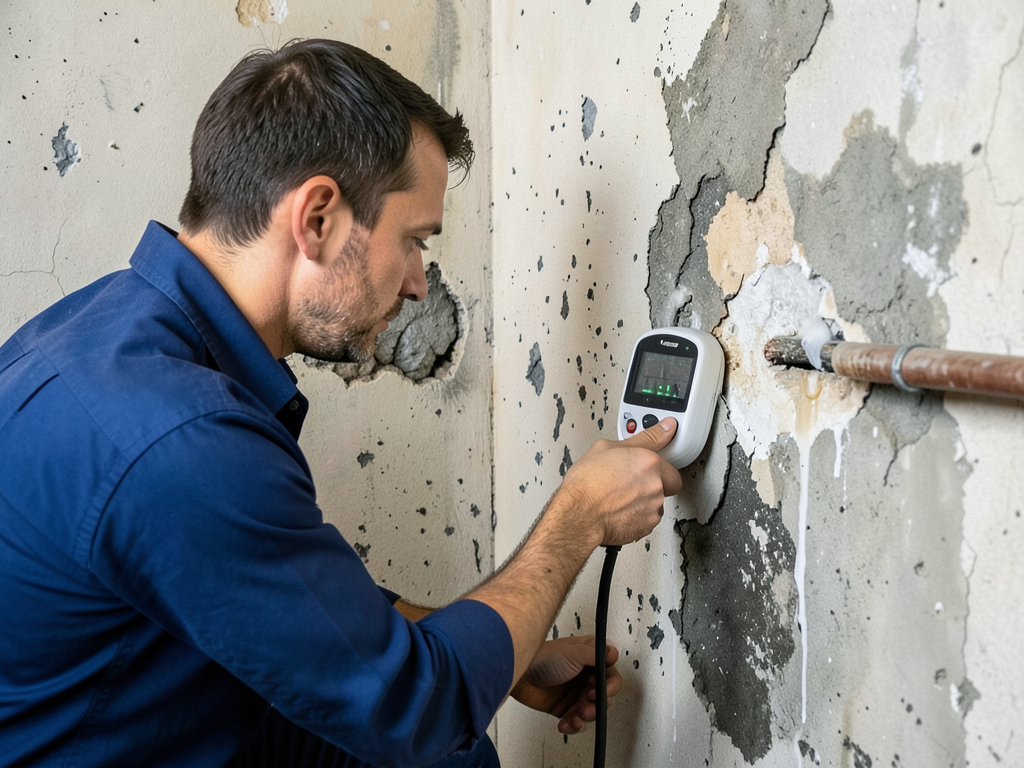
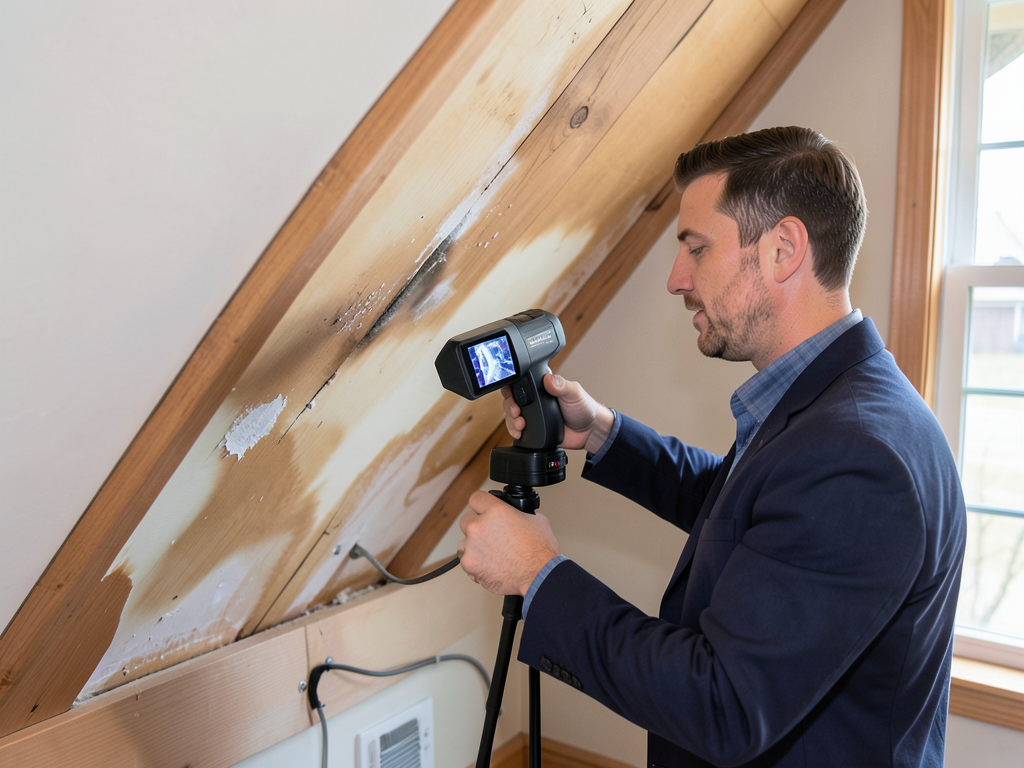
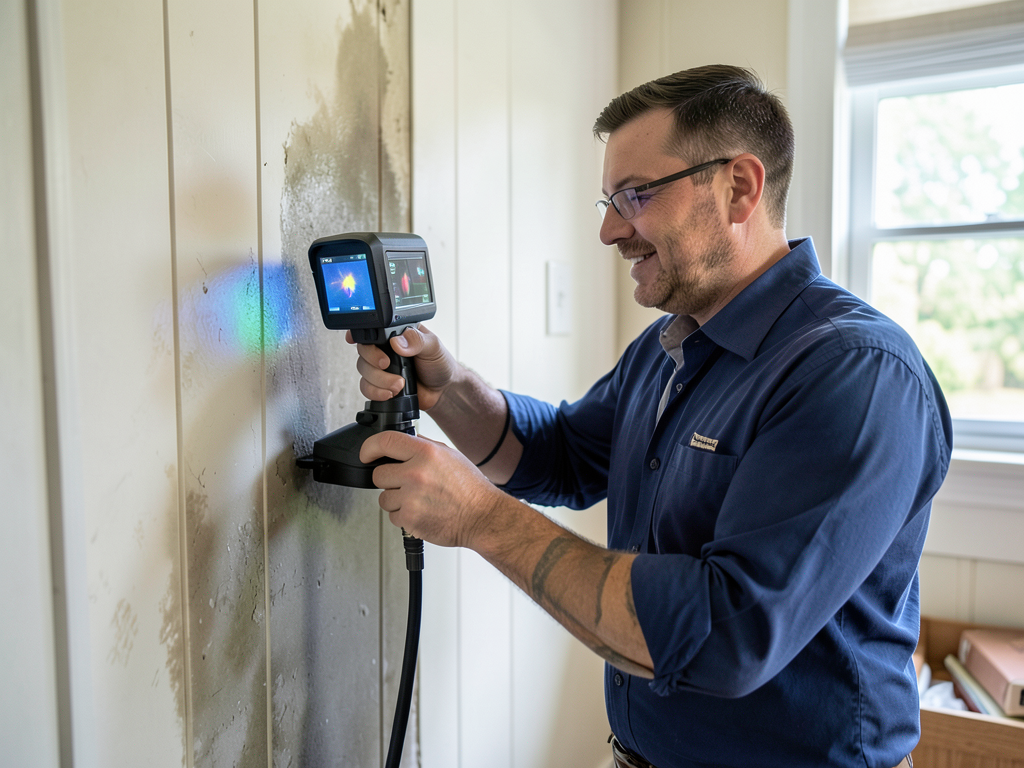
Our technicians use moisture mapping equipment to identify hidden water intrusion points. Thermal imaging cameras detect temperature differentials behind walls where condensation accumulates. Hygrometers measure ambient and material-specific moisture content to establish drying benchmarks. We locate the moisture source, whether it is roof penetration, plumbing failure, or HVAC condensate overflow, before beginning mold abatement.

We follow IICRC S520 standards for mold remediation, which mandate source removal rather than encapsulation. Our crews remove contaminated materials, including drywall, insulation, and ceiling tiles, and dispose of them according to Wayne County waste management regulations. We treat structural framing with antimicrobial applications, then verify clearance with third-party air sampling before reconstruction begins.

Commercial mold mitigation also requires documentation for insurance claims and regulatory compliance. We photograph pre-loss conditions, track moisture readings throughout the drying process, and provide chain-of-custody records for all disposed materials. This documentation protects you during audits, lease disputes, and liability reviews. We coordinate directly with your insurance adjuster to expedite claims processing and reduce out-of-pocket expenses.

What Happens During a Commercial Mold Remediation Project

Commercial Mold Remediation in Detroit – Minimize Downtime and Protect Your Bottom Line
01

Initial Assessment and Containment

Our crew inspects your facility within four hours of contact. We establish the contamination perimeter, quantify affected square footage, and identify structural vulnerabilities. Containment barriers go up immediately to prevent spore migration into clean zones. We shut down HVAC systems serving affected areas and install HEPA-filtered negative air machines to create airflow away from occupied spaces. You receive a written scope of work and project timeline before remediation begins.
02

Source Removal and Decontamination

Technicians remove all porous materials colonized by mold, including drywall, insulation, carpet, and acoustic tiles. Non-porous surfaces like metal studs and concrete receive HEPA vacuuming followed by antimicrobial treatment. We address the underlying moisture source, whether that requires sealing foundation cracks, repairing roof membranes, or replacing failed plumbing components. All contaminated debris is bagged, labeled, and removed from the premises in compliance with Michigan waste transport regulations.
03

Clearance Testing and Restoration

After remediation, we conduct post-remediation verification through independent air sampling. Lab results confirm spore counts have returned to baseline levels before we authorize reconstruction. Our crews rebuild removed assemblies using mold-resistant materials, including green board drywall and closed-cell insulation. We document the entire process with time-stamped photos and moisture logs. You receive a final report suitable for regulatory filings, insurance claims, and tenant communications.

Why Detroit Businesses Choose Ironwood for Commercial Mold Abatement

We understand Detroit's commercial real estate landscape. Properties in Eastern Market, New Center, and Corktown face unique challenges tied to building age, construction methods, and occupancy patterns. Our technicians have remediated mold in cold storage facilities, automotive suppliers, hospitality properties, and multi-tenant office buildings across Wayne County. We know how to navigate Detroit's commercial building codes and coordinate with local inspectors to expedite permit approvals.

Business mold remediation cannot follow a residential timeline. You need crews that work overnight shifts, coordinate around delivery schedules, and minimize disruption to tenants. Ironwood schedules work in phases to maintain partial occupancy during remediation. We provide temporary barriers, alternative access routes, and clear signage to keep your operations running. Our project managers communicate daily with your facilities team to adjust schedules based on business needs.

We maintain relationships with Detroit-area industrial hygienists, environmental consultants, and commercial general contractors. When your project requires structural engineering review or mechanical system upgrades, we coordinate those services without adding markup. Our goal is to return your property to service as quickly as possible while ensuring full regulatory compliance.

Detroit's commercial insurance market demands thorough documentation. We provide detailed estimates that break down labor, materials, and equipment costs by line item. Our invoices align with Xactimate pricing standards used by major carriers. We communicate directly with adjusters, participate in site inspections, and provide supplemental documentation when claims require additional justification. This reduces your administrative burden and accelerates claim resolution.

What to Expect When You Contact Ironwood for Commercial Mold Remediation

Rapid Mobilization and Containment

We dispatch a project manager and crew within four hours of your call. Initial containment and assessment occur the same day. You receive a written scope of work within 24 hours that outlines affected areas, required demolition, and estimated project duration. Most commercial mold remediation projects in Detroit complete within five to ten business days, depending on contamination extent and building access. We schedule work around your operational hours to minimize revenue impact and coordinate with your property management team to communicate timelines to tenants.

Comprehensive Moisture and Mold Assessment

Our initial inspection uses thermal imaging, moisture meters, and visual assessment to map contamination boundaries. We identify the water source, whether it is roof leakage, plumbing failure, or HVAC malfunction, and document pre-loss conditions with photographs and diagrams. Air sampling establishes baseline spore counts for comparison after remediation. You receive a detailed assessment report that includes moisture readings, affected materials inventory, and recommended remediation protocols. This documentation supports insurance claims and provides a roadmap for remediation work.

Certified Clearance and Full Restoration

We do not consider a project complete until independent air sampling confirms spore counts have returned to normal levels. Third-party lab results verify that your facility meets Michigan indoor air quality standards before we begin reconstruction. Our crews rebuild using mold-resistant materials and coordinate final inspections with Detroit building officials. You receive a comprehensive project file that includes all moisture logs, air sampling results, disposal manifests, and as-built documentation. This record protects you during future lease negotiations, property sales, and regulatory audits.

Ongoing Moisture Management and Prevention

Commercial mold remediation is only effective if you address underlying moisture problems. We provide recommendations for HVAC upgrades, improved ventilation, and building envelope repairs that prevent future outbreaks. Our team can establish quarterly moisture inspections for high-risk areas like basements, mechanical rooms, and loading docks. We also offer emergency response contracts that guarantee priority service during water intrusion events. Preventive maintenance reduces long-term remediation costs and protects your property value across the ownership lifecycle.

Frequently Asked Questions

You Have Questions,
We Have Answers

What do professionals use for mold remediation? +

Professionals use HEPA-rated air scrubbers to capture airborne spores, antimicrobial treatments to kill surface colonies, and containment barriers to prevent cross-contamination during removal. Commercial remediation teams deploy moisture meters and infrared cameras to locate hidden growth behind walls or above ceilings. They apply EPA-registered fungicides after physical removal and use industrial dehumidifiers to eliminate moisture sources. Detroit's older commercial buildings often require specialized techniques for brick and masonry structures. Technicians wear full PPE and negative air machines maintain pressure differentials. The process includes documentation for insurance and compliance with Michigan health codes.

How much does it cost to professionally get rid of mold? +

Commercial mold remediation varies based on square footage, contamination severity, and structural access. Small confined areas run lower than widespread contamination across multiple floors. Detroit properties built before 1980 often require asbestos testing before remediation begins, adding to project scope. HVAC system contamination increases costs due to ductwork cleaning or replacement. Water damage repair, structural drying, and post-remediation air quality testing factor into final pricing. Commercial projects require business interruption planning and after-hours work to minimize downtime. Request a site assessment with moisture mapping and scope documentation before budgeting.

How much does professional mold removal cost? +

Professional mold removal costs depend on contamination extent, building materials affected, and accessibility challenges. A single room costs less than multi-floor contamination requiring containment zones and extensive air filtration. Detroit's climate creates moisture issues in basements and flat commercial roofs, often requiring structural repairs alongside remediation. Labs charge separately for air quality testing and clearance verification. Emergency response for active leaks costs more than scheduled remediation. Commercial properties need documentation for liability protection and tenant health compliance. Get three detailed estimates with scope breakdowns, not single-line quotes.

What is commercial mold remediation? +

Commercial mold remediation is the systematic removal and prevention of fungal growth in business properties while maintaining operations and meeting code requirements. It differs from residential work through scale, liability concerns, and regulatory compliance. Detroit commercial buildings require coordination with property managers, tenants, and health departments. The process includes containment, HEPA filtration, physical removal, antimicrobial treatment, and verification testing. Technicians address moisture sources like HVAC condensation, roof leaks, or foundation seepage common in older Detroit structures. Documentation protects against tenant claims and satisfies insurance requirements. Business continuity planning minimizes revenue loss during remediation.

What kills mold permanently? +

Nothing kills mold permanently without eliminating the moisture source. Professionals remove visible growth, apply EPA-registered antimicrobials, and fix water intrusion points. Mold requires moisture to survive, so controlling humidity below 60 percent and repairing leaks prevents regrowth. Detroit's humidity fluctuations and aging commercial infrastructure demand ongoing moisture management. HVAC maintenance, proper ventilation, and building envelope repairs provide long-term control. Surface treatments alone fail without addressing condensation on pipes, roof leaks, or groundwater seepage. Commercial properties need moisture monitoring systems and maintenance protocols to prevent recurrence and protect tenant health.

How do Japanese bathrooms not get mold? +

Japanese bathrooms resist mold through ventilation design, quick-drying materials, and drainage systems that eliminate standing water. They use waterproof wall panels instead of porous tile grout, install powerful exhaust fans that run continuously, and design floors with steep slopes toward drains. Detroit commercial buildings can apply these principles by upgrading ventilation systems, using mold-resistant materials during renovations, and improving drainage. Regular squeegee use after water exposure and dehumidification prevent moisture accumulation. Commercial restrooms benefit from touchless fixtures that reduce water splashing and automated ventilation controls. Prevention costs less than remediation.

Can black mold be fully remediated? +

Black mold can be fully remediated when professionals remove contaminated materials, treat affected surfaces, and eliminate moisture sources. Stachybotrys chartarum requires aggressive removal because it penetrates porous materials like drywall and insulation. Detroit's older commercial buildings often hide black mold behind walls near plumbing or roof penetrations. HEPA vacuuming removes spores from surfaces, antimicrobials treat structural materials, and air scrubbers capture airborne contamination. Post-remediation testing verifies clearance. Success requires fixing leaks, controlling humidity, and monitoring vulnerable areas. Cutting corners leads to regrowth and increased liability exposure for commercial property owners.

Is professional mold removal worth it? +

Professional mold removal is worth it for commercial properties due to liability protection, tenant health requirements, and asset value preservation. DIY attempts spread contamination, violate health codes, and create legal exposure if tenants develop respiratory issues. Detroit commercial landlords face strict disclosure requirements and potential lawsuits from inadequate remediation. Professionals provide documentation, insurance compliance, and verified clearance testing. The cost of proper remediation is lower than tenant litigation, property devaluation, or code violations. Business interruption from widespread contamination exceeds professional remediation costs. Licensed contractors carry insurance and follow IICRC standards.

Is mold remediation tax deductible? +

Mold remediation is tax deductible for commercial properties as a repair expense when restoring property to pre-damage condition. The IRS allows deductions for maintaining rental property and preventing further deterioration. Detroit commercial landlords can deduct remediation costs in the year incurred rather than capitalizing them as improvements. Document the remediation as necessary maintenance, not an upgrade. If remediation accompanies major renovations or improvements, portions may require capitalization and depreciation. Consult a tax professional familiar with Michigan commercial property rules. Keep detailed invoices, scope documentation, and before-after reports for audit protection.

Can you permanently get rid of black mold? +

You can permanently eliminate black mold by removing contaminated materials, killing remaining spores with antimicrobials, and preventing moisture return. Black mold grows on cellulose materials when relative humidity exceeds 70 percent for extended periods. Detroit commercial buildings need roof maintenance, foundation waterproofing, and HVAC humidity control to prevent regrowth. Professionals remove drywall, insulation, and ceiling tiles that harbor deep growth. Surface cleaning alone fails because roots penetrate porous materials. Fix plumbing leaks, improve ventilation, and monitor humidity levels. Permanent elimination requires ongoing moisture management and building maintenance protocols.

How Detroit's Industrial Legacy and Great Lakes Climate Drive Commercial Mold Risk

Detroit's proximity to the Detroit River and Lake St. Clair creates year-round humidity that commercial HVAC systems struggle to manage. Many industrial and warehouse buildings in Southwest Detroit and along the Jefferson Avenue corridor were constructed during the mid-20th century with minimal vapor barriers and outdated ventilation designs. These structures trap moisture in wall cavities and below-grade spaces, creating ideal conditions for mold colonization. Winter freeze-thaw cycles compound the problem by causing foundation cracks and roof membrane failures that allow water intrusion during spring thaw events.

Detroit's commercial building codes have evolved significantly since the city's industrial peak, but enforcement varies across jurisdictions. Properties in the Central Business District face stricter oversight than those in outlying industrial zones. Ironwood Water Damage Restoration Detroit maintains current knowledge of Wayne County health department protocols and coordinates directly with local inspectors to ensure remediation work meets all regulatory requirements. Our familiarity with Detroit's commercial real estate market allows us to navigate permit processes efficiently and avoid delays that extend business downtime.
Water Damage Restoration Services in The Detroit Area

Conveniently located to serve the Detroit area, Ironwood is always ready to respond to your water damage emergencies. Explore our service area on the map below or contact us directly to discuss your specific needs. We’re committed to providing prompt, professional service wherever you are within our operational zone, ensuring rapid deployment and effective restoration solutions when you need them most.

Address:
Ironwood Water Damage Restoration Detroit, 15324 Mack Ave, Detroit, MI, 48230

Additional Services We Offer

Our news updates

Latest Articles & News from The Blogs

A slow leak behind a Royal Oak bathroom wall can go unnoticed for weeks. By the time you smell mildew…

Why Smart Leak Detectors Are Worth Every Penny for Your Royal Oak Rental Property

A slow leak behind a Royal Oak bathroom wall can go unnoticed for weeks. By the time you smell mildew…

Why Your Whole House Humidifier in Warren Might Be Ruining Your Drywall

Your furnace runs all winter. Your whole house humidifier works quietly behind the scenes. And somewhere behind that drywall in…

What Black Water Flooding Actually Does to Your Health (A Detroit Homeowner's Guide)

A sewage backup in your Detroit basement is not just a cleanup problem. It is a biohazard event. The water…

Contact Us

Call Ironwood Water Damage Restoration Detroit at (313) 572-5559 for immediate commercial mold remediation. We deploy within four hours and work around your schedule to minimize downtime. Protect your employees, tenants, and bottom line.