





menu

Fire Sprinkler Water Cleanup in Detroit – 24/7 Emergency Response and Immediate Water Extraction

When fire suppression systems discharge accidentally or burst, you need immediate fire sprinkler water removal to prevent catastrophic structural damage, mold growth, and electrical hazards across Detroit's commercial and residential properties.

Slider Image 1
Slider Image 2
Slider Image 3
Slider Image 4
Slider Image 5
Slider Image 7
Slider Image 8
Slider Image 9
Slider Image 10
Slider Image 11

Why Fire Sprinkler Discharges Cause More Damage Than You Think

A single sprinkler head discharges 15 to 30 gallons of water per minute. When one activates accidentally or a pipe bursts in Detroit's aging building stock, you face thousands of gallons flooding floors, walls, and electronics within minutes.

Detroit's older commercial buildings and multi-family structures contain fire suppression systems installed decades ago. Freeze-thaw cycles from Michigan winters cause pipe joints to weaken. Corrosion builds inside the lines. When a head breaks or a valve fails, the result is not a trickle but a deluge.

The water from fire sprinklers sits stagnant in pipes for years. It carries rust, sediment, and biofilm. This contaminated discharge saturates drywall, seeps into subfloors, and spreads across ceilings. You have 24 to 48 hours before mold spores colonize wet materials.

Emergency sprinkler water removal requires industrial extraction equipment and vapor barriers to stop secondary damage. Accidental sprinkler discharge cleanup is not a mop-and-bucket job. The volume overwhelms standard shop vacuums. You need truck-mounted extractors pulling hundreds of gallons per hour.

Detroit's commercial districts see these incidents frequently. A warehouse worker bumps a head with a forklift. A tenant hangs decorations from a sprinkler pipe. The system discharges. Without immediate fire sprinkler water damage restoration, you lose inventory, face tenant displacement, and deal with insurance disputes over coverage limits.

Burst fire sprinkler flood remediation starts the moment you call. Every minute the water sits increases repair costs and extends your recovery timeline.

Why Fire Sprinkler Discharges Cause More Damage Than You Think
How We Execute Fire Suppression System Water Extraction

How We Execute Fire Suppression System Water Extraction

Fire suppression system water extraction requires a different approach than clean water removal. The discharge contains particulates and biological contaminants. We treat it as Category 2 gray water per IICRC S500 standards.

Our crews arrive with gas-powered extractors generating 500 CFM of airflow and submersible pumps rated for high-volume extraction. We establish containment zones using polyethylene sheeting to isolate affected areas and prevent cross-contamination to dry zones.

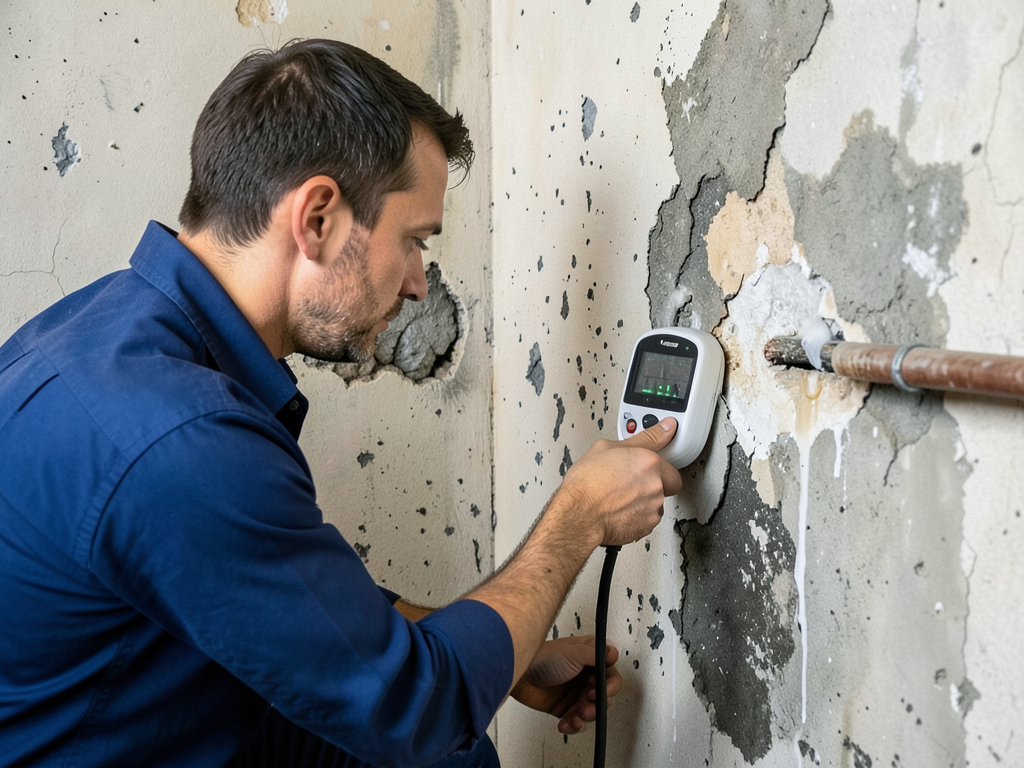
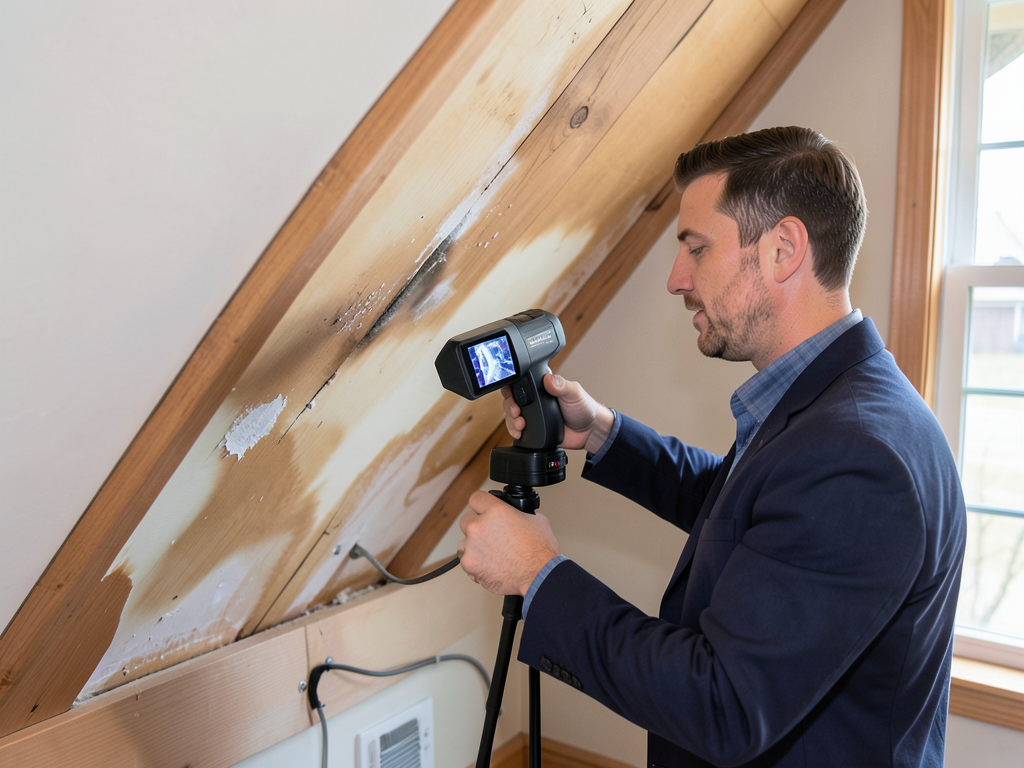
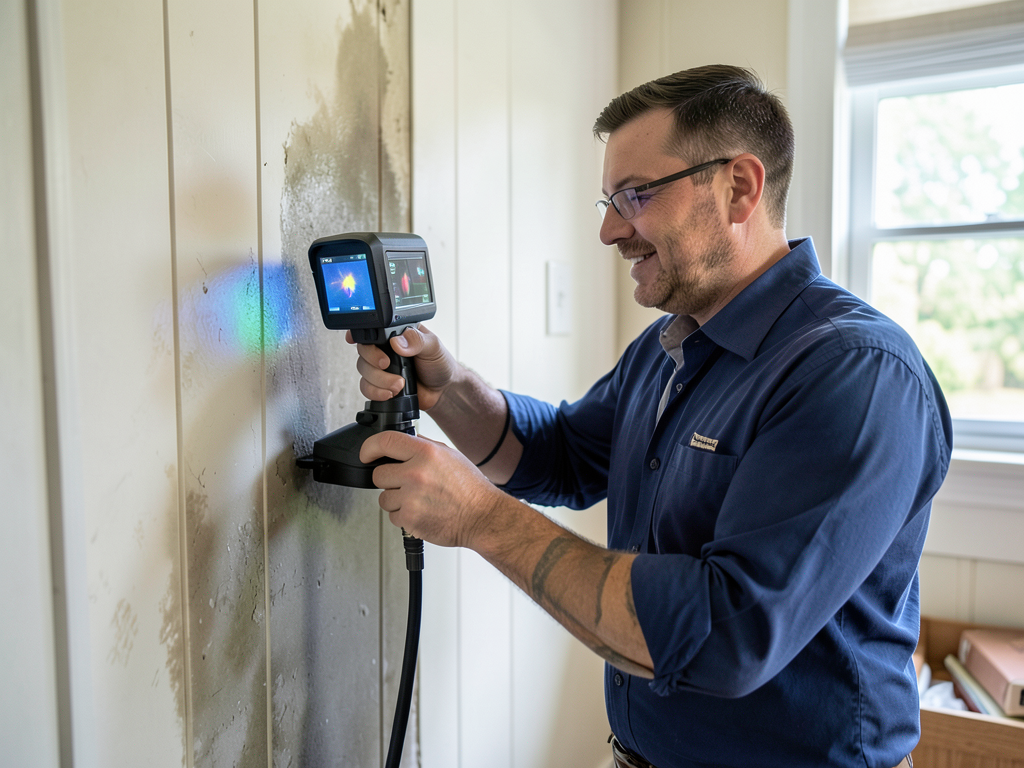
The first phase removes standing water. We deploy weighted extraction wands that pull water from carpet backing and pad. For hard surfaces, we use floor squeegees and vacuum heads designed for bulk removal. Speed determines outcome. We measure moisture levels using penetrating pin meters and non-invasive infrared scanners to map saturation beyond visible wet areas.

Phase two addresses structural cavities. Sprinkler water migrates into wall assemblies and ceiling plenums. We drill weep holes at baseboards to drain trapped water. Low-grain refrigerant dehumidifiers pull moisture from the air while axial air movers create circulation across wet surfaces. We monitor dew point and grain depression to ensure drying progresses without stalling.

We document moisture readings every 12 hours. When materials reach equilibrium moisture content, we verify with moisture meters calibrated to ASTM standards. This data supports your insurance claim and proves completion.

Detroit's commercial properties often require coordination with building engineers to isolate sprinkler zones and depressurize affected lines. We work directly with your fire suppression contractor to restore system functionality after cleanup. Our goal is operational continuity, not just water removal.

What Happens When You Call for Emergency Sprinkler Cleanup

Fire Sprinkler Water Cleanup in Detroit – 24/7 Emergency Response and Immediate Water Extraction
01

Immediate Dispatch and Assessment

You call our emergency line. We dispatch a crew within 60 minutes to your Detroit location. The team leader conducts a visual inspection, identifies the discharge source, and determines the extent of water migration. We photograph affected areas, measure moisture levels in floors and walls, and establish a containment perimeter to prevent further spread while extraction equipment is staged.
02

High-Volume Water Extraction

Truck-mounted extractors and submersible pumps remove standing water from all affected surfaces. We extract water from carpets, tile, concrete, and wood subfloors using weighted wands and floor tools. Technicians monitor extraction progress with moisture meters, targeting readings below 15 percent moisture content in wood and 5 percent in concrete. Contaminated water is disposed of according to local wastewater regulations.
03

Structural Drying and Verification

Industrial dehumidifiers and air movers run continuously to dry structural materials and building contents. We monitor temperature, humidity, and moisture levels every 12 hours, adjusting equipment placement to maximize efficiency. Once materials reach dry standard per IICRC guidelines, we conduct final verification testing, document completion with moisture maps, and provide a certificate of drying for your insurance carrier and property records.

Why Detroit Property Owners Choose Ironwood for Sprinkler Water Emergencies

Detroit's building landscape includes historic properties with plaster walls, mid-century commercial buildings with terrazzo floors, and modern structures with engineered lumber. Each construction type responds differently to water intrusion. We adapt extraction and drying protocols to match your building's materials and age.

Our technicians hold IICRC Water Damage Restoration certifications and receive ongoing training in fire suppression system water cleanup. We understand how sprinkler discharge differs from burst pipes or roof leaks. The contamination level, discharge volume, and pressure characteristics require specialized handling.

We maintain relationships with Detroit's commercial fire suppression contractors and building engineers. When a sprinkler system discharges, you often need valve isolation, pipe repairs, and system testing before restoration can proceed. We coordinate these steps to minimize downtime and avoid delays.

Insurance claims for fire sprinkler water damage can be complex. Policies often separate fire suppression incidents from standard water damage coverage. We document the source, provide detailed moisture mapping, and submit findings in formats adjusters require. This reduces claim disputes and speeds reimbursement.

Our equipment inventory includes truck-mounted extractors, low-grain refrigerant dehumidifiers, and thermal imaging cameras. We do not rent equipment or rely on residential-grade tools. When you face thousands of gallons of discharge in a Detroit office building or apartment complex, capacity matters.

We operate 24 hours a day because sprinkler emergencies do not follow business hours. A Sunday night discharge at a Midtown restaurant or a 3 a.m. pipe burst in a Corktown loft gets the same response time and resource deployment as a weekday incident.

What to Expect During Fire Sprinkler Water Cleanup

Response Time and Availability

We dispatch crews to Detroit locations within 60 minutes of your call, 24 hours a day. Emergency sprinkler water removal cannot wait for morning. The first hour determines whether you face a cleanup project or a total reconstruction. Our teams carry extraction equipment on every truck, eliminating the need to return to a shop for tools. You get immediate action, not scheduling delays or callbacks. We staff multiple crews to handle simultaneous incidents across Detroit's metro area without resource conflicts.

Initial Assessment and Damage Mapping

The crew leader conducts a room-by-room evaluation using moisture meters and thermal imaging cameras. We measure moisture levels in floors, walls, and ceilings to identify hidden saturation. You receive a verbal briefing on affected areas, estimated drying time, and equipment requirements. We photograph damage for insurance documentation and map moisture readings on floor plans. This assessment takes 20 to 30 minutes and provides the data needed to authorize restoration and file accurate claims.

Drying Results and Completion Standards

We dry your property to IICRC S500 standards, which specify moisture content targets for each material type. Drywall must reach 12 percent moisture content. Wood framing must drop below 15 percent. Concrete slabs must hit 5 percent or lower. We verify these readings with calibrated meters before removing equipment. You receive a certificate of completion documenting final moisture levels, drying duration, and equipment used. This certificate satisfies insurance requirements and building inspectors if permits were pulled.

Post-Cleanup Monitoring and Prevention

After equipment removal, we conduct a follow-up inspection within 72 hours to verify materials remain dry and no secondary moisture issues developed. We provide recommendations for fire suppression system maintenance, including valve inspections and pressure testing schedules. If you need ongoing monitoring for insurance purposes or tenant assurance, we offer environmental data logging that tracks humidity and temperature for 30 days post-restoration. This service prevents disputes over mold claims and provides peace of mind.

Frequently Asked Questions

You Have Questions,
We Have Answers

Is fire sprinkler water clean? +

No, fire sprinkler water is not clean. Water sits stagnant in pipes for years, collecting rust, bacteria, sediment, and biofilm. When a sprinkler activates in your Detroit property, this contaminated water floods your space. The water often smells foul and appears dark or rusty. It can damage floors, walls, furniture, and belongings. Worse, the prolonged moisture creates mold growth within 24 to 48 hours. You need immediate extraction and professional drying. Do not attempt cleanup yourself. Call a certified water damage restoration company now to prevent permanent damage and health hazards.

What is the 3x rule for sprinklers? +

The 3x rule for sprinklers means you need three times the clear space around each sprinkler head. Keep 18 inches of clearance on all sides to prevent obstruction. This rule ensures proper water distribution during activation. In Detroit warehouses, offices, and apartment buildings, stacked boxes, hanging decor, or shelving often violate this code. Blocked sprinklers fail to cover their designed area, leaving portions of your property unprotected during a fire. Worse, when a blocked sprinkler activates, water damage concentrates in one area instead of dispersing. Inspect your sprinkler clearances regularly to stay compliant and safe.

How often do sprinkler systems need to be flushed? +

Fire sprinkler systems should be flushed annually during routine maintenance. NFPA 25 requires quarterly inspections and annual testing, which includes flushing stagnant water from pipes. Detroit buildings with older systems need this more often due to pipe corrosion from freeze-thaw cycles and aging infrastructure. Flushing removes sediment, rust, and bacteria buildup. Skipping this maintenance leads to contaminated water flooding your property during activation. If your system just discharged, call a restoration team immediately. The longer that dirty water sits, the more damage it causes. Regular flushing prevents some contamination, but emergency cleanup still requires professionals.

How to drain water from a fire sprinkler system? +

Draining a fire sprinkler system requires a licensed fire protection contractor. Never attempt this yourself. The technician closes the main valve, opens drain valves at low points in the system, and uses compressed air to clear remaining water. In Detroit, this process must follow NFPA codes and local fire marshal regulations. If your sprinkler discharged accidentally, you need two separate crews. First, call a restoration company to extract standing water and begin drying. Second, contact a sprinkler contractor to drain, inspect, and refill the system. Do not delay. Water damage worsens every hour.

Why does fire sprinkler water smell bad? +

Fire sprinkler water smells bad because it sits stagnant in pipes for years. Bacteria, rust, sediment, and biofilm accumulate inside the system. When a sprinkler activates in your Detroit building, this rotten water floods your space. The smell resembles sewage or sulfur. The odor penetrates porous materials like drywall, carpet, and furniture. Simply airing out the space will not work. You need professional extraction, antimicrobial treatment, and deodorization. The contaminated water also poses health risks. Do not ignore the smell. Call a certified water damage restoration company immediately to prevent mold growth and permanent odor problems.

Should you still water your lawn in October? +

This question does not relate to fire sprinkler water cleanup. If your fire sprinkler system discharged and flooded your Detroit property, stop reading about lawn care and call a water damage restoration company now. Every minute counts. Contaminated sprinkler water damages floors, walls, and belongings. Mold starts growing within 24 hours. You need immediate extraction, drying, and antimicrobial treatment. Do not wait. The longer water sits, the more expensive repairs become. Focus on protecting your property. Get professional help immediately. Your lawn can wait. Your building cannot.

What is the 18 rule for fire sprinklers? +

The 18 inch rule for fire sprinklers requires 18 inches of clearance below each sprinkler head. Nothing can obstruct this space. No storage, shelving, hanging items, or equipment. This clearance ensures proper water spray pattern during activation. Detroit warehouses, retail stores, and apartment buildings frequently violate this code with stacked inventory or suspended decor. Blocked sprinklers concentrate water discharge, causing severe flooding in one area instead of even coverage. If your sprinkler activated and caused water damage, call a restoration company immediately. Obstruction likely worsened the flooding. You need fast extraction and drying to prevent mold and structural damage.

Will vaping set off a sprinkler system? +

No, vaping will not set off a fire sprinkler system. Sprinklers activate from heat, not smoke or vapor. Each head contains a glass bulb or fusible link that breaks at a specific temperature, typically 135 to 165 degrees Fahrenheit. Vape clouds do not generate enough heat to trigger activation. Smoke detectors may react to vapor, but sprinklers will not. If a sprinkler discharged in your Detroit property, it resulted from actual heat exposure, pipe damage, or accidental impact. You need immediate water extraction and drying. Call a certified restoration company now to prevent mold growth and structural damage.

What is the NFPA rule for sprinkler obstruction? +

NFPA 13 and NFPA 25 require 18 inches of clearance below sprinkler heads and proper spacing around each head to prevent obstruction. Any object blocking the spray pattern violates code. In Detroit commercial buildings, common violations include stacked inventory, hanging signs, suspended ceilings installed too low, and HVAC ducts placed incorrectly. Obstructions prevent proper water distribution during fires and concentrate discharge, causing severe flooding. If your system activated and caused water damage, obstructions likely worsened the problem. You need immediate professional extraction and drying. Call a water damage restoration company now to prevent mold and structural failure.

What is the life expectancy of a fire sprinkler system? +

Fire sprinkler systems last 50 to 100 years with proper maintenance, but individual components need replacement sooner. Sprinkler heads last 20 to 50 years. Pipes corrode faster in Detroit due to freeze-thaw cycles and aging infrastructure in older buildings. Wet pipe systems require more frequent inspection than dry systems. If your system discharged and flooded your property, age may have contributed to pipe failure or corrosion. Right now, you need immediate water extraction and drying. Call a certified water damage restoration company before mold grows. System longevity does not matter when contaminated water is destroying your building.

How Detroit's Aging Fire Suppression Systems Increase Discharge Risk

Detroit's commercial and multi-family building stock includes structures built in the 1920s through 1960s with original fire suppression systems. These systems use black iron pipe that corrodes over time, especially in buildings without climate control. Michigan's freeze-thaw cycles cause pressure fluctuations that weaken pipe joints. Many Detroit properties lack backflow preventers, allowing sediment and debris into sprinkler lines. When a head activates or a pipe coupling fails, the discharge volume exceeds what modern systems produce because older designs lack flow restrictors. Fire sprinkler water damage restoration in Detroit often involves removing rust-stained water from hardwood floors, plaster walls, and vintage tile that cannot be replaced.

Detroit property owners benefit from working with restoration contractors who understand local building codes and historical construction methods. The city's inspection requirements for fire suppression systems have tightened, but many older buildings remain under legacy code provisions. We coordinate with Detroit Fire Department inspectors and local fire suppression contractors to ensure cleanup meets current standards without triggering costly system upgrade mandates. Our familiarity with Detroit's commercial districts, from Eastern Market warehouses to downtown high-rises, allows us to navigate permit requirements and restore properties efficiently while maintaining code compliance.
Water Damage Restoration Services in The Detroit Area

Conveniently located to serve the Detroit area, Ironwood is always ready to respond to your water damage emergencies. Explore our service area on the map below or contact us directly to discuss your specific needs. We’re committed to providing prompt, professional service wherever you are within our operational zone, ensuring rapid deployment and effective restoration solutions when you need them most.

Address:
Ironwood Water Damage Restoration Detroit, 15324 Mack Ave, Detroit, MI, 48230

Additional Services We Offer

Our news updates

Latest Articles & News from The Blogs

A slow leak behind a Royal Oak bathroom wall can go unnoticed for weeks. By the time you smell mildew…

Why Smart Leak Detectors Are Worth Every Penny for Your Royal Oak Rental Property

A slow leak behind a Royal Oak bathroom wall can go unnoticed for weeks. By the time you smell mildew…

Why Your Whole House Humidifier in Warren Might Be Ruining Your Drywall

Your furnace runs all winter. Your whole house humidifier works quietly behind the scenes. And somewhere behind that drywall in…

What Black Water Flooding Actually Does to Your Health (A Detroit Homeowner's Guide)

A sewage backup in your Detroit basement is not just a cleanup problem. It is a biohazard event. The water…

Contact Us

Call Ironwood Water Damage Restoration Detroit now at (313) 572-5559. We dispatch emergency crews 24/7 across Detroit. Every minute counts when fire suppression systems discharge. Get immediate extraction and professional drying.