




menu

Flood Cleanup & Extraction in Detroit – 24/7 Emergency Response with Direct Insurance Billing

When flooding strikes your Detroit property, every minute counts. Ironwood Water Damage Restoration Detroit delivers rapid flood cleanup and extraction services with certified water mitigation technicians who understand Michigan's unique flood risks and work directly with your insurance carrier.

Slider Image 1
Slider Image 2
Slider Image 3
Slider Image 4
Slider Image 5
Slider Image 7
Slider Image 8
Slider Image 9
Slider Image 10
Slider Image 11

Why Detroit Properties Face Critical Flood Damage Risks

Detroit sits at the intersection of multiple flood risk factors that most property owners underestimate. The city's aging combined sewer system regularly overwhelms during spring snowmelt and heavy summer storms, pushing sewage and stormwater back into basements across neighborhoods from Corktown to East English Village. The Rouge River watershed drains over 467 square miles, making properties near its tributaries especially vulnerable to flash flooding.

Your foundation faces a double threat. Detroit's clay-heavy soil expands when saturated, creating hydrostatic pressure that forces water through basement walls and floor joints. When temperatures swing from below freezing to 40 degrees in 24 hours, frozen ground cannot absorb rapid snowmelt. The water has nowhere to go except into your lowest level.

Flood damage escalates fast. Within the first hour, water saturates drywall, carpet pad, and wooden subflooring. By hour 24, mold spores activate. By 48 hours, structural wood begins to swell and warp. Emergency water extraction must begin immediately to prevent Category 2 or Category 3 contamination from spreading through your HVAC system.

The flood damage restoration process requires specialized extraction equipment and moisture mapping technology that most property owners do not own. Standing water creates electrical hazards, compromises structural integrity, and turns your basement into a biohazard zone. Water removal services need to happen now, not tomorrow.

Detroit homeowners who delay professional water mitigation services face insurance claim denials for secondary damage that could have been prevented with immediate action.

Why Detroit Properties Face Critical Flood Damage Risks
How Professional Flood Cleanup Prevents Structural Failure

How Professional Flood Cleanup Prevents Structural Failure

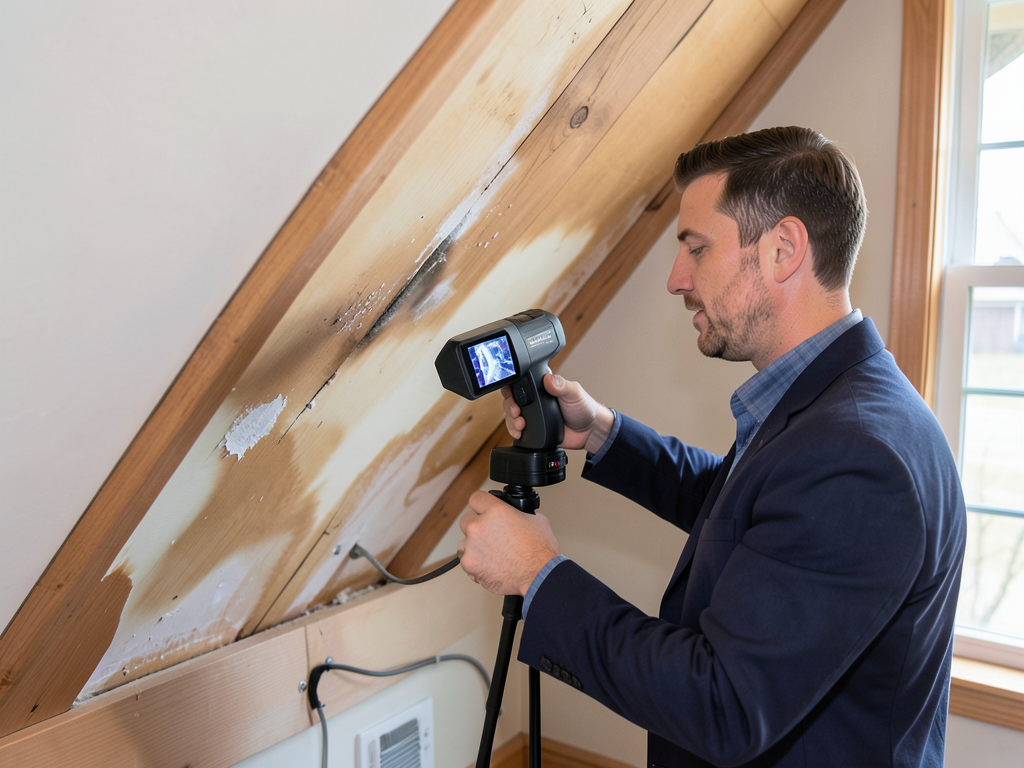
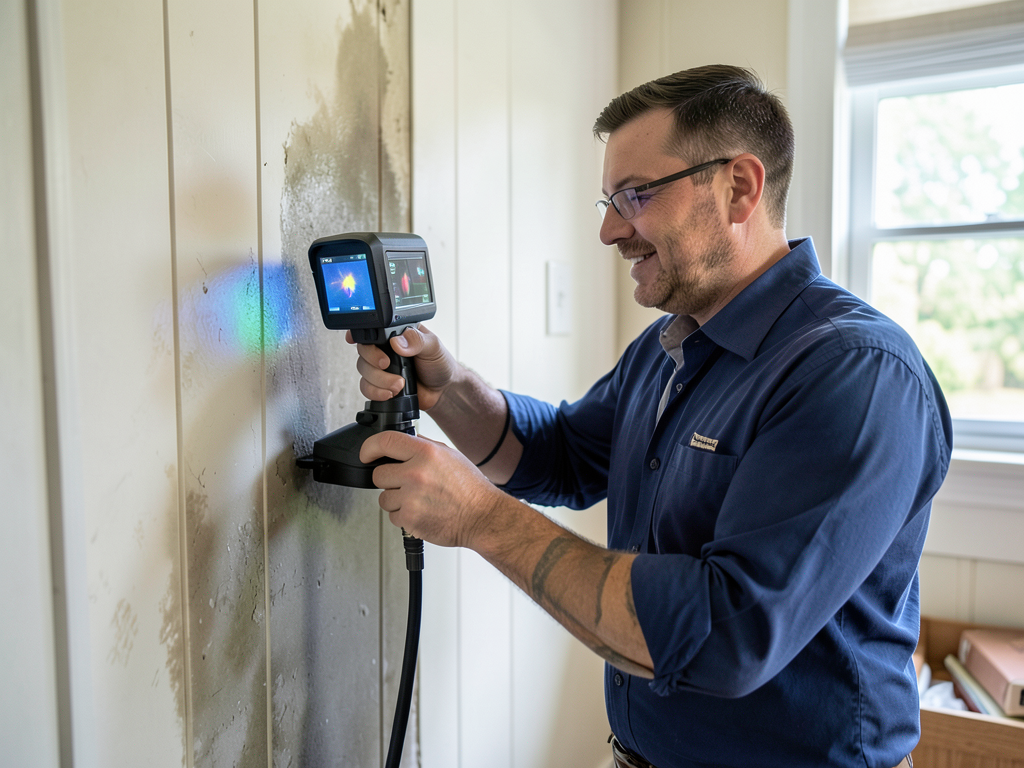
Effective water damage cleanup follows a precise damage assessment protocol that addresses both visible water and hidden moisture reservoirs. Ironwood Water Damage Restoration Detroit deploys truck-mounted extraction units capable of removing thousands of gallons per hour, paired with thermal imaging cameras that identify moisture trapped inside wall cavities and beneath flooring systems.

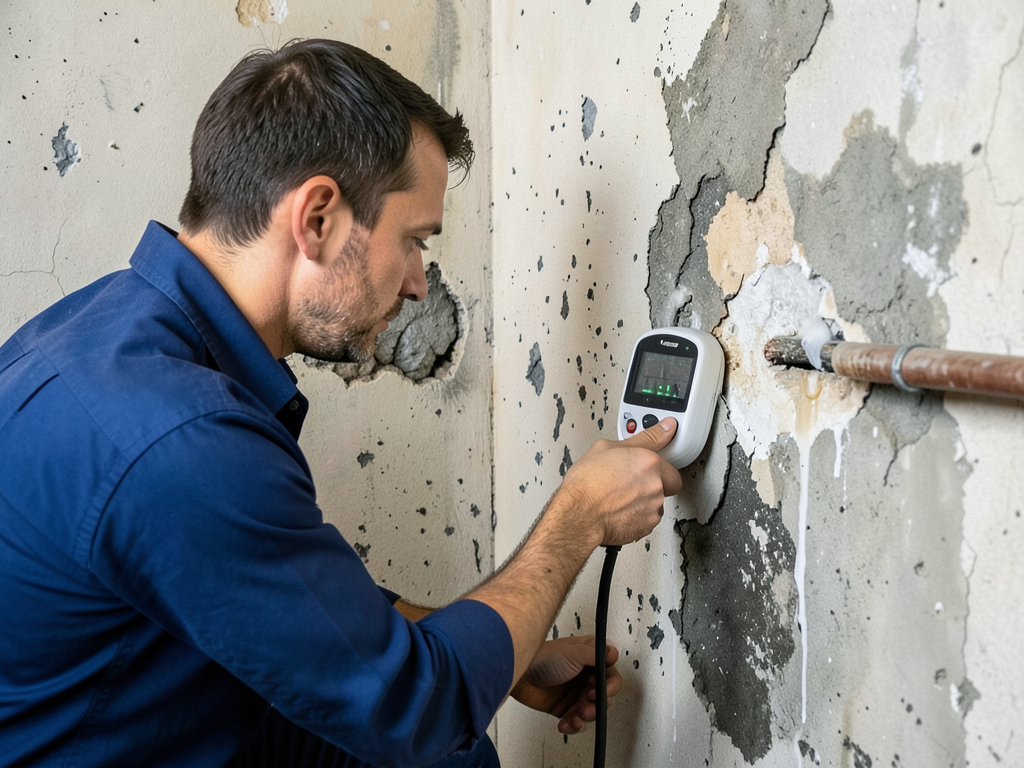
We measure moisture content using penetrating pin meters and non-invasive scanning meters calibrated to industry standards. Your concrete slab may read dry on the surface while holding 8 percent moisture content three inches down. That trapped moisture will wick into baseboards, create efflorescence on foundation walls, and feed mold colonies you cannot see.

Our extraction approach removes free-standing water first, then addresses bound water using commercial dehumidifiers rated for specific grain depression. Detroit's variable humidity requires adjustment throughout the drying cycle. We do not just run equipment and leave. Technicians return every 12 hours to measure progress using psychrometric calculations that track temperature, relative humidity, and dew point.

Flood water often carries contaminants. Basement floods sourced from sewer backups require antimicrobial treatment and disposal of porous materials that cannot be sanitized. We follow IICRC S500 standards for water damage restoration, which classify water by contamination level and dictate appropriate remediation procedures.

Your subfloor needs focused attention. Plywood and OSB sheathing delaminates when moisture content exceeds 19 percent. We use injectidry systems that force heated air between flooring layers, pulling moisture out from the inside rather than waiting for surface evaporation. This prevents the floor replacement that results from improper drying techniques.

What Happens During Emergency Flood Extraction

Flood Cleanup & Extraction in Detroit – 24/7 Emergency Response with Direct Insurance Billing
01

Immediate Water Removal

Our crew arrives within 60 minutes with truck-mounted extractors and submersible pumps. We establish safe electrical zones, identify the water source, and begin high-volume extraction to remove standing water from all affected areas. Technicians document pre-loss conditions with photos and moisture readings that support your insurance claim from the first moment we arrive on site.
02

Structural Moisture Mapping

After removing visible water, we use thermal imaging and moisture meters to map hidden saturation in walls, subfloors, and insulation. This creates a drying plan specific to your property's construction type and the flood's severity. We place air movers and dehumidifiers based on airflow dynamics and moisture load calculations, not guesswork, to achieve complete structural drying.
03

Monitoring and Verification

Technicians return every 12 hours to measure moisture reduction and adjust equipment placement. Drying is complete when all materials reach their dry standard moisture content, verified through meter readings and visual inspection. We provide your insurance adjuster with a complete drying log that documents the entire mitigation process, protecting you from claim disputes or coverage gaps.

Why Detroit Property Owners Choose Local Flood Mitigation Experts

National franchise operations do not understand Detroit's specific flood vulnerabilities. Ironwood Water Damage Restoration Detroit responds to properties throughout Wayne County with technicians who know which neighborhoods flood during Rouge River overflow events and which basements flood from the overtaxed municipal sewer system. That knowledge determines our extraction strategy before we arrive.

We maintain relationships with Detroit-area insurance adjusters and understand Michigan's property insurance requirements. When your adjuster needs documentation, we provide moisture readings, thermal images, and equipment logs in the format they require. We know which local carriers require three-day drying logs versus daily updates. This speeds your claim approval and gets restoration moving faster.

Our equipment inventory stays in Detroit, not three states away. When flooding hits multiple properties during the same storm event, you need a local company with enough extractors, air movers, and dehumidifiers to handle your job immediately. We do not put you on a waiting list while equipment gets shipped from a regional warehouse.

Detroit's building stock includes everything from 1920s brick bungalows to modern construction. Your home's structural drying requirements differ based on whether you have a poured concrete foundation or fieldstone, whether your subfloor is tongue-and-groove oak or particle board, and whether your walls contain plaster or drywall. We adjust our approach based on what we find, not a corporate protocol written for different construction types.

You will work with the same project manager from emergency call through final verification. No call centers, no handoffs to different divisions, no confusion about who is responsible for what.

What to Expect From Our Flood Cleanup Service

Emergency Response Time

We dispatch crews 24 hours a day, 365 days per year, with a target response time of 60 minutes or less for Detroit properties. When you call our emergency line, you speak directly with a technician who asks specific questions about your flooding situation and begins the insurance notification process while our crew drives to your location. Weekend floods get the same immediate response as weekday emergencies. We do not make you wait until Monday morning while water spreads through your property.

Initial Damage Assessment

The first technician on site performs a room-by-room evaluation that identifies all affected areas, measures moisture levels in structural materials, classifies the water contamination category, and photographs conditions for insurance documentation. This assessment takes 30 to 45 minutes and results in a written scope of work that outlines extraction requirements, estimated drying time, and equipment needs. You receive a copy before any work begins, and we review it with your insurance adjuster if they are available on site.

Complete Structural Drying

Your property is dry when moisture readings match the dry standard for each material type, not when the floor feels dry to the touch. Concrete slabs typically require five to seven days to reach dry standard. Hardwood subfloors may dry in three to four days with proper airflow. We do not remove equipment prematurely because that leads to secondary moisture damage and mold growth within 72 hours. Final verification includes written documentation that confirms successful drying and protects your insurance claim.

Post-Mitigation Support

After extraction and drying, we provide a detailed report for your insurance carrier that includes all moisture readings, equipment logs, and photo documentation. If your adjuster requires additional information or independent verification, we coordinate that process at no extra charge. We also explain which materials require replacement versus cleaning, helping you understand what the reconstruction phase will involve. Our relationship with your property does not end when the dehumidifiers leave. We remain available to answer adjuster questions throughout your entire claim process.

Frequently Asked Questions

You Have Questions,
We Have Answers

What is the average cost of remediation? +

Water damage remediation costs vary based on contamination level, affected square footage, and structural damage. Clean water extraction from a broken pipe costs less than sewage backup cleanup. In Detroit, basement flooding from heavy rains or aging infrastructure typically runs differently than roof leak remediation. Category 1 clean water incidents cost less than Category 3 contaminated water scenarios requiring antimicrobial treatment and material removal. Most projects involve extraction, drying, dehumidification, and restoration. Get a detailed inspection to understand your specific scope and cost factors before work begins.

How much does it cost to clean up a flooded basement? +

Basement flood cleanup costs depend on water volume, contamination source, and damage extent. A minor clean water incident affecting 500 square feet costs less than a major sewage backup requiring structural drying and mold prevention. Detroit basements often flood during spring thaw or heavy storms, and costs increase if foundation cracks need sealing or sump pumps fail. Professional extraction, industrial dehumidifiers, antimicrobial treatment, and damaged drywall removal all factor into the total. Insurance may cover portions depending on your policy and flood cause.

How much does disaster cleanup cost? +

Disaster cleanup costs depend on the event type, damage category, and affected area size. Water damage, fire restoration, storm damage, and sewage backups each require different equipment and protocols. In Detroit, basement flooding from infrastructure failures or storm surge requires different approaches than burst pipe emergencies. Category 3 contaminated water costs more due to safety protocols and disposal requirements. Structural drying, debris removal, sanitization, and restoration all contribute to final costs. Always get multiple assessments and verify insurance coverage before authorizing work.

Does flood insurance pay for clean up? +

Standard flood insurance through NFEMA typically covers structural damage and belongs cleanup, but coverage limits and exclusions vary. Policies usually cover water removal, debris extraction, and structural drying if flood damage is the documented cause. In Detroit, where flooding from heavy rains and infrastructure issues occurs frequently, review your policy carefully. Standard homeowners insurance does not cover flood events. Flood insurance requires separate purchase and often has waiting periods. Document all damage thoroughly with photos and keep detailed records for claims processing.

Does home insurance cover remediation? +

Homeowners insurance typically covers water damage remediation from sudden, accidental events like burst pipes, appliance malfunctions, or roof leaks. It does not cover flood damage, gradual leaks, or maintenance neglect. In Detroit, where aging plumbing and freeze-thaw cycles cause pipe bursts, insurance usually covers emergency water extraction and drying. Sewage backups may require separate endorsement coverage. Policies vary widely on mold coverage limits. Read your specific policy and contact your adjuster immediately after discovering damage to understand covered services and claim procedures.

What are the three types of remediation? +

The three water damage categories are Category 1 clean water, Category 2 gray water, and Category 3 black water. Category 1 originates from sanitary sources like supply lines or faucets. Category 2 contains contaminants from sources like washing machines or toilet bowls without feces. Category 3 involves sewage, rising floodwater, or groundwater carrying harmful bacteria and pathogens. Detroit homeowners often face Category 3 events during heavy storms when combined sewer systems back up. Each category requires different safety protocols, equipment, and disposal methods during remediation.

Will homeowners insurance cover a flooded basement? +

Homeowners insurance typically covers basement flooding from sudden internal failures like burst pipes, water heater malfunctions, or sump pump mechanical breakdowns. It does not cover groundwater seepage, sewer backups without endorsement, or surface water flooding. In Detroit, where spring thaw and infrastructure issues cause frequent basement water problems, understanding your coverage is critical. Surface flooding from storms requires separate flood insurance. Gradual seepage from foundation cracks or poor grading is considered maintenance and not covered. Review your policy declarations and consider adding sewer backup coverage.

How much does Servpro cost to clean a basement? +

National franchise costs vary by project scope, damage category, and local market rates. Basement cleanup pricing depends on water volume, contamination level, square footage, and required services like antimicrobial treatment or structural drying. Detroit homeowners should get multiple estimates from certified local restoration companies and national providers. Compare detailed scope breakdowns, not just bottom-line numbers. Verify IICRC certification, insurance acceptance, and response times. Local companies often provide competitive pricing and faster response for Detroit-specific challenges like combined sewer backup or foundation flooding from clay soil conditions.

What is the most expensive part of finishing a basement? +

While not directly flood cleanup, finishing costs help contextualize basement investment protection. Basement finishing expenses typically center on moisture control, framing, electrical, and HVAC. Proper waterproofing and drainage systems prevent future flood damage and protect your investment. In Detroit, where high water tables and clay soil cause persistent moisture issues, addressing foundation waterproofing before finishing is critical. Flood cleanup costs can exceed finishing investments if prevention fails. Prioritize exterior drainage, sump pump systems, and foundation sealing before adding living space to avoid repeated water damage.

How much does it cost to remove water from a basement? +

Basement water removal costs depend on water depth, square footage, contamination category, and access difficulty. Standing water extraction using truck-mounted pumps costs less than absorbed water requiring wall cavity drying and dehumidification. Detroit basements averaging 800-1200 square feet with typical flooding see varied costs based on water source. Clean water from a broken pipe differs from contaminated groundwater requiring antimicrobial treatment. Emergency response, equipment rental duration, structural drying time, and necessary demolition all impact final costs. Address water sources immediately to minimize damage and total expenses.

How Detroit's Combined Sewer System Creates Basement Flood Emergencies

Detroit operates one of the largest combined sewer systems in the United States, mixing stormwater runoff with sanitary sewage in the same pipes. When rainfall exceeds system capacity during spring storms or summer cloudbursts, the overwhelmed system pushes contaminated water back through floor drains and basement toilets across thousands of properties. This creates Category 3 black water contamination that requires specialized extraction and antimicrobial treatment. Properties in lower elevation areas near the Detroit River or along the Rouge River tributaries face the highest risk during overflow events that can dump inches of contaminated water into basements within minutes.

Detroit property owners need flood cleanup teams familiar with Michigan's insurance requirements and local building department expectations. Our technicians understand that sewer backup claims require specific documentation of the water source and contamination level. We know which Detroit neighborhoods flood predictably and which properties need backwater valve inspections after extraction is complete. This local knowledge protects your insurance claim and ensures your property meets city requirements if you plan to sell within the disclosure period after a flood event.
Water Damage Restoration Services in The Detroit Area

Conveniently located to serve the Detroit area, Ironwood is always ready to respond to your water damage emergencies. Explore our service area on the map below or contact us directly to discuss your specific needs. We’re committed to providing prompt, professional service wherever you are within our operational zone, ensuring rapid deployment and effective restoration solutions when you need them most.

Address:
Ironwood Water Damage Restoration Detroit, 15324 Mack Ave, Detroit, MI, 48230

Additional Services We Offer

Our news updates

Latest Articles & News from The Blogs

A slow leak behind a Royal Oak bathroom wall can go unnoticed for weeks. By the time you smell mildew…

Why Smart Leak Detectors Are Worth Every Penny for Your Royal Oak Rental Property

A slow leak behind a Royal Oak bathroom wall can go unnoticed for weeks. By the time you smell mildew…

Why Your Whole House Humidifier in Warren Might Be Ruining Your Drywall

Your furnace runs all winter. Your whole house humidifier works quietly behind the scenes. And somewhere behind that drywall in…

What Black Water Flooding Actually Does to Your Health (A Detroit Homeowner's Guide)

A sewage backup in your Detroit basement is not just a cleanup problem. It is a biohazard event. The water…

Contact Us

Flood water causes permanent damage within hours. Call Ironwood Water Damage Restoration Detroit at (313) 572-5559 right now for emergency extraction services. Our crews are dispatched immediately, and we work directly with your insurance carrier to streamline your claim. Do not wait until morning.