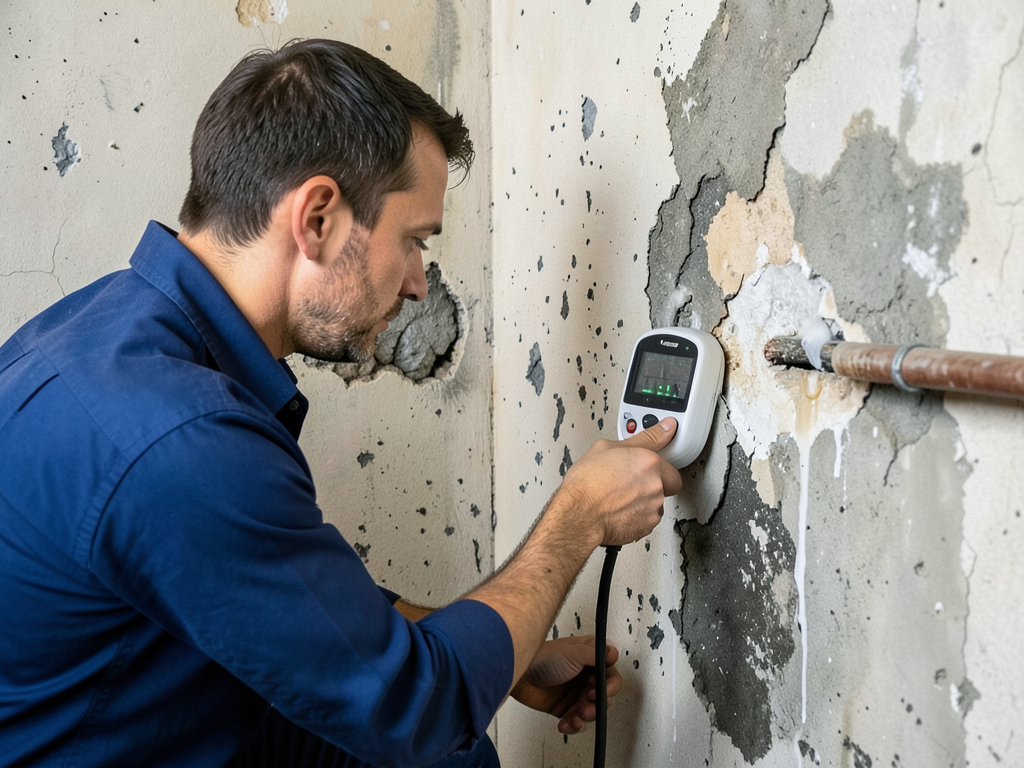







Detroit experiences an average of 125 freeze-thaw cycles each winter. Every time temperatures cross the freezing point, moisture trapped in concrete expands and contracts. This constant movement creates micro-cracks that allow more water to penetrate. The water carries dissolved salts to the surface, where they crystallize as white powder on concrete. Areas near the Detroit River and Rouge River have water tables that can rise to within three feet of the surface during wet springs. This groundwater exerts hydrostatic pressure against foundation walls, forcing moisture through concrete even without visible cracks. The combination of freeze-thaw damage and high water table makes efflorescence a recurring problem in Detroit basements without proper waterproofing and drainage systems.
Many Detroit neighborhoods were built before modern waterproofing standards existed. Homes in Corktown, Mexicantown, and Southwest Detroit often have foundations laid directly on clay soil without adequate vapor barriers or drainage systems. The clay retains water and swells during wet periods, then shrinks during dry periods. This movement stresses foundations and creates pathways for moisture intrusion. We understand these local construction patterns and soil conditions because we work in these neighborhoods daily. We know which older foundations need exterior waterproofing and which can be protected with interior drainage alone. That local expertise prevents trial-and-error approaches that waste your money.