


menu

Business Interruption Mitigation in Detroit – Industrial-Scale Response That Keeps Your Operations Running

When water damage strikes your Detroit facility, every hour of downtime costs revenue. Our business interruption mitigation protocols deploy specialized teams and equipment to restore operations while maintaining compliance with Michigan commercial building codes.

Slider Image 1
Slider Image 2
Slider Image 3
Slider Image 4
Slider Image 5
Slider Image 7
Slider Image 8
Slider Image 9
Slider Image 10
Slider Image 11

Water Damage Threatens Detroit's Commercial Operations Year-Round

Detroit's industrial and commercial infrastructure faces unique water intrusion risks that directly impact business continuity. The city's aging municipal water mains, combined with freeze-thaw cycles that stress building envelopes, create conditions where catastrophic water events occur without warning. When a pipe bursts in a Midtown office tower or flooding hits a Dearborn manufacturing floor, the immediate priority shifts from damage control to minimizing business downtime.

Commercial water damage in Detroit carries compounding costs. Production lines stop. Customer service operations go dark. Inventory becomes contaminated. Employees cannot work. Revenue evaporates by the hour while fixed costs continue. The difference between a manageable incident and a business-ending crisis often comes down to response speed and execution quality in the first 24 hours.

Detroit's commercial building stock presents additional challenges. Many structures in areas like the New Center and Eastern Market feature mixed-use configurations where water migrates between floors, affecting multiple tenants. Older buildings lack compartmentalization, allowing water to spread rapidly through shared ceiling cavities and utility chases. Modern facilities with sensitive electronics and data infrastructure require specialized extraction methods that prevent secondary damage to critical systems.

Business interruption mitigation addresses the operational reality, not just the physical damage. This means coordinating with property managers, meeting Michigan Department of Licensing and Regulatory Affairs requirements for commercial restoration work, and executing repairs that allow phased reoccupation. The goal is reducing operational downtime through strategic triage, not just drying out a building.

Water Damage Threatens Detroit's Commercial Operations Year-Round
Our Commercial Water Damage Protocol Prioritizes Business Continuity

Our Commercial Water Damage Protocol Prioritizes Business Continuity

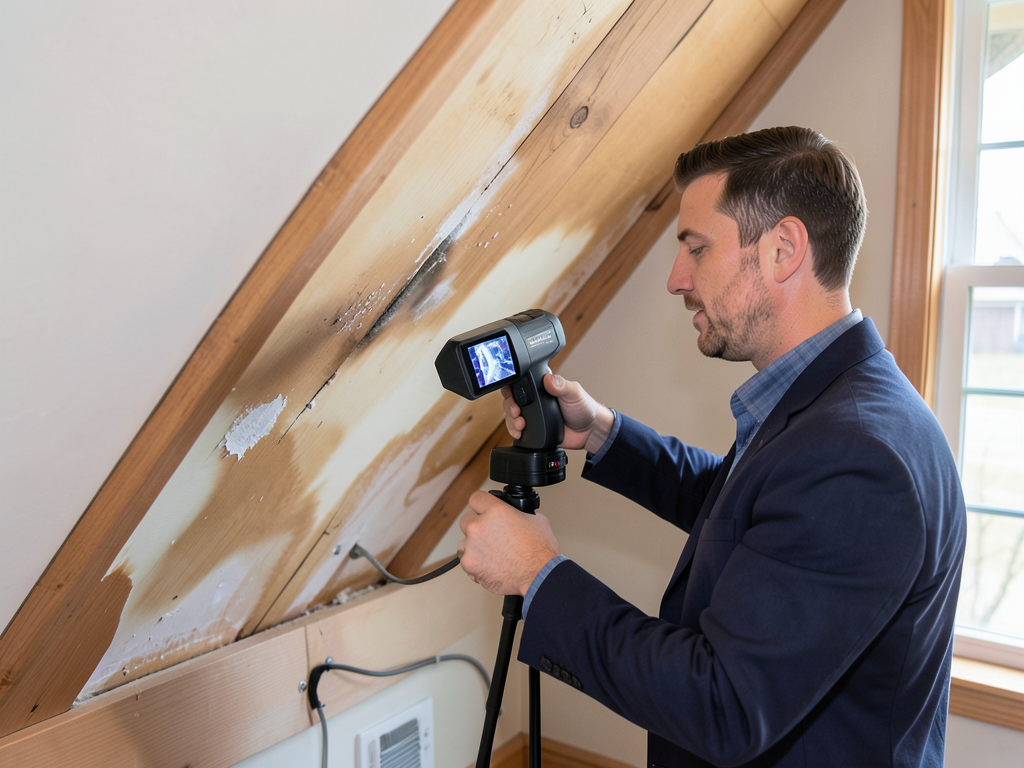
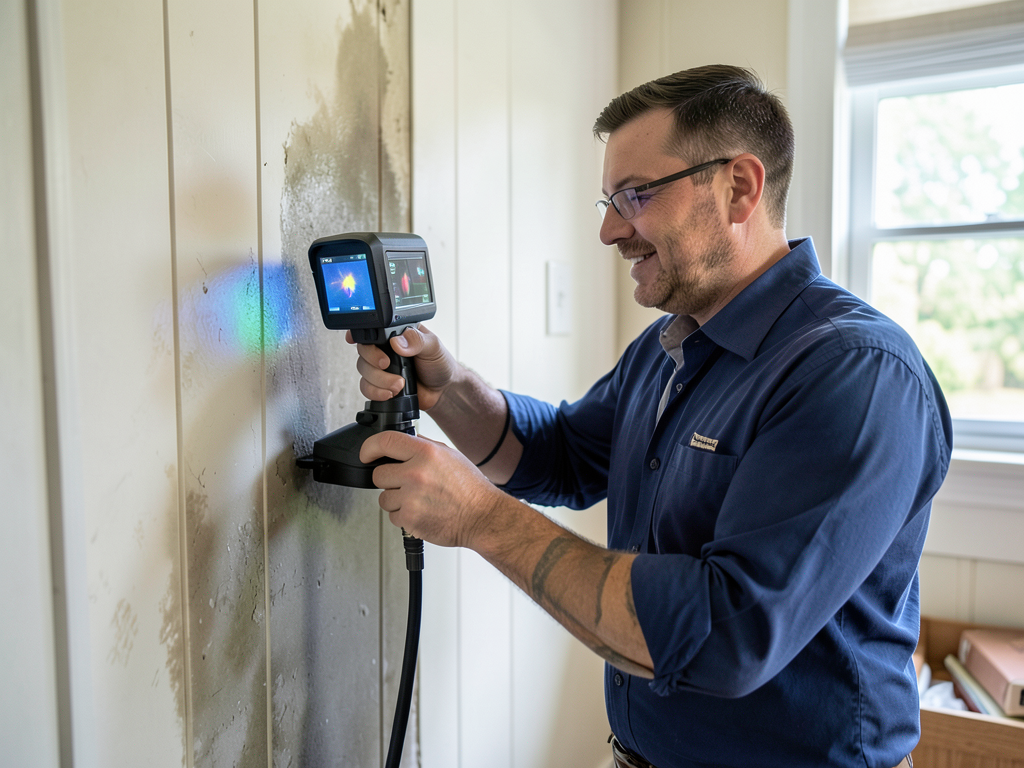
Business continuity restoration requires a fundamentally different approach than residential water damage response. We deploy multi-zone containment systems that isolate affected areas while allowing unaffected spaces to remain operational. This means your accounting department continues working while we extract water from the adjacent conference area. Thermal imaging identifies moisture migration paths through commercial construction assemblies, preventing the expansion of closure zones.

Our equipment inventory includes truck-mounted extractors that remove standing water in minutes, not hours. Industrial desiccant dehumidifiers create controlled drying environments without disrupting HVAC systems serving occupied areas. We coordinate with your IT staff to protect server rooms and telecommunications infrastructure, using non-conductive drying methods around energized equipment. For manufacturing environments, we deploy containment barriers that maintain clean room classifications or prevent particulate contamination of production areas.

The technical execution focuses on mitigating commercial downtime through sequenced restoration. We prioritize customer-facing areas, then revenue-generating spaces, then administrative functions. This triage approach gets your business operational faster than attempting to dry everything simultaneously. Documentation runs parallel to physical work. We photograph conditions, log equipment placement, track moisture readings in building materials, and maintain chain-of-custody records that satisfy insurance adjusters and regulatory inspectors.

Communication protocols ensure decision-makers receive real-time updates. You get hourly status reports during active extraction, daily progress summaries during structural drying, and immediate notification of any conditions that affect timeline or scope. This transparency allows you to communicate accurately with customers, adjust staffing, and make informed decisions about temporary relocation or operational workarounds.

How We Execute Rapid Commercial Water Damage Response

Business Interruption Mitigation in Detroit – Industrial-Scale Response That Keeps Your Operations Running
01

Immediate Damage Assessment

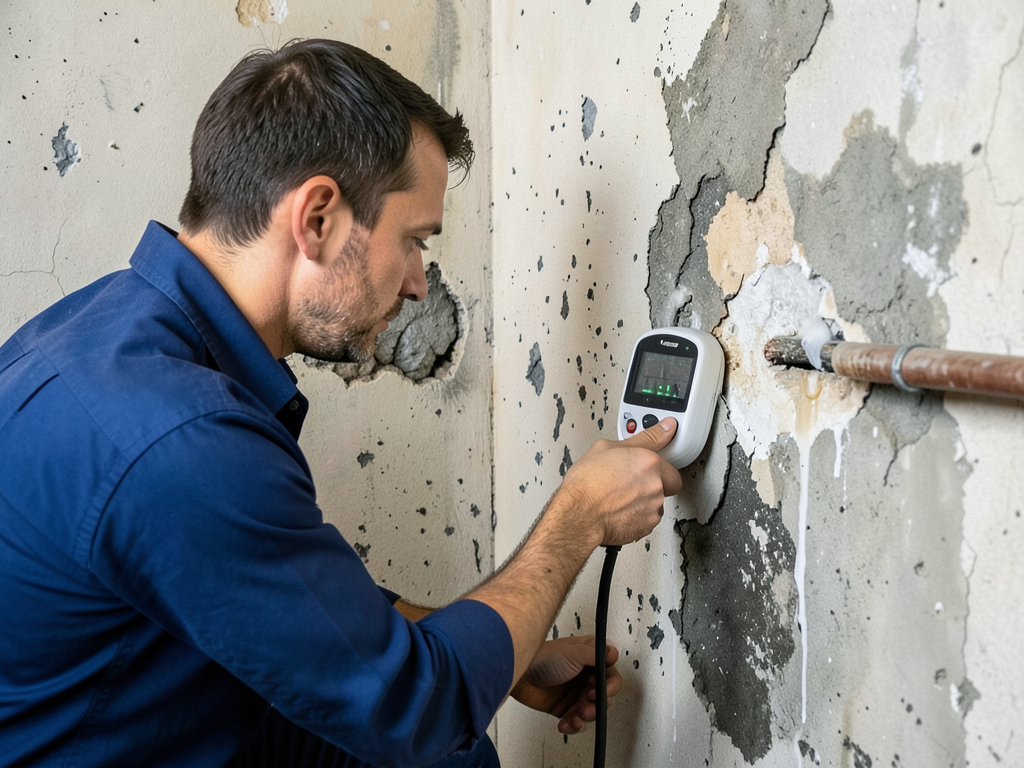
Our commercial response team arrives with moisture detection equipment and building systems knowledge. We identify the water source, shut down affected systems, and map the extent of intrusion through walls, floors, and ceiling assemblies. This initial assessment determines extraction priorities, identifies safety hazards like compromised electrical systems, and establishes containment boundaries. You receive a preliminary scope and timeline within the first hour, allowing immediate operational decisions about space usage and staffing adjustments.
02

Controlled Water Extraction

We deploy truck-mounted extractors and submersible pumps based on water volume and access constraints. Extraction follows a systematic pattern that prevents water from spreading to unaffected areas. Porous materials like carpet and insulation receive immediate attention to prevent microbial amplification. We coordinate with facility management to shut down HVAC systems that could distribute airborne moisture or contaminants. High-velocity air movers and commercial dehumidifiers begin structural drying immediately after extraction, compressing the timeline for limiting business disruption.
03

Operational Restoration and Clearance

Structural drying continues until moisture meters confirm building materials have returned to normal readings. We conduct post-remediation verification using thermal imaging to detect residual moisture in wall cavities and subfloor assemblies. Once clearance standards are met, we coordinate with your contractors for finish repairs or handle reconstruction directly. Final documentation includes moisture logs, equipment run times, and photographic evidence of pre-loss and post-restoration conditions. This complete record streamlines insurance claims and satisfies compliance requirements for business continuity restoration.

Detroit Commercial Expertise That Understands Your Operational Constraints

Ironwood Water Damage Restoration Detroit built our commercial division around the reality that Detroit businesses operate on thin margins with zero tolerance for extended downtime. We understand that a flooded restaurant in Greektown loses weekend revenue that never returns. A water-damaged medical office in the Detroit Medical Center disrupts patient care and triggers regulatory reporting. A manufacturing interruption in the Industrial Park means missed delivery deadlines and contract penalties.

Our familiarity with Detroit's commercial building stock provides tactical advantages. We know that buildings constructed during the city's industrial boom often lack vapor barriers and rely on outdated drainage systems. Historic structures in districts like Corktown require restoration methods that preserve architectural elements while meeting modern building performance standards. Newer construction in the Renaissance Center and along the riverfront incorporates complex HVAC and fire suppression systems that require specialized knowledge during water damage response.

We maintain relationships with commercial property managers, facility directors, and building engineers throughout the metro area. This network allows rapid coordination on access, utilities shutoff, and building systems integration. When water damage affects a multi-tenant property, we work directly with property management to minimize tenant disruption and maintain common area functionality. Our crews understand loading dock protocols, security clearance procedures, and the operational constraints of 24-hour facilities.

Detroit's commercial building codes and Michigan's occupational safety regulations shape our approach to every project. We maintain compliance with MIOSHA requirements for confined space entry, respiratory protection, and electrical safety. Our restoration methods satisfy Michigan's commercial building rehabilitation code when structural repairs affect rated assemblies. This regulatory knowledge prevents delays and ensures work passes inspection the first time, keeping your restoration timeline on track.

What Detroit Business Owners Should Expect From Commercial Water Damage Response

Response Time and Crew Deployment

Commercial water emergencies receive priority dispatch with crew arrival typically within 60 minutes of your call to Detroit locations. We maintain multiple response vehicles equipped with truck-mounted extractors, allowing immediate water removal upon arrival. Our crews include IICRC-certified water damage technicians who understand commercial building systems and can coordinate with your facility staff. For large-scale events requiring multiple zones of simultaneous work, we scale crew size to match the scope. Night and weekend response carries no premium charges because we understand water damage follows no schedule and delaying response compounds your losses.

Site Assessment and Operational Planning

The initial assessment combines moisture detection technology with operational impact analysis. We use thermal imaging cameras to trace water migration through building assemblies without invasive probing. Moisture meters quantify water content in flooring, drywall, and structural members to establish drying benchmarks. This technical assessment runs parallel to operational planning where we identify your critical functions, evaluate space dependencies, and develop a phased restoration approach that prioritizes business continuity. You receive a written scope outlining affected areas, estimated drying time, equipment deployment, and coordination requirements. This documentation allows informed decisions about operational adjustments, insurance claims initiation, and stakeholder communication.

Restoration Quality and Building Performance

Successful commercial restoration means your building performs as it did before the water event, not just appears dry. We verify structural drying using moisture content standards specific to material types and building uses. Wall cavities receive verification testing before closure to prevent concealed microbial growth. Climate control systems undergo functional testing to confirm proper operation after restoration. When reconstruction is required, we coordinate finish selections that match existing conditions and meet commercial durability standards. The final product passes both insurance adjuster inspection and your operational requirements. Our quality control process includes photographic documentation at each restoration phase, creating a complete record that satisfies insurance carriers and provides your records management department with compliance documentation.

Post-Restoration Support and Prevention Planning

Water damage restoration concludes with building systems returned to service and documentation delivered, but our relationship with Detroit commercial clients extends beyond project completion. We provide detailed reports identifying the failure points that caused the water intrusion, allowing your maintenance team to address systemic issues. For clients managing multiple properties or large facilities, we offer water detection system consultation and building envelope assessments that identify vulnerabilities before they cause operational disruptions. Our emergency contact protocols remain active, ensuring you have immediate access to commercial response capability if future incidents occur. This ongoing relationship transforms a single restoration event into a long-term risk management partnership.

Frequently Asked Questions

You Have Questions,
We Have Answers

What does business interruption coverage cover? +

Business interruption coverage reimburses lost income when property damage forces you to suspend operations. It covers net profit you would have earned, continuing payroll, rent or lease obligations, loan payments, and taxes. The policy typically requires a covered peril, like fire or water damage, to trigger the claim. Coverage begins after a waiting period and extends until you reopen or reach the policy limit. For Detroit businesses facing aging infrastructure risks and seasonal freeze-thaw cycles, this protection maintains cash flow during repairs. You must demonstrate actual financial loss with documentation like tax returns and profit-loss statements.

What is mitigation in business? +

Mitigation in business means taking proactive steps to reduce the severity of potential losses before they escalate. It involves identifying vulnerabilities, implementing controls, and establishing response protocols. For commercial properties in Detroit, this includes weatherproofing against freeze-thaw damage, installing backflow preventers in flood-prone areas near the Detroit River, and maintaining HVAC systems to prevent mold growth. Mitigation reduces downtime, protects revenue streams, and demonstrates due diligence to insurers. It shifts focus from reactive damage control to strategic risk management. Quick action during incidents minimizes operational disruption and preserves business continuity.

What actions can be taken to reduce or mitigate business risks? +

Reduce business risks through routine facility inspections, emergency response planning, and preventive maintenance schedules. Install water detection systems in mechanical rooms and backup power for critical operations. Train employees on shutdown procedures and document asset inventories. For Detroit facilities, winterize plumbing before hard freezes and inspect roofs before spring storm seasons. Establish vendor relationships with restoration contractors before emergencies occur. Implement cybersecurity protocols and off-site data backups. Review insurance coverage annually to match current property values and revenue projections. Conduct mock drills to test business continuity plans and identify gaps in preparedness.

Is business interruption insurance worth it? +

Business interruption insurance provides essential financial protection when property damage halts operations. For Detroit businesses with tight profit margins and seasonal revenue patterns, the coverage prevents catastrophic cash flow gaps during repairs. Policies replace lost income, cover fixed expenses, and maintain employee payroll when you cannot generate revenue. Without it, you pay recovery costs from reserves while losing daily sales. The premium cost is minimal compared to potential losses from even a week-long shutdown. Insurers require it alongside property policies because physical asset protection means nothing if your business fails during the restoration period.

What is not covered under business interruption? +

Business interruption insurance excludes losses from pandemics, government-ordered closures without property damage, utility failures occurring off-premises, and undamaged property losses. Coverage does not apply to incidents below your deductible or waiting period, typically 48 to 72 hours. Intentional acts, fraud, and neglected maintenance void claims. Losses from cyberattacks, data breaches, or reputation damage require separate policies. For Detroit businesses, coverage excludes revenue decreases from economic downturns, labor strikes, or normal market competition. The policy only activates when direct physical damage from a covered peril forces operational suspension. Lost income from poor management decisions remains your responsibility.

What is the 80% rule in insurance? +

The 80% rule requires you to insure your property for at least 80% of its replacement cost to avoid coinsurance penalties. If you underinsure, the carrier pays only a proportional amount of your claim, regardless of the policy limit. For example, insuring a building worth 1 million for only 600,000 triggers a penalty calculation that reduces your payout. Detroit commercial properties with appreciating real estate values need annual appraisals to maintain proper coverage levels. This rule protects insurers from moral hazard while incentivizing accurate valuations. Underinsurance saves premium dollars but creates significant financial exposure during major losses.

What are 5 examples of mitigation? +

Five mitigation examples include installing sump pumps with battery backups in basements, applying waterproof coatings to foundation walls, elevating critical electrical panels above flood levels, creating vegetation barriers for erosion control, and implementing regular roof inspections. For Detroit warehouses, this means reinforcing loading dock seals against wind-driven rain, insulating pipes in unheated spaces, and installing automatic shutoff valves on water lines. Commercial kitchens benefit from grease trap maintenance schedules and fire suppression system testing. Data centers require redundant cooling systems and moisture monitoring. Each measure reduces specific vulnerabilities and demonstrates risk management to insurance underwriters.

What are the three types of mitigation? +

The three types of mitigation are structural, non-structural, and operational. Structural mitigation involves physical modifications like reinforcing roofs, installing flood barriers, or upgrading drainage systems. Non-structural mitigation includes policy changes, insurance coverage reviews, and land-use planning. Operational mitigation focuses on procedures, employee training, emergency response protocols, and business continuity planning. Detroit businesses combine all three by retrofitting aging buildings for severe weather, purchasing adequate coverage for Great Lakes climate risks, and establishing supplier relationships for rapid restoration. This layered approach addresses physical vulnerabilities, financial exposure, and organizational readiness simultaneously to minimize total business interruption impact.

What is an example of mitigation in insurance? +

An insurance mitigation example is a property owner installing a monitored water detection system after a pipe burst claim. The insurer may reduce future premiums or waive deductibles because the technology prevents repeat losses. For Detroit commercial buildings, upgrading to freeze-resistant plumbing or installing roof leak sensors demonstrates risk reduction. After a fire, adding sprinkler systems qualifies for lower rates. Mitigation creates a feedback loop where loss prevention investments earn premium discounts, which fund additional improvements. Insurers view these actions as reducing their exposure, rewarding policyholders who actively protect assets rather than relying solely on claims payments.

What are the 5 mitigation strategies? +

Five mitigation strategies are avoidance, reduction, transfer, acceptance, and monitoring. Avoidance eliminates exposure by relocating critical equipment from flood zones. Reduction implements controls like backup generators and redundant systems. Transfer shifts risk through insurance policies and vendor contracts. Acceptance acknowledges minor risks where mitigation costs exceed potential losses. Monitoring involves continuous facility assessments and real-time detection systems. Detroit businesses employ multiple strategies simultaneously, avoiding basement storage in flood-prone areas near the Rouge River, reducing fire risk through sprinkler systems, transferring financial exposure via comprehensive policies, accepting minor weather delays, and monitoring building systems year-round.

Why Detroit's Infrastructure Age Makes Business Interruption Mitigation Critical

Detroit's commercial building infrastructure reflects over a century of industrial development, creating unique water intrusion risks that threaten business operations. Buildings constructed during the city's manufacturing peak often feature cast iron plumbing, which corrodes internally and fails without warning. The Detroit Water and Sewerage Department manages one of the oldest municipal water systems in the nation, with distribution mains that experience higher failure rates during temperature extremes. When these infrastructure elements fail inside commercial properties, the resulting water volume overwhelms standard building drainage and causes rapid damage to inventory, equipment, and building systems. Business interruption mitigation in this environment requires understanding how water moves through Detroit's specific building types and deploying response protocols that account for the scale of potential damage.

Commercial property owners in Detroit need water damage response partners who understand local building codes and the practical constraints of operating in an urban environment with aging infrastructure. Michigan's commercial building rehabilitation code allows flexibility in historic structure restoration, but requires documentation that work meets current performance standards. Insurance carriers serving Detroit commercial properties demand thorough moisture documentation and verified drying to prevent mold claims. Our teams work regularly with adjusters representing the major commercial carriers active in Detroit, streamlining the claims process and reducing the administrative burden on property managers. This local expertise translates directly into faster approvals, shorter restoration timelines, and reduced total business interruption costs.
Water Damage Restoration Services in The Detroit Area

Conveniently located to serve the Detroit area, Ironwood is always ready to respond to your water damage emergencies. Explore our service area on the map below or contact us directly to discuss your specific needs. We’re committed to providing prompt, professional service wherever you are within our operational zone, ensuring rapid deployment and effective restoration solutions when you need them most.

Address:
Ironwood Water Damage Restoration Detroit, 15324 Mack Ave, Detroit, MI, 48230

Additional Services We Offer

Our news updates

Latest Articles & News from The Blogs

A slow leak behind a Royal Oak bathroom wall can go unnoticed for weeks. By the time you smell mildew…

Why Smart Leak Detectors Are Worth Every Penny for Your Royal Oak Rental Property

A slow leak behind a Royal Oak bathroom wall can go unnoticed for weeks. By the time you smell mildew…

Why Your Whole House Humidifier in Warren Might Be Ruining Your Drywall

Your furnace runs all winter. Your whole house humidifier works quietly behind the scenes. And somewhere behind that drywall in…

What Black Water Flooding Actually Does to Your Health (A Detroit Homeowner's Guide)

A sewage backup in your Detroit basement is not just a cleanup problem. It is a biohazard event. The water…

Contact Us

Every hour of water damage delay increases your total business interruption cost. Our commercial response teams deploy immediately to Detroit facilities with the equipment and expertise to minimize downtime. Call (313) 572-5559 now for rapid dispatch and operational damage control.