




menu

Categories of Water in Detroit – Expert IICRC Classification Guide for Property Owners

Understanding water damage categories helps you protect your health, make informed insurance claims, and choose the correct restoration method. Ironwood Water Damage Restoration Detroit explains the IICRC water quality classifications that determine how your Detroit property should be treated.

Slider Image 1
Slider Image 2
Slider Image 3
Slider Image 4
Slider Image 5
Slider Image 7
Slider Image 8
Slider Image 9
Slider Image 10
Slider Image 11

Why Water Categories Matter for Detroit Property Owners

Not all water damage is created equal. The water soaking your basement might look clear, but it could carry contaminants that make you sick or force you to replace materials you thought could be saved.

The IICRC establishes three water damage categories based on contamination levels. These classifications determine what materials can be dried and saved versus what must be removed. They also affect your insurance claim and the scope of restoration work.

Category 1 water starts clean. Think of a burst supply line or toilet tank overflow. This water poses no immediate health risk if you dry the space quickly.

Category 2 water contains significant contamination. Dishwasher overflows, washing machine backups, and aquarium leaks fall here. This water carries microorganisms that can cause discomfort or sickness.

Category 3 water is grossly contaminated. Sewage backups, river flooding from the Detroit River, and toilet bowl overflows with feces create Category 3 conditions. This water contains pathogenic agents, toxins, and harmful bacteria.

Detroit's combined sewer system makes Category 3 events more common during heavy rain. When stormwater overwhelms the system, sewage can back up through floor drains and toilets. The older infrastructure in neighborhoods like Corktown and Midtown increases this risk.

Water categories also change over time. Category 1 water sitting in your walls for 48 hours becomes Category 2 as bacteria multiply. Category 2 water touching insulation or drywall can escalate to Category 3. Time matters.

Understanding these water quality classifications helps you communicate clearly with restoration professionals and insurance adjusters. You know what questions to ask and what level of response your situation requires.

Why Water Categories Matter for Detroit Property Owners
How Professional Restoration Teams Classify Water Damage

How Professional Restoration Teams Classify Water Damage

Professional water damage assessment starts with identifying the source. We determine what touched the water before it reached your property. A broken toilet supply line creates different risks than a backed-up floor drain.

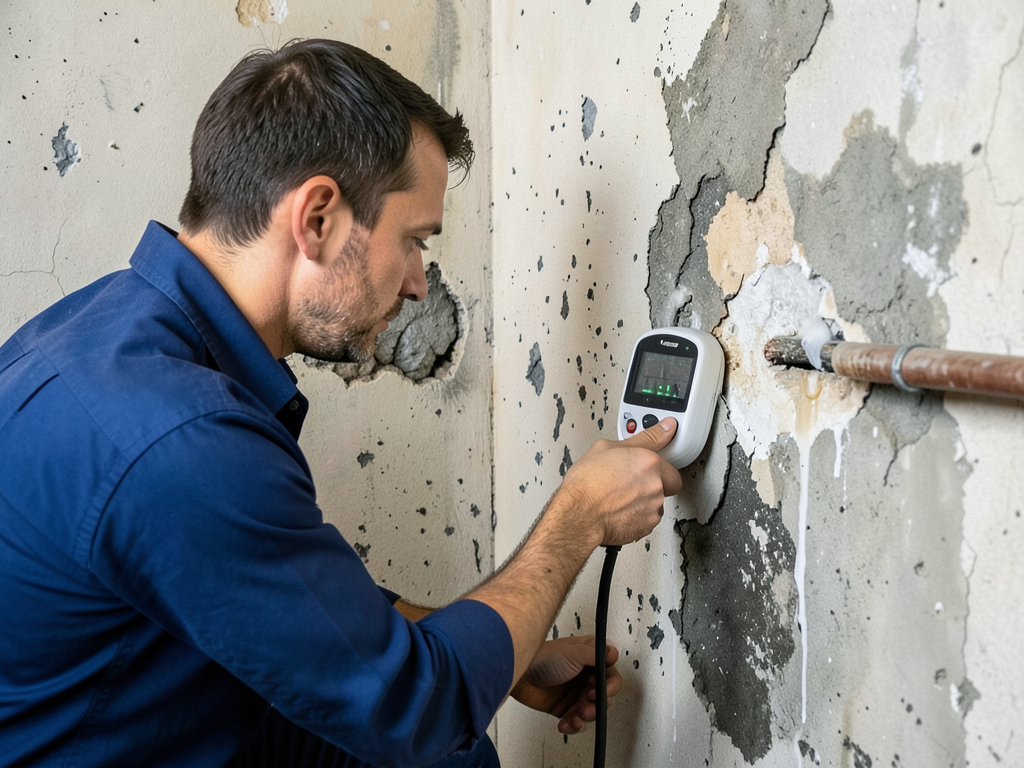
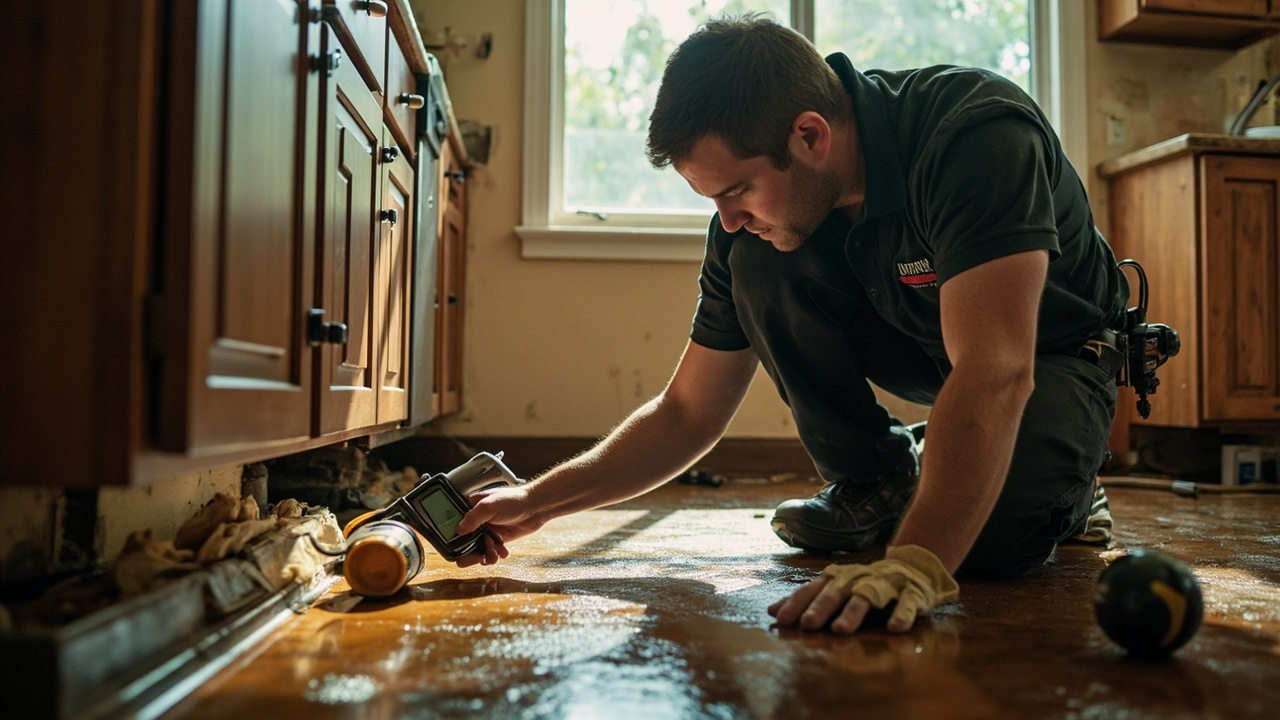
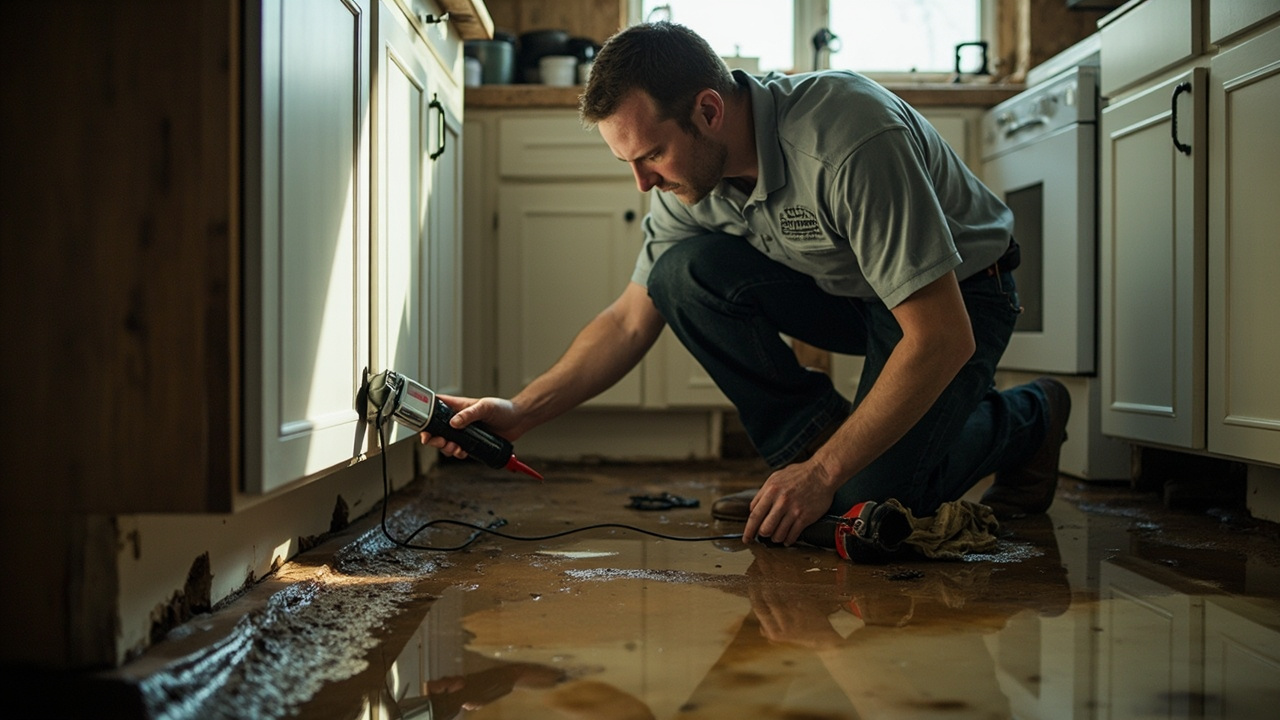
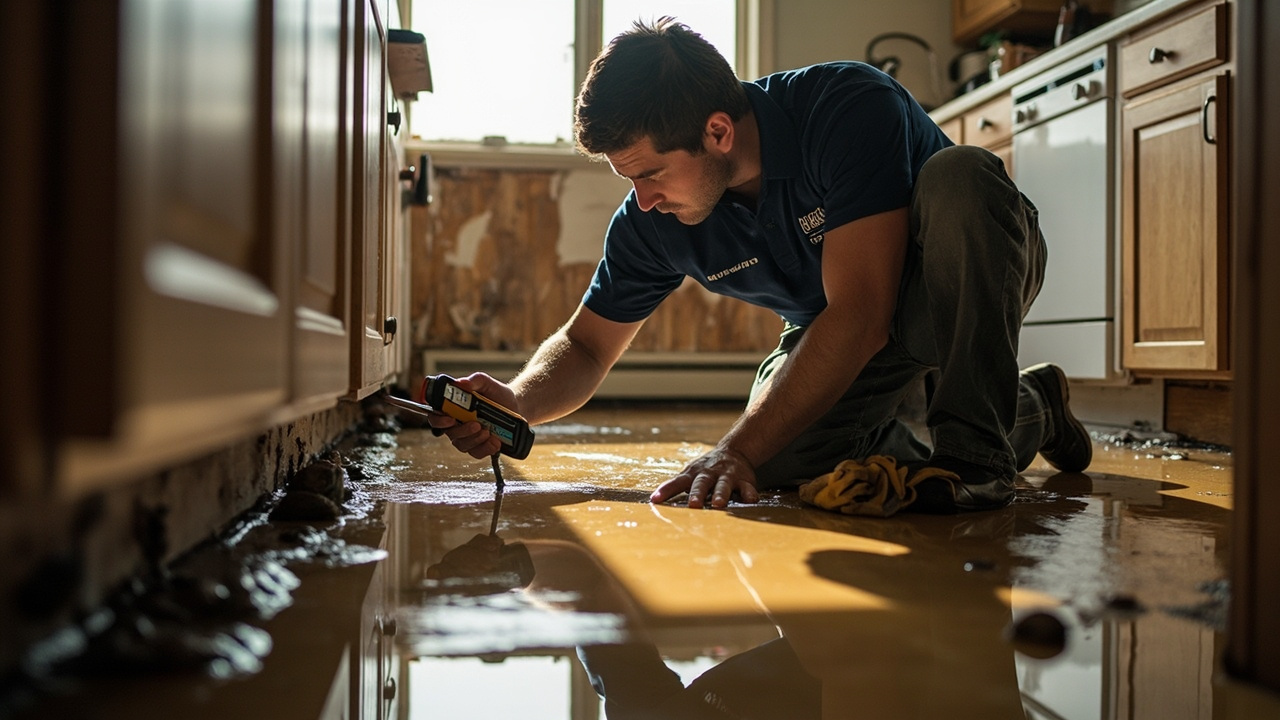
We document the water category at the time of inspection. This establishes the baseline contamination level and drives our restoration protocol. We photograph the source, measure moisture levels in affected materials, and note any visible contamination.

Material contact matters as much as the source. Clean water from a burst pipe becomes Category 2 when it saturates your insulation or subflooring. Those materials contain dust, debris, and organic matter that feed bacterial growth. We track what the water touched and how long it sat.

Time degrades water quality. We calculate the elapsed time between the initial loss and our arrival. Water sitting for more than 48 hours in Detroit's humid climate develops microbial growth. Summer humidity above 70 percent accelerates this degradation.

We also consider category migration. Water wicking through drywall can pull contaminants from wall cavities. Flooding that starts as Category 1 can become Category 2 or 3 as it spreads through your structure. We reassess categories as we expose hidden damage.

Testing confirms our classification. We use ATP meters to measure biological contamination in questionable cases. For suspected Category 3 water, we recommend laboratory analysis to identify specific pathogens.

The category determines our personal protective equipment, antimicrobial treatments, and disposal protocols. Category 1 water requires standard protection. Category 3 water requires respirators, protective suits, and complete material removal. We adjust our approach based on contamination levels, not guesswork.

What Happens During Water Category Assessment

Categories of Water in Detroit – Expert IICRC Classification Guide for Property Owners
01

Source Identification and Documentation

We trace the water to its origin point and photograph the source. A broken water heater creates different risks than a sewage backup. We document the source type, note visible contamination, and record the approximate start time. This initial classification drives every decision that follows. We also inspect for cross-contamination from adjacent materials or spaces that might elevate the category.
02

Material Evaluation and Testing

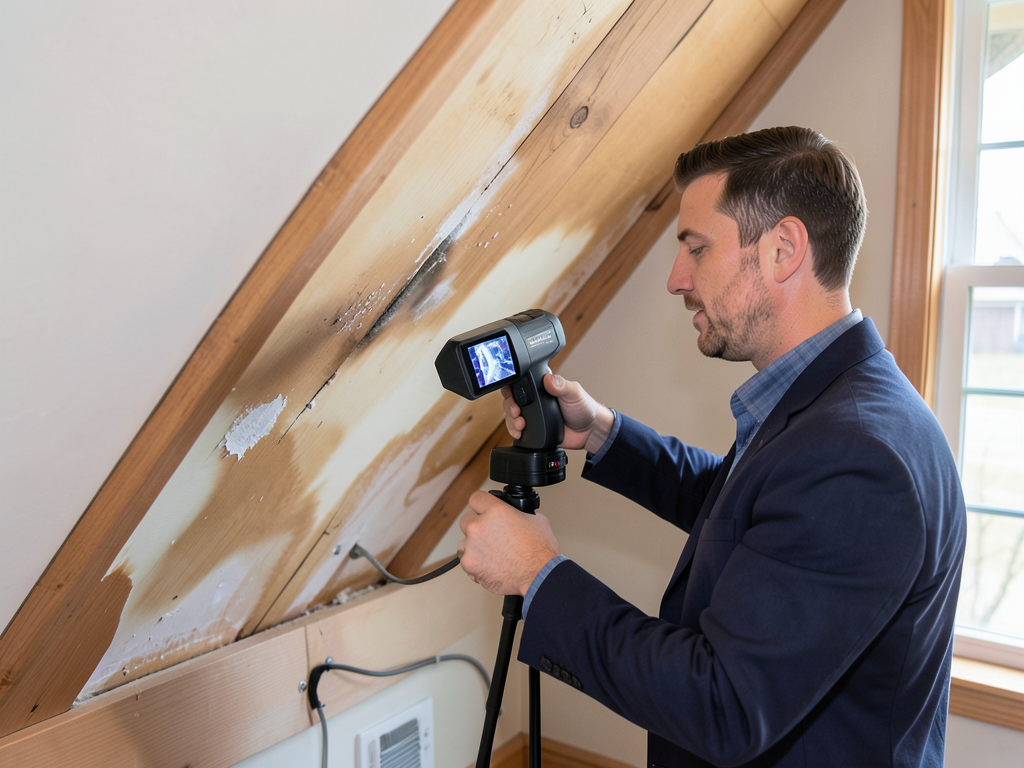
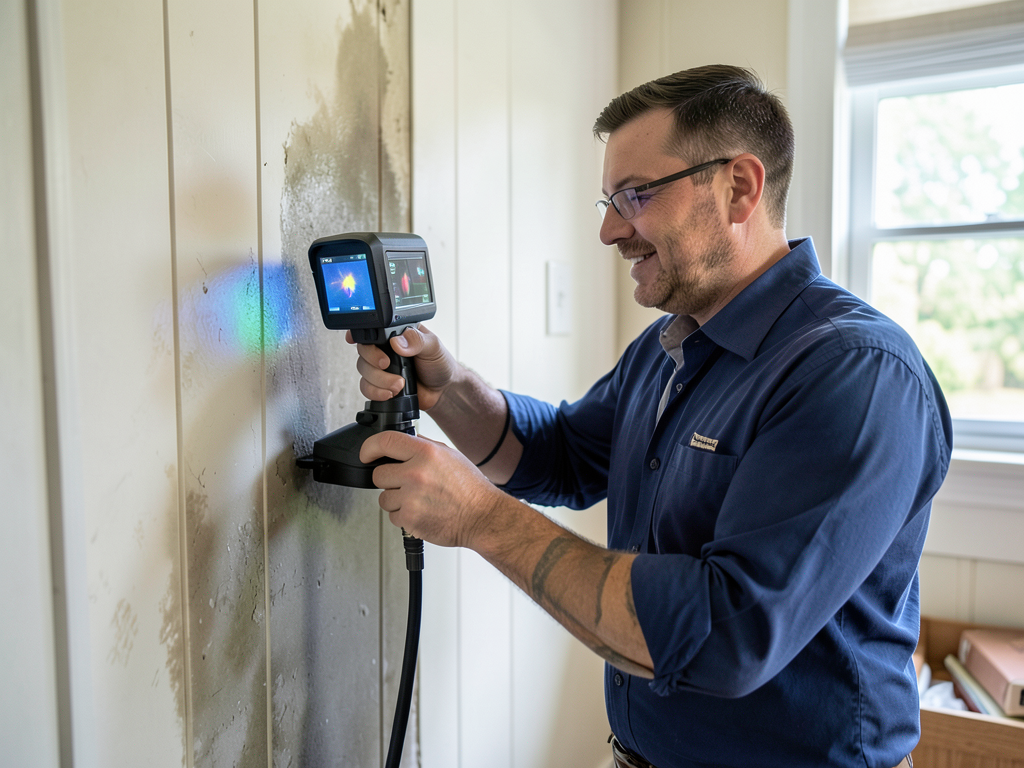
We examine what materials the water contacted and measure moisture penetration depth. Carpet padding holds contaminants differently than hardwood flooring. We use thermal imaging to find hidden moisture and moisture meters to quantify saturation levels. For borderline cases between Category 2 and Category 3, we collect samples for laboratory testing. Material type and saturation level determine whether we can dry in place or must remove and replace.
03

Protocol Assignment and Execution

We assign the appropriate IICRC restoration protocol based on the confirmed water category. Category 1 receives standard extraction and drying. Category 2 requires antimicrobial application and controlled drying. Category 3 demands full removal of porous materials, disinfection of all surfaces, and negative air pressure containment. We also provide you with written documentation of the category determination for your insurance claim and health records.

Why Detroit Property Owners Trust Local Water Damage Expertise

Detroit's infrastructure creates specific water damage risks that require local knowledge. Our combined sewer system dates back decades. During heavy rain, stormwater mixes with sewage and backs up through floor drains. This is not a hypothetical risk. It happens in Midtown, Corktown, and downtown Detroit multiple times per year.

We know which neighborhoods face the highest risk for Category 3 flooding. Properties near the Detroit River, in low-lying areas along the Rouge River, and in neighborhoods with aging infrastructure face elevated sewage backup risk. We respond to these areas with the assumption of contamination until proven otherwise.

Ironwood Water Damage Restoration Detroit maintains IICRC certification in water damage restoration and applied microbial remediation. We follow the IICRC S500 Standard for water damage restoration, which defines the three water categories and establishes restoration protocols for each. This is not marketing language. This is the industry standard that protects your health and your property value.

We also understand Detroit's building stock. Older homes in neighborhoods like Indian Village and Palmer Woods have plaster walls, hardwood floors, and built-up roofing that respond differently to water damage than modern construction. We know what materials can be saved and what must be removed based on contamination levels and material composition.

Our local presence means faster response. Water categories degrade over time. The difference between arriving in two hours versus eight hours can mean the difference between Category 1 and Category 2 classification. We dispatch from Detroit, not a regional hub two counties away.

We work directly with Detroit-area insurance adjusters who understand local risks. They know our documentation standards and trust our category classifications. This speeds up your claim approval and gets restoration work started sooner.

What to Expect During Category-Based Water Restoration

Immediate Response and Category Determination

We arrive at your Detroit property within two hours of your call. Our technicians perform an immediate source inspection and preliminary category classification. We stop ongoing water intrusion, document the damage with photos and moisture readings, and explain the category classification to you in plain language. You know within the first hour whether you are dealing with clean water, gray water, or black water. This initial assessment determines whether you can remain in the property during restoration or need temporary relocation for health reasons.

Category-Specific Restoration Protocol

Your restoration plan matches the confirmed water category. Category 1 water receives extraction, air movement, and dehumidification. Category 2 water adds antimicrobial treatment to all affected surfaces and removal of porous materials like carpet padding. Category 3 water requires removal of all porous materials that contacted the water, including drywall up to 12 inches above the waterline, all insulation, and all flooring. We seal off the work area, establish negative air pressure, and disinfect all non-porous surfaces. You receive a detailed scope of work that explains why each step is necessary for your specific contamination level.

Verification Testing and Clearance

We verify that all moisture is removed and contamination is eliminated before we call the job complete. For Category 1 and 2 water, we document moisture readings below 15 percent in all building materials. For Category 3 water, we conduct post-remediation verification, which may include air quality testing or surface swab testing to confirm no harmful bacteria remain. You receive written documentation that your property meets IICRC standards for safe reoccupancy. This documentation protects your health and satisfies insurance requirements for claim closure.

Category Migration Monitoring

We monitor your property for category changes during the restoration process. Water that starts as Category 1 can degrade to Category 2 if it sits for more than 48 hours. We conduct daily reassessments during multi-day drying operations. If we discover hidden contamination or category migration during demolition or drying, we update your scope of work immediately. You never face surprise upgrades in category classification because we communicate changes as soon as we identify them. This transparency protects you from health risks and keeps your insurance claim accurate.

Frequently Asked Questions

You Have Questions,
We Have Answers

What is category 1, 2, and 3 water? +

Water damage professionals classify water into three categories based on contamination level. Category 1 is clean water from sources like broken supply lines or overflowing sinks. It poses no immediate health risk. Category 2 is gray water containing some contaminants, like washing machine discharge or toilet overflow with urine only. Category 3 is black water, heavily contaminated with sewage, chemicals, or bacteria. This includes backed-up sewer lines, flooding from rivers like the Detroit River, or toilet overflow with feces. Each category requires different safety protocols and remediation approaches.

What are the three categories of water? +

The three categories of water are clean, gray, and black. Clean water comes from sanitary sources like broken pipes or rainwater. Gray water contains mild contamination from appliances or fixtures and can cause discomfort if ingested. Black water is grossly contaminated and poses serious health risks. In Detroit, basement flooding from storms or aging infrastructure often starts as clean water but can become gray or black if it contacts sewage systems or sits long enough for bacteria to multiply. Category determines cleanup methods, safety equipment needed, and disposal requirements.

What are the 7 types of water? +

The seven types of water typically refer to drinking water classifications, not damage restoration categories. These include tap water, mineral water, spring water, well water, sparkling water, distilled water, and purified water. This classification system differs completely from water damage categories. For restoration purposes in Detroit homes, professionals focus on the three contamination categories. Confusion between drinking water types and damage categories can lead to improper cleanup approaches. If you face water damage, understanding contamination categories matters more than drinking water classifications for safe remediation.

What is category 3 water? +

Category 3 water is grossly contaminated black water containing harmful bacteria, fungi, chemicals, or sewage. Sources include toilet backflows with feces, sewer line failures, flooding from contaminated sources like the Detroit River, or standing water that has sat long enough to support microbial growth. This water poses serious health risks including infections and disease. Detroit's older infrastructure sometimes leads to sewer backups during heavy storms. Category 3 water requires professional remediation with full protective equipment, antimicrobial treatments, and disposal of porous materials that cannot be adequately sanitized.

What is category 4 water? +

Category 4 water is not a standard classification in the restoration industry. The Institute of Inspection, Cleaning and Restoration Certification recognizes only three water categories. Some contractors may informally use category 4 to describe exceptionally hazardous situations involving toxic chemicals, heavy metals, or industrial contaminants beyond typical sewage. In Detroit, this might apply to flooding in areas with industrial legacy contamination. However, the official system stops at category 3. If a contractor mentions category 4, ask them to clarify what specific contaminants they have identified and verify proper hazmat protocols.

What are the 4 types of drinking water? +

The four main types of drinking water are tap water, bottled water, distilled water, and filtered water. Tap water comes from municipal treatment plants like the Detroit Water and Sewerage Department. Bottled water is packaged for sale. Distilled water has minerals removed through boiling and condensation. Filtered water passes through systems removing specific contaminants. This drinking water classification differs from water damage categories used in restoration. Detroit residents concerned about water quality should focus on lead testing and filtration rather than confusing drinking classifications with damage restoration terminology.

Why Detroit's Sewer Infrastructure Creates Category 3 Water Risks

Detroit operates a combined sewer system that carries both stormwater and sewage in the same pipes. During heavy rainfall, the system reaches capacity and sewage backs up through floor drains and toilets in thousands of Detroit homes. This infrastructure reality means Category 3 water events happen more frequently here than in cities with separated storm and sanitary sewers. Properties in low-lying neighborhoods near the Rouge River and older districts like Corktown face the highest risk. Understanding this local factor helps you prepare for contaminated water events and recognize when Category 3 protocols are necessary.

Ironwood Water Damage Restoration Detroit trains specifically on combined sewer overflow response. We know the neighborhoods at highest risk, the seasonal patterns of sewage backups, and the local building department requirements for Category 3 water restoration. We work with Detroit-area insurance adjusters who understand that sewer backups are not rare events here. They trust our category classifications because we document contamination sources with photos, moisture maps, and detailed source identification reports. This local expertise means faster insurance approval and proper restoration protocols from day one.
Water Damage Restoration Services in The Detroit Area

Conveniently located to serve the Detroit area, Ironwood is always ready to respond to your water damage emergencies. Explore our service area on the map below or contact us directly to discuss your specific needs. We’re committed to providing prompt, professional service wherever you are within our operational zone, ensuring rapid deployment and effective restoration solutions when you need them most.

Address:
Ironwood Water Damage Restoration Detroit, 15324 Mack Ave, Detroit, MI, 48230

Additional Services We Offer

Our news updates

Latest Articles & News from The Blogs

A slow leak behind a Royal Oak bathroom wall can go unnoticed for weeks. By the time you smell mildew…

Why Smart Leak Detectors Are Worth Every Penny for Your Royal Oak Rental Property

A slow leak behind a Royal Oak bathroom wall can go unnoticed for weeks. By the time you smell mildew…

Why Your Whole House Humidifier in Warren Might Be Ruining Your Drywall

Your furnace runs all winter. Your whole house humidifier works quietly behind the scenes. And somewhere behind that drywall in…

What Black Water Flooding Actually Does to Your Health (A Detroit Homeowner's Guide)

A sewage backup in your Detroit basement is not just a cleanup problem. It is a biohazard event. The water…

Contact Us

Water categories determine your health risk and restoration costs. Do not guess about contamination levels. Call Ironwood Water Damage Restoration Detroit at (313) 572-5559 for professional IICRC water category classification. We respond to Detroit properties within two hours and provide written documentation of water contamination levels for your insurance claim.