




menu

Server Room Water Damage in Detroit – Business Continuity Plans That Minimize Downtime and Data Loss

Our server room flood cleanup protocols protect mission-critical infrastructure across downtown Detroit data centers, corporate facilities, and enterprise-grade IT environments with 24/7 emergency response and industrial-grade extraction systems designed for zero-tolerance failure environments.

Slider Image 1
Slider Image 2
Slider Image 3
Slider Image 4
Slider Image 5
Slider Image 7
Slider Image 8
Slider Image 9
Slider Image 10
Slider Image 11

Why Detroit Server Rooms Face Critical Flooding Vulnerabilities

Detroit's aging infrastructure and extreme seasonal temperature swings create compounded risk for server rooms. The city's freeze-thaw cycles stress overhead plumbing systems in multi-story commercial buildings throughout downtown and midtown districts. When pipes rupture above a data center or IT room, water cascades directly onto hardware worth hundreds of thousands of dollars.

The Great Lakes moisture gradient adds another layer of risk. Detroit's proximity to Lake St. Clair drives humidity levels that accelerate condensation on HVAC systems serving computer rooms. When condensate drain lines clog or overflow, water pools undetected beneath raised server room floors until equipment failure alerts your operations team.

Basement server rooms in older Detroit commercial properties face groundwater intrusion risks during spring melt events. The clay-heavy soil composition throughout Wayne County does not drain efficiently. Water tables rise rapidly during April and May thaw periods, pushing hydrostatic pressure against foundation walls that protect ground-floor data centers.

Server room water damage restoration demands immediate response protocols that standard commercial water mitigation teams cannot execute. Electrical shutdown sequences, hardware relocation, and environmental controls require specialized IT room water mitigation expertise. Delayed response converts recoverable situations into total hardware replacement scenarios that cost businesses hundreds of thousands in equipment replacement and lost productivity.

Computer room water extraction requires low-grain refrigerant dehumidification systems that pull moisture from air spaces without disrupting temperature-controlled environments your servers require for stable operation.

Why Detroit Server Rooms Face Critical Flooding Vulnerabilities
Industrial-Grade Data Center Water Damage Restoration Protocols

Industrial-Grade Data Center Water Damage Restoration Protocols

Our server room water removal services begin with immediate electrical isolation. We coordinate with your facilities management team to execute proper shutdown sequences that protect hardware while enabling safe water extraction operations. Incorrect shutdown procedures damage equipment more than the water event itself.

We deploy truck-mounted extraction units capable of pulling 500 gallons per minute from raised floor systems. Standard wet vacuums cannot generate the vacuum pressure required to pull water from beneath server room flooring tiles. Our equipment creates negative pressure zones that extract standing water while preventing migration to adjacent spaces.

Environmental monitoring equipment tracks temperature, humidity, and dew point measurements throughout the restoration process. Server rooms require strict environmental parameters. We maintain 68-72°F temperatures and 45-55% relative humidity levels during all extraction and drying phases. Deviation from these parameters risks condensation formation on cold hardware surfaces or static discharge events that destroy sensitive electronics.

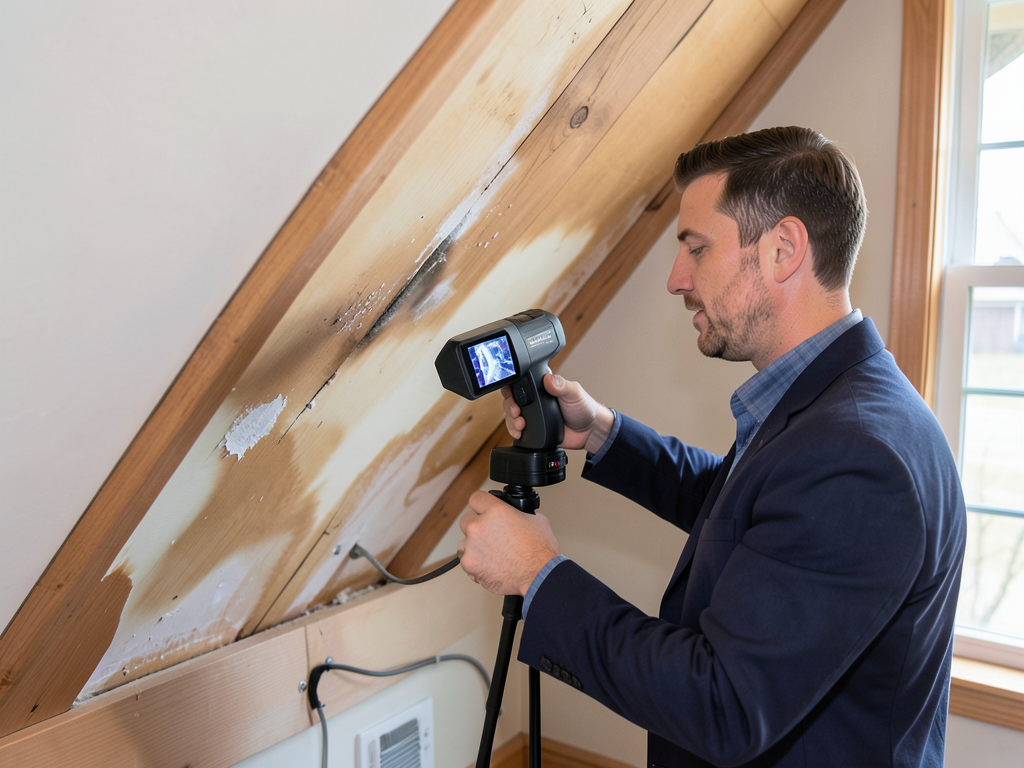
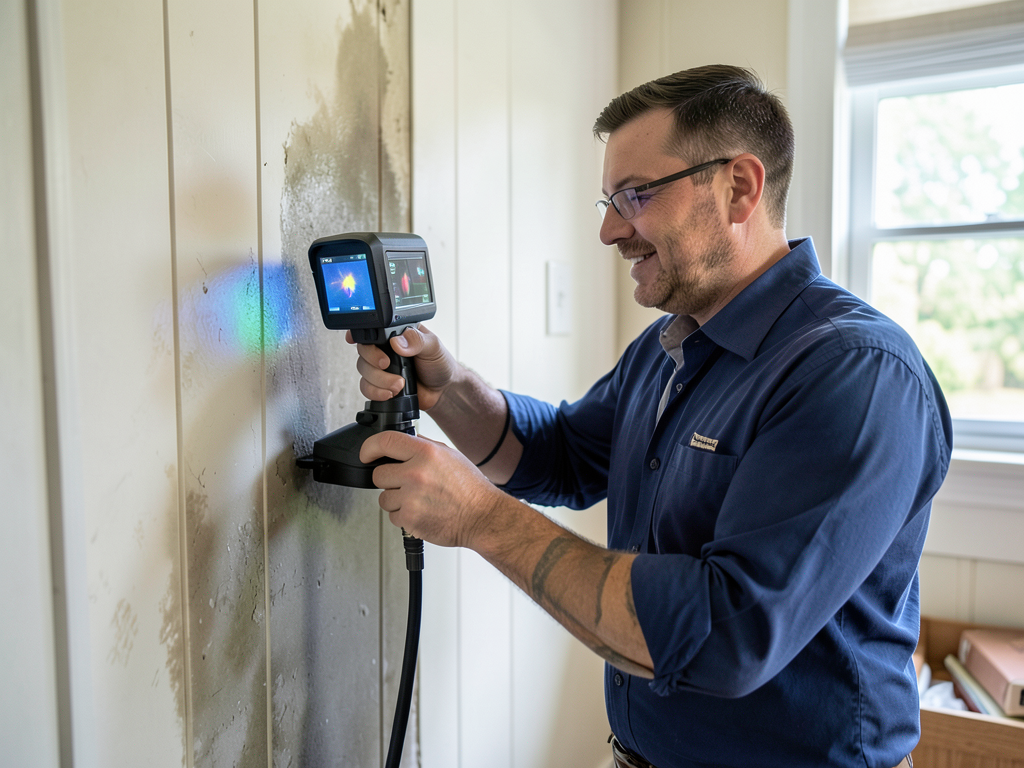
We use thermal imaging cameras to identify hidden moisture within wall cavities, above ceiling tiles, and beneath flooring systems. Water migrates through commercial buildings following paths of least resistance. Surface drying alone leaves trapped moisture that creates long-term corrosion risks for rack-mounted equipment and network infrastructure.

Our drying protocol employs low-grain refrigerant dehumidifiers positioned to create controlled air movement without generating static electricity. We place equipment to avoid direct airflow onto server racks while maintaining circulation rates that achieve structural drying within 72-96 hours.

Documentation protocols include moisture mapping, equipment inventories, and detailed photographic records that support insurance claims and liability documentation your risk management team requires.

Your IT Room Water Mitigation Timeline

Server Room Water Damage in Detroit – Business Continuity Plans That Minimize Downtime and Data Loss
01

Emergency Response Dispatch

Our dispatch team mobilizes within 60 minutes of your call with truck-mounted extraction systems and environmental monitoring equipment. We coordinate with your on-site facilities manager to understand your server room layout, electrical panel locations, and critical hardware priorities before arrival. This pre-arrival coordination eliminates response delays that extend downtime windows.
02

Controlled Extraction Operations

Our technicians execute systematic water removal from raised floor cavities, cable trays, and HVAC systems while maintaining environmental controls. We document moisture levels in real-time using thermal imaging and hygrometer measurements. Extraction operations typically complete within 4-6 hours for standard server room configurations. We prioritize hardware protection over speed to prevent secondary damage from rushed procedures.
03

Monitored Drying Verification

We maintain drying equipment on-site for 72-96 hours with twice-daily environmental readings that document moisture reduction progress. Your facility receives daily status reports with moisture measurements, dew point calculations, and projected completion timelines. We provide final clearance documentation that confirms your server room meets manufacturer specifications for equipment reactivation. This documentation protects your hardware warranties and supports insurance claim processing.

Detroit Data Center Expertise That Protects Business Operations

Ironwood Water Damage Restoration Detroit maintains service relationships with commercial property managers throughout the downtown central business district, midtown tech corridor, and New Center industrial zones. We understand the specific infrastructure challenges in Detroit's commercial building stock.

Many Detroit data centers operate in converted industrial spaces and repurposed manufacturing facilities. These buildings were not designed for modern IT infrastructure. We work regularly in facilities where server rooms occupy spaces that housed assembly lines or warehouse storage. The electrical systems, HVAC configurations, and drainage infrastructure in these converted spaces create unique vulnerabilities that generic restoration companies cannot address.

Our technicians hold IICRC Water Damage Restoration certification with additional training in electronics restoration protocols. We understand the difference between standard commercial drying and the precision environmental control required for computer room water extraction operations.

We maintain working relationships with Detroit-area hardware vendors, electrical contractors, and HVAC specialists who support data center operations. When server room water damage requires coordinated response across multiple trades, we mobilize the specialized resources your facility needs without delay.

Our equipment inventory includes redundant backup systems. Detroit's commercial water damage events often involve multiple simultaneous sites during seasonal weather events. We maintain sufficient equipment capacity to respond to your emergency without equipment shortages that delay mobilization.

We provide direct communication with your insurance carrier and risk management team. Our documentation protocols meet the evidentiary standards required for commercial claims processing and potential subrogation actions against responsible parties.

Commercial Water Damage Response Details

Response Time and Availability

We maintain 24/7 emergency dispatch with guaranteed 60-minute mobilization for server room water damage calls within Detroit's commercial districts. Our response vehicles carry truck-mounted extraction systems, industrial dehumidifiers, and environmental monitoring equipment pre-staged for immediate deployment. Weekend and holiday response carries no premium charges. We understand that data center emergencies operate on business continuity timelines, not standard business hours. Your call routes directly to our dispatch coordinator who mobilizes field teams without administrative delays.

Damage Assessment Protocol

Our initial assessment documents water source identification, affected square footage, moisture penetration depth, and compromised systems inventory. We use thermal imaging cameras to identify hidden moisture in wall cavities and above ceiling spaces. Assessment typically requires 45-60 minutes for standard server room configurations. You receive a written scope of work that details required equipment, estimated timeline, and access requirements before we begin extraction operations. This assessment documentation supports your insurance notification requirements and provides your executive team with accurate status information.

Environmental Control Standards

We maintain ASHRAE TC 9.9 environmental parameters throughout all restoration phases. Temperature remains between 68-72°F with relative humidity controlled to 45-55% ranges. Our monitoring equipment tracks dew point measurements to prevent condensation formation during drying operations. We provide real-time environmental data logging that documents compliance with manufacturer specifications for your hardware. Final clearance includes comprehensive moisture mapping that confirms all building materials have returned to normal dry standards before equipment reactivation.

Post-Restoration Documentation

You receive complete project documentation including moisture logs, equipment placement diagrams, environmental monitoring data, and photographic progression records. This documentation package supports insurance claims, provides liability protection, and creates maintenance records for your facility management files. We include recommendations for infrastructure improvements that reduce future risk exposure. Our documentation meets the evidentiary standards required for potential litigation or subrogation actions. You retain permanent access to all project records through our secure client portal.

Frequently Asked Questions

You Have Questions,
We Have Answers

Can electronics recover from water damage? +

Recovery depends on the extent of contamination, power status during exposure, and response time. If power was off and you act within 24 hours, some electronics can be salvaged through professional drying and cleaning. Servers and critical hardware require immediate power disconnection, controlled disassembly, and specialized drying chambers to prevent corrosion. Detroit's humidity makes air-drying ineffective. Contaminated water from HVAC leaks or roof failures introduces minerals that accelerate damage. Document all affected equipment for insurance claims and prioritize business continuity over attempting DIY recovery. Professional assessment determines what requires replacement versus restoration.

What is the cost of water leak detection system for server room? +

Leak detection systems for server rooms range from basic spot sensors to enterprise-grade monitoring with real-time alerts. Costs depend on room size, sensor quantity, integration with building management systems, and monitoring capability. Detroit facilities often require additional humidity monitoring due to seasonal fluctuations. A basic rope sensor system costs less than replacing one server after water damage. Enterprise solutions include automatic HVAC shutdown and redundant alert pathways. Factor installation labor and ongoing monitoring fees into total cost. Discuss with your facility manager which system matches your risk profile and budget constraints.

How to dehumidify a server room? +

Commercial dehumidification requires industrial-grade equipment and controlled airflow. Position refrigerant dehumidifiers away from active servers to avoid airflow disruption. Target 40-50% relative humidity, typical for data centers. Detroit's seasonal humidity swings demand year-round monitoring, especially during spring thaws. Run dehumidifiers continuously until moisture meters confirm safe levels. Do not rely on portable consumer units for mission-critical spaces. Ensure adequate drainage for collected water and maintain cold aisle containment. Professional restoration teams use desiccant dehumidifiers for rapid moisture removal after water events. Monitor temperature to prevent overheating while dehumidifying enclosed spaces.

What are the risks of server rooms? +

Water intrusion from roof leaks, HVAC condensate failures, or pipe bursts creates immediate business continuity threats. Electrical hazards multiply when moisture contacts power distribution units or raised floor wiring. Detroit buildings with aging infrastructure face higher pipe failure risk during freeze-thaw cycles. Corrosion accelerates on server components even after visible water disappears. Humidity spikes trigger thermal management failures and equipment shutdowns. Contaminated water introduces conductive minerals that short circuits. Data loss occurs when storage devices fail before backup completion. Downtime costs exceed hardware replacement in most scenarios. Environmental monitoring and redundant systems mitigate but cannot eliminate all risks.

How long does it take for water to dry out of electronics? +

Drying time ranges from 48 hours to two weeks depending on device complexity, contamination level, and environmental controls. Simple peripherals dry faster than multi-layer server boards. Ambient air-drying in Detroit humidity fails. Professional restoration uses heated drying chambers with controlled airflow to prevent secondary corrosion. Powered devices must remain off until internal moisture drops below 5%. Attempting premature power-up causes permanent short circuits. Disassembly accelerates drying but voids warranties and requires technical expertise. Salt or mineral contamination from HVAC water requires ultrasonic cleaning before drying. Document drying procedures for insurance and liability purposes.

Is a computer ruined if it gets wet? +

Not automatically, but outcomes depend on water type, power status, and response speed. Computers powered on during exposure suffer immediate short circuits and permanent damage. Clean water from supply lines causes less harm than contaminated HVAC condensate. Detroit tap water contains minerals that accelerate corrosion if not removed. Professional assessment within 24 hours improves recovery odds. Remove battery, disconnect power, and do not attempt powering on. Corrosion progresses invisibly for weeks after surface drying. Business-grade equipment justifies professional cleaning and testing. Consumer devices often cost less to replace than restore. Insurance coverage varies based on cause and policy terms.

Is leak detection covered by insurance? +

Coverage depends on policy type and leak cause. Commercial property policies typically cover sudden pipe bursts but exclude gradual seepage or maintenance failures. HVAC condensate leaks fall into gray areas requiring adjuster review. Detroit building age affects underwriting, with older properties facing higher scrutiny. Water damage from roof failures may require separate coverage. Leak detection system installation rarely qualifies for reimbursement as preventive maintenance. Review your declarations page and exclusions carefully. Document all monitoring and maintenance records to demonstrate due diligence. Discuss endorsements with your broker for technology equipment and business interruption coverage.

How much to charge for leak detection? +

Professional leak detection for commercial server rooms involves thermal imaging, moisture mapping, and system testing beyond simple visual inspection. Pricing reflects equipment investment, technician expertise, and liability. Rates vary based on facility size, access complexity, and after-hours requirements common in 24/7 operations. Detroit prevailing wage requirements affect labor costs for commercial properties. Emergency response commands premium pricing but prevents exponential damage costs. Comprehensive detection identifies hidden moisture in walls, ceilings, and raised floors before equipment failure occurs. Request itemized proposals comparing detection scope and technology used. Factor detection cost against potential downtime and hardware replacement expenses.

Can I detect a leak myself? +

Basic visual inspection identifies obvious leaks, but server rooms require advanced detection for hidden failures. Check HVAC drip pans, ceiling tiles, and raised floor cavities monthly. Detroit freeze-thaw cycles cause micro-cracks that seep slowly. Consumer moisture meters detect surface conditions but miss interstitial water. You cannot reliably locate pinhole leaks in overhead piping or condensation within walls without thermal imaging. DIY efforts delay professional intervention, increasing damage scope. Establish inspection protocols and document findings for compliance and insurance. Schedule annual professional assessments to identify vulnerabilities before they trigger downtime. Immediate DIY response involves stopping water source and powering down affected equipment.

Can mold grow in 40% humidity? +

Mold requires 60% relative humidity or higher for sustained growth on most surfaces. At 40% humidity, mold spores remain dormant but viable. Server rooms target 40-50% humidity, creating marginal conditions where localized moisture from leaks triggers growth despite controlled ambient levels. Detroit seasonal humidity spikes above 60% without mechanical control. Condensation on cold surfaces in climate-controlled rooms provides micro-environments for mold even when room humidity reads safe. Contaminated water events introduce spores and organic material that lower growth thresholds. Monitor humidity continuously and address any readings above 50% immediately. Professional remediation becomes necessary once visible growth appears.

How Detroit's Aging Infrastructure Amplifies Server Room Flooding Risk

Detroit's commercial building stock includes substantial square footage constructed before 1960, when modern data center requirements did not exist. Buildings along Woodward Avenue, Grand River Avenue, and throughout the central business district contain cast iron plumbing systems that exceed their design lifespan. These aging supply lines run directly above spaces now housing mission-critical IT infrastructure. When decades-old pipes fail, water volume overwhelms modern server room drainage systems designed for condensate removal, not catastrophic flooding events.

Our team maintains detailed knowledge of Detroit's commercial property landscape because we work regularly in the converted industrial spaces, historic office buildings, and repurposed manufacturing facilities that house modern data centers. We understand the building code requirements specific to Wayne County and maintain relationships with local mechanical, electrical, and plumbing inspectors who oversee restoration work in commercial facilities. This local expertise eliminates compliance delays that extend your business interruption timeline when infrastructure repairs require permit approval and inspection sign-off.
Water Damage Restoration Services in The Detroit Area

Conveniently located to serve the Detroit area, Ironwood is always ready to respond to your water damage emergencies. Explore our service area on the map below or contact us directly to discuss your specific needs. We’re committed to providing prompt, professional service wherever you are within our operational zone, ensuring rapid deployment and effective restoration solutions when you need them most.

Address:
Ironwood Water Damage Restoration Detroit, 15324 Mack Ave, Detroit, MI, 48230

Additional Services We Offer

Our news updates

Latest Articles & News from The Blogs

A slow leak behind a Royal Oak bathroom wall can go unnoticed for weeks. By the time you smell mildew…

Why Smart Leak Detectors Are Worth Every Penny for Your Royal Oak Rental Property

A slow leak behind a Royal Oak bathroom wall can go unnoticed for weeks. By the time you smell mildew…

Why Your Whole House Humidifier in Warren Might Be Ruining Your Drywall

Your furnace runs all winter. Your whole house humidifier works quietly behind the scenes. And somewhere behind that drywall in…

What Black Water Flooding Actually Does to Your Health (A Detroit Homeowner's Guide)

A sewage backup in your Detroit basement is not just a cleanup problem. It is a biohazard event. The water…

Contact Us

Server room water damage creates exponential cost increases with each passing hour. Call Ironwood Water Damage Restoration Detroit now at (313) 572-5559 for immediate dispatch. Our team mobilizes within 60 minutes with industrial extraction systems and environmental monitoring equipment that protects your hardware investment and minimizes business interruption.