




menu

Water Heater Burst Cleanup in Detroit – 60-Minute Emergency Response to Stop Flooding Fast

When your water heater ruptures, every minute counts. Ironwood Water Damage Restoration Detroit dispatches certified technicians to your property within one hour, stopping water intrusion before it destroys floors, walls, and belongings.

Slider Image 1
Slider Image 2
Slider Image 3
Slider Image 4
Slider Image 5
Slider Image 7
Slider Image 8
Slider Image 9
Slider Image 10
Slider Image 11

A Burst Water Heater Floods Your Detroit Home in Minutes

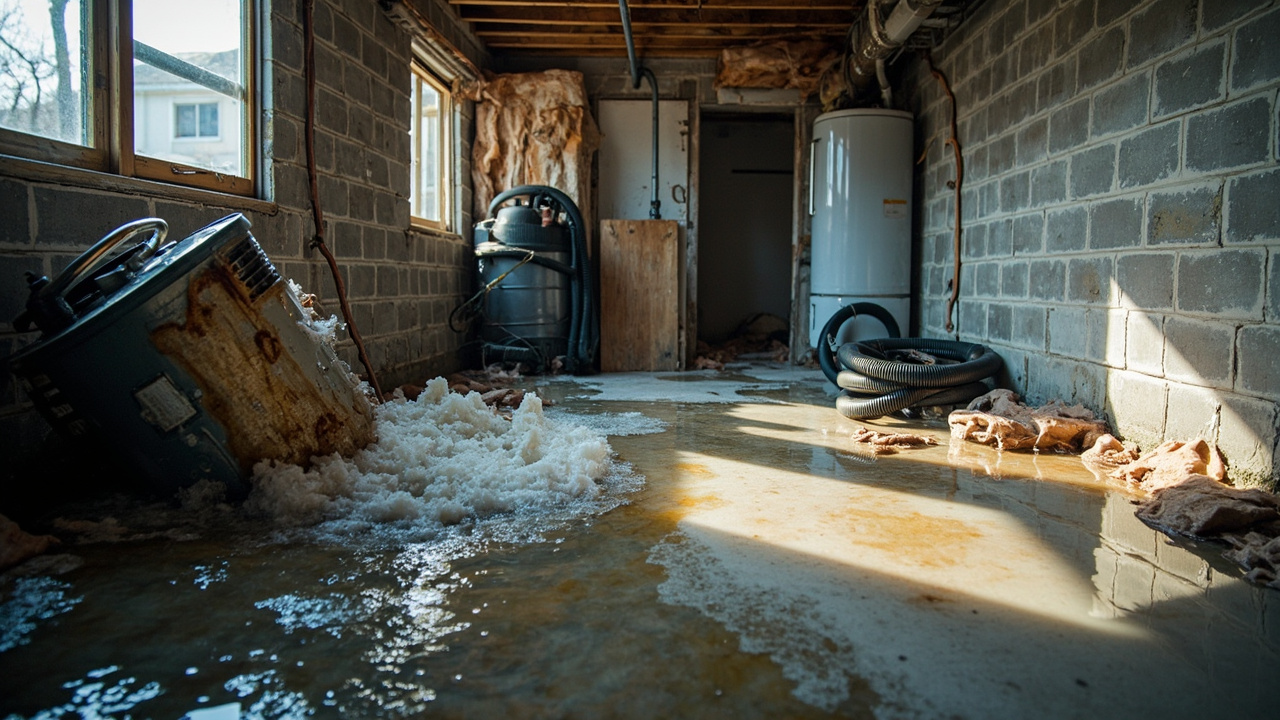
A ruptured water heater releases 40 to 60 gallons in under 10 minutes. In Detroit homes built on concrete slab foundations or with finished basements, that volume spreads fast. Water seeps into drywall, soaks subflooring, and saturates insulation before you finish calling your insurance company.

Detroit's freeze-thaw cycles stress water heater tanks year-round. Corrosion accelerates in older homes with galvanized piping, common in Midtown and Corktown. When the tank fails, you face immediate flooding, not a slow leak.

Burst hot water tank cleanup requires extraction equipment and rapid structural drying. Standing water breeds mold within 24 to 48 hours. Porous materials like carpet padding and baseboards hold moisture long after surface water disappears. Without professional water heater flood damage restoration, you risk microbial growth, warped flooring, and electrical hazards.

Emergency water heater water removal stops secondary damage. Certified technicians shut off the water supply, extract standing water, and deploy industrial air movers to prevent structural compromise. Ruptured water heater cleanup services address contamination risks, especially if the tank sits near HVAC systems or stored belongings.

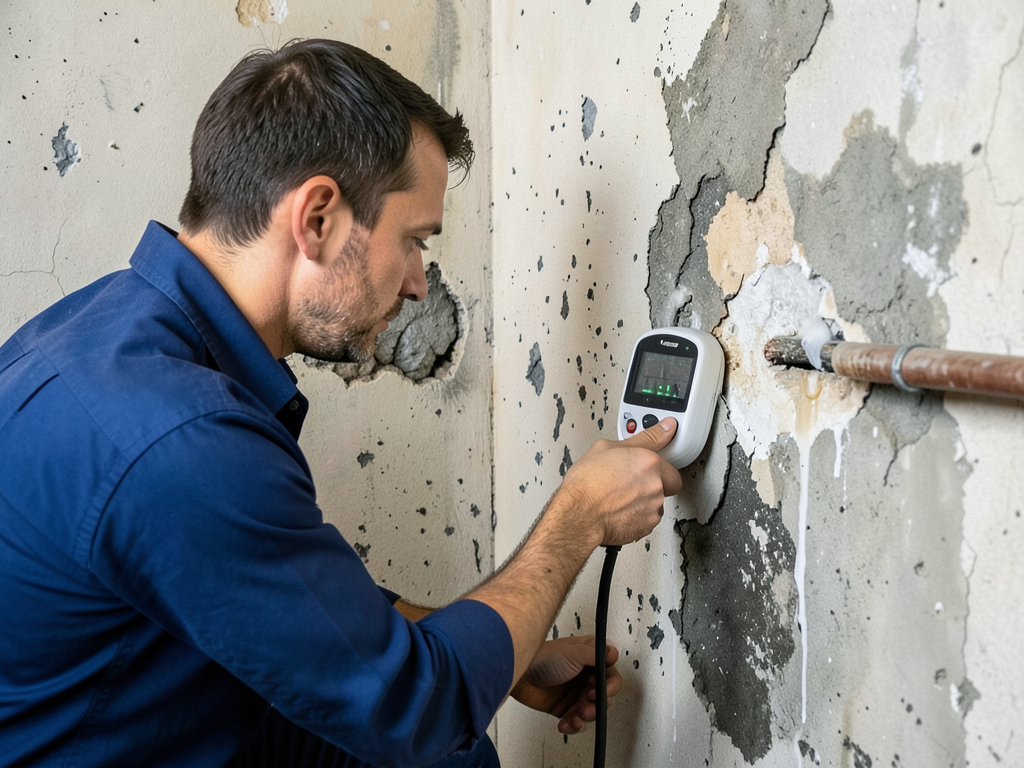
You cannot dry a flooded space with towels and fans. Burst water heater extraction demands moisture meters, thermal imaging, and dehumidifiers calibrated to Detroit's humidity levels. Delaying professional intervention turns a manageable crisis into a total loss claim.

A Burst Water Heater Floods Your Detroit Home in Minutes
How Ironwood Stops Water Damage Before It Spreads

How Ironwood Stops Water Damage Before It Spreads

We deploy extraction trucks equipped with truck-mounted pumps that pull 150 gallons per minute. Portable extractors handle confined spaces like closets and crawlspaces where ruptured tanks often sit. Our technicians use moisture mapping to identify hidden saturation in wall cavities and under vinyl flooring.

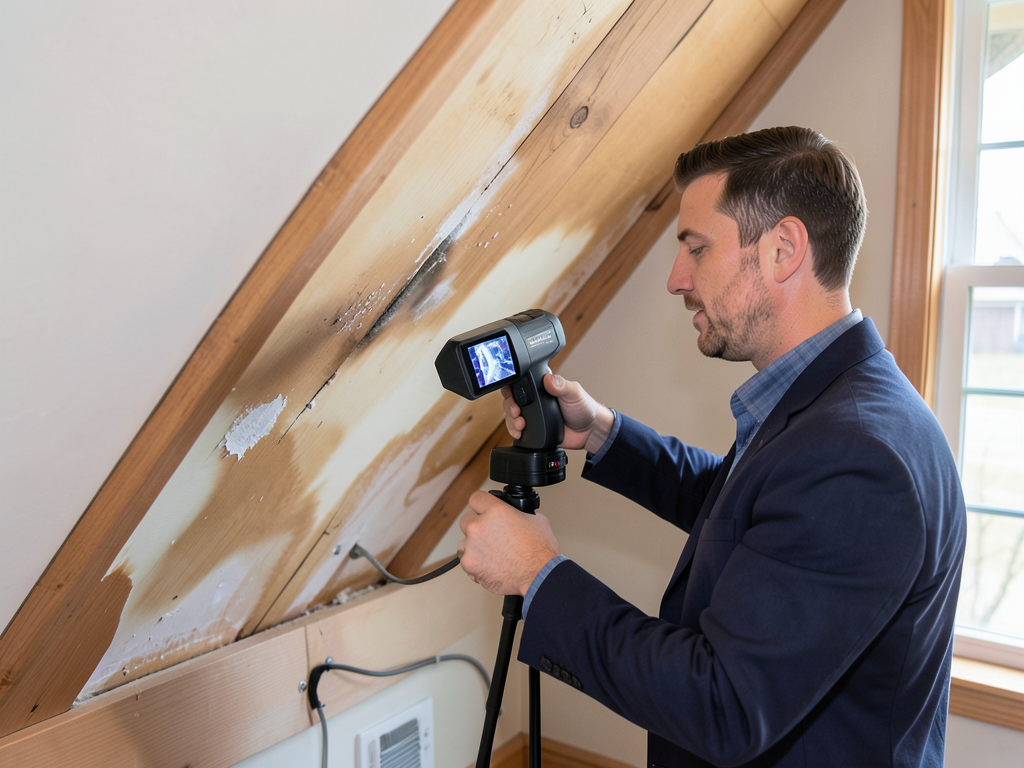
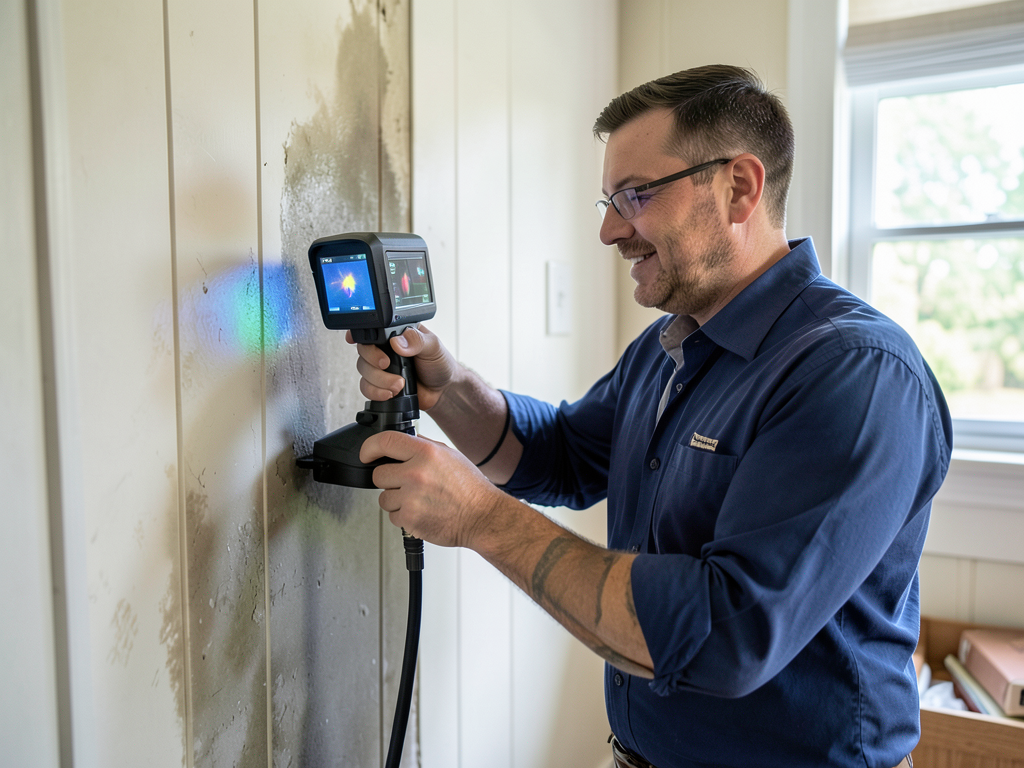
Thermal imaging reveals temperature differentials caused by wet insulation and trapped moisture. We document moisture content readings with pin-type and non-invasive meters, creating a baseline for daily monitoring. This data proves critical for insurance adjusters reviewing emergency water heater water removal claims.

Air movers create directional airflow across wet surfaces, accelerating evaporation. We position units at precise angles to target baseboards, carpet edges, and drywall seams. Low-grain refrigerant dehumidifiers pull moisture from the air, maintaining optimal vapor pressure differentials. We adjust equipment daily based on psychrometric readings.

Antimicrobial treatments prevent mold colonization on damp framing and subflooring. We apply EPA-registered solutions to affected areas after extraction. This step is non-negotiable in Detroit's humid summers, when relative humidity climbs above 70 percent.

Structural drying takes three to five days for standard water heater floods. We monitor progress with daily moisture readings, adjusting equipment placement as materials dry. Our technicians coordinate with your plumber to ensure safe reinstallation once the space reaches equilibrium moisture content. Burst water heater extraction is not finished until all readings match pre-loss conditions.

What Happens When You Call for Emergency Water Heater Cleanup

Water Heater Burst Cleanup in Detroit – 60-Minute Emergency Response to Stop Flooding Fast
01

Immediate Dispatch and Assessment

Our dispatch center answers 24/7 and sends a crew within 60 minutes. Technicians arrive with extraction equipment, moisture meters, and thermal cameras. We shut off your water supply, locate the breach source, and map affected areas. You receive a verbal damage assessment and service scope before equipment deployment begins.
02

Water Extraction and Containment

Truck-mounted pumps extract standing water first. Portable extractors pull moisture from carpet, padding, and upholstery. We remove unsalvageable materials like soaked drywall and insulation to expose framing for drying. Containment barriers prevent cross-contamination to unaffected rooms. Air scrubbers with HEPA filters capture airborne particles released during material removal.
03

Structural Drying and Verification

Industrial air movers and dehumidifiers run continuously for three to five days. We take daily moisture readings and adjust equipment to target stubborn wet spots. Once readings match industry drying standards, we document completion with final photos and moisture logs. You receive a certificate of drying for your insurance claim and contractor coordination.

Why Detroit Homeowners Trust Ironwood for Burst Water Heater Emergencies

We understand Detroit's housing stock. Homes in neighborhoods like Palmer Woods and Indian Village feature plaster walls and hardwood floors that demand specialized drying techniques. Cookie-cutter restoration fails here. Plaster holds moisture differently than drywall. Hardwood requires controlled drying rates to prevent cupping and crowning.

Our technicians recognize Detroit's basement configurations. Many homes have Michigan basements with fieldstone foundations and dirt floors. When a water heater bursts in these spaces, water seeps into porous stone and saturates soil. We deploy vapor barriers and extended drying protocols to address these conditions.

We navigate local building codes and permit requirements. Emergency water heater water removal often requires electrical disconnects and HVAC shutdowns. Our crews coordinate with city inspectors when structural repairs trigger permit review, common in historic districts with preservation guidelines.

Insurance carriers recognize our documentation standards. We photograph every phase, log equipment runtime, and provide psychrometric charts with daily readings. This transparency speeds claim approvals and prevents disputes over scope. Adjusters familiar with Detroit water damage trust our assessments because we reference local construction methods and material behaviors.

Ironwood technicians train on IICRC standards for water damage restoration. We hold certifications in applied structural drying and maintain continuing education in moisture science. When your water heater floods your home at 2 a.m., you need expertise, not guesswork. We bring both.

What to Expect During Water Heater Flood Restoration

Arrival Time and Availability

We answer emergency calls 24 hours a day, every day of the year. Dispatch logs your call and assigns the nearest crew immediately. Most Detroit-area properties receive service within 60 to 90 minutes. Our trucks carry extraction equipment, drying gear, and moisture detection tools, so we start work the moment we arrive. No waiting for equipment delivery or second trips. Night and weekend responses carry no surcharges. Your emergency is our priority, regardless of when disaster strikes.

Initial Inspection and Damage Mapping

Technicians perform a room-by-room assessment using thermal cameras and moisture meters. We identify visible damage like soaked carpet and hidden issues like wet wall cavities. You receive a written scope outlining affected materials, recommended services, and estimated drying time. We photograph all damage for your insurance documentation. This inspection takes 30 to 45 minutes. We explain findings in plain language and answer questions before starting extraction. You approve the scope before equipment deployment begins.

Drying Results and Completion

Structural drying restores your home to pre-loss moisture levels, verified by meter readings that match industry standards. We do not remove equipment until every affected material reaches equilibrium. You receive a completion certificate with final moisture readings, equipment runtime logs, and photographic documentation. This certificate satisfies insurance requirements and provides proof of proper mitigation for future buyers. Most water heater floods dry completely within three to five days. Complex scenarios involving hardwood or plaster may require additional time.

Post-Restoration Monitoring and Support

We offer optional moisture checks 30 days after equipment removal to confirm no moisture rebound has occurred. This follow-up inspection is free and takes 15 minutes. If you discover new issues within that window, we return to reassess at no charge. Our documentation package includes moisture logs, photos, and scope notes you can share with contractors during reconstruction. We maintain detailed records for three years to support any future insurance questions or property transactions.

Frequently Asked Questions

You Have Questions,
We Have Answers

What to do when a hot water heater bursts? +

Shut off the water supply immediately. Locate the cold water inlet valve on top of the tank and turn it clockwise. Next, cut power to the unit. Flip the circuit breaker for electric heaters or turn the gas valve to off. Do not wade through standing water if electrical outlets are submerged. Move valuables and furniture away from the flooded area. Call a Detroit water damage restoration company right away. Time matters. Water spreads fast through baseboards and subflooring, especially in older Detroit homes with wood frames. Document everything with photos for your insurance claim before cleanup begins.

What to do when your hot water heater blows? +

Treat it as an emergency. When a water heater blows, it releases gallons of water in minutes. First, shut off the water supply at the inlet valve. Then disconnect power to prevent electrical hazards. Do not attempt repairs yourself. The pressure release failure that caused the blowout requires professional replacement. In Detroit, burst water heaters often flood basements quickly because many homes sit below street level. Call a 24/7 water damage team immediately. They extract standing water, dry structural materials, and prevent mold growth. Your homeowner's policy likely covers sudden discharge, so file a claim fast.

How much does it cost to have a water heater flushed? +

This question addresses maintenance, not emergency cleanup. If your water heater has already burst, flushing is no longer the issue. You need immediate water extraction and structural drying. A burst tank requires full replacement and flood remediation. Detroit homeowners often skip routine flushing due to hard water buildup from the Detroit Water and Sewerage Department supply. Sediment accelerates corrosion and pressure issues. If you are asking because you hear rumbling or popping, call a plumber today before it bursts. If water is already flooding your basement, contact a restoration company now. Do not wait.

Will vinegar dissolve water heater sediment? +

Vinegar can dissolve minor sediment buildup in a functioning water heater, but it does not fix a burst tank. If your heater has already blown, you need emergency water removal, not a cleaning solution. Detroit's municipal water contains minerals that create hard sediment layers over time. This buildup reduces efficiency and increases pressure. Flushing with vinegar works only as preventive maintenance on an intact system. If you ignored maintenance and now face flooding, stop researching DIY fixes. Call professionals immediately. Standing water damages joists, drywall, and insulation within hours. Mold begins growing in 24 to 48 hours in Detroit's humid climate.

Is it common for water heaters to burst? +

Water heater bursts are not common if you maintain the system, but they happen more often in Detroit due to aging housing stock and hard water. Most tanks last eight to twelve years. Sediment buildup from mineral-heavy water accelerates corrosion and pressure issues. Homes in older Detroit neighborhoods often have original water heaters past their lifespan. Cold Michigan winters also stress tanks through rapid temperature cycling. If your unit is over ten years old, inspect it regularly. Once a burst happens, you face gallons of flooding. Do not gamble with an aging tank. Replace it before disaster strikes your basement.

Is a broken hot water heater an emergency? +

Yes. A broken hot water heater is an emergency. It dumps 40 to 80 gallons of water into your home in minutes. That volume floods basements, soaks drywall, and spreads into subflooring fast. Detroit's older homes with porous foundations face even worse damage as water seeps into crawl spaces and between walls. Immediate response limits destruction. Shut off water and power, then call a 24/7 restoration team. Do not wait until morning. Every hour of standing water increases repair costs and mold risk. Your insurance adjuster will ask when the damage occurred. Delayed response can complicate your claim.

What could cause a water heater to explode? +

Excessive pressure causes water heater explosions. The temperature and pressure relief valve prevents this, but if it fails or gets blocked by sediment, pressure builds until the tank ruptures. Sediment from Detroit's hard water accelerates valve failure. Thermostat malfunctions also overheat water beyond safe limits. Gas leaks near the pilot light can ignite explosive vapor. Corrosion weakens tank walls over time, especially in Michigan's freeze-thaw climate. If you hear hissing, see rust streaks, or smell gas, evacuate and call emergency services. Do not inspect the unit yourself. Explosions cause severe structural damage and injury.

Does insurance cover a water heater explosion? +

Most homeowner's insurance policies cover sudden and accidental water heater explosions, but coverage depends on your policy terms and the cause. If the explosion resulted from lack of maintenance or neglect, insurers may deny your claim. Detroit homeowners must prove the incident was unexpected. Document the damage immediately with photos and videos. Contact your insurance agent within 24 hours. A water damage restoration company can provide documentation and work directly with your adjuster. They understand what insurers require for claims approval. Do not start repairs until the adjuster inspects the damage, or you risk claim denial.

What does it mean when your hot water heater pops? +

Popping or rumbling sounds mean sediment has built up at the bottom of your tank. When the burner heats water, trapped moisture under the sediment layer boils and creates steam bubbles that burst, causing the popping noise. This is common in Detroit due to hard water from the municipal supply. Popping does not mean your heater will burst immediately, but it signals stress and reduced efficiency. The sediment layer forces your heater to work harder, increasing pressure and corrosion risk. Flush the tank or call a plumber soon. Ignoring the warning often leads to tank failure and basement flooding.

What happens if you never flush your water heater? +

If you never flush your water heater, sediment builds up and hardens at the bottom of the tank. This layer insulates water from the heating element, forcing the system to work harder and longer. Efficiency drops. Energy bills rise. The sediment traps moisture against metal, accelerating corrosion and creating weak points in the tank wall. Detroit's mineral-rich water makes this worse. Over time, pressure increases and the tank's lifespan shortens dramatically. You risk sudden rupture and flooding. Manufacturers recommend annual flushing. Skipping maintenance does not just waste energy. It turns a manageable task into an emergency basement flood requiring professional restoration.

Why Detroit's Basement Foundations Make Water Heater Bursts More Destructive

Detroit homes built before 1950 often feature Michigan basements with fieldstone foundations and minimal waterproofing. When a water heater ruptures in these spaces, water does not just pool on the surface. It saturates porous stone and seeps into surrounding soil, creating hidden moisture reservoirs that feed mold growth for weeks. Older properties in neighborhoods like Woodbridge and East English Village require extended drying protocols and vapor barrier installation to prevent recurring dampness. Concrete slab homes in newer developments spread water laterally into finished living spaces, damaging flooring and drywall within minutes.

Ironwood crews train on Detroit's diverse housing stock, from post-war bungalows to pre-Depression brick colonials. We understand how plaster walls behave differently than drywall during drying and why hardwood floors in older homes require controlled dehumidification rates. Our familiarity with local building codes ensures compliance when emergency water heater water removal intersects with electrical or structural repairs. Detroit homeowners choose us because we know the difference between a Michigan basement and a crawlspace, and we adjust our restoration approach accordingly.
Water Damage Restoration Services in The Detroit Area

Conveniently located to serve the Detroit area, Ironwood is always ready to respond to your water damage emergencies. Explore our service area on the map below or contact us directly to discuss your specific needs. We’re committed to providing prompt, professional service wherever you are within our operational zone, ensuring rapid deployment and effective restoration solutions when you need them most.

Address:
Ironwood Water Damage Restoration Detroit, 15324 Mack Ave, Detroit, MI, 48230

Additional Services We Offer

Our news updates

Latest Articles & News from The Blogs

A slow leak behind a Royal Oak bathroom wall can go unnoticed for weeks. By the time you smell mildew…

Why Smart Leak Detectors Are Worth Every Penny for Your Royal Oak Rental Property

A slow leak behind a Royal Oak bathroom wall can go unnoticed for weeks. By the time you smell mildew…

Why Your Whole House Humidifier in Warren Might Be Ruining Your Drywall

Your furnace runs all winter. Your whole house humidifier works quietly behind the scenes. And somewhere behind that drywall in…

What Black Water Flooding Actually Does to Your Health (A Detroit Homeowner's Guide)

A sewage backup in your Detroit basement is not just a cleanup problem. It is a biohazard event. The water…

Contact Us

Every minute your water heater flood goes untreated, damage worsens. Call (313) 572-5559 right now for immediate dispatch. Our crews are standing by with extraction equipment and drying gear. Do not wait for business hours. We answer emergency calls 24/7 and arrive fast.