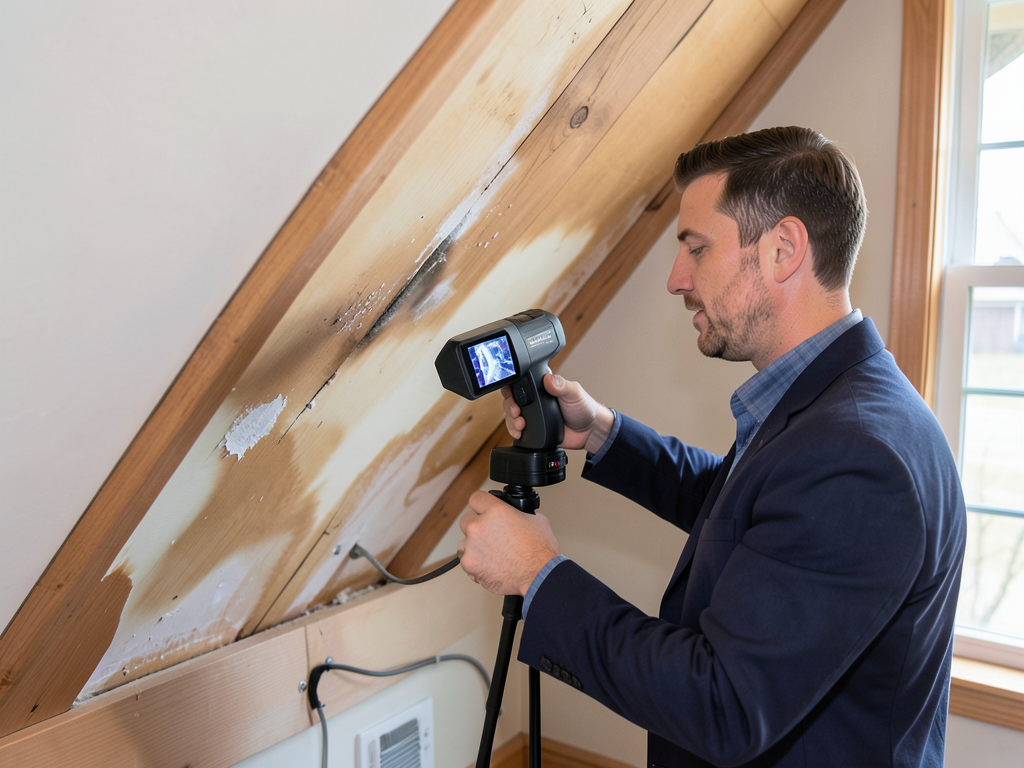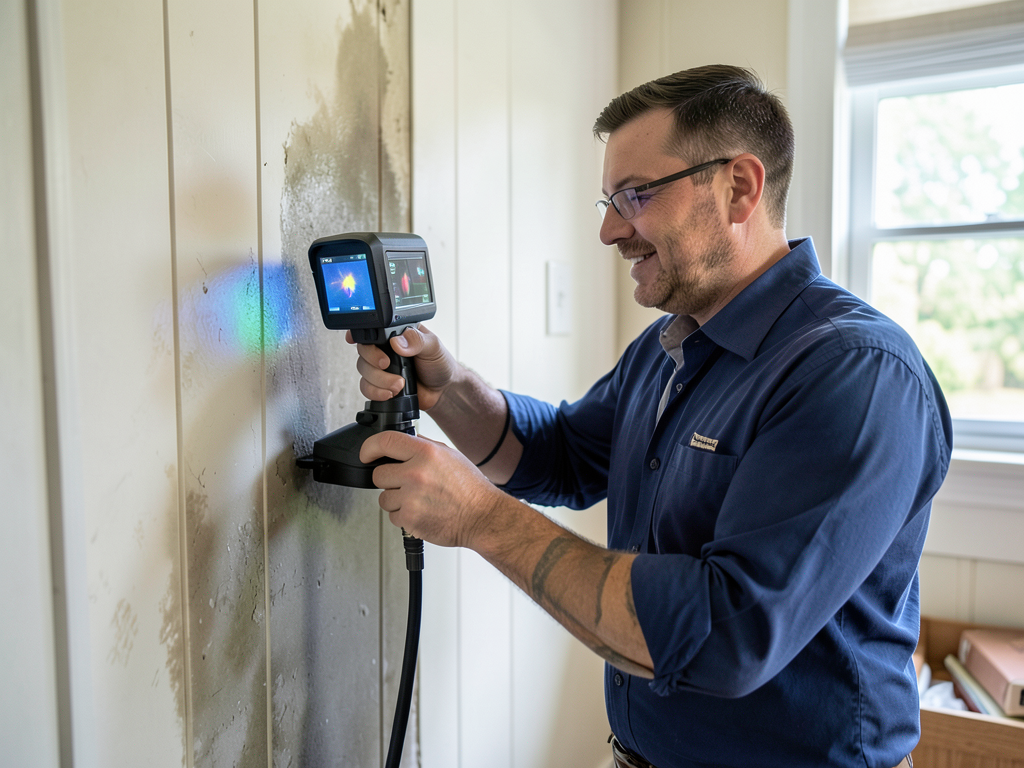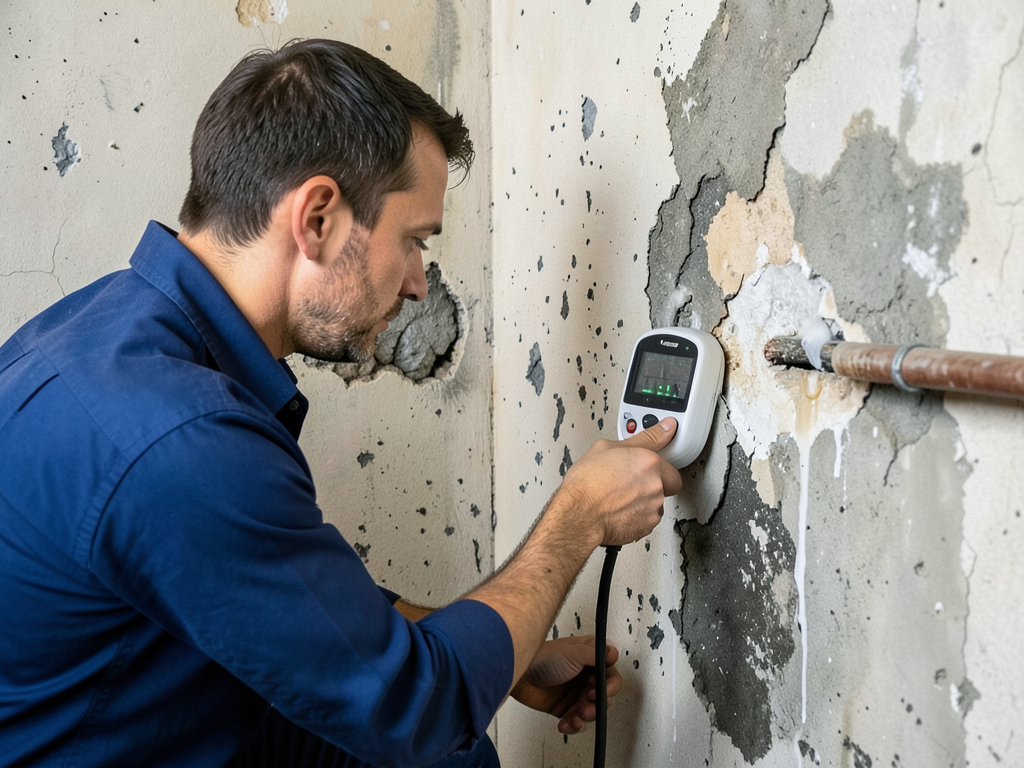







Detroit experiences relative humidity above seventy percent during summer months, significantly slowing natural evaporation rates. Winter heating systems create indoor humidity swings that complicate moisture removal from dense materials like plaster and brick. The freeze-thaw cycle common from November through March can trap moisture in foundation walls and exterior masonry, extending structural drying duration beyond typical timelines. Older neighborhoods feature balloon framing, plaster on wood lath, and minimal vapor barriers. These construction methods require longer water restoration drying timelines than modern homes with drywall and proper moisture management systems.
Local expertise matters when insurance adjusters question drying timelines. We document how Detroit's housing stock and climate conditions justify extended drying periods compared to national averages. Michigan's moisture intrusion patterns differ from arid climates where generic drying estimates originated. Understanding local building codes, historic preservation requirements in designated districts, and common construction defects in Detroit's housing inventory prevents costly mistakes. We work with adjusters who know Detroit and provide evidence-based justification for the time to dry out water damage in your specific structure.