




menu

Cupping or Buckling Wood Floors in Detroit – Expert Diagnosis and Permanent Moisture Solutions

When hardwood floors cup, buckle, or lift, moisture is the enemy. Ironwood Water Damage Restoration Detroit identifies the hidden water source, documents the damage for insurance, and restores your floors to flat, stable condition.

Slider Image 1
Slider Image 2
Slider Image 3
Slider Image 4
Slider Image 5
Slider Image 7
Slider Image 8
Slider Image 9
Slider Image 10
Slider Image 11

Why Detroit Hardwood Floors Cup, Buckle, and Warp

Detroit's freeze-thaw cycles create the perfect storm for foundation moisture intrusion. When temperatures swing from 15°F in January to 85°F in July, concrete slabs expand and contract. Hairline cracks form. Groundwater seeps up through the basement. That moisture migrates into your crawl space, under your subfloor, and into the bottom of your hardwood planks.

You notice it first as lifting floorboards near exterior walls or the bathroom. Then peaking hardwood joints appear where planks meet. Within weeks, you have full warped hardwood flooring, edges curling upward like potato chips. That is cupping. If the moisture comes from above, like a roof leak or burst pipe, the planks absorb water on top and swell in the center, creating raised wood floor edges and a humped appearance. That is buckling.

The clay soil common across Wayne County compounds the problem. Clay expands when wet and shrinks when dry. This constant soil movement shifts your foundation, cracks perimeter drainage systems, and funnels water directly under your floors. Homes in neighborhoods like Palmer Woods, Sherwood Forest, and Indian Village with older plumbing and cast iron drain lines face additional risk. When those pipes corrode and leak slowly behind walls, swollen wood planks are often the first visible symptom.

You did not cause this. Detroit's hydrology and housing stock did. But you need to fix it before the subfloor delaminates or mold colonizes the joist cavities.

Why Detroit Hardwood Floors Cup, Buckle, and Warp
How We Identify and Reverse Moisture-Driven Wood Floor Damage

How We Identify and Reverse Moisture-Driven Wood Floor Damage

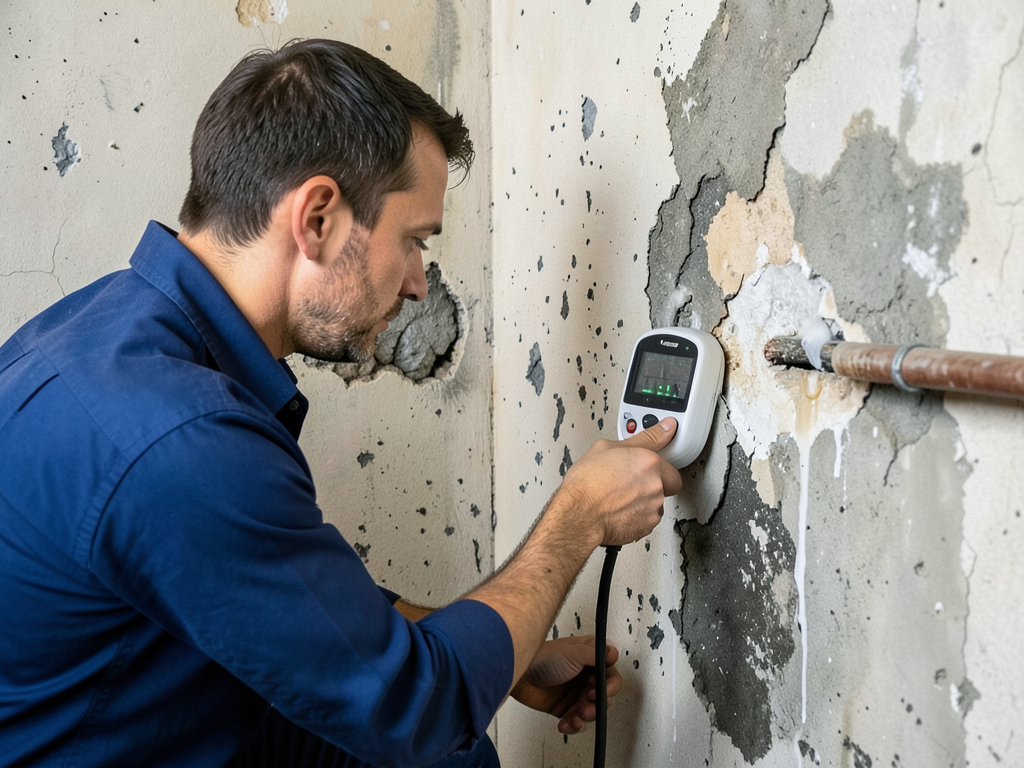
We do not sand floors and hope for the best. We treat the cause, not the symptom. Our moisture mapping protocol starts with a Tramex moisture meter. We take readings across the entire floor in a grid pattern, documenting moisture content percentages at the surface and 3/4 inch deep into the plank. Healthy hardwood reads 6 to 9 percent. Cupped floors read 14 to 18 percent. Buckled floors can hit 22 percent.

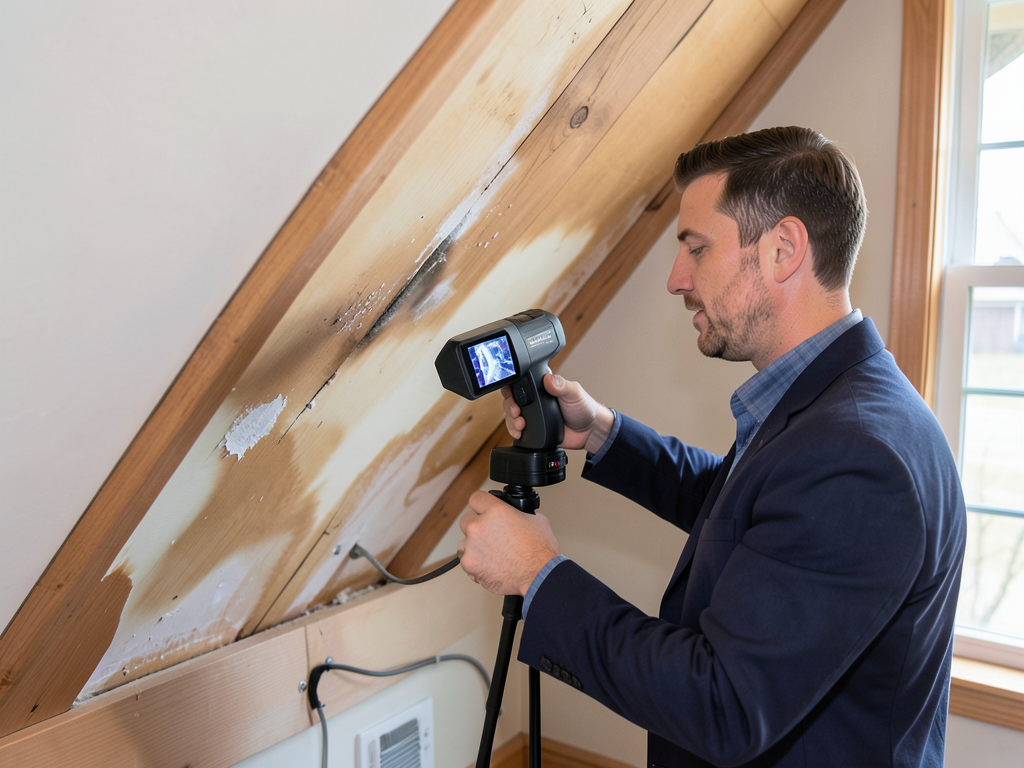
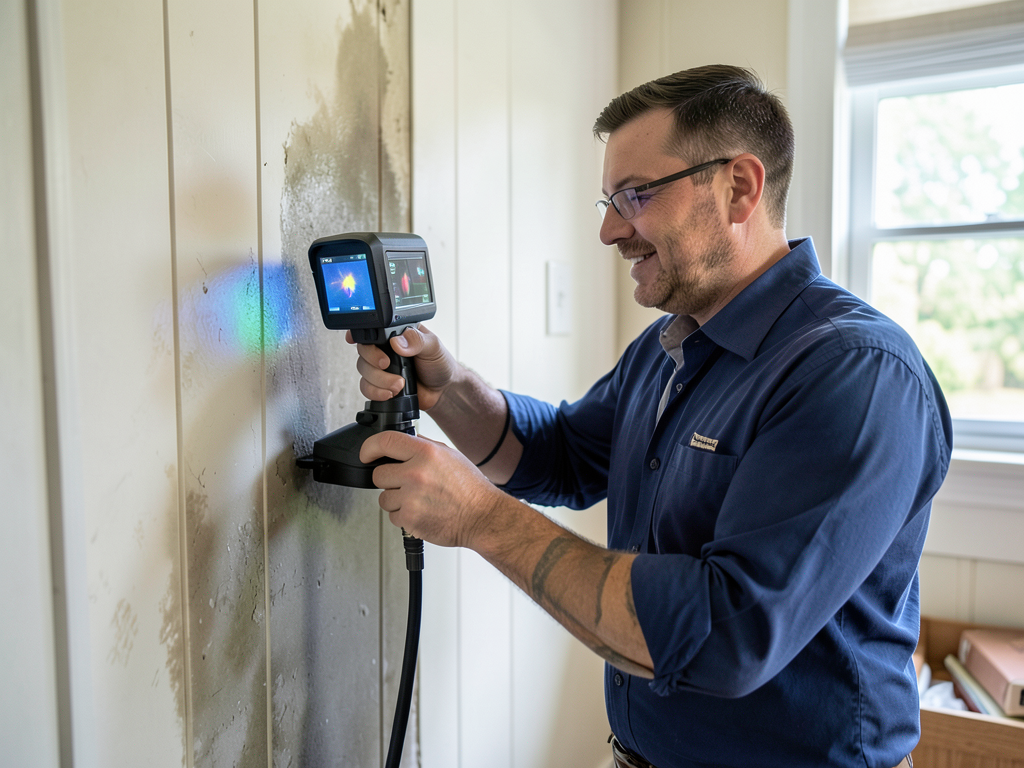
Next, we use thermal imaging cameras to trace the moisture trail. If the source is a foundation crack, we see the cold signature bleeding through the subfloor. If it is a slow leak in a second-floor bathroom drain, we see the thermal bloom in the ceiling cavity below. We correlate moisture readings with thermal patterns to pinpoint the exact failure point.

Once we isolate the source, we stop it. That might mean sealing a foundation crack with epoxy injection, replacing a leaking wax ring under a toilet, or rerouting a condensate line that has been dripping into a wall cavity for months. Then we extract the moisture. We pull up affected planks, remove wet underlayment, and set up commercial dehumidifiers with ducting that targets the subfloor. We monitor daily with the Tramex until readings drop below 10 percent.

Only then do we assess whether planks can be saved. If cupping is mild and the wood has not split, we acclimate the planks in a controlled environment, then reinstall and sand flat. If buckling has caused tongue-and-groove failure or plank cracking, we replace those sections with matching hardwood and integrate the repair so you cannot see the seam.

What Happens When You Call Us About Warped Floors

Cupping or Buckling Wood Floors in Detroit – Expert Diagnosis and Permanent Moisture Solutions
01

Moisture Documentation and Mapping

We arrive with calibrated moisture meters and thermal cameras. Every affected room gets a grid-pattern scan. We document moisture percentages in the hardwood, subfloor, and joists. We photograph the cupping, buckling, and peaking joints. This documentation is critical for your insurance adjuster. You receive a moisture map report within 24 hours showing exactly where the water is and how deep it penetrated.
02

Source Elimination and Drying

We stop the water at its source, whether that is a foundation crack, plumbing leak, or failed vapor barrier. Then we extract the moisture using targeted dehumidification and air movement. If subfloor removal is necessary, we do it strategically to avoid unnecessary demolition. Commercial-grade desiccant dehumidifiers run 24/7 until moisture content drops to safe levels. We check readings twice daily and adjust equipment placement based on real-time data.
03

Floor Restoration or Replacement

Once the subfloor is dry and stable, we determine if your hardwood can be saved. Minor cupping can be sanded flat after acclimation. Severe buckling requires plank replacement. We match wood species, grain pattern, and finish. After installation, we sand, stain, and seal the entire floor so the repair disappears. You get a flat, stable surface that will not warp again as long as the moisture source stays eliminated.

Why Detroit Homeowners Choose Ironwood for Hardwood Floor Water Damage

Most flooring contractors will tell you to rip out the hardwood and start over. Most water damage companies will dry the floor but ignore the source. We do both, and we do it right. Ironwood Water Damage Restoration Detroit specializes in the intersection of structural drying and finish carpentry. We understand how water moves through Detroit's building stock because we have worked in thousands of homes from Corktown to East English Village.

We know that homes built before 1950 often lack vapor barriers under basement slabs. We know that the switch from copper to PEX plumbing in the 1990s created connection points that fail after 20 years. We know that Detroit's combined sewer system can backflow during heavy rain and push groundwater up through floor drains. This local knowledge changes how we diagnose your problem.

When we document moisture damage, we use the same software that insurance adjusters use. We speak their language. We know what State Farm, Allstate, and Auto-Owners require in a moisture mitigation report. We include photos with moisture percentages overlaid, thermal images with temperature differentials marked, and a scope of work that matches Xactimate line items. This makes your claim faster and reduces the chance of a coverage dispute.

You also get a team that respects your home. We do not track mud through your kitchen or leave equipment running unattended. We set up containment barriers, run dedicated circuits for dehumidifiers, and communicate every step. If we find something unexpected, like mold growth or structural rot, you hear about it immediately, along with a clear explanation of what it means and what it costs to fix.

What to Expect When You Hire Us for Buckled or Cupped Floors

How Quickly We Respond

We dispatch within two hours of your call. If you call before noon, we are usually on-site the same day. Emergency situations like active flooding or sewage backups get priority, but even non-emergency cupping gets scheduled within 48 hours. The longer moisture sits in hardwood, the deeper it penetrates and the more expensive the fix becomes. Speed matters. We bring the diagnostic equipment on the first visit, so you get answers immediately, not after a follow-up appointment.

The Initial Assessment Process

The first visit takes 60 to 90 minutes. We inspect the entire floor, not just the visibly damaged area. We check adjacent rooms, the basement or crawl space below, and any plumbing or HVAC equipment nearby. We take moisture readings in a grid pattern and use thermal imaging to trace the water source. You receive a written assessment the same day, including moisture maps, photos, and a repair scope. If insurance is involved, we include everything your adjuster needs to approve the claim.

The Quality of Our Repairs

We do not patch floors. We restore them. If we replace planks, we match the wood species, grain direction, and finish sheen. We hand-select replacement boards to ensure color consistency. After installation, we sand the entire floor and apply a waterborne polyurethane finish that cures in 24 hours. The repair blends seamlessly. If we save the original planks by flattening cupped boards, we acclimate them for at least five days before sanding. You get a floor that looks original, not repaired.

Post-Repair Monitoring and Prevention

After the floor is dry and restored, we do not disappear. We leave you with a moisture meter and teach you how to use it. We recommend checking your floors twice a year, especially after spring thaw and fall rains. If we repaired a foundation crack or plumbing leak, we follow up in 30 days to verify the fix is holding. We also provide a written maintenance plan specific to your home, including humidity targets, seasonal ventilation tips, and early warning signs to watch for.

Frequently Asked Questions

You Have Questions,
We Have Answers

What is the difference between cupping and buckling floors? +

Cupping happens when the edges of wood planks rise higher than the center, creating a concave shape. This occurs when moisture penetrates the bottom of the board faster than the top. Buckling is more severe. The entire plank lifts away from the subfloor, creating gaps or a tented appearance. Buckling results from extreme moisture exposure or subfloor movement. In Detroit homes, cupping often appears after basement flooding or plumbing leaks. Buckling typically follows major water intrusion events like burst pipes during freeze-thaw cycles. Both require professional moisture assessment and water damage restoration to prevent permanent damage.

Will cupped hardwood floors flatten out? +

Cupped floors can flatten if you address the moisture source quickly. The wood needs time to dry evenly from both sides. In Detroit's humid summers, natural drying takes weeks or months. Do not sand cupped floors immediately. The boards may reverse-cup as they dry, creating a crowned appearance. Install dehumidifiers and monitor moisture levels with a meter. Once the subfloor and planks reach equilibrium moisture content, the cupping often resolves. If cupping persists after complete drying, professional sanding and refinishing may restore flatness. Acting fast prevents permanent deformation.

What does a buckled hardwood floor look like? +

A buckled floor shows dramatic vertical displacement. Planks lift several inches off the subfloor, creating visible peaks or ridges across the room. You will see gaps between boards and the subfloor underneath. The surface feels uneven when you walk across it. In severe cases, entire sections tent upward like a speed bump. Buckled floors often make cracking sounds under foot traffic. Detroit homes with basement moisture problems or foundation settling frequently develop buckling. This differs from minor cupping. Buckling represents structural failure requiring immediate attention to prevent injury and further damage.

Can wood floor cupping be fixed? +

Yes, but success depends on how quickly you act. First, identify and eliminate the moisture source. Extract standing water and dry the affected area with commercial dehumidifiers and air movers. Monitor moisture levels daily. Once the wood reaches normal moisture content, minor cupping often self-corrects. Moderate cupping may require professional sanding after complete drying. Severe cupping with cracked or twisted boards needs replacement. Detroit's variable humidity levels complicate drying. Professional water damage restoration specialists use moisture meters and thermal imaging to confirm complete drying before refinishing. Do not attempt repairs while moisture remains.

Will buckled hardwood floors go back to normal? +

Buckled floors rarely return to normal without intervention. The extreme moisture exposure that causes buckling often damages the subfloor adhesive, fasteners, or the wood itself. You must remove all moisture sources first. After thorough drying, some planks may resettle if the subfloor remains intact. Most buckled floors require partial or complete replacement. Attempting to force buckled boards down risks cracking them. Detroit homes built on clay soil experience foundation movement that can worsen buckling. A professional assessment determines whether boards can be salvaged or need replacement. Quick action improves your chances of saving the floor.

How to stop hardwood from cupping? +

Control moisture at the source. Install vapor barriers under flooring during installation. Maintain indoor humidity between 30 and 50 percent year-round using dehumidifiers. In Detroit, basement moisture from spring thaws and summer humidity causes most cupping. Seal crawl spaces and fix plumbing leaks immediately. Use exhaust fans in kitchens and bathrooms. Clean gutters and grade soil away from foundations to prevent water infiltration. Check HVAC systems for proper operation. Acclimate new hardwood to your home's conditions before installation. Monitor moisture levels with a hygrometer. Prevention costs less than restoration.

How Detroit's Wet Spring Seasons Accelerate Hardwood Floor Cupping

Detroit averages 33 inches of precipitation annually, with the heaviest rainfall occurring from April through June. When the ground saturates, hydrostatic pressure builds against basement walls and under slab foundations. Homes in low-lying areas near the Rouge River, around Palmer Park, and in parts of Warrendale experience chronic moisture intrusion during wet springs. This seasonal groundwater surge is the primary cause of lifting floorboards and peaking hardwood joints in Detroit homes. If your floors buckle every spring and flatten in summer, you have a drainage problem, not a flooring problem.

Ironwood Water Damage Restoration Detroit has worked with hundreds of homeowners across Wayne County to eliminate recurring moisture problems. We understand local soil composition, know which neighborhoods have outdated perimeter drain systems, and recognize the signs of foundation settlement common in pre-war Detroit homes. Our team includes certified water damage technicians trained in the IICRC S500 standard for water damage restoration. When we scope a repair, we account for Detroit-specific factors like combined sewer systems, clay soil expansion, and freeze-thaw foundation movement. You get solutions designed for this city, not generic fixes imported from drier climates.
Water Damage Restoration Services in The Detroit Area

Conveniently located to serve the Detroit area, Ironwood is always ready to respond to your water damage emergencies. Explore our service area on the map below or contact us directly to discuss your specific needs. We’re committed to providing prompt, professional service wherever you are within our operational zone, ensuring rapid deployment and effective restoration solutions when you need them most.

Address:
Ironwood Water Damage Restoration Detroit, 15324 Mack Ave, Detroit, MI, 48230

Additional Services We Offer

Our news updates

Latest Articles & News from The Blogs

A slow leak behind a Royal Oak bathroom wall can go unnoticed for weeks. By the time you smell mildew…

Why Smart Leak Detectors Are Worth Every Penny for Your Royal Oak Rental Property

A slow leak behind a Royal Oak bathroom wall can go unnoticed for weeks. By the time you smell mildew…

Why Your Whole House Humidifier in Warren Might Be Ruining Your Drywall

Your furnace runs all winter. Your whole house humidifier works quietly behind the scenes. And somewhere behind that drywall in…

What Black Water Flooding Actually Does to Your Health (A Detroit Homeowner's Guide)

A sewage backup in your Detroit basement is not just a cleanup problem. It is a biohazard event. The water…

Contact Us

Cupped floors get worse, not better. Call Ironwood Water Damage Restoration Detroit at (313) 572-5559 right now. We will be on-site today, identify the moisture source, and give you a repair plan that works. Do not wait until the wood splits.