



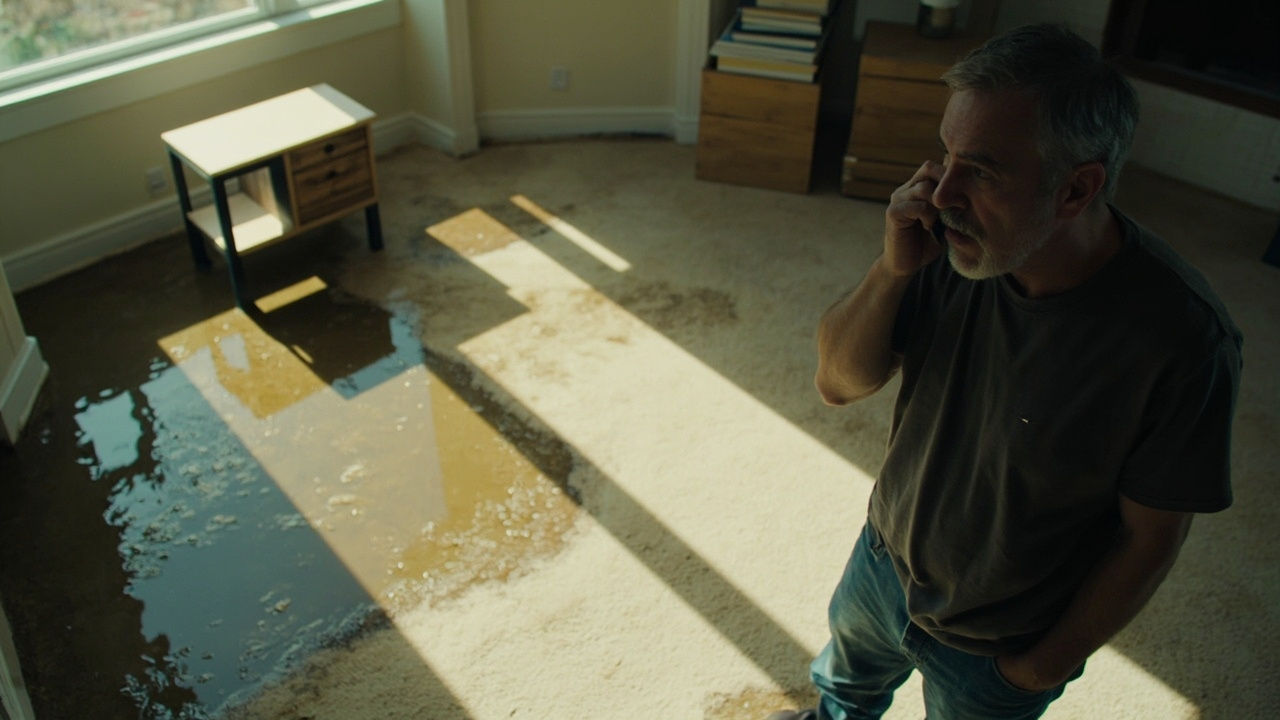
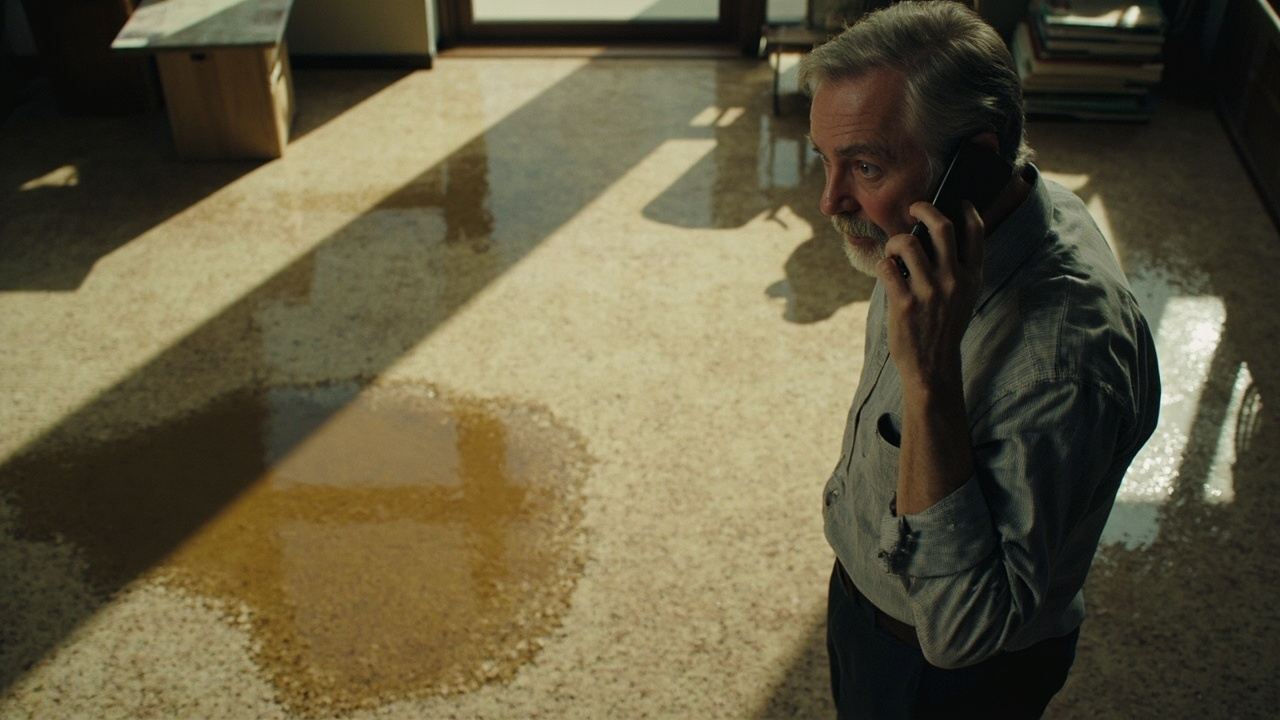
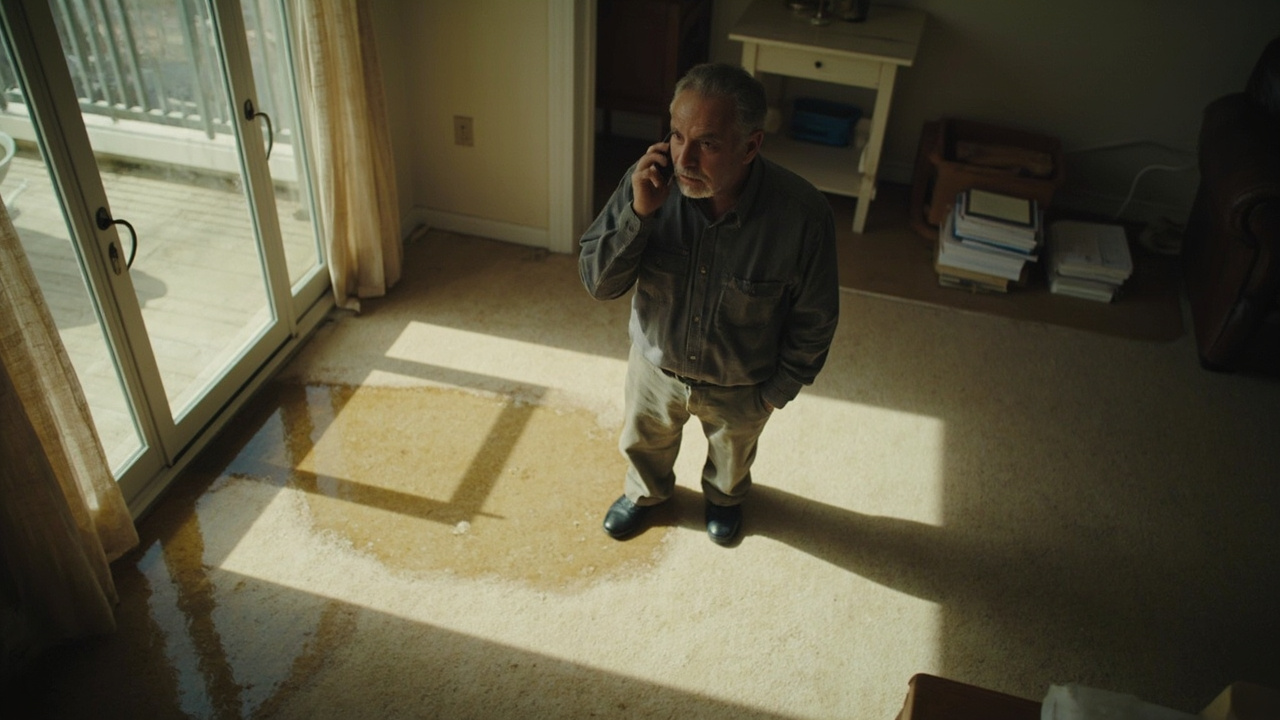
Detroit operates one of the oldest combined sewer systems in the country, mixing stormwater and sanitary sewage in the same pipes. During heavy rainfall, the system overflows, sending contaminated water back into basements through floor drains and toilet connections. This black water contamination requires Category 3 water damage protocols, meaning affected materials must be removed and disposed of, not simply dried. The steps to take after a flood involving sewage backup differ completely from clean water flooding. You need antimicrobial treatment, protective equipment, and disposal procedures that prevent health hazards. The immediate actions after flooding from sewer backup include evacuation until professionals assess contamination levels and establish safe work zones.
Detroit building codes and insurance requirements have evolved as flood frequency increases across Metro Detroit. Properties in the Jefferson Chalmers neighborhood and areas near the Detroit River face specific flood zone designations that affect insurance coverage and restoration requirements. Ironwood Water Damage Restoration Detroit maintains relationships with local building inspectors, understands permit requirements for flood-damaged properties, and coordinates with the Detroit Water and Sewerage Department when sewer backups contribute to flooding. Our familiarity with local adjustment firms and insurance carriers streamlines the claims process, reducing the administrative burden on homeowners during an already stressful time. We speak the language of Detroit construction, from brick tie replacement to plaster repair techniques specific to the city's historic building stock.