




menu

Peeling Paint & Wallpaper in Detroit – Expert Diagnosis of Hidden Water Damage

When bubbling paint, blistering wall paint, or lifting wallpaper appears in your Detroit home, it signals active moisture intrusion that demands immediate professional assessment to prevent structural decay and mold colonization.

Slider Image 1
Slider Image 2
Slider Image 3
Slider Image 4
Slider Image 5
Slider Image 7
Slider Image 8
Slider Image 9
Slider Image 10
Slider Image 11

Why Detroit Walls Fail: The Real Culprit Behind Flaking Paint and Loose Wallpaper

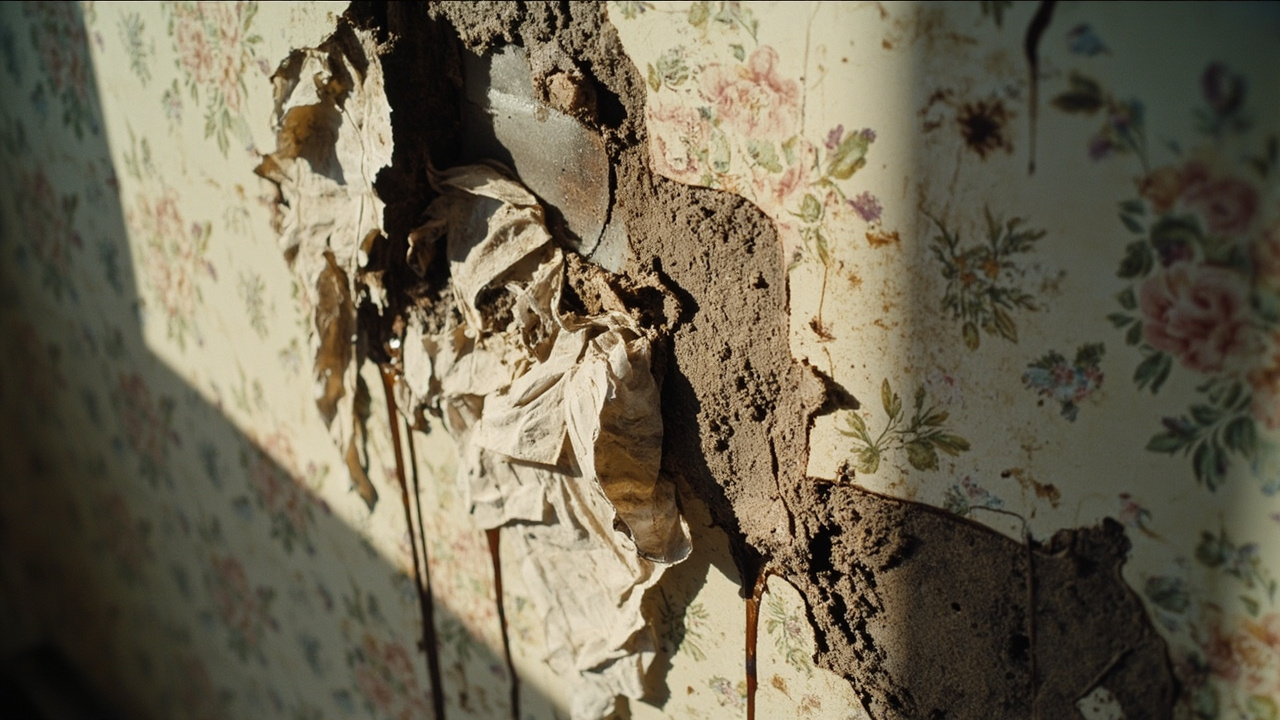
You walk past the same wall every day. Then you notice it. A small bubble in the paint near the baseboard. A corner of wallpaper lifting away from the plaster. Within weeks, the bubbling paint spreads. The blistering wall paint cracks and peels in sheets. What started as a cosmetic annoyance becomes a full-scale failure.

Detroit's freeze-thaw cycles create the perfect storm for this type of damage. When temperatures swing from 15 degrees in January to 85 degrees in July, building materials expand and contract. Add the high water table in neighborhoods near the Detroit River and Rouge River, and you get chronic moisture intrusion. Water seeps through foundation cracks during spring thaws. It travels up through capillary action in older brick homes common in areas like Indian Village and Corktown. It condenses inside wall cavities when humid summer air meets cold basement walls.

The flaking paint you see is not a paint problem. It is a water problem. The loose wallpaper is not an adhesive failure. It is a symptom of saturated drywall or plaster beneath. When moisture gets trapped between your wall surface and the finish layer, it destroys the bond. Paint loses adhesion. Wallpaper paste liquefies. The surface fails.

Most Detroit homes built before 1960 use plaster over wood lath. These walls absorb water like a sponge. Modern drywall is not much better when exposed to persistent moisture. Both materials become breeding grounds for mold within 48 hours of saturation. The longer you wait, the more extensive the hidden damage becomes.

Why Detroit Walls Fail: The Real Culprit Behind Flaking Paint and Loose Wallpaper
How We Trace Moisture to Its Source and Fix It Permanently

How We Trace Moisture to Its Source and Fix It Permanently

Repainting over bubbling paint is pointless. Regluing lifting wallpaper is temporary. You must eliminate the moisture source first, then repair the substrate damage, then refinish. That sequence is non-negotiable.

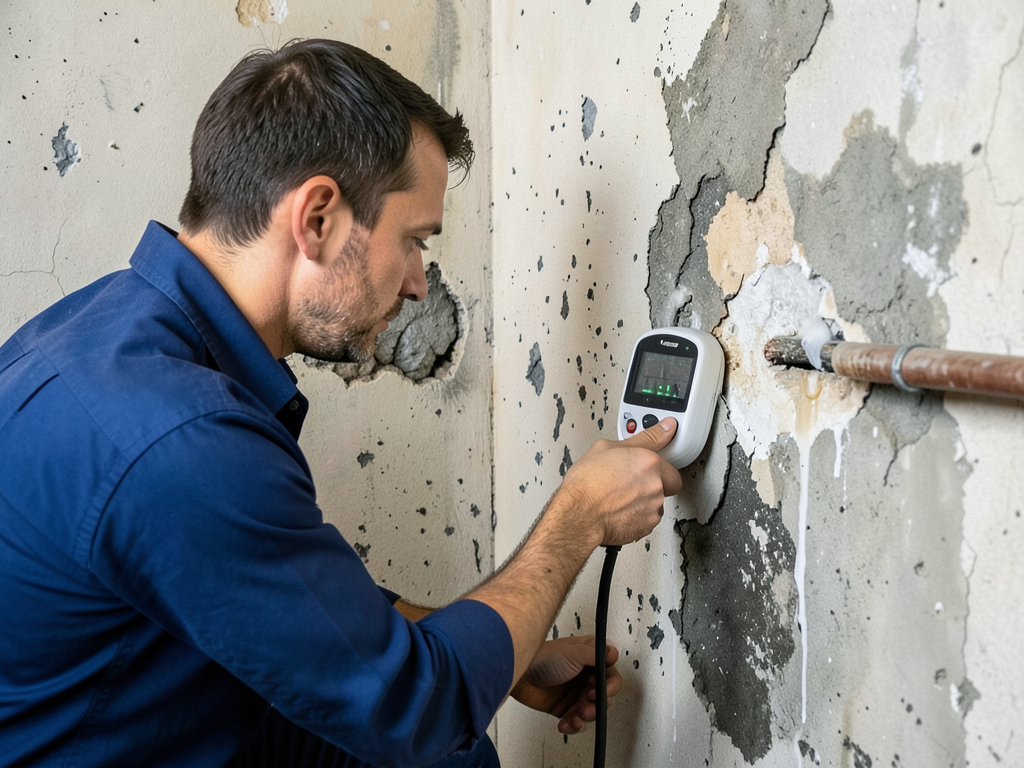
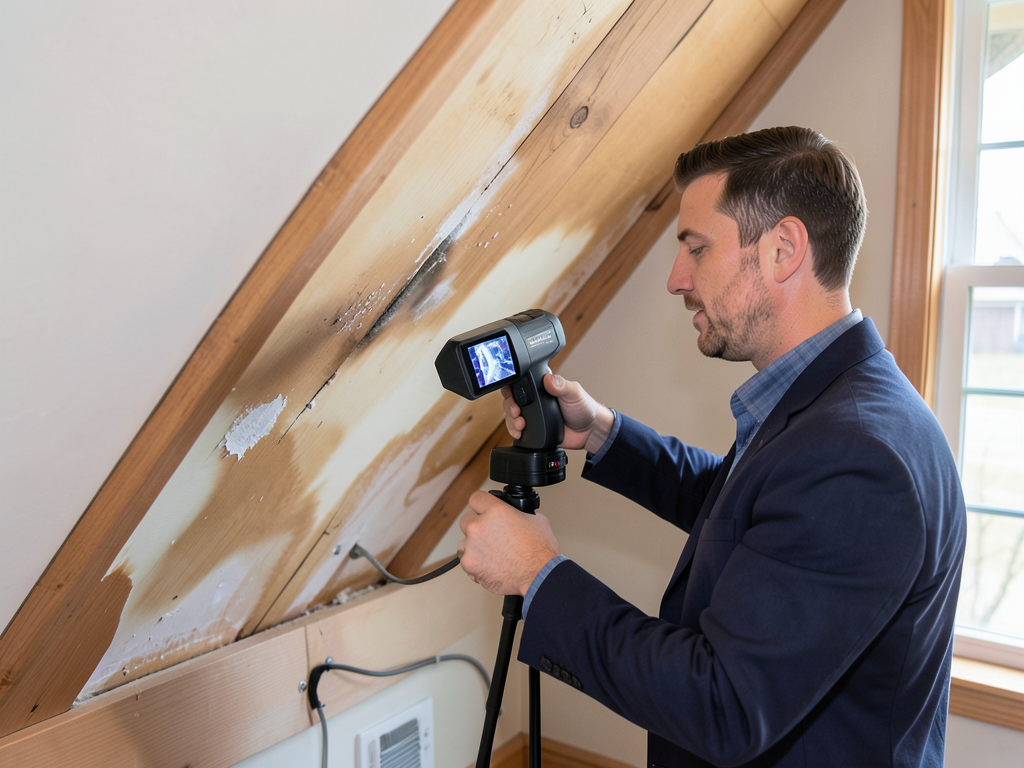
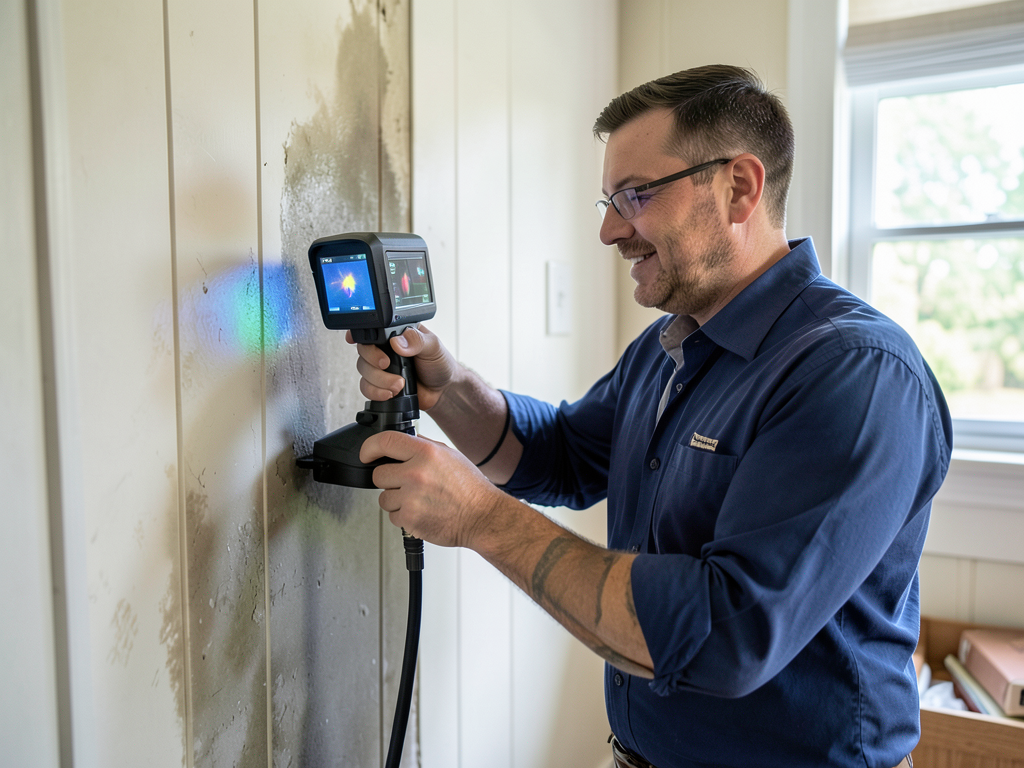
Ironwood Water Damage Restoration Detroit uses thermal imaging cameras to map temperature differentials behind walls. Cold spots indicate active water intrusion. We use pin-type and non-invasive moisture meters to measure water content in drywall, plaster, and framing lumber. Readings above 17 percent indicate active problems. We probe behind baseboards and inside wall cavities to identify whether the moisture is coming from plumbing leaks, exterior infiltration, or condensation.

Once we locate the source, we address it. If it is a leaking supply line, we coordinate with licensed plumbers. If it is a foundation crack, we seal it from the interior using hydraulic cement or polyurethane injection. If it is condensation, we improve ventilation and install vapor barriers. We do not guess. We measure, verify, and document.

After the source is controlled, we remove all compromised materials. Wet drywall gets cut out and discarded. Soaked insulation gets pulled. We dry the framing and studs using commercial dehumidifiers and air movers until moisture levels drop below 12 percent. We treat exposed wood with antimicrobial solutions to kill mold spores. Only then do we rebuild.

We replace drywall with mold-resistant greenboard in moisture-prone areas. We use mold-inhibiting primers before finish coats. We ensure proper ventilation to prevent recurrence. The goal is not just cosmetic repair. The goal is a dry, stable wall system that will not fail again in six months.

What Happens When You Call About Peeling Paint or Wallpaper

Peeling Paint & Wallpaper in Detroit – Expert Diagnosis of Hidden Water Damage
01

Moisture Detection Assessment

We arrive with thermal cameras and moisture meters to scan every affected wall and adjacent surfaces. You get a moisture map showing exactly where water is hiding and how saturated the materials are. We identify whether the problem is localized or systemic, active or residual. This diagnostic phase typically takes 30 to 60 minutes and gives you a clear picture of what you are dealing with before any demolition begins.
02

Source Elimination and Drying

Once we confirm the moisture source, we stop it. Leaking pipes get shut off. Foundation cracks get sealed. Exterior grading gets corrected if runoff is the issue. We then extract standing water, remove saturated materials, and set up drying equipment. High-velocity air movers and commercial dehumidifiers run continuously for 48 to 72 hours. We monitor moisture levels twice daily until the structure is completely dry and ready for reconstruction.
03

Reconstruction and Prevention

After the framing dries below 12 percent moisture content, we rebuild using mold-resistant materials. New drywall or plaster goes up. Joints get taped and finished. Surfaces get primed with stain-blocking, mold-inhibiting primer. You can then repaint or rehang wallpaper knowing the substrate is sound. We provide documentation of moisture readings and material replacement for insurance claims and future reference. The wall is now structurally sound and protected against future moisture damage.

Why Detroit Property Owners Trust Local Water Damage Experts Over Painters

A painting contractor will scrape off the blistering wall paint, apply primer, and give you a fresh coat. Three months later, the bubbling paint returns. You just spent money on a cosmetic fix while the underlying water intrusion continued unchecked. That cycle repeats until you address the root cause.

Ironwood Water Damage Restoration Detroit specializes in moisture problems, not surface finishes. We understand how Detroit's aging housing stock behaves. We know that homes in Springwells Village and Grandmont-Rosedale often have cast iron drain stacks that corrode and leak inside walls. We know that brick homes in Boston-Edison and Palmer Woods absorb water through deteriorated mortar joints. We know that basement walls in neighborhoods near the Detroit River face hydrostatic pressure during heavy rain events.

We work directly with insurance adjusters who handle water damage claims. We document moisture readings, photograph concealed damage, and provide detailed estimates that align with Xactimate pricing standards. Most homeowners insurance policies cover sudden and accidental water damage. If your peeling paint or loose wallpaper resulted from a covered event like a pipe burst or appliance leak, your claim may cover the full restoration cost.

We also understand Detroit building codes and work with city inspectors when permits are required for structural repairs. Our crews are trained in lead-safe work practices, which matters in a city where 84 percent of homes were built before 1978. We contain dust, use HEPA filtration, and follow EPA RRP guidelines when disturbing painted surfaces in older homes.

You are not just hiring someone to fix a wall. You are hiring someone to solve a problem that could compromise your home's structural integrity and your family's health. That requires expertise in building science, moisture dynamics, and restoration protocols, not just painting skills.

What to Expect When You Contact Us About Wall Damage

Rapid Response and Availability

We answer calls seven days a week and can schedule assessments within 24 hours for active water damage situations. If you call about bubbling paint that appeared suddenly, we treat it as an active leak scenario and prioritize the inspection. For long-standing issues like slowly lifting wallpaper, we schedule within 48 to 72 hours. Emergency situations involving visible water intrusion or recent flooding get same-day response. We understand that moisture damage progresses rapidly, and delaying assessment only increases the scope and cost of repairs.

Comprehensive Moisture Evaluation

Your assessment includes thermal imaging of all suspected areas, moisture meter readings at multiple depths, and visual inspection behind removable fixtures like electrical outlets and baseboards. We check adjacent rooms and floors because water travels through wall cavities and can cause damage far from the original source. You receive a written report with photos, moisture readings, and our recommended scope of work. If we find hidden mold growth or structural damage, we document it and explain your options. There is no guessing. You get measurable data that shows exactly what is happening inside your walls.

Complete Restoration, Not Patchwork

When we complete a project, the wall looks and performs like new. We do not leave unfinished edges or mismatched textures. Drywall seams are invisible. Plaster repairs blend seamlessly with original surfaces. Paint transitions are feathered and smooth. If the project involves multiple rooms or complex areas like stairwells, we coordinate finishes so everything matches. We protect your floors and furnishings during the work. We remove all debris daily and leave the site clean. The finished result is a structurally sound, moisture-free wall ready for your final decorative choices.

Documentation and Ongoing Support

You receive copies of all moisture readings, photos of concealed damage, and a detailed invoice that breaks down materials and labor. This documentation supports insurance claims and provides a baseline for future reference. If you experience any issues after the work is complete, we return to assess the situation at no charge. We also provide guidance on preventing future moisture problems, including recommendations for gutter maintenance, grading improvements, and humidity control. Our goal is to solve the problem permanently, not create a repeat customer. You should not see flaking paint or lifting wallpaper in the same location again.

Frequently Asked Questions

You Have Questions,
We Have Answers

Why is my paint peeling like wallpaper? +

Your paint peels in sheets because moisture trapped behind the coating lifts it away from the substrate. In Detroit, this happens when water damage from burst pipes, roof leaks, or foundation seepage saturates drywall. The paint film loses adhesion and separates. High humidity from Michigan's climate worsens the problem if ventilation is poor. Sometimes the original surface was not prepped correctly. Paint applied over glossy finishes or dirt fails to bond. You need to identify the moisture source first. Peeling paint is a symptom, not the problem. Fix the water intrusion before repainting.

What to do if paint is peeling off the wall? +

Stop the moisture source immediately. Check for active leaks, plumbing failures, or roof damage common in Detroit's older housing stock. Scrape away all loose paint with a putty knife until you reach sound coating. Sand the edges smooth to feather the transition. Clean the surface with TSP or a degreaser to remove contaminants. Let the wall dry completely, which can take days after water damage. Prime bare spots with a quality bonding primer. Then repaint with the appropriate finish. If peeling covers large areas or you smell mold, call a water damage professional to assess hidden damage.

Can I wallpaper over peeling paint? +

No. Wallpaper needs a stable, smooth surface to adhere properly. Peeling paint indicates moisture problems or poor adhesion. Adding wallpaper traps moisture and creates more failure. The weight of wallpaper paste pulls loose paint down faster. You will see bubbling, wrinkles, and separation within weeks. Remove all peeling paint first. Repair and prime the wall correctly. Address any water intrusion that caused the original failure. Detroit homes with plaster walls need extra attention because moisture travels through old lath. Only wallpaper over sound, sealed surfaces. Shortcuts create bigger repair bills later.

Can I just paint over peeling paint? +

No. Painting over peeling paint guarantees failure. The new coat adds weight to already compromised adhesion. You will see more peeling within months. The underlying issue, usually moisture or poor prep, remains active. Detroit's freeze-thaw cycles make this worse as trapped water expands and contracts. Scrape away all loose material first. You must reach stable paint that does not lift when you press it. Sand edges smooth. Prime bare spots. Only then can you repaint successfully. Skipping prep wastes time and money. Do it right once instead of repainting yearly.

Will Kilz stop peeling paint? +

Kilz primer seals stains and blocks moisture, but it does not repair adhesion failure. If paint is actively peeling, Kilz applied over it will peel too. You must remove all loose coating first. Kilz works best on stable surfaces after proper prep. It excels at sealing water stains common in Detroit basements and older homes. Use it after you scrape, sand, and clean the wall. Kilz prevents bleed-through from old damage. It does not replace mechanical removal of failing paint. Think of it as insurance after you fix the problem, not a fix itself.

Should I scrape off all the peeling paint? +

Yes. Remove every bit of loose or bubbling paint. Press the surface with your thumb. If paint lifts or feels soft, scrape it away. Detroit's humidity and temperature swings will continue lifting weakly bonded areas. Stop scraping only when you reach paint that resists pressure and feels solid. Feather the edges with sandpaper so transitions are smooth. Check corners and trim carefully because moisture collects there first. Leaving loose paint guarantees your new finish will fail. This step takes time but prevents callback repairs. Clean dust thoroughly before priming.

What is the difference between flaking and peeling paint? +

Flaking paint breaks into small chips or fragments that fall away from the surface. Peeling paint separates in larger strips or sheets, often curling at the edges. Flaking usually signals aging paint that has lost flexibility and brittleness from UV exposure. Peeling indicates moisture intrusion or adhesion failure between layers. In Detroit, peeling happens when water gets behind paint on exterior siding or interior walls near bathrooms and basements. Both require removal and proper prep. Peeling demands moisture source identification first. Flaking may just need scraping, priming, and recoating if the substrate is sound.

Can peeling paint be fixed? +

Yes, but only after you fix the root cause. Peeling paint means moisture infiltration, poor surface prep, or incompatible coatings. Detroit homes see peeling from roof leaks, plumbing failures, and condensation in poorly ventilated bathrooms. Find and repair the water source. Remove all loose paint. Sand edges smooth. Clean the surface thoroughly. Prime with a bonding primer suited to the substrate. Repaint with quality coating. If peeling covers extensive areas or you find soft drywall, mold, or persistent dampness, hire a water damage restoration specialist. Surface fixes fail without addressing hidden moisture problems.

Can you put primer over peeling paint? +

No. Primer needs a mechanically sound surface to bond. Applying primer over loose, lifting paint creates a false foundation. The primer will peel along with the old coating. Scrape away all compromised paint first. Sand transitions smooth. Prime only after the surface is stable and clean. Bonding primers work well on Detroit's older plaster walls once you remove failing layers. Primer seals porous surfaces and improves topcoat adhesion. It does not glue down peeling paint. Think of primer as the bridge between proper prep and finish paint, not a repair product.

How to prep a wall after peeling wallpaper? +

After removing wallpaper, scrape off all remaining adhesive and backing paper with a putty knife. Wallpaper paste leaves a residue that prevents paint adhesion. Use a sponge and warm water with a few drops of dish soap or a wallpaper remover solution. Rinse thoroughly. Let the wall dry completely, which takes longer in Detroit's humid climate. Sand lightly to smooth rough spots from torn drywall paper. Fill gouges with joint compound. Prime the entire wall with a stain-blocking primer because old paste can bleed through. Only then can you paint successfully.

How Detroit's Aging Infrastructure Accelerates Paint and Wallpaper Failure

Detroit has one of the oldest housing stocks in the Midwest. More than half of the city's residential structures were built before 1950, and many still have original plumbing, roofing, and foundation systems. Cast iron drain pipes corrode from the inside out. Galvanized steel supply lines develop pinhole leaks. Brick mortar deteriorates after 80 years of freeze-thaw exposure. When these systems fail, water infiltrates wall cavities and causes the bubbling paint, blistering wall paint, and loose wallpaper you see on the surface. The cosmetic damage is just the visible symptom of a much deeper systemic failure that requires professional water damage restoration, not a quick paint job.

Ironwood Water Damage Restoration Detroit has worked on century-old homes in historic districts and post-war bungalows in every neighborhood from Warrendale to the North End. We understand the unique construction methods used in different eras and how they respond to water damage. We know which walls are plaster over lath and which are early drywall. We know where to expect knob-and-tube wiring and how to work safely around it. That local knowledge matters when diagnosing why your walls are failing and how to fix them correctly. Choosing a restoration company that understands Detroit's building history gives you better outcomes and fewer surprises.
Water Damage Restoration Services in The Detroit Area

Conveniently located to serve the Detroit area, Ironwood is always ready to respond to your water damage emergencies. Explore our service area on the map below or contact us directly to discuss your specific needs. We’re committed to providing prompt, professional service wherever you are within our operational zone, ensuring rapid deployment and effective restoration solutions when you need them most.

Address:
Ironwood Water Damage Restoration Detroit, 15324 Mack Ave, Detroit, MI, 48230

Additional Services We Offer

Our news updates

Latest Articles & News from The Blogs

A slow leak behind a Royal Oak bathroom wall can go unnoticed for weeks. By the time you smell mildew…

Why Smart Leak Detectors Are Worth Every Penny for Your Royal Oak Rental Property

A slow leak behind a Royal Oak bathroom wall can go unnoticed for weeks. By the time you smell mildew…

Why Your Whole House Humidifier in Warren Might Be Ruining Your Drywall

Your furnace runs all winter. Your whole house humidifier works quietly behind the scenes. And somewhere behind that drywall in…

What Black Water Flooding Actually Does to Your Health (A Detroit Homeowner's Guide)

A sewage backup in your Detroit basement is not just a cleanup problem. It is a biohazard event. The water…

Contact Us

Peeling paint and lifting wallpaper indicate active moisture problems that worsen every day. Call Ironwood Water Damage Restoration Detroit at (313) 572-5559 now for a professional moisture assessment. We will find the source, stop the damage, and restore your walls correctly.