




menu

Soggy Insulation in Detroit – Fast Water Damage Response Before Health Hazards and Energy Bills Spiral Out of Control

When water invades your attic or walls, soggy insulation becomes a ticking clock for mold growth, structural rot, and sky-high heating costs. Ironwood Water Damage Restoration Detroit responds fast to assess, extract, and restore your home's thermal barrier before the damage compounds.

Slider Image 1
Slider Image 2
Slider Image 3
Slider Image 4
Slider Image 5
Slider Image 7
Slider Image 8
Slider Image 9
Slider Image 10
Slider Image 11

Why Detroit Homes Face a Perfect Storm for Saturated Insulation

Detroit's freeze-thaw cycles hit harder than most people realize. When ice dams form on your roof during January cold snaps, meltwater backs up under shingles and seeps into attic insulation. That fiberglass or cellulose you rely on to keep heating bills manageable turns into a waterlogged sponge. The same thing happens when basement windows leak during spring rainstorms or when old cast iron pipes sweat condensation onto wall cavities.

Wet insulation does not dry on its own in Michigan's humid summers. It stays damp, compresses, and loses its R-value. You crank the thermostat higher, but the heat bleeds straight through those soaked batts. Worse, that moisture feeds mold colonies within 48 hours. Black mold and Aspergillus love wet insulation. They spread spores through your HVAC system and into the air you breathe.

Water damaged insulation also adds weight. A saturated attic floor can stress ceiling joists, especially in older Detroit homes with balloon framing. Damp insulation around electrical wiring creates fire hazards. If you smell must, see stains on your ceiling, or notice drafts where none existed before, you likely have soaked insulation hidden in your walls or attic. The problem will not resolve itself. It will only get worse and more expensive.

Detroit's housing stock includes plenty of homes built before modern vapor barriers became standard. These older structures are especially vulnerable to damp insulation problems. The longer you wait, the more extensive the remediation becomes.

Why Detroit Homes Face a Perfect Storm for Saturated Insulation
How We Remove Saturated Insulation and Restore Thermal Integrity

How We Remove Saturated Insulation and Restore Thermal Integrity

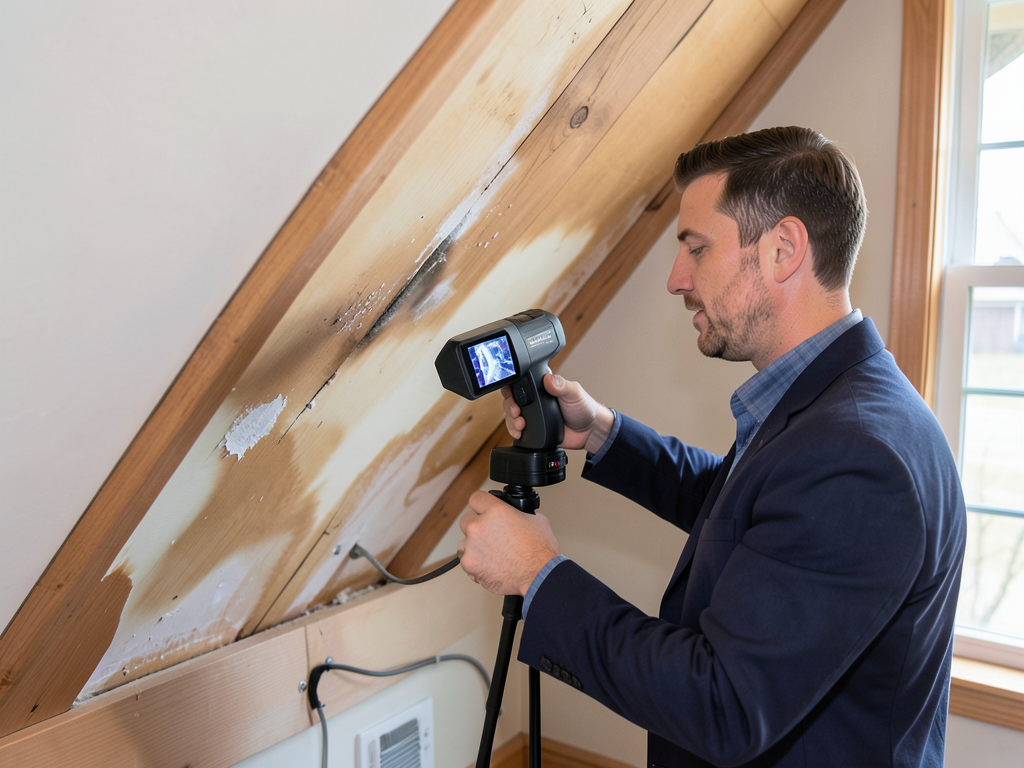
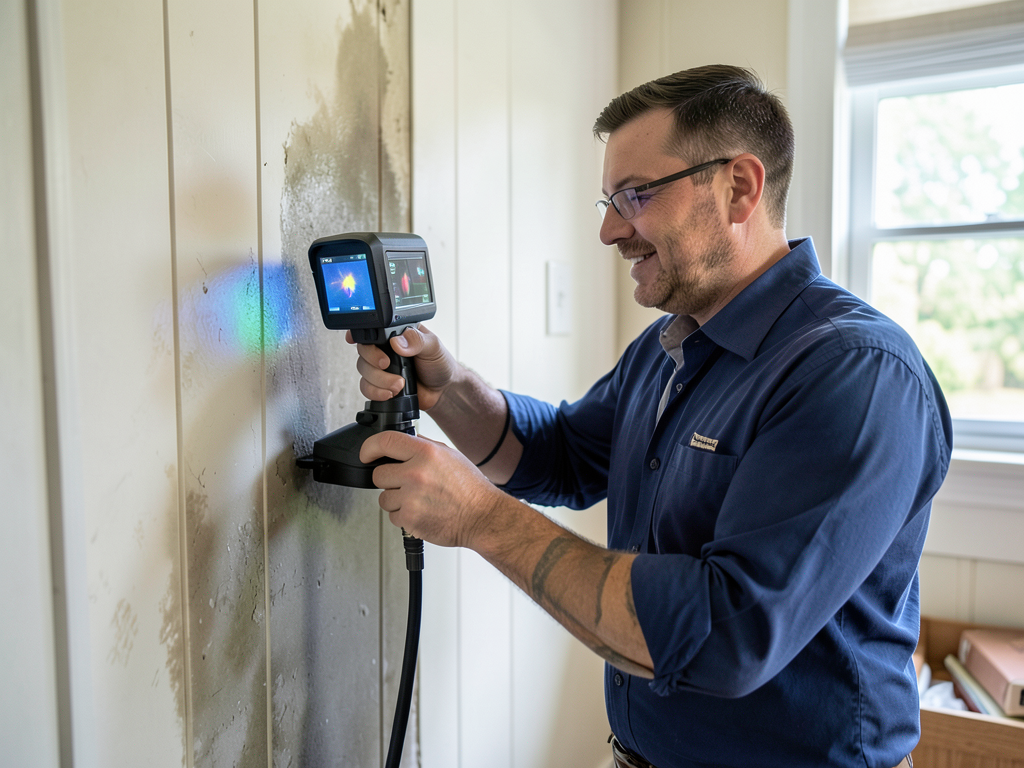
We do not just pull out wet insulation and call it a day. That approach leaves mold spores, residual moisture, and compromised structural members behind. Our process starts with thermal imaging to map exactly where water penetrated. Infrared cameras reveal moisture trapped inside wall cavities and above ceilings without tearing apart your home.

Once we locate all the saturated insulation, we establish containment barriers. This prevents mold spores from spreading during removal. We use negative air pressure and HEPA filtration to scrub the air continuously. Then we extract the soaked insulation carefully, bagging it for proper disposal. Fiberglass batts that absorbed water cannot be salvaged. Cellulose insulation turns into a moldy paste that must be scraped out completely.

After removal, we address the source. If ice dams caused the problem, we inspect your attic ventilation and recommend fixes. If a pipe leak soaked your walls, we repair the plumbing and check for hidden leaks behind fixtures. We then dry the framing with industrial dehumidifiers and air movers. Moisture meters confirm when wood studs and joists reach acceptable levels, usually below 15 percent moisture content.

Next comes antimicrobial treatment. We apply EPA-registered solutions to kill mold and prevent regrowth on exposed wood. Finally, we reinstall insulation to meet or exceed current Michigan energy code requirements. We use closed-cell spray foam in problem areas where traditional batts failed. This creates a moisture barrier and adds structural rigidity. For attics, we blow in fresh cellulose or fiberglass to the correct R-value for Zone 5 climate conditions.

What Happens When You Call Us About Damp Insulation

Soggy Insulation in Detroit – Fast Water Damage Response Before Health Hazards and Energy Bills Spiral Out of Control
01

Emergency Assessment and Documentation

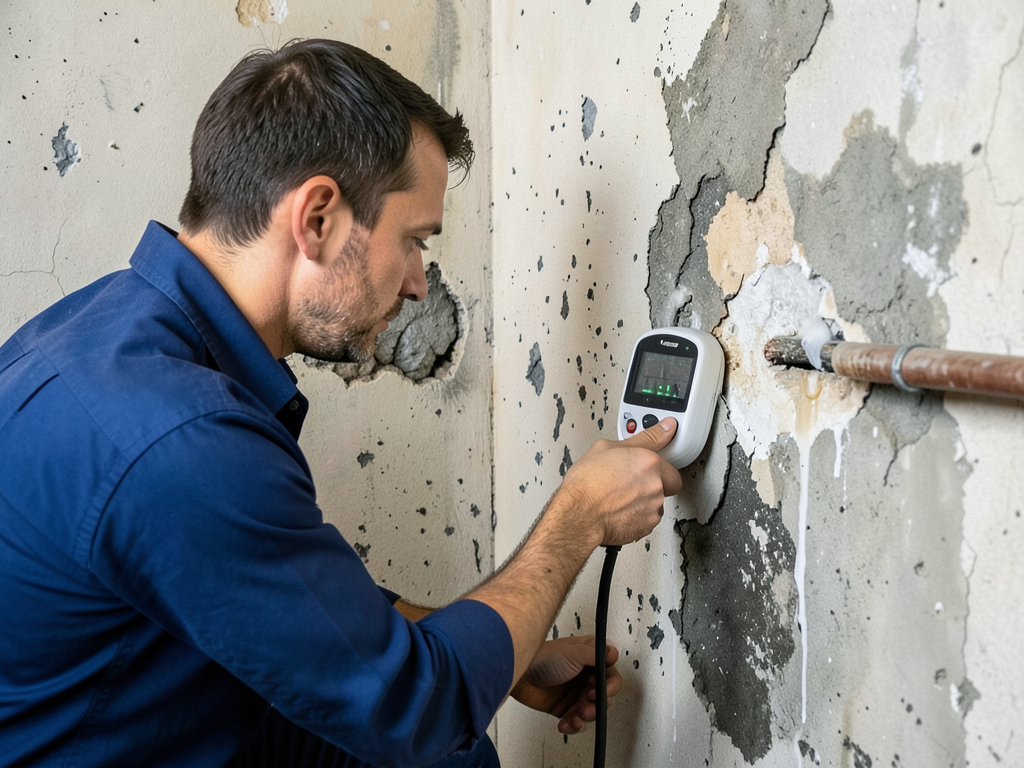
We arrive within hours to assess the extent of water intrusion. Our technicians use moisture meters and thermal cameras to map affected areas. We document everything with photos and detailed notes for your insurance claim. You get a written scope of work that explains what needs removal, what can be saved, and how we will prevent future issues. This assessment is thorough because insurance adjusters require proof of damage severity.
02

Containment and Safe Removal

We seal off the work area with plastic sheeting and set up negative air machines with HEPA filters. This keeps mold spores and insulation fibers from spreading through your home. Our crew wears protective gear and removes all saturated insulation systematically. We bag and haul away the wet material immediately. Framing and subflooring get inspected for rot or structural compromise. If we find damaged wood, we flag it for repair before reinstallation begins.
03

Drying, Treatment, and Reinstallation

High-capacity dehumidifiers and air movers run continuously until all structural elements reach safe moisture levels. We treat exposed surfaces with antimicrobial agents to kill mold and bacteria. Once dry, we install new insulation to current energy code standards. You receive a final walkthrough that explains what we did, how to prevent recurrence, and what to monitor going forward. Your home is restored to a safe, energy-efficient state.

Why Detroit Homeowners Trust Us With Soaked Insulation Emergencies

We understand how Detroit's older housing stock behaves under stress. Many homes in neighborhoods like Corktown, Indian Village, and Rosedale Park were built between 1920 and 1950. These structures use different framing techniques and insulation materials than modern builds. We have removed horsehair plaster, vermiculite insulation, and ancient wool batts from hundreds of Detroit homes. We know what to expect when we open up those walls.

Our team also understands Michigan's building codes and energy requirements. When we reinstall insulation, we meet Zone 5 climate standards. That means R-49 to R-60 in attics and R-21 in exterior walls for optimal energy efficiency. We work directly with insurance adjusters who handle claims in Wayne County. They know our documentation is accurate and our pricing is fair. This speeds up your claim approval and gets you paid faster.

We also coordinate with Detroit's inspection requirements when structural repairs are needed. If we discover rotted joists or compromised roof decking during insulation removal, we handle the permit process and schedule city inspections. You do not have to navigate that bureaucracy alone.

Ironwood Water Damage Restoration Detroit operates 24 hours a day because water emergencies do not wait for business hours. When a pipe bursts at 2 a.m. and soaks your ceiling insulation, you need someone who answers the phone and arrives fast. We dispatch crews immediately, even during snowstorms or holiday weekends. Our trucks carry industrial extraction equipment, dehumidifiers, and containment supplies so we can start mitigation the moment we arrive. Speed matters because every hour of delay increases mold risk and structural damage.

What to Expect When You Hire Us for Water Damaged Insulation Removal

Rapid Response and Immediate Mitigation

We arrive within two to four hours of your call, even during nights and weekends. Our trucks carry everything needed to start water extraction and containment immediately. You will not wait days for an estimate while mold takes hold. We begin emergency mitigation first, then provide a detailed written scope of work for insurance purposes. Our goal is to stop secondary damage before it compounds. Speed is critical when dealing with saturated insulation because mold begins colonizing within 24 to 48 hours. The faster we extract water and establish drying conditions, the less invasive the restoration becomes.

Thorough Inspection and Accurate Damage Mapping

We use thermal imaging cameras and penetrating moisture meters to locate all hidden water damage. Wet insulation often hides behind drywall or above ceilings where you cannot see it. Our equipment detects temperature differentials and moisture content inside wall cavities without demolition. You get a clear understanding of how far the water spread and what materials need replacement. We document everything with photos and diagrams for your insurance claim. This eliminates surprises later and ensures your adjuster approves the full scope of necessary repairs. Accurate assessment upfront prevents callbacks and incomplete drying.

Complete Restoration to Better-Than-Before Condition

We do not just replace what was there. We upgrade to current energy standards and use better materials where your old insulation failed. If fiberglass batts absorbed water repeatedly due to poor attic ventilation, we install spray foam or add vapor barriers to prevent recurrence. Your home will be more energy-efficient and better protected against future water intrusion. We also verify that all structural repairs meet code before reinstalling insulation. You get documentation showing moisture levels returned to normal and mold remediation was completed properly. This protects your home's value and gives you peace of mind.

Ongoing Support and Prevention Guidance

After we complete the restoration, you receive detailed guidance on preventing future insulation damage. We explain what caused the water intrusion and how to monitor for early warning signs. If ice dams were the culprit, we recommend attic ventilation improvements or heat cable installation. If a plumbing leak was the source, we suggest inspection schedules for older pipes. You also get our contact information for follow-up questions. We stand behind our work and want you to call if you notice any moisture issues down the road. Preventing recurrence is just as important as fixing the immediate problem.

Frequently Asked Questions

You Have Questions,
We Have Answers

Will wet insulation ever dry out? +

Wet insulation rarely dries out properly on its own, especially in Detroit's humid summers and cold winters. Fiberglass and cellulose insulation compress when wet, losing their insulating value permanently. Even if the surface dries, moisture trapped inside creates mold growth and structural damage. Attic insulation sits in stagnant air with poor circulation, preventing effective drying. Basement insulation in Detroit homes faces constant moisture exposure from groundwater and foundation seepage. The freeze-thaw cycles common here worsen the problem by creating ice pockets. You need professional removal and replacement to restore thermal performance and prevent health hazards.

Will mold grow in wet insulation? +

Yes, mold grows aggressively in wet insulation. Insulation materials provide the perfect environment for mold spores because they trap moisture, offer organic materials for food, and sit in dark, undisturbed spaces. Detroit's humidity levels during spring and summer accelerate this growth. Fiberglass insulation itself does not support mold, but dust, dirt, and paper backing create feeding grounds. Cellulose insulation, made from recycled paper, becomes a direct food source. Wet insulation loses its ability to regulate temperature, creating condensation that feeds mold colonies. The spores then spread through your HVAC system, contaminating your entire home.

How long does it take for mold to grow on wet insulation? +

Mold can begin growing on wet insulation within 24 to 48 hours under the right conditions. Detroit's variable climate creates ideal mold conditions during warm months when temperatures rise above 60 degrees and humidity exceeds 60 percent. Basements and attics with poor ventilation accelerate this timeline. The type of insulation matters. Cellulose insulation with organic content molds faster than fiberglass. However, even fiberglass collects dust and debris that support mold growth. If you discover water damage from roof leaks, burst pipes, or foundation seepage, you have a narrow window to prevent permanent contamination. Immediate professional extraction is critical.

Does it matter if insulation gets wet during build? +

Yes, it absolutely matters if insulation gets wet during construction in Detroit. Wet insulation installed in walls or attics never fully dries in enclosed spaces, creating long-term mold problems and structural decay. Detroit's building codes require proper moisture barriers, but wet insulation compromises these systems from day one. The insulation loses its R-value permanently, reducing energy efficiency and increasing heating costs during harsh winters. Builders sometimes rush to close walls before insulation dries, trapping moisture inside. This creates hidden mold growth that appears months or years later. Demand replacement of any water-damaged insulation before the project proceeds.

How to fix wet insulation? +

Fixing wet insulation requires complete removal and replacement, not drying attempts. First, identify and stop the water source, whether it is a roof leak, burst pipe, or foundation crack common in Detroit's older homes. Remove all saturated insulation immediately because it cannot recover its insulating properties. Dry the affected cavities using industrial dehumidifiers and air movers for at least 72 hours. Inspect framing and drywall for mold growth or rot. Treat any mold with antimicrobial solutions. Install new insulation only after moisture levels drop below 15 percent. Consider upgrading to closed-cell spray foam in basements prone to Detroit's high water tables.

Can mold grow on blown-in insulation? +

Yes, mold grows readily on blown-in insulation when moisture is present. Cellulose blown-in insulation, made from recycled paper treated with fire retardants, provides organic material that feeds mold colonies. Detroit attics experience temperature swings and condensation that create moisture problems. Blown-in fiberglass resists mold better but still traps moisture and accumulates dust that supports growth. Attic leaks from ice dams, common during Detroit winters, saturate blown-in materials quickly. The loose-fill nature makes complete drying nearly impossible without removal. If you notice musty odors or discoloration in your attic, assume mold contamination and call for professional inspection and remediation.

Why is it hard to sell a house with spray foam insulation? +

Spray foam insulation creates selling challenges because of moisture concerns, removal costs, and inspection issues. Closed-cell spray foam acts as a vapor barrier, but improper installation traps moisture in walls, creating hidden mold growth buyers fear. Detroit home inspectors flag spray foam because it conceals structural problems like wood rot, electrical issues, and plumbing leaks behind an impenetrable barrier. Removal costs thousands of dollars if buyers want traditional insulation. Some mortgage lenders hesitate financing homes with spray foam in older Detroit properties due to these unknowns. Buyers also worry about off-gassing and air quality, despite proper curing eliminating these risks.

How to tell if insulation is moldy or dirty? +

Moldy insulation shows discoloration with black, green, or brown patches, while dirty insulation appears uniformly gray or tan. Mold produces a distinct musty, earthy smell that intensifies in enclosed spaces like Detroit basements and attics. Check for water stains on surrounding wood or drywall, indicating moisture intrusion. Moldy insulation feels damp or unusually heavy compared to dry material. Look for visible fuzzy or slimy growth on the surface. Dirty insulation from construction dust or age does not spread or grow. If you spot any discoloration after water damage from Detroit's heavy rains or plumbing failures, assume mold contamination and arrange professional testing.

How do Japanese bathrooms not get mold? +

Japanese bathrooms prevent mold through superior ventilation, waterproofing, and design. They use fully sealed, prefabricated bathroom units with integrated drainage that eliminates water penetration into walls. Powerful exhaust fans run continuously, removing moisture immediately. Quick-drying materials and heated floors prevent condensation. The bathing area separates from the toilet and sink, containing moisture to one waterproof zone. This approach differs drastically from Detroit homes, where bathrooms often lack adequate ventilation, use porous grout and drywall, and suffer from aging exhaust fans. Detroit's older housing stock particularly struggles with bathroom moisture because of outdated construction methods and poor air circulation.

What are the first signs of mold sickness? +

Early mold sickness symptoms include persistent coughing, sneezing, throat irritation, and nasal congestion that worsens at home. You may experience headaches, fatigue, and difficulty concentrating. Eye irritation, skin rashes, and respiratory problems develop as exposure continues. Detroit residents with asthma or allergies notice symptom escalation when mold grows in insulation and spreads through HVAC systems. Some people develop fever or shortness of breath. Symptoms improve when you leave the house and return when you come back. Children and elderly individuals show symptoms first. If multiple family members experience unexplained respiratory issues, suspect hidden mold in wet insulation and schedule professional inspection immediately.

How Detroit's Freeze-Thaw Cycles and Aging Housing Stock Create Chronic Insulation Problems

Detroit experiences an average of 45 freeze-thaw cycles each winter. When temperatures swing above and below freezing repeatedly, ice dams form on roof eaves and meltwater backs up under shingles. This is especially common on older homes with insufficient attic insulation and ventilation. The water seeps into fiberglass batts, where it freezes again at night. This cycle repeats throughout winter, saturating insulation completely. Many Detroit homes also have uninsulated rim joists and foundation walls where condensation accumulates. Basements in neighborhoods built on clay soil experience hydrostatic pressure that pushes groundwater through foundation cracks, soaking any insulation installed against concrete walls.

Detroit's water damage restoration industry operates under Michigan's strict mold remediation guidelines and building codes designed for harsh winters. Contractors must understand how to handle vermiculite insulation, which is common in pre-1980s homes and may contain asbestos. We carry the proper licensing and training to remove hazardous materials safely. Our team also understands the unique construction methods used in Detroit's historic districts, where preservation requirements affect how we approach insulation replacement. Choosing a local company means working with technicians who have restored hundreds of similar homes and understand exactly what challenges your specific neighborhood and era of construction present.
Water Damage Restoration Services in The Detroit Area

Conveniently located to serve the Detroit area, Ironwood is always ready to respond to your water damage emergencies. Explore our service area on the map below or contact us directly to discuss your specific needs. We’re committed to providing prompt, professional service wherever you are within our operational zone, ensuring rapid deployment and effective restoration solutions when you need them most.

Address:
Ironwood Water Damage Restoration Detroit, 15324 Mack Ave, Detroit, MI, 48230

Additional Services We Offer

Our news updates

Latest Articles & News from The Blogs

A slow leak behind a Royal Oak bathroom wall can go unnoticed for weeks. By the time you smell mildew…

Why Smart Leak Detectors Are Worth Every Penny for Your Royal Oak Rental Property

A slow leak behind a Royal Oak bathroom wall can go unnoticed for weeks. By the time you smell mildew…

Why Your Whole House Humidifier in Warren Might Be Ruining Your Drywall

Your furnace runs all winter. Your whole house humidifier works quietly behind the scenes. And somewhere behind that drywall in…

What Black Water Flooding Actually Does to Your Health (A Detroit Homeowner's Guide)

A sewage backup in your Detroit basement is not just a cleanup problem. It is a biohazard event. The water…

Contact Us

Every hour counts when insulation gets soaked. Mold grows fast, heating costs rise, and structural damage spreads. Call Ironwood Water Damage Restoration Detroit right now at (313) 572-5559. We answer 24/7 and dispatch crews immediately to assess and mitigate your water damage emergency.