





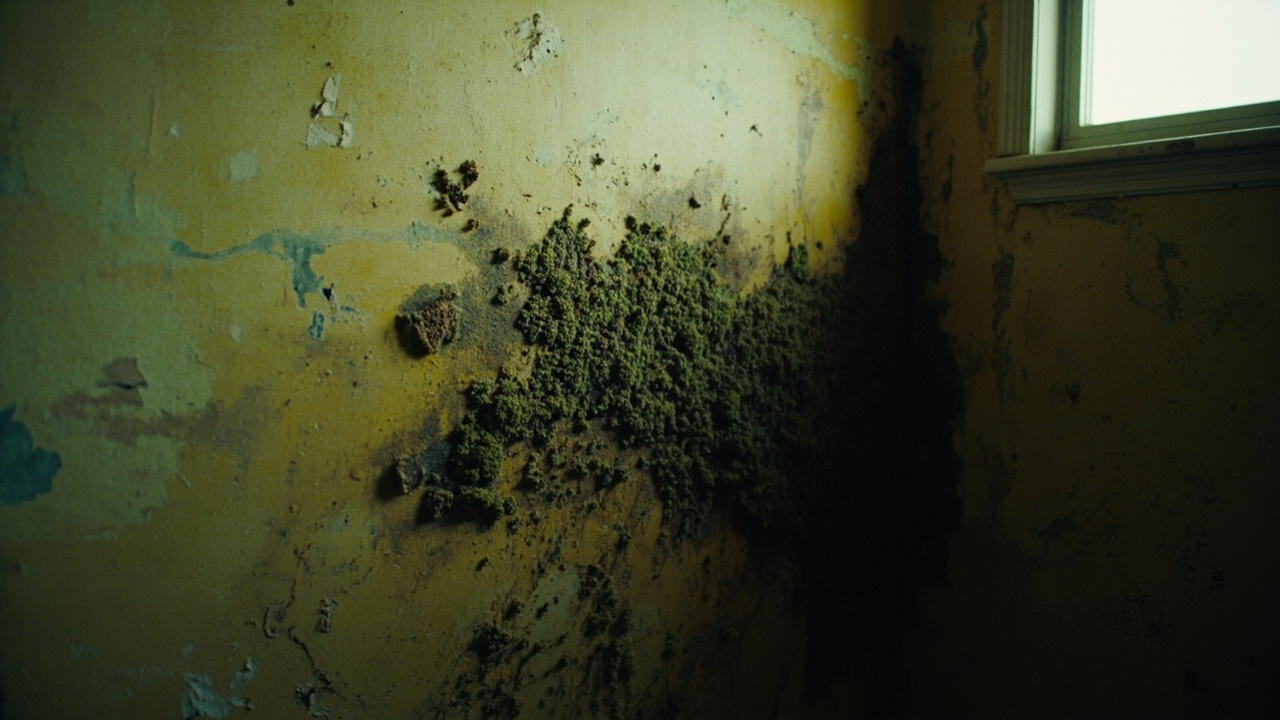
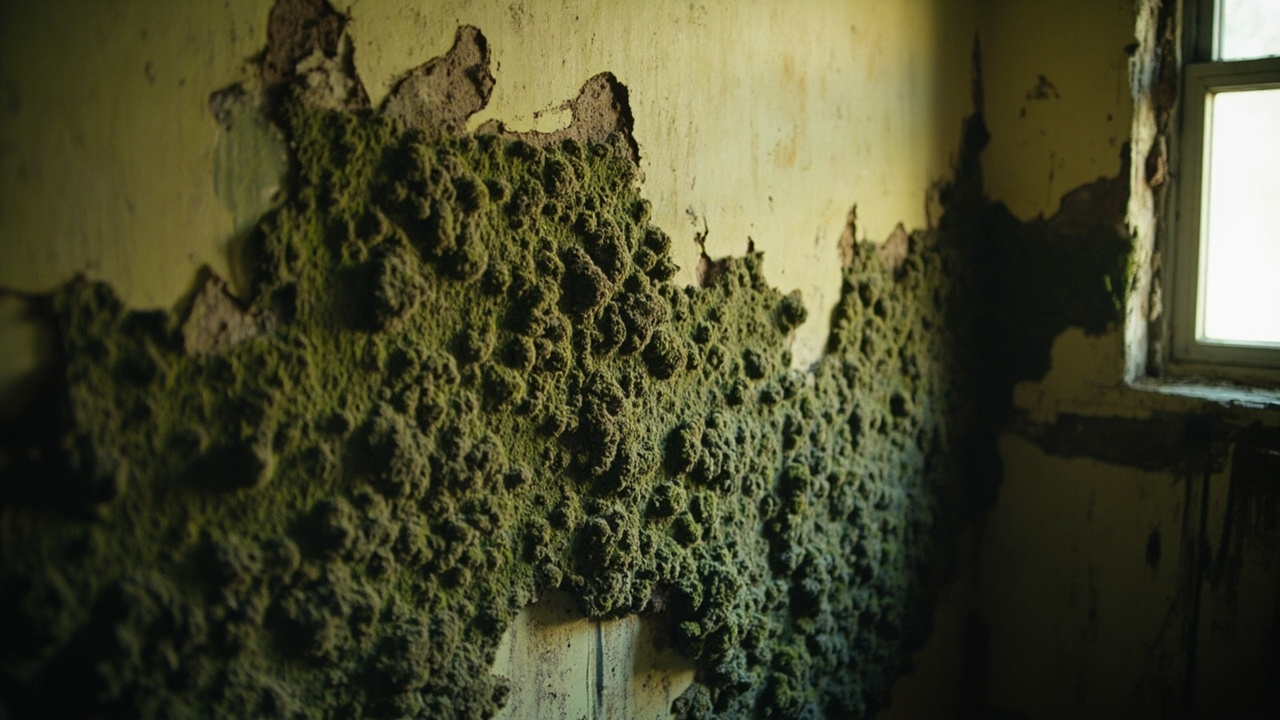
Detroit sits on clay soil that expands when wet and contracts when dry. This cycle creates hydrostatic pressure against foundation walls and opens cracks that allow groundwater intrusion. Combine this with our region's average 33 inches of annual precipitation and you have constant moisture stress on below-grade walls. Spring snowmelt overwhelms aging combined sewer systems in older Detroit neighborhoods, causing backup and foundation seepage. Summer humidity averages 70 percent, which means any moisture that enters wall cavities stays there. These factors make visible mold growth on walls significantly more common in Detroit than in drier climates.
Effective mold remediation in Detroit requires understanding local construction methods. Homes built before 1950 often feature plaster over wood lath, which holds moisture differently than modern drywall. Post-war homes used concrete block with minimal waterproofing. Recent construction sometimes skips proper vapor barriers to cut costs. We have remediated mold in every era of Detroit construction, from Corktown workers' cottages to new builds in Brush Park. This experience means we identify your moisture source faster and fix it correctly the first time, saving you money on repeat remediation.