




menu

Warehouse Flood Restoration in Detroit – Industrial-Grade Recovery That Minimizes Downtime and Protects Your Bottom Line

Ironwood Water Damage Restoration Detroit delivers fast-response warehouse water mitigation and commercial flood remediation engineered to restore operations quickly, protect inventory, and meet Detroit's commercial building codes without disrupting your supply chain.

Slider Image 1
Slider Image 2
Slider Image 3
Slider Image 4
Slider Image 5
Slider Image 7
Slider Image 8
Slider Image 9
Slider Image 10
Slider Image 11

Detroit Warehouses Face Unique Flooding Risks That Demand Specialized Recovery

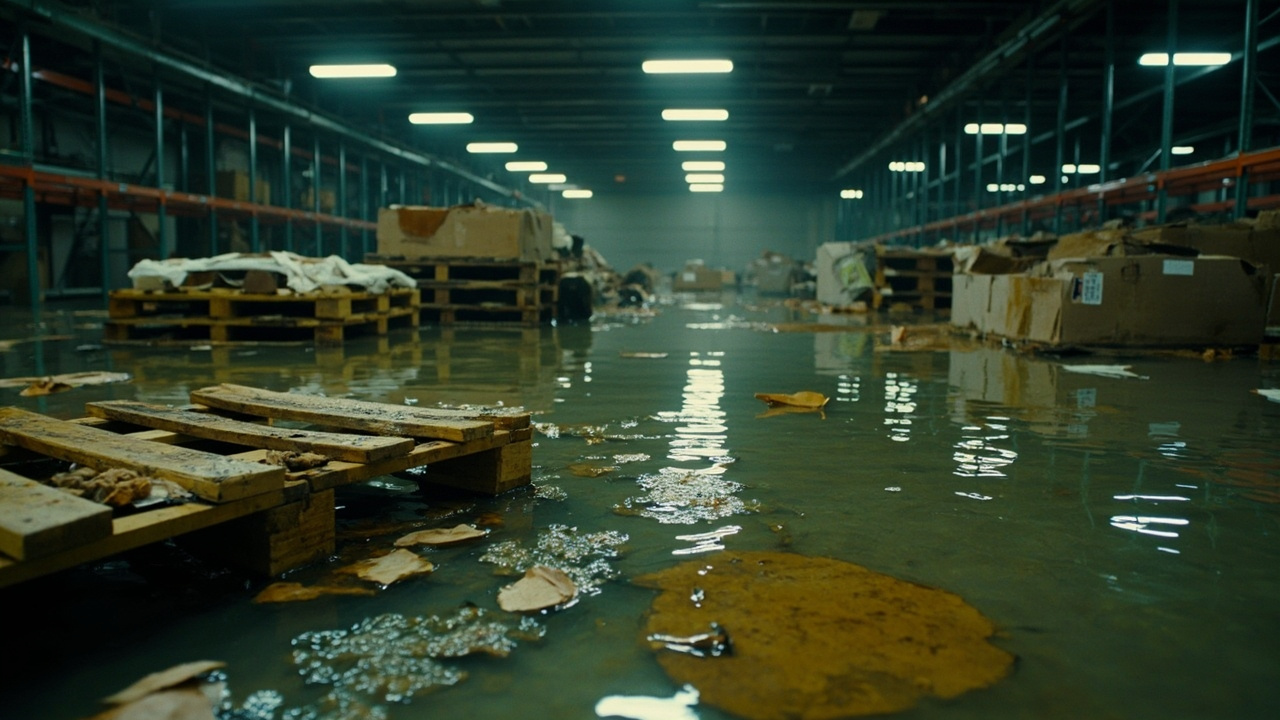
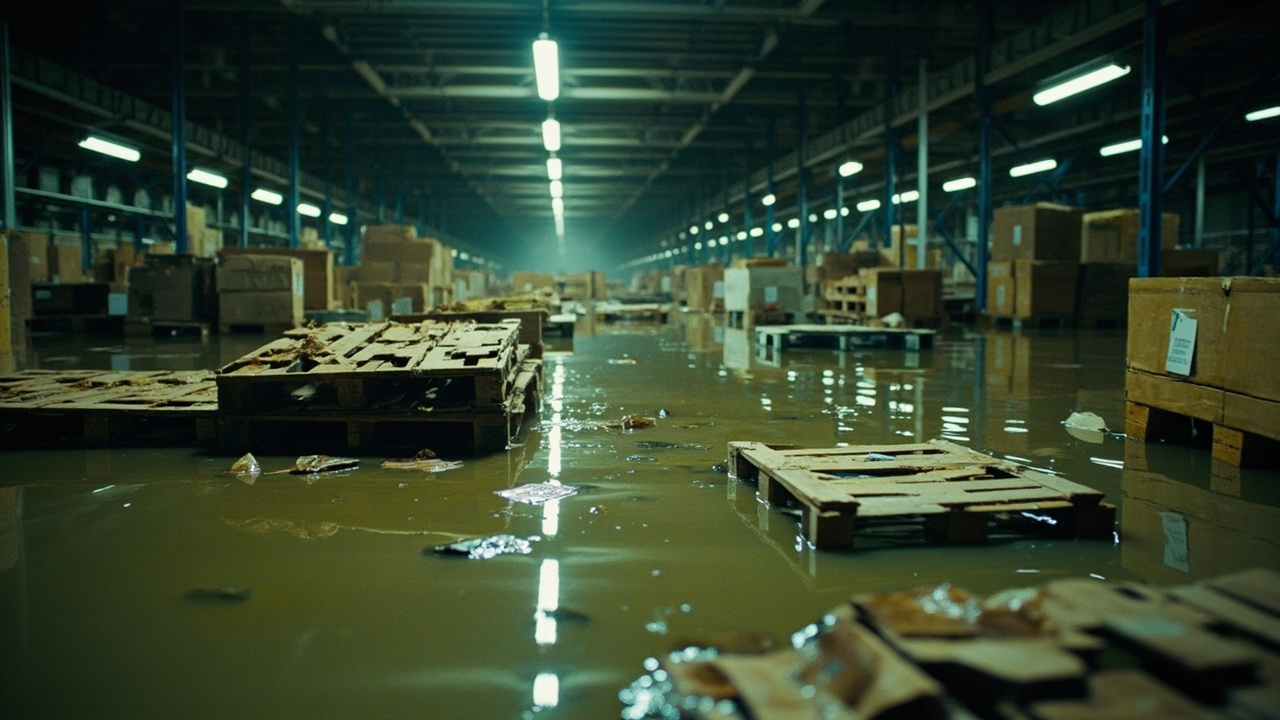
Detroit's industrial corridor sits in a low-lying basin along the Detroit River, making warehouses and distribution centers vulnerable to seasonal flooding from spring snowmelt and heavy summer storms. When combined with aging stormwater infrastructure in areas like Southwest Detroit and the East Riverfront, even moderate rainfall can overwhelm drainage systems and flood warehouse floors in hours.

The financial impact is immediate. Standing water damages inventory, compromises structural integrity, creates electrical hazards, and halts operations. Every hour your facility remains offline costs you in lost productivity, missed shipments, and potential contract penalties. Standard residential water removal methods fail in commercial spaces because they lack the extraction capacity, drying power, and logistics coordination required for 50,000-square-foot facilities.

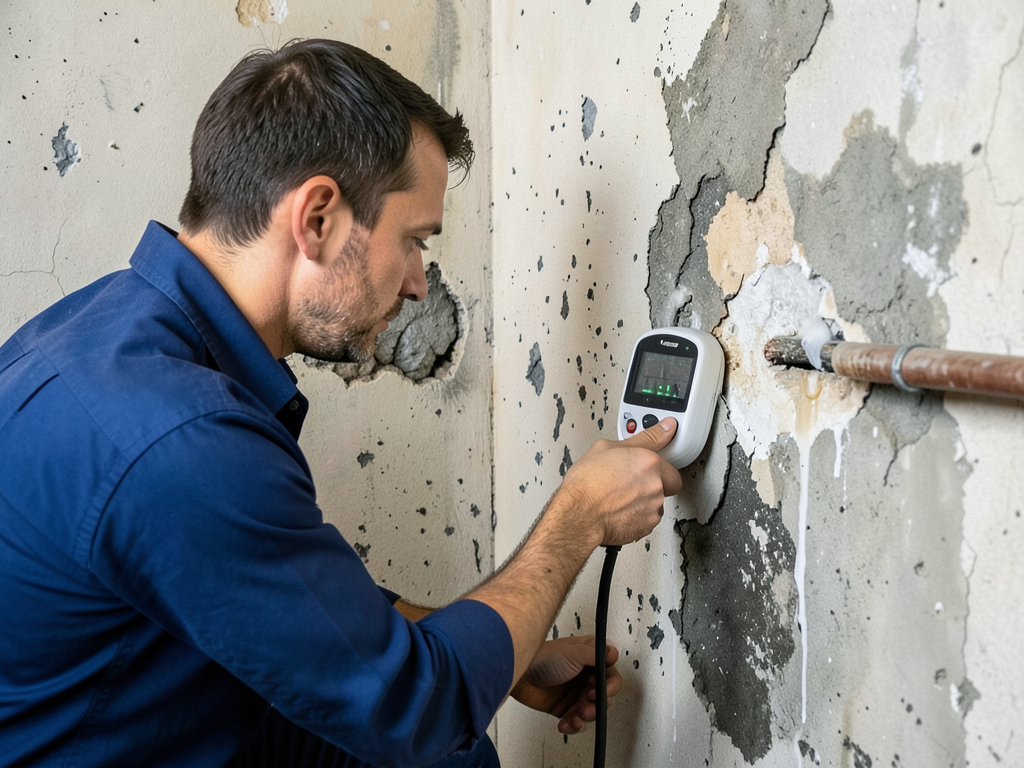
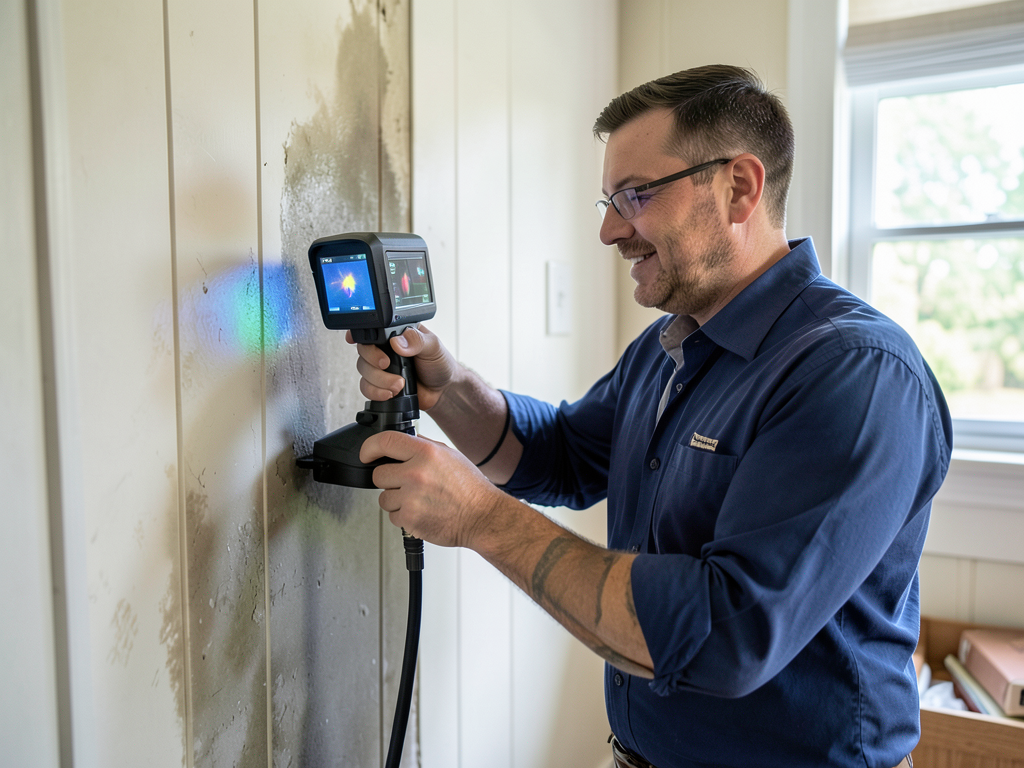
Industrial water damage cleanup requires commercial-grade truck-mounted extractors, thermal imaging to detect moisture in concrete slabs, and coordination with your operations team to protect undamaged inventory while we work. Detroit's freeze-thaw cycles add another layer of complexity. Water that seeps into concrete floors during a flood can freeze during winter months, causing spalling and structural damage that compounds repair costs.

Warehouse flood restoration is not a residential job scaled up. It requires understanding loading dock drainage, HVAC system contamination risks, and how to dry industrial racking systems without warping structural steel. The goal is business continuity, not just water removal.

Detroit Warehouses Face Unique Flooding Risks That Demand Specialized Recovery
How Ironwood Executes Commercial Flood Remediation for Detroit Warehouses

How Ironwood Executes Commercial Flood Remediation for Detroit Warehouses

Distribution center water removal begins with containment and triage. We deploy portable berms and extraction units to isolate affected zones, allowing unaffected areas to remain operational. This phased approach minimizes total facility downtime and protects revenue-generating sections of your warehouse.

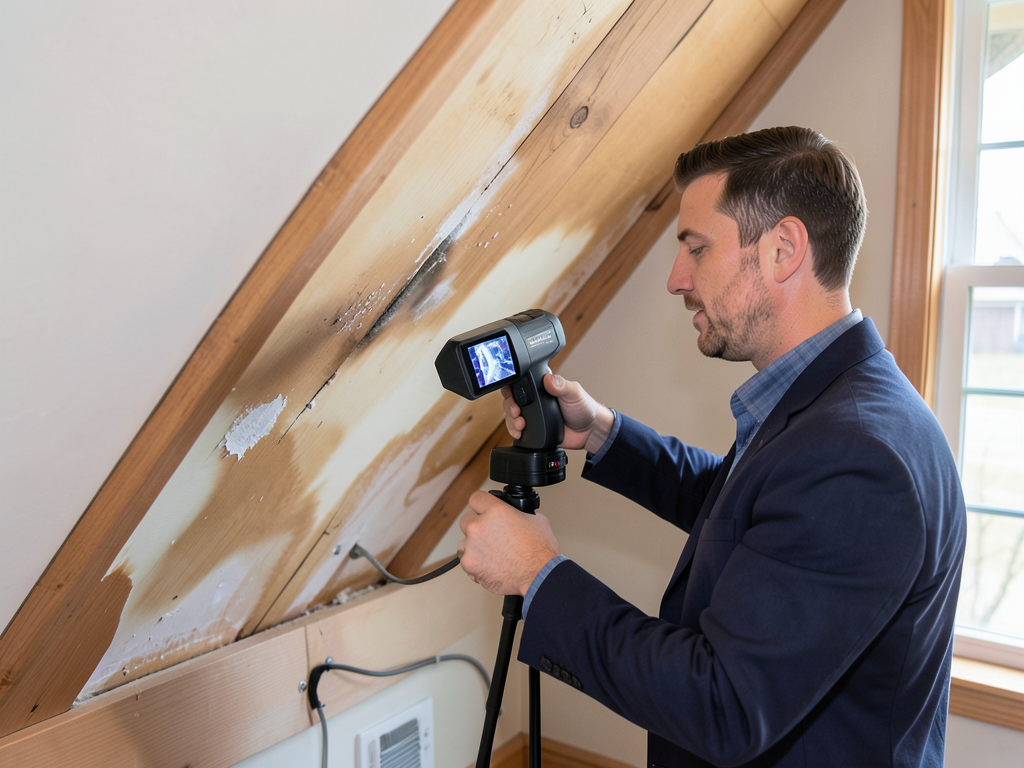
We use truck-mounted extractors capable of removing thousands of gallons per hour, not shop-vacs. For concrete slab floors common in Detroit industrial buildings, we deploy injectidry systems that force heated air beneath the surface to eliminate trapped moisture that standard air movers cannot reach. Thermal imaging identifies hidden water pockets in wall cavities, insulation, and beneath racking systems before they cause mold growth or structural rot.

Detroit's commercial building codes require documentation for insurance claims and compliance. We photograph damage progression, log moisture readings at multiple stages, and provide detailed reports that satisfy both your carrier and the City of Detroit Building Safety Engineering and Environmental Department if permits are required for structural repairs.

HVAC systems in warehouses circulate air across large volumes. If floodwater contains sewage or chemical contaminants, your entire ventilation system becomes a distribution network for pathogens. We assess ductwork for contamination, recommend cleaning or replacement, and coordinate with your facility manager to prevent cross-contamination during the drying process.

Industrial flood recovery also means coordinating with your supply chain. We work around delivery schedules, provide after-hours access for your team to retrieve critical inventory, and communicate progress in measurable terms like moisture content percentages and square footage dried per day, not vague timelines.

What Happens During a Warehouse Flood Restoration Project

Warehouse Flood Restoration in Detroit – Industrial-Grade Recovery That Minimizes Downtime and Protects Your Bottom Line
01

Emergency Assessment and Containment

Our team arrives within hours to assess damage scope, identify safety hazards like electrical risks or structural compromise, and establish containment zones. We map the facility, prioritize high-value inventory areas, and deploy initial extraction equipment to stop water spread. You receive an immediate action plan with timeline estimates and resource allocation so you can inform stakeholders and adjust operations.
02

High-Volume Extraction and Drying

We execute warehouse water mitigation using industrial extractors, dehumidifiers rated for commercial spaces, and injectidry systems for concrete floors. Moisture meters and thermal cameras guide our work, ensuring we address hidden water in wall assemblies and beneath surface materials. We coordinate with your team to move inventory safely, protect undamaged goods, and maintain access to critical operational zones throughout the drying process.
03

Verification and Operational Handoff

Before we leave, every affected area is tested to confirm moisture levels meet industry standards for your building materials and use case. You receive documentation including moisture logs, photos, and a final report for insurance and compliance purposes. We coordinate with your contractors if structural repairs are needed and provide recommendations for preventing future flooding based on your facility's specific vulnerabilities and Detroit's stormwater patterns.

Why Detroit Warehouse Operators Choose Ironwood for Commercial Flood Remediation

Detroit's industrial real estate operates on tight margins. You need a restoration partner who understands that every day offline is lost revenue and that half-measures create liability. Ironwood Water Damage Restoration Detroit has restored distribution centers in Midtown, manufacturing facilities near the I-94 corridor, and cold storage warehouses in Southwest Detroit where flooding intersects with refrigeration systems and creates compounded damage.

We understand Detroit's commercial building stock. Many warehouses were built between 1920 and 1960, featuring concrete slab-on-grade foundations, brick exterior walls, and outdated drainage systems. These buildings require different drying techniques than modern tilt-up construction. We know how to dry timber roof decking without over-drying and causing shrinkage, and how to address water intrusion in masonry walls common to Detroit's older industrial buildings.

Our equipment capacity matches commercial scale. We maintain truck-mounted extractors, trailer-mounted dehumidifiers, and generator packages that allow us to operate independently of your facility power if electrical systems are compromised. This is not residential equipment brought to a warehouse. It is purpose-built for industrial water damage cleanup.

We also coordinate with Detroit's commercial insurance carriers and understand the documentation requirements for large-loss claims. You get itemized reports, moisture content logs, and photo documentation that supports your claim and speeds reimbursement. Our goal is to make the insurance process transparent and efficient, not adversarial.

Local response time matters. We are based in Detroit, not dispatched from a regional office in another state. When flooding hits, we arrive fast and bring the right equipment the first time.

What to Expect When You Call Ironwood for Warehouse Flood Restoration

Immediate Dispatch and Rapid Response

We operate around the clock because flooding does not respect business hours. When you call, you speak with someone who can deploy a crew immediately, not a voicemail system. Our average response time to Detroit industrial properties is under two hours. We arrive with extraction equipment, safety gear, and a facility assessment checklist. You get an on-site damage evaluation and a written action plan before we start work, so there are no surprises about scope or approach.

Detailed Damage Assessment and Coordination

Our team walks your facility with moisture meters, thermal cameras, and documentation tools. We identify visible damage and hidden moisture migration in walls, floors, and ceilings. You receive a written assessment that includes affected square footage, estimated drying time, and equipment requirements. We coordinate with your operations manager to schedule work around shifts, deliveries, and production cycles. This is a partnership, not a takeover. You maintain control while we execute the technical work.

Verified Drying and Compliance Documentation

We do not remove equipment based on guesswork. Moisture testing continues until readings confirm your facility meets IICRC S500 standards for water damage restoration. You receive a completion report with before-and-after moisture logs, photos of affected areas, and documentation that satisfies insurance carriers and building inspectors. If structural repairs are needed, we provide referrals to licensed commercial contractors familiar with Detroit's industrial building codes and permit processes.

Post-Restoration Consultation and Prevention

After restoration, we review what caused the flooding and how to prevent recurrence. This might include recommendations for sump pump upgrades, exterior grading improvements, or roof drainage modifications. We provide a written summary of vulnerabilities specific to your facility and Detroit's climate patterns. If you experience future issues, you have a direct line to a team already familiar with your building layout, materials, and operational needs.

Frequently Asked Questions

You Have Questions,
We Have Answers

What is the average cost of remediation? +

Warehouse flood restoration costs vary based on flood category, square footage, and structural damage extent. Water extraction for a small warehouse starts around a few thousand dollars, while extensive structural drying, mold remediation, and equipment replacement can reach tens of thousands. Detroit warehouses face unique challenges from freeze-thaw cycles damaging foundation walls and aging infrastructure causing pipe failures. Category 3 water (sewage backup) costs more due to contamination protocols. Insurance coverage significantly impacts your out-of-pocket expense. Request a detailed estimate that breaks down labor, equipment rental, disposal fees, and materials. Time matters. Delayed response increases damage severity and total cost.

What's the difference between restoration and remediation? +

Restoration returns your warehouse to pre-loss condition through structural repairs, equipment replacement, and cosmetic work. Remediation focuses on removing contaminants and hazards like mold, sewage, or chemical spills. A Detroit warehouse experiencing a pipe burst needs restoration (water extraction, drying, drywall replacement). If that water sits for 72 hours and mold colonizes, you need remediation first (containment, HEPA filtration, antimicrobial treatment), then restoration. Many projects require both. Remediation addresses the health threat. Restoration addresses the physical damage. Commercial facilities need both done right to maintain code compliance and protect liability exposure.

How do restoration companies get paid? +

Restoration companies typically bill through insurance claims or direct invoicing. For insured losses, the company works with your adjuster, submitting detailed estimates and documentation. You pay your deductible upfront. Some companies offer direct billing, where they collect payment directly from your insurer after approval. For uninsured events or coverage gaps, you receive direct invoices based on completed work phases. Larger Detroit warehouse projects may use progress billing tied to milestones (water extraction completion, structural drying verification, final reconstruction). Emergency services often require immediate payment or deposit. Commercial clients should clarify payment terms, insurance coordination capabilities, and documentation standards before work begins.

Is water damage restoration worth it? +

For commercial properties, professional warehouse flood restoration protects business continuity and asset value. A 10,000 square foot Detroit warehouse left untreated develops structural rot, mold growth, and equipment corrosion within days. Restoration costs seem high until you calculate downtime revenue loss, inventory replacement, liability from unsafe conditions, and complete building replacement costs. Proper restoration prevents mold litigation, maintains insurance coverage validity, and preserves tenant relationships. Detroit's humidity and temperature swings accelerate deterioration. Professional drying prevents secondary damage that costs three to five times more than immediate response. For commercial real estate, restoration is risk management and financial protection, not optional maintenance.

Does insurance pay for water restoration? +

Commercial property insurance typically covers sudden, accidental water damage like burst pipes, roof leaks, or sprinkler malfunctions. Coverage depends on your policy terms, damage cause, and maintenance records. Detroit warehouse owners should review whether their policy covers flood (requires separate federal flood insurance), sewer backup (often excluded without endorsement), or gradual leaks (usually excluded). Insurance pays for reasonable restoration costs minus your deductible. Document everything immediately. Take photos, preserve evidence, and notify your insurer within policy timeframes. Claims get denied for delayed notification or inadequate documentation. Your restoration company should provide detailed estimates and work directly with adjusters.

What are the three types of remediation? +

The three contamination categories guide remediation protocols. Category 1 is clean water from supply lines or rainwater, posing minimal health risk. Category 2 is grey water from appliances or floor drains, containing contaminants that cause discomfort or sickness. Category 3 is black water from sewage, flooding, or prolonged stagnation, containing pathogens and toxins requiring extensive safety protocols. Detroit warehouses near the Detroit River face Category 3 risks during flood events. Each category requires different protective equipment, disposal methods, and treatment intensity. Category escalates over time. Clean water becomes grey water after 48 hours, then black water after 72 hours. Fast response prevents category escalation.

What does restoration include? +

Warehouse restoration includes water extraction, structural drying, debris removal, antimicrobial treatment, damaged material removal (drywall, insulation, flooring), reconstruction, and contents restoration. Comprehensive projects address HVAC cleaning, electrical system inspection, concrete floor sealing, and loading dock repairs. Detroit facilities require freeze protection assessment after water events damage heating systems. Restoration companies deploy industrial dehumidifiers, air movers, moisture meters, and thermal imaging to verify complete drying before reconstruction begins. Documentation includes moisture readings, photo records, and equipment logs proving work quality. Full restoration returns your warehouse to functional, code-compliant condition. Partial restoration leaves liability exposure and recurring problems that compound over time.

What are the 3 R's of recovery? +

The three Rs are response, recovery, and resilience. Response means immediate action to stop water intrusion, extract standing water, and stabilize the environment. Recovery involves structural drying, damage assessment, remediation, and reconstruction to restore functionality. Resilience focuses on preventing future events through upgraded materials, improved drainage, backup systems, and maintenance protocols. Detroit warehouses should implement freeze protection, roof maintenance schedules, and automatic shut-off valves after experiencing water damage. Response speed determines recovery cost. Recovery quality determines resilience effectiveness. Commercial facilities that skip resilience planning repeat the cycle every few years, compounding damage costs and business interruption losses.

What are some successful remediation examples? +

Successful warehouse remediation examples include rapid response to a 50,000 square foot Detroit distribution center where a sprinkler main failed overnight. Crews extracted 200,000 gallons, deployed 80 dehumidifiers, and saved inventory worth millions through immediate action. Another case involved a food storage warehouse with Category 3 sewage backup requiring complete floor sanitization, HVAC decontamination, and regulatory compliance documentation. A third example featured a manufacturing facility where thermal imaging detected hidden moisture in concrete walls, preventing mold growth that would have caused production shutdown. Success requires experienced crews, industrial-grade equipment, moisture verification technology, and detailed documentation proving work quality and code compliance.

Do you need a license for restoration? +

Michigan requires contractors performing water damage restoration to hold appropriate licenses depending on work scope. Structural work requires a residential or commercial builder license. Mold remediation over 10 square feet requires state mold remediation certification. Plumbing repairs need a licensed plumber. Electrical work requires a licensed electrician. HVAC repairs need proper HVAC licensing. Detroit warehouse projects involve multiple trades. Verify your restoration company holds necessary licenses, carries commercial general liability insurance, and employs certified technicians (IICRC certification is industry standard). Unlicensed work voids insurance claims, creates liability exposure, and violates building codes. Request license numbers, insurance certificates, and technician certifications before signing contracts.

Why Detroit's Aging Stormwater Systems Make Warehouse Flood Restoration Critical

Detroit's combined sewer system, which handles both stormwater and sanitary waste, dates back over a century in many industrial districts. During heavy rainfall, this system can overflow, sending contaminated water into streets and low-lying warehouses near the Rouge River and Detroit River. Facilities in Delray, Southwest Detroit, and along the I-94 corridor face elevated flood risk because stormwater has nowhere to go when the system reaches capacity. This means warehouse flooding in Detroit often involves not just clean water, but sewage-contaminated floodwater that requires specialized disinfection protocols and disposal procedures beyond standard water extraction.

Choosing a local restoration company for industrial flood recovery in Detroit means working with professionals who understand these infrastructure challenges and have relationships with the Detroit Water and Sewerage Department for reporting and documentation. We know which areas flood predictably, how to navigate the city's permitting process for major repairs, and which insurance carriers operate in Detroit's commercial market. This local knowledge translates to faster response, accurate damage assessment, and smoother coordination with city inspectors and insurance adjusters who expect Detroit-specific documentation and compliance standards.
Water Damage Restoration Services in The Detroit Area

Conveniently located to serve the Detroit area, Ironwood is always ready to respond to your water damage emergencies. Explore our service area on the map below or contact us directly to discuss your specific needs. We’re committed to providing prompt, professional service wherever you are within our operational zone, ensuring rapid deployment and effective restoration solutions when you need them most.

Address:
Ironwood Water Damage Restoration Detroit, 15324 Mack Ave, Detroit, MI, 48230

Additional Services We Offer

Our news updates

Latest Articles & News from The Blogs

A slow leak behind a Royal Oak bathroom wall can go unnoticed for weeks. By the time you smell mildew…

Why Smart Leak Detectors Are Worth Every Penny for Your Royal Oak Rental Property

A slow leak behind a Royal Oak bathroom wall can go unnoticed for weeks. By the time you smell mildew…

Why Your Whole House Humidifier in Warren Might Be Ruining Your Drywall

Your furnace runs all winter. Your whole house humidifier works quietly behind the scenes. And somewhere behind that drywall in…

What Black Water Flooding Actually Does to Your Health (A Detroit Homeowner's Guide)

A sewage backup in your Detroit basement is not just a cleanup problem. It is a biohazard event. The water…

Contact Us

Warehouse flooding requires immediate action to minimize damage and downtime. Call Ironwood Water Damage Restoration Detroit at (313) 572-5559 for fast-response industrial water damage cleanup. We deploy commercial-grade equipment and deliver the documentation you need to keep your business moving.